
Most restorations don't fail because the owner lacked skill. They fail because of a handful of mistakes that show up over and over, on Mustangs and Chevelles and Chargers alike, made by first-timers who didn't know any better. I've bought more than a few of these dead projects for pennies on the dollar, hauled home in boxes with a story attached. The good news is the common errors are predictable. Know them going in and you avoid the traps that sink most first restorations.
Restoration & Tech
6 min read
Common First-Time Restoration Mistakes
The classic car restoration mistakes that sink first projects: bad budgets, teardown chaos, shiny-before-structure. Learn to avoid all five.
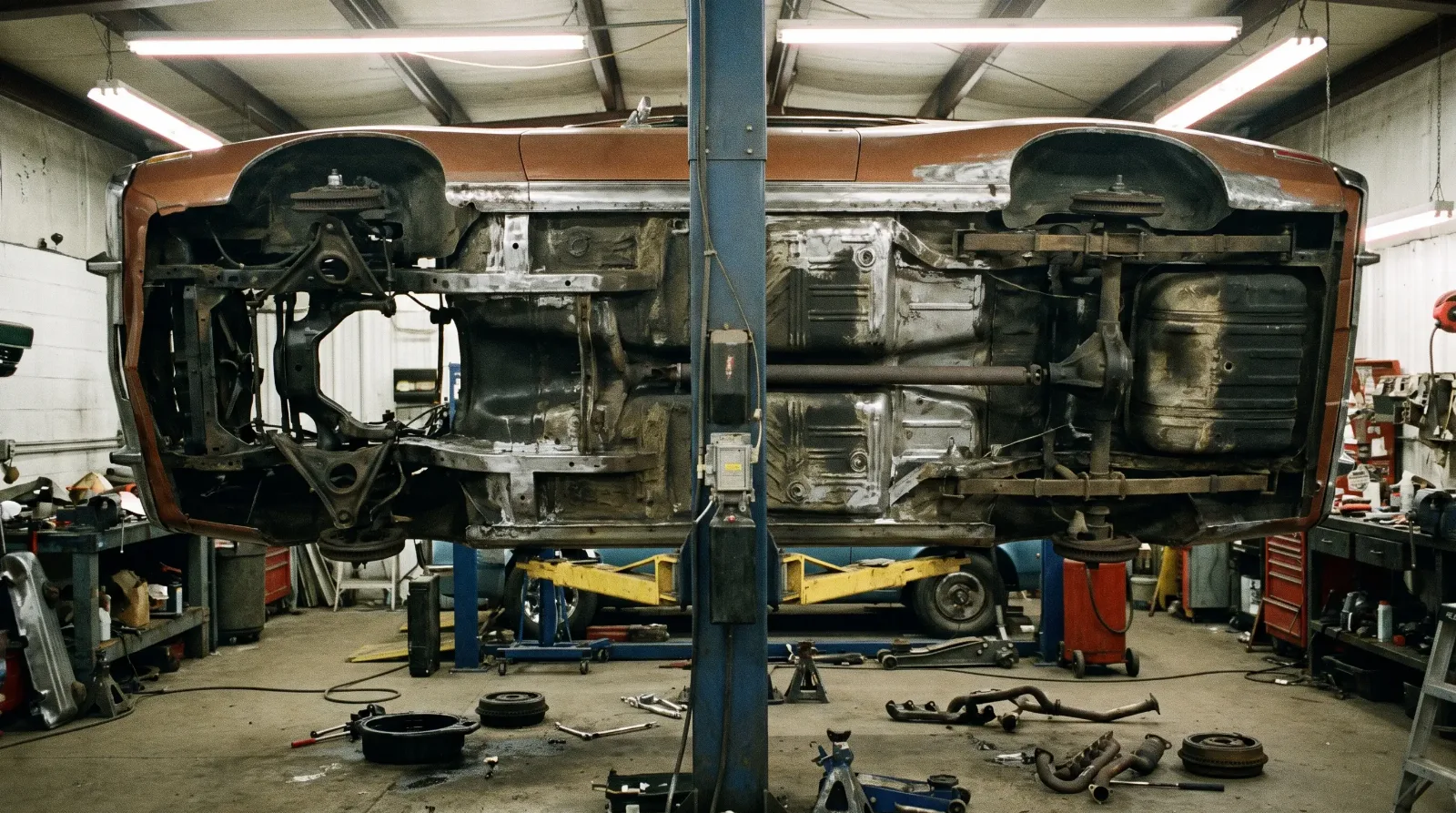
None of these are exotic. They're basic, and that's exactly why people fall into them. Here are the ones that do the most damage and how to stay out of them.
Underestimating the real cost
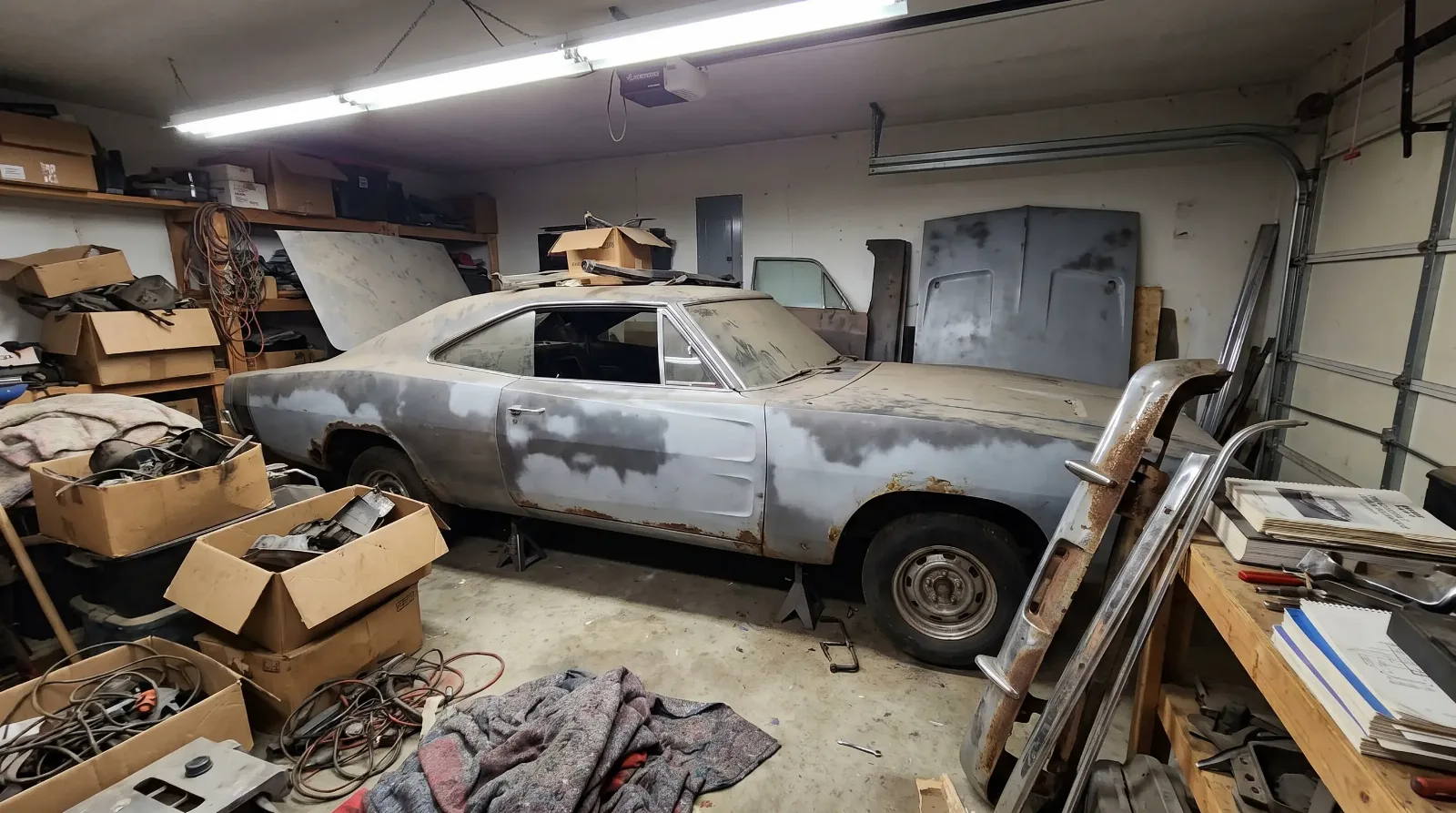
This is the big one, the mistake behind most stalled projects. You buy a car for eight grand, figure another fifteen to restore it, and eighteen months later you're forty thousand deep with the interior still in boxes. Restoration costs run higher than anyone expects, always, because the problems you can't see are the ones that eat the budget. Rust you didn't find, parts that cost triple what you guessed, machine work you didn't plan for.
The fix is to build a real budget before you buy, not after, and then add a serious cushion. Whatever you think the car will cost, add fifty percent and you're closer to reality. And be honest about the finished value. Spending sixty grand to build a car worth thirty-five is fine if you're doing it for love, but do it knowing that, not by accident. The money mistakes and the disassembly mistakes tend to compound each other, and it helps to understand the full arc before you start, which our our muscle car restoration guide lays out in detail.
Disassembling faster than you can rebuild
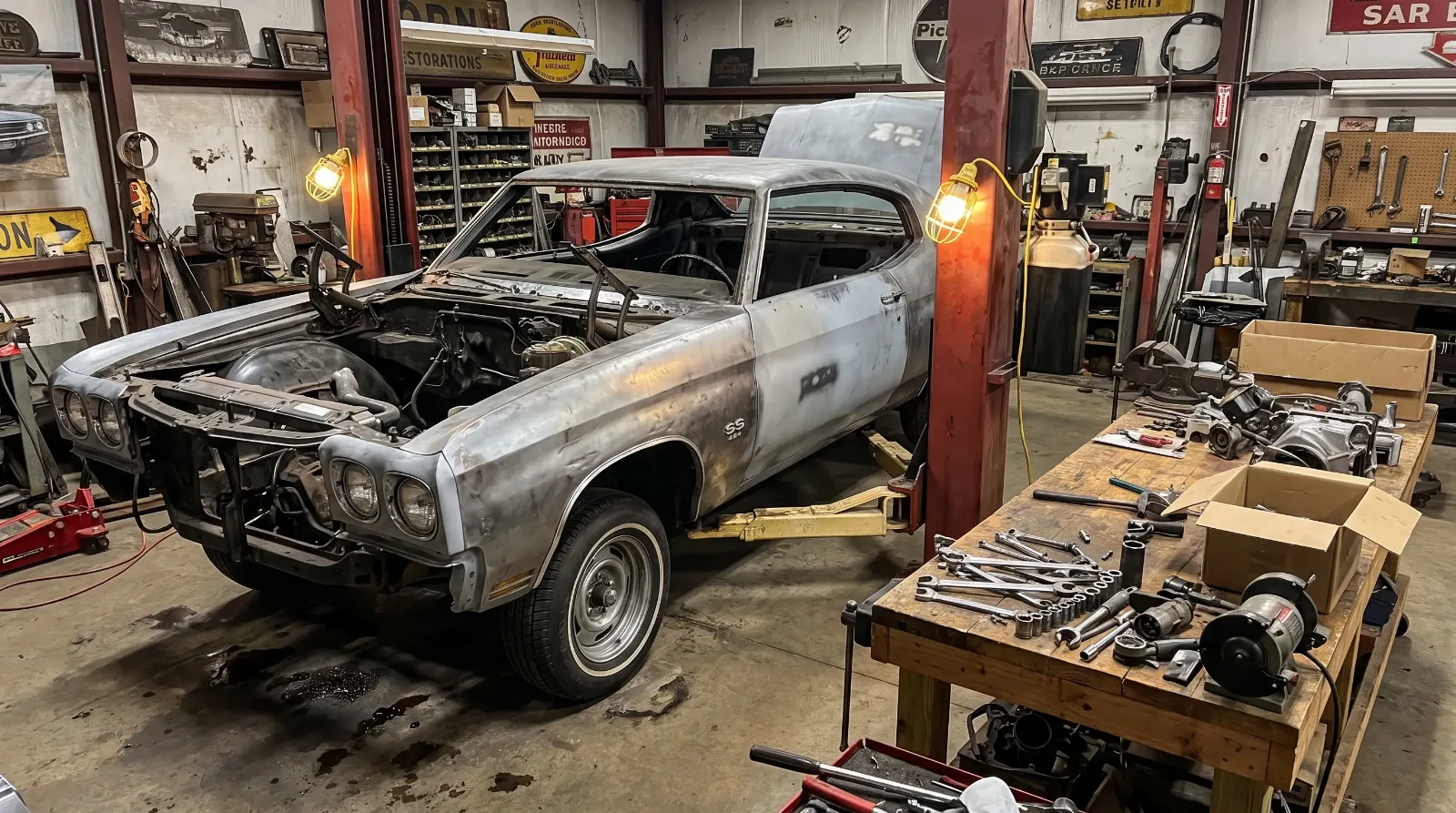
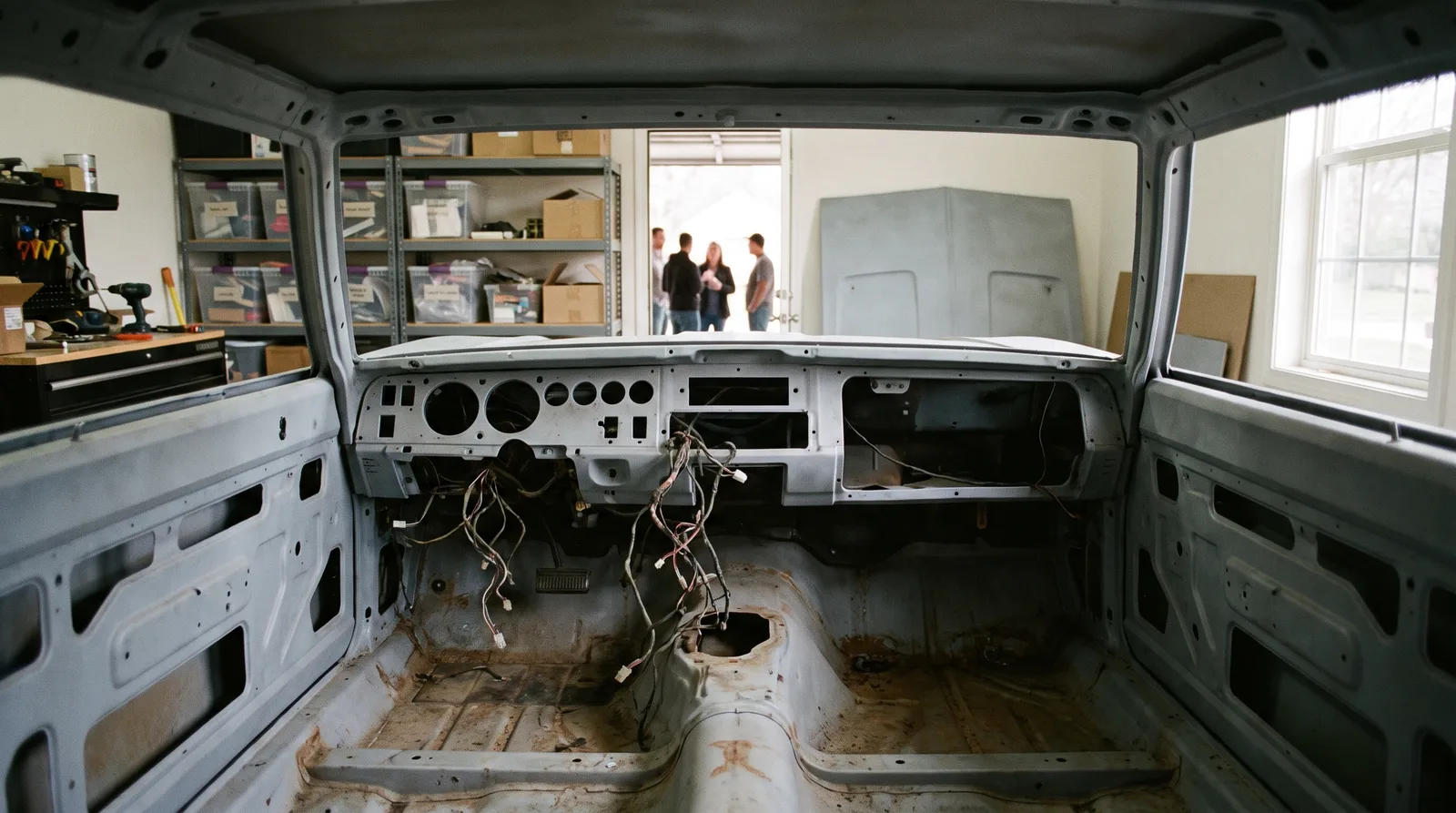
Here's how it goes wrong. The car comes home, you're excited, and in one glorious weekend you tear it completely apart. Bolts in coffee cans, panels leaned against the wall, trim in a pile. Then real life resumes, the reassembly takes three years instead of three months, and by the time you get back to it you have no idea what went where or which bolt came from which hole. The car becomes an unsolvable puzzle.
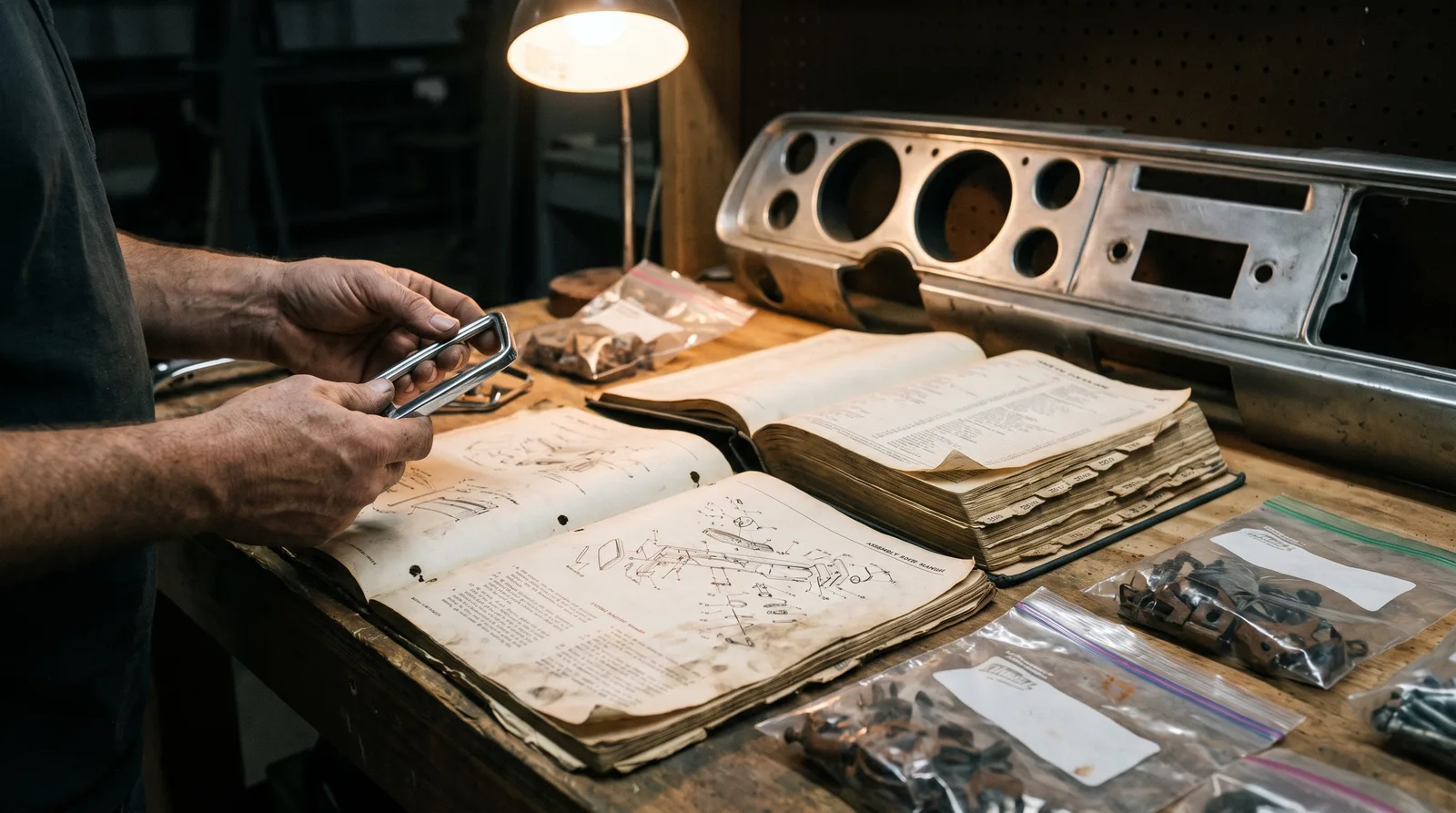
Discipline beats enthusiasm here. Take a system apart, sort it, bag it, label it, photograph it, and ideally rebuild or address it before you move to the next system. Don't strip the whole car in a burst of excitement. A car disassembled all at once by a first-timer is a car at serious risk of never going back together, and I've seen the boxed-up proof more times than I'd like.
🔧 Inspection Priorities
- Label and bag every fastener. By system and location. The cost of a miss here is weeks of guessing and reordering later.
- Photograph before disassembly. Every connector, bracket, and routing. Your memory will not survive a three-year gap.
- Keep original parts as templates. Even broken ones tell you correct fit, length, and orientation.
- Work one system at a time. Finish or stabilize it before opening the next. Whole-car teardown is how projects die.
Chasing shiny before fixing structure
Another classic. The owner spends the early money on the fun, visible stuff. Paint, chrome, a rebuilt engine that looks great. Meanwhile the floors are soft, the frame has rot, and the structure underneath all that shine is compromised. Now you've got a beautiful car sitting on a bad foundation, and fixing the structure means undoing the pretty work you already paid for.
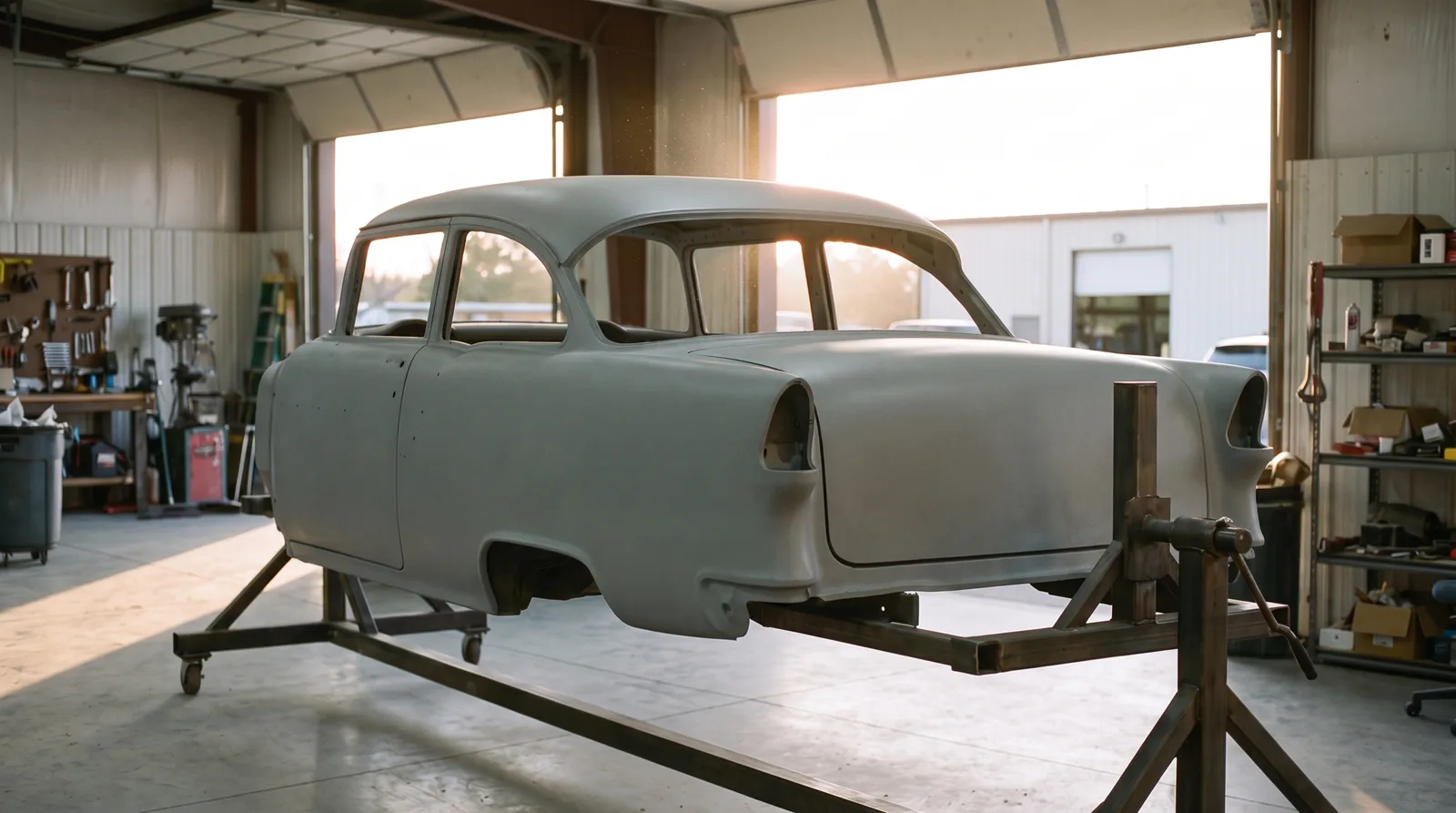
Do it in the right order. Structure first, always. Rust repair, frame, floors, body integrity. Then mechanicals, then the cosmetic finish last. It's not the fun order and it delays the gratification, but a car built shiny-first is a car built twice. Get the bones right before you spend a dime on paint.
Skipping documentation
People treat documentation as busywork and then pay for skipping it. Not writing down what you did, not keeping receipts, not photographing the numbers and codes before they're cleaned or painted over. This costs you twice. Once during reassembly, when you can't remember how something went, and again at sale time, when a documented restoration commands real money and an undocumented one leaves the buyer guessing. If you want to do this part right, you can read the full story on building a proper restoration record.
Keep a binder or a folder on your phone. Photograph everything, save every receipt, record the casting numbers and date codes before you touch them. It takes minutes and it protects both the build and the value. A car with a thick documentation file sells for more than an identical car without one, every time.
"The saddest thing I buy is a project somebody tore apart in a weekend, lost interest on, and left in boxes for a decade. No labels, no photos, half the parts missing. That car was somebody's dream, and it died because they skipped the boring steps. The boring steps are the ones that finish cars."
Mike Sullivan
Doing it in the wrong order
Most of these mistakes come back to sequence and patience. Budget before buying. Solid car before cheap car. Structure before shine. One system at a time. Document as you go. None of it is complicated, and none of it takes special skill. It takes discipline, and discipline is exactly what runs short when the excitement of a new project is running high.
Go in slow, plan the order, and respect how long the work actually takes. The people who finish restorations aren't the most talented. They're the ones who didn't make these five mistakes, kept the car organized, and stuck with it after the initial thrill wore off. Do that and you finish the car. Skip it and you become the guy I buy the boxes from.
Related Reading
Have a
Classic Car
for Sale?
Reach thousands of serious classic car collectors across the US.
Sell It Here →
Are You a Classic Car Dealer?
List your full inventory and connect with targeted classic car buyers.
Join as a Dealer →

About the author
Mike Sullivan
Detroit-area muscle car enthusiast and restoration specialist with three decades of hands-on experience working on American iron.
More in Restoration & Tech
Comments (1)
J
Jimmy Borowski
3 months ago
Saw three of these at a recent show. The spread in condition for similar asking prices was remarkable. You have to look at the individual car.