
Dim headlights on an old C10 are one of the most common complaints I hear, and one of the most consistently misdiagnosed. People assume it's a bad bulb, then a bad alternator, then they start throwing parts at it before ever picking up a test light. Nine times out of ten the problem isn't the charging system at all. It's voltage drop, and voltage drop is something you can actually chase down and fix instead of guessing at.
Restoration & Tech
6 min read
Diagnosing and Fixing Headlight Dimming on an Old C10
Dim headlights on an old C10 are almost always voltage drop, not a bad bulb or alternator. A methodical guide to tracing the fault and fixing it with a relay harness.
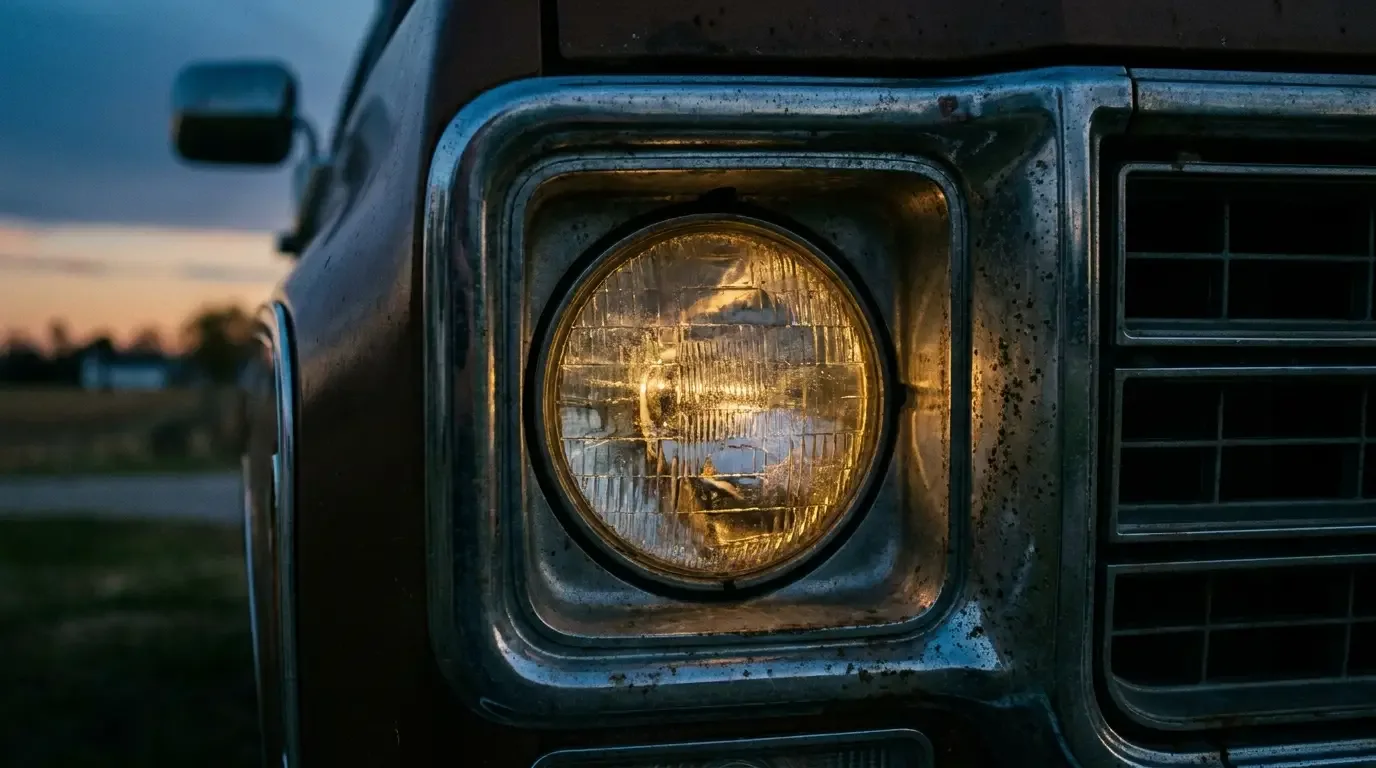
These trucks were wired with the headlight switch itself carrying full headlight current, every amp the bulbs draw running straight through a switch that's now decades old, with contacts that have arced and corroded a little more every year they've been in service. That design was fine when the truck was new. It's the reason so many of these trucks have dim, yellowish headlights fifty years later.
Why old C10 headlights dim in the first place
The factory circuit runs power from the battery, through the fuse block, through the headlight switch, out to the dimmer switch on the floor, and finally to the headlights themselves. That's a lot of connections for the full current draw of both headlights to pass through, and every one of those connections is a place voltage can be lost to resistance. Add up decades of corrosion at each connector and a switch with worn contacts, and it's common for a truck to be delivering noticeably less voltage to the bulbs than the battery is actually putting out.
The result looks like a charging problem or a bad bulb, but it's neither. It's a wiring problem, and it gets worse gradually enough that owners often don't notice until they park next to a modern vehicle at night and see just how much dimmer their headlights actually are.
Tracing voltage drop through the factory circuit
The right way to find this is a voltage drop test, not a resistance test on a dead circuit. With the headlights on, put a meter across each connection in the circuit, battery to switch, switch to dimmer, dimmer to headlight, and look for where the voltage disappears. A healthy connection drops next to nothing. A corroded or worn one shows up as a real voltage loss right at that point, and that's your problem connection, found without guesswork.
Don't skip this step and jump straight to a relay kit. Understanding where the voltage is actually being lost tells you whether the fix is a relay harness, a cleaned and repinned connector, or, sometimes, just a proper ground strap that's been missing or corroded for years.
| Test point | What a healthy reading looks like | What a problem looks like |
|---|---|---|
| Battery to headlight switch | Minimal drop | Noticeable drop, corroded terminal |
| Headlight switch internal drop | Small, consistent | Significant drop, worn contacts |
| Dimmer switch (floor mount) | Small, consistent | Significant drop, corroded plunger contacts |
| Headlight ground | Near zero | Any real reading means a bad ground |
Grounds, connectors, and the corrosion you can't see
A bad ground is one of the sneakier causes here because it doesn't look like a headlight problem at all from the outside. The headlight ground path on these trucks often runs through a body-to-frame strap or a connection point that's been sitting exposed to weather for decades. Clean, tight grounds matter as much as clean power connections, and people chase the positive side of the circuit for hours while the actual fault is sitting in a corroded ground they never thought to check.
Pull every connector in the headlight circuit, clean the contacts, and reassemble with dielectric grease to slow the next round of corrosion. This alone fixes a meaningful number of dim headlight complaints without any parts being replaced at all. It's the least glamorous fix in the whole diagnosis and it's often the actual answer.
Adding a relay harness the right way
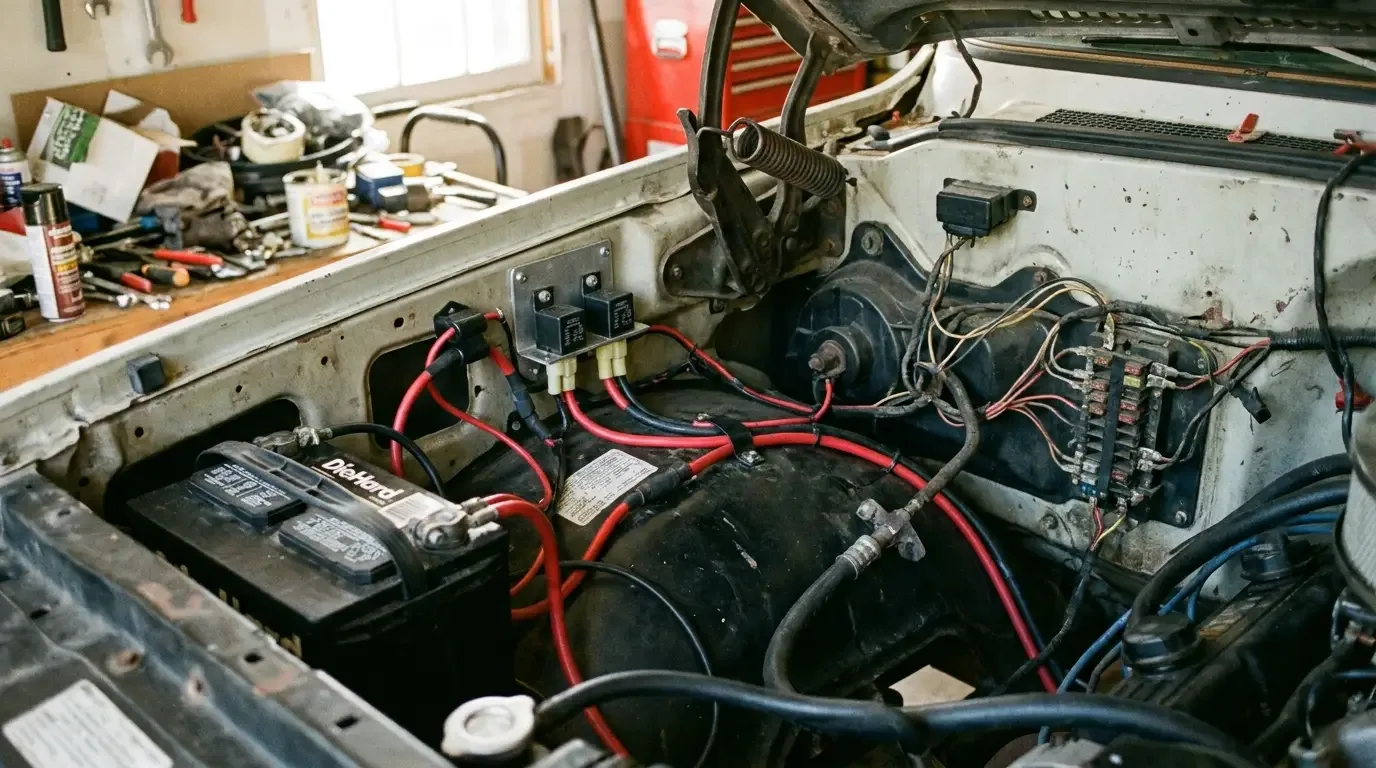
If the voltage drop test shows the switch itself is the bottleneck, worn contacts that clean up but still drop voltage under load, a relay harness is the correct fix, not a bigger alternator or a new switch that'll just wear the same way over time. A relay harness moves the full headlight current off the original switch entirely, routing it instead through a heavy gauge wire straight from the battery through a relay, with the factory switch now only carrying the small amount of current needed to trigger the relay.
Done right, this means the factory switch and dimmer stay in place and keep working exactly as the truck left the factory, they just aren't doing the heavy lifting anymore. Ground the relay harness properly, straight to the battery negative or a clean chassis ground, not to a rusty bracket somewhere convenient, or you'll have solved one voltage drop problem and created a smaller version of the same issue somewhere else.
"I've had guys replace the alternator, the battery, and both headlight bulbs chasing a dim headlight complaint before anybody put a meter on the actual circuit. Twenty minutes with a test light finds the real problem almost every time. It's never as complicated as people make it."
Robert Halloran
What to check before you assume it's the switch
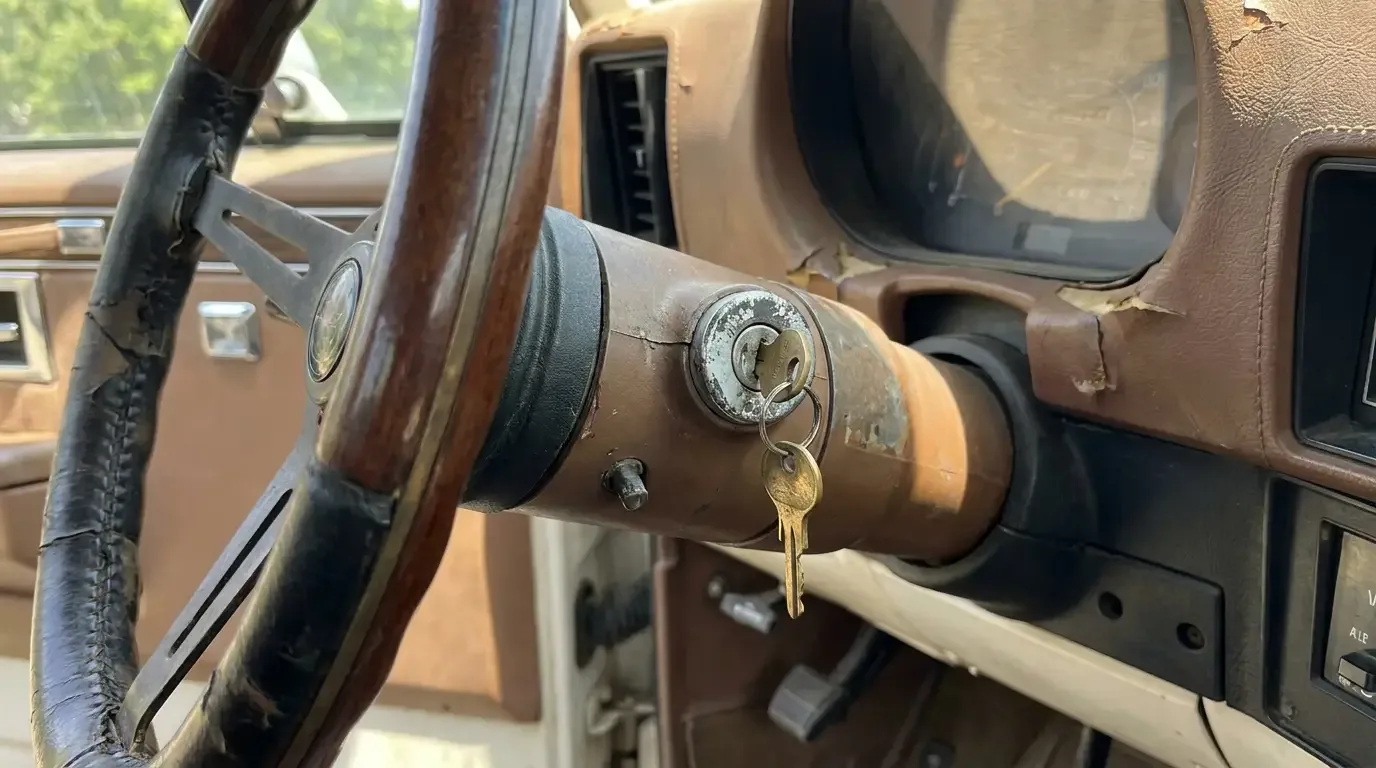
Before committing to a relay harness, make sure the problem isn't something simpler that got missed during a broader look at the truck's electrical system, covered in the full maintenance guide, since a truck with generally neglected wiring often has more than one small issue compounding together rather than a single dramatic failure. And don't overlook the ignition switch that often shares the blame, since a worn ignition switch can introduce its own voltage drop into circuits that share a feed with the headlight system, muddying the diagnosis if you're only looking at the headlight switch itself.
These are old trucks wired to an old standard, part of the C10 story that people forget when they're frustrated with a dim set of headlights on a dark road. The wiring wasn't wrong when it was new. It's just old now, and old wiring needs the same kind of patient, methodical attention as any other worn system on the truck. Test before you replace, and you'll usually spend less money fixing the actual problem than you would guessing at it.
Sources and notes
- Square-body headlight relay harness upgrade writeup, including measured voltage drop
- OnAllCylinders on old-school headlight switches carrying full current and how to service them
- GM Square Body forum thread on the floor-mounted dimmer switch
- Headlight switch guide for 1967-1981 Chevrolet C10/Suburban
- Hagerty 1973-1987 Chevrolet/GMC truck buyer's guide
Related Reading
Have a
Chevrolet C10
for Sale?
Reach thousands of serious classic car collectors across the US.
Sell It Here →
Are You a Classic Car Dealer?
List your full inventory and connect with targeted classic car buyers.
Join as a Dealer →

About the author
Robert Halloran
Texas-based classic truck enthusiast with decades of experience buying, restoring, and writing about American pickups from the 1940s through the 1980s.
Related Listings - Chevrolet C10
More in Restoration & Tech
Comments
Be the first to comment on this article.