
Every muscle car restoration eventually comes down to one honest question: how much of this can you actually do, and how much are you going to pay somebody else to do right? People get this wrong in both directions. Some hand the whole car to a shop and write checks until they are broke. Others tear into a project they do not have the tools or the space or the skills to finish, and the car sits on jack stands for a decade. The truth sits in the middle, and it depends on the job.
Restoration & Tech
6 min read
DIY vs Professional Muscle Car Restoration
Which restoration work you can do yourself and which belongs in a shop. Real cost ranges for paint, machine work, and a smart hybrid approach.
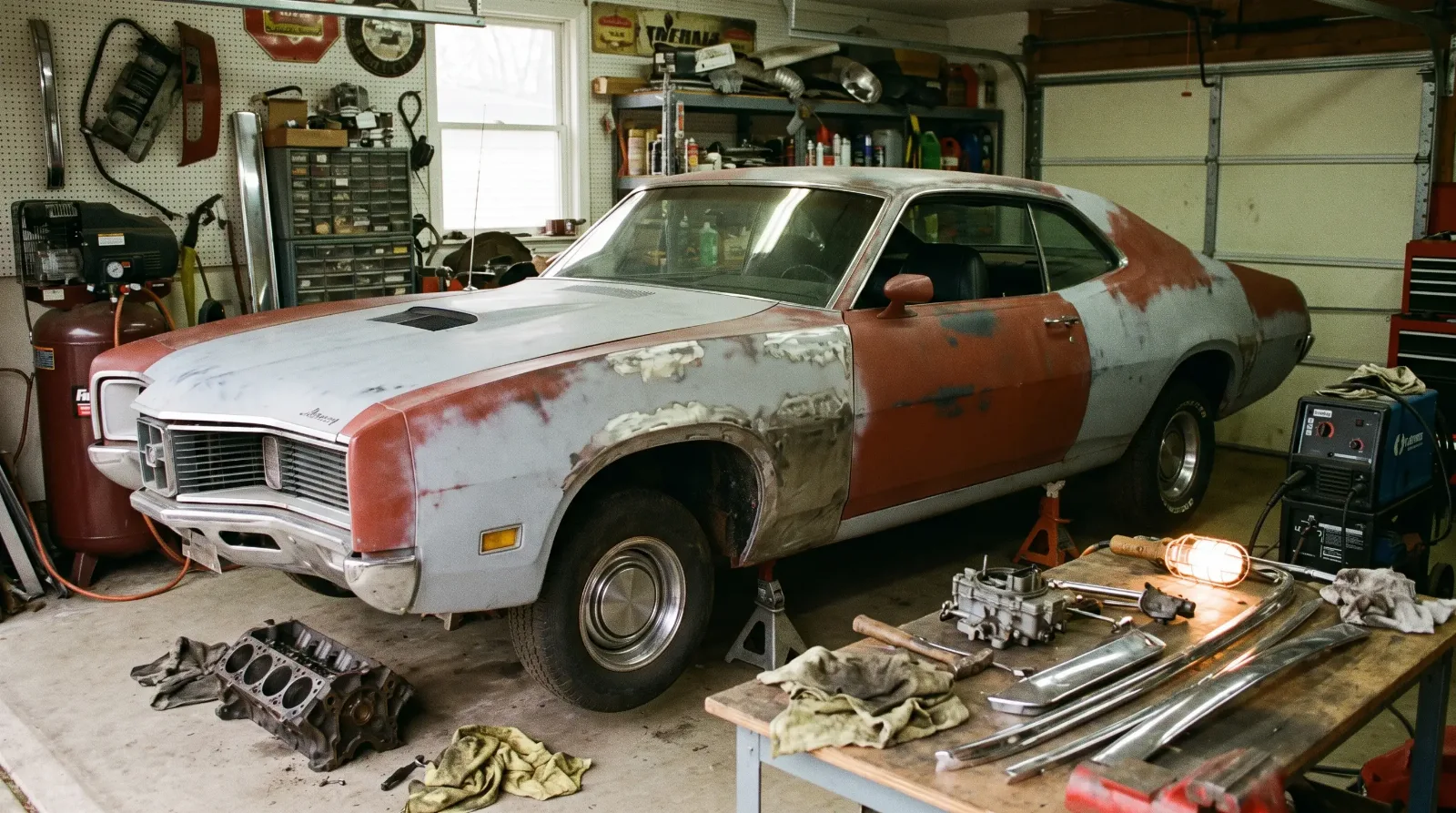
I have watched a lot of guys learn this the hard way. The work you can teach yourself is real, and so is the work that will humble you. Knowing the line between them before you start is the difference between a car you finish and a garage full of parts you sell at a loss. If you want the full context on what a restoration involves, start with understanding muscle car restoration.
What you can genuinely do yourself
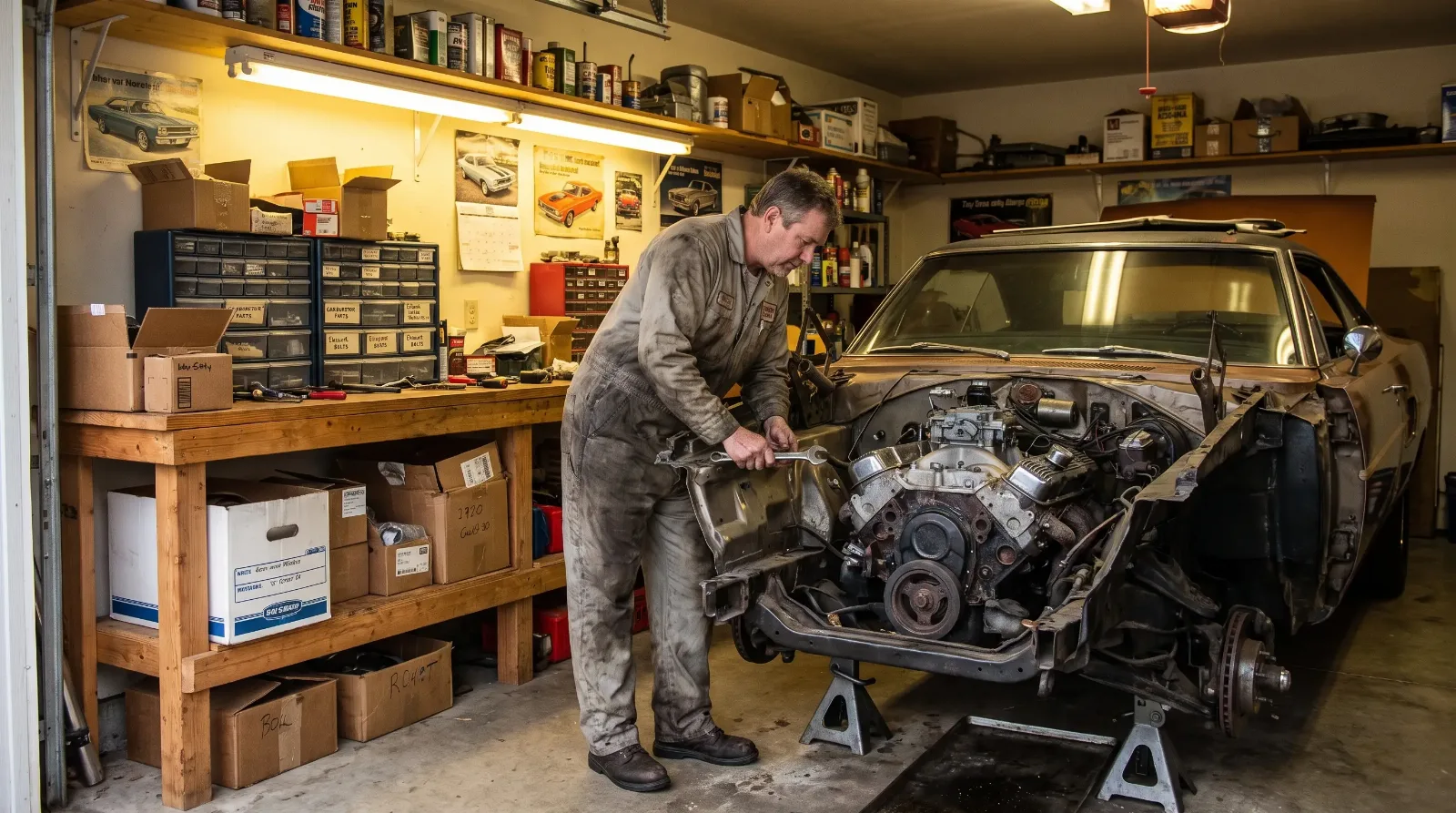
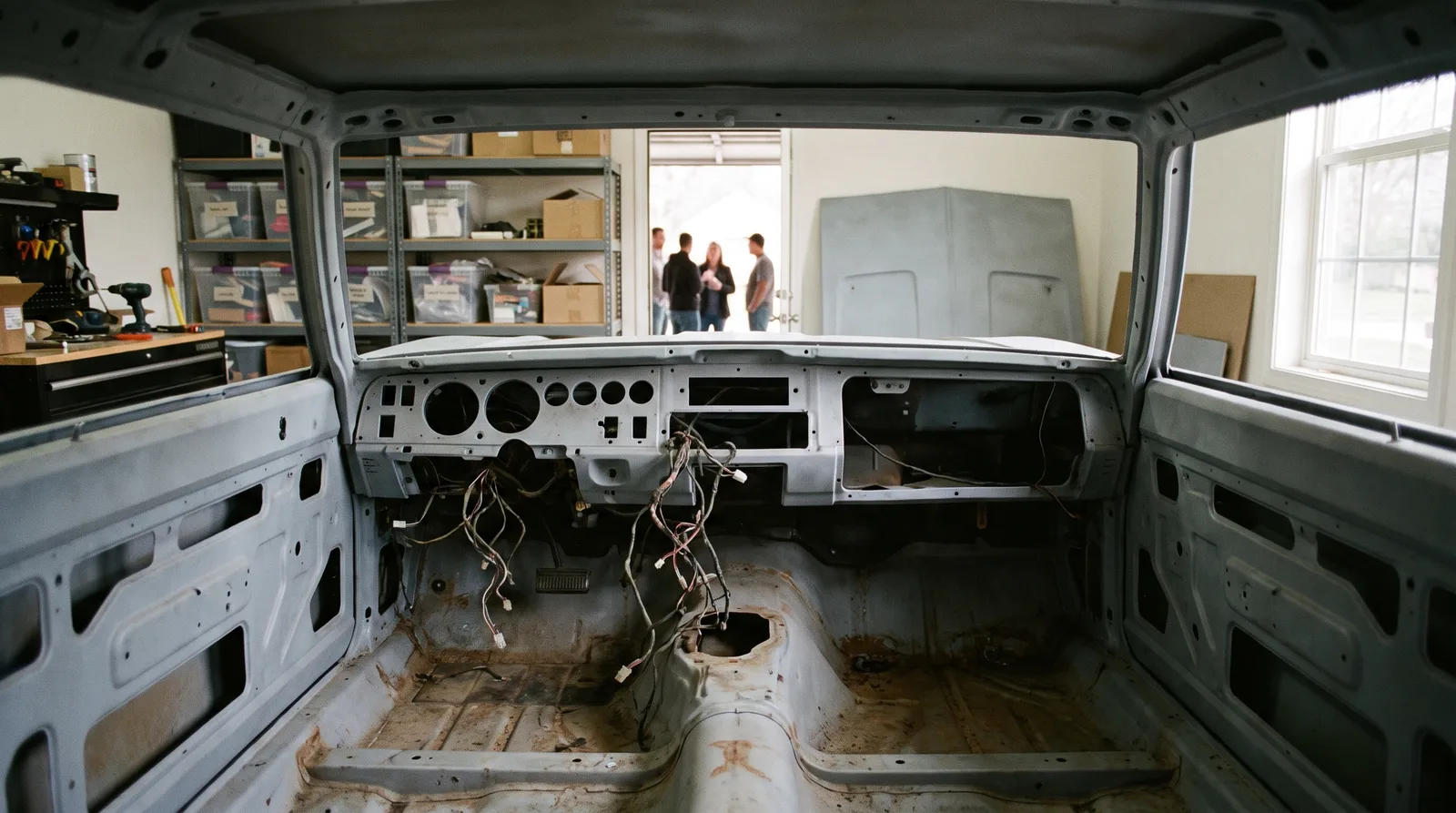
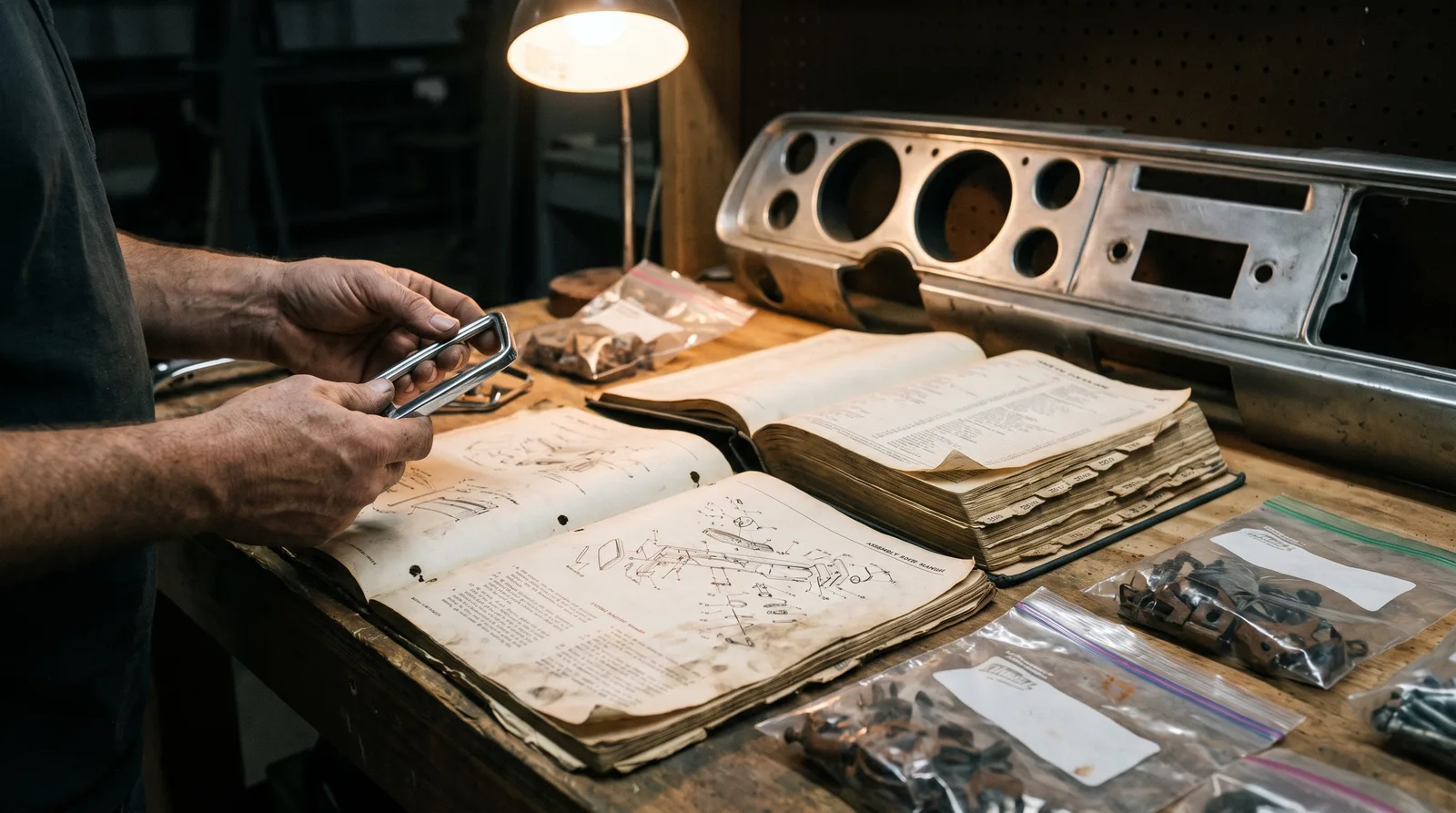
Plenty of a restoration is labor, patience, and a decent set of hand tools. Disassembly, cataloging, cleaning, and bagging and tagging every fastener is work anybody can do, and doing it carefully saves a fortune. Suspension rebuilds, brake systems, interior installation, trim, wiring on a simple car, and general mechanical assembly are all learnable if you are the kind of person who reads the manual and takes your time.
The upside of doing it yourself is not only money. You learn the car. When something rattles or leaks two years later, you know exactly where to look because your hands built it. That knowledge is worth as much as the labor you saved. The downside is time. A home restoration measured in weekends stretches into years, and a car in pieces is a car that is easy to walk away from when life gets busy.
Where the shop earns its money
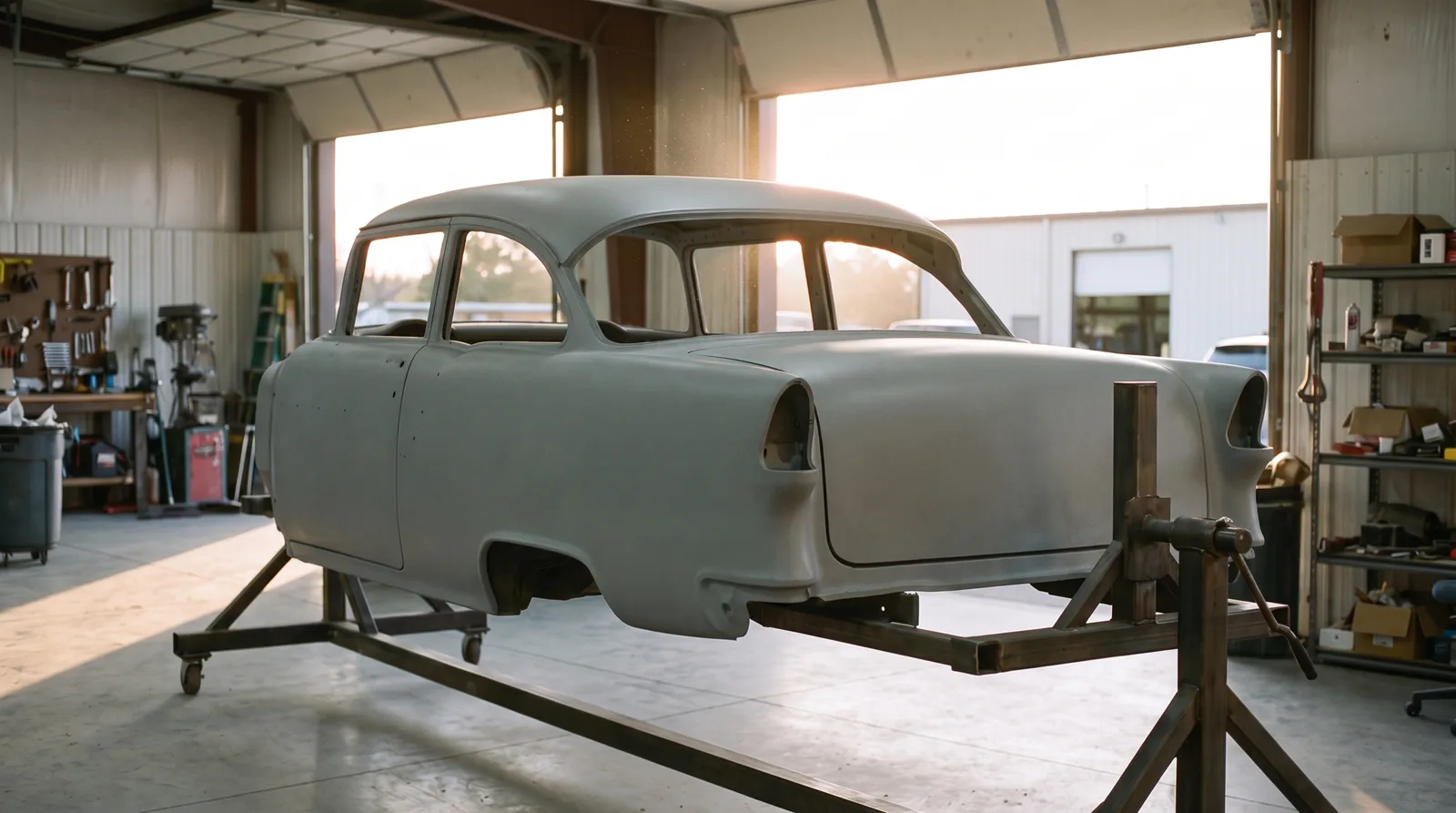
Then there is the work that punishes amateurs. Bodywork and paint sit at the top of that list. Getting panels straight, gaps even, and a color laid down without runs, orange peel, or dust is a craft that takes years to learn and a booth to do right. I do this for a living and I still respect how easy it is to ruin a panel. A driveway paint job on a muscle car almost always looks like a driveway paint job, and redoing it costs more than paying a shop the first time.
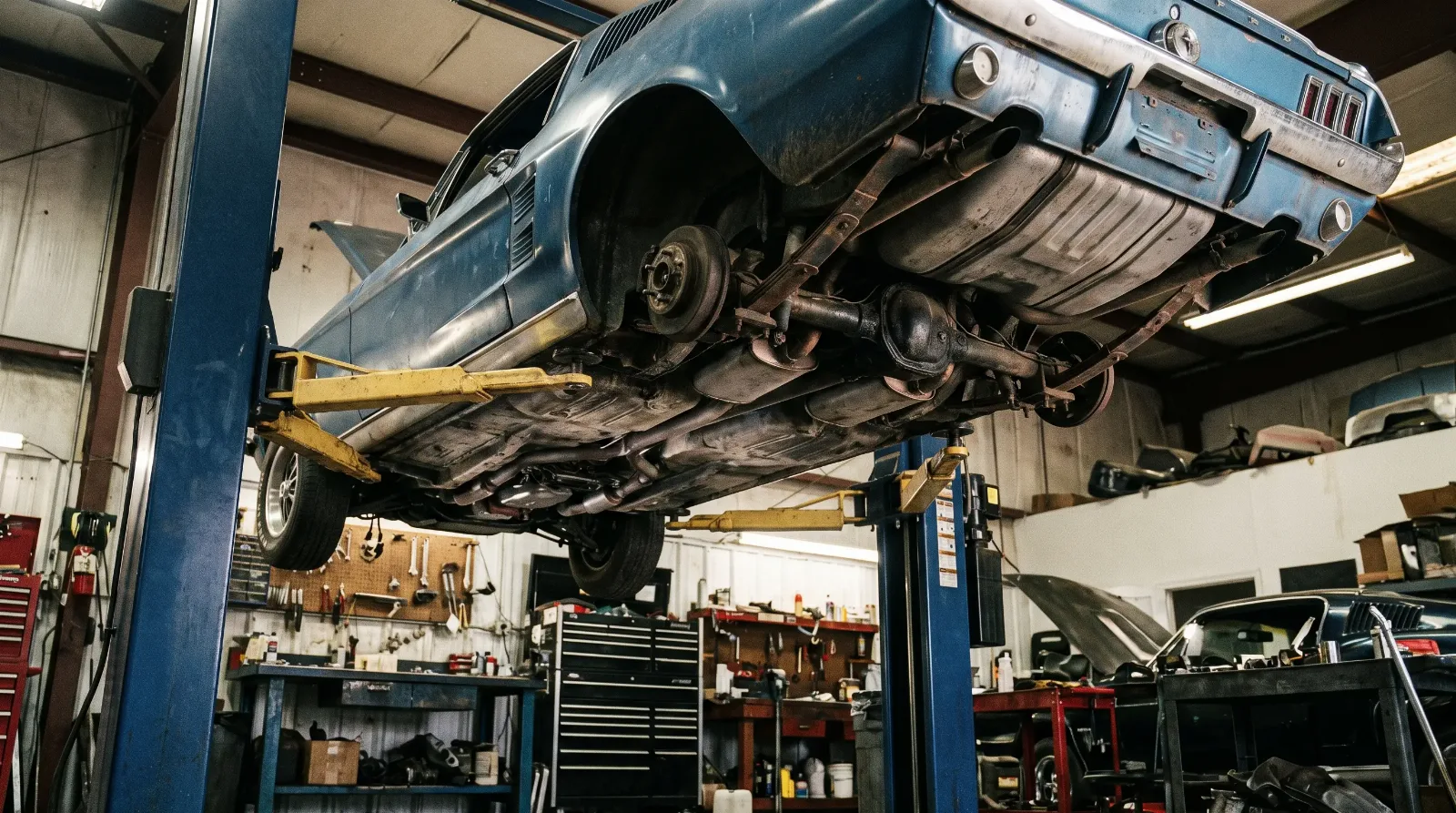
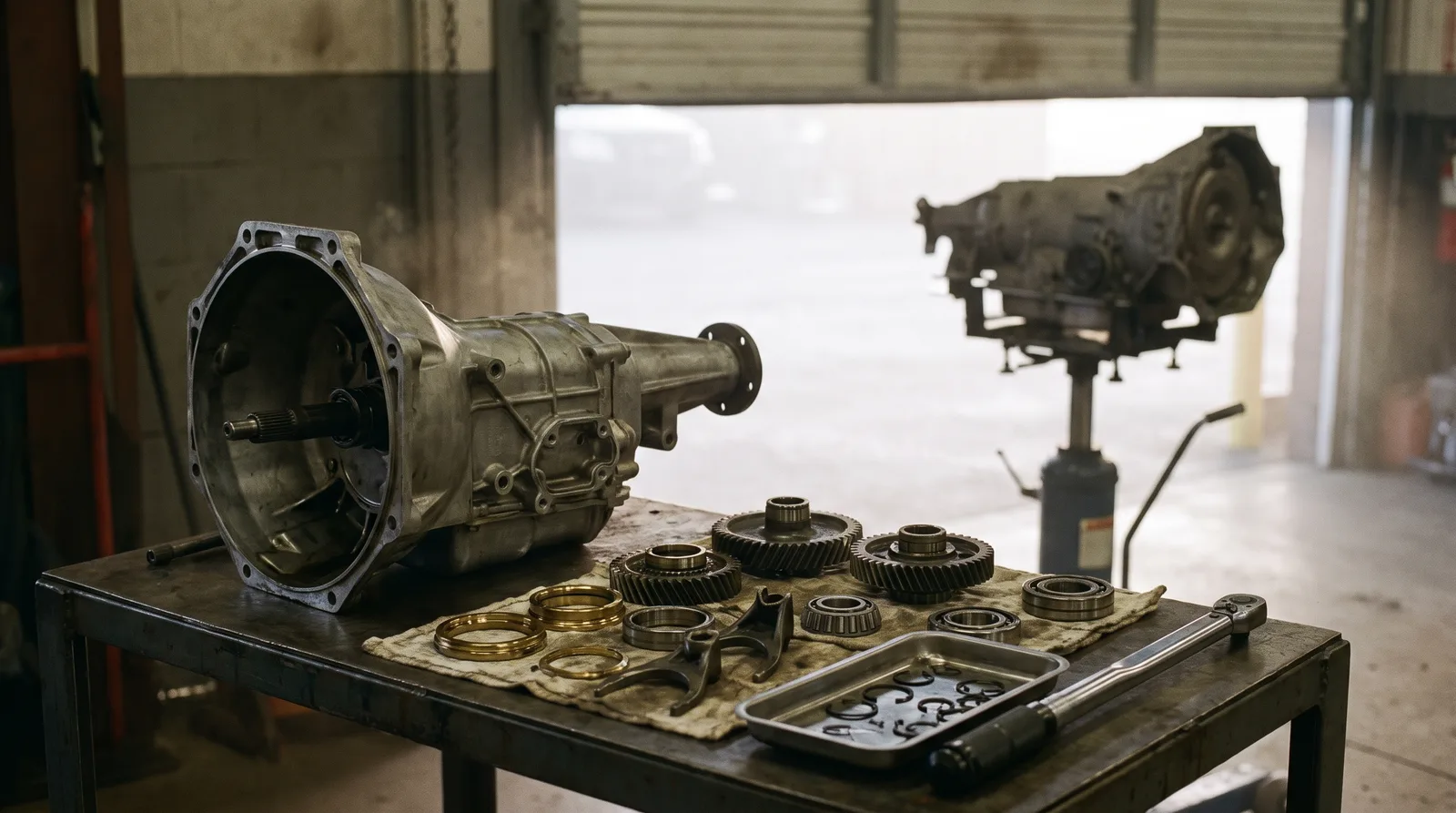
Engine machine work is the same story. You can pull and reassemble an engine at home, but boring, honing, decking, and balancing need machines and measurement you do not own. Frame straightening, rust repair that involves cutting and welding structural metal, and anything that has to be dead square belong with someone who has the jig and the experience. Trying to save money on these is how you turn a good project into a bad one.
🔧 Inspection Priorities
- Structural rust and frame work. Cutting and welding load-bearing metal is a shop job. Get it wrong and the car is unsafe, not just ugly.
- Bodywork and final paint. The single hardest skill to fake. Budget for a real booth and a real painter on a car you care about.
- Engine machining. Boring, honing, and balancing need equipment you will not buy for one build. Farm it out.
- Alignment and driveline geometry. A car that will not track straight after assembly usually needs a shop's measuring gear to sort.
Run the money honestly
Do the math before you commit, because both paths have hidden costs. A full professional frame-off restoration on a muscle car commonly runs into the tens of thousands and can pass $75,000 to $100,000 or more on a serious car once bodywork, paint, drivetrain, and interior are all done to a high standard. A DIY build lowers the labor bill but not the parts bill, and it adds tooling costs, a lot of your own time, and the near-certainty that you will still farm out paint and machine work.
The smart move for most people is a hybrid. Do the disassembly, the mechanical assembly, the interior, and the grunt work yourself. Pay the shop for bodywork, paint, machine work, and anything structural. That split keeps the craft-heavy work in skilled hands while you bank the savings on the labor you can actually handle. What you choose to build, a factory-correct restoration or a modified car, changes this calculation too, so read the full story before you settle on a direction.
| Task | Realistic DIY? | Why |
|---|---|---|
| Disassembly and cataloging | Yes | Labor and patience, low tooling |
| Suspension and brakes | Yes, with care | Learnable, well documented |
| Interior and trim | Yes | Time-consuming, forgiving of errors |
| Bodywork and paint | Rarely | Needs booth, skill, years of practice |
| Engine machining | No | Requires shop machines and measurement |
| Structural rust and frame | No | Safety-critical welding and jigs |
Be honest about yourself
The real question is not what you can do in theory. It is what you will actually finish. If you have a two-car garage, a welder you know how to use, and the discipline to work on the car every week, you can do a lot. If you have a single bay, no lift, and a schedule that already runs over, be realistic about how much you should take on before the project stalls.
There is no shame in paying for the parts you cannot do well. There is a lot of pain in a car that sits in boxes for years because you bit off the paint job to save money and never learned to spray. Match the work to your skills, respect the parts that need a pro, and you will end up with a finished car instead of a rolling regret.
"Paint and bodywork are not where you save money on a build. That is where you spend it, because a straight panel and a clean color are the whole difference between a car that looks built and a car that looks like somebody tried. Do the wrench work yourself and let a painter paint it."
Jim Vasquez
Related Reading
Have a
Classic Car
for Sale?
Reach thousands of serious classic car collectors across the US.
Sell It Here →
Are You a Classic Car Dealer?
List your full inventory and connect with targeted classic car buyers.
Join as a Dealer →
#restoration cost
#DIY restoration
#muscle car restoration
#professional restoration
#bodywork and paint

About the author
Jim Vasquez
Southern California hot rod and custom car builder with roots in the traditional kustom kulture scene.
More in Restoration & Tech
Comments
Be the first to comment on this article.