
Every muscle car project reaches a fork in the road, usually before the car even comes off the trailer. You either bring it back the way the factory built it, or you build it the way you wish the factory had. Both roads are legitimate. I have laid paint and cut metal for people on both sides, and the arguments in my shop get loud. What matters is knowing which one you are actually signing up for, because the decision shapes every dollar, every part order, and every weekend for the next two or three years.
Restoration & Tech
6 min read
Original Restoration vs Restomod: Two Philosophies
Original restoration or restomod? A builder breaks down cost, driveability, value, and how to choose the right path for your classic muscle car.
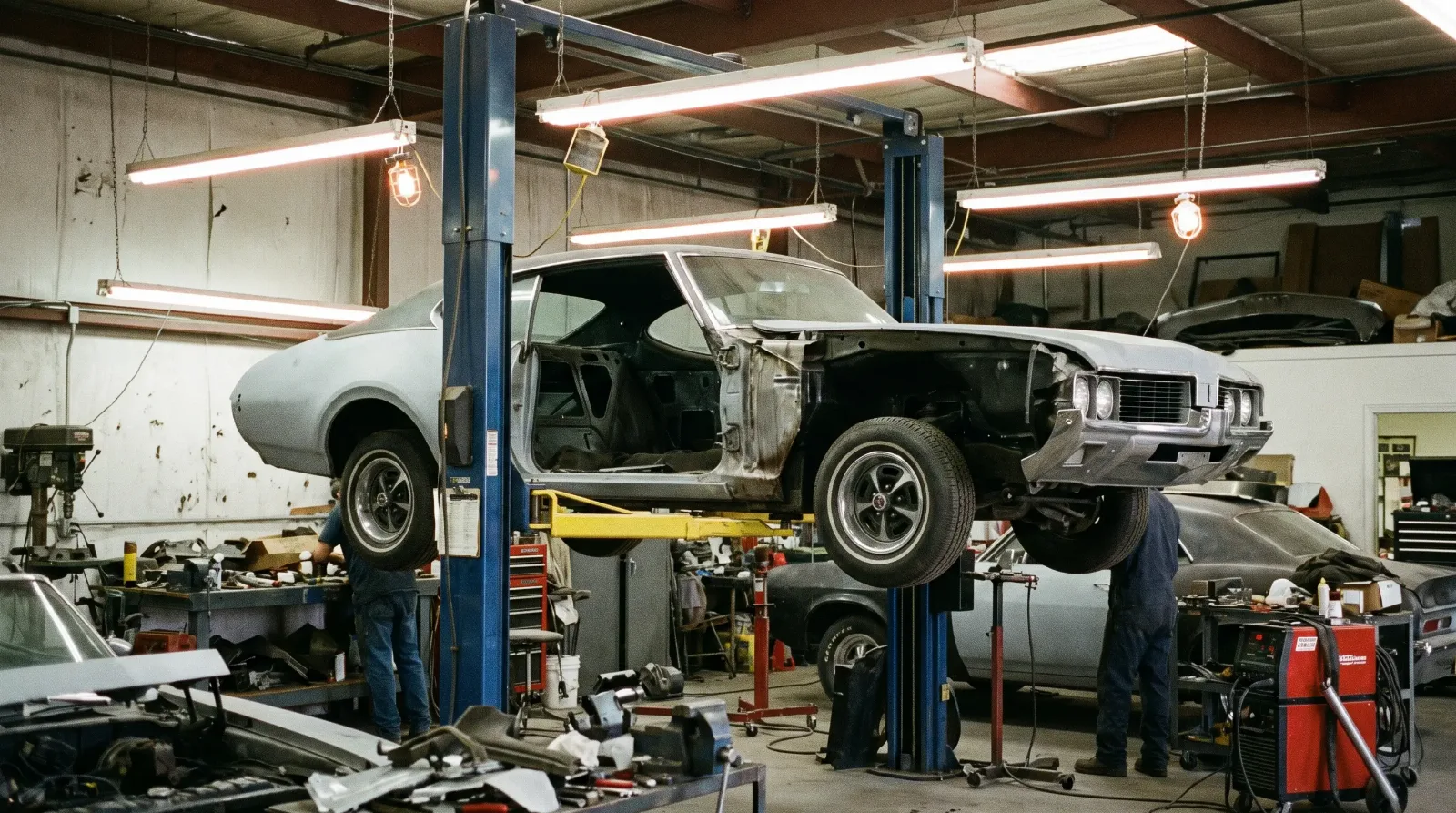
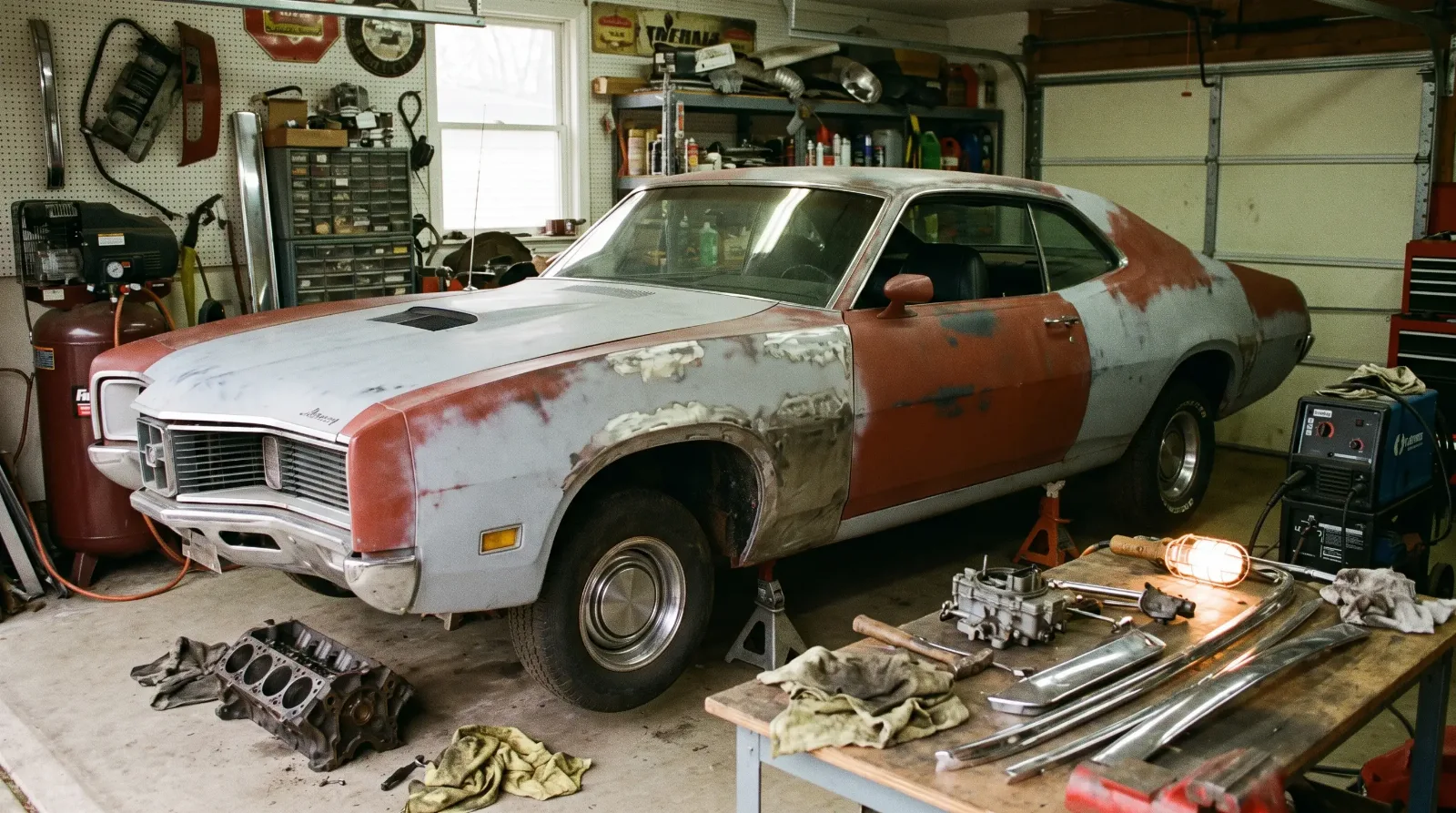
Original restoration means returning the car to how it rolled out of the plant. Correct paint code, correct engine casting, date-coded glass, the works. A restomod keeps the sheet metal and the attitude but updates what lives underneath: modern brakes, a fuel-injected crate motor, coilovers, air conditioning that actually works in July. Neither is a shortcut. If you want the deeper background on how these cars earned their reputation, our restoration and ownership guide lays out the full picture. For the cultural side of why anybody bothers, there is the classic muscle car story too.
What original restoration actually asks of you
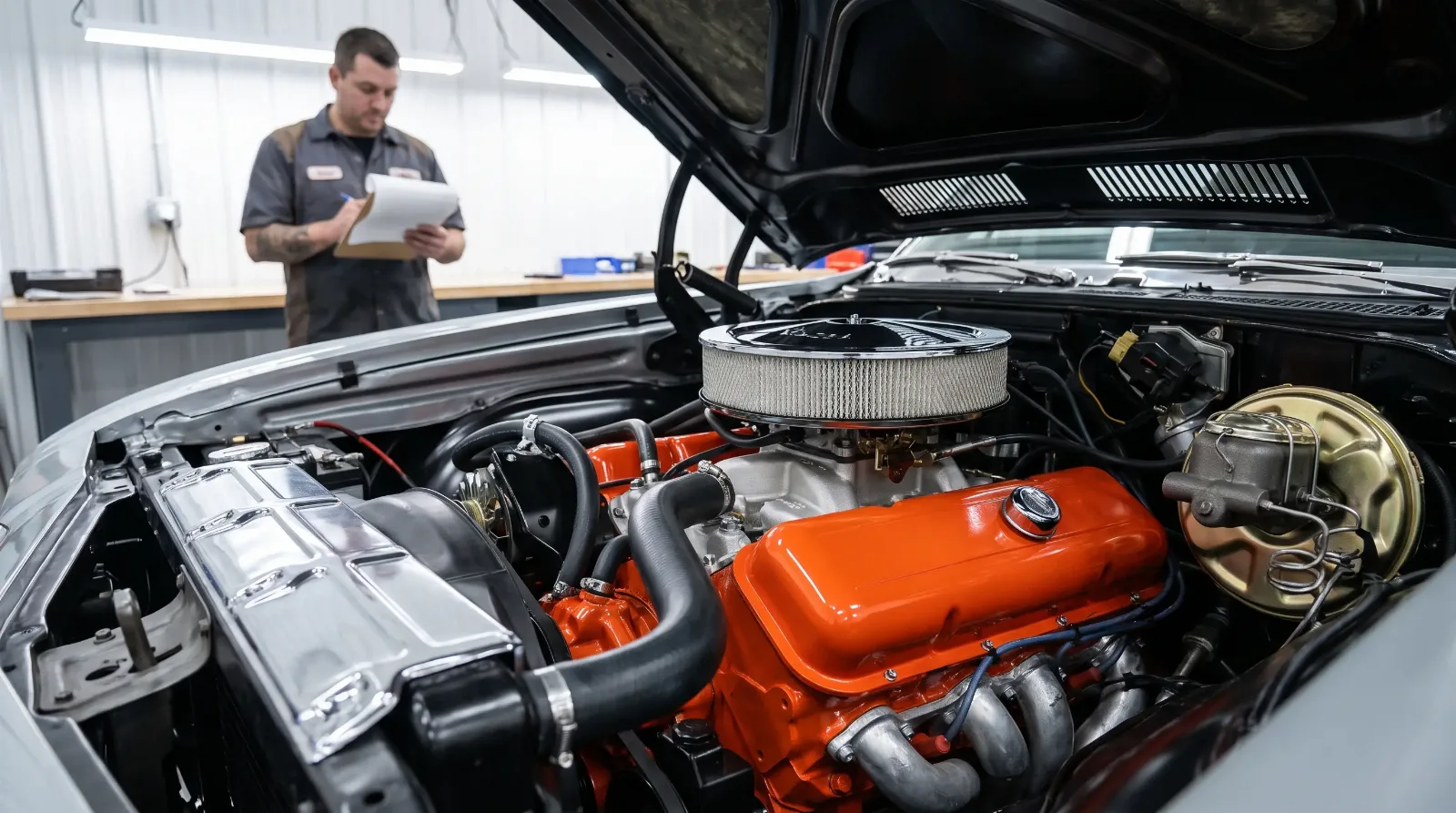
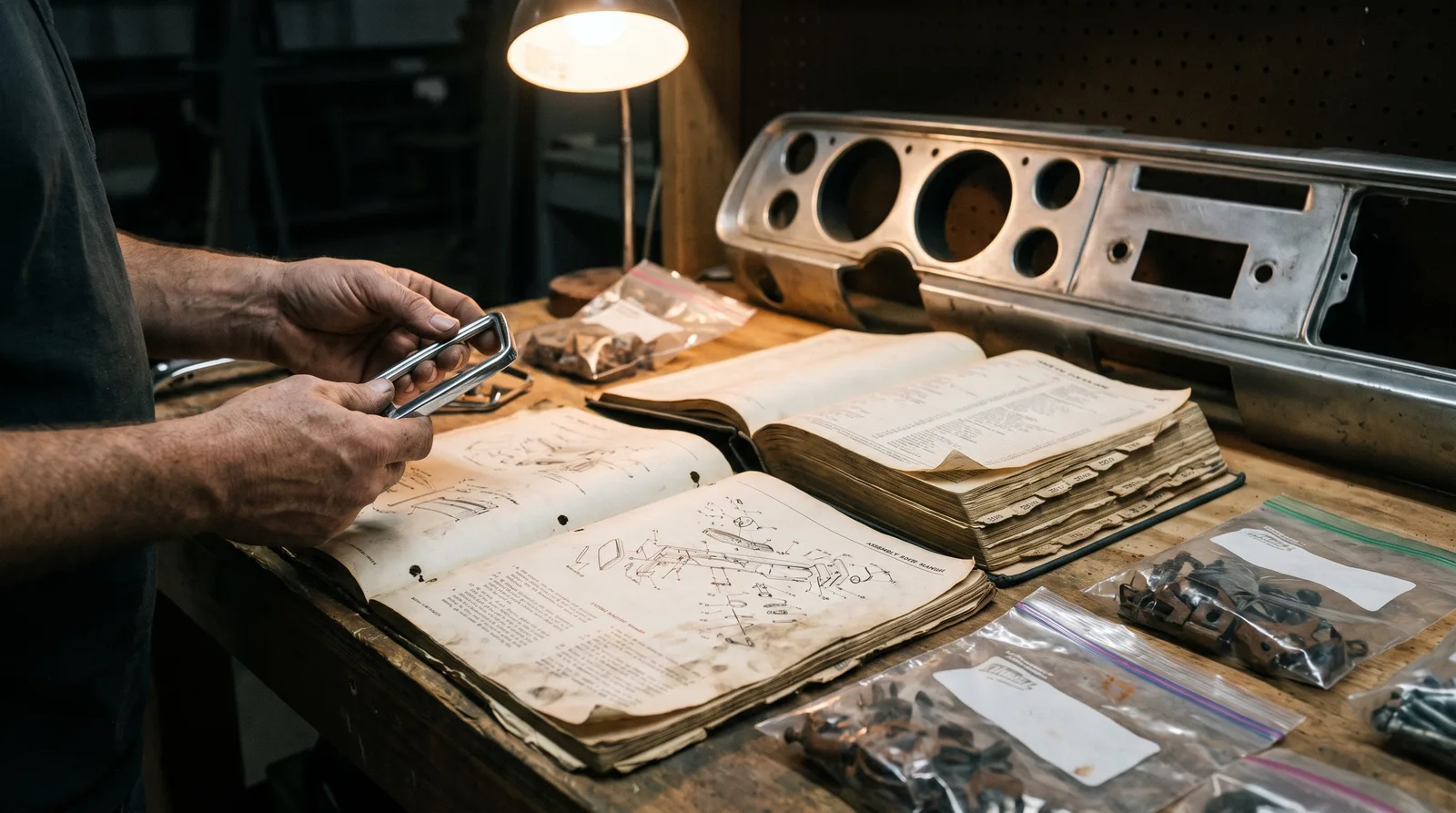
Going original is a research job as much as a build job. You are chasing correctness, and correctness is unforgiving. The date codes on the block, the heads, the carburetor, the alternator, they all need to fall within a window that lines up with the car's build date. Get a reproduction part where a judge expects a factory piece and points come off. I have watched guys spend six months hunting a single correct smog pump bracket that they will never touch again once it is bolted on.
The upside is that a properly documented original car speaks a language collectors respect. It photographs honest at the show field, and the numbers-matching drivetrain gives it a paper trail that holds up. The downside is patience and money. Correct parts cost more, take longer to find, and sometimes do not exist anymore at any price. You are also locked into period materials, which means the car drives like it did in 1970, drum brakes and all. That is either the charm or the frustration, depending on your temperament.
The restomod case: driving it like you mean it
Here is where I show my hand. I build cars to be driven, and a restomod lets you drive one hard without babying it around every corner. Modern disc brakes turn a 1969 body into something you can trust in traffic. A fuel-injected LS or a modern Coyote starts on the first crank in any weather and never floods at a stoplight. Add a five-speed and overdrive and suddenly a highway cruise stops being a screaming, sweaty ordeal.
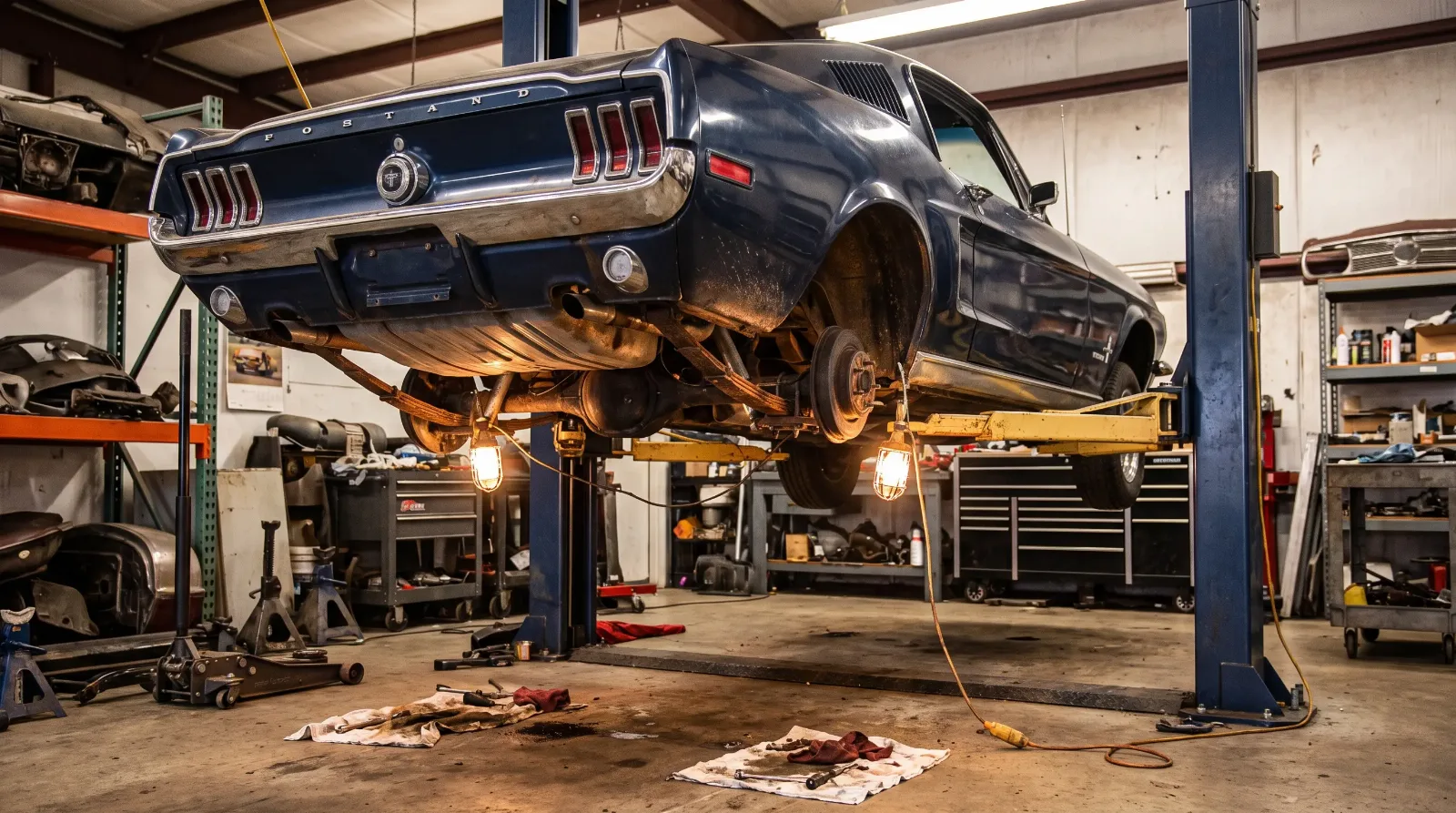
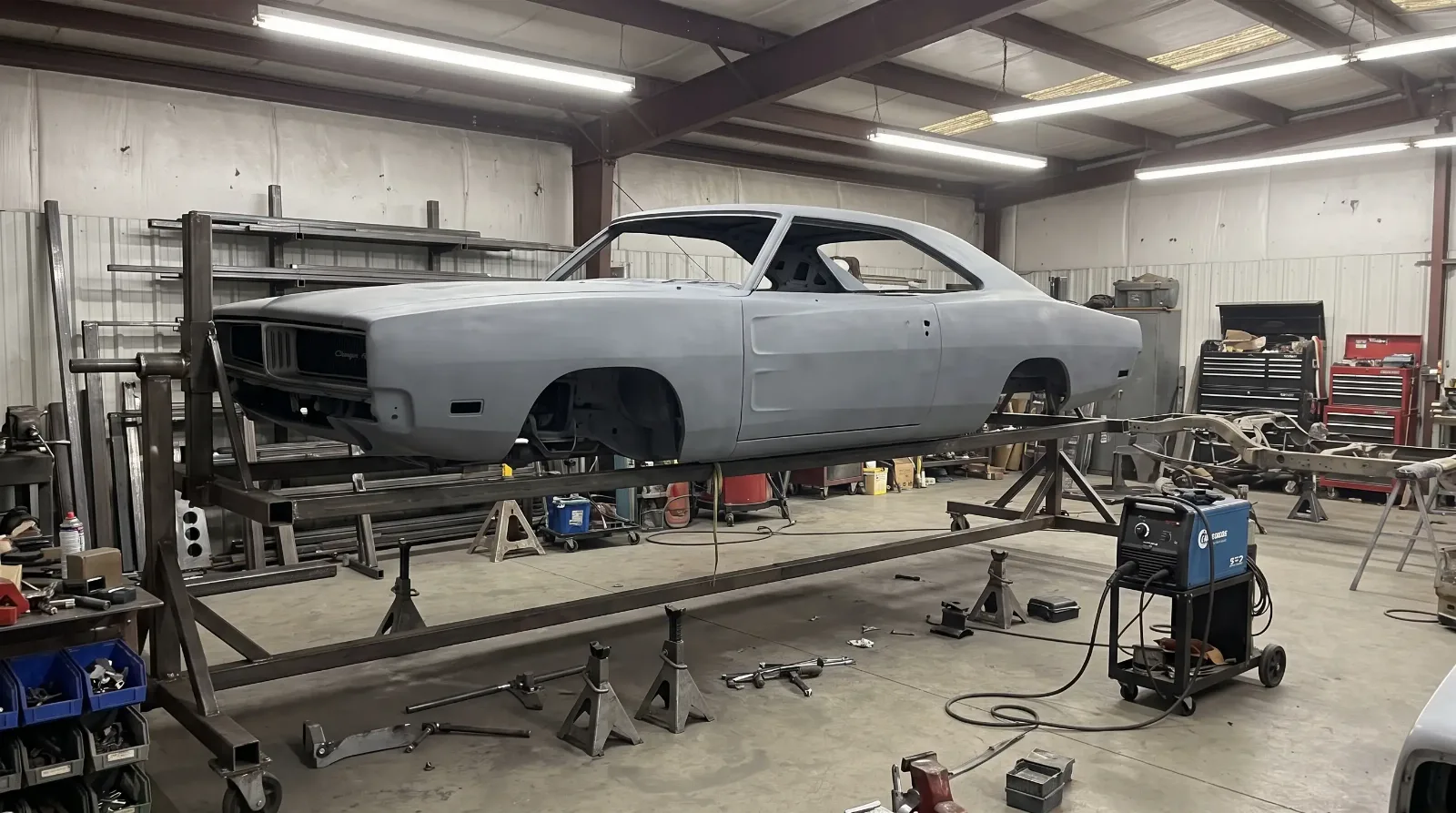
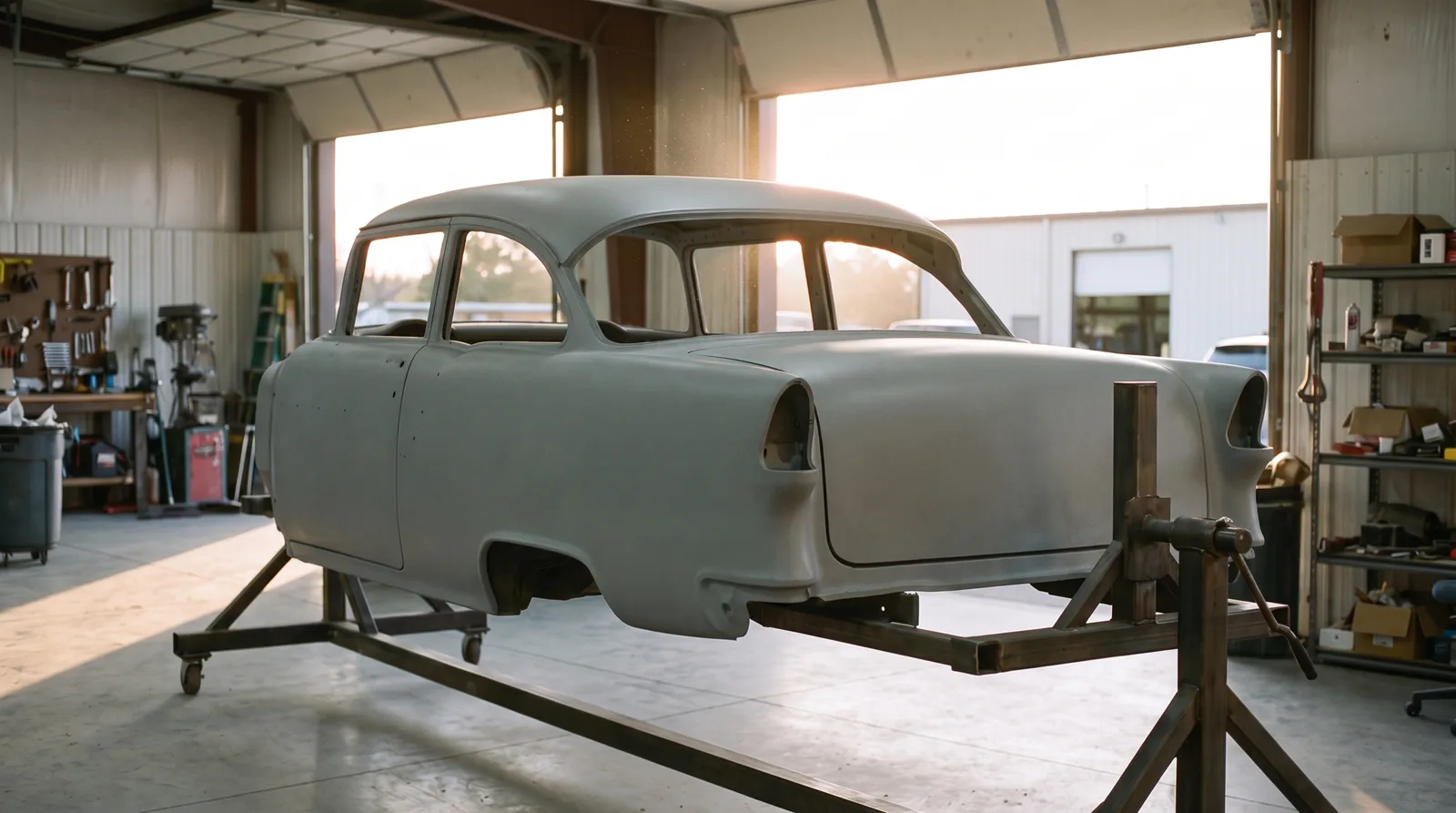
The tradeoff is that you are walking away from originality on purpose, and there is no going back cheaply once you cut into the car. A restomod build asks for real fabrication: mounting a modern drivetrain, plumbing a return-style fuel system, wiring a whole new harness. That work is where budgets balloon if you do not plan it. The philosophy overlaps a lot with hot rod thinking, and if you want the long version of that debate I would point you to the hot rod vs restomod two philosophies story, which digs into where the two camps split.
"A numbers-matching car tells you what the factory did. A restomod tells you what the builder saw. I respect both, but I know which one I want to drive to the coast at eighty."
Jim Vasquez
Weighing the two philosophies side by side
Strip away the emotion and the choice comes down to a handful of practical differences. This is roughly how they stack up on a typical mid-size muscle car project.
| Factor | Original restoration | Restomod |
|---|---|---|
| Parts sourcing | Correct date-coded, hard to find | Aftermarket, readily available |
| Typical cost range | $40,000–$120,000+ | $60,000–$150,000+ |
| Driveability | Period-correct, demands patience | Modern, reliable daily manners |
| Reversibility | N/A, already original | Low once metal is cut |
| Show acceptance | Judged concours classes | Custom and pro-touring classes |
Those cost ranges move with the car. A rare big-block variant or a documented rust-free body pushes both columns higher, and a heavy restomod with a supercharged crate motor and full interior can run past the top figure fast. Never trust a flat estimate on either path until you have a full parts list.
How to choose the path that fits your car
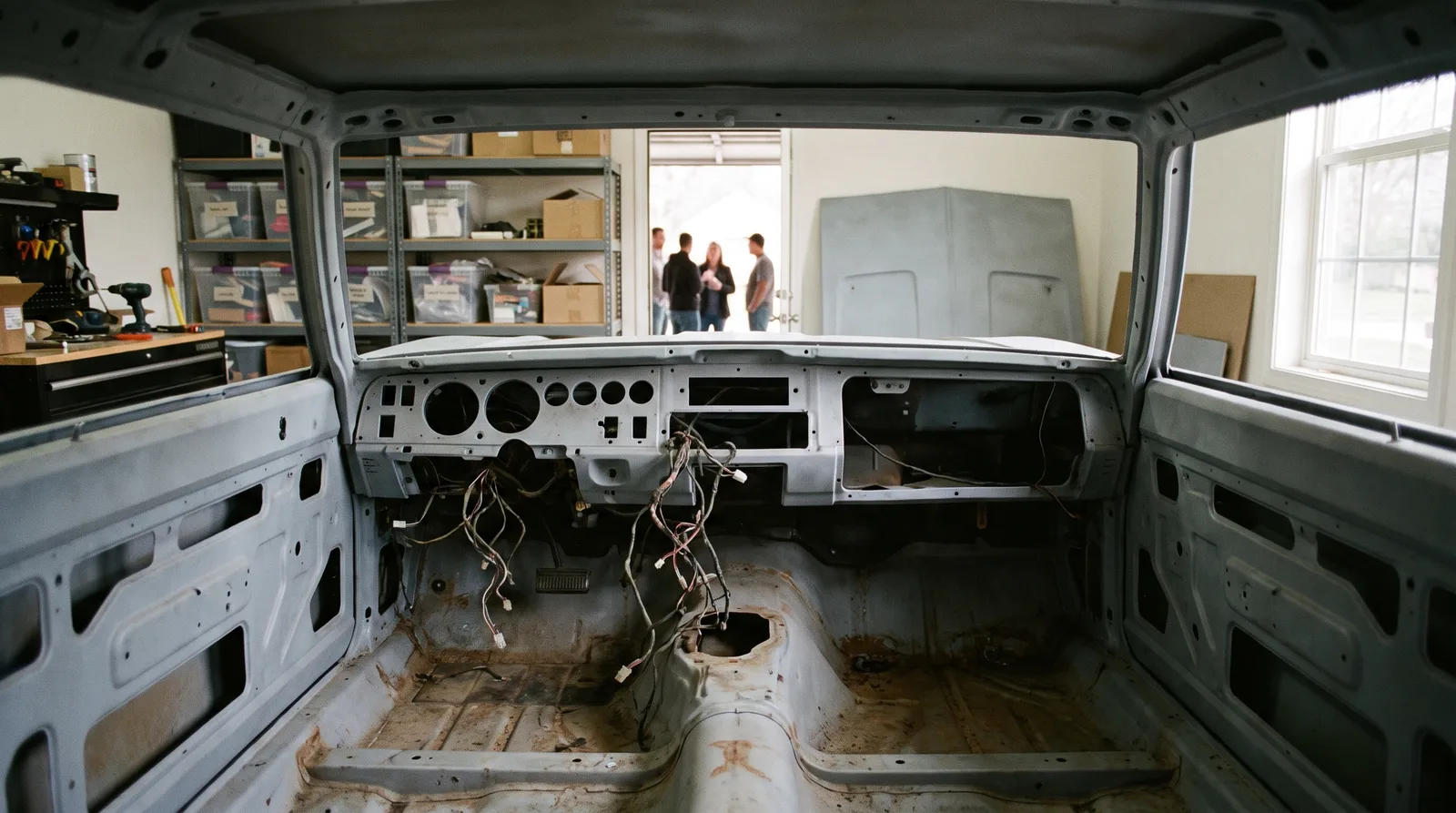
The car itself often makes the call for you. A rare, well-documented example with a numbers-matching drivetrain deserves to stay original, because cutting it up destroys value you cannot rebuild. A rusty base-model coupe with a swapped engine and no paperwork is a perfect restomod candidate, since it owes nothing to history and you get a blank canvas.
🔧 Inspection Priorities
- Verify the drivetrain numbers first. If the engine and transmission match the VIN, originality is on the table and worth protecting. Cutting a matching car costs you money you will not recover.
- Assess the body and floors before choosing. Heavy rust makes original correctness expensive fast. A solid shell keeps both paths open.
- Price the "correct" parts you would need. Chase the three or four hardest factory pieces before committing to original, because a missing correct part can stall a build for a year.
- Decide how you will use it. A trailered show car and a weekend canyon runner want different builds. Be honest about which one you are.
What each choice does to the value
Value cuts differently for each path. A correct, documented original tends to hold and appreciate in a predictable way, especially for desirable variants, because the collector market rewards authenticity. A restomod's value leans on the quality of the build and the reputation of the shop that did it. A great one commands strong money. A mediocre one, with mismatched parts and amateur fabrication, is hard to sell at any price, because the buyer inherits somebody else's compromises.
My honest take after decades of this: pick the philosophy you will actually enjoy, not the one you think the market wants. You are the one living with the car. If cost is the thing keeping you up at night, work out the numbers before you buy the first part, and read the full story on what a build really runs. The worst outcome is a half-finished car stuck between two philosophies, correct in some places, modern in others, satisfying nobody. Commit to a direction and build the whole car to it.
Related Reading
Have a
Classic Car
for Sale?
Reach thousands of serious classic car collectors across the US.
Sell It Here →
Are You a Classic Car Dealer?
List your full inventory and connect with targeted classic car buyers.
Join as a Dealer →

About the author
Jim Vasquez
Southern California hot rod and custom car builder with roots in the traditional kustom kulture scene.
More in Restoration & Tech
Comments
Be the first to comment on this article.