
Drop a C10 tailgate and if it sags at one corner or won't line up with both latch cables at the same time, you've got worn hinge hardware, and it's one of the most overlooked repairs on these trucks. People chase paint and chrome and completely ignore a tailgate that clunks and hangs crooked every time it's opened. It's a cheap fix in parts cost. It just takes some patience to get right.
Restoration & Tech
6 min read
Fixing Loose C10 Tailgate Hinges and Latch Mechanisms
How to diagnose a sagging C10 tailgate, replace worn hinge pins and cables, and sync the latch so both sides catch cleanly.
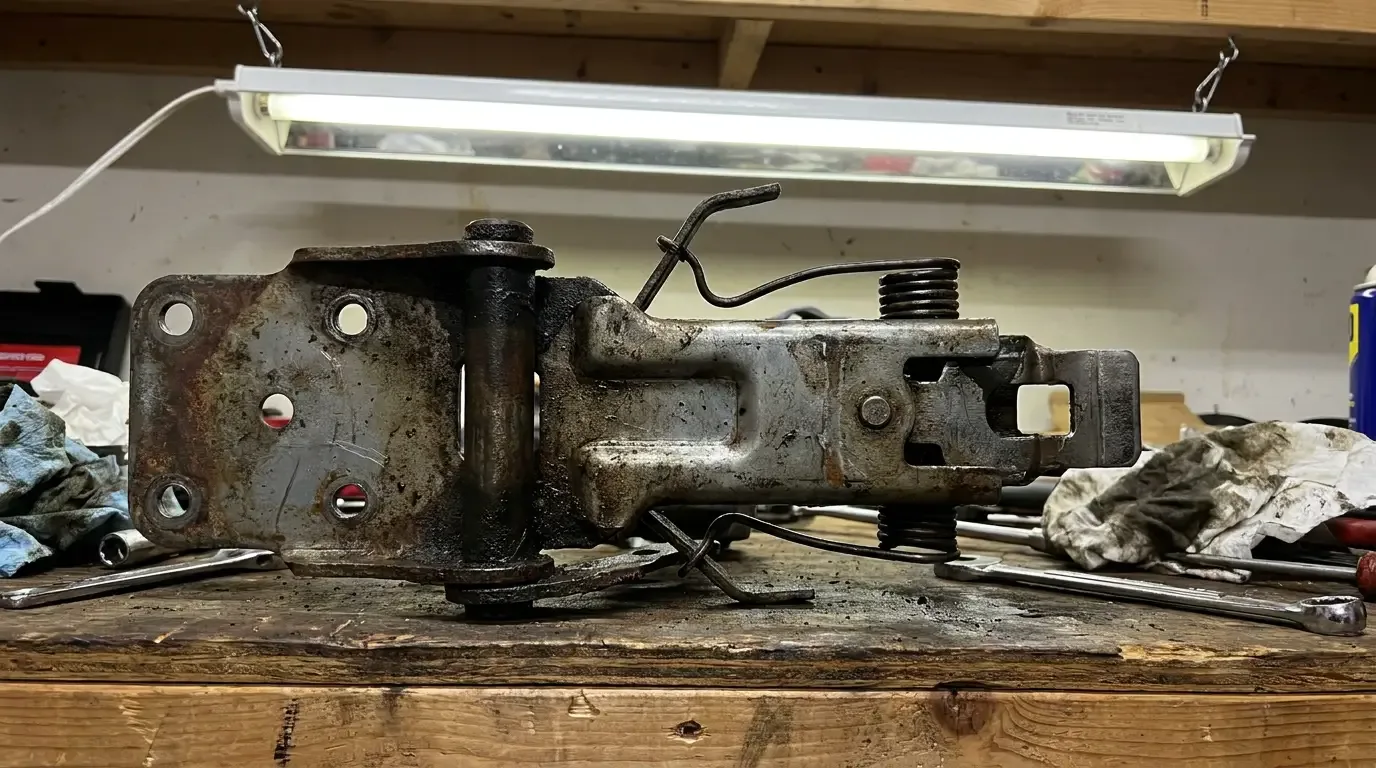
The tailgate hinge and latch system on these trucks is simple by modern standards, a pair of hinge pins, chain or cable supports, and a latch mechanism on each side operated by the tailgate handle. Simple doesn't mean maintenance free. Decades of dropping and raising a heavy steel tailgate wears every one of those parts, and they rarely wear evenly. This is usually a late-stage job in a full build, and if you're working through things in order it's worth checking the restoration guide to see where tailgate hardware fits in the overall sequence.
How the hinge and latch system actually works
Each side of the tailgate pivots on a hinge pin set into a bracket bolted to the bed side panel. A latch rod runs the width of the tailgate, connected to the handle in the center, and engages a catch on each side simultaneously when the handle is turned. Cables or chains on each side limit how far the tailgate drops and carry some of its weight when it's open flat.
Because the latch has to engage both sides at once from a single handle, any wear that lets one side of the tailgate sit slightly differently than the other throws the whole mechanism out of sync. That's usually what's happening when a tailgate seems to latch on one side but not the other, or needs to be lifted and jiggled before both latches will catch.
Diagnosing hinge wear versus latch wear
Support the tailgate and check for play at the hinge pins first, the same way you'd check a door hinge. If there's noticeable slop at the pin itself, that's your sagging corner, and no amount of latch adjustment will fully fix a tailgate that's physically hanging crooked because the hinge pin bore has worn oval.
If the hinges feel tight but the latch still won't catch cleanly on both sides, the problem is more likely in the latch rod linkage or the catch brackets themselves, which can bend slightly over the years from people forcing a tailgate that wasn't lining up right in the first place. It's a bit of a vicious cycle. A slightly misaligned latch gets forced, the forcing bends something small, and the next attempt is even further off.
Replacing worn hinge pins and cables
Support the tailgate fully before removing any hinge hardware. These panels are heavier than they look, and letting one side swing free while you're working on the other risks bending the remaining hinge or the tailgate itself. A helper or a padded support under the tailgate makes this a controlled job instead of a wrestling match.
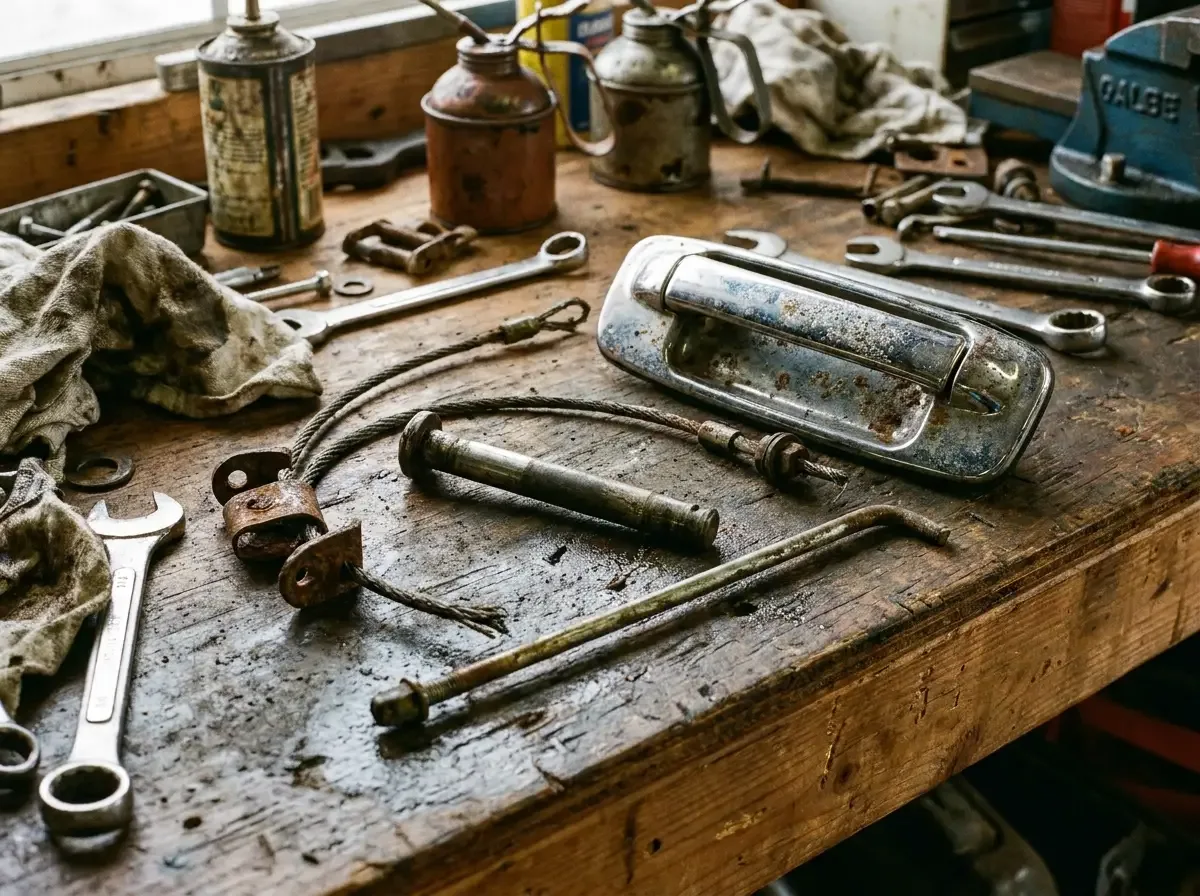
Replacement hinge pins and bushings are inexpensive and widely available, and most of the time a full hinge rebuild kit gets you back to a tight pivot without needing new hinge brackets. Cables and chains wear at their attachment points more than along their length, so check the mounting tabs on the bed side and the tailgate itself for elongated holes before assuming the cable is the only worn part.
Once new hinge pins are in, cycle the tailgate several times before final tightening to make sure it moves freely through its full range without binding. A hinge that feels tight when the tailgate's fully open but binds partway through its swing usually means something's slightly misaligned at the bracket, not the pin itself.
Adjusting and syncing the latch mechanism
Most latch rods have some adjustment built into the linkage where it connects to the handle, letting you fine tune how far each catch has to travel before it engages. Work one side at a time, adjusting until that side latches cleanly with the handle in its resting position, then move to the other side and repeat.
The goal is both catches engaging at the same point in the handle's travel, so the tailgate closes with one smooth motion instead of catching on one side while the other needs an extra push. It's fiddly work, and it's worth doing slowly rather than over adjusting one side to compensate for a problem that's actually on the other.
Once the latch is synced and the hinges are tight, the tailgate should drop and raise cleanly without needing to be lifted, shoved, or bounced to get both sides to catch. If it still doesn't, go back to the hinge pins. A tailgate that's even slightly crooked from hinge wear will keep throwing the latch timing off no matter how well the latch itself is adjusted.
"People will spend real money on a paint job and then leave a tailgate that clunks and won't line up, like it's a separate problem from the rest of the truck. It's not. A tight, properly hung tailgate is part of what makes a restoration feel finished instead of just repainted."
Mike Sullivan
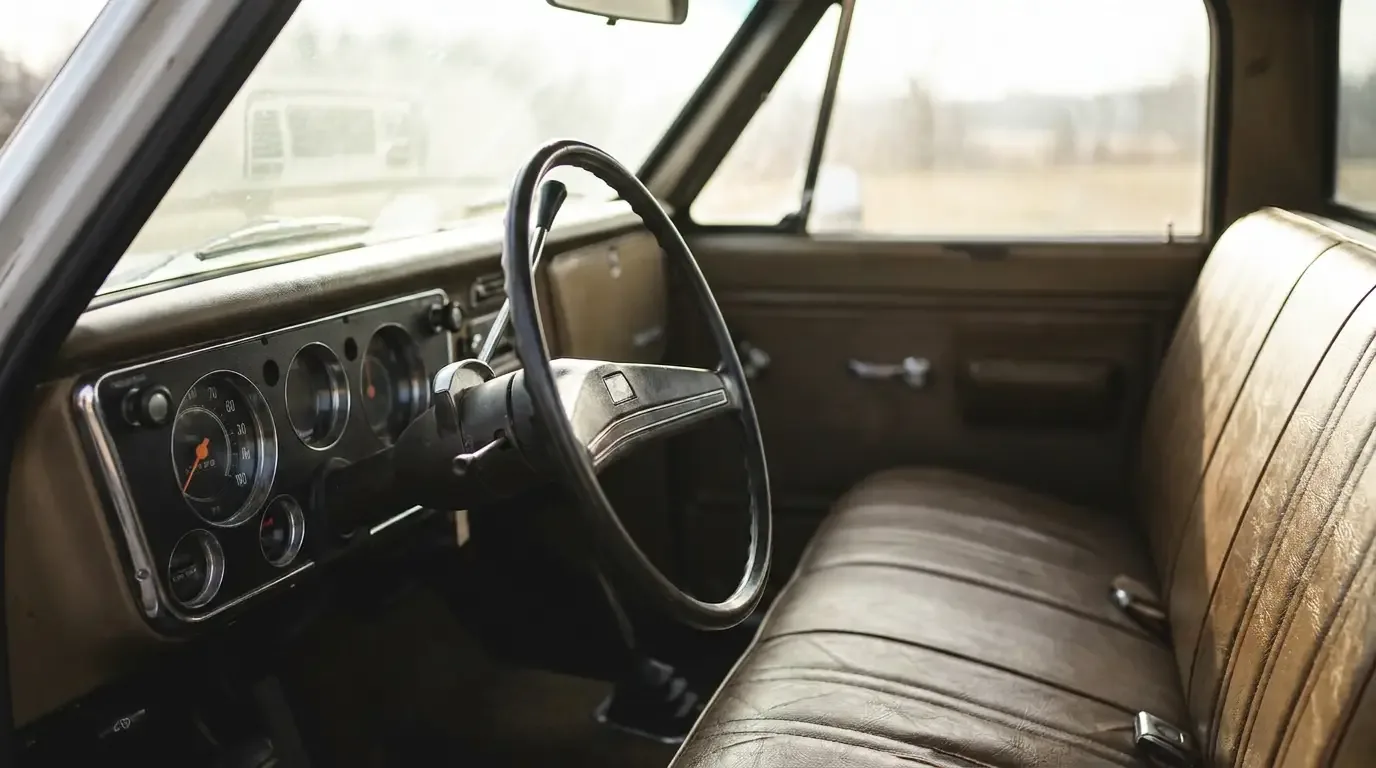
Getting the tailgate hardware right is a small piece of a much bigger sequence. If the steering feel in the cab has been bothering you as much as the tailgate clunk, restoring the original steering wheel up front is a natural next stop once the tailgate's sorted.
Sources and notes
Related Reading
Have a
Chevrolet C10
for Sale?
Reach thousands of serious classic car collectors across the US.
Sell It Here →
Are You a Classic Car Dealer?
List your full inventory and connect with targeted classic car buyers.
Join as a Dealer →

About the author
Mike Sullivan
Detroit-area muscle car enthusiast and restoration specialist with three decades of hands-on experience working on American iron.
Related Listings - Chevrolet C10
More in Restoration & Tech
Comments
Be the first to comment on this article.