
Most C10s that come up for sale still have their original steering wheel, and most of those wheels look rough. Cracked plastic on the rim, faded or peeling paint on the horn cap, a shine worn into the wheel from decades of hands gripping the same three spots. Swapping in a repro wheel is the easy way out, and it's also the way to lose one of the more honest original parts left on a truck that's had almost everything else replaced or refinished by now.
Restoration & Tech
6 min read
Restoring the Original Steering Wheel on a Classic C10
How to repair cracks, refinish color and texture, and reinstall an original C10 steering wheel instead of replacing it with a repro.
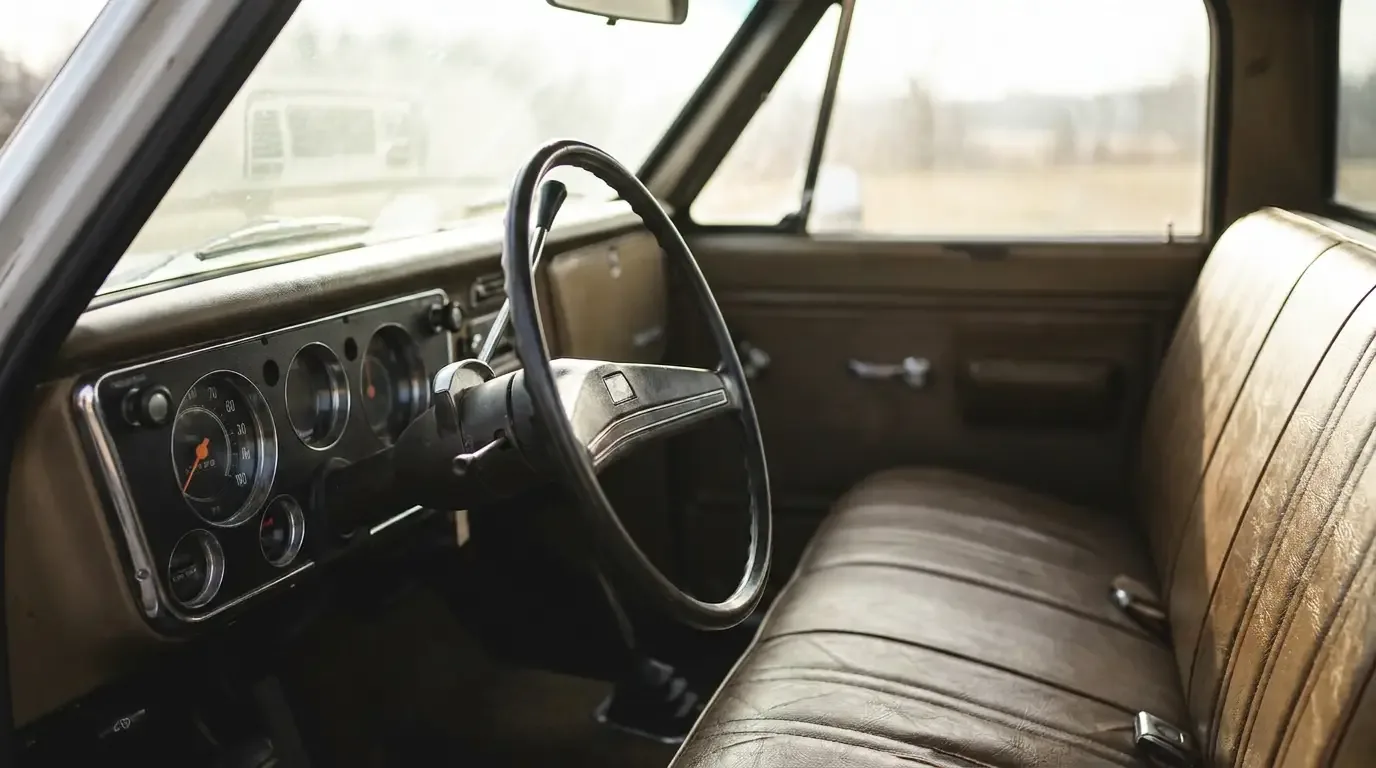
Restoring the original wheel takes more patience than buying new, but it's not a complicated job mechanically. The wheel itself is a steel armature with a molded plastic or hard rubber rim bonded around it, and the failure points are predictable once you know what you're looking at.
Assessing what you're actually working with
Pull the wheel and look at it away from the truck's cab lighting, which hides a lot. Check the rim for cracks all the way around, not just the obvious ones at the top where your hands rest most. Cracks that go all the way through to the steel armature underneath are a different repair than surface crazing that's only cosmetic.
Check the horn button and contact ring while you've got the wheel off, since these wear and corrode independently of the rim itself, and a wheel that looks great but has a dead horn contact is still an incomplete job. Also look at the wheel's mounting hub and splines. Decades of a slightly loose wheel working against the steering column shaft can wallow out the mounting splines, which is a problem no amount of rim restoration fixes.
Repairing cracks and filling damaged sections
Small surface cracks that don't reach the armature can be filled with a two-part epoxy made for this kind of repair, sanded smooth, and refinished. Deeper cracks or sections where chunks of the original rim material are missing need to be built back up in layers rather than filled in one pass, since a thick single application of filler tends to crack again at the same spot once it's back on the truck and taking load from a driver's grip.
Work in thin layers, letting each one cure before adding the next, and don't rush the final shaping. The original wheel has a specific profile to its rim, slightly oval in some cases and with a particular thickness that a rushed repair will get wrong in ways that feel off in your hands even if it looks fine on the bench.
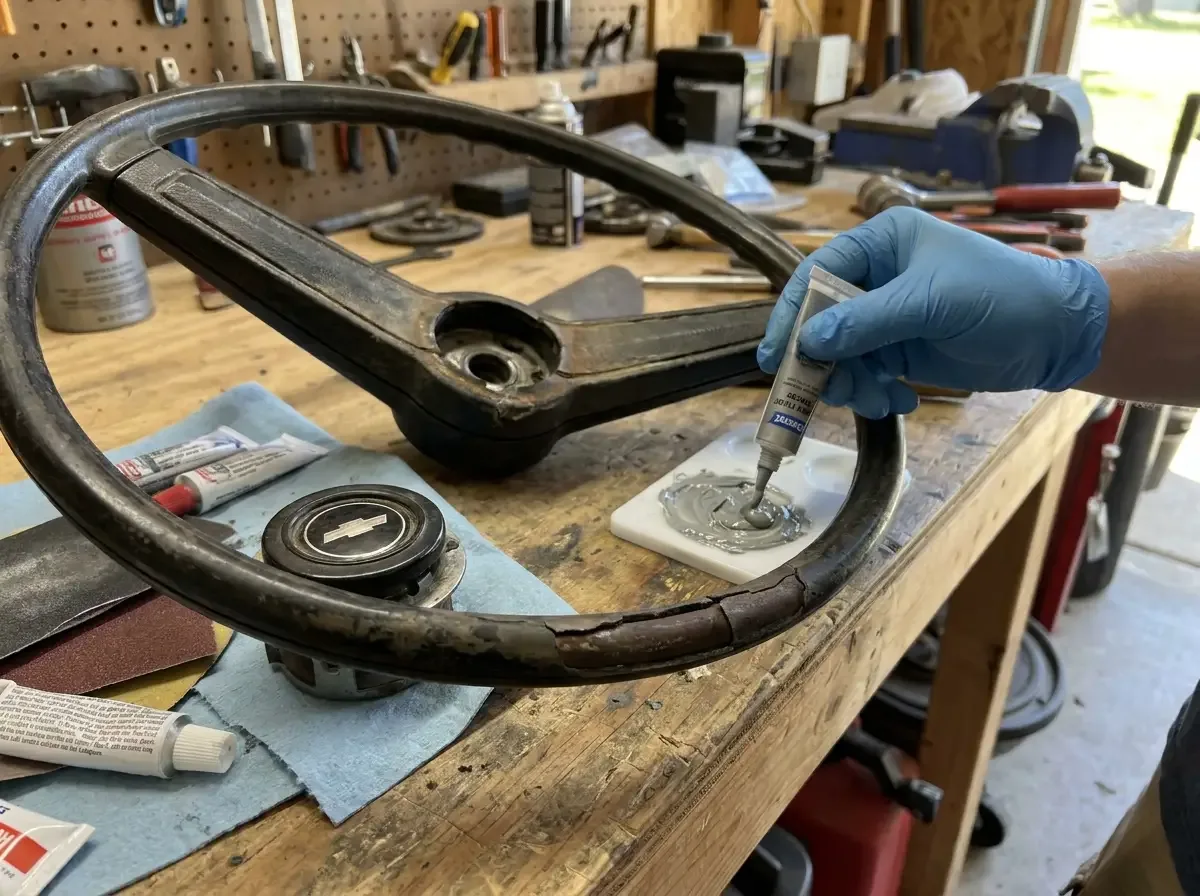
Refinishing color and matching the original texture
Factory C10 wheels came in a handful of interior colors depending on the model year and trim, and matching the original color is often harder than the crack repair itself. A wheel that's been sun faded for fifty years won't tell you the true original shade, so cross reference the color against a protected area, like where the horn cap or a spoke shields the rim from direct sun exposure, since that spot usually still holds close to the original shade.
Texture matters as much as color. These wheels typically have a slight texture to the rim surface, not a glossy finish, and a wheel refinished with the wrong sheen looks obviously redone even with a perfect color match. A satin or semi-gloss finish, tested first on a scrap piece or the underside of the wheel where it won't show, gets you closer than guessing straight from a paint can label.
Reassembly and checking steering feel
Once the rim repair is done and refinished, reinstall the horn contact and button, checking that the horn actually works before you button everything up, since it's a lot easier to troubleshoot a contact issue with the wheel still accessible on the bench. Torque the wheel to the column to spec, not by feel, since an undertightened wheel will develop play at the splines over time even if the rim restoration itself is flawless.
A freshly restored wheel changes how the whole cab feels more than people expect going into the job. A tight, properly finished wheel makes even a truck with a tired interior feel more buttoned up, and it's one of the few restoration jobs where the improvement is something you feel with your hands every single time you drive the truck, not just something you look at.
"Guys throw the original wheel in a box and bolt on a repro because it's faster, and I get it, but that original wheel has seen every mile this truck's put on. Fix the cracks, match the finish, and you've kept something a reproduction can't replace. It's a small part with a lot of history in it."
Mike Sullivan
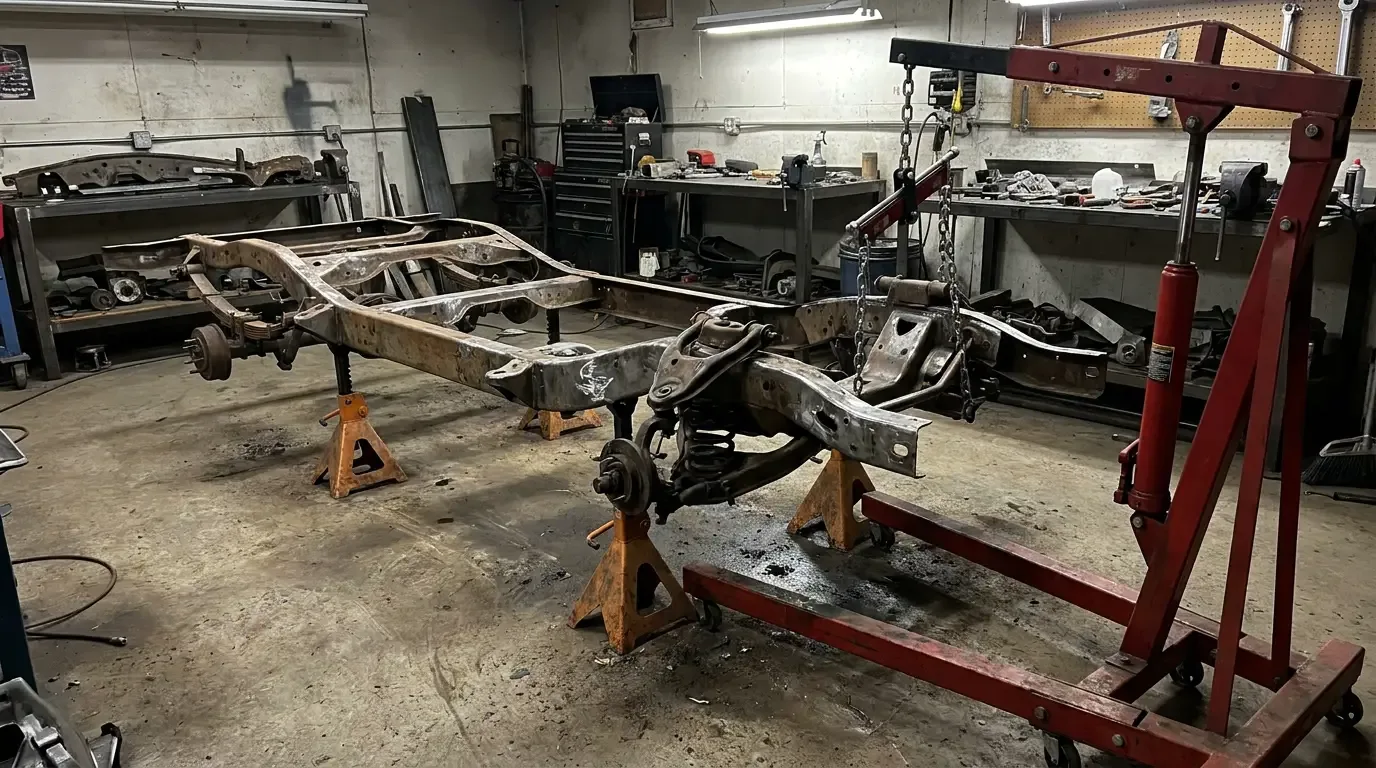
Steering wheel work is a relatively contained job compared to the rest of a full build, and it's worth checking the C10 restoration guide to see where it fits alongside everything else on the list. If you haven't gotten to it yet, the bigger structural work is worth tackling first, starting with the frame it all sits on, since chasing interior details before the foundation is sorted is a common way to redo work twice.
Sources and notes
- Classic Chevy steering wheel restoration walkthrough
- Repairing a cracked steering wheel with epoxy
- Tri-Five forum: steering wheel repair epoxy discussion
- Classic Chevy steering wheel restoration kit
- Steering wheel restoration and color matching guidance
- 67-72 Chevy Trucks forum: best product for cracked steering wheel repair
Related Reading
Have a
Chevrolet C10
for Sale?
Reach thousands of serious classic car collectors across the US.
Sell It Here →
Are You a Classic Car Dealer?
List your full inventory and connect with targeted classic car buyers.
Join as a Dealer →

About the author
Mike Sullivan
Detroit-area muscle car enthusiast and restoration specialist with three decades of hands-on experience working on American iron.
Related Listings - Chevrolet C10
More in Restoration & Tech
Comments
Be the first to comment on this article.