
Rust does not start where you are looking. It starts in the spots that do not get washed, do not get inspected, and do not matter to daily driving until the day a jack stand goes through a floor pan that looked solid from the top. I have seen it happen more than once. The truck seemed fine right up until it very much was not.
Restoration & Tech
6 min read
Fixing the Most Common Rust Hotspots on a C10
C10 rust hides in seams and box sections long before it shows on the surface. Here are the spots to check first and how to fix them for good.
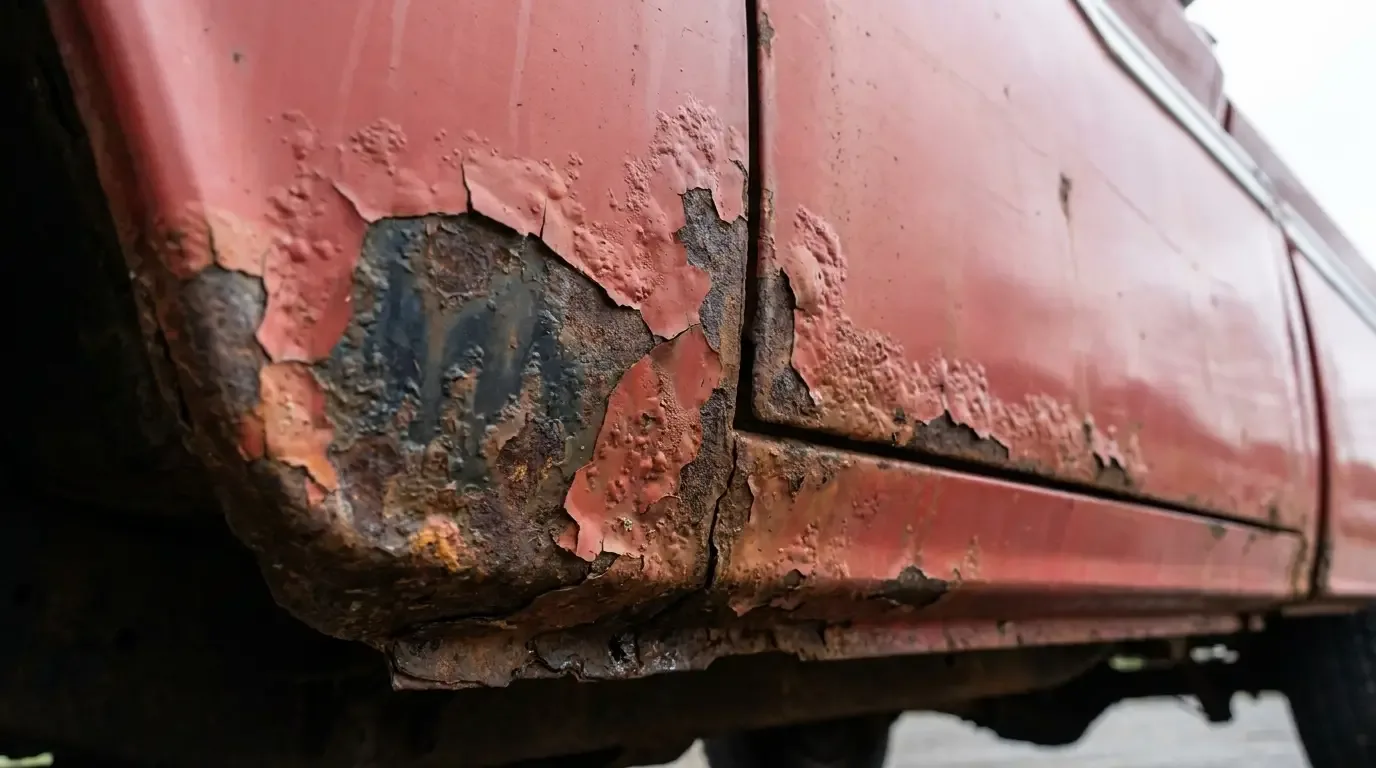
Why C10 rust shows up in predictable places
These trucks were built to shed water off the top and collect it everywhere else. Seams, overlapping panels, and the boxed sections of the frame all trap moisture and road salt, and once rust starts inside a seam, it works from the inside out, which means the surface can look clean for years while the structure underneath is already compromised. That is the pattern behind almost every rust hotspot on this platform, and it is why a truck can pass a five-minute walkaround and still hide real problems.
Cab corners and rocker panels
This is the first place I look on any C10, before I even open the hood. Cab corners rust from water that runs down the windshield channel and pools where the corner panel meets the rocker, and by the time you can see a bubble in the paint, the metal behind it is usually already gone. Rockers fail from the inside the same way, hollow box sections that trap water with no real drain path. Poke them with something pointed rather than trusting your eyes. Soft is soft no matter how good the paint looks sitting on top of it.
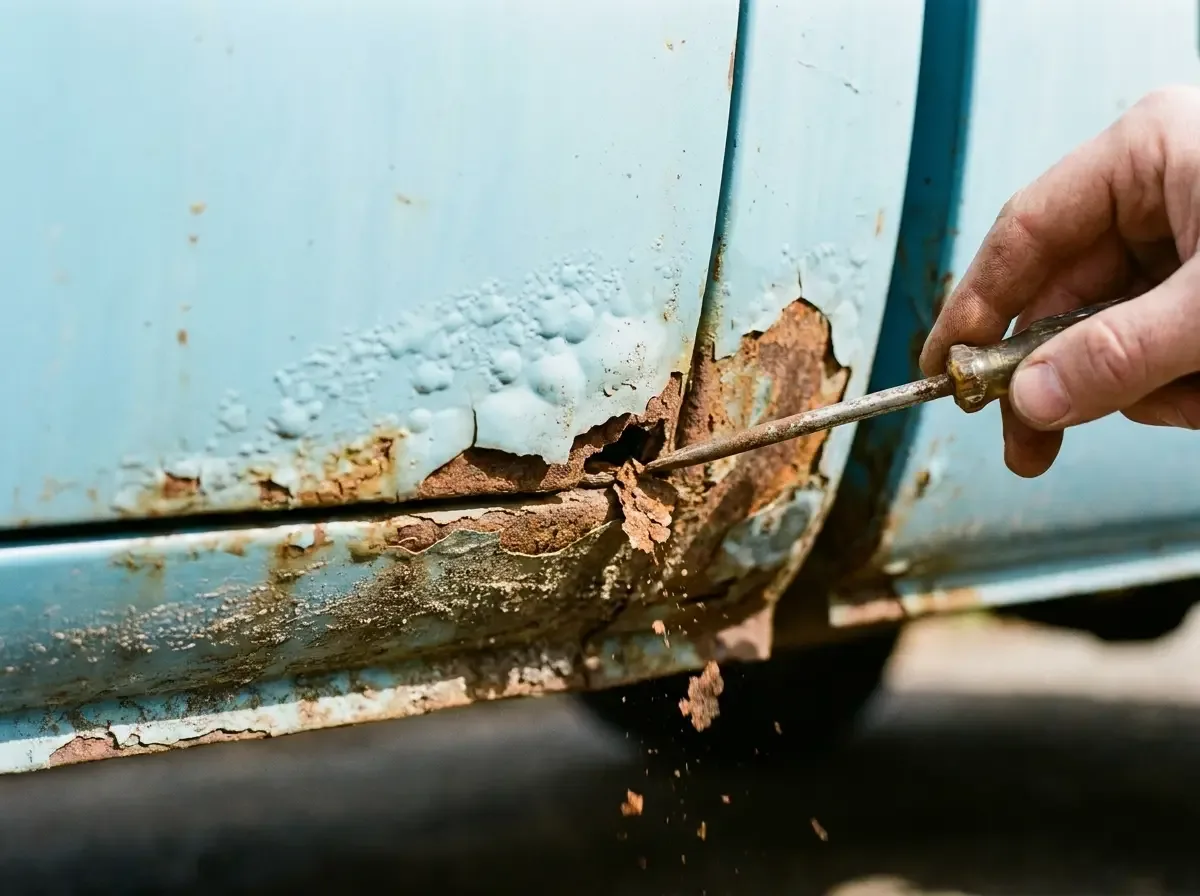
Bed floor, bed wood, and the crossmembers underneath
Bed wood rot is obvious and cheap to fix. What is underneath it is the real question. The crossmembers that support the bed floor trap water and debris for years at a time, especially on a truck that actually worked for a living, and by the time the wood is visibly rotten, those crossmembers have often been rusting quietly for just as long. Pull the wood before you assume the metal underneath is fine, because guessing here is how a cheap repair turns into a much bigger one.
Cab mount areas and the lower firewall
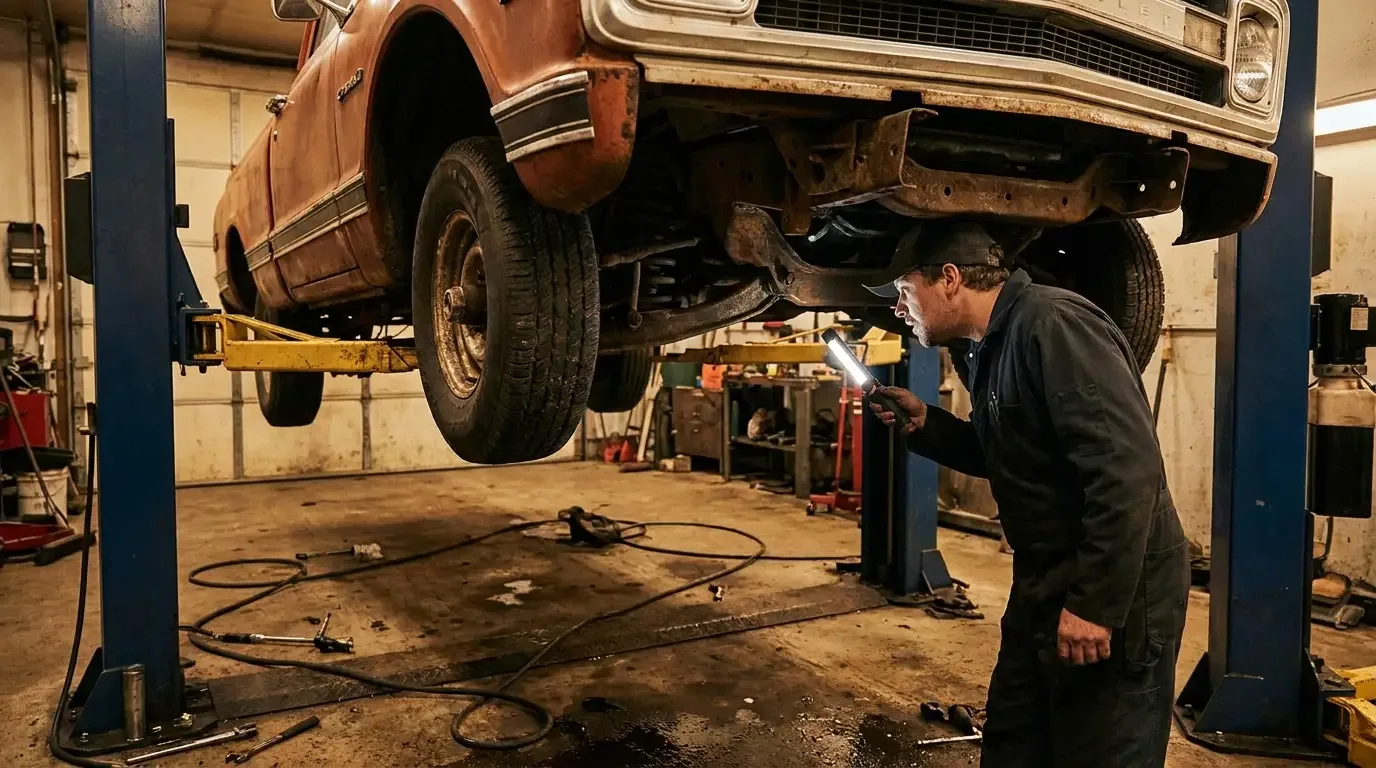
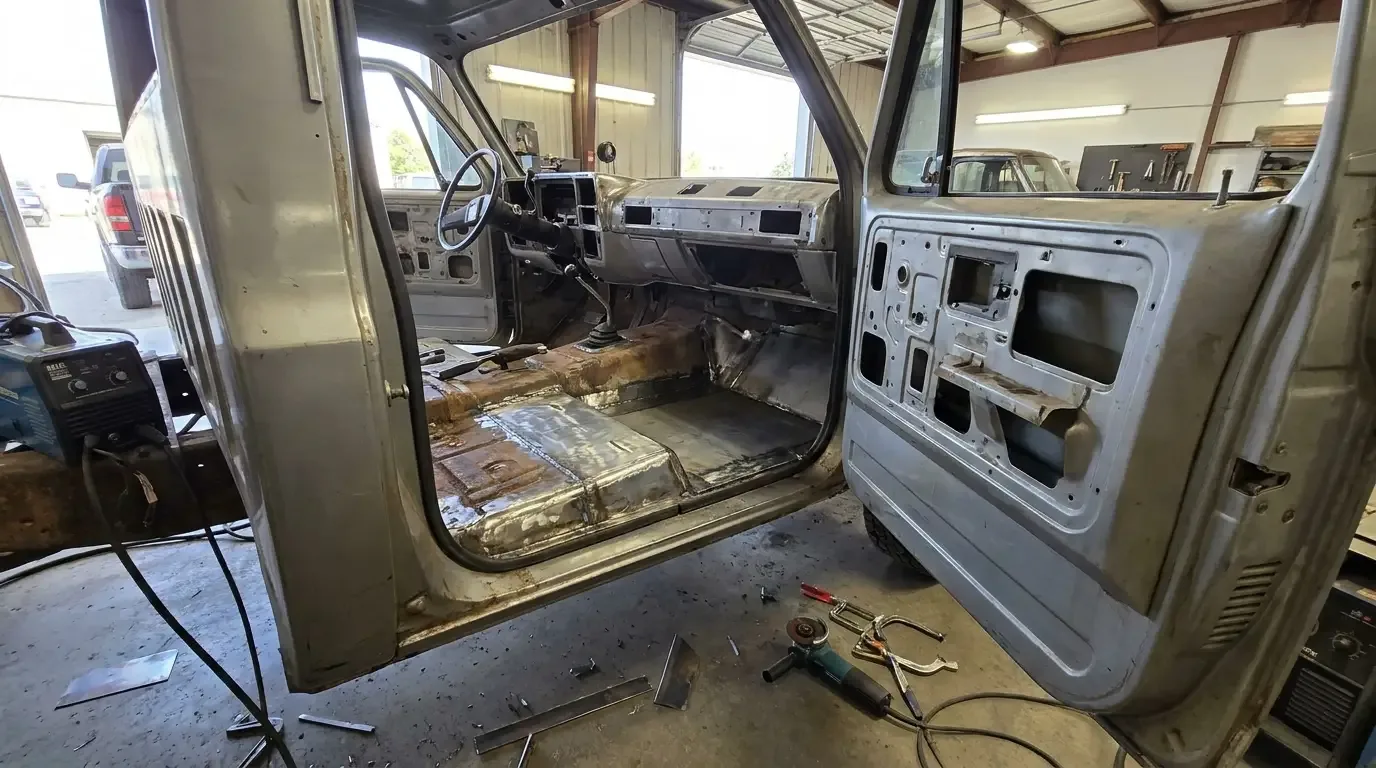
Where the cab bolts to the frame is a spot most buyers never think to check, and it is one of the more expensive places to find rust because fixing it properly means separating the cab from the frame rather than patching around a bolt. The lower firewall and the floor pan corners near the cab mounts are the next place water travels once it gets past the rocker, so if the rockers are bad, check here next almost automatically. It is a short list of spots, but it covers most of the money in a rust repair.
Getting eyes on this area usually means jacking the cab or at least getting a flashlight and a mirror up under it from below, which is more effort than most buyers are willing to put in during a quick look at a truck. That is exactly why it is worth the effort. A seller who has not checked this spot cannot honestly tell you it is clean, and a seller who has checked it and will not show you what they found is telling you something too.
Windshield and rear window channels
Glass channels rust from the inside the same way rockers do, trapping water against bare metal behind rubber that looks fine from the driver's seat. A windshield that has never been out gives no clue about what the channel underneath the seal looks like, and on an older truck that channel has usually never been touched since the factory installed it. Soft spots here telegraph themselves as bubbling paint along the top of the cab or around the rear glass, and by the time that bubbling is visible, the metal directly behind the trim has usually thinned enough to need a patch rather than a sand-and-seal fix. Anyone doing a full rust survey on a truck should pull back the trim around both windows rather than assuming a clean-looking gasket means clean metal underneath it.
Reading a truck's rust history from where it lived
A C10 that spent its life somewhere dry and salt-free rusts in a completely different pattern than one that worked through hard winters, and knowing which kind of truck you are looking at changes where you spend your inspection time. Trucks from drier regions tend to show rust concentrated in the trap spots described above, the seams and box sections that hold moisture regardless of climate. Trucks that saw road salt for decades often show rust everywhere at once, including places that would otherwise stay solid for another twenty years, and that kind of truck needs a frame and floor inspection before anyone spends real money chasing cosmetic rust. Ask where a truck actually lived before you ask what color it is going to be.
Patch it right or replace it: knowing the difference
A small surface patch over a rust hole is not a repair. It is a delay, and it usually fails faster than the original metal did because the area around a bad patch job traps even more moisture than before. Doing this correctly means cutting back to solid metal, not just past the visible hole, and welding in a proper patch panel rather than screwing sheetmetal over the top of rust and calling it done. Once you are past the visible rust and into structural repair, the same logic applies to replacing the floor pans once rust wins rather than patching around them indefinitely. Anyone tackling this as part of a bigger project should be reading the C10 restoration guide before they start cutting, because rust repair done out of sequence with the rest of the build creates more rework than it saves.
"A patch panel welded in right will outlast the rest of the truck. A patch panel welded in fast will outlast the paint job covering it up, and not by much."
Mike Sullivan
Check the hidden spots before the visible ones fool you. That is where this hobby actually separates a good truck from an expensive mistake.
Sources and notes
Related Reading
Have a
Chevrolet C10
for Sale?
Reach thousands of serious classic car collectors across the US.
Sell It Here →
Are You a Classic Car Dealer?
List your full inventory and connect with targeted classic car buyers.
Join as a Dealer →

About the author
Mike Sullivan
Detroit-area muscle car enthusiast and restoration specialist with three decades of hands-on experience working on American iron.
Related Listings - Chevrolet C10
More in Restoration & Tech
Comments
Be the first to comment on this article.