
A restoration budget is not a guess written on a napkin. It is a working document, and the difference between a finished car and a rusty shell rotting under a tarp usually comes down to whether the owner built a real one. I have seen guys with modest money finish beautiful cars because they planned every dollar, and I have seen guys with deep pockets abandon projects because they never knew what they were spending until it was too late. A good classic car restoration budget is the cheapest insurance you will ever buy.
Restoration & Tech
6 min read
How to Build a Realistic Restoration Budget
Build a classic car restoration budget that holds: line-item costs, contingency, phasing, and tracking. A restorer's step-by-step method.
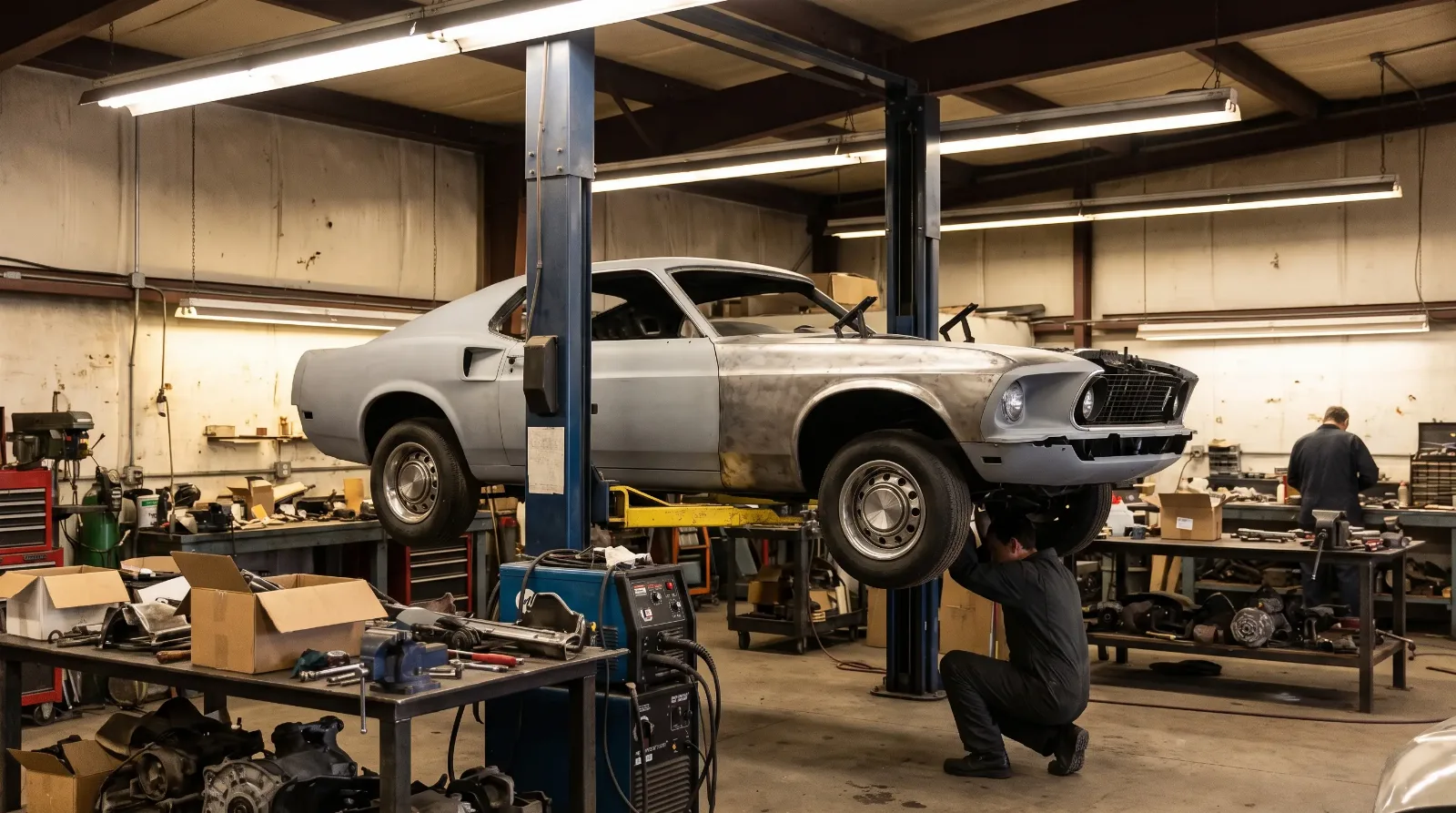
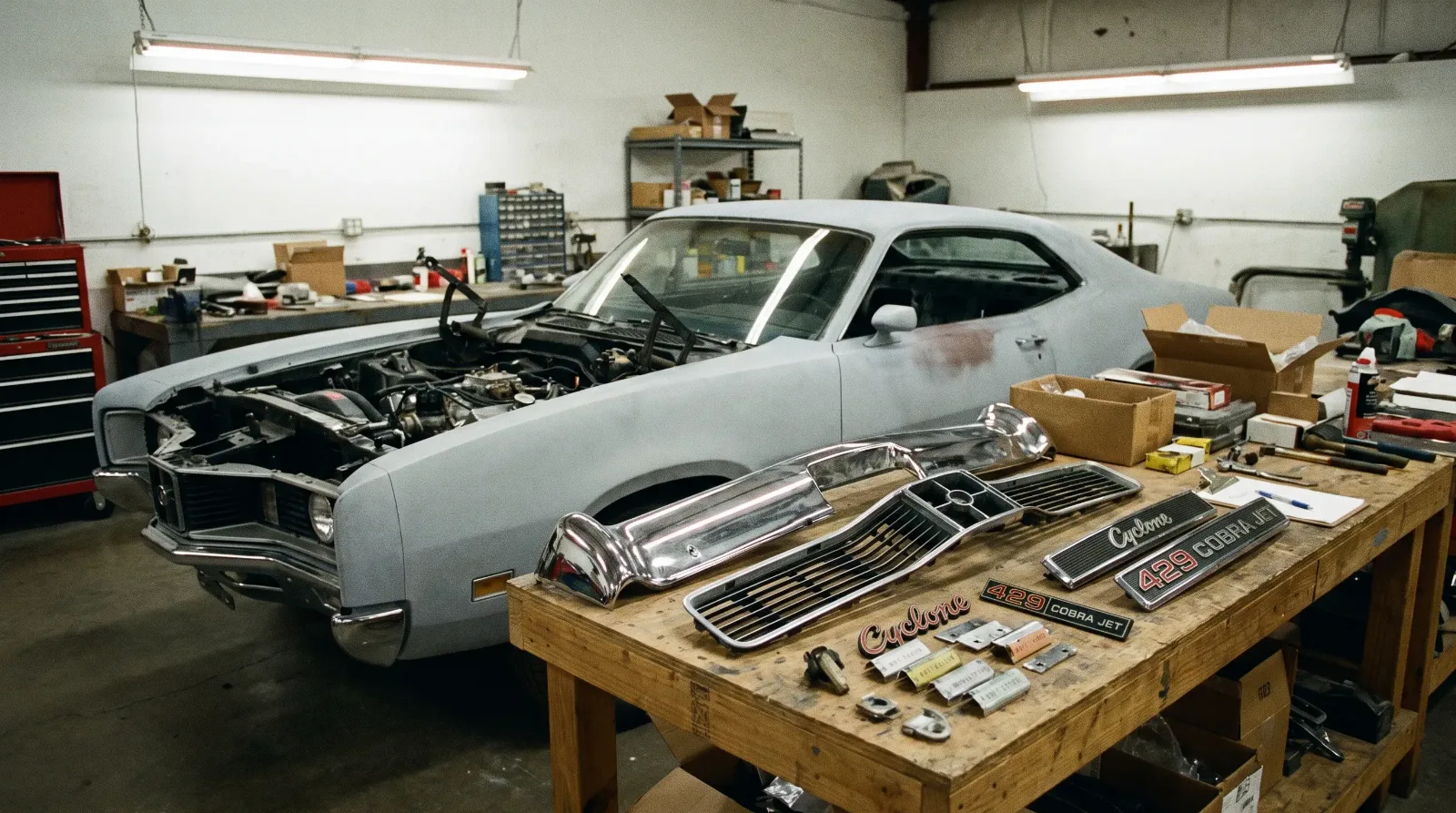
The mistake almost everyone makes is budgeting for the parts they can see and forgetting the labor and the surprises. Parts are maybe a third of a full build. The rest is labor, consumables, and the ugly stuff you find once the car is apart. Start with that reality and you are already ahead of most first-timers who wander into muscle car restoration assuming the sticker price is the whole story.
Start with the car, not the dream
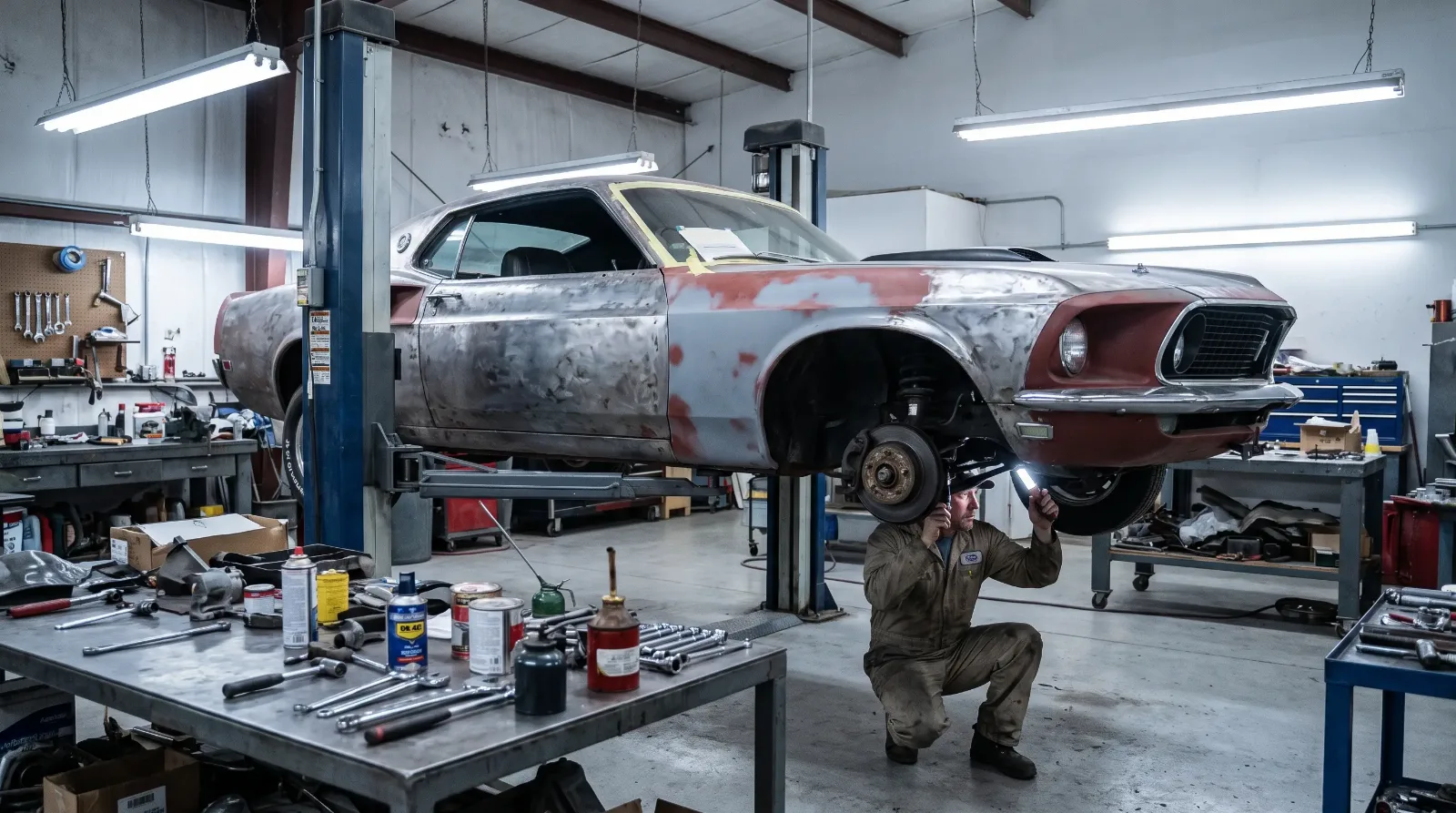
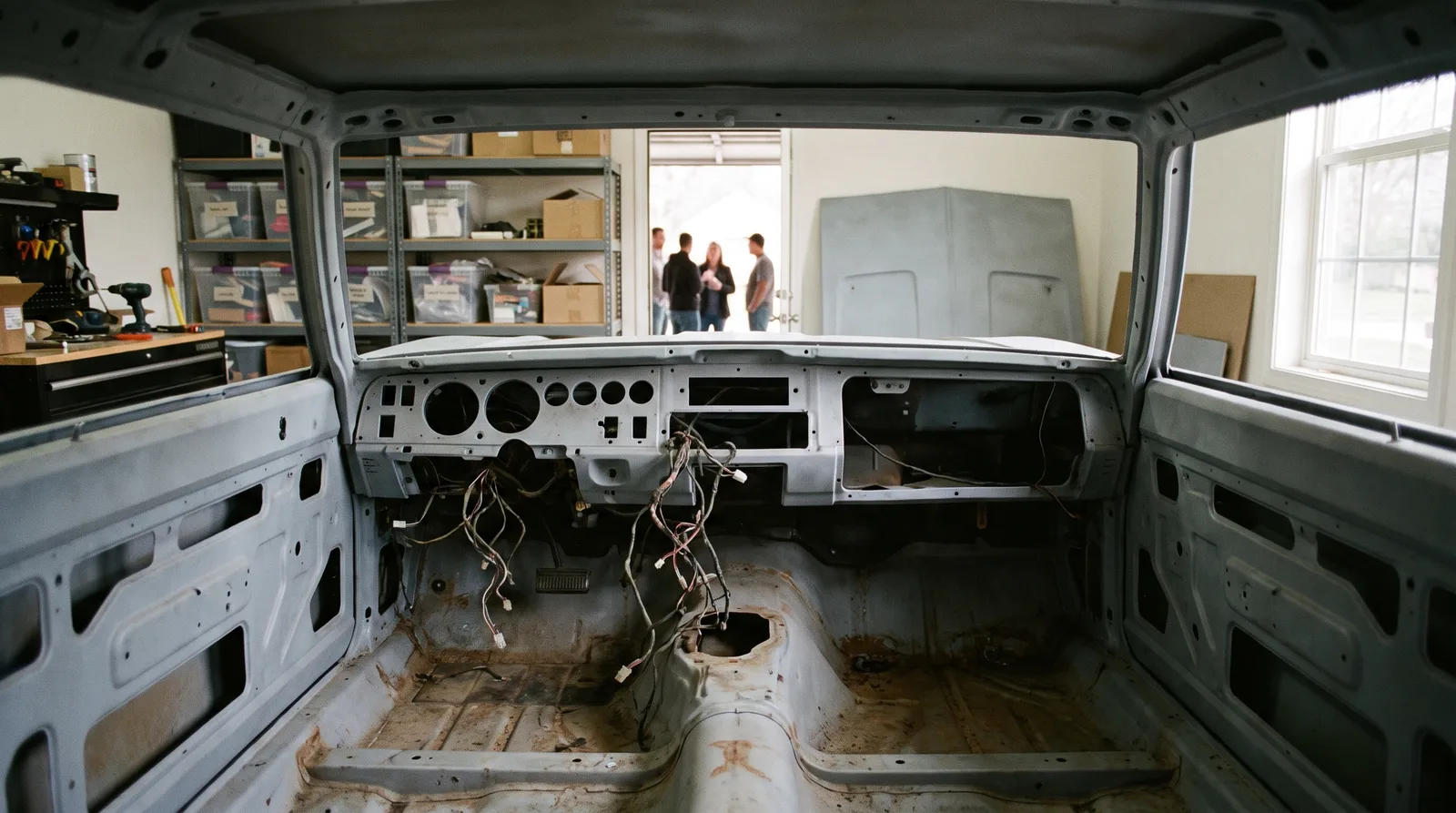
Before you write a single number, get the car on a lift and inventory what you actually have. Every honest budget starts with a condition assessment, because the car's real state sets your baseline. A solid, complete, running car needs a very different budget than a rusty roller with a box of parts in the trunk. Write down the condition of the body, floors, frame, drivetrain, interior, glass, and trim. That list is the skeleton your whole budget hangs on.
This is also the stage to be brutally honest about the car you are buying. A cheap project with hidden rust is more expensive than a pricier car that is solid, every single time. If you are still shopping, check out muscle cars on the market and compare a clean driver against a cheap basket case. The clean one almost always wins on total cost once the budget is done.
Break it into real line items
Vague budgets fail. A budget that just says "paint and body: $20,000" tells you nothing when you are $22,000 in with the doors still in primer. Break every system into its own line, with a real dollar figure and a note on whether you are farming it out or doing it yourself.
| System | Budget line | Typical range |
|---|---|---|
| Body and rust repair | Panels, welding, metal finishing | $8,000–$25,000 |
| Paint | Prep, materials, spray, color sand | $8,000–$20,000 |
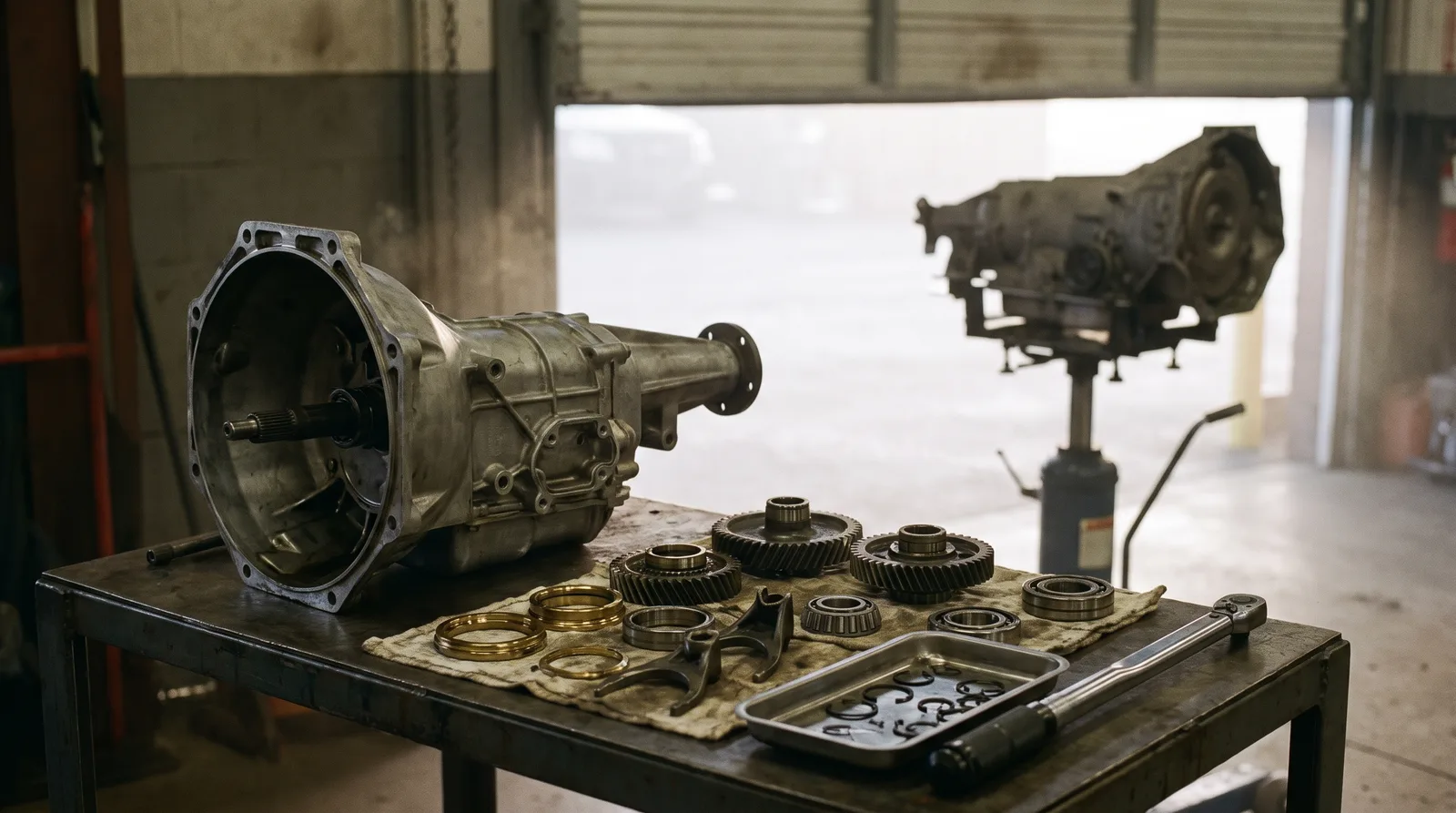
| Engine and transmission | Rebuild or refresh | $8,000–$20,000 |
| Interior | Upholstery, carpet, trim | $5,000–$12,000 |
| Brakes and suspension | Bushings, drums or discs, lines | $2,000–$6,000 |
| Hardware and consumables | Fasteners, seals, fluids, wiring | $3,000–$6,000 |
Total those ranges honestly and you have a working number. Now add a contingency line, because you will need it.
Phase the build so it never stalls
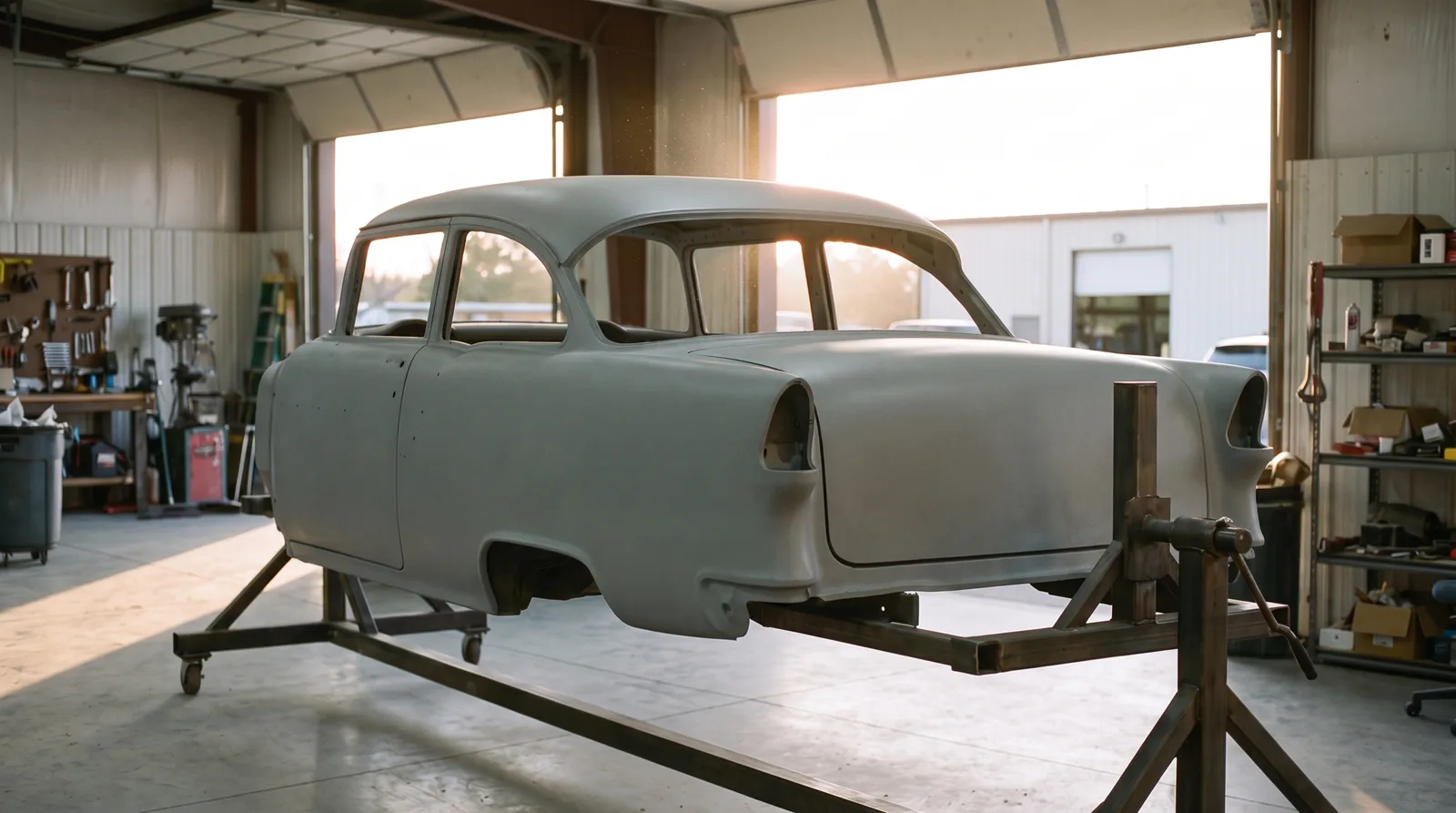
You do not have to spend it all at once, and phasing is how people on normal incomes finish these cars. Break the project into stages you can pay for as you go, and finish each stage before you start the next. My usual order is structure first, then drivetrain, then paint and body, then interior and final assembly. Do the metal and mechanical while the car is apart, because that is when access is cheap. Save the paint for near the end so it does not get scratched during assembly.
🔧 Inspection Priorities
- Budget the frame and floors before anything pretty. Structural rust is the biggest budget-buster. If you skip it now, you pay double later and risk the whole build.
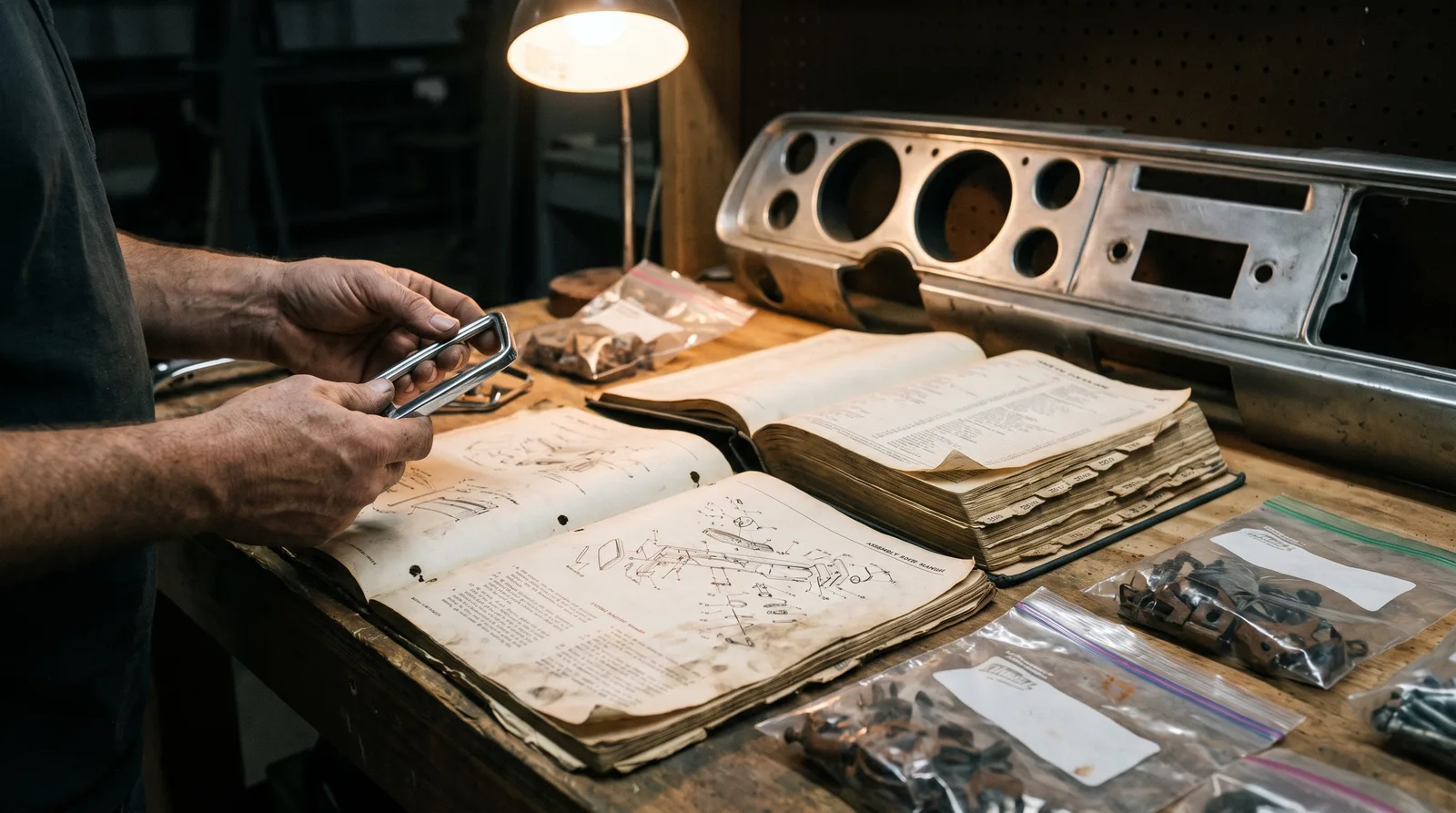
- Price the hardest parts before you commit. One unobtainable correct piece can freeze a build. Confirm availability before you spend on paint.
- Set aside the contingency and do not touch it. The 20 percent cushion is for the surprises, not for upgrades you talked yourself into.
- Track every receipt from day one. A budget you do not update is just a wish. Log actual spend against each line as you go.
"The guys who finish their cars all have one thing in common. They knew what the whole build cost before they turned the first bolt, and they kept score the whole way."
Mike Sullivan
Track it or lose it
A budget only works if you feed it. Keep a running spreadsheet with your planned figure next to your actual spend for every line. Update it every time a box lands on the porch. This does two things. It tells you where you stand at any moment, and it flags a line that is running hot before it quietly wrecks the whole plan. I have seen a $600 overage on hardware turn into a $4,000 problem simply because nobody was watching the number until the end.
Watch the parts hunt especially. Some pieces are cheap and everywhere, and some are rare enough to blow a line item all by themselves. Knowing which is which before you buy the car saves you from an ugly surprise, and it is worth learning where the pain points are. If you want to know which components will fight you hardest, read the full story on the parts that are genuinely hard to find today.
The number that keeps you honest
When your line items and your contingency are all in, you have one figure: the true cost to finish this car to the level you want. Compare that number to what the finished car is worth and to what you can actually spend. If the build costs more than the car will ever be worth, that is fine as long as you go in with your eyes open. What is not fine is finding that out at eighty percent complete with no money left.
A realistic classic car restoration budget is not the fun part of the hobby, but it is the part that decides whether you get to enjoy the fun parts at all. Build the number first, phase the work, keep score, and protect the contingency. Do that and you will be one of the people who drives their car to the show instead of trailering a half-finished project to the classifieds.
Related Reading
Have a
Classic Car
for Sale?
Reach thousands of serious classic car collectors across the US.
Sell It Here →
Are You a Classic Car Dealer?
List your full inventory and connect with targeted classic car buyers.
Join as a Dealer →
#restoration budget
#classic car restoration
#restoration costs
#muscle car restoration
#budget planning

About the author
Mike Sullivan
Detroit-area muscle car enthusiast and restoration specialist with three decades of hands-on experience working on American iron.
More in Restoration & Tech
Comments
Be the first to comment on this article.