
I have watched a lot of people fall in love with a muscle car at a show, buy one three weeks later, and then turn white when the first shop quote lands on the table. The car costs what it costs to buy. Restoring it costs something else entirely, and the second number is the one that ends most projects before they finish. So let me lay out what a muscle car restoration cost actually looks like, in real dollars, based on cars I have pulled apart and put back together.
Restoration & Tech
5 min read
What a Muscle Car Restoration Actually Costs
Real muscle car restoration cost ranges by level, where the money goes, hidden expenses, and shop labor vs DIY. A wrench-turner's honest breakdown.
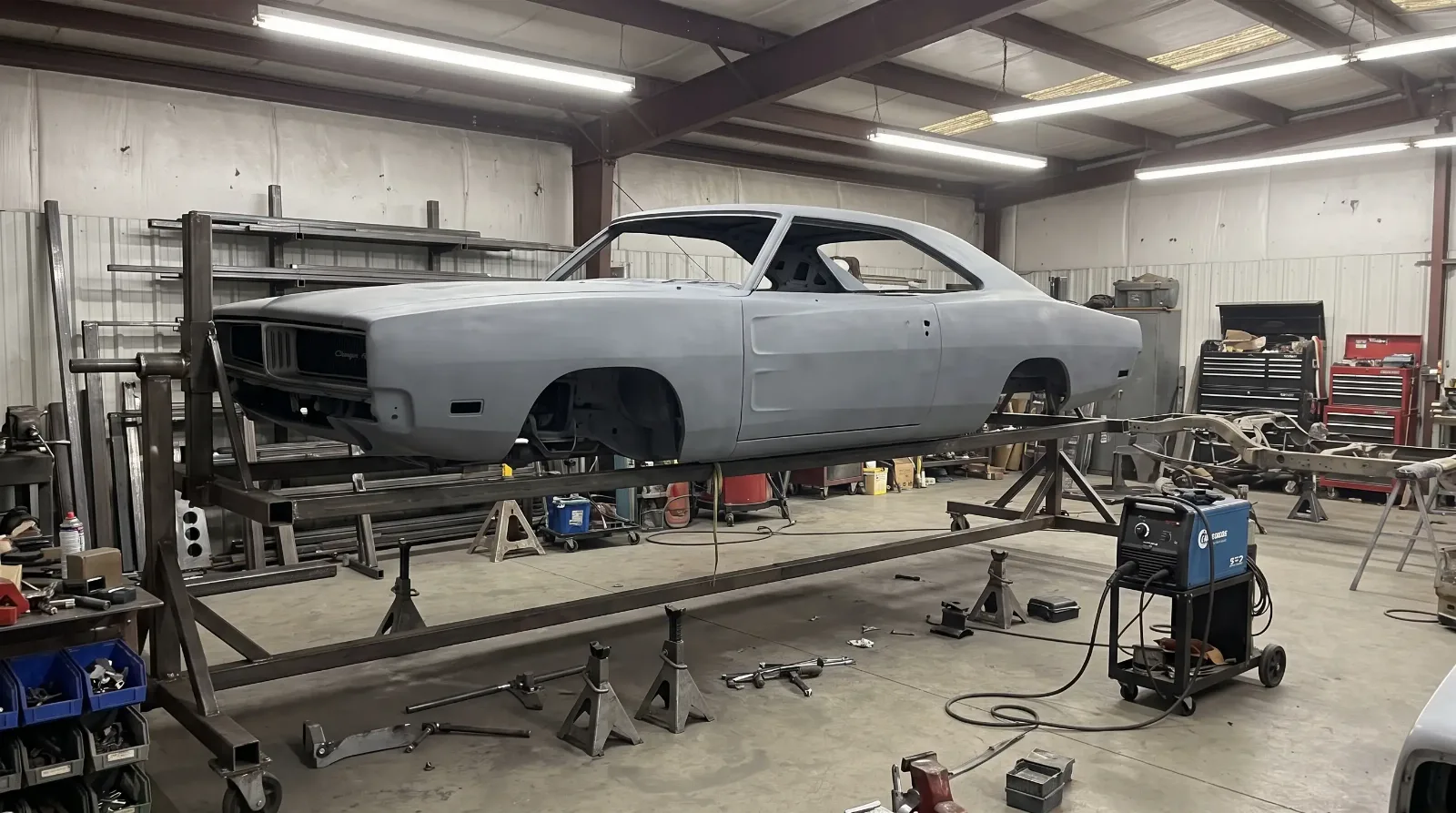
The honest range for a full restoration on a typical mid-size muscle car runs from about $40,000 on the low end to well past $120,000 for a correct, high-level job. That spread is not me hedging. It is the difference between a solid driver you freshen up and a rusty basket case you rebuild from the floor pans up. The starting condition of the car decides where you land in that range more than anything else you do.
Where the money actually goes
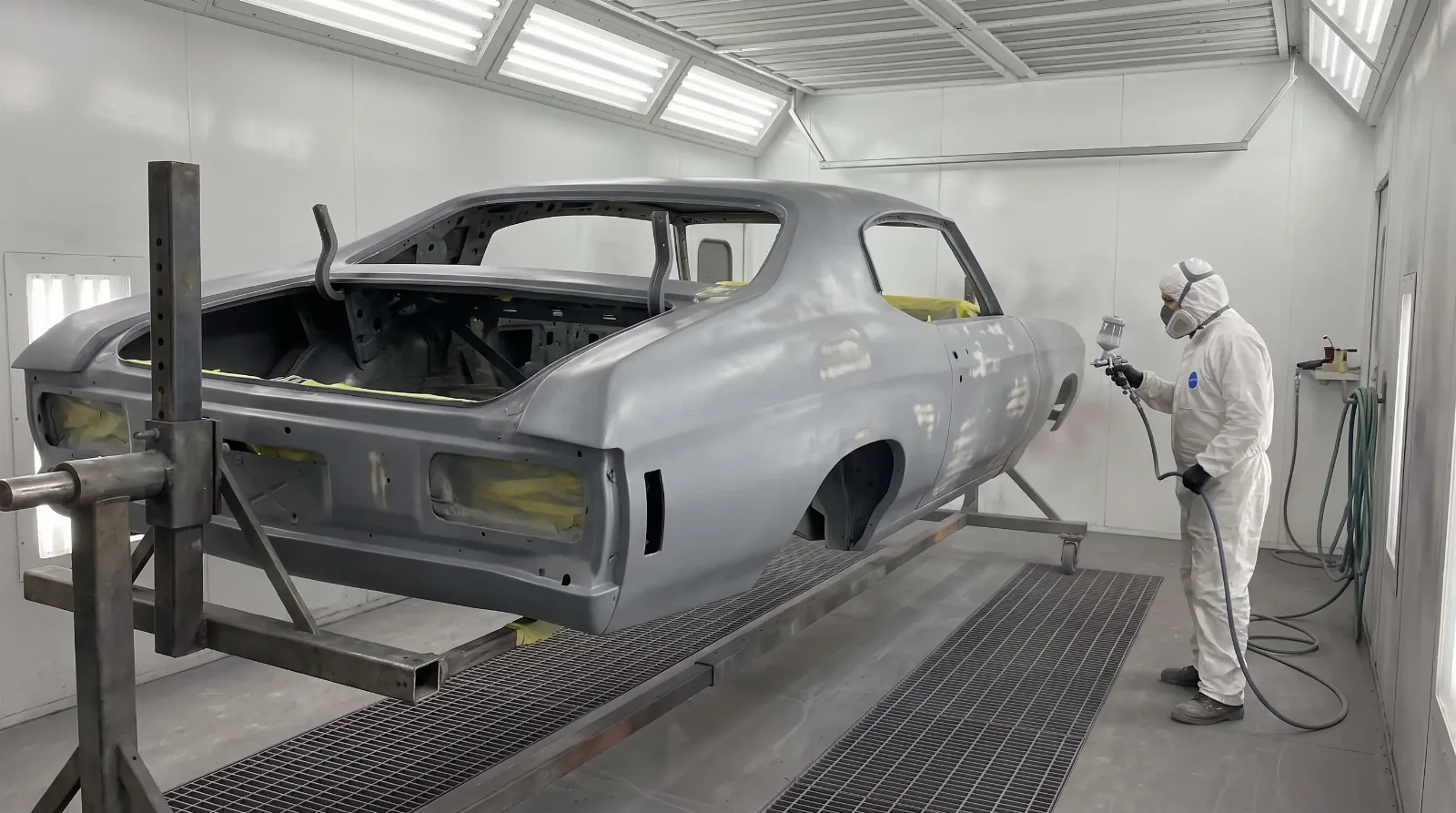
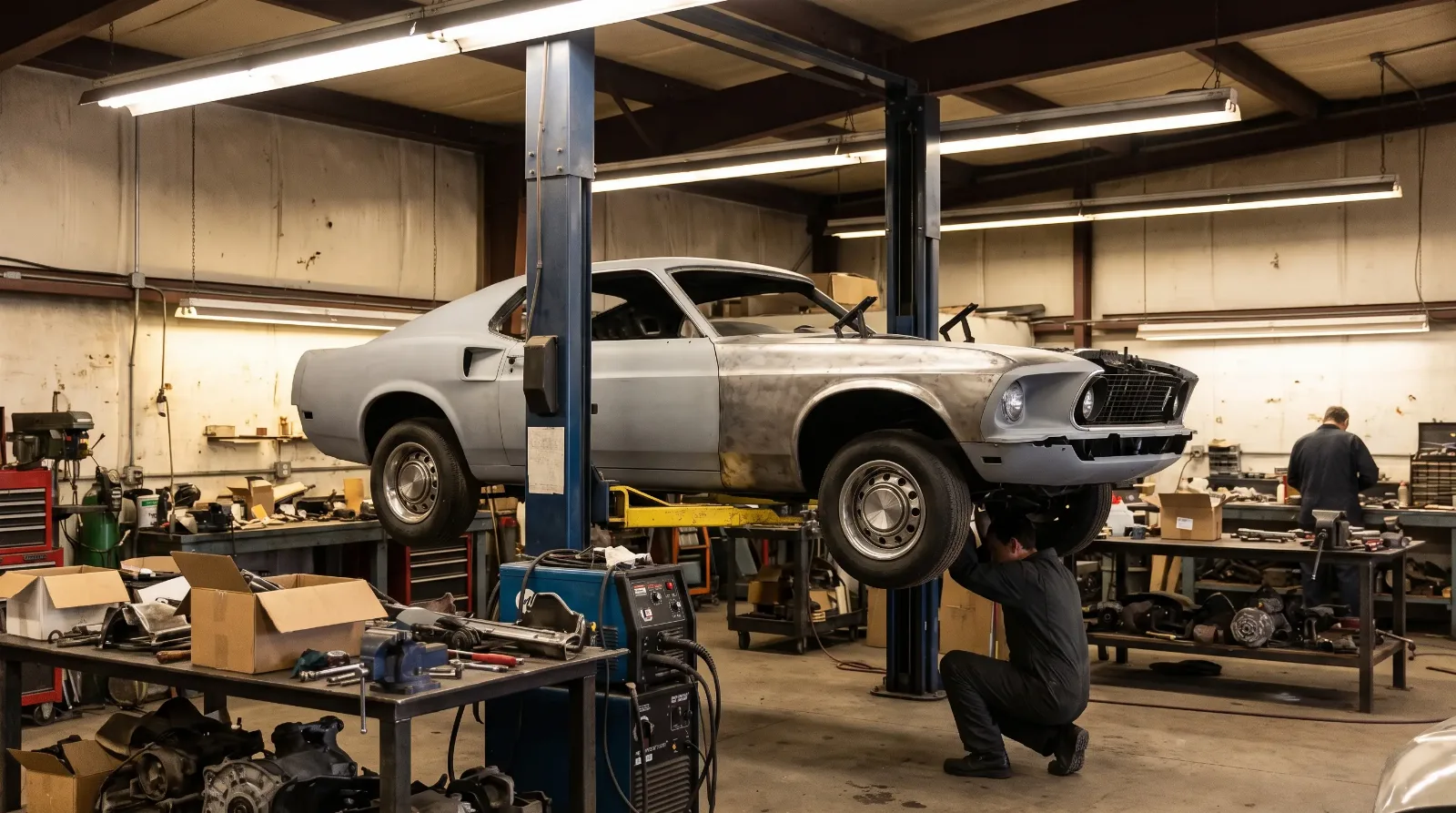
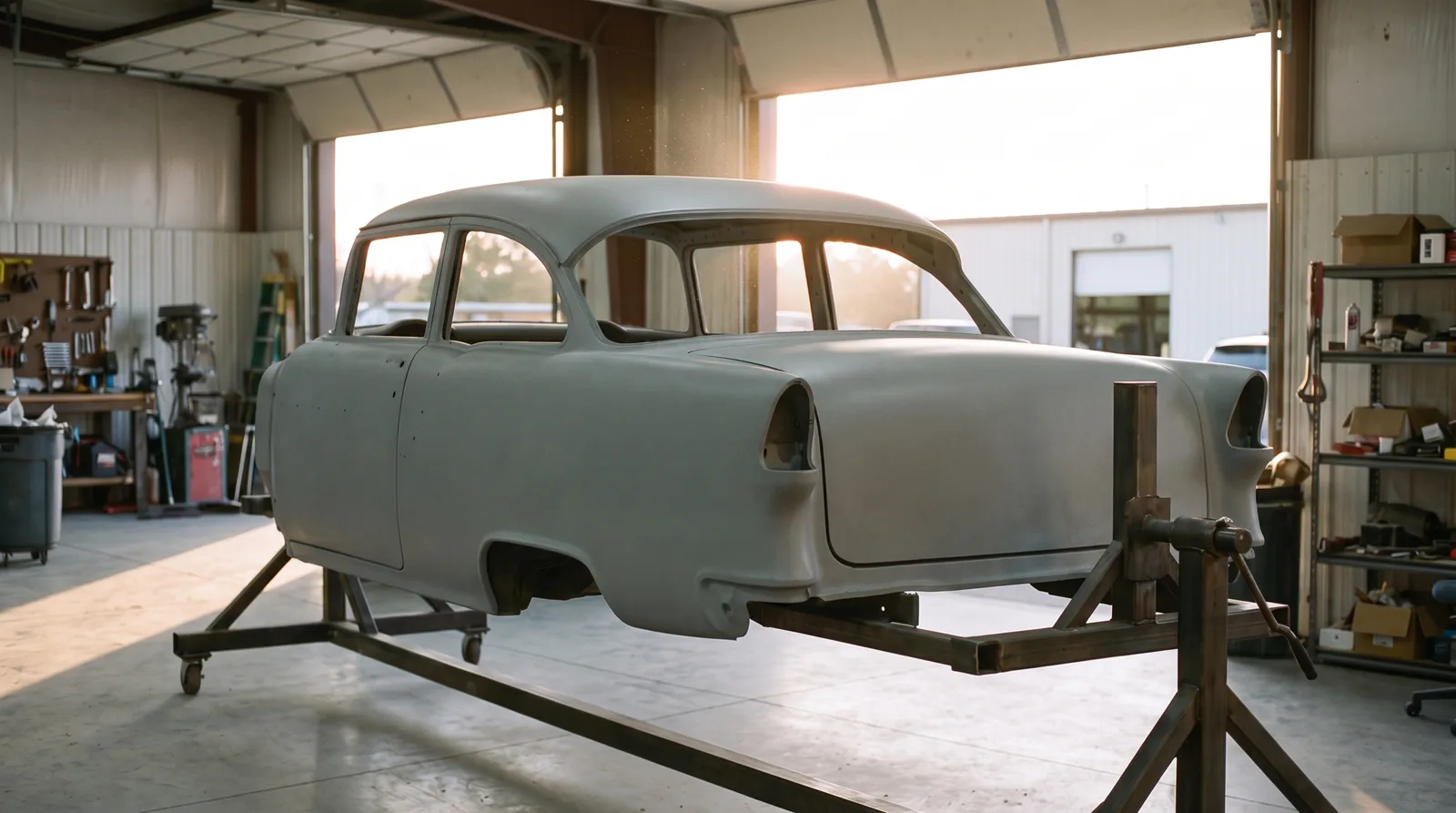
People assume the engine is the big line item. It usually is not. Bodywork and paint eat the largest share of almost every restoration budget I have run. A correct rotisserie paint job, done right with proper prep, block sanding, and color sanding, runs $15,000 to $30,000 by itself. Rust repair on top of that adds thousands more, because every patch panel is hours of cutting, fitting, and welding that nobody sees in the final photos.
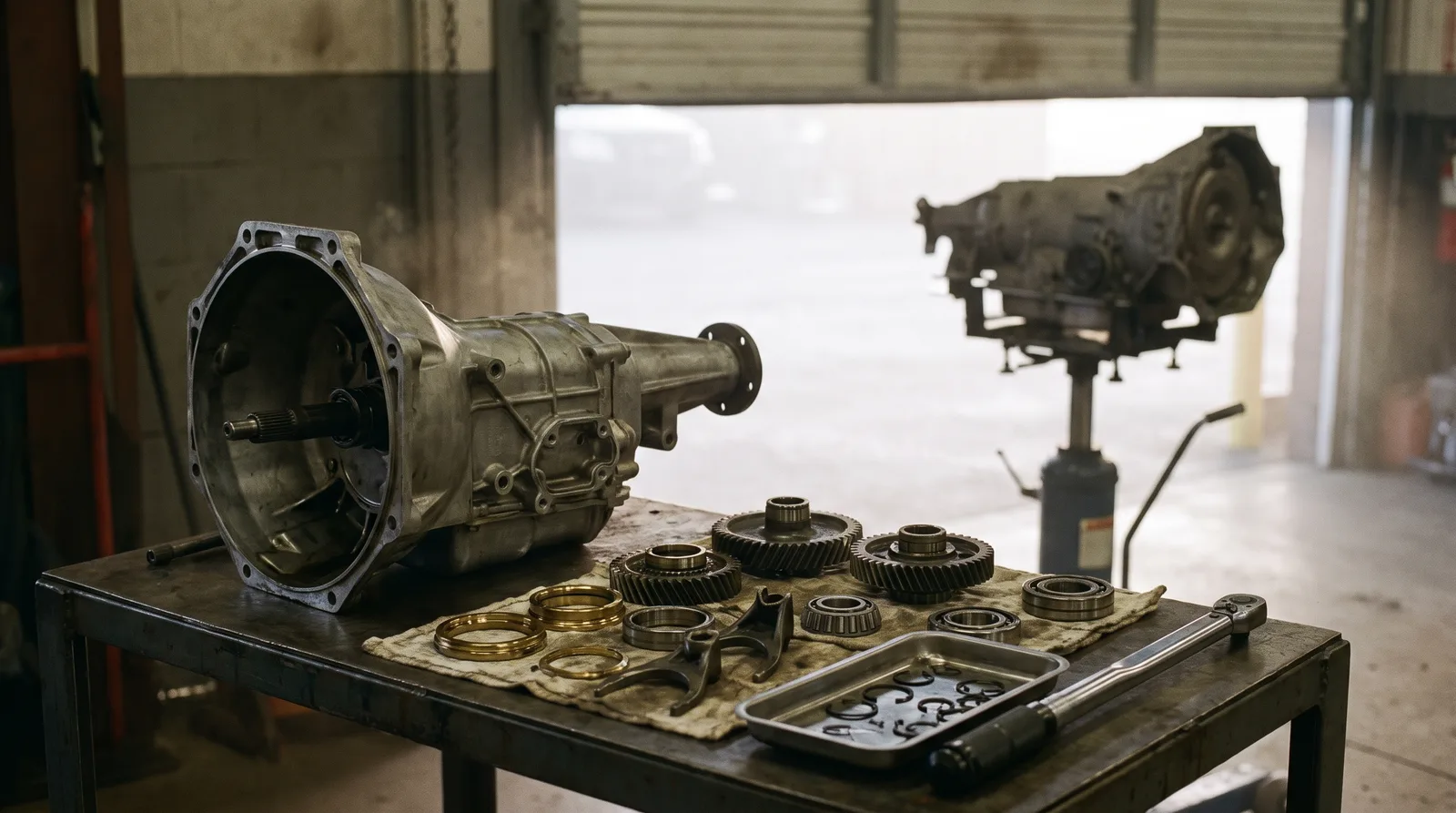
The drivetrain is more predictable. A proper rebuild on a small-block runs roughly $6,000 to $12,000, and a big-block correct rebuild pushes toward $10,000 to $18,000 depending on what is worn and what is correct. A transmission rebuild adds $2,000 to $4,000. Interiors surprise people too. A full interior with correct upholstery, carpet, door panels, and dash restoration lands around $5,000 to $12,000. It adds up quicker than anyone expects, and if you want the wider view of where a project's dollars scatter, here's the full breakdown worth studying before you commit.
Cost by restoration level
Not every project is a ground-up build, and you should not pay for one if you do not need it. Here is roughly how the levels break down on a solid starting car, before rust surprises.
| Level | What it covers | Typical cost |
|---|---|---|
| Mechanical refresh | Brakes, fluids, tune, safety items | $5,000–$12,000 |
| Driver-quality restoration | Respray, interior, engine freshen | $25,000–$50,000 |
| Show-quality restoration | Rotisserie, correct paint, full drivetrain | $70,000–$120,000 |
| Concours correct | Every detail judged, date-coded parts | $120,000+ |
Notice the jump from driver to show quality. That gap is where most budgets break, because getting the last ten percent of correctness costs nearly as much as the first ninety. If you are building a car to enjoy on weekends, the driver-quality tier gives you most of the joy for a fraction of the concours bill.
"The buy price is the down payment. The restoration is the mortgage. I tell every first-timer to double their worst-case estimate, and I am usually still a little low."
Mike Sullivan
The hidden costs nobody quotes you
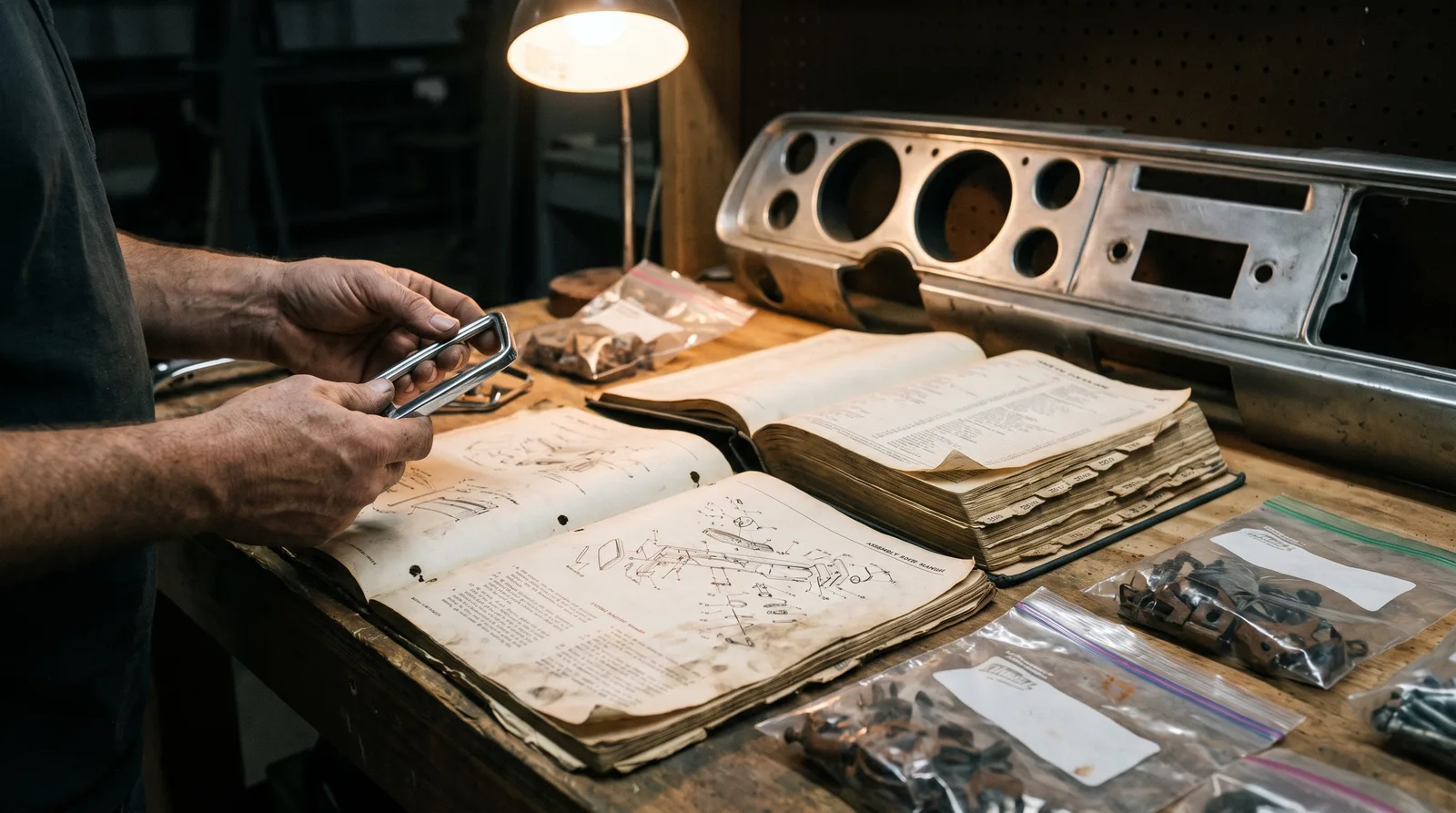
The number that kills projects is never the one on the estimate. It is the pile of small stuff underneath. Fasteners, correct hardware, clips, seals, gaskets, brake and fuel lines, a fresh wiring harness. None of it is expensive on its own. All of it together runs $3,000 to $6,000 on a full build, and it shows up in dribs and drabs that never feel like real money until you total the receipts at the end.
🔧 Inspection Priorities
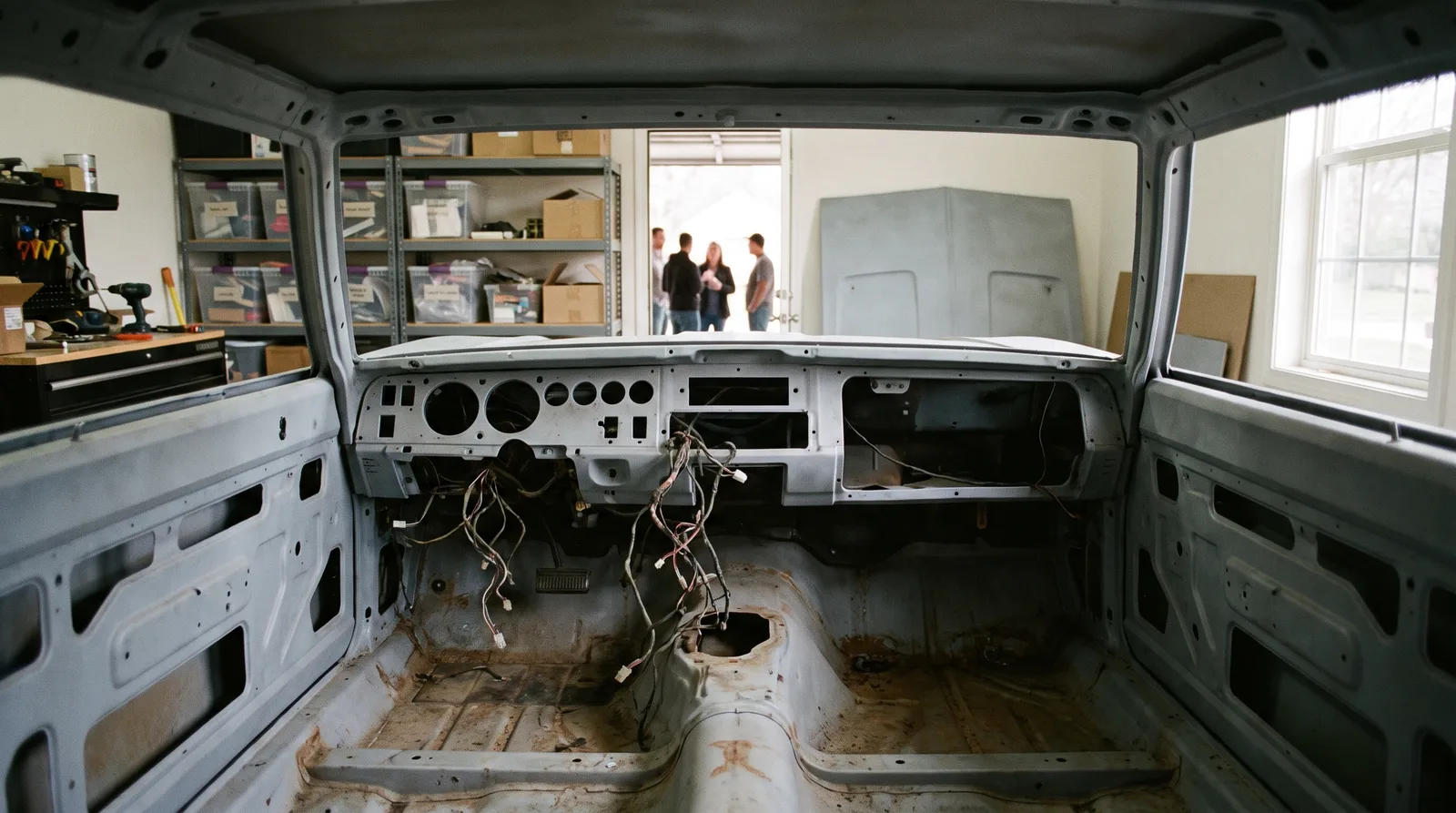
- Check the floors, trunk, and frame rails first. Structural rust repair is the single biggest hidden cost, easily $5,000 to $15,000 in labor. Get under the car with a light before you buy.
- Verify the drivetrain turns and holds compression. A seized or spun-bearing engine turns a $6,000 refresh into a $12,000 rebuild.
- Inspect the trim and glass. Correct reproduction trim is pricey and some pieces are unavailable. Missing brightwork adds real money.
- Confirm the car is complete. Every missing correct part is a hunt, and hunts cost both dollars and months.
Shop labor versus doing it yourself
Labor is the biggest variable of all. Full-service restoration shops charge $75 to $150 an hour, and a ground-up build easily runs 1,000 to 1,500 hours. Do that math and you see why a professional concours job crosses six figures without anyone padding the bill. Doing the work yourself saves the labor but costs you time, tools, and a place to work, and most first-timers underestimate all three.
The smart move is honesty about your own skill. Farming out the paint and rust work while handling the assembly and mechanical yourself is how a lot of good cars get built on a real-world budget. If you want to see how the reputation and history behind these cars justifies the spend, the muscle car story puts it in context.
Building a number you can trust
Before you buy anything, write down every system on the car and put a real dollar figure next to each one. Body, paint, drivetrain, interior, glass, trim, brakes, suspension, wiring, and a contingency line of at least twenty percent for the surprises you cannot see yet. That total is your true cost, not the asking price on the windshield.
A muscle car restoration cost is manageable when you plan it and brutal when you improvise. The people who finish their cars are the ones who knew the number going in and had the discipline to stick to a level. The people who abandon half-done projects on the classifieds are almost always the ones who bought first and did the math later. Do the math first, then read the full story on building a budget that actually holds up when the car comes apart.
Related Reading
Have a
Classic Car
for Sale?
Reach thousands of serious classic car collectors across the US.
Sell It Here →
Are You a Classic Car Dealer?
List your full inventory and connect with targeted classic car buyers.
Join as a Dealer →
#Muscle Cars
#restoration budget
#classic car restoration
#muscle car restoration cost
#restoration pricing

About the author
Mike Sullivan
Detroit-area muscle car enthusiast and restoration specialist with three decades of hands-on experience working on American iron.
More in Restoration & Tech
Comments
Be the first to comment on this article.