
There is a story every judge and club regular has heard some version of. A car shows up at a meet with paint like a mirror, welds ground flush, and an engine bay so clean you could eat from it. The owner is proud. Then somebody pulls out the factory assembly photos and the whole conversation changes, because the car left the plant with orange peel, visible spot welds, and overspray on the inner fender.
Restoration & Tech
6 min read
Over-Restoration: What "Restored to Factory Spec" Really Means
Over-restoration finishes a car better than the factory ever built it. Learn what "restored to factory spec" should mean, how judges spot excess, and why it can cost you value.
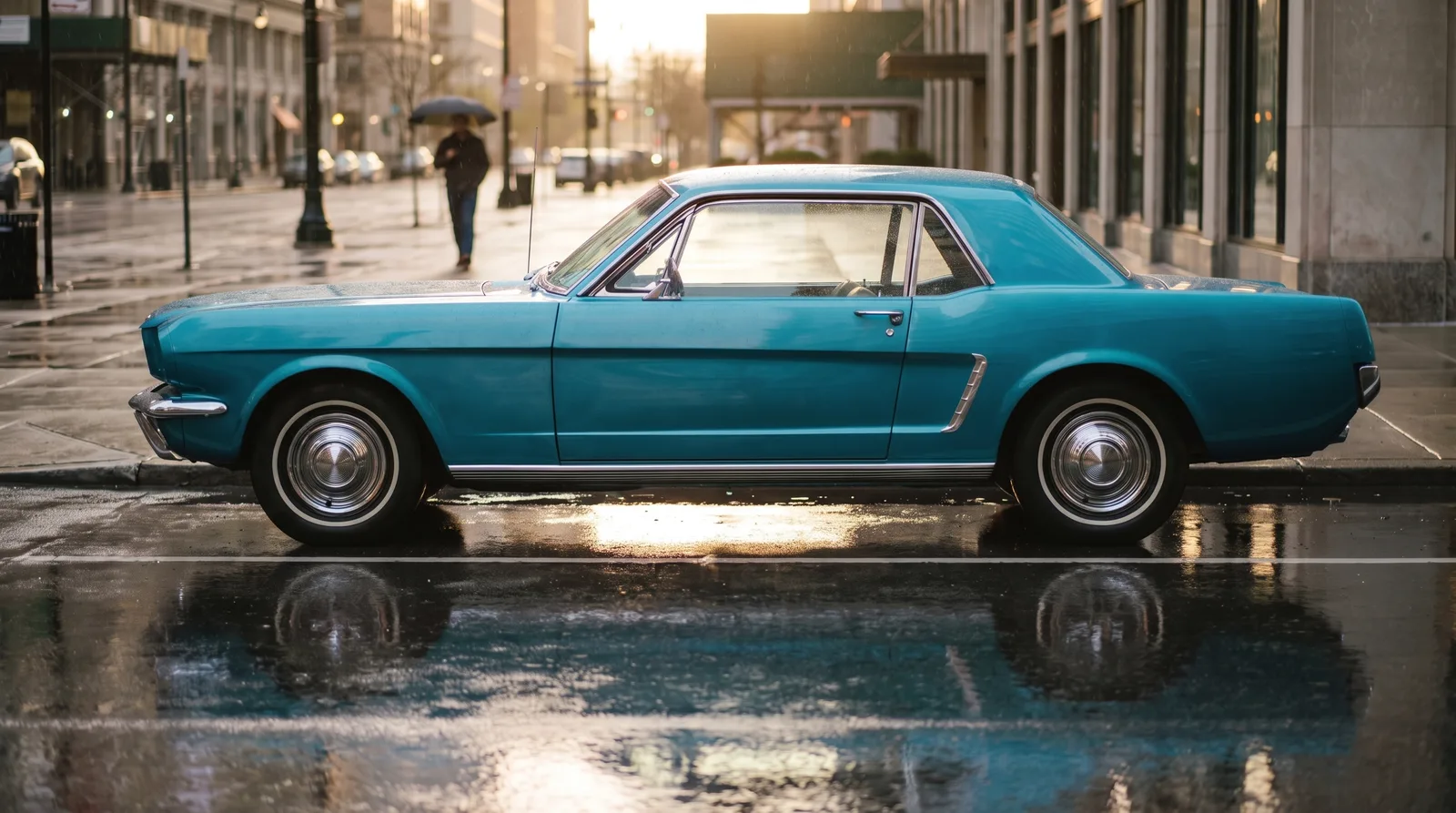
That car is over-restored. It is better than the factory ever built it, and in the world of originality judging, better is not the goal.
What over-restoration looks like
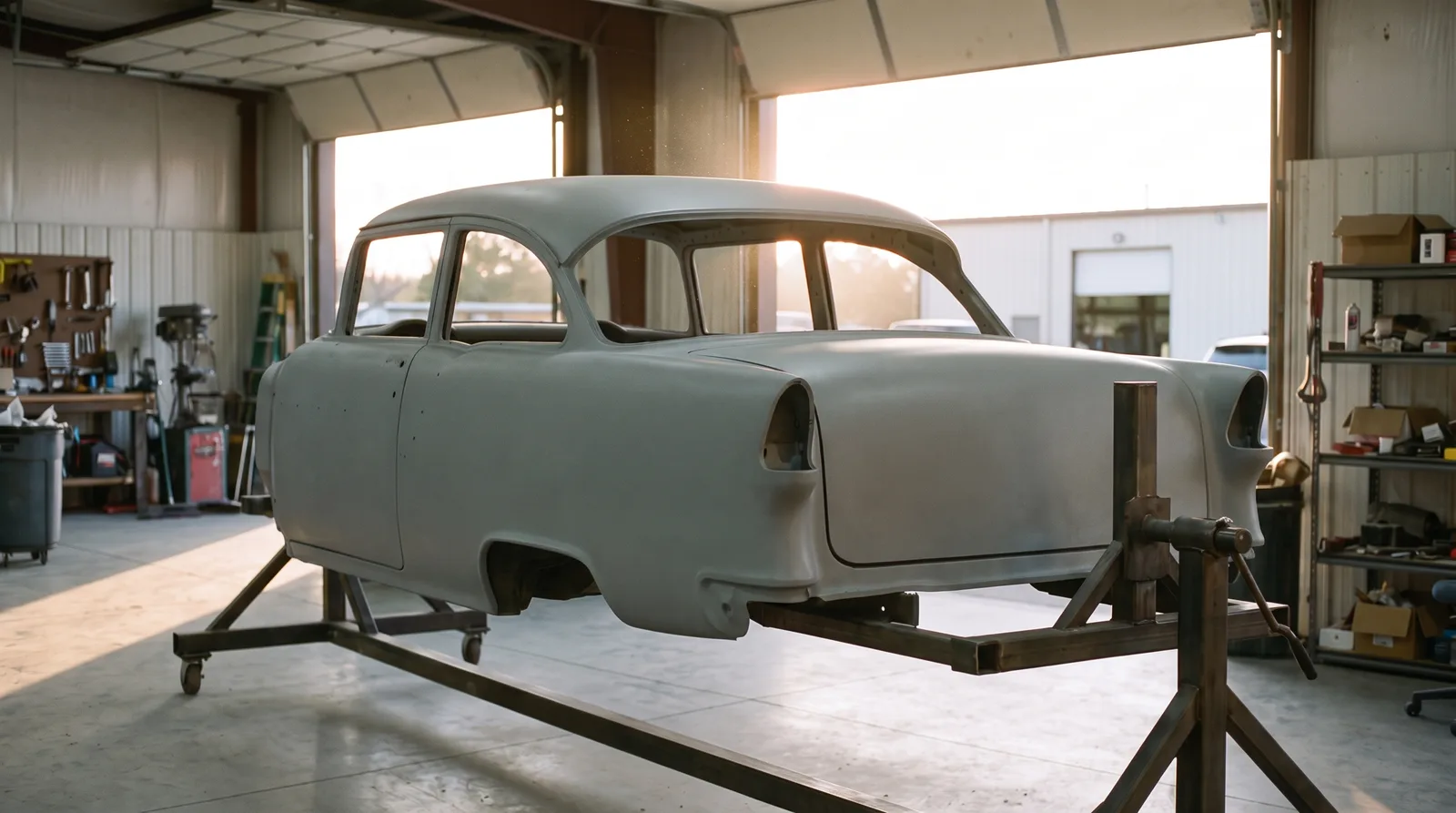
Over-restoration is any finish, fit, or detail that exceeds what the assembly line delivered. It usually comes from a good place. The owner or shop wants a perfect car, and modern tools and materials make perfect easy to achieve.
- Paint that is flatter and deeper than the original lacquer or enamel, often with modern clearcoat on a car that never had it.
- Body panel gaps that are tighter and more even than the factory could manage.
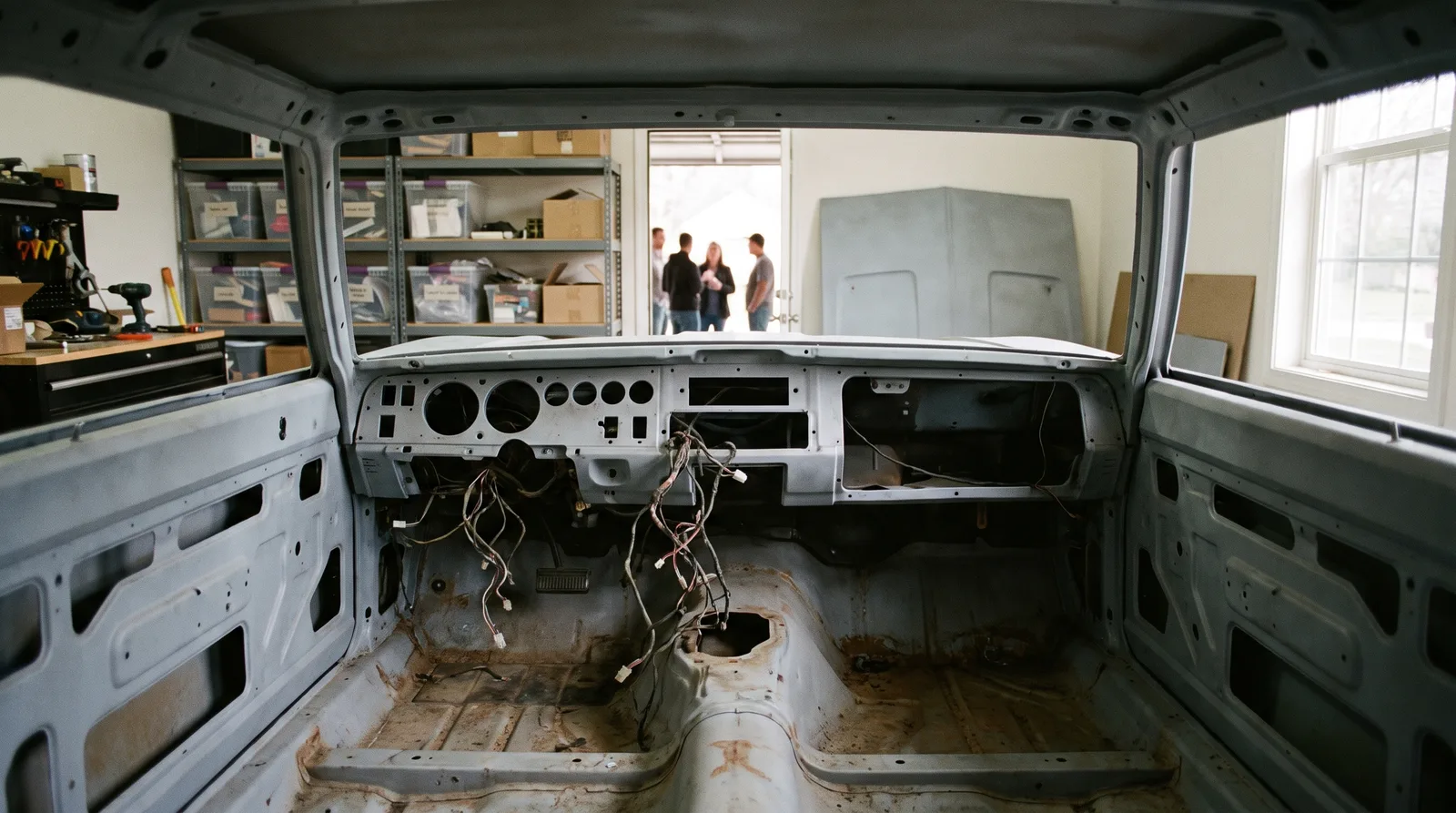
- Underside and chassis surfaces that are fully painted when the factory left them in primer, bare metal, or partly sprayed.
- Hardware that is polished or plated when the originals were plain phosphate or unfinished.
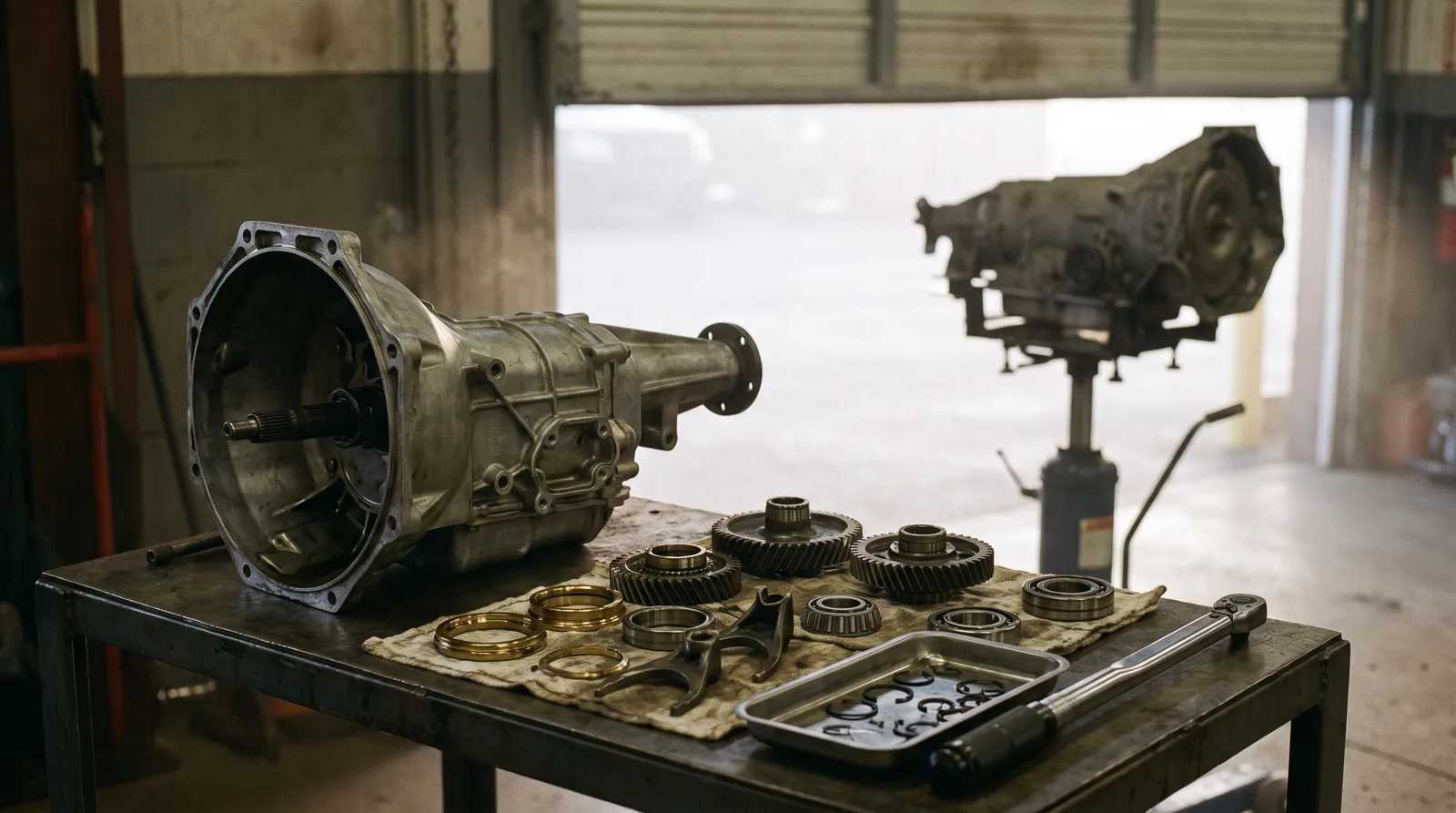
- Engine bay components detailed to a gloss the factory never applied.
A shop that does this work on purpose is not being careless. It is delivering a different standard, usually called show quality. The problem starts when that car is sold or entered as factory correct.
What restored to factory spec should mean
A factory correct restoration reproduces the car as it left the assembly line, imperfections included. That means the right finishes, the right fasteners, the right hose clamps, the right markings, and the original level of fit and polish. It takes research, and the research is often the largest line on the bill.
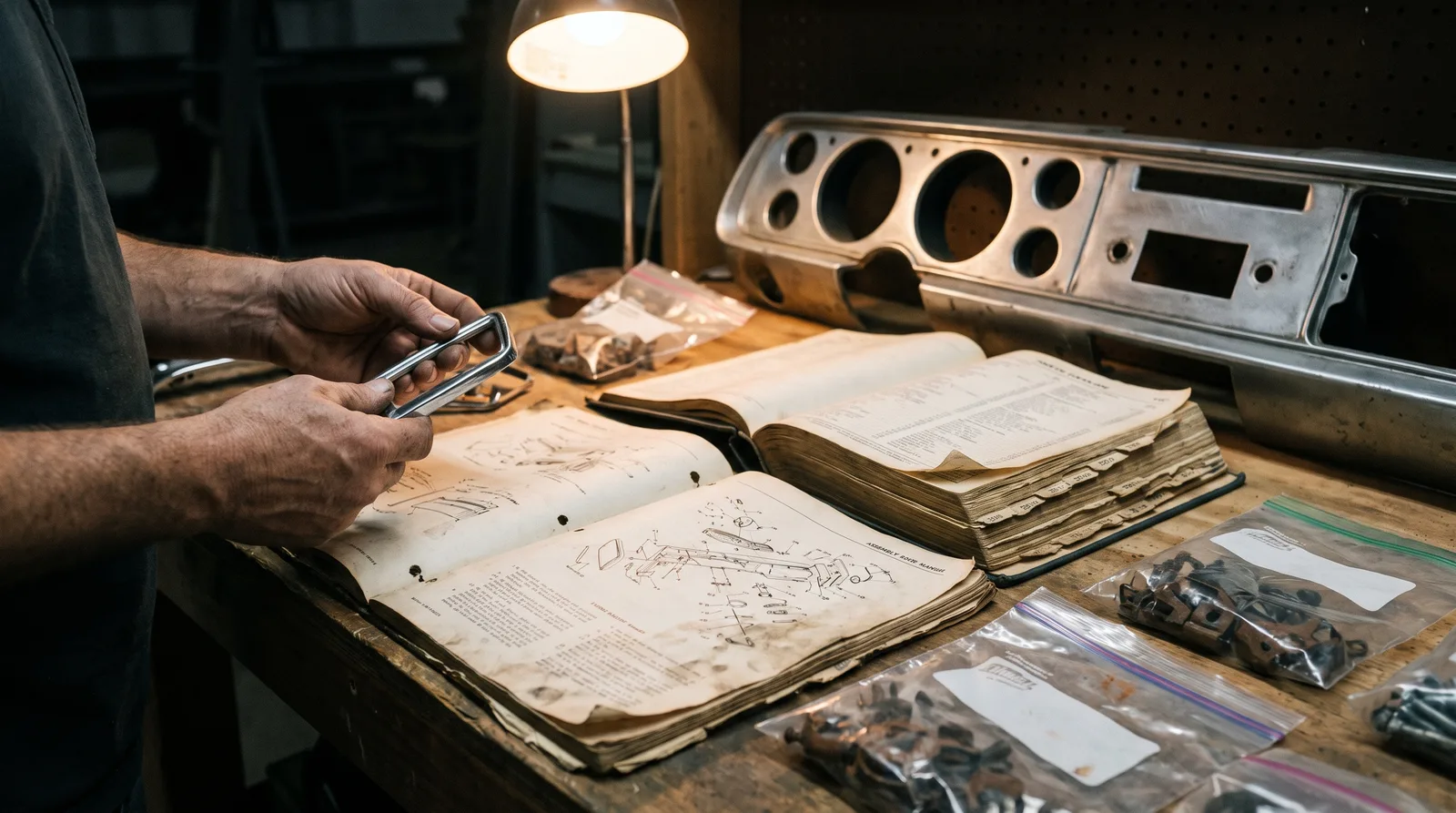
Good documentation anchors this work. Build sheets, window stickers, dealer records, and period assembly photographs settle arguments that opinion cannot. If you are shopping for people who understand that discipline, a shop that knows factory-correct work will usually ask for the paperwork before it quotes the job.
Why it matters for value
An over-restored car can be harder to sell than it looks. A car presented as factory correct but finished beyond the original standard may lose points in judging, and it loses credibility with informed buyers who know where to look. A car presented honestly as show quality avoids that problem, though it can attract a narrower buyer pool.
The effect on price depends on the make and the market. On high end, closely scrutinized cars, originality of finish has moved prices noticeably. On common cars that are bought to be driven and shown casually, a beautiful finish often helps, because many of those buyers are not judging originality. The honest approach is to ask what the buyers for your specific car value, then restore to that standard.
There is also a human side. Owners who spend years on a car often find it hard to leave a flaw in place, even a documented one. A good shop will say so out loud, and it will explain why the factory orange peel, the rough weld, or the uneven seam sealer stays. Accepting that is part of being faithful to the car, and it is harder than it sounds once the polisher is in your hand.
How judges and appraisers spot it
Experienced judges look in places owners forget. They check underbody coatings, weld seams, fastener finishes, and the sheen of interior hardware, and they compare each against reference photographs and factory documents. Anything that does not match gets noted.
The same eye is useful when you are buying. If a car claims to be correct but the inside of the trunk looks like a showroom floor, ask questions. Our explainer on concours-level restoration covers how far the work goes at the top end, and why research becomes a line item. For pricing context, it also helps to know how the market grades condition, which we lay out in our guide to condition ratings.
"The paperwork settles the argument. If the build sheet says the inner fender had overspray, then the overspray is correct, and a clean inner fender is wrong no matter how pretty it looks."
Wayne Coburn
Choosing your target before you start
Before work begins, decide which of three outcomes you want, and write it into the contract.
| Target | Standard | Best for |
|---|---|---|
| Factory correct | Matches the assembly line, flaws included | Judged originality classes, rare cars |
| Show quality | Better than factory, period appearance | Local and regional shows |
| Driver quality | Clean and sound, not judged | Regular use |
Many disputes between owners and shops come from a vague word like "restored." A written target that names the standard, the reference documents, and the finish level prevents most of them. It also gives you something to point at when the invoice arrives and the car looks different from what you pictured.
A practical way to avoid the trap
Ask the shop for a sample of the finish on a hidden area, such as a panel back or an under-dash bracket, and compare it with a photograph of an unrestored car of the same model and year. Ask how the shop decides when a finish is too good. A shop that has done factory correct work will have an answer, and it will usually involve the word "reference."
Keep in mind that the factory was not consistent either. Different plants and different weeks produced different results, so choose a specific reference car or a specific set of records and match that, not an idealized average.
The verdict
Over-restoration is not a crime. It becomes a problem only when the car is described as something it is not. Choose the standard honestly, document it, and sell the car for what it is.
Sources and notes
- Motorious: what concours judges actually look for, factory orange peel, overspray, grease-penciled inspection marks and why erasing them reads as inaccurate
- Early Ford V8 Club national judging manual (2025), over-restoration rule: one point per occurrence, five points maximum, filled and polished seams as an example
- Wikipedia: Concours d'Elegance, restoration classes versus originality-focused classes and how restorations can exceed new-car standard
- Wikipedia: Car restoration, preserved originality accruing value against some full restorations, and use-based choices
- Wikipedia: Pebble Beach Concours d'Elegance, judging for authenticity and the preservation category introduced in 2001
Related Reading
Have a
Classic Car
for Sale?
Reach thousands of serious classic car collectors across the US.
Sell It Here →
Are You a Classic Car Dealer?
List your full inventory and connect with targeted classic car buyers.
Join as a Dealer →

About the author
Wayne Coburn
Longtime Corvette owner, judge and club figure who knows the cars, the records and the people behind them.
More in Restoration & Tech
Comments
Be the first to comment on this article.