
A classic car condition rating is a shorthand for a lot of judgment. It compresses paint, panel fit, interior, mechanical health, and paperwork into a single number, and that number then drives the price, the insurance value, and the argument between buyer and seller. Most disagreements over a car's value are really disagreements over its rating.
Restoration & Tech
7 min read
Classic Car Condition Ratings Explained: #1 Concours to #4 Fair
Condition ratings from #1 concours to #4 fair drive classic car prices and insurance values. Here is what each tier means, how cars get graded, and where buyers misjudge them.
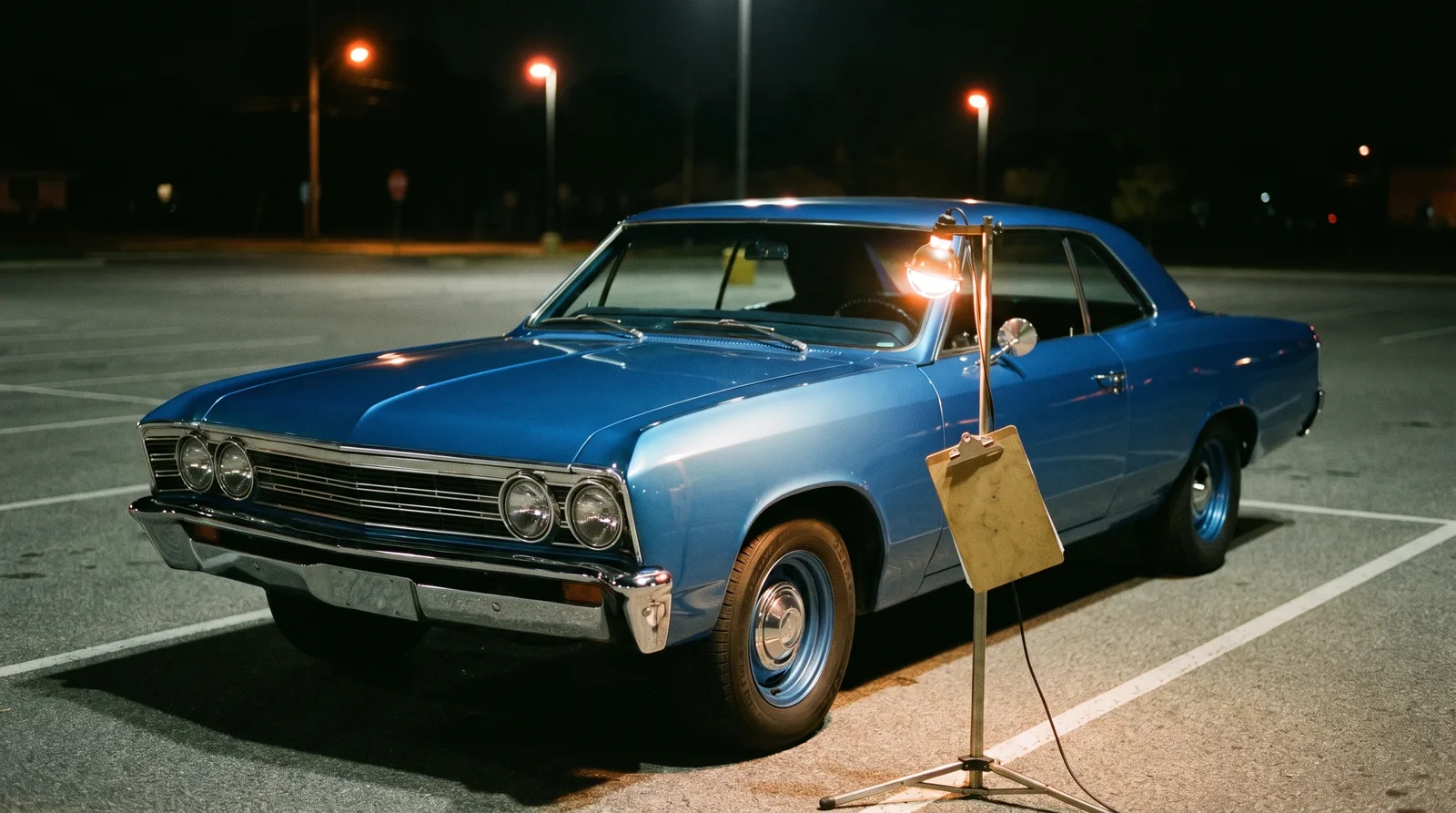
The most widely used scale, Hagerty's, runs from #1 down to #6, with plus and minus modifiers for finer judgment. Other valuation guides use four or five grades with the same logic, though the exact wording differs by source. What matters is understanding what each tier assumes, because a car described one tier higher than it deserves costs real money.
The four main tiers in plain terms
| Rating | Name | What it means |
|---|---|---|
| #1 | Concours | As good as the car could be made, or better. Judged against the best examples of its kind, usually unmodified. |
| #2 | Excellent | Could win a local show. Very sound, minor flaws only visible on close inspection. |
| #3 | Good | A driver that looks quite good from a short distance, with minor age and flaws visible up close. |
| #4 | Fair | Daily-driver quality with flaws visible to the naked eye. Needs work to be reliable or presentable. |
Below #4, Hagerty's scale adds #5 for a project car that needs significant work before it is roadworthy and #6 for a parts car, while some other guides stop at a single project grade. A rating also assumes a baseline of authenticity. A car that has been modified away from stock is rated differently, and often lower, even if the workmanship is excellent.
#1 concours: rarer than the listings suggest
A true #1 car is a trailered, judged, preserved machine, and very few cars qualify. Sellers use the word loosely. In real appraisal work, a car earns #1 only when paint, chrome, interior, chassis, and engine bay all meet the highest standard, and when the documentation backs it up. Many cars advertised as concours are really #2 cars with a strong story.
A #1 car is also expensive to hold. It loses points every time it is driven, and the market values the paperwork as much as the metal. For that reason, owners at this level are usually buying for the pride of ownership, not for the miles.
#2 excellent and #3 good: where most of the market lives
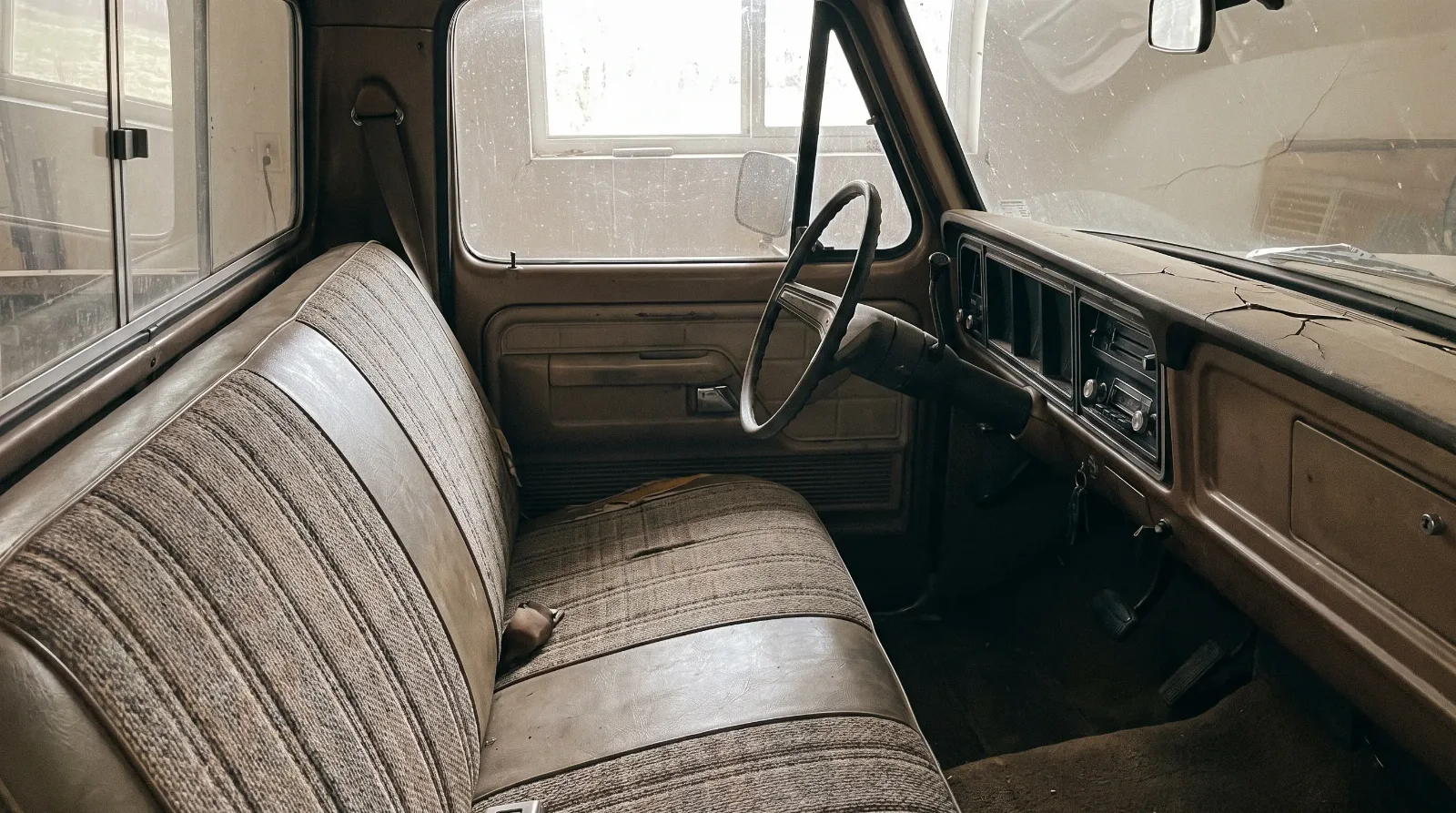
A #2 car looks right from five feet and still holds up from two. The flaws are small: a light chip, a slightly worn seat bolster, a minor panel gap. A well sorted #2 car is often the best value in the hobby, because it carries most of the visual appeal of a #1 at a lower price, though how much lower depends on the model and the market.
A #3 car is a driver. It has real wear, but it works. The paint may be older and the interior a bit tired, but the car is usable and can be improved over time. For many buyers, #3 is the sweet spot between cost and enjoyment, especially on cars where the difference to #2 is mostly cosmetic.
#4 fair: honest does not mean cheap to fix
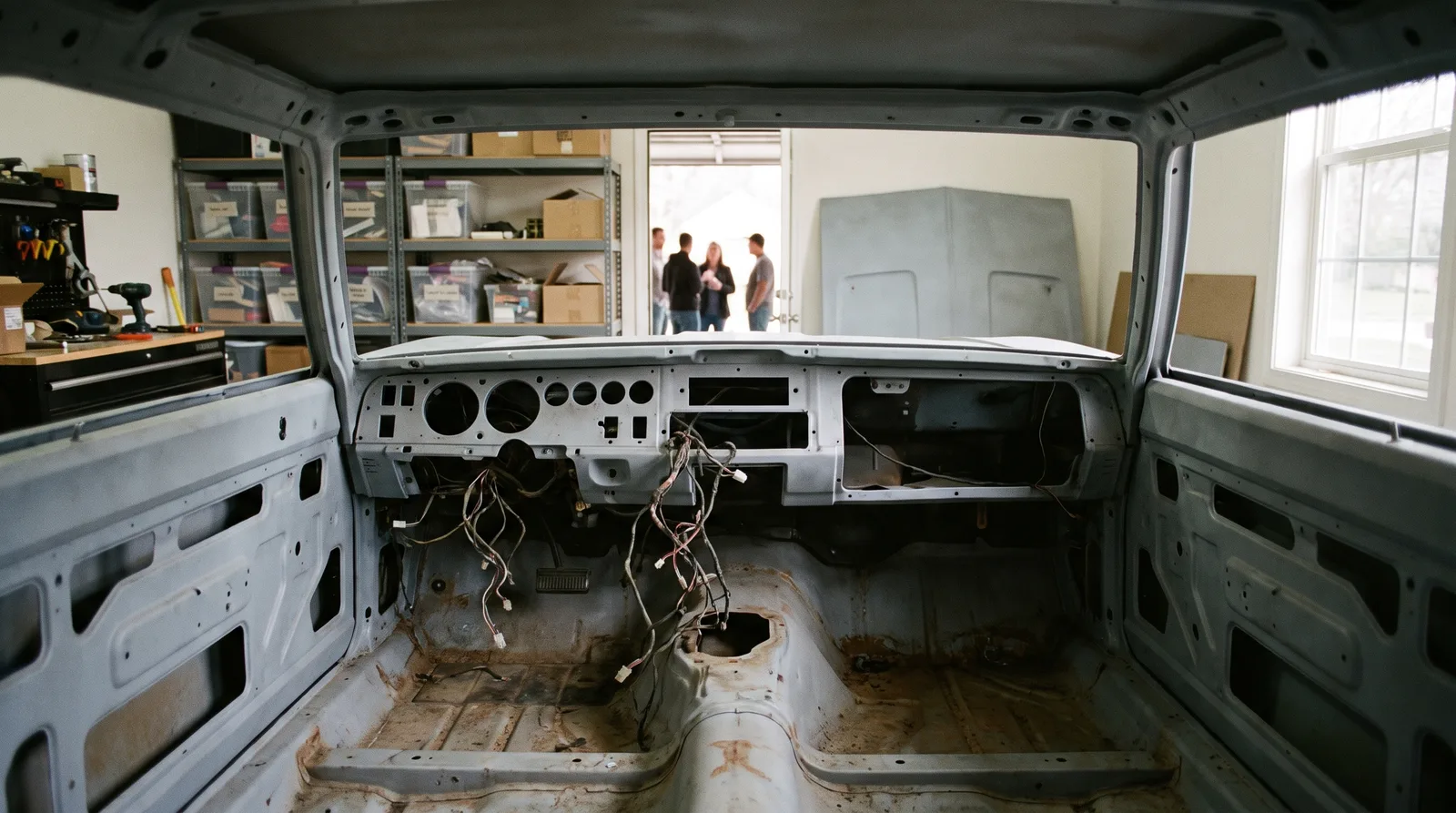
A #4 car runs and drives but needs attention across the board. It may have patched paint, a worn interior, and mechanical items that are overdue. It can still be a fine entry point, provided the price reflects what is ahead.
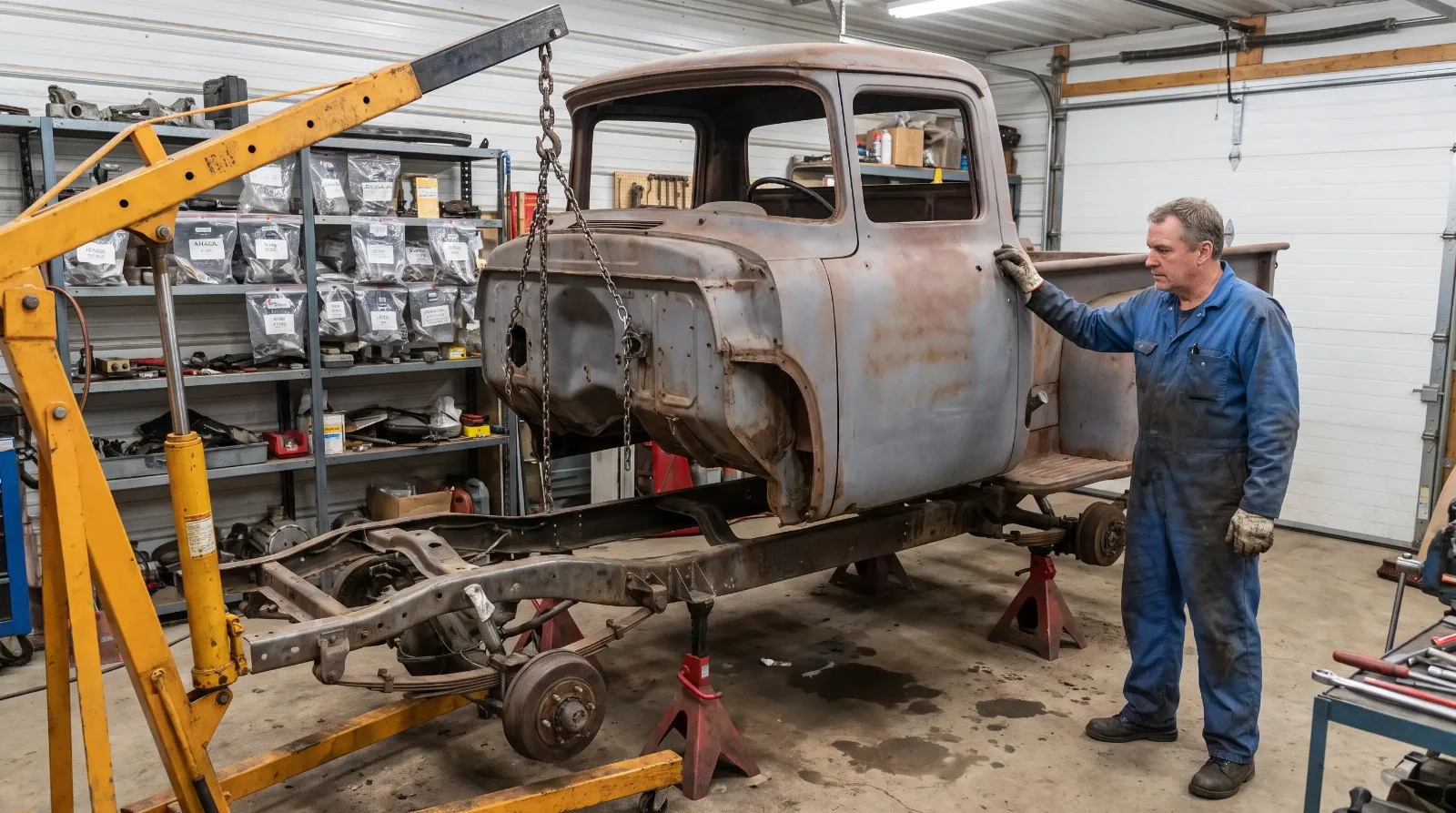
The trap here is optimism. Buyers see a low price and assume the work is modest. A rough car often needs more restoration than a better one, and the cost of getting from #4 to #2 can exceed the value of the finished car. To see how those numbers stack up, read our breakdown of what each level costs.
How a car actually gets graded
A professional grading looks at several things in a set order: body and paint, panel fit, glass and trim, interior, undercarriage, engine bay, and mechanical function. It then adds provenance, which covers whether the car is what it claims to be and whether the records exist. A strong provenance can lift a car's rating in value terms, while a missing one can hold it down.
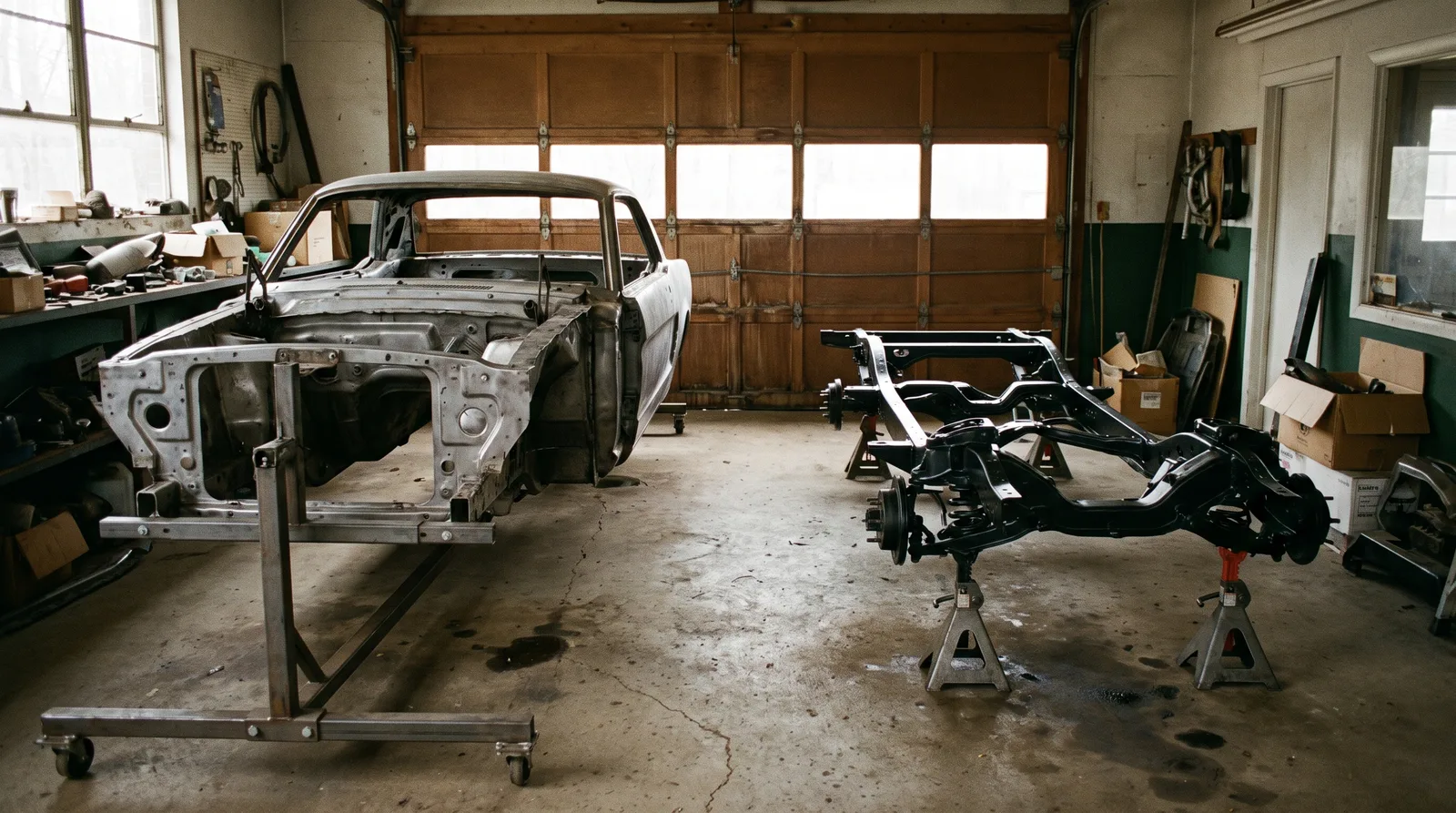
Grading is partly subjective, so two appraisers can disagree by a tier on the same car. That is why a written report with photographs matters more than a number in a listing. If you are working out where a project fits, our overview of restoration levels maps each tier to the amount of work needed to reach it.
"A #2 car with a thin paper trail is not a #2 car when the check clears. It is a #3 with a good story, and the appraisal has to say so."
Marcus Feld
Common mistakes buyers and sellers make
- Grading by photograph. Pictures hide panel waves, thin paint, and underside rust. A rating assigned from a listing is a guess.
- Rating up for the story. A famous previous owner does not change the condition of the floor pan.
- Ignoring the cost to move up. Moving a car one tier often costs more than the value gained, particularly at the top.
- Confusing driver quality with show quality. They are different goals, and they are explained well in our look at concours versus driver quality.
Luxury cars add one more wrinkle, because their complexity makes mechanical condition harder to see. For that segment the debate runs a little differently, as shown in our piece on driver versus concours quality in classic luxury cars.
Condition and body type
The rating system treats every car the same way, but the repair cost behind a rating changes with construction. A rusted unibody takes more structural work to bring up a tier than a body-on-frame car with the same visible damage, a difference covered in our explainer on unibody vs body-on-frame. Factor that in before you decide a car is a bargain.
The verdict
Treat the rating as a claim to be tested, not a fact to be accepted. Decide which tier fits your use and budget, inspect against that tier, and be honest about the gap. A car priced at its true tier is a fair deal, and a car priced one tier too high is expensive whatever the sticker says.
Sources and notes
- Hagerty: What does a car's condition really look like, the six-grade scale, #1 Concours to #6 Parts, with plus and minus modifiers
- Hagerty price guide, the four-tier version used for valuations and the wording for #1 to #4
- Classic Analytics condition ratings, a five-grade variant of the same scale
- Collector Car Market condition guide, another five-level scale and its price relationship between #4, #5 and parts cars
- Classic Car Hub valuation guide, five grades and the role of history and documentation in value
- Wikipedia: Concours d'Elegance, how concours cars are judged on condition and originality
Related Reading

Have a
Classic Car
for Sale?
Reach thousands of serious classic car collectors across the US.
Sell It Here →
Are You a Classic Car Dealer?
List your full inventory and connect with targeted classic car buyers.
Join as a Dealer →

About the author
Marcus Feld
Accredited collector-car appraiser who reads the market through hammer prices, condition tiers and risk.
More in Restoration & Tech


Comments
Be the first to comment on this article.