
The listing photo does most of the lying. A car sitting in a shaft of light, dust on the paint, tires flat, and a price that looks like a bargain against the same model in running condition. What that photo never shows is the invoice at the end. I have watched buyers pay 8,000 dollars for a car and then spend 60,000 turning it into something they can drive, and I have watched others spend 2,000 and end up with a usable weekend car. The difference is almost never the purchase price. It is which restoration tier the car actually needs, and whether the buyer knew that before the money left the account.
Restoration & Tech
8 min read
What a Barn Find Restoration Costs
The purchase price is never the real number. Here is what a barn find restoration costs across three tiers, and when the math works.
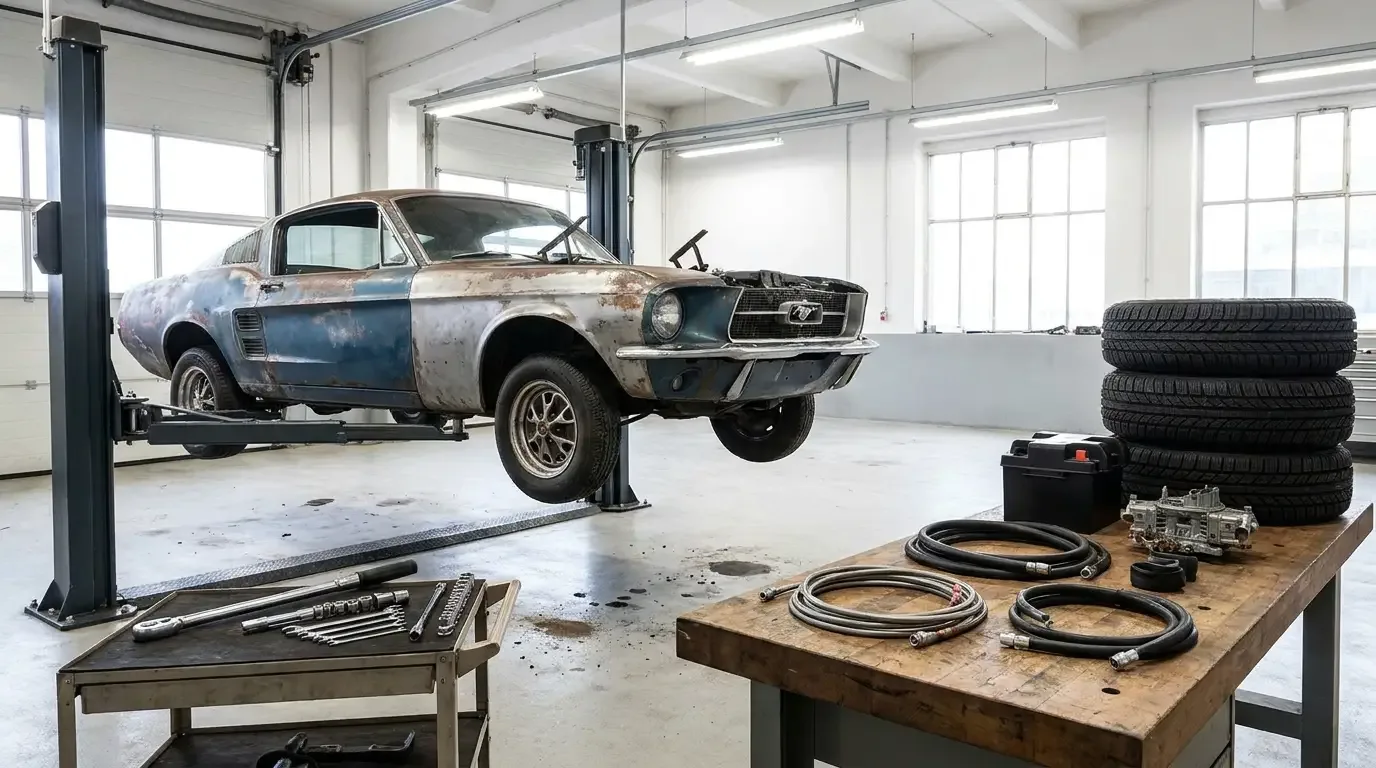
The number that matters is not what you pay to own the car. It is what you pay to finish it. Below I break the spending into the three tiers I use when I appraise a stored car, the trap that catches most first-time buyers, and the point where the math stops working. These are ranges, not quotes. Labor rates, parts availability, and the specific model swing the totals hard, so treat every figure as a starting frame you refine with a real barn find inspection.
The three tiers, and what separates them
Every stored car falls into one of three restoration paths. The mistake is assuming you get to choose which one. The car chooses for you, based on how it was parked and what happened to it while it sat. Your job at purchase is to read which tier you are buying into, because the gap between the cheapest and the most expensive is measured in tens of thousands of dollars.
| Tier | What it means | Typical spend (parts + labor) | Result |
|---|---|---|---|
| Recommission | Make a mechanically sound car run and stop safely, no cosmetic work | Roughly 2,000 to 8,000 dollars | Running, honest driver with patina intact |
| Driver-quality restoration | Reliable mechanicals plus tidy cosmetics, respray, interior refresh | Roughly 15,000 to 40,000 dollars | Presentable car you drive without apology |
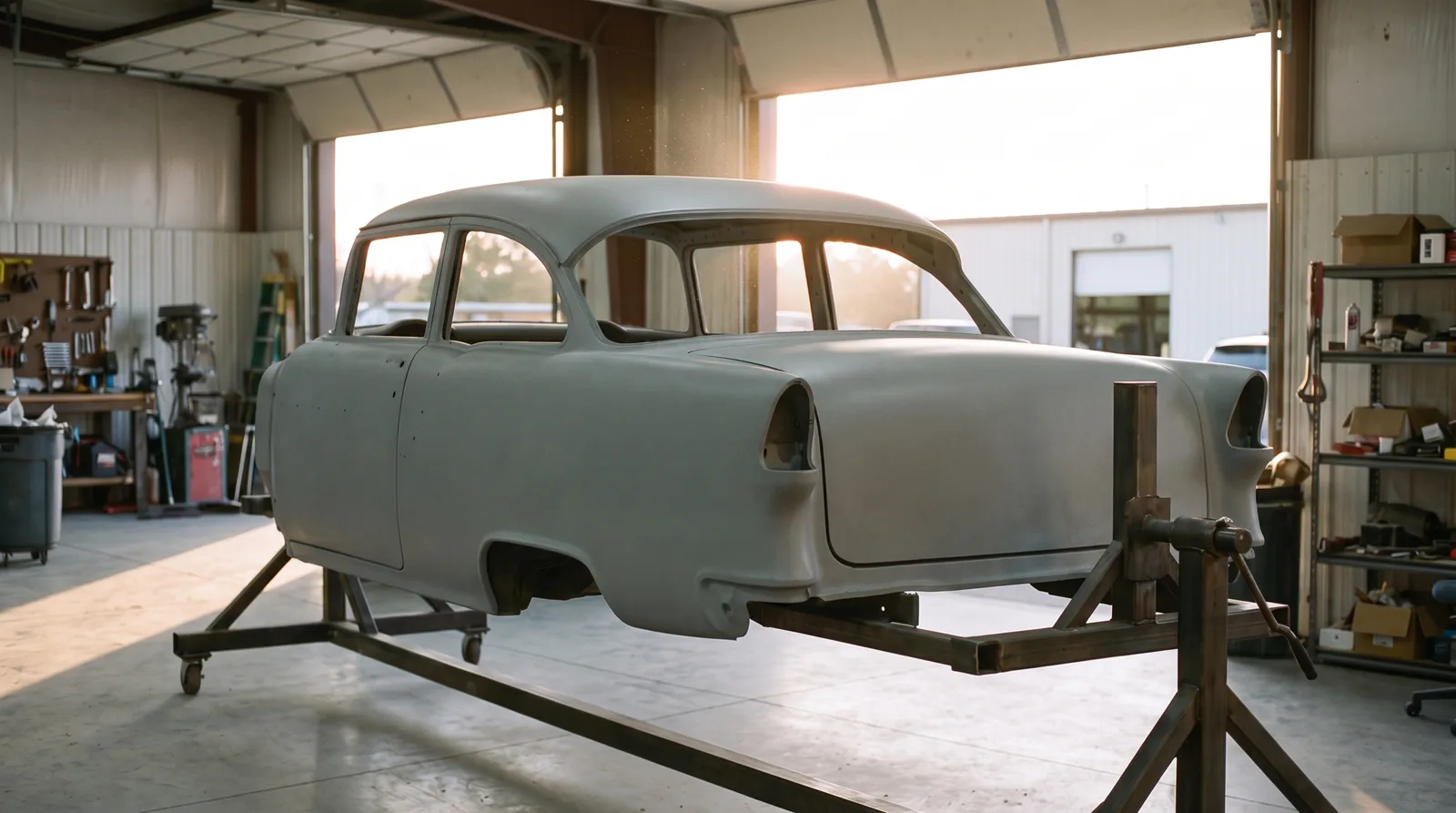
| Full restoration | Body-off or rotisserie, everything rebuilt or replaced to a standard | Roughly 50,000 to 150,000+ dollars | Show-grade or concours car |
Recommission is the cheapest and the most misunderstood. It assumes the car is fundamentally solid, no serious rust, no seized engine, no title problems, and just needs the fluids, brakes, fuel system, and rubber sorted so it moves under its own power. Fresh brake lines and a rebuilt master cylinder, a carburetor cleaned or rebuilt, new hoses and belts, a battery, and four tires. That is a weekend and a parts order for a mechanically inclined owner, or a modest shop bill for the rest of us. Much of that recommission budget is the fuel and brake work covered in Reviving a Barn Find Engine, which is where recommission jobs quietly grow if the engine turns out to be worse than it looked.
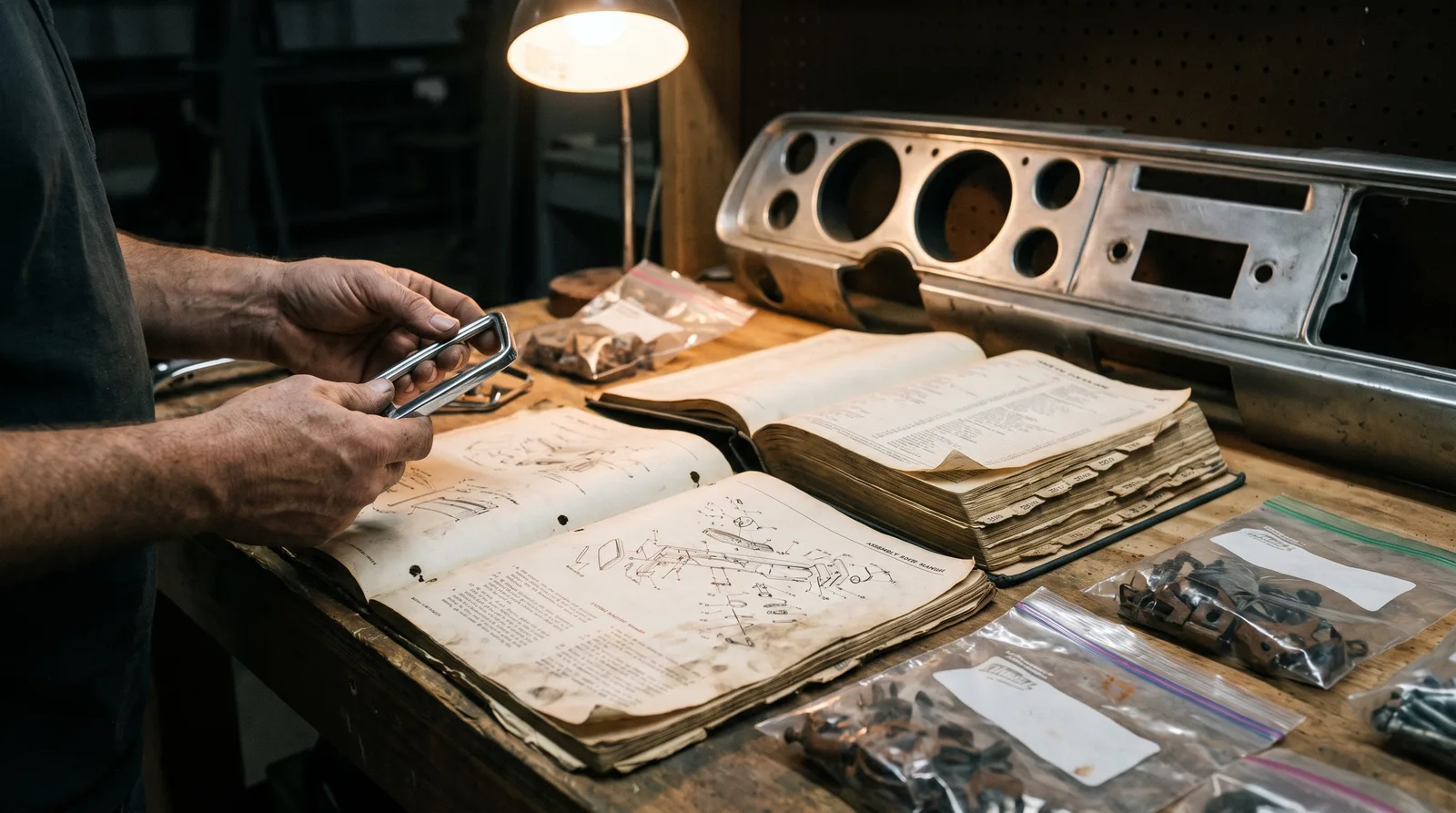
Driver-quality is where most buyers actually want to land, and where the budget quietly triples. Now you are paying for a respray, and a decent single-stage or base-clear paint job on a car that needs bodywork first runs into real money. Add reupholstered seats or new carpet, rechromed or replaced brightwork, and the sum of small parts. A driver restoration is rarely one big bill. It is forty small ones.
The cheap car, expensive project trap
Here is the trap in one sentence: the purchase price of a barn find has almost no relationship to the cost of making it good. Buyers anchor on the low buy-in and assume the total will stay proportional. It does not. A 5,000 dollar car and a 15,000 dollar car of the same model can need identical work, which means the cheaper one is not cheaper, it just front-loaded less of the cost into the sale price.
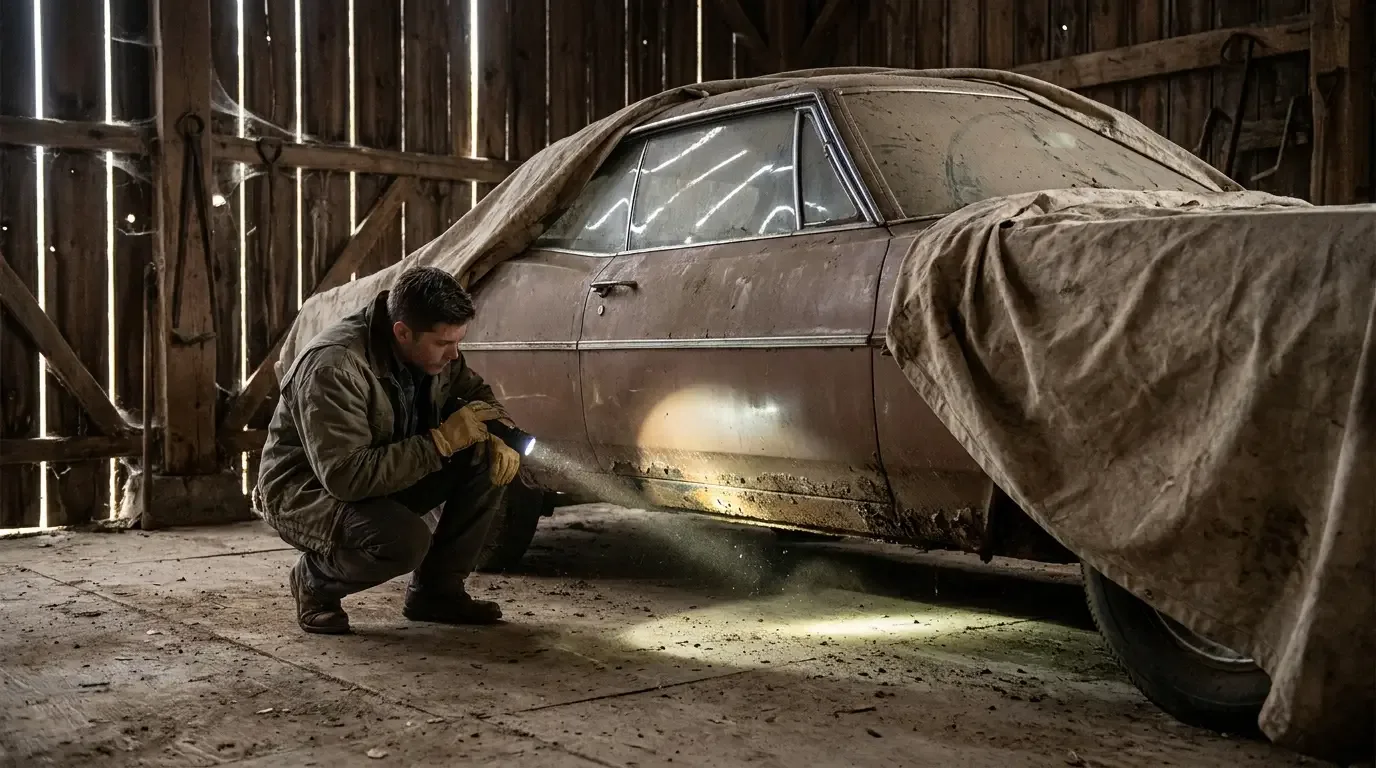
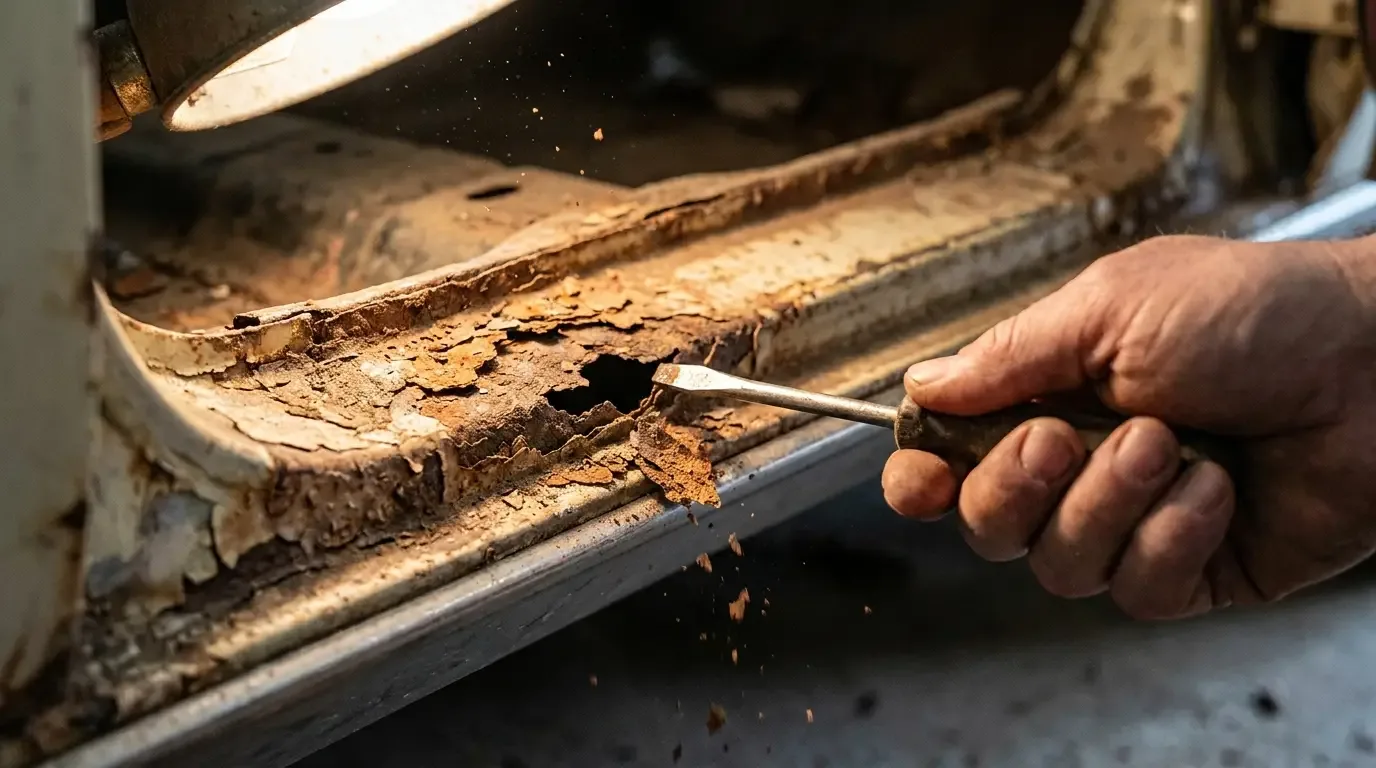
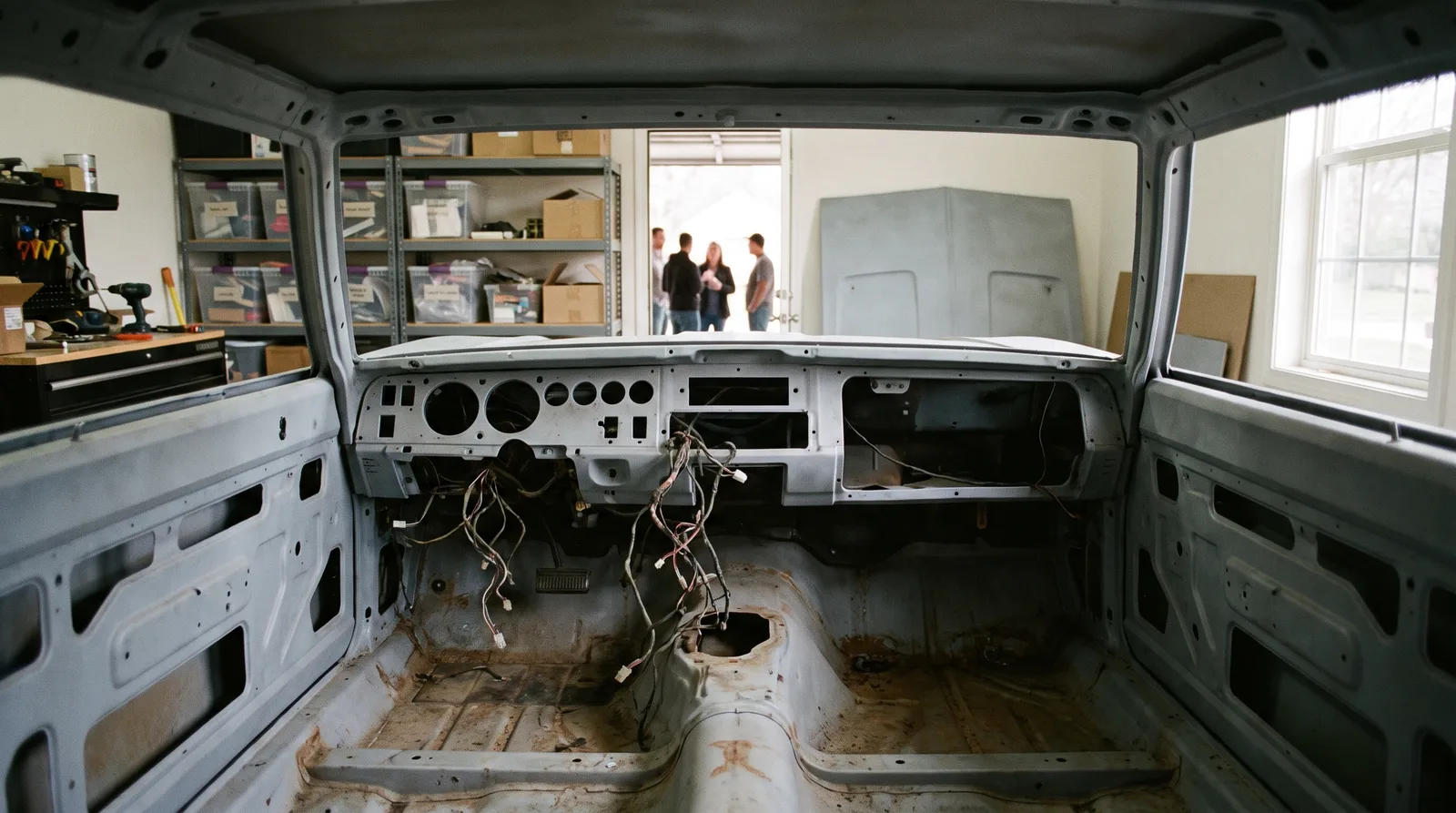
The expensive parts of any barn find are the ones you cannot see in the listing photo. Rust is the big one. Surface rust wipes off. Structural rust in floors, frame rails, rockers, and shock towers is metal fabrication and welding, and that is skilled labor at shop rates. A rusted-through floor pan is not a 200 dollar patch, it is a day of a fabricator's time plus the panel. Multiply that across a car that sat on a dirt floor for twenty years and the recommission dream is gone before you turn a wrench.
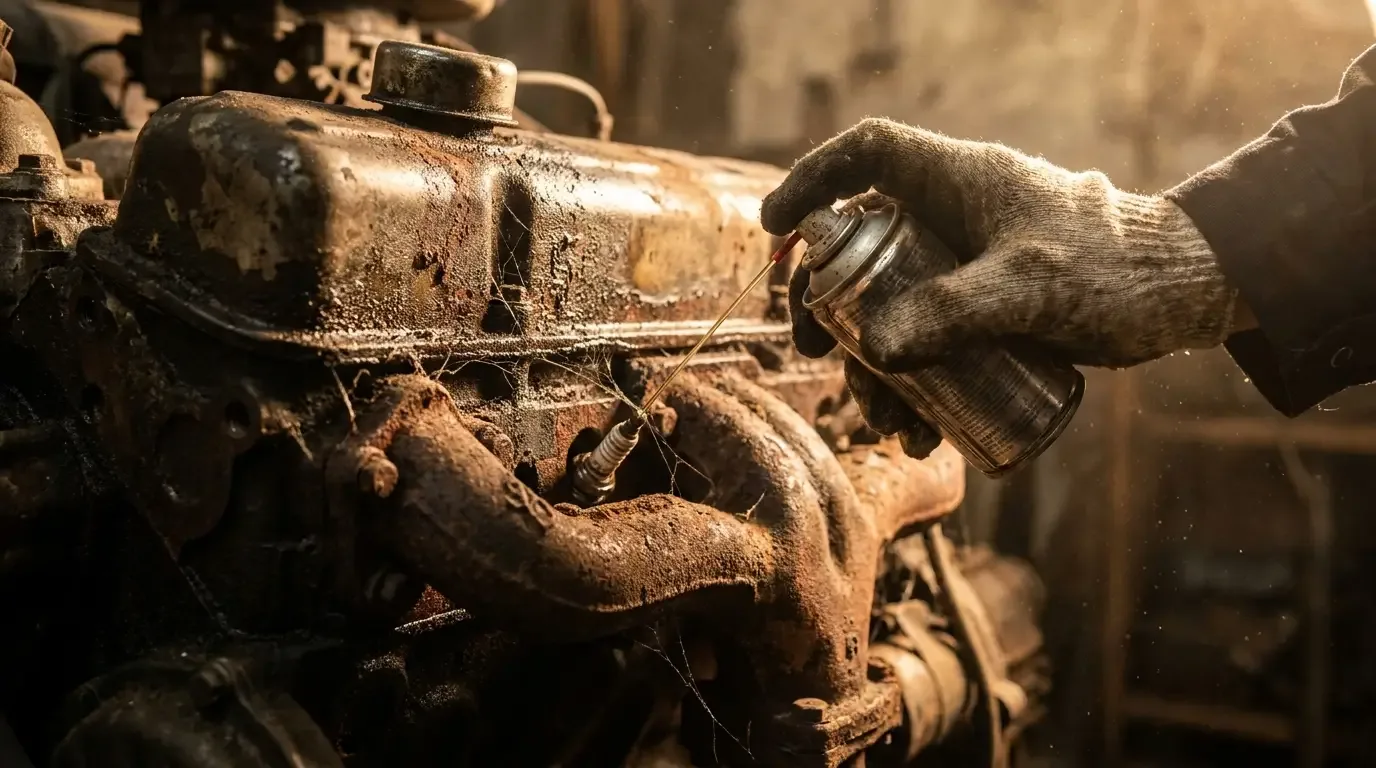
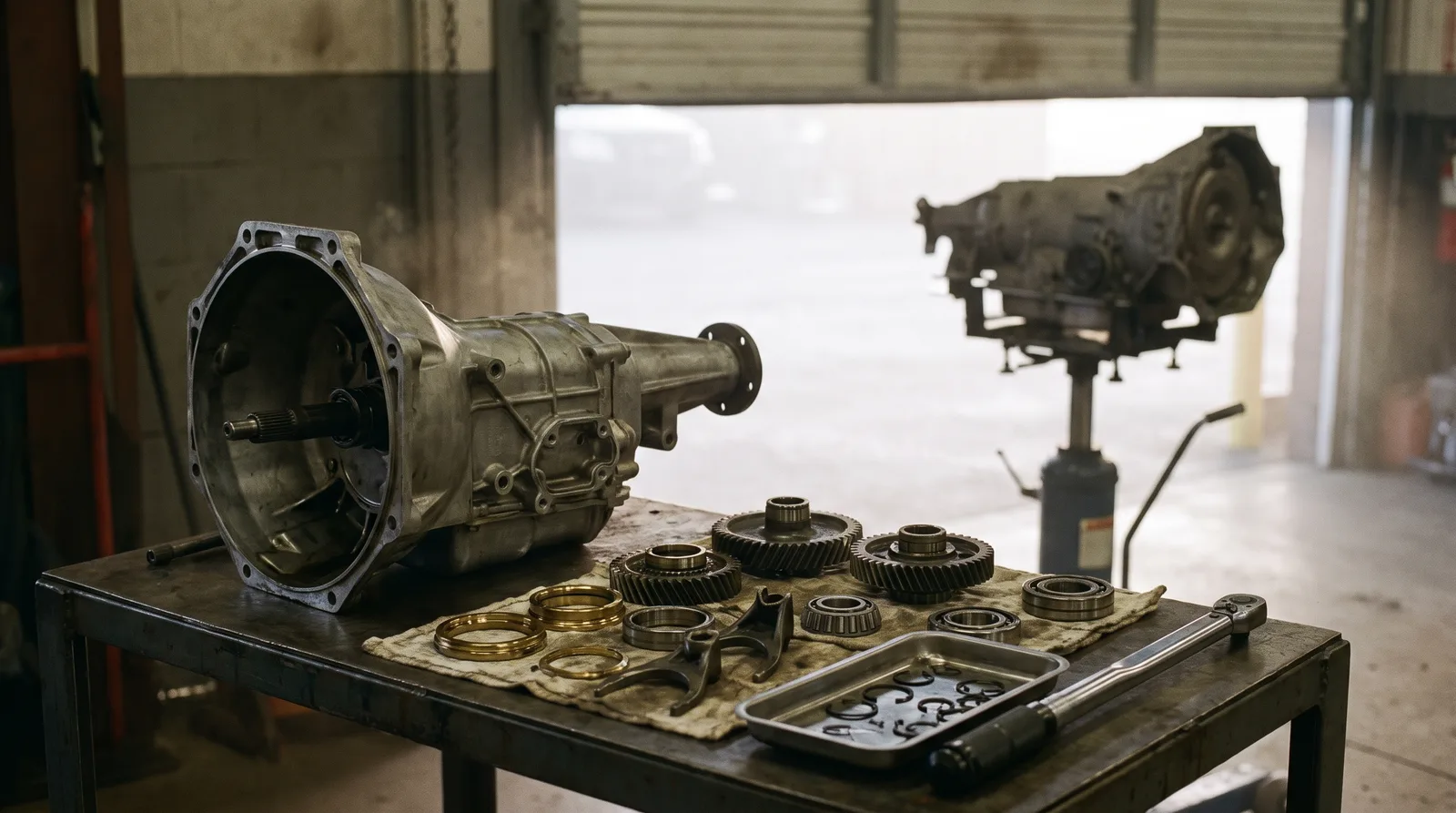
The second hidden cost is the seized or damaged engine. An engine that turns freely by hand is a good sign. One that is locked solid may need a full rebuild, and an engine rebuild alone can equal or exceed what you paid for the whole car. Add a leaking gas tank, varnished fuel system, cracked wiring insulation, and rodent damage, all common in stored cars, and you understand why the honest appraisers among us tell buyers to budget the work before falling for the price. If you would rather pass a car like this on than revive it, see your options for a car that does not run.
"I tell every buyer the same thing. Add up the restoration before you fall in love with the price. The car that costs the least to buy is very often the one that costs the most to finish, because nobody discounted the rust for you at the sale."
David Mercer
When the numbers actually make sense
Not every barn find is a money pit, and the goal is not to scare you off. It is to make you do the arithmetic first. The math works in a few clear situations, and fails in the rest.
The numbers make sense when the finished value clears the total cost, which is purchase price plus restoration plus a margin for the inevitable overruns. For a desirable model with a strong market, a full restoration that costs 90,000 dollars can still make sense if driver examples trade at 130,000. For a common car with a soft market, the same 90,000 spent restoring it produces a car worth 40,000, and you have donated the difference. This is why identical restoration bills are wise on one car and reckless on another.
They also make sense when you are honest that you are buying an experience, not an investment. Plenty of people knowingly spend more than a car will ever be worth because they wanted that specific car and the process of saving it. That is legitimate. What is not legitimate is telling yourself it is an investment while doing it. The people who get hurt are the ones who confused the two.
Reading the tier before you buy
The whole game is deciding which tier a car belongs to before the money moves, because after that you are committed to whatever the car actually needs. A car with solid metal, a free engine, and clean paperwork can be a recommission, the cheapest and most satisfying outcome. A car with rot in the structure and a locked engine is a full restoration wearing a driver's price tag, and pretending otherwise is how budgets get blown.
Get under the car, not just around it. Prod the floors and rockers, turn the engine by hand, check the frame, and read the title before you read the mileage. The romance of these cars is real, and there is a reason people chase the barn find story generation after generation. Just make sure the story you are buying into has a budget attached. If you want to see current examples with the numbers already visible, browse the classic barn finds for sale and practice pricing the restoration on each before you look at what the seller is asking.
Sources and notes
- Collector-car auction and club records for driver-condition and concours value ranges.
- Restoration shop labor-rate references and parts-supplier catalogs for tier cost framing.
- Marque and engine-rebuild references for typical mechanical recommissioning scope.
- Buyer and restorer interviews on hidden costs in long-stored vehicles.
Related Reading
Have a
Classic Car
for Sale?
Reach thousands of serious classic car collectors across the US.
Sell It Here →
Are You a Classic Car Dealer?
List your full inventory and connect with targeted classic car buyers.
Join as a Dealer →

About the author
David Mercer
Classic car market analyst with two decades of experience tracking collector car valuations, auction results, and investment trends.
More in Restoration & Tech
Comments
Be the first to comment on this article.