
For the first two decades of the automobile, most American cars stopped using brakes on the rear wheels only, sometimes assisted by a separate transmission brake, with the front wheels doing nothing but steering. That arrangement worked passably at the speeds and traffic densities of 1910, but by the mid-1920s, with cars faster, heavier, and sharing increasingly crowded roads, rear-only braking had become a genuine safety problem. Four-wheel brakes fixed it, and the industry's uneven, sometimes contentious adoption of the system is one of the more interesting engineering stories of the decade.
Car Features
6 min read
Four-Wheel Brakes: The Great 1920s Safety Leap
Rear-only brakes were a real safety problem by the mid-1920s, and the industry's uneven adoption of four-wheel systems is one of the decade's most underrated engineering stories.
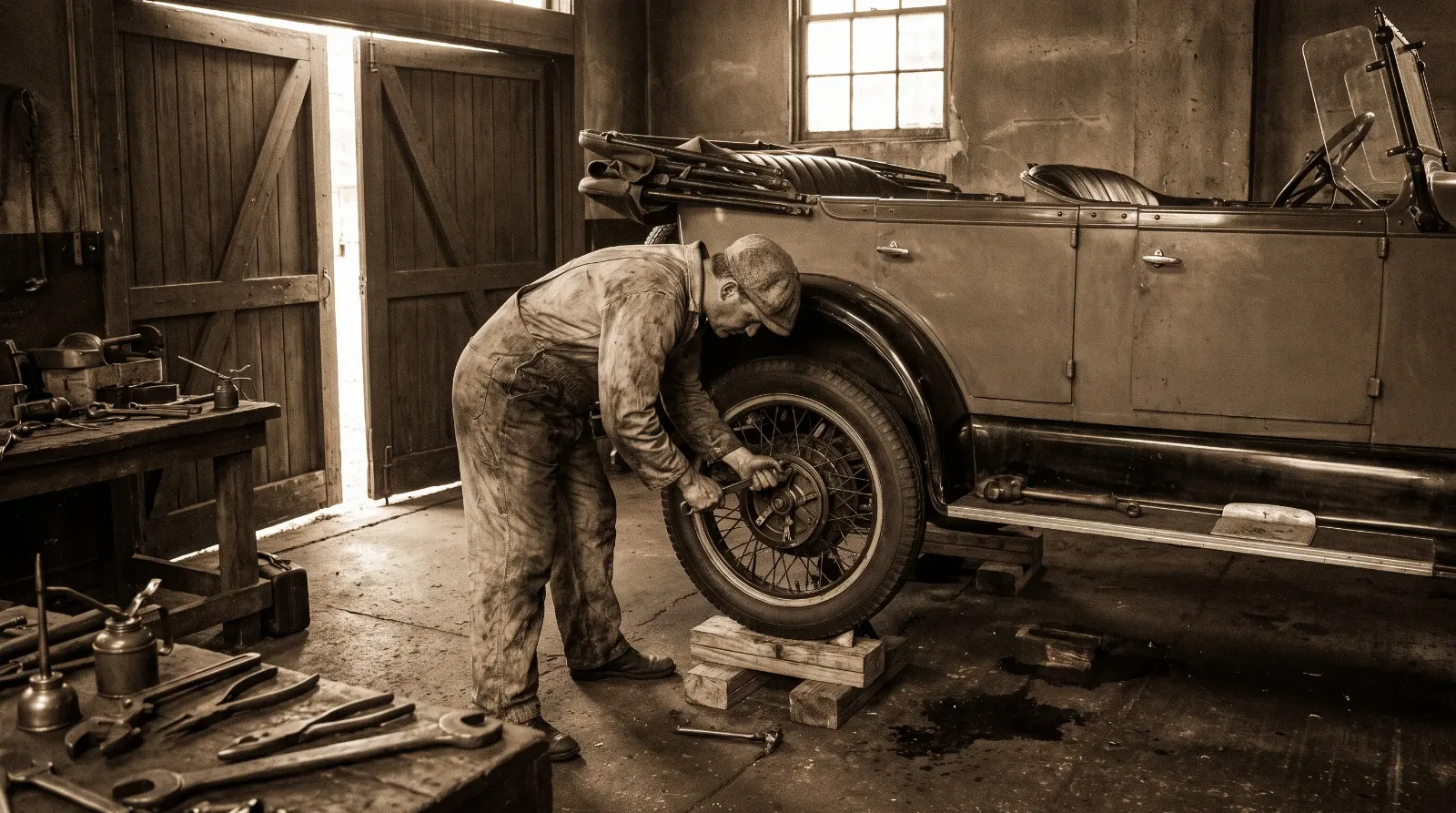
Why rear-only brakes were dangerous by the 1920s
A car braking only at the rear wheels tends toward instability under hard stops, since the front of the car carries more weight under deceleration and the rear tires can lock and lose traction well before the car has actually stopped. On a straight-eight touring car weighing well over two tons with a top speed climbing past 60 mph, that instability translated into real accidents. Factory engineers understood the physics, but four-wheel brake systems added mechanical complexity and cost, and not every manufacturer was eager to be first.
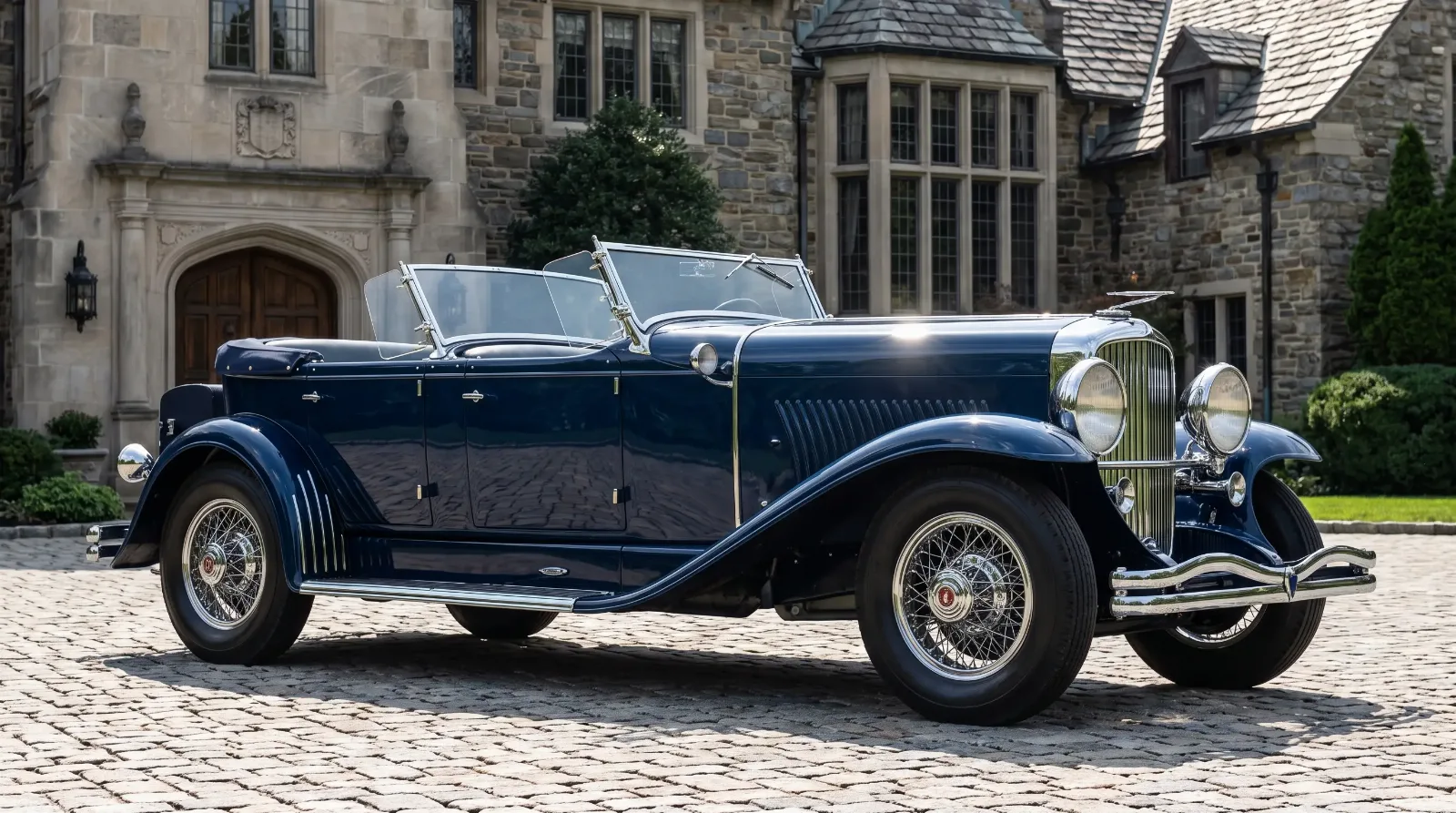
Duesenberg is generally credited with introducing four-wheel brakes to American production cars, offering hydraulic four-wheel brakes on its Model A starting in 1921, years ahead of the mainstream industry. That head start became part of the brand's reputation for engineering seriousness that carried through to the Model J later in the decade.
The mechanical fight nobody remembers now
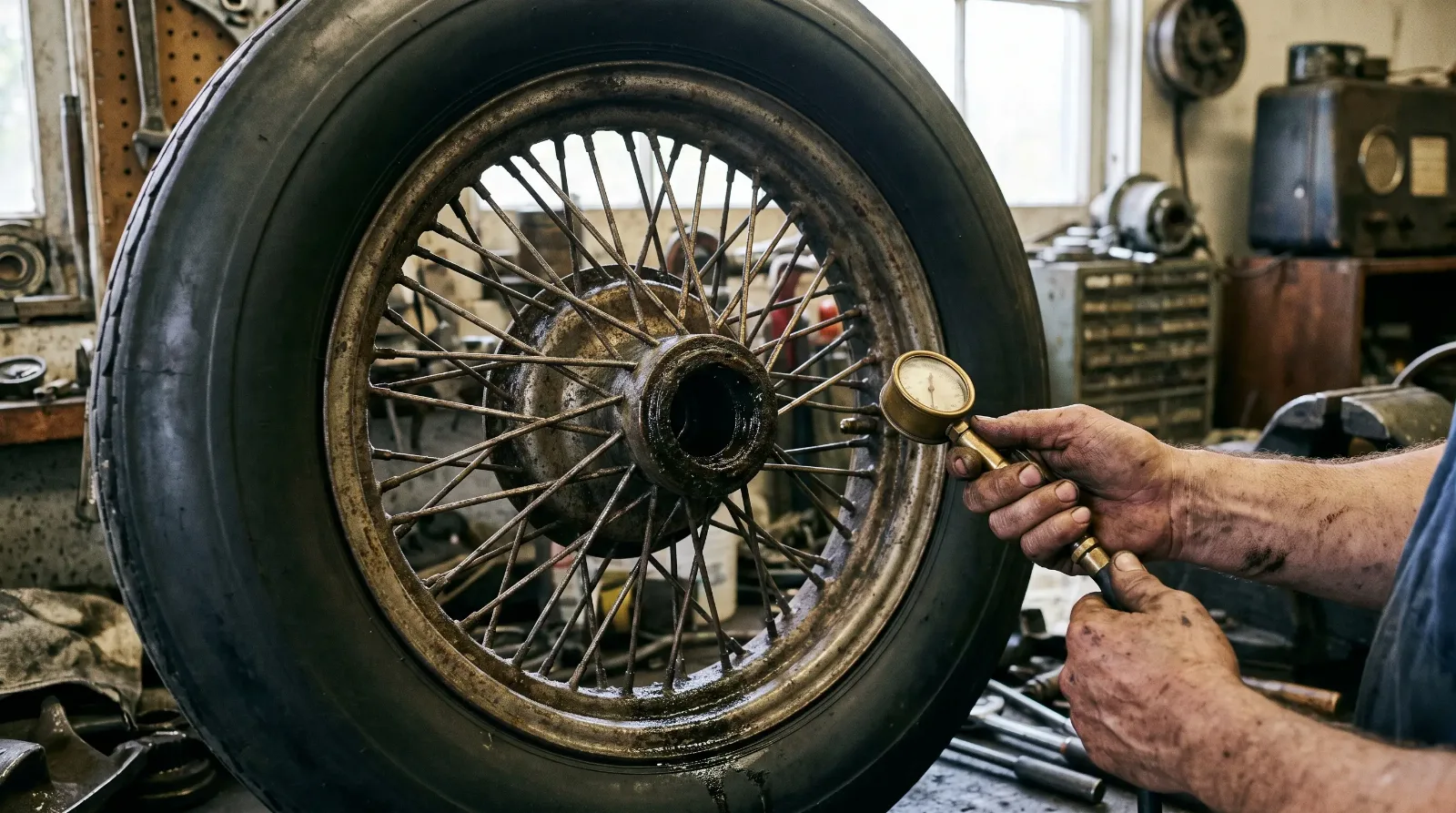
Getting four-wheel brakes to work well wasn't as simple as adding shoes to the front drums. Engineers had to solve for even brake balance front to rear, since a system that grabbed too hard at the front could cause its own kind of instability, pulling the car's nose down and to one side if the linkage wasn't properly equalized. Mechanical linkage systems, cables and rods rather than hydraulics, which were still years from being standard, required careful adjustment, and a poorly maintained four-wheel brake system could actually be less safe than a well-maintained two-wheel one if the front and rear weren't balanced correctly.
This is part of why period factory service literature spent so much attention on brake adjustment procedures specifically, since a misadjusted system was a common complaint in the early years of the technology. Owners who bought into four-wheel brakes early sometimes found themselves back at the dealer more often than they expected, at least until the mechanics on both sides of the counter got comfortable with the new systems.
"Duesenberg didn't build four-wheel brakes to win a marketing argument. They built them because their cars were genuinely faster than what the rest of the industry was making, and the existing brakes simply weren't good enough to stop a car built like that."
Tom Ramirez
How the rest of the industry caught up
By the mid-to-late 1920s, four-wheel brakes moved from a luxury differentiator to a standard expectation, pushed along by the same trend that brought balloon tires into the mainstream, cars were simply getting faster and heavier, and buyers were starting to expect the safety engineering to keep pace. Chrysler, introduced in 1924, made four-wheel hydraulic brakes part of its founding pitch to the market, and that combination of speed and stopping power became central to the brand's early identity. Ford, characteristically conservative on mechanical changes, held off on four-wheel brakes until the Model A replaced the Model T in 1928, a gap that tells you something about how differently manufacturers weighed the cost of new engineering against the risk of falling behind on safety.
| Brake system | Common era | Key limitation |
|---|---|---|
| Rear-wheel only | Pre-1920s to mid-1920s | Poor stability under hard braking |
| Four-wheel mechanical | Mid-1920s onward | Required careful linkage adjustment |
| Four-wheel hydraulic | 1924 onward (Chrysler first) | Newer technology, slower initial adoption |
Spotting an original system today
For anyone evaluating a period car, the brake system tells you almost as much about the build date and manufacturer's engineering priorities as the engine does. A car with an authentic, correctly adjusted mechanical four-wheel system from this era is worth understanding on its own terms rather than converting to hydraulics for convenience, since originality on a mechanical system like this carries real weight with serious collectors. The wider engineering story of this transformative stretch of years, brakes, tires, and engines all advancing together, is covered in more depth in the 1920s four wheel brakes guide, and the phaeton bodies that these underpinnings were often built to carry get their own look in a related read. For the fuller picture of how American cars evolved across this entire stretch, America's antique automobiles pulls the whole era together.
The lawsuits and rivalries the brake race produced
The four-wheel brake transition wasn't just an engineering story, it was a competitive one, and manufacturers weren't always gracious about it. Some companies that adopted the technology early used it aggressively in advertising to imply that competitors still selling rear-only systems were putting customers at risk, a claim that wasn't entirely unfair but that rival manufacturers resented all the same. Patent disputes over specific linkage and equalization designs surfaced periodically through the decade as well, since the mechanical solutions to balancing front and rear braking force weren't obvious and the companies that solved them well had real incentive to protect that engineering.
That competitive pressure ultimately benefited buyers, since it pushed the pace of adoption faster than pure engineering caution might have on its own. By the time the Depression hit and the industry consolidated hard around fewer, larger manufacturers, four-wheel brakes were simply assumed standard equipment, and the debate that had consumed so much advertising space earlier in the decade had become almost impossible to imagine.
Living with mechanical four-wheel brakes today
Owners of surviving cars with original mechanical four-wheel systems need to understand that these brakes behave differently from anything built after hydraulics became standard. Pedal feel is less direct, stopping distances are longer than a modern driver expects, and the system rewards, even demands, regular adjustment to stay properly balanced front to rear. None of that is a flaw exactly, it's simply the reality of driving a car built to the engineering standards of its era, and most serious owners of pre-war cars learn to drive accordingly, leaving more following distance and anticipating stops well before they're needed.
Sources and notes
Related Reading
Have a
Classic Car
for Sale?
Reach thousands of serious classic car collectors across the US.
Sell It Here →
Are You a Classic Car Dealer?
List your full inventory and connect with targeted classic car buyers.
Join as a Dealer →
#pre-war classics
#1920s cars
#four wheel brakes
#duesenberg model a
#chrysler brakes
#automotive safety history

About the author
Tom Ramirez
Corvette researcher and historian based in Bowling Green, Kentucky. Two decades documenting Corvette production history from original factory records.
Comments
Be the first to comment on this article.