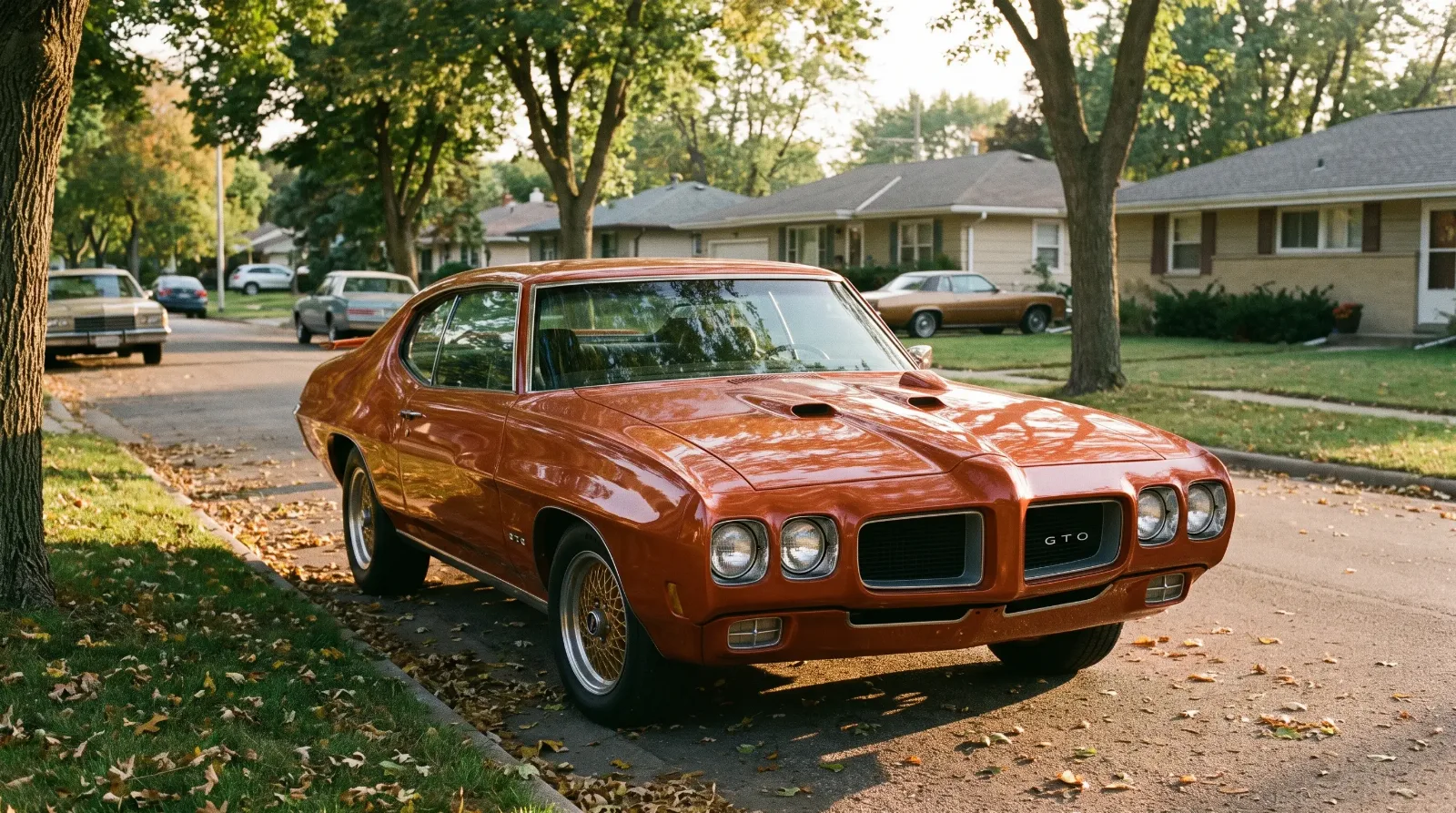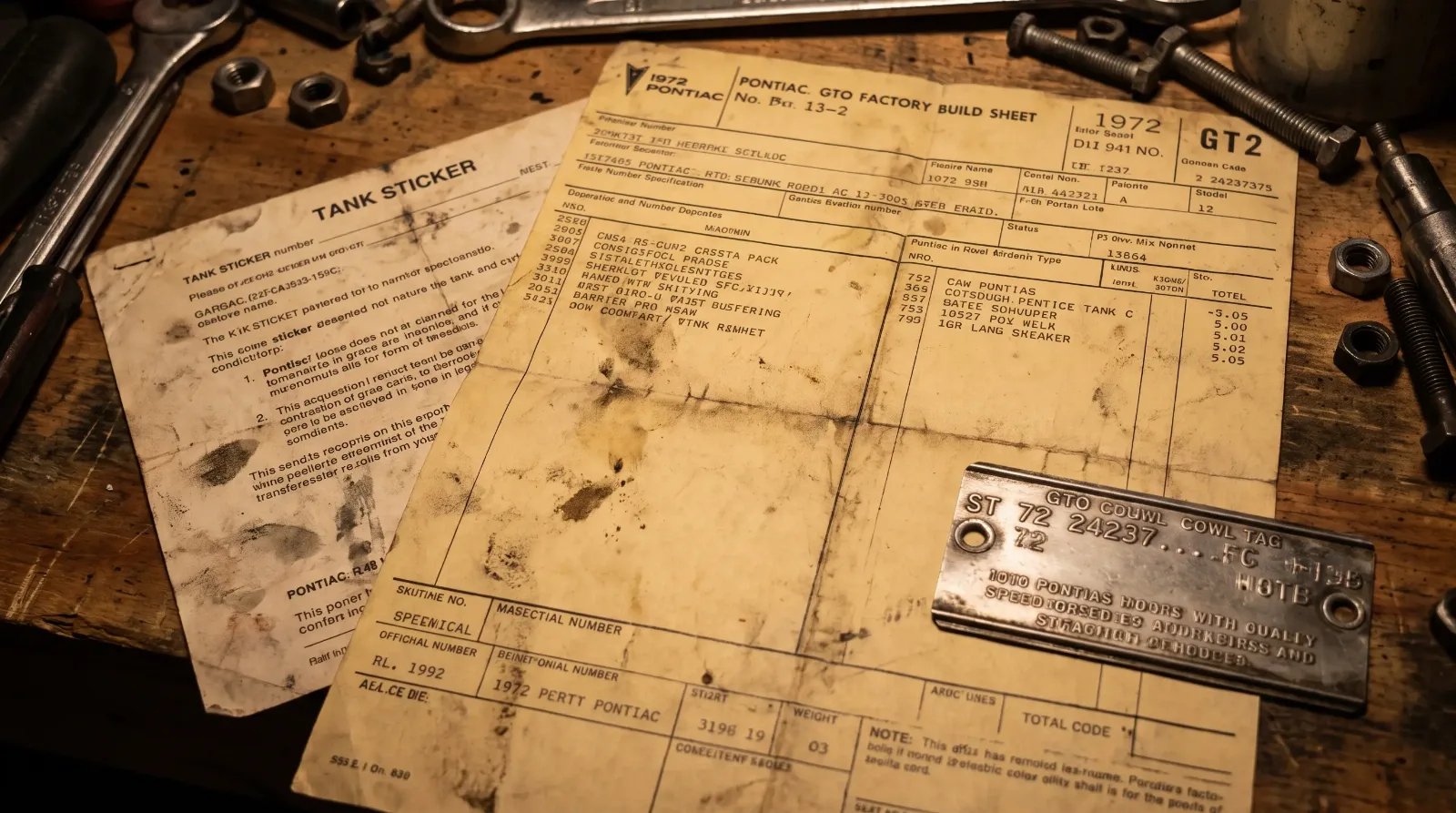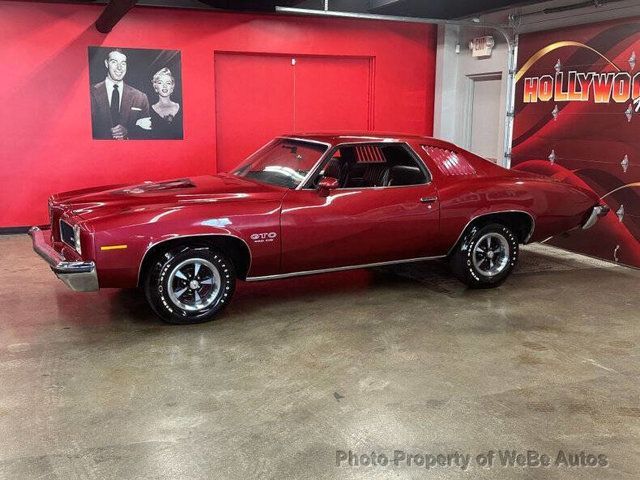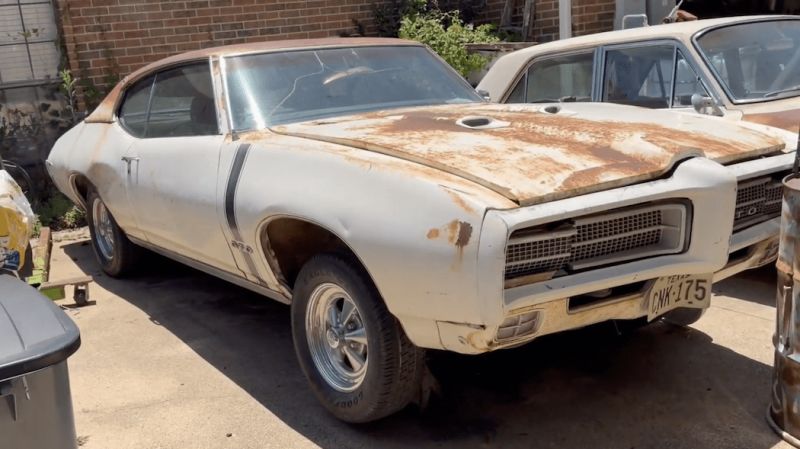
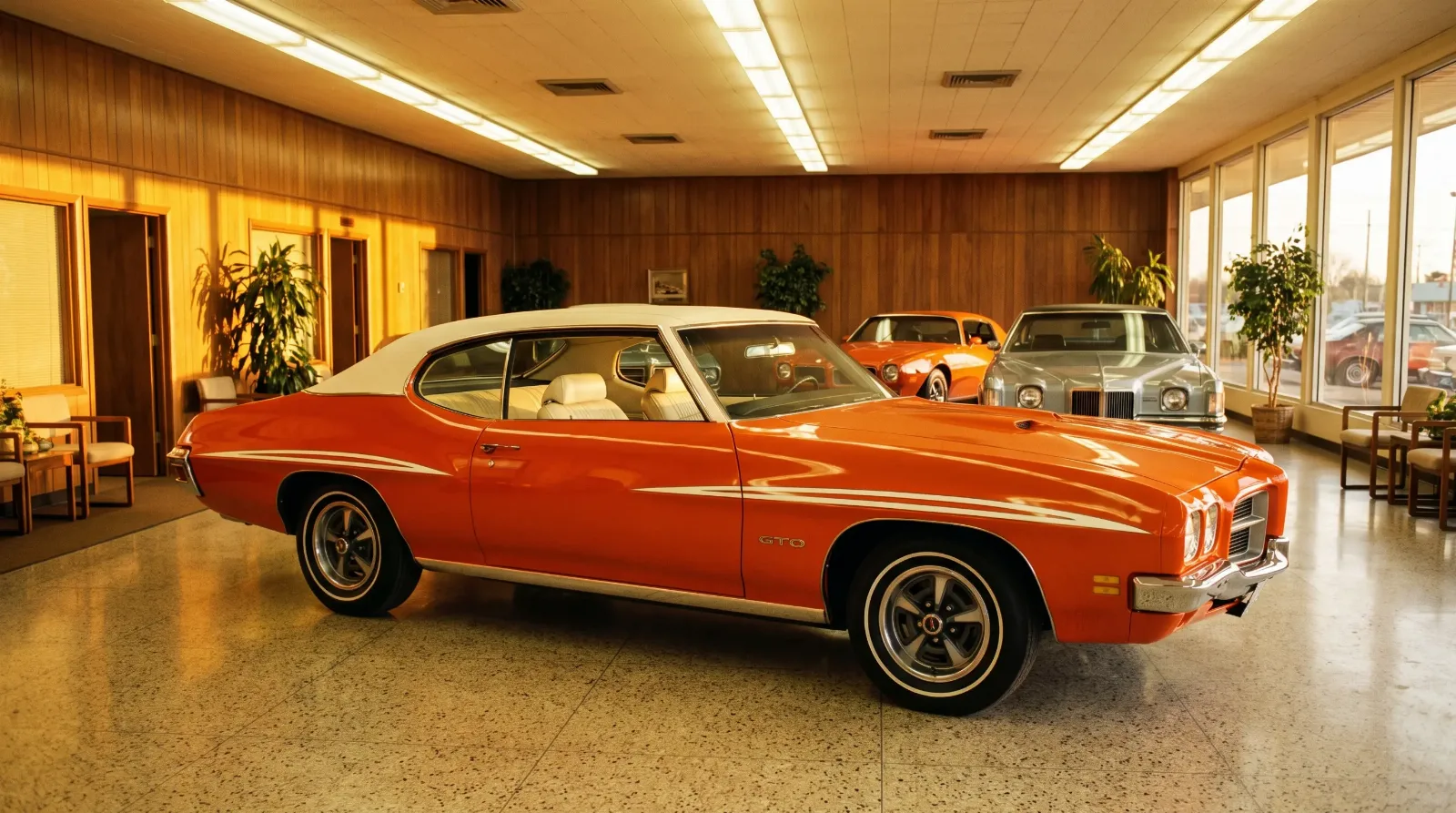
The factory records tell a specific story about 1972, and it's a quieter one than the horsepower headlines from a few years earlier. For 1972, the GTO went back to being an option package on the Le Mans line rather than its own standalone model, which is exactly how the car had started life back in 1964 before it graduated into a model of its own for 1966. Reading the build sheets and option codes from this year, you can see Pontiac management working through a genuine strategic question: does a shrinking performance market still support a dedicated GTO nameplate, or does folding it back into the Le Mans lineup as a well-equipped option make more sense given where sales were heading.
The structural change and what drove it
Pontiac's decision to move the GTO from standalone model back to option package status wasn't a snap decision. Muscle car sales across the entire industry had been softening since the turn of the decade, driven by a combination of factors that were all compounding at once: rising insurance surcharges specifically targeted at high-performance engines, tightening federal emissions standards that were squeezing compression ratios and power output year over year, and a younger buyer demographic that was, according to period sales data across Detroit generally, starting to shift interest toward smaller, more economical cars as fuel prices and general market sentiment began changing. The numbers tell the story on their own: Pontiac built just 5,807 GTO-optioned cars for 1972, priced at roughly $354 over a base Le Mans, a steep drop from the 10,532 units sold the year before and a fraction of the nearly 97,000 GTOs Pontiac moved in 1966 at the model's peak.
1972 also lands right at the start of the industry-wide shift to SAE net horsepower ratings, a more conservative measurement standard that reflects an engine's output as installed in the car with all accessories running, rather than the more optimistic gross ratings manufacturers had used through the peak muscle years. This matters enormously for anyone comparing a 1972 GTO's advertised horsepower figure against earlier model years. A lower printed number for 1972 doesn't necessarily mean the engine itself made dramatically less power than a comparably specified engine from 1970 or 1971. Part of that drop reflects the new, more honest measurement approach: 1972 was the model year GM divisions, Pontiac included, switched over to SAE net ratings across the board, so any 1972-versus-earlier comparison needs to account for that before it's treated as apples to apples.
| Model status | 1970-71 | 1972 |
|---|---|---|
| Position in lineup | Standalone GTO model | Option package on Le Mans |
| Top engine | 455 HO | 455 HO continues as top option |
| Horsepower measurement | Gross ratings | Transition toward SAE net ratings |
Reading the option sheet against declining volume
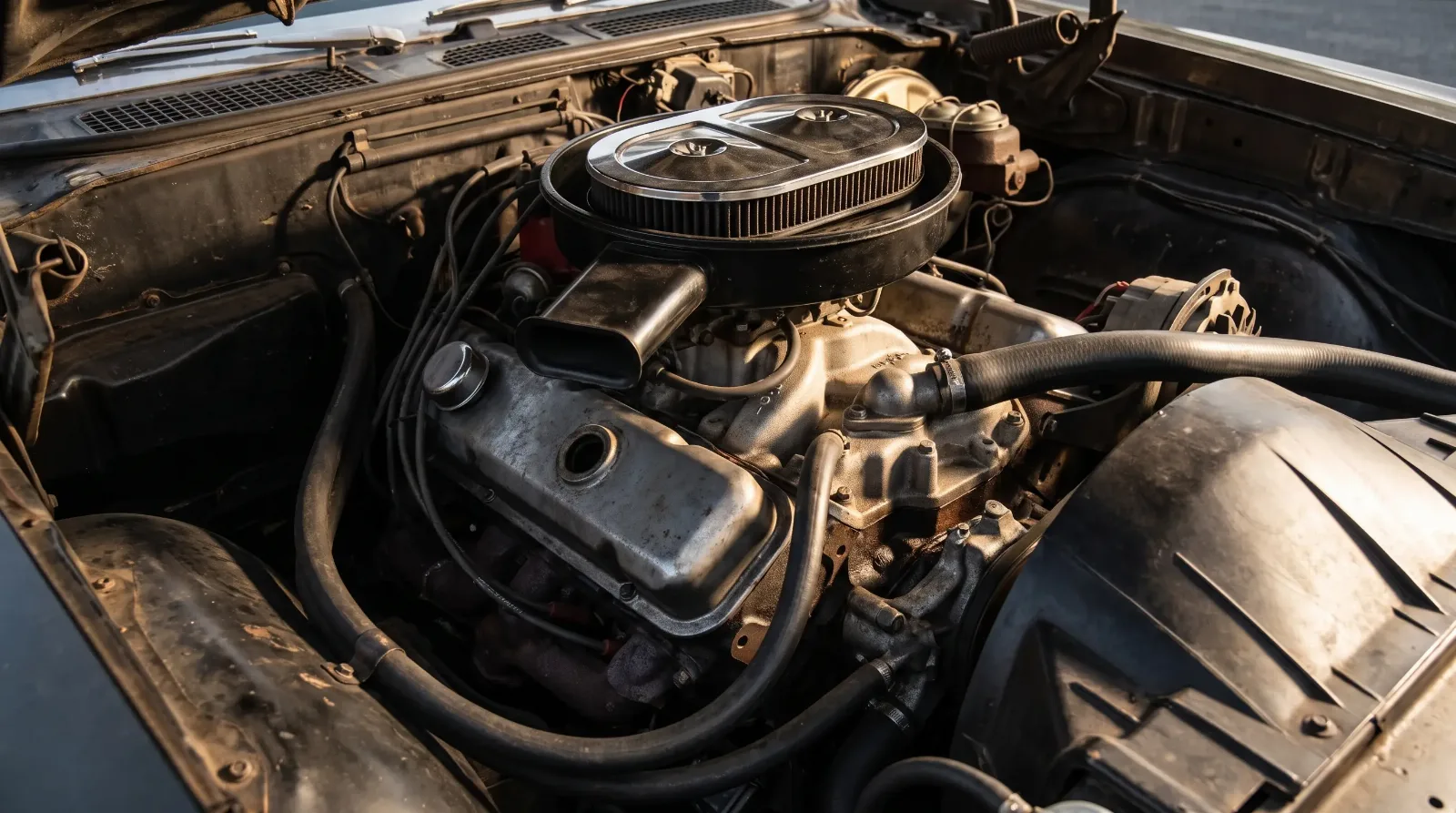
One of the more useful things I've learned from spending time with factory documentation across multiple model years is that an option sheet tells you what a manufacturer still believed in, regardless of what the overall sales trend was doing. Even as GTO order volume was contracting in 1972, Pontiac kept a genuine performance option structure available to anyone willing to check the right boxes on a Le Mans order form. That's a meaningful signal. A company that had truly given up on performance would have quietly let the top-tier engine options wither on the vine, offered on paper but effectively unavailable or discouraged at the dealer level. That's not what the documentation shows for 1972. The 455 HO remained a real, orderable option, and Pontiac's engineering team kept supporting it with the same seriousness they'd applied to the standalone-model years.
What changed was the customer, not necessarily the hardware. By 1972, the buyer walking into a Pontiac dealership asking about GTO options was more likely to be a committed enthusiast who already knew exactly what they wanted, rather than a broader cross-section of younger buyers drawn in by pure image the way the 1969 and 1970 lineups had captured. That's a smaller, more self-selecting audience, and dealer inventories from this period reflect it. Fewer GTO-optioned Le Mans cars sat on lots waiting for a walk-in customer to fall in love with the styling; more of them were closer to special orders from buyers who'd already made up their minds before they arrived.
What this means for the cars themselves
The mechanical reality is that a well-optioned 1972 GTO wasn't a fundamentally weaker car than its immediate predecessors, it was a car being marketed and positioned differently within a shrinking performance segment while continuing to offer the 455 HO as its top-tier engine option. The distinction between "model" and "option package" matters more for how Pontiac's marketing and dealer network presented the car than for what happened when you put your foot down. A 1972 GTO with the right options is still a genuinely quick car for the era, it's just wearing a different badge structure than it did two years earlier.
Factory records from this period also show Pontiac continuing to offer distinctive performance options even as the broader lineup was consolidating, which tells me the engineering side of the company hadn't fully given up on performance even as the marketing and product-planning side was clearly reading the writing on the wall. One of the more interesting and lesser-known combinations from this exact model year involves a specific option code paired with the 455 HO that produced a genuinely rare build, worth understanding on its own terms rather than lumping every 1972 GTO into a single undifferentiated category.
🔧 Inspection Priorities
- Confirm GTO option code on the build sheet. Since the GTO was an option in 1972 rather than a standalone model, verifying the actual GTO option code on documentation matters more than ever for authenticating a genuine car.
- Verify engine matches build sheet. With the 455 HO continuing as the top option, confirm block casting and date codes against factory paperwork before paying a premium for a documented HO car.
- Check for consistent Le Mans-to-GTO trim details. Because the GTO was layered onto the Le Mans body, verify trim and badging consistency matches factory specification for this exact configuration.
"The paperwork doesn't lie, and the paperwork for 1972 tells you Pontiac hadn't given up on performance, they'd just recalculated how to keep offering it inside a shrinking market. That's a very different story than the one people tell about this year being some kind of retreat."
— Tom Ramirez
1972 sits at the tail end of what most collectors consider the peak-power years, closing out a three-year run that started with the 455's introduction in 1970. For a closer look at one of the rarest and most interesting combinations built during this exact model year, involving a specific option code paired with the 455 HO, read on.