
By the fall of 1971, the numbers on the fourteenth floor at Pontiac Motor Division were not the kind that inspired confidence. GTO production had fallen from a mid-1960s high of roughly 96,000 units in 1966 to something closer to 5,800 for 1972, a collapse steep enough that more than one internal planning document reportedly used the word "marginal" to describe the line's future. Insurance surcharges on anything with a high-output engine code had been climbing for three years. Federal emissions requirements were forcing compression ratios down across the board, and Pontiac's own 455 was being detuned model year over model year just to stay compliant. On paper, killing the GTO for 1973 looked less like a decision and more like a formality.
Car Features
7 min read
The 1973 GTO That Almost Wasn't: Cancellation and Reprieve
Falling sales and rising insurance costs put the GTO on the chopping block for 1973. Here is why Pontiac reprieved it anyway.
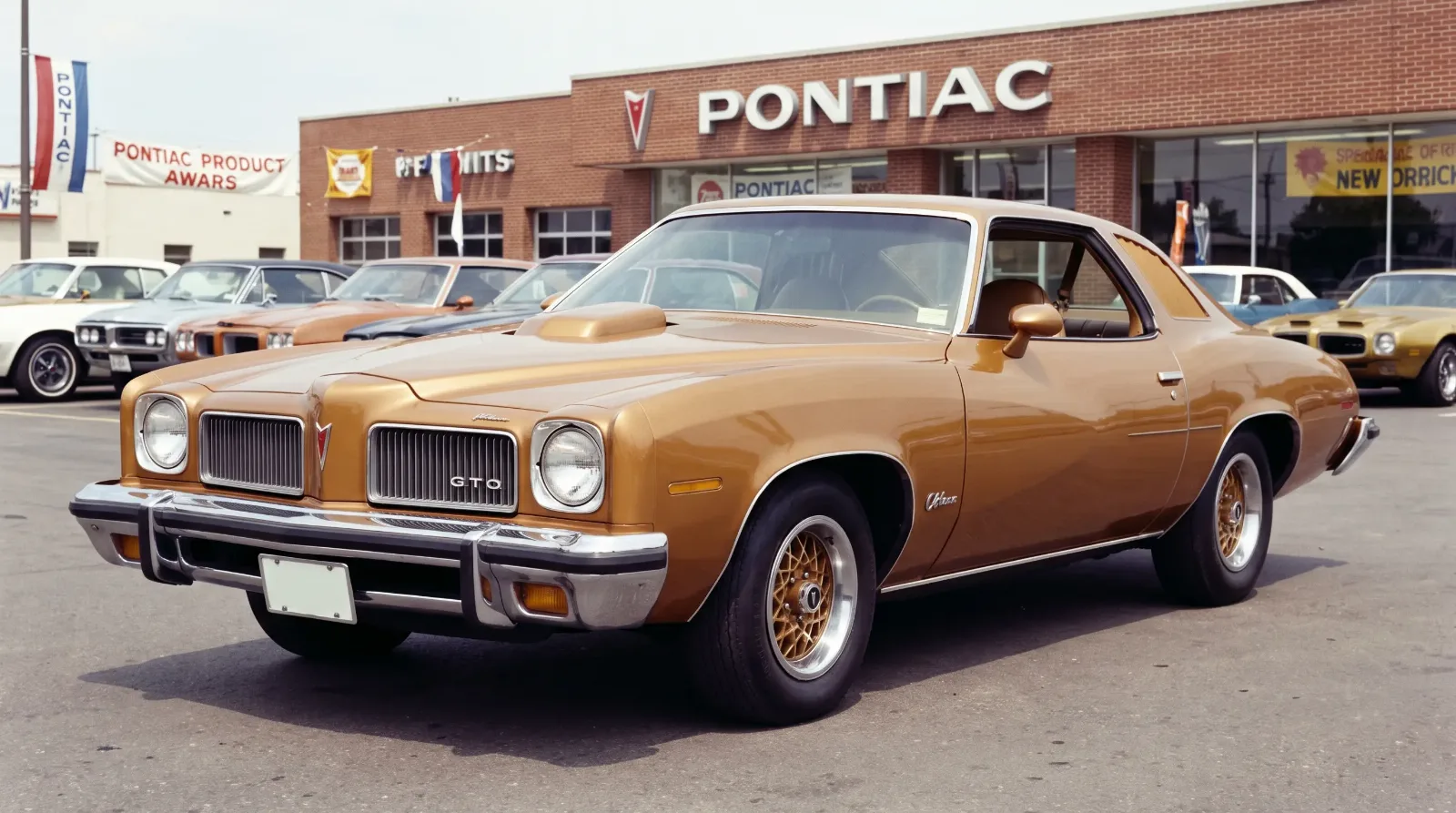
What makes the story worth telling is not that Pontiac considered dropping the option. It is that the case against it was strong, straightforward, and backed by real sales data, and the division kept it anyway, if only for two more years before the end of the GTO arrived for good in 1974.
The numbers that scared the fourteenth floor
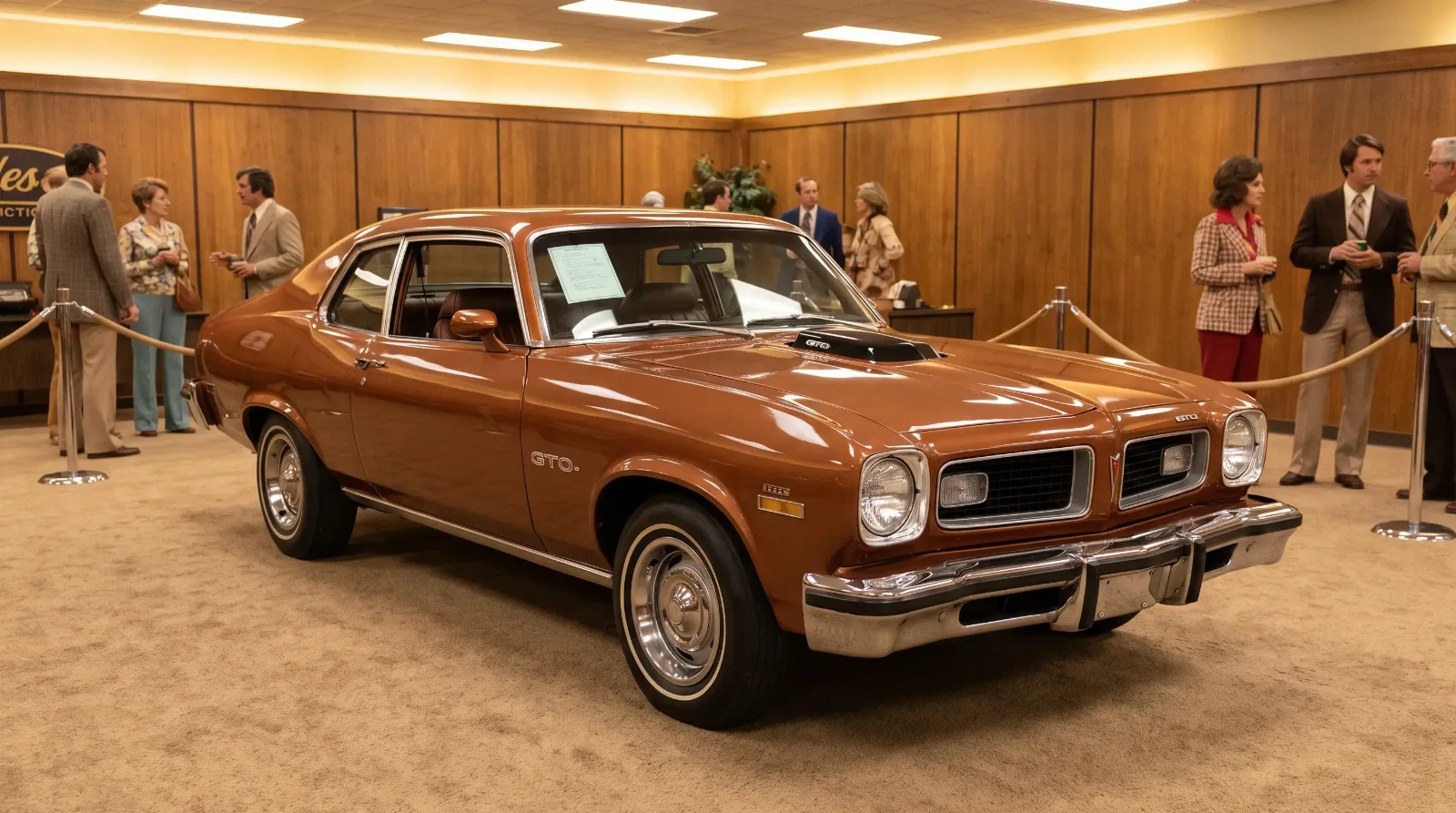
The GTO had already been demoted once. For 1972 it was no longer a standalone model as it had been from 1966 through 1971. It was folded back into the LeMans line as an option package, essentially a suspension, trim, and engine code applied to an existing body rather than a car with its own sheet metal identity. That demotion mattered less for what it did to the car and more for what it signaled about how Pontiac's product planners viewed the nameplate going into 1973: as a line item that could be deleted from an order form without touching a single stamping die.
Corporate memory inside General Motors in 1972 was still raw from the muscle car insurance crisis of the late 1960s. Underwriters had started pricing policies by engine displacement and horsepower rating rather than by driver history, and a 20-something buyer with a GTO option code on his purchase order could pay two or three times what he would have paid for a straight six LeMans. Add tightening emissions mandates that were about to force a switch from gross to net horsepower ratings, and the GTO's core selling proposition, a big engine in a mid-size body at a reasonable price, was under attack from every direction at once.
A memo, not a funeral
Contrary to some of the folklore that has grown up around this period, there was no single dramatic meeting where an executive slammed a fist on a table and ordered the GTO killed, at least not according to the surviving product planning correspondence historians have been able to piece together. What existed instead was a slow accumulation of caution. Order guides for 1973 were drafted with GTO trim codes present, then flagged for review, then restored, a pattern that suggests real disagreement inside the division rather than a settled plan to eliminate the option.
Because the GTO was by this point just a RPO-style content package layered onto the redesigned Colonnade LeMans body rather than a unique platform, the administrative cost of keeping it was low. Someone did not need to approve a new die or a new assembly fixture. They needed to approve a decal package, a handling suspension, a hood option, and an engine and axle combination that Pontiac was already building for other applications. That low bar is likely a large part of why the reprieve happened at all.
The case for keeping the code alive
Pontiac's product planners had a genuine argument, and it had less to do with 1973 sales projections than with what a name on a showroom floor does for foot traffic. Oldsmobile still had the 442. Buick still had the Gran Sport, at least in badge form. Chevrolet still had the Chevelle SS option, though it too was fading fast. If Pontiac walked away from GTO first, the argument went, the division would cede the mid-size performance conversation to its sister divisions at the exact moment buyers were still coming into dealerships asking for it by name, even if fewer of them were driving away in one.
There was also a simpler commercial logic. A GTO package added real dollars to a transaction that would have happened anyway, since most GTO buyers in this period were people who wanted a LeMans and were persuaded to step up. Killing the option meant losing that margin entirely rather than accepting a smaller number of higher-content sales. For a division watching its overall volume soften across the board in the early 1970s, giving up incremental profit on cars it was already building did not make obvious sense.
What the reprieve actually delivered for 1973
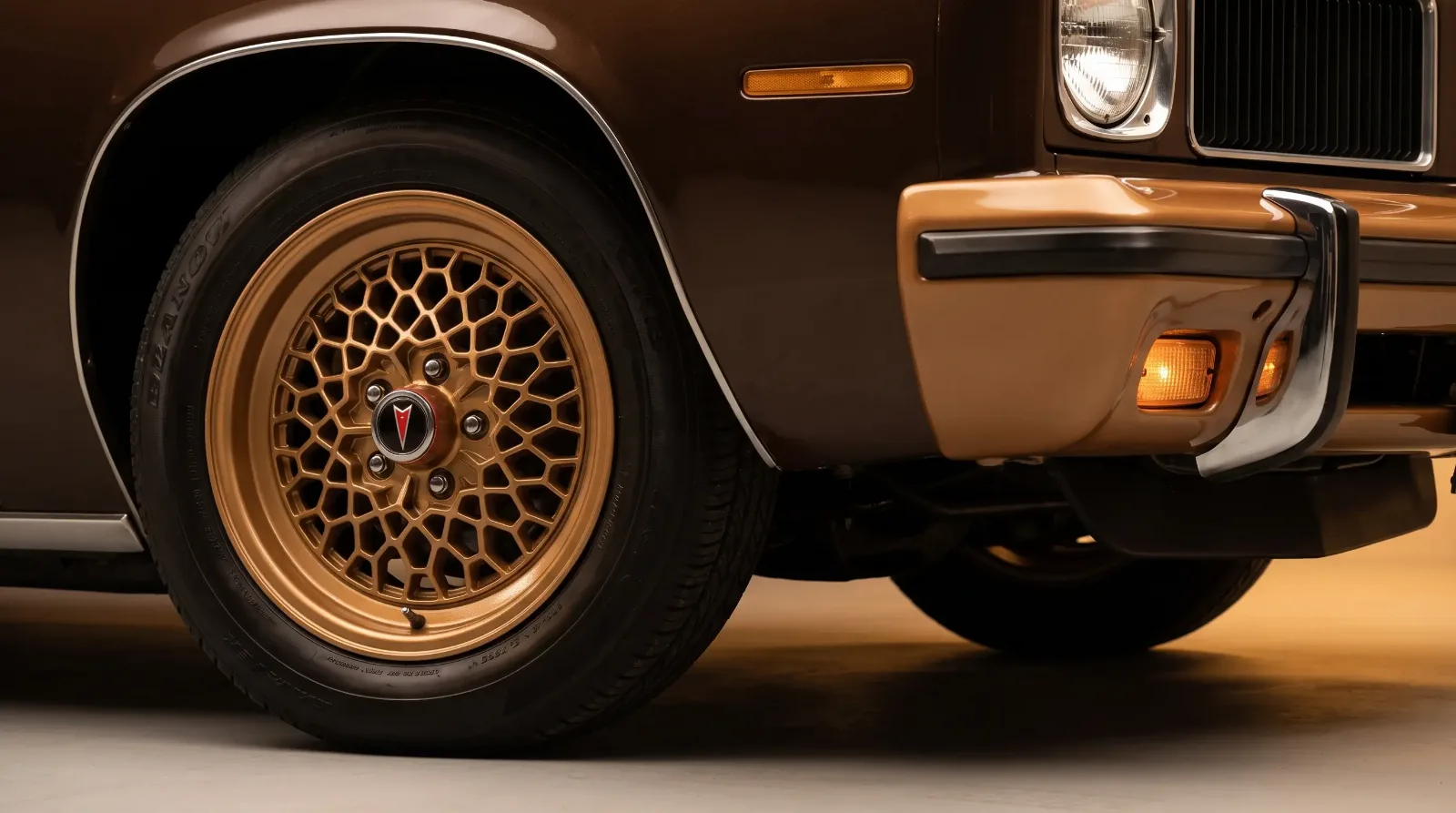
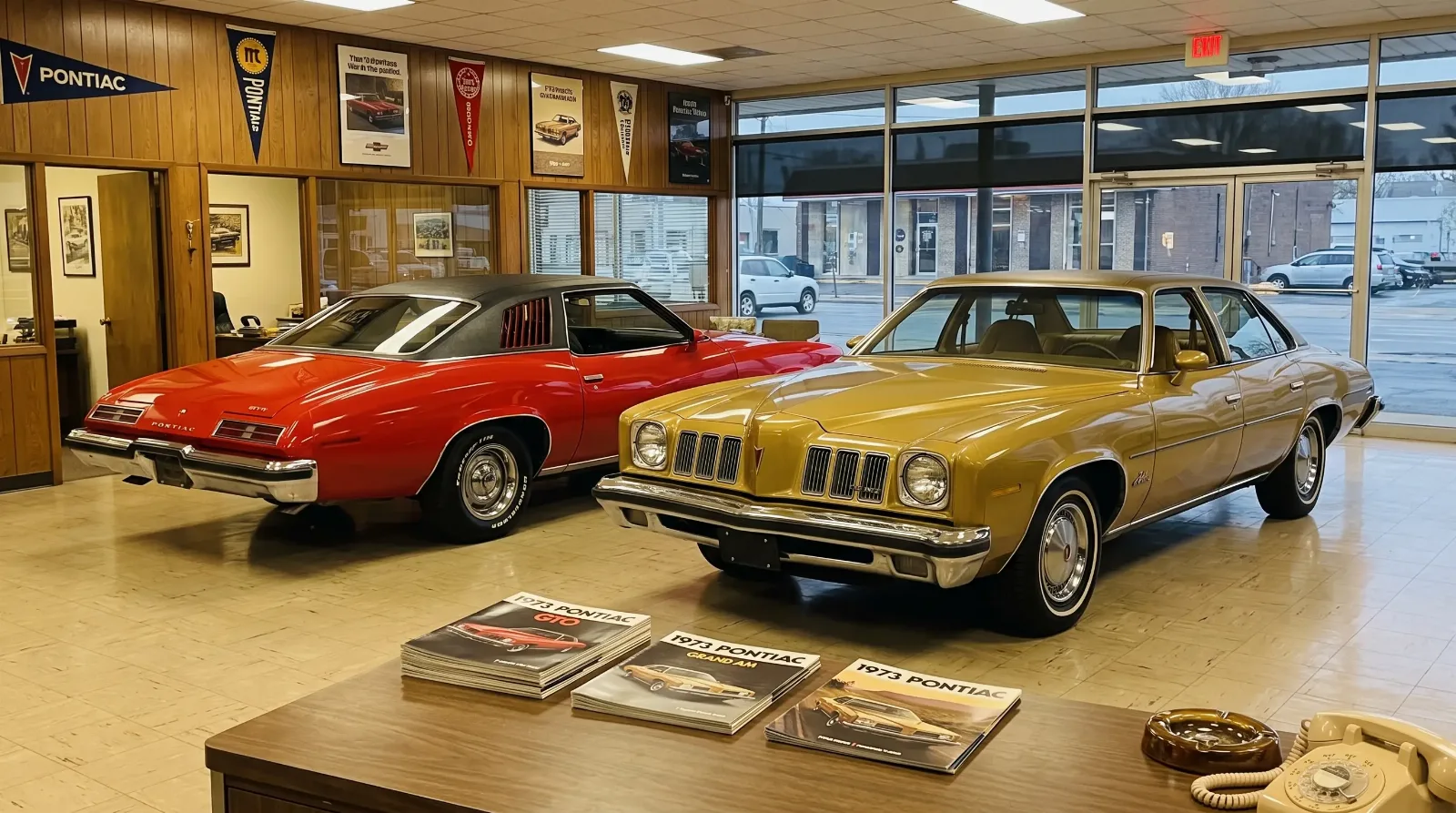
What buyers got for their trouble was a heavier, softer car than the GTO faithful remembered from 1966 through 1969, wrapped in the new Colonnade-style body that GM rolled out across its intermediate line for 1973. The standard engine was Pontiac's 400 cubic inch V8, rated at 230 horsepower under the new net measurement standard, with a 455 available at 250 net horsepower for buyers who wanted more torque for towing or highway passing rather than outright quarter-mile bragging rights. A shaker-style hood scoop, honeycomb wheels, and the familiar Endura-style front treatment carried over in spirit if not in exact detail, and Pontiac's marketing leaned hard on continuity with the car's 1960s reputation even as the underlying package had changed substantially.
Federal 5-mph bumper standards, phased in starting with the 1973 model year on the front end, added visible bulk and a few dozen pounds that the styling studio never fully disguised. Compression ratios sat well below what a 1967 GTO buyer would have recognized, a direct consequence of the same unleaded fuel mandates reshaping every performance car in Detroit at the time. None of this made the 1973 GTO a bad car. It made it a different one, built for a different regulatory and economic environment, and sold in numbers that reflected how narrow its remaining audience had become.
A short reprieve, not a rescue
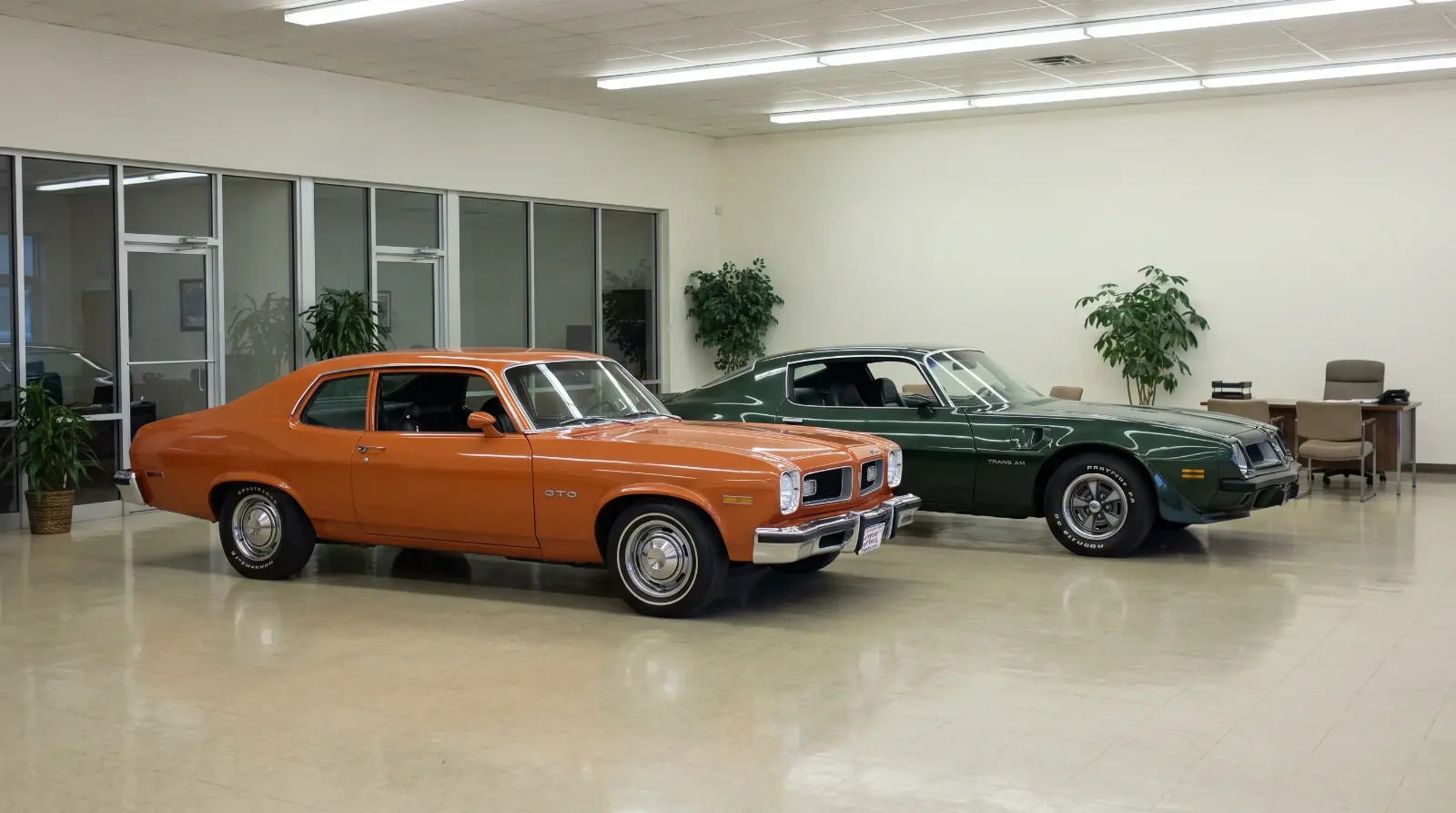
The 1973 stay of execution bought the GTO nameplate exactly two more model years before Pontiac ended the option for good, moving the badge briefly onto the compact Ventura for 1974 before retiring it altogether. Understanding why the reprieve happened at all matters for anyone trying to place these final cars in context, because a 1973 or 1974 GTO was never meant to compete with a 1966 or 1969 example on outright performance. It was a division trying to keep a name alive against market forces that were bigger than any single product decision. For the fuller picture of how that final chapter played out, and what came next once the badge disappeared from Pontiac's order forms, read on.
"People assume there was a war room somewhere deciding the GTO's fate. What I found in the archives looks more like indecision, a package that kept getting penciled out and penciled back in until somebody just let it ride for one more year."
Tom Ramirez
Sources and notes
Related Reading
Have a
Pontiac GTO
for Sale?
Reach thousands of serious classic car collectors across the US.
Sell It Here →
Are You a Classic Car Dealer?
List your full inventory and connect with targeted classic car buyers.
Join as a Dealer →

About the author
Tom Ramirez
Corvette researcher and historian based in Bowling Green, Kentucky. Two decades documenting Corvette production history from original factory records.
Related Listings - Pontiac GTO


Comments
Be the first to comment on this article.