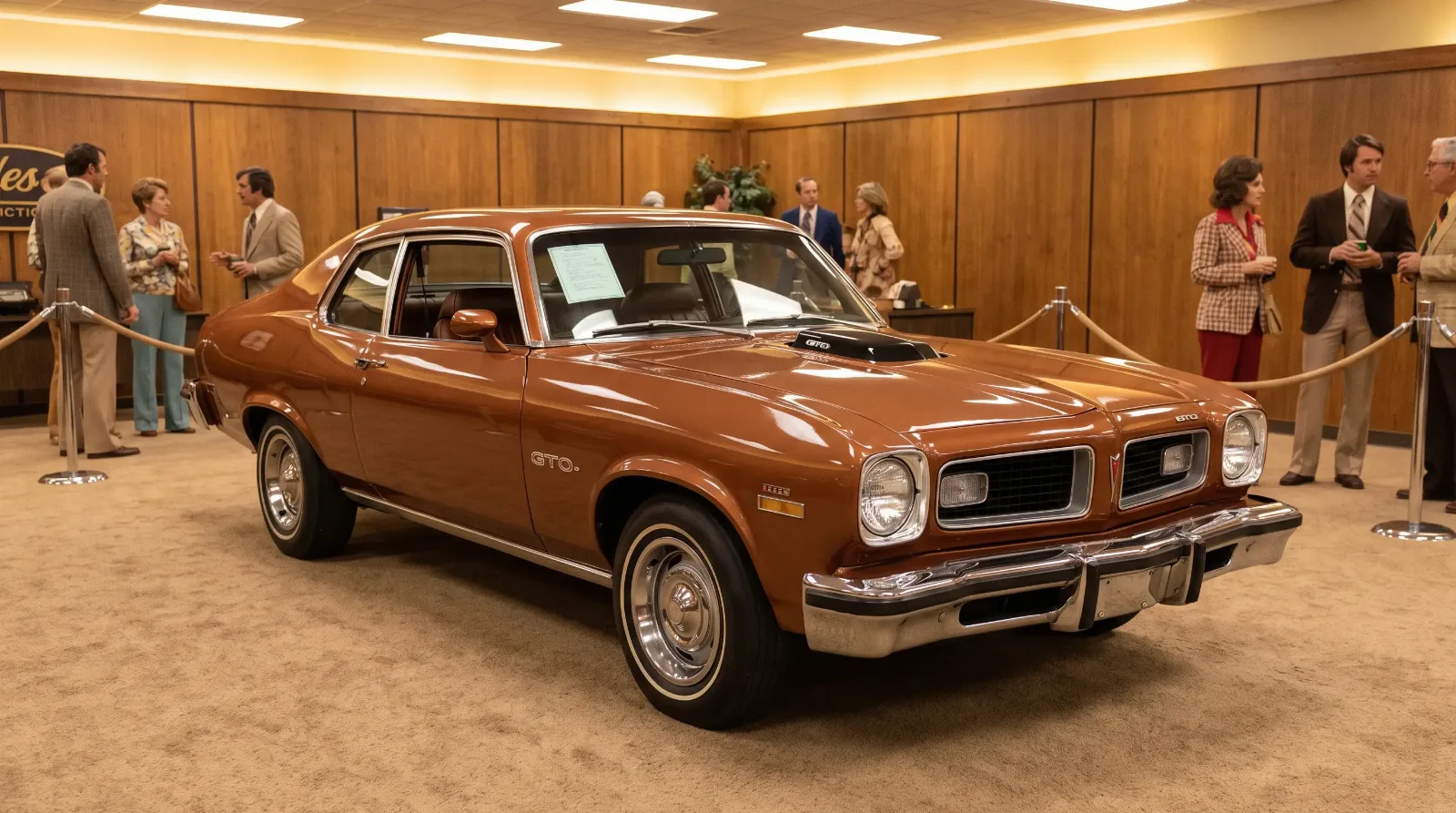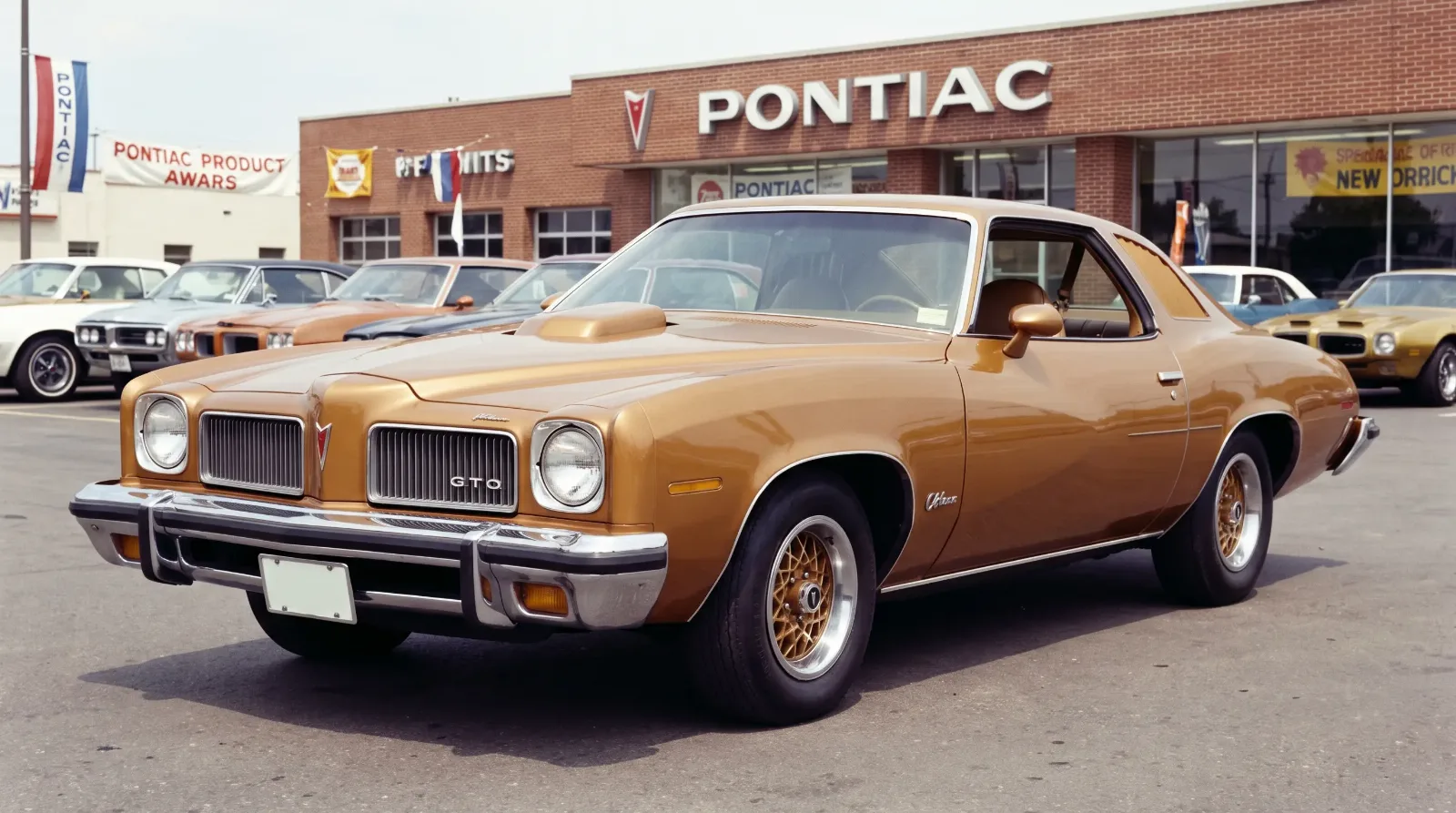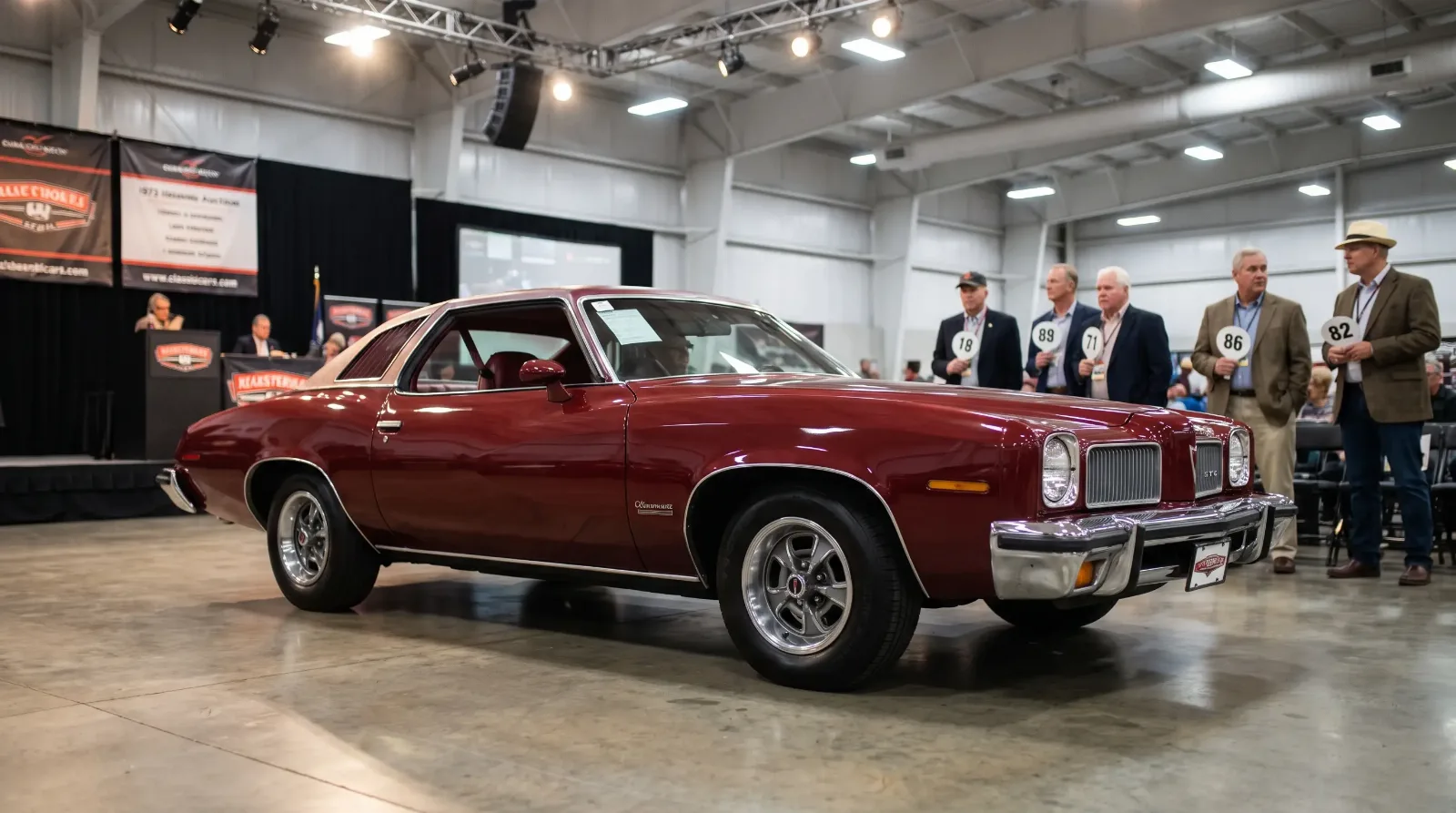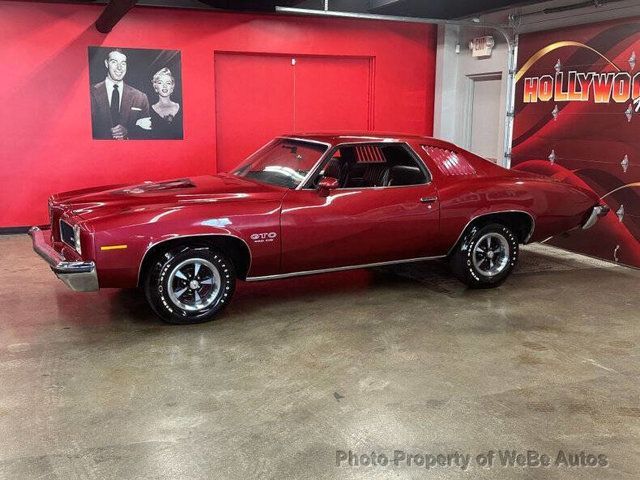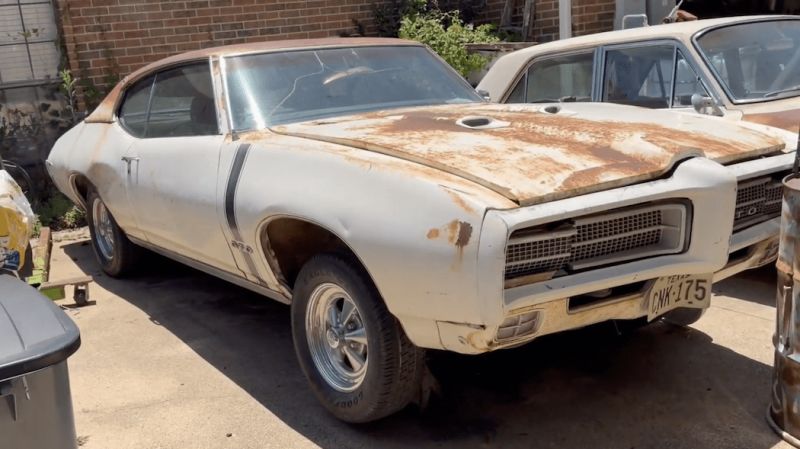
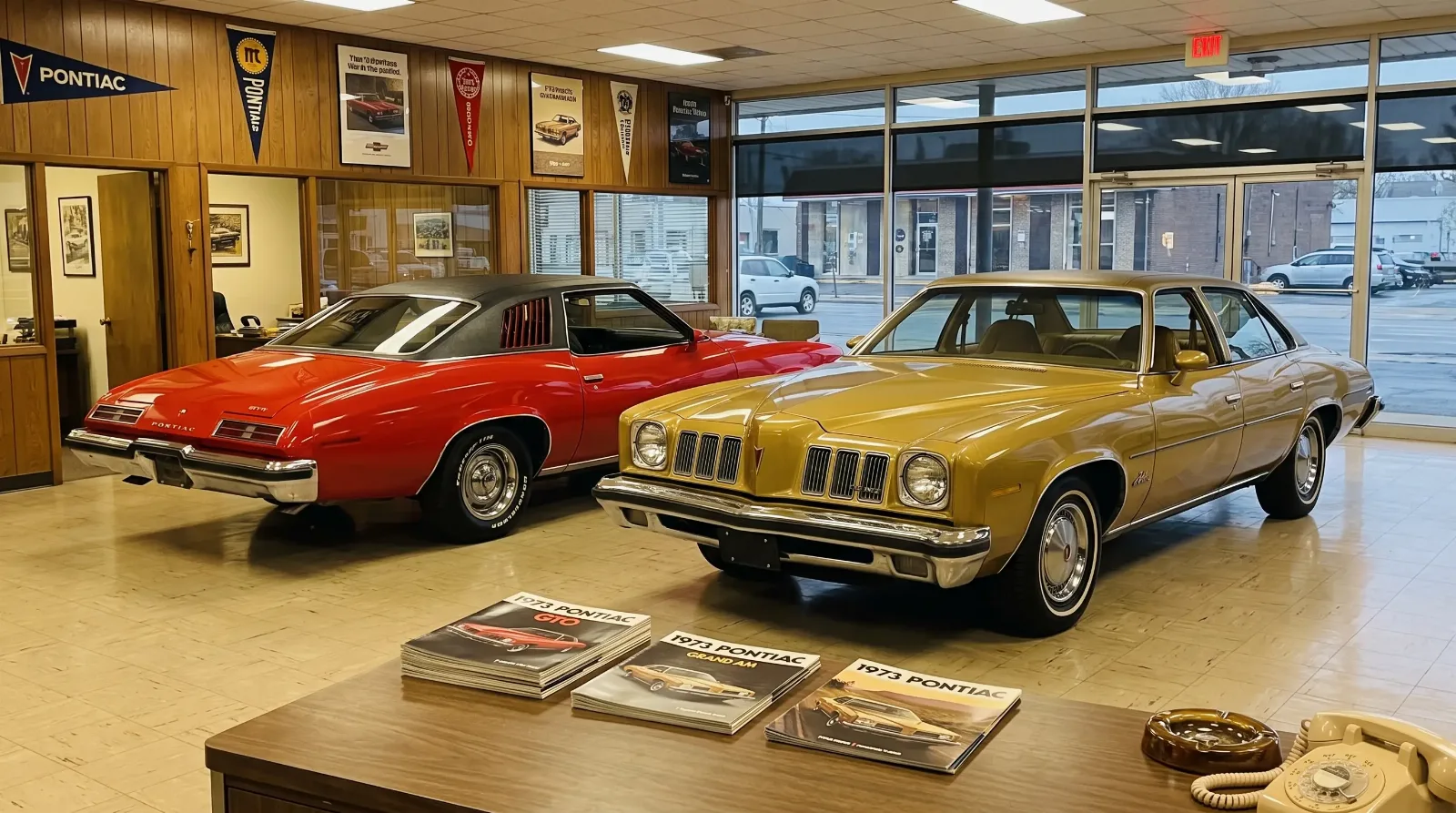
A Pontiac salesman in 1973 had two very different cars to sell to the same kind of customer. One still wore the GTO badge, tired and diminished, a shadow of a name that used to mean something on a drag strip. The other was new, European in its inspiration, wrapped in a name nobody had heard before: Grand Am. He probably did not think much of it at the time, just another model year, another lineup to memorize. Looking back, he was standing at the exact spot where Pontiac's whole identity turned a corner.
The Grand Am was not built to kill the GTO. It arrived alongside it, on the same Colonnade platform, in the same showrooms, during the same difficult stretch that led toward the final GTO years. But it represented something the GTO no longer could, and within a decade that difference would matter more than anyone at Pontiac's styling studio probably expected.
A name built for a different conversation
Grand Am combined two words Pontiac had used before, Grand Prix and Le Mans, and stitched them into something meant to suggest continental sophistication rather than stoplight bravado. The car itself, a mid-size coupe or sedan riding on GM's new A-body Colonnade architecture, leaned into a very specific idea that had been gathering strength through the early 1970s: American buyers, especially younger and more affluent ones, were starting to want cars that handled well and rode with some refinement, not just cars that were fast in a straight line.
Where the GTO's whole reason for existing traced back to a big-block engine stuffed into a mid-size body, the Grand Am's pitch centered on a tuned suspension, a European-style padded and contoured interior, rack-and-pinion-influenced steering feel, and a restrained exterior with a soft urethane nose that absorbed low-speed impacts without the theater of Endura-badged scoops and stripe packages. It borrowed the GTO's engine options in some configurations, including versions of the 400 and 455 V8s, but it wrapped them in a completely different sales pitch.
Two cars, one dwindling audience
The uncomfortable truth for Pontiac in 1973 was that both cars were chasing a smaller pool of buyers than either one needed. Insurance underwriters were still pricing high-output engine codes out of reach for a lot of the GTO's traditional customer base, twenty-somethings who a few years earlier could have financed a Judge without much trouble. The Grand Am, with its higher base price and more upscale positioning, aimed slightly older and slightly wealthier, buyers who might have cross-shopped a BMW or a Mercedes if imports had been more readily available and serviced in their part of the country.
Dealers reported customers walking in asking about the GTO out of nostalgia and walking out in a Grand Am because it simply felt like the more contemporary car to own. That shift, small and undramatic in any single showroom, added up across the country. Pontiac's own internal sales figures for the period bear this out loosely: Grand Am volume held up reasonably well through the mid-1970s while GTO orders kept shrinking toward the low thousands, a gap that widened every single model year until the GTO badge disappeared from Pontiac's lineup entirely after 1974.
What Pontiac was really telling its customers
Product decisions inside a car company are rarely explained out loud to the public, but they are visible if you know where to look, and the Grand Am's launch timing tells its own story. Pontiac was not abandoning performance. The division kept building strong-running cars well into the malaise-era 1970s and would eventually reclaim its performance identity through the Trans Am, which carried Pontiac's muscle car flag through the disco years almost single-handedly. What Pontiac was abandoning, at least for the GTO specifically, was the idea that raw displacement and a menacing hood scoop were still enough to move metal off a lot.
The Grand Am's arrival signaled that Pontiac's engineers and product planners had already accepted a conclusion the GTO's remaining loyalists were still resisting: that the muscle car formula, cheap insurance, cheap gas, and a straight-line drag strip mentality, belonged to a decade that had already ended. Buyers wanted refinement now. They wanted a car that could hold a corner at speed without wallowing, something the softly sprung, straight-line-focused GTO of the mid-1960s was never engineered to do particularly well in the first place.
The engineering underneath the pitch
It is worth being specific about what made the Grand Am's road manners different from the GTO's, because the distinction was not just marketing language. Pontiac's engineers fitted the Grand Am with a variable-ratio power steering system and a suspension calibration tuned specifically for high-speed stability rather than straight-line launch traction, a priority that showed up in how the car behaved on an interstate on-ramp taken at speed rather than off a stoplight. The GTO, even in its softened Colonnade-era form, still carried tuning priorities inherited from a decade of drag-strip-focused development, wider rear tires relative to the fronts, axle ratios chosen for acceleration, a general bias toward getting off the line quickly rather than carrying speed smoothly through a bend.
The Grand Am's interior told the same story in a different language. Where the GTO leaned on a straightforward, function-first dashboard and simple bucket seats, the Grand Am offered a wraparound instrument cluster, a padded, contoured dash meant to evoke the cockpits import buyers were starting to talk about in magazine road tests, and available leather that no GTO of this era offered as an option. None of this made the Grand Am objectively a better car. It made it a car built for a buyer who wanted comfort and control at speed over raw thrust, and that buyer was becoming a much larger share of the market with every passing model year.
The quiet handoff
Nobody at Pontiac ever announced that the Grand Am was replacing the GTO. There was no press release, no ceremony, no badge swap on a factory floor. But look at where Pontiac put its marketing dollars through the back half of the 1970s and the pattern becomes obvious enough. Grand Am ads leaned on road-holding and European comparison tests. GTO ads, in the option's last two years, leaned almost entirely on nostalgia, on the idea that this was still the car your older brother street raced in 1966, even when the specification sheet told a much different story.
That salesman standing on the lot in 1973 was watching Pontiac hand off its future to a car built on refinement rather than reputation, whether he realized it in the moment or not. The GTO would get one more model year on a compact platform before disappearing, a coda rather than a comeback, and the story of exactly how thin those final production numbers had become is worth its own look. For the details, read on.
"I keep thinking about that salesman with two brochures in his hands, one for a car with a past and one for a car with a future, and how little either of them knew which one was which."
— Nora Beckett