
Ask a general collector what a 1974 GTO is worth and you'll usually get a shrug and a number well below what a 1969 or 1970 car commands. Ask someone who actually specializes in the compact-platform car, and you'll get a more careful answer, one built on documentation and rarity rather than nostalgia. The gap between those two answers is where the real opportunity sits right now.
Car Features
7 min read
Is the 1974 GTO Finally Getting Respect?
Documented 1974 GTOs are starting to close the value gap with earlier model years, but the upside only exists for buyers who do real diligence on paperwork.
Why the discount exists in the first place
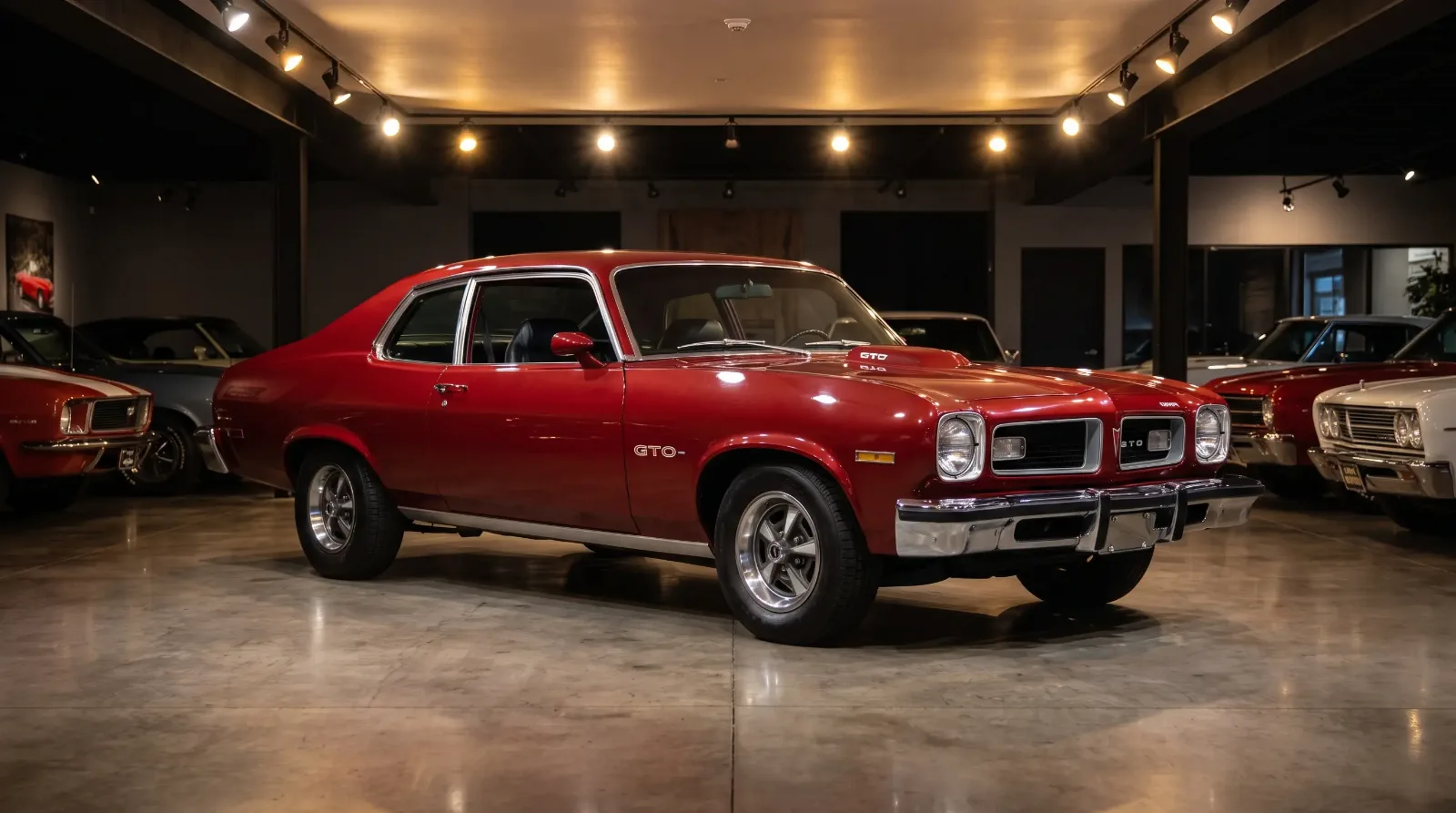
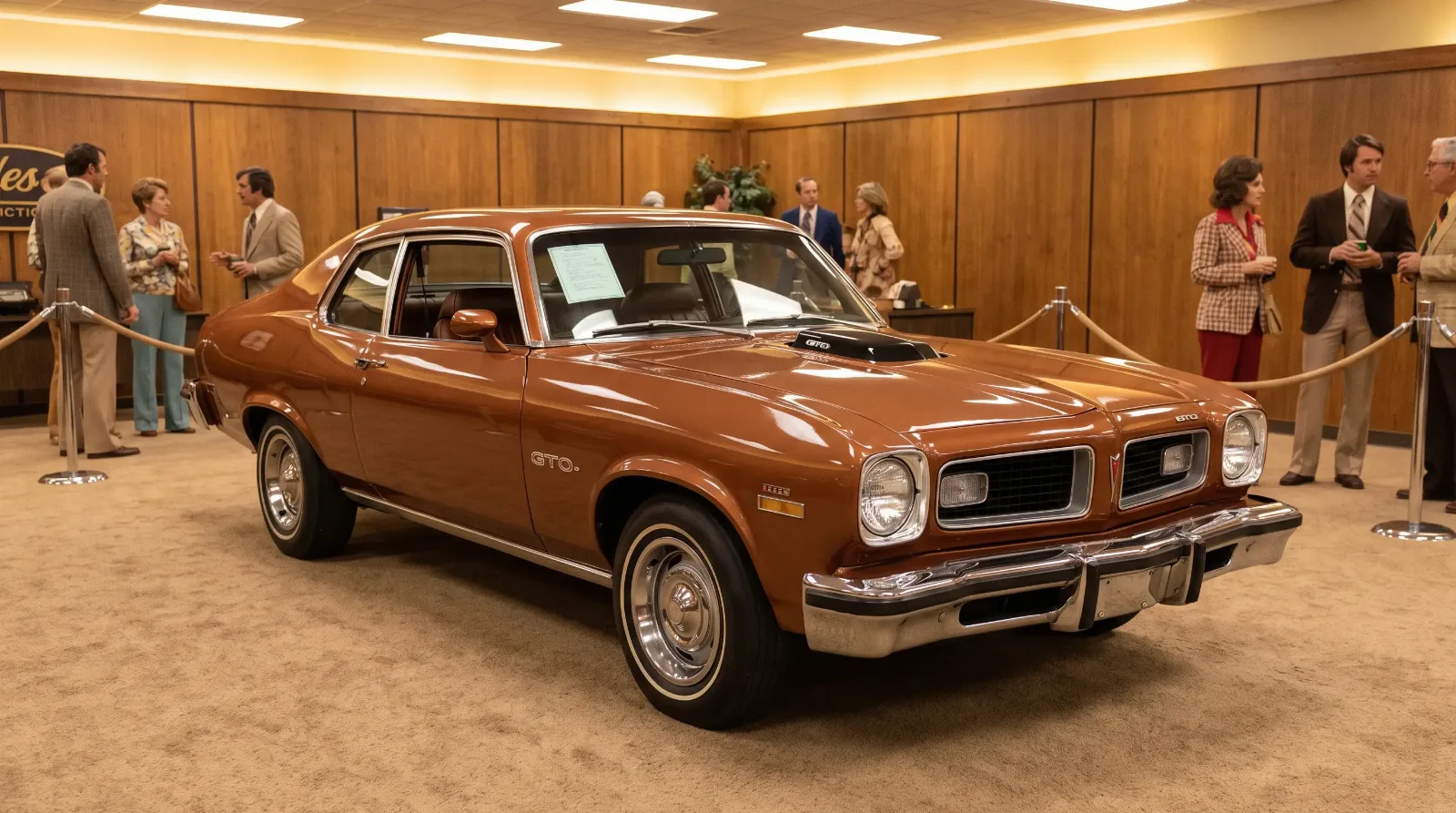
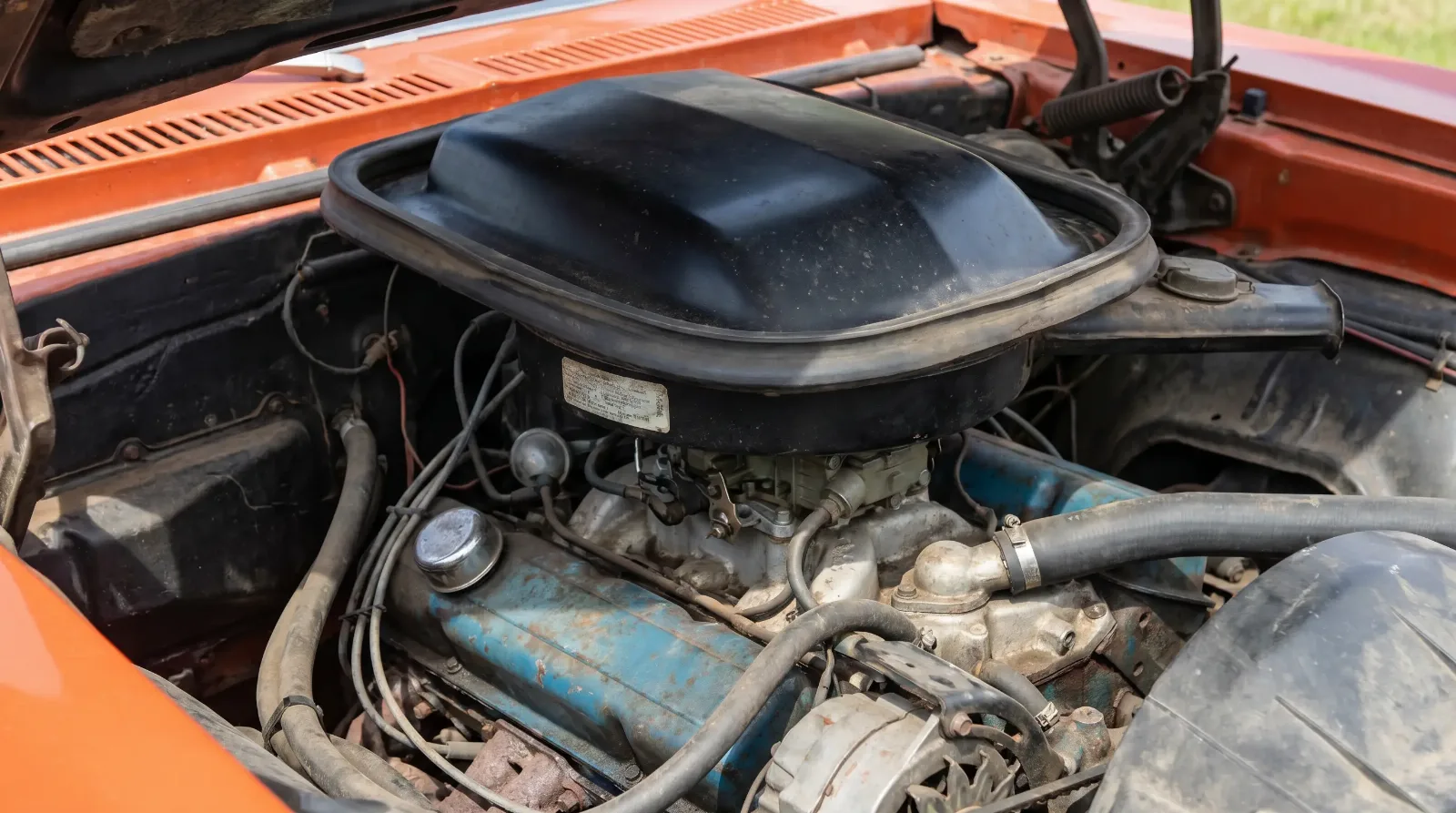
The 1974 GTO carries a stigma that has less to do with the car's actual engineering and more to do with what it represents symbolically. It's the final year of the classic-era nameplate, built on a compact Ventura-based platform, powered by a single detuned 350 V8. For decades, the collector market treated "final year, downsized" as a mark against a car rather than a point in its favor, an instinct that doesn't hold up when you look at how other manufacturers' final-year or transitional models have performed over time. Scarcity plus documented history is usually a formula for appreciation, not depreciation, once the initial stigma fades. The 1974 GTO has been sitting in that stigma phase for a long time.
What's actually changing
Interest in the 1973-74 GTO has been climbing steadily among a specific type of buyer: someone who already owns or has owned an earlier GTO and wants the complete story, not just the highlight-reel years. That buyer understands the regulatory pressure these cars were built under and finds the engineering compromises interesting rather than embarrassing. Auction results for well-documented 1974 cars have started reflecting that shift, with clean, numbers-matching examples commanding meaningfully more than a rough, unverified car, a gap that didn't used to be as pronounced when the whole model year traded at a flat discount regardless of condition.
"The smart money moved into 1973-74 cars a while ago. General collector sentiment is always the last thing to catch up to where the documented, condition-driven buyers already are."
Marcus Feld
The documentation problem, honestly stated
Here's the caveat that matters more than any appreciation trend: the compact 1974 GTO wasn't built in large numbers to begin with, and a car this far outside mainstream collector attention has a higher-than-average risk of incomplete records, replaced drivetrains, or outright misrepresentation. A seller claiming a numbers-matching 350 needs to back that claim with a build sheet, PHS documentation where available, and a title history that doesn't have gaps. Buyers chasing the reappraisal trend without doing that homework are the ones who end up overpaying for a car that isn't what it's represented to be. The upside in this market only exists for buyers willing to do real diligence, not for anyone hoping a rising tide lifts every car regardless of paperwork.
| Factor | Effect on Value |
|---|---|
| Numbers-matching 350 | Meaningful premium over replacement engine |
| Complete build sheet / PHS docs | Significant premium, faster resale |
| Functional Shaker hood option | Modest premium, desirable factory option |
| Undocumented history | Steep discount regardless of cosmetic condition |
How this compares to other final-year cars
The 1974 GTO isn't the only final-year or transitional collector car that spent decades undervalued before the market caught up. Plenty of last-of-the-line vehicles across different marques went through the same cycle: initial dismissal as a compromised or diminished version of an earlier, more celebrated model, followed by a slow reappraisal once collectors realized documented rarity mattered more than which specific year happened to be the most powerful. The pattern tends to follow a predictable arc, and the 1974 GTO looks to be somewhere in the middle of that arc right now, past the pure dismissal phase but well before full market recognition.
What separates a final-year car that eventually appreciates from one that stays permanently discounted usually comes down to whether there's a coherent story attached to it. The 1974 GTO has that story: a documented platform change, a real engineering response to unprecedented regulatory pressure, and a genuine functional performance feature in the Shaker hood that shows Pontiac wasn't simply phoning in the car's final year. That narrative gives serious collectors something to point to beyond nostalgia, which is usually what separates a car that eventually breaks out of its discount from one that stays cheap indefinitely because nobody can articulate why it should be worth more.
Liquidity still lags value
Even with rising interest, the 1974 GTO is not a liquid market the way a 1969 Judge or a 1970 Ram Air 455 car is. Fewer buyers are actively searching for one at any given time, which means a seller often needs patience to find the right buyer rather than expecting a quick transaction at top dollar. That's not necessarily bad news if you're on the buying side. It means less competition for a documented example, and it means you're less likely to get caught in a bidding war driven by speculation rather than genuine demand. The reappraisal is real, but it's happening gradually, among a narrower and more informed buyer pool than the broader muscle car market.
What to do if you're buying now
For a buyer convinced the reappraisal is real and wanting to get ahead of it, the discipline required doesn't change just because the trend is favorable. Start with the paper trail before looking at paint or chrome. Request PHS documentation or an equivalent build sheet verification if the seller claims one exists, and treat any car without that documentation as a driver-quality purchase rather than an investment-grade one, regardless of how clean it looks in photos. Get a compression test and a borescope look at the 350 before assuming numbers-matching status translates to mechanical health, since a correct original engine that's been poorly maintained is a different proposition than one that's been kept up properly.
Budget for parts sourcing delays too. Because the compact GTO wasn't built in large numbers, finding correct trim, glass, and interior pieces during a restoration takes longer and costs more than it would for a more common midsize GTO model year. Factor that timeline into any purchase plan rather than assuming parts availability will match what a more mainstream classic car market offers.
What this means going forward
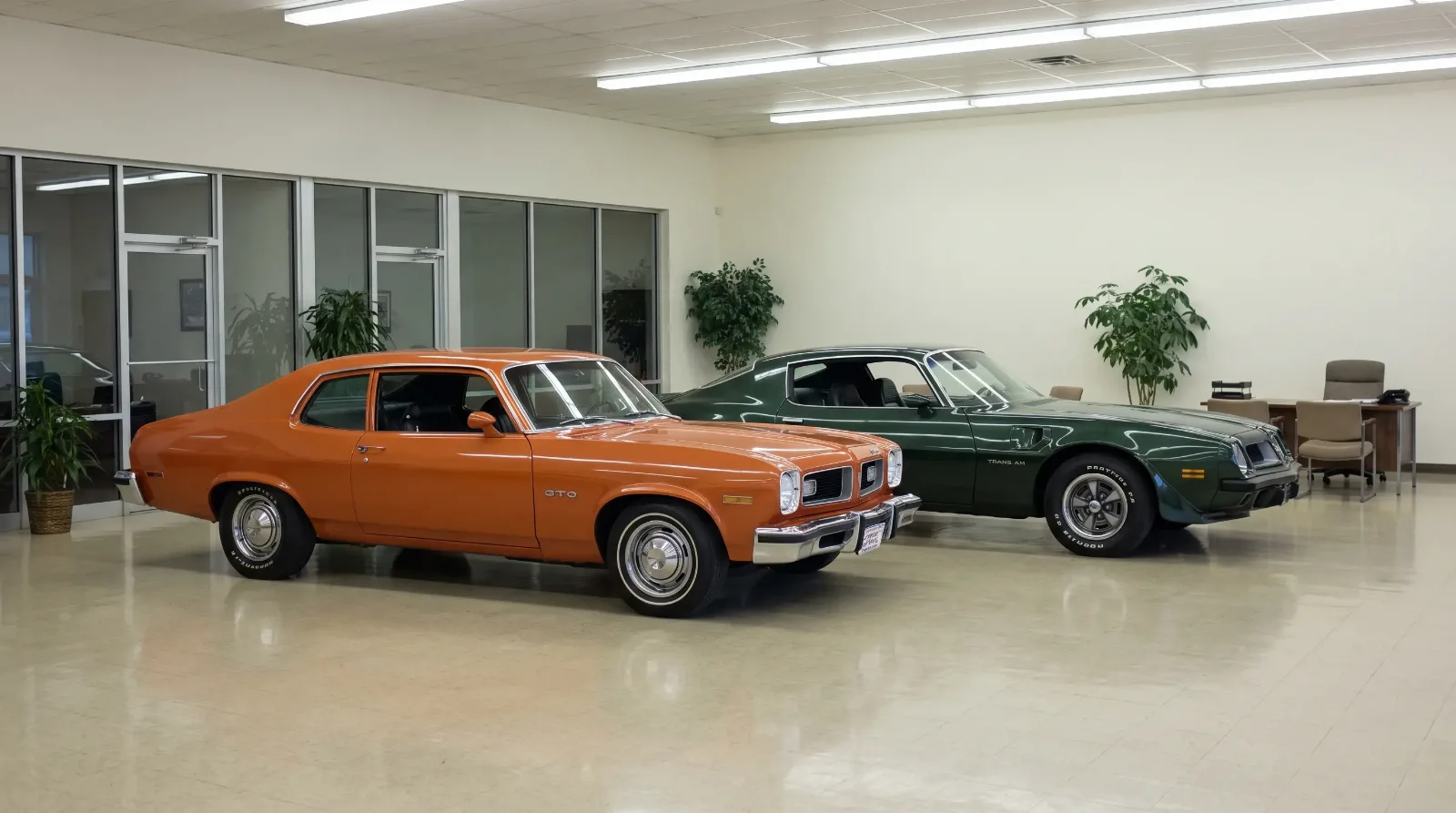
The honest appraisal is that the 1974 GTO is undervalued relative to its documented rarity and its place in the nameplate's story, and that gap is closing slowly rather than suddenly. Buyers who understand what they're looking at, and who insist on real paperwork before writing a check, are positioned well. Everyone else is still pricing the car off outdated assumptions about what "compact and detuned" means for long-term value. This reappraisal sits at the end of a longer arc that started with the 1973-74 GTO losing its midsize platform and its performance reputation in the same two years. That loss of status wasn't isolated to Pontiac, either. Read on for how the GTO's decline mirrored what happened to the entire muscle car category by the mid-1970s, and for the full arc of how the nameplate got here in the first place, the GTO's origins as a 1964 Tempest option package make the 1974 car's story land with a lot more weight. If you want to see current asking prices for yourself, you can browse GTO listings and compare documented cars against the undocumented ones directly.
Sources and notes
- Hagerty - why the forgotten 1974 Pontiac GTO is worthy of the name
- Hagerty - the 10 most expensive Pontiacs ever sold at auction
- Classic.com - 1974 Pontiac GTO market data
- Barrett-Jackson - post-auction update on rare Pontiac GTOs
- Wikipedia - Pontiac GTO
- Mac's Motor City Garage - 1974: The Last Pontiac GTO (For a While)
Related Reading
Have a
Pontiac GTO
for Sale?
Reach thousands of serious classic car collectors across the US.
Sell It Here →
Are You a Classic Car Dealer?
List your full inventory and connect with targeted classic car buyers.
Join as a Dealer →

About the author
Marcus Feld
Accredited collector-car appraiser who reads the market through hammer prices, condition tiers and risk.
Related Listings - Pontiac GTO




Comments
Be the first to comment on this article.