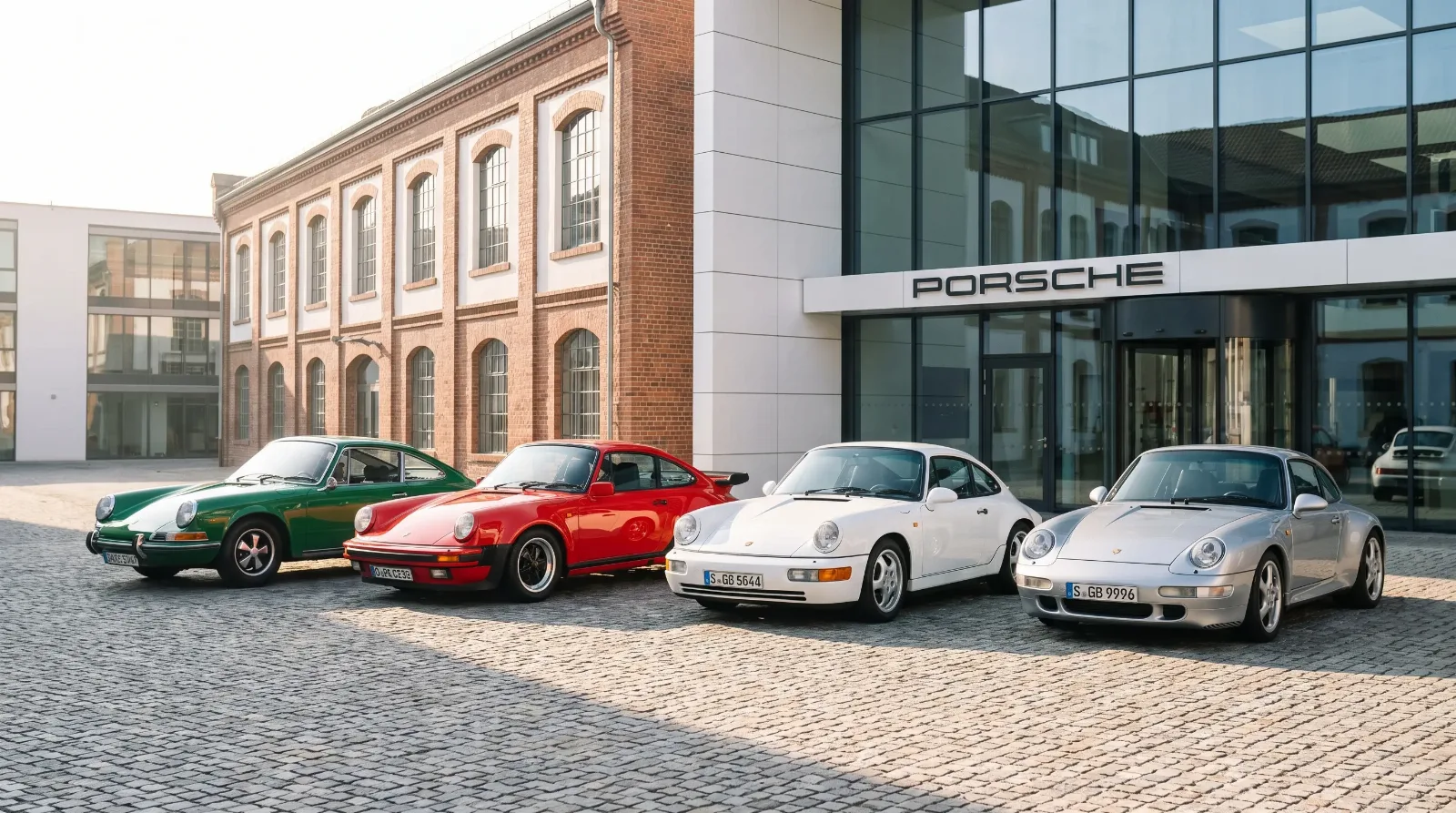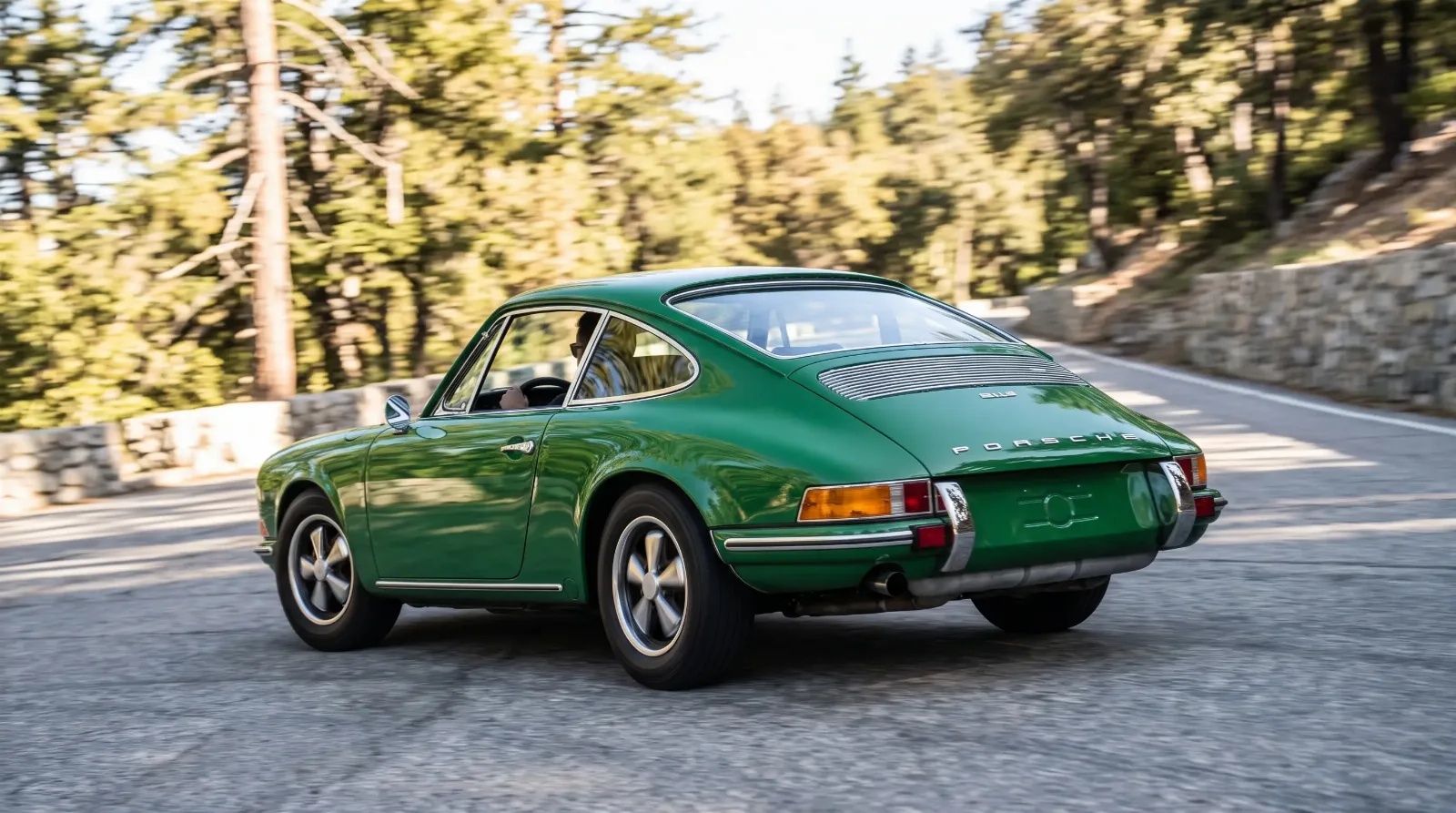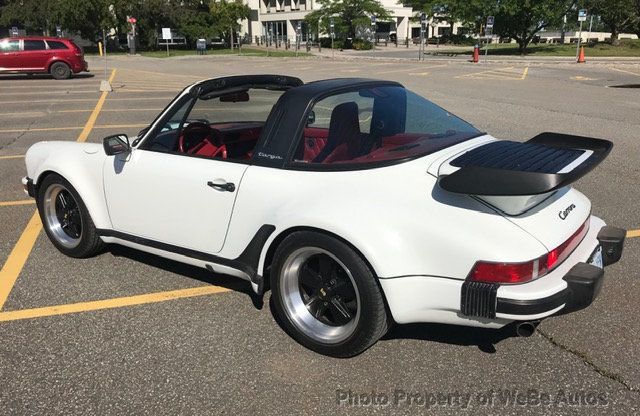
A man in Ohio kept his 1987 Porsche 911 Carrera in a heated garage for eleven years, drove it maybe four hundred miles a summer, and refused every offer that came through the classifieds. He was not protecting an investment. He liked the sound the fan made spinning up on a cold start, liked that the engine behind him breathed air instead of coolant, liked that nothing about the drive asked him to think about anything except the road. When he finally sold it, the number surprised him more than it surprised the buyer. That quiet devotion, repeated by thousands of owners across four decades, is most of the answer to why air cooled 911 collectible status became something close to inevitable.
Porsche built air-cooled 911s from 1963 until 1998, when the water-cooled 996 arrived and closed a chapter that had run longer than most car platforms survive at all. For thirty-five years the flat-six behind the rear axle stayed fundamentally the same idea even as displacement grew, turbochargers appeared, and power climbed from around 130 horsepower to well over 400 in the last of the air-cooled 993 Turbos. That continuity, more than any single model year, is what collectors eventually came to value.
The engineering reason people still care
An air-cooled engine is a simpler proposition than a water-cooled one, mechanically speaking. There is no radiator, no coolant passages threading through the block, no water pump to fail at the worst moment. Cooling comes from a large fan mounted atop the engine, pushing air across finned cylinders and cylinder heads, a system that traces its lineage back to Porsche's earliest days building on Volkswagen's air-cooled foundations. Fewer systems mean fewer things to leak, corrode, or fail silently, and generations of owners who kept these cars running through decades of ordinary use noticed that difference firsthand.
There is also the sound. Air-cooled flat-sixes have a mechanical clatter, a valvetrain chatter layered under the exhaust note, that water-cooled 911s lost almost entirely once liquid cooling quieted the engine bay. Collectors describe it as the difference between hearing a machine work and hearing a machine hide its work. Neither description is quite right, and neither matters as much as the fact that people keep reaching for language at all to explain a feeling that resists easy summary.
Weight is part of the same argument, even if it gets less attention than sound. An air-cooled flat-six, together with its cooling fan and shroud, is not dramatically lighter than a comparable water-cooled engine on paper, but the absence of a front-mounted radiator and the plumbing connecting it to the engine bay changes the car's front-to-rear balance in a way owners feel in daily driving. Later water-cooled 911s carry more mass forward to feed that cooling system, and the air-cooled cars, whatever their other quirks, keep the driver closer to the sensation the platform was originally built around.
"People ask me what changed in 1999 that made buyers suddenly care so much about the cars from before it. Nothing changed in the cars. What changed is that buyers finally understood what they'd lost, and loss is always the thing that makes people pay attention."
— Nora Beckett
How the market found its floor and then kept climbing
Air-cooled 911 values sat relatively flat through the 2000s, treated as used sports cars depreciating on a normal curve. The shift began in earnest in the early 2010s, when values for clean, original examples began climbing faster than general classic car indices, and by the middle of that decade even ordinary Carrera coupes from the 1980s had appreciated well past their original sticker prices, with Hagerty tracking many air-cooled models doubling or tripling in value between 2011 and 2015 alone. Turbo and limited-production variants moved even faster, but the broader lesson was that ordinary, well-kept air-cooled cars, not just the rare ones, found real buyers willing to pay real premiums.
| Era | What defines it |
|---|---|
| 1963 to 1973 | Short-wheelbase and early long-wheelbase cars, 2.0L to 2.4L engines |
| 1974 to 1989 | Impact-bumper cars, 3.0L and 3.2L Carrera engines |
| 1989 to 1994 | 964 generation, coil springs replace torsion bars |
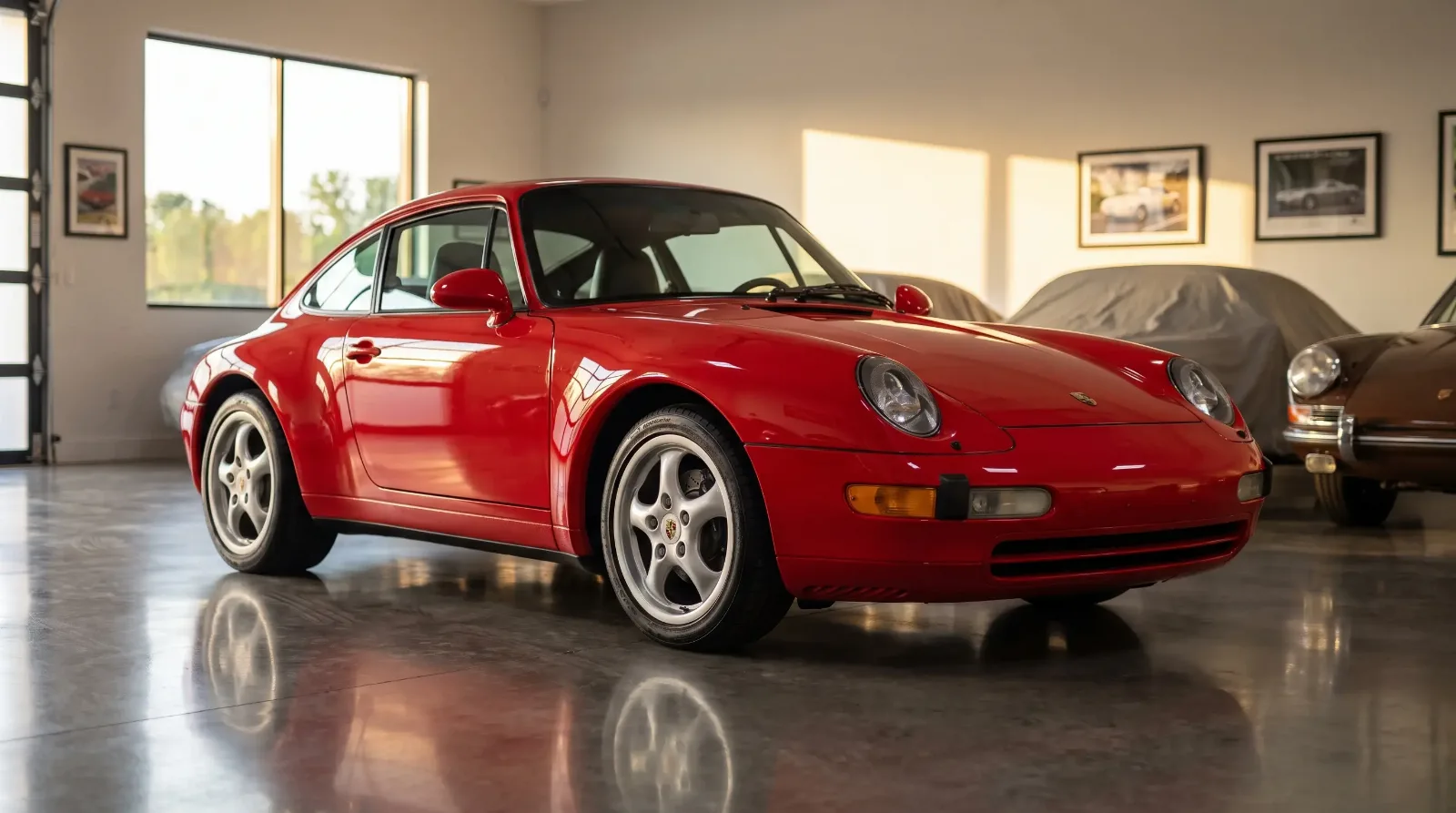
| 1994 to 1998 | 993 generation, the final air-cooled 911s |
What ownership actually feels like now
Owning an air-cooled 911 today means joining a community that trades in specifics: which paint codes were correct for which year, which exhaust note belongs to which engine displacement, which small trim detail separates a 1987 from a 1988. That obsessiveness looks strange from outside. From inside it, it is simply how people who love the same object closely enough end up talking to each other. The cars reward that attention because so much of what makes them good is subtle, not loud.
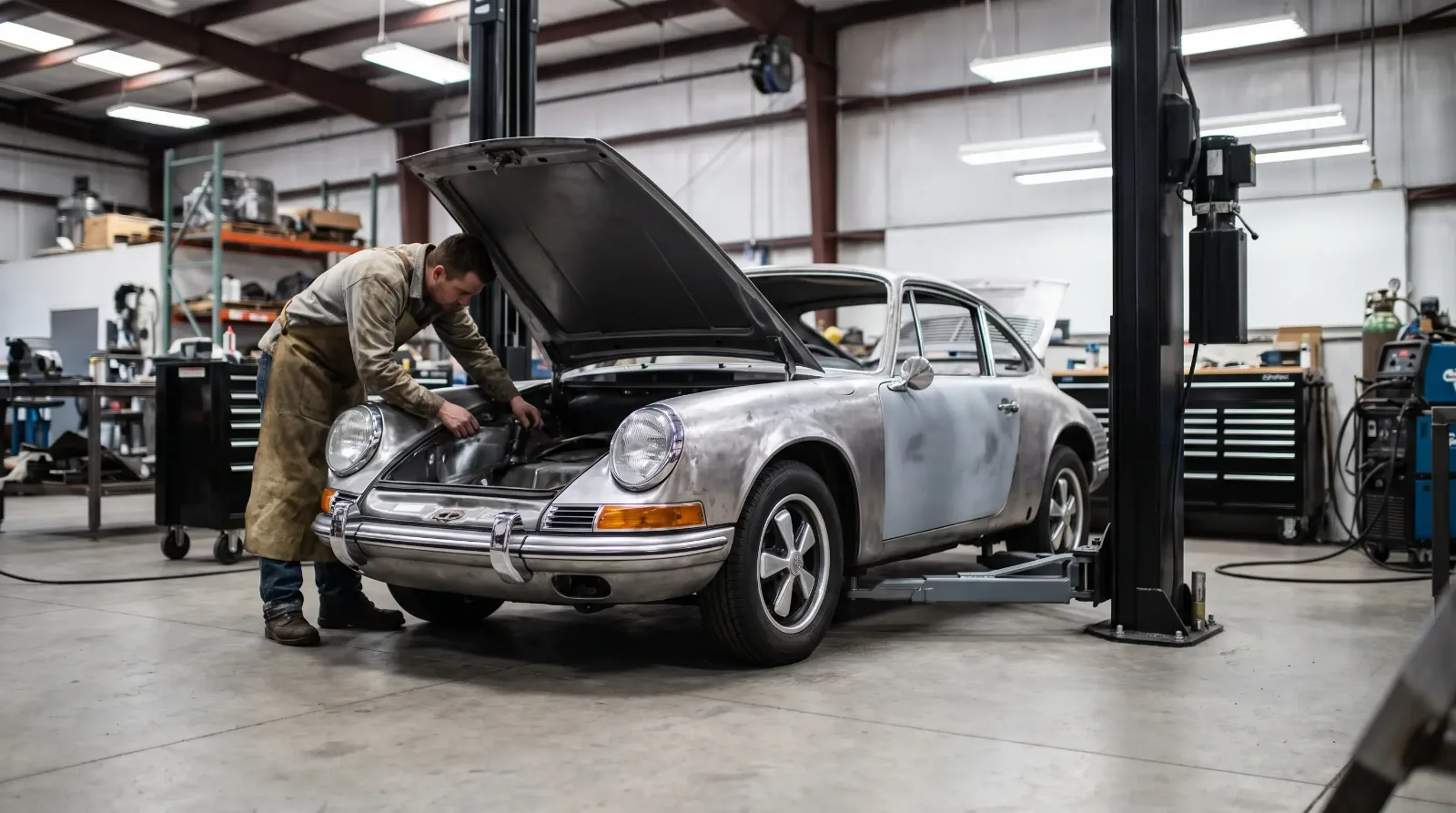
It also means ownership carries real maintenance discipline, not nostalgia alone. Valve adjustments on a schedule, careful attention to oil temperature on long highway stretches, and a mechanic who understands the specific quirks of a given engine generation matter more here than they would on a modern car built to be serviced by anyone with a diagnostic laptop. Owners who skip that discipline find out quickly that a forty-year-old engine, however well engineered, still needs the kind of attention its original buyers gave it without a second thought.
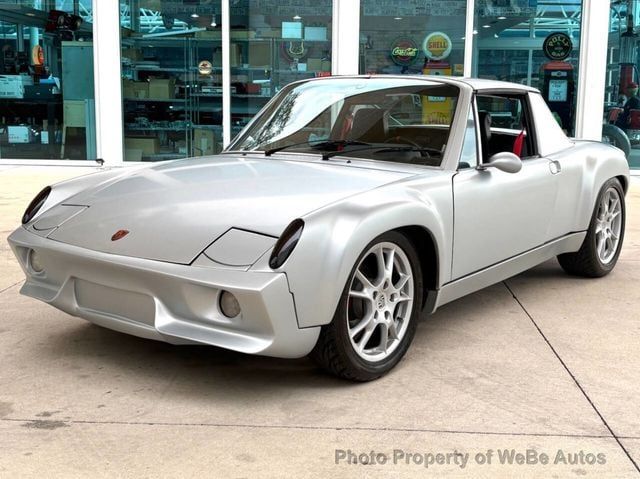
None of this happened by accident, and none of it happened quickly. The story runs backward through the 911 saga to a 1963 decision to build a successor to the 356 that nobody could have guessed would still be discussed with this much reverence six decades later. Readers who want to see how collectors reverse-engineer that reverence into their own garages should look at a companion piece on the backdating movement, where builders deliberately strip later cars back toward the look and feel of the earliest ones.
Why the ending of an era became the beginning of its value
The man in Ohio never explained his 911 to anyone who did not already understand it, and he never really needed to. Air-cooled Porsches became collectible because enough people like him kept caring quietly, for reasons that had nothing to do with market timing, until the market finally caught up to what they already knew. That is a slower, less exciting story than a headline auction result, but it is the true one.
Sources and notes
- Hagerty Insider: The Porsche 911 market is still cooking
- Hagerty: 1994-98 Porsche 911 (993) values are stalling out, and here's why
- Porsche 911 (993) - Wikipedia
- Porsche: 7 things you need to know about the 911 type 993
- Hagerty Valuation Tools: Porsche 911
- Porsche 911 Generations - All Models Explained