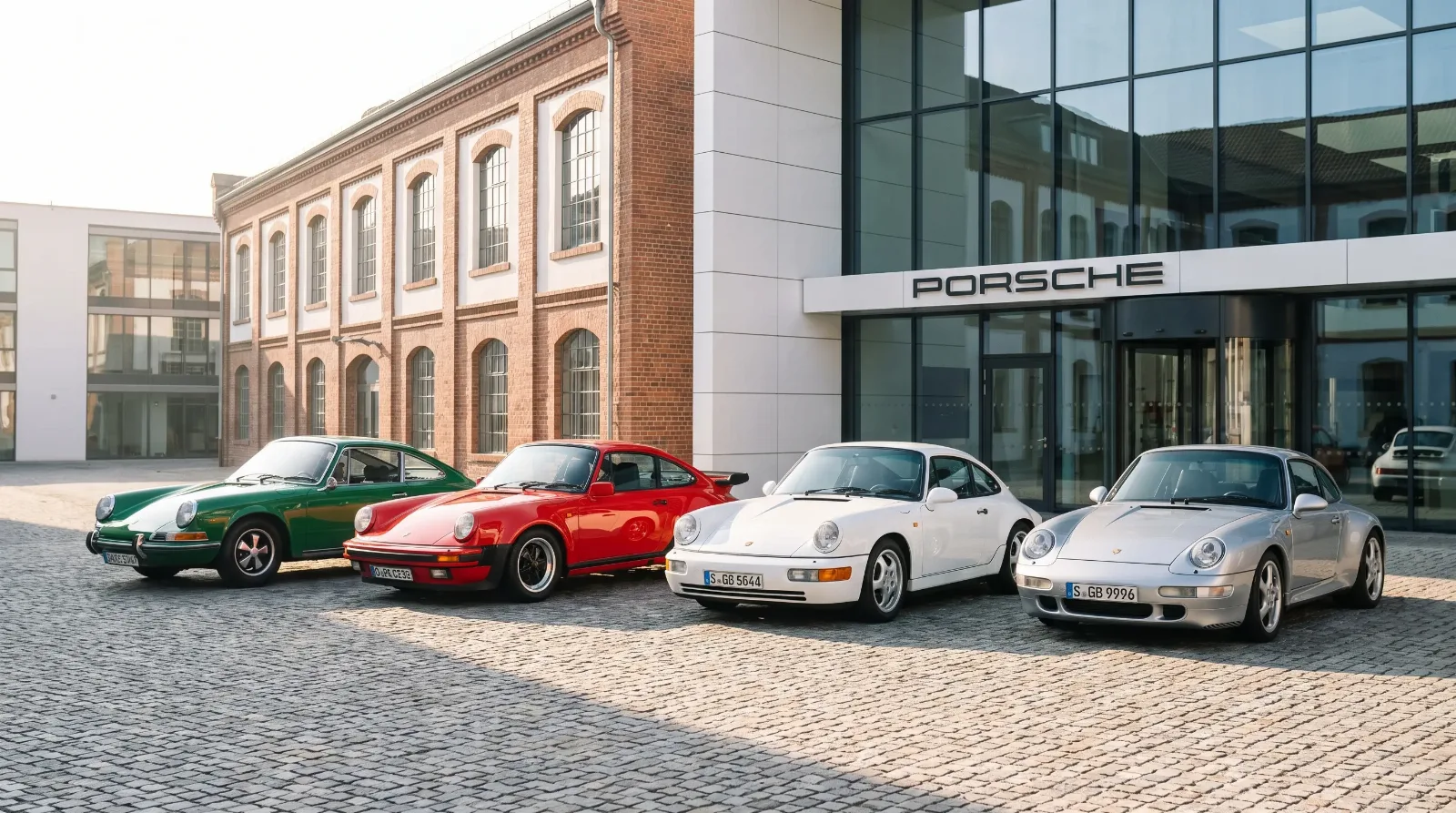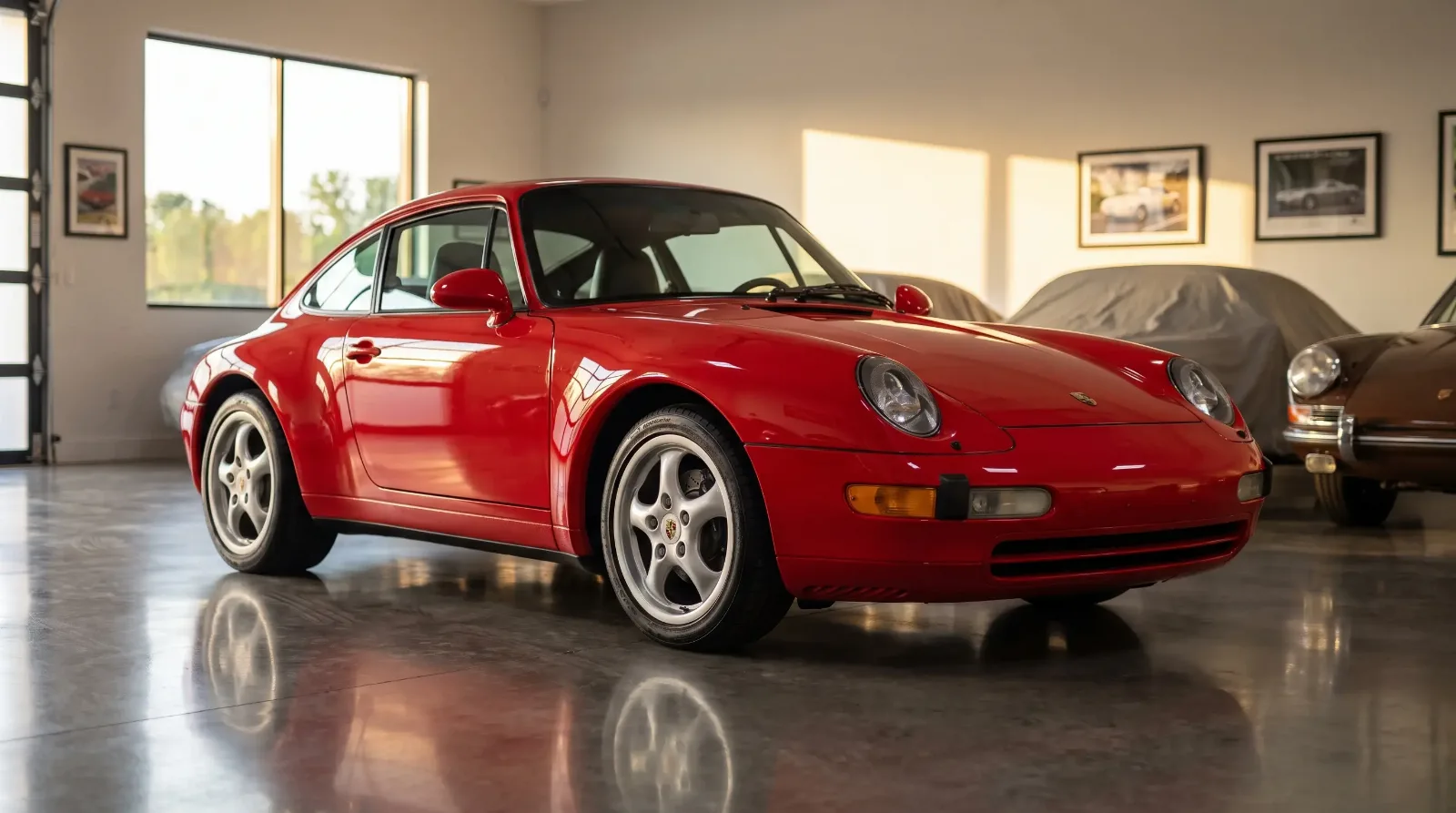
A man in Huntington Beach spent eleven months and roughly $180,000 turning a tired 1990 Carrera 2 into something that looked, at a glance, exactly like a 1967 911S. The chrome bumpers were gone. The whale-tail was gone. The dashboard, the door handles, even the shape of the fenders had been reworked to erase three decades of Porsche design history. He was not restoring the car. He was building a porsche 911 backdate, and by the time it was finished, collectors who knew the difference between a real long-hood and a clever fake were lining up to look under the hood, because the giveaway is never the sheet metal. It's what's bolted underneath it.
Backdating is one of the strangest, most argued-over corners of the Porsche world, and it has been for close to twenty years. It is part restoration, part hot rod, part forgery in reverse. A builder takes a later 911, usually a 964 or 993 from the 1990s, strips it down, and reshapes it to resemble the narrow-body long-hood cars built from 1963 to 1973. Done badly, it looks like a costume. Done well, it looks like the car Porsche would have built if it had kept refining the original shape instead of chasing bumper regulations and bigger engines.
What backdating actually means
The core idea is simple even if the execution is not. Later air-cooled 911s, particularly the 964 (1989 to 1994) and 993 (1993 to 1998), share enough of their basic structure with the earliest cars that a skilled fabricator can convert the bodywork to the long-hood profile: a lower, longer front hood line, slimmer bumpers integrated into the fenders rather than bolted on top, and the absence of the impact-bumper ugliness that federal regulations forced onto Porsche starting in 1974.
What the buyer gets, in theory, is the best of two eras. The visual purity of a 1967 911, combined with the galvanized steel, better rust protection, more modern suspension geometry, and fuel injection reliability of a car built twenty or thirty years later. It is a car that looks like it belongs in a black-and-white photograph from Targa Florio and drives like something you can actually take to work on a Tuesday.
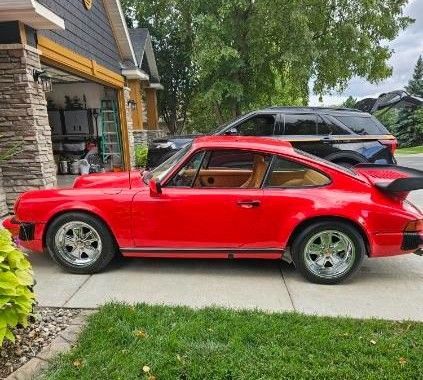
Not every backdate starts from a 964 or 993. Plenty of builders work from earlier G-series cars from the mid-1970s through the 1980s, since the structure underneath the ugly bumpers is closer to the original shape than people assume. The rarer and more expensive builds, the ones collectors actually chase, tend to start with the later, more mechanically sorted chassis.
Where the movement started
Backdating did not begin as a business. It began as a workaround. Through the 1980s and 1990s, early long-hood 911s were unfashionable and cheap, and a lot of them had been crashed, rusted, or crudely modified by owners who could not afford anything nicer. Rather than pay for a full concours restoration on a genuinely rare early car, some owners and small shops started grafting long-hood styling cues onto sounder, later donor cars. It was a practical fix for a practical problem: real 1967s were getting expensive and hard to find in good shape, and the people who wanted that look didn't always need the numbers-matching pedigree to go with it.
Rod Emory, working out of Southern California, is usually credited with pushing the idea from garage trick to genuine craft. His family had been building hot rods for generations before he turned that same fabrication sensibility toward 911s, and his "Outlaw" builds in the 1990s and early 2000s treated the long-hood shape less like a museum piece and more like a canvas. Around the same time, European tuners were doing versions of the same thing for customers who wanted a lighter, purer 911 without giving up modern drivability.
The idea stayed a niche curiosity until Singer Vehicle Design, founded in 2009, turned it into a full commercial proposition. Singer does not use the word backdate; the company calls its cars "reimagined" 964s, and the distinction matters to them. But the underlying concept, a later chassis reshaped and re-engineered to channel an earlier era, is the same family of idea, executed at a scale and price point, commissions built on a 964 donor typically start around $400,000 to $500,000 and often run well past $1 million, that turned backdating from a subculture into a recognized category collectors now budget for specifically.
Inside a backdate build
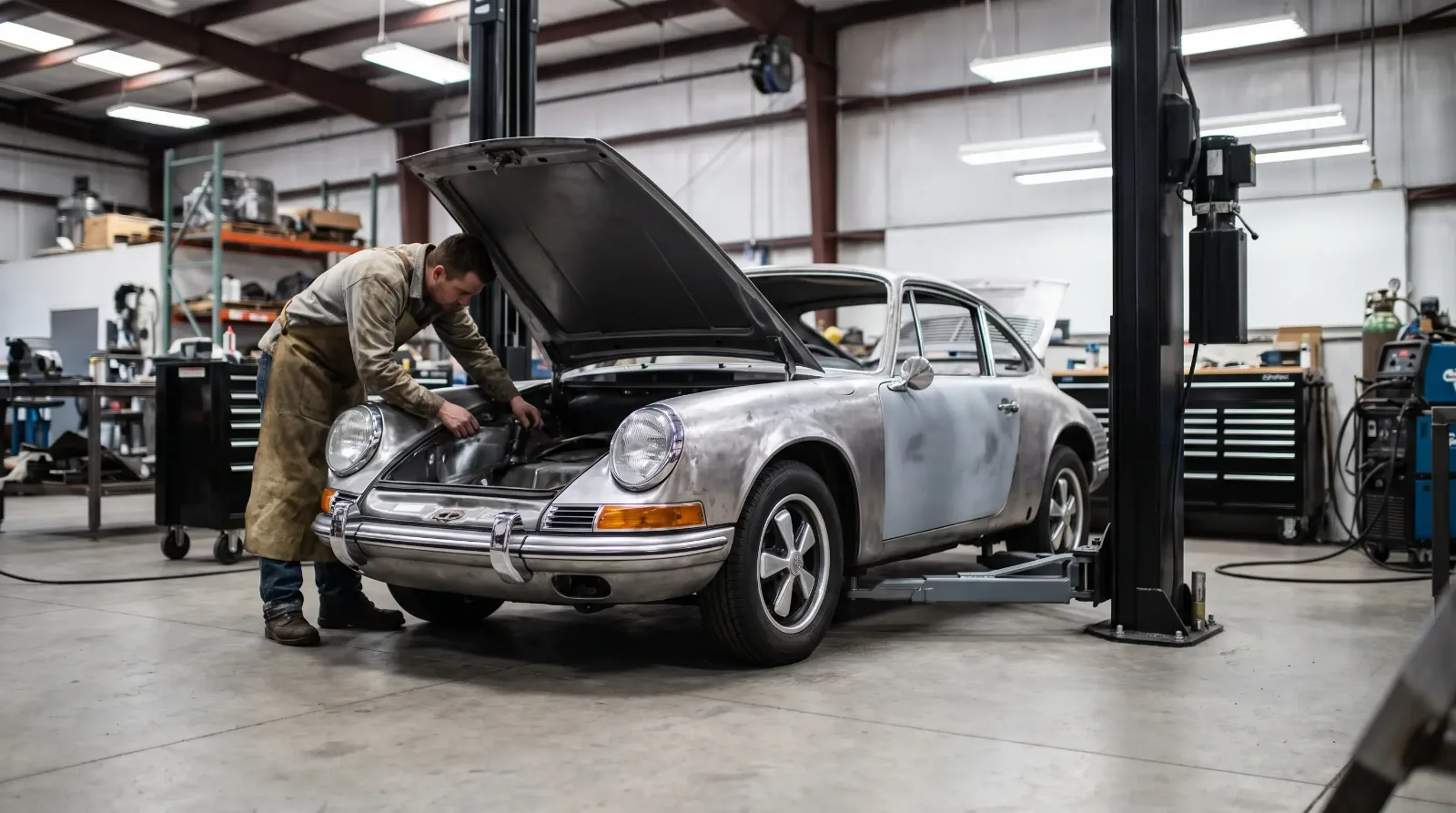
A serious backdate is not a bolt-on kit, whatever the online parts catalogs might suggest. The fenders are typically narrowed and reshaped by hand, the front hood is re-skinned or replaced with a long-hood-style panel, the bumpers are shaved down or replaced entirely, and the trim, badges, and lighting are swapped to match the earlier look. Interiors often follow the same logic: simpler dashboards, smaller steering wheels, houndstooth or basketweave upholstery patterns that read as period-correct even though the seats underneath might be modern units reupholstered to match.
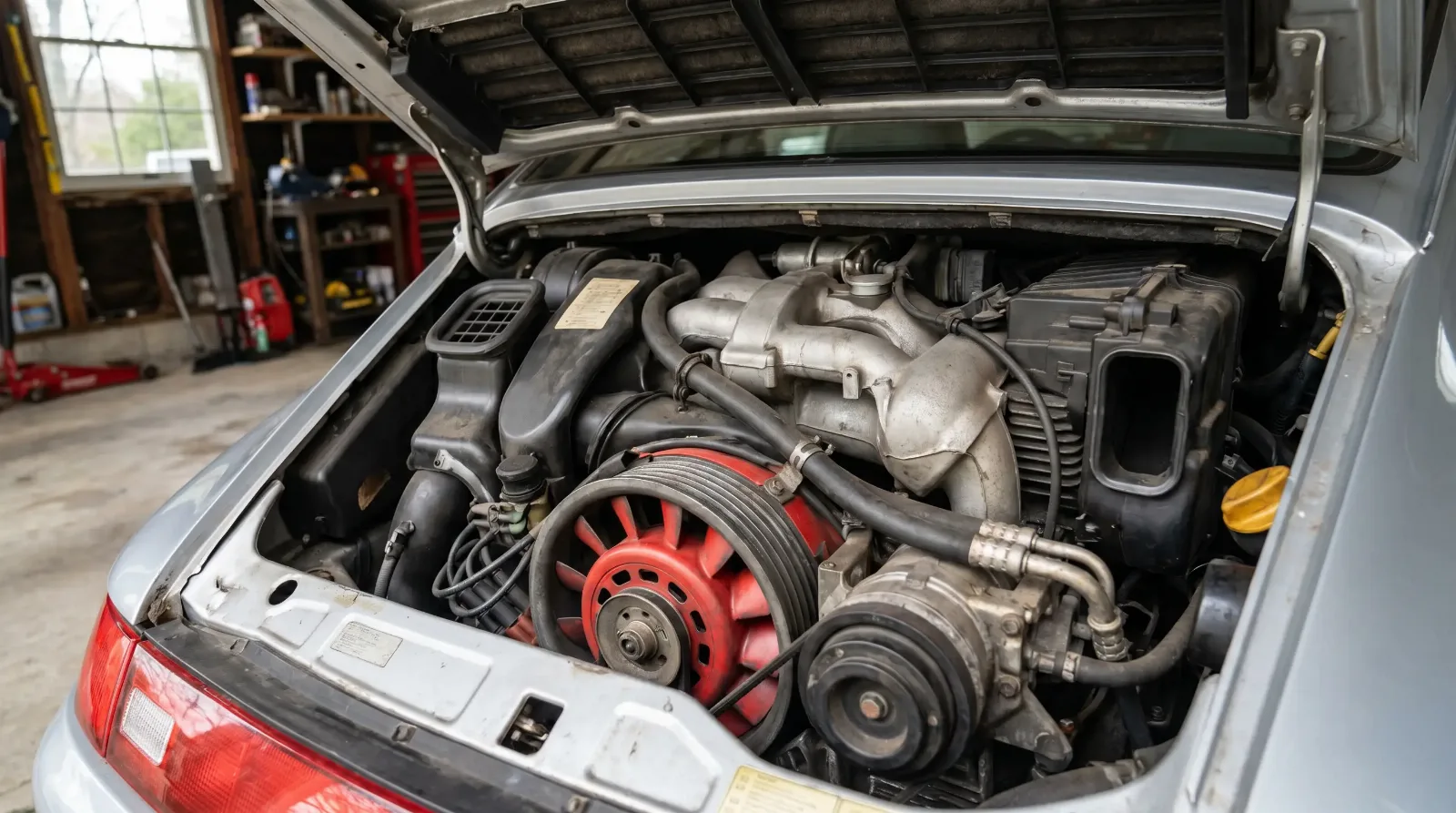
Engines are where builders diverge the most, and where a related deep-dive into how the flat-six changed across the decades becomes useful context. Some backdate builds keep the donor car's later, larger displacement engine and just clean up the presentation. Others go further, fitting big-bore kits, twin-plug ignition, or period-style Weber carburetors to chase a specific vintage character rather than outright horsepower. A well-sorted 3.6 or 3.8 liter backdate build can make well over 300 horsepower, a figure the original long-hood cars never got close to, which is part of the appeal and part of the controversy.
The suspension and brakes usually stay modern, or get further upgraded, because there is no romantic argument for keeping 1967-spec drum-adjacent brakes on a car that might see a track day. That mechanical honesty, keeping the parts that matter for safety and drivability modern while making the parts you look at nostalgic, is the whole philosophy in a sentence.
"Nobody who actually loves these cars is trying to fool anybody. A backdate owner will tell you what it is before you even ask. The people who get uncomfortable with backdating are usually the ones who think a Porsche's value only lives in its build sheet, and I understand that instinct, I just don't share it. Some of the best driving 911s I've been in are cars that never left the factory looking the way they look now."
— Patrick Walsh
Singer, Emory, and the builders who made it respectable
Singer Vehicle Design remains the name most casual enthusiasts recognize, largely because its cars show up at concours events and get covered by mainstream automotive press the way few tuner shops ever do. The company's approach treats every panel gap and switch weight as a design problem to be solved from scratch, and the waiting list and price tag reflect that level of obsession. Emory Motorsports, Rod Emory's operation, occupies a different but equally respected lane, closer to the original outlaw spirit, with builds that feel more like hot rods with Porsche DNA than jewelry.
Below those two headline names sits a wider ecosystem of smaller shops, some based in Germany where the original 911s were built, some scattered across the United States, each with its own take on proportion, stance, and which model year's nose looks "correct." That variation is part of what makes backdating interesting to follow as a category rather than dismiss as a fad. There is no single agreed template. Two builders working from the same 964 donor can produce cars that look, drive, and feel genuinely different, which is more than can be said for most factory-original model years.
Collector attention has followed the craftsmanship. Auction houses now list high-end backdate and reimagined builds as their own category, distinct from numbers-matching original cars, and the better-known builder names carry real premiums, the same way a coachbuilder's plate mattered on a pre-war chassis.
Buying into the backdate world
Anyone shopping a backdate build, rather than commissioning one, needs to ask different questions than they would for an original long-hood 911. Provenance still matters, just differently: who did the work, what donor chassis and year did it start from, and is there documentation of the build process itself, since a backdate has no factory build sheet to fall back on.
None of this makes backdating a shortcut to owning the 911 saga at a discount. A good build costs real money, often more than a tired original long-hood car in similar condition, and a bad one can cost more to fix than it would have cost to buy right the first time. What backdating offers instead is a version of the early 911 shape built by someone who actually thought about how it should drive today, not just how it looked six decades ago, and for a certain kind of enthusiast, that trade is worth every hour it took to make.