
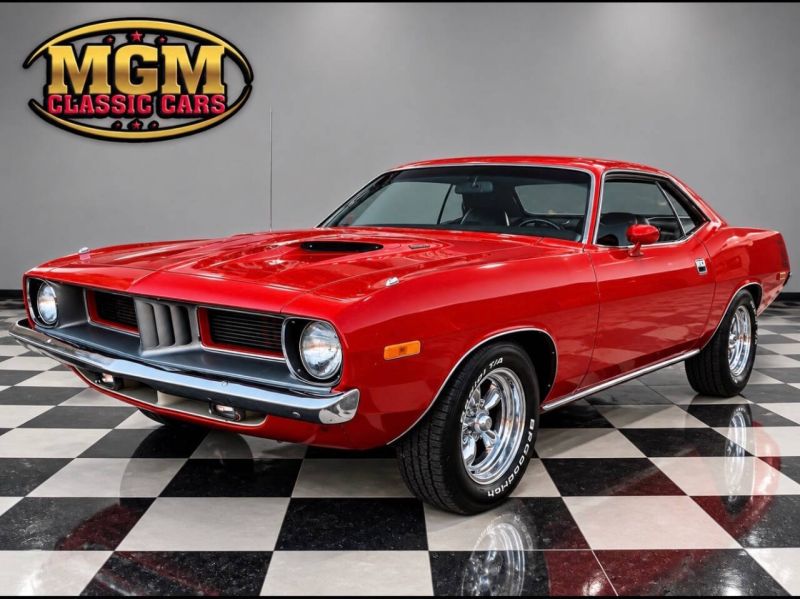
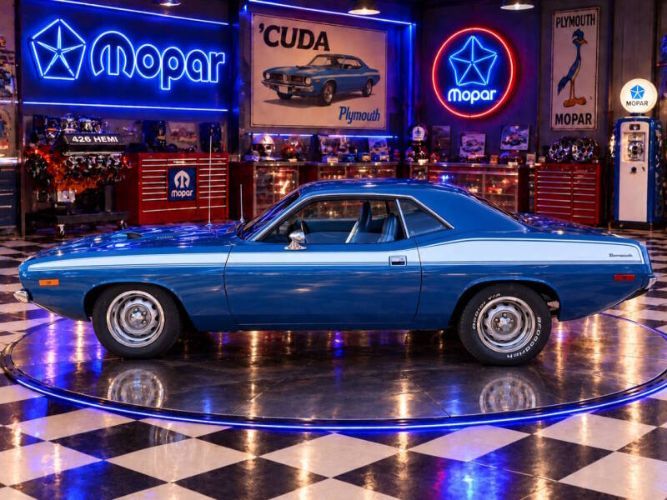
The 1969 Barracuda 440 surprise is not a myth dealers made up to move iron. Plymouth genuinely built a run of Barracudas with the 440 cubic inch big block stuffed under the hood that year, a full generation before anyone expected a factory to try it again on this chassis, and it caught buyers and competitors off guard in equal measure.
Car Features
6 min read
The 1969 Barracuda and the 440 Surprise
In 1969 Plymouth wedged a 440 cubic inch big block into a limited run of Barracudas. Here is why they did it, what it cost the chassis, and what it is worth today.
A bigger engine than anyone asked for
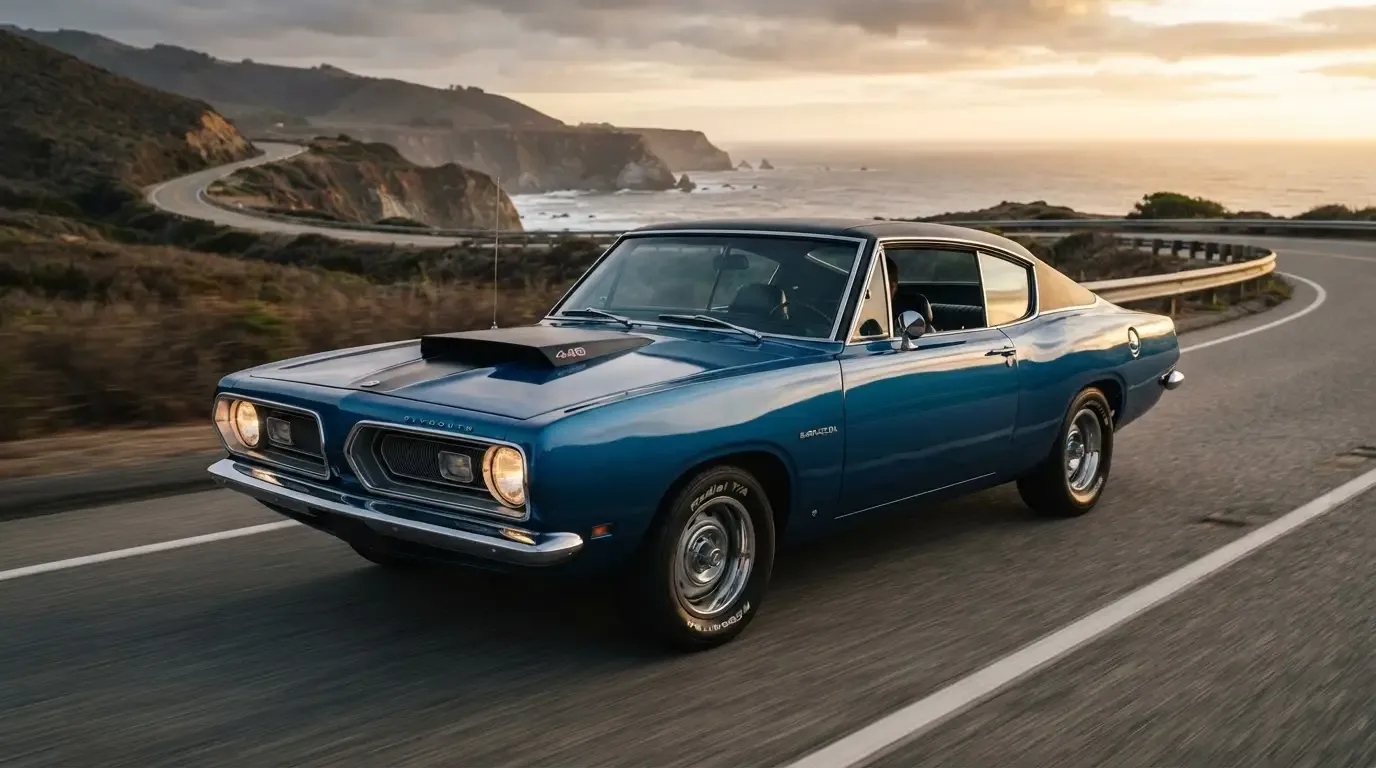
By 1968 the 383 already pushed the limits of what the A-body Barracuda chassis could comfortably swallow. The 440 was a genuinely bigger animal, both in displacement and physical size, and getting it into the same engine bay took real fabrication work rather than a simple parts swap. Plymouth built roughly 340 of these 440 equipped cars for 1969, all with automatic transmission, and that low number is small enough that survivors today are treated as a distinct and separate conversation from the regular Formula S lineup.
The result was blunt in the best sense. Torque numbers climbed well past what the 383 offered, and straight line acceleration became the whole point of the exercise. Handling suffered even more than it did with the smaller big block, since the extra weight sat even further forward over the front wheels. Nobody bought this car to carve a canyon road.
Why 1969 and not sooner
The timing tracked directly with what Ford and Chevy were doing in the same class. Drag strip bragging rights mattered to buyers shopping this segment, and a factory big block option that actually beat the competition's numbers gave dealers a real answer instead of a brochure promise. Plymouth had the 440 already in production for full size cars, so the engineering lift was about fitment and cooling rather than developing anything from scratch.
That practical origin story matters for anyone evaluating one of these cars today. This was not a halo project with unlimited engineering time behind it. It was a fast, aggressive answer to a competitive threat, built with parts Chrysler already had in inventory.
The cooling system tells the same story of pragmatic engineering under time pressure. A 440 makes considerably more heat than the smaller engines this chassis was designed around, and Plymouth addressed it with a larger radiator and, on some builds, additional ducting rather than a full redesign of the front clip's airflow. It worked well enough for the car's intended use, which was short bursts of hard acceleration rather than sustained highway cruising in summer heat, and owners today who plan to drive these cars regularly in warm climates should factor that history into their expectations.
Suspension changes followed the same logic. Heavier duty torsion bars and revised shock valving compensated for the added front weight, at least enough to keep the car controllable, though nobody who drove one back to back against a small block car mistook the 440 for the better handling machine. The engineering brief here was straightforward: make the big engine survivable in this chassis, not transform the chassis into something it was never meant to be.
What it means for buyers now
Here is the number that matters most. Documented 1969 440 Barracudas sell for a real multiple of a comparable 383 car, and that gap has only widened as collectors have come to understand how few were actually built. Undocumented claims of a 440 swap do not carry the same weight, because the combination of low production and high demand means buyers and appraisers alike expect real paperwork before they take the claim seriously.
Condition assessment on these cars requires more scrutiny than usual, specifically around the front frame rails and engine mount areas, since the added mass and torque load put more stress on structure that was never originally engineered for this much weight and force. A car that looks clean in photos can still be hiding real fatigue in exactly those areas.
Parts availability is another practical factor buyers underestimate. Because the run was small, certain trim pieces and engine specific brackets are harder to source today than equivalent parts for the far more common small block cars. A missing or incorrect bracket does not always show up in photos, and a knowledgeable inspection in person catches details that a listing description conveniently glosses over. Budget for this reality before you fall in love with a specific car online.
Insurance and storage costs also run higher on a documented 440 car simply because the replacement value sits well above a typical small block Barracuda. Buyers moving from a more common muscle car into this specific niche should price that difference into their ownership plan before the purchase, not after the first renewal notice arrives.
| Spec | Detail |
|---|---|
| Engine | 440 cubic inch V8 |
| Model year | 1969 |
| Production | Approximately 340 units, automatic transmission only |
| Collector position | Significant premium over 383 equipped cars |
Bottom line
The 1969 Barracuda 440 is proof Plymouth was willing to take a real engineering risk to win a straight line argument. It is not the most balanced car this generation produced, and it was never trying to be. If you want the fuller context on how this generation developed leading up to that decision, where this started lays out the platform's evolution year by year. When you are ready to look at real inventory rather than just history, there is usually a classic Barracuda for sale worth cross shopping against whatever specific year or engine you are chasing.
"People ask if the 440 was worth the compromise. Depends what you were buying it for. If the answer was a quarter mile number, yes. If the answer was a corner, absolutely not."
- Dan Reeves
The 1969 Barracuda 440 surprise earned its name honestly. Nobody expected Plymouth to push this far on a chassis that was already stretched thin by the 383, and the fact that they did it anyway says more about the competitive pressure of that era than any single spec sheet number ever could. Buyers chasing this specific car today are not chasing balance or refinement. They are chasing the exact moment Plymouth decided winning the drag strip argument mattered more than winning the corner, and that is a genuinely different collector proposition than any other engine option in this generation's lineup, worth understanding fully before the checkbook comes out.
Sources and notes
Related Reading

About the author
Dan Reeves
Performance engine builder from North Carolina's motorsports corridor, focused on swaps, forced induction and making real, repeatable power.
Related Listings - Plymouth Barracuda

Comments
Be the first to comment on this article.