
The Mod Top Barracuda is the car that proves Detroit tried everything in the late sixties, including a floral vinyl roof on a pony car. Plymouth offered this option for a short window, and it is one of the strangest factory choices you will find on any Barracuda, full stop. Most guys who wrench on these cars have an opinion about it, and most of those opinions are strong.
Car Features
6 min read
The Mod Top Barracuda: Flower Power on the Roof
Plymouth briefly offered a floral vinyl roof on the Barracuda. Here is why the Mod Top existed, why it flopped, and why documented survivors matter to collectors now.
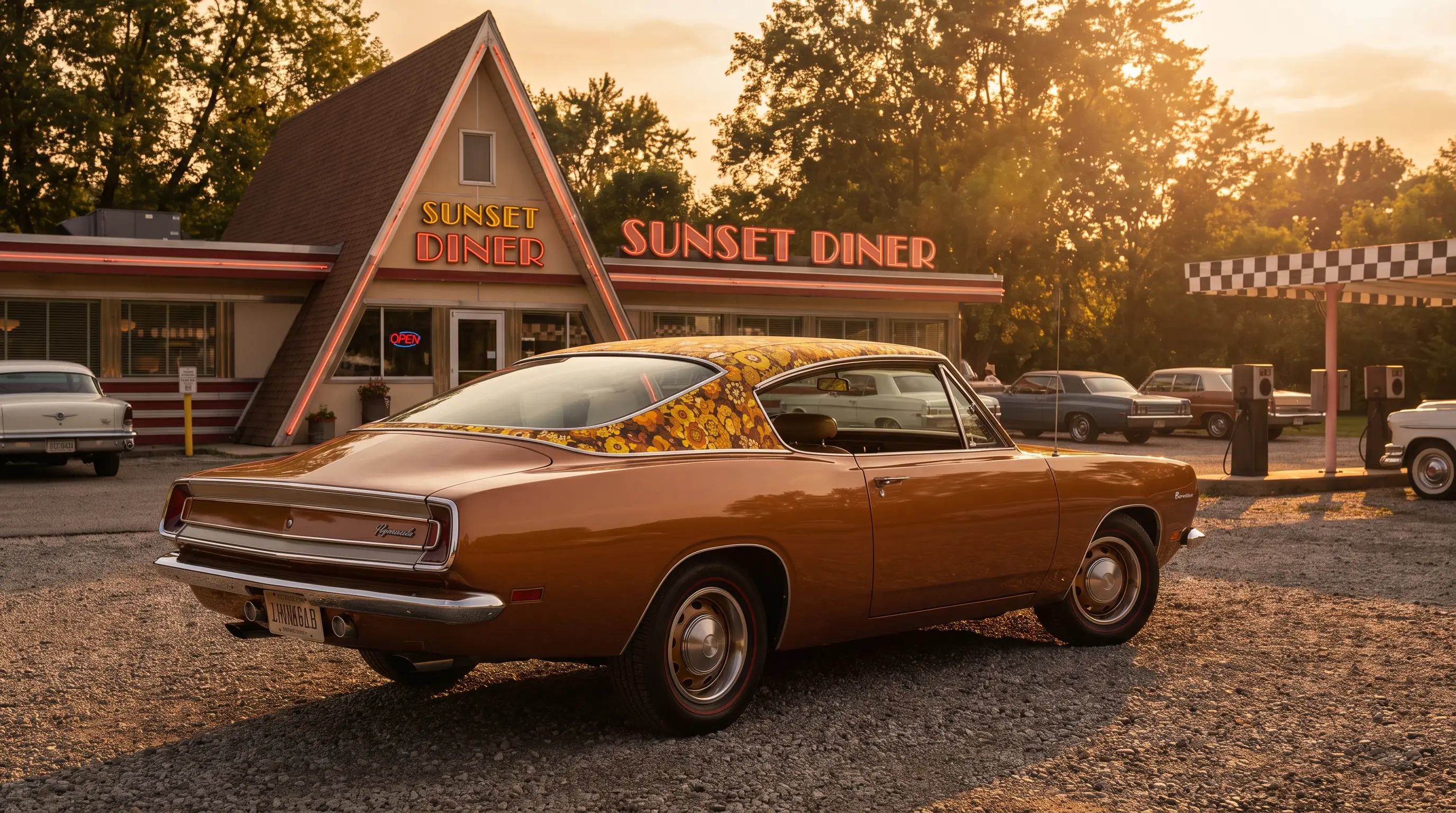
What Plymouth actually put on the roof
The Mod Top was a patterned vinyl covering, floral in design, applied over the roof and sometimes matched with coordinating interior trim and even a matching vinyl bag option. It showed up during a period when the entire industry was chasing a younger buyer with brighter colors, louder graphics, and options nobody's grandfather would have ordered. Plymouth was not alone in trying this. Dodge ran a similar option on some of its cars around the same time. The Barracuda version is the one people remember, mostly because it looks so out of place on a car built to be aggressive.
From a shop floor perspective, this was just another vinyl top install with a printed pattern instead of a solid color. The adhesion process, the trim moldings, all of it followed the same procedure as any other vinyl roof job of the era. The difference was purely cosmetic, and that is exactly why it stands out fifty years later. Nobody forgets the mechanical parts of a car. Everybody remembers the one that showed up with flowers on the roof.
Why it did not last
Sales numbers on the Mod Top were never strong, and the option disappeared from the lineup fairly quickly. Plymouth built roughly 937 Mod Top Barracudas for 1969, the option's main year, and the take rate collapsed further to a reported 84 cars before the option was dropped after 1970. Buyers shopping a pony car in this era mostly wanted the aggressive look, not a floral pattern that read more like upholstery fabric than automotive styling. The option existed at the intersection of a marketing department chasing a trend and a customer base that, by and large, did not want it.
That short production window is exactly why surviving examples matter today. A genuine, factory documented Mod Top is rare specifically because so few were ordered and because vinyl tops in general do not survive fifty plus years of sun exposure without replacement. Most of what is out there now is a reproduction pattern applied during a restoration, not an original survivor.
Assessing one in person
If you have ever tried to source a correct reproduction of this pattern, you already know it is not a simple parts counter order. Vendors who specialize in Mod Top reproduction are limited, and matching the original pattern scale and color accurately takes more research than a standard solid vinyl top job ever requires. Get the pattern wrong and a knowledgeable judge at a show will spot it from ten feet away, which is exactly why so many buyers lean on club members and marque specialists before committing to a purchase.
Rust under a vinyl top is common on cars of this era regardless of pattern, since the vinyl trapped moisture against the sheet metal for decades before anybody thought to check underneath. That is the first thing any knowledgeable buyer looks for on a Mod Top car, original or restored, because the pattern itself tells you nothing about what condition the roof skin is actually hiding.
Reproduction quality varies a lot between vendors, and the difference is obvious the moment you set two examples side by side. Pattern scale, color saturation, and even the sheen of the vinyl itself have to match period photographs closely, or the car reads as an approximation rather than the real thing to anyone who has studied original examples. That gap in quality between a careful restoration and a rushed one is exactly why documented original survivors hold their value so much better than a car wearing a generic aftermarket pattern.
Trim moldings around the edges of the roof are their own small headache for anyone chasing originality, since correct pieces for this specific application are not always easy to source and reproduction parts vary in fit and finish depending on the vendor. A roof that looks right from across a show field can still fall apart on close inspection if the trim does not match what left the factory.
| Detail | Note |
|---|---|
| Option type | Patterned vinyl roof covering |
| Availability | Short production window, low take rate |
| Common issue today | Roof rust hidden under original vinyl |
| Reproduction status | Limited specialty vendors, pattern matching critical |
Is it worth chasing
Depends on what you want out of the car. A genuine surviving Mod Top commands real interest from collectors specifically because it is unusual, and unusual sells at a premium in this hobby when the documentation backs it up. A reproduction applied during a restoration is a fine way to build a conversation piece, but it will never carry the same weight as an original survivor with the paperwork to prove it.
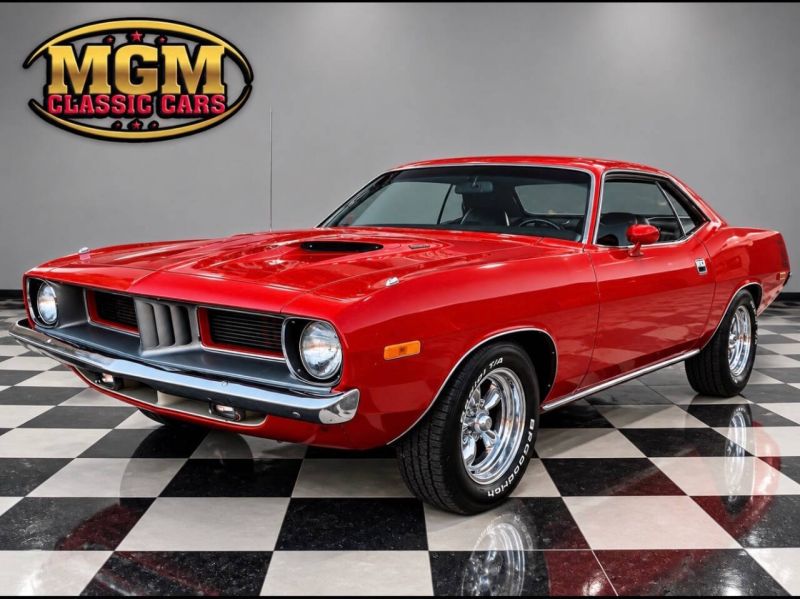
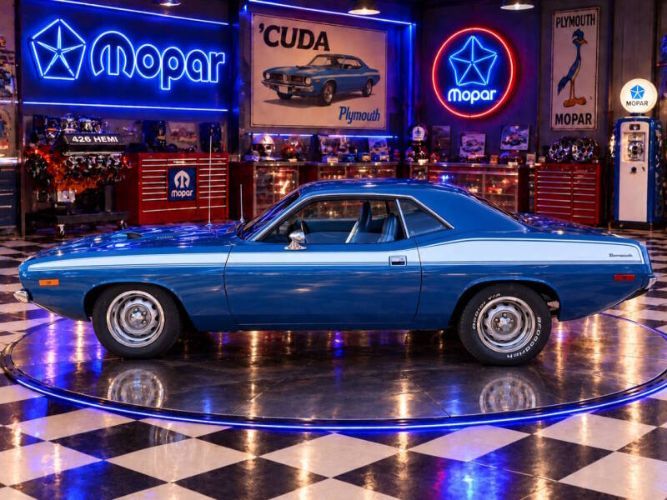
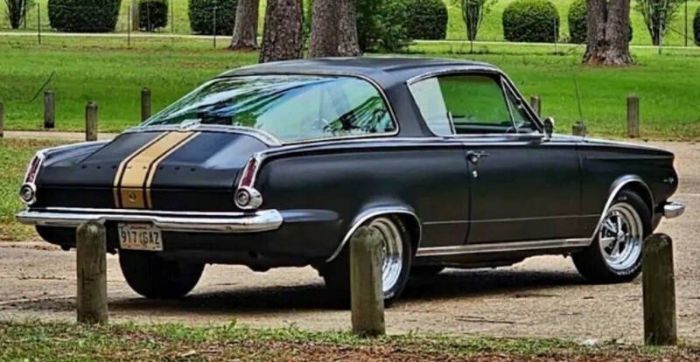
For the fuller context on how this generation of Barracuda developed, including the more mainstream options most buyers actually chose, the full story covers the platform from the ground up. If you are hunting for a real car rather than just reading about one, you can browse classic Barracuda listings and see what is actually available right now.
"Guys ask me if the Mod Top is a joke option. It is not. Somebody at Plymouth genuinely thought flowers on a pony car roof was going to sell. It did not, and that is exactly why the survivors are worth something now."
- Mike Sullivan
The Mod Top Barracuda is a small footnote in this generation's story, but it is a footnote that tells you something real about the era. Detroit was throwing ideas at the wall in the late sixties, and not everything stuck. This one did not sell well then, and that is exactly why it matters to the right collector now. A well documented Mod Top draws more attention on a show field than most people expect from a car most buyers in 1969 actively passed over, and that reversal is the entire reason it is worth understanding before you write it off as just a novelty option nobody in their right mind should have ordered back in the first place.
Sources and notes
Related Reading

About the author
Mike Sullivan
Detroit-area muscle car enthusiast and restoration specialist with three decades of hands-on experience working on American iron.
Related Listings - Plymouth Barracuda
Comments
Be the first to comment on this article.