
Picture a Plymouth dealer's lot on a spring morning in April 1964, two weeks before most Americans had ever heard the word "Mustang." A salesman is polishing a new fastback with a name nobody outside Highland Park recognizes yet, and he has no idea he is standing next to a genuine piece of automotive trivia. The debate over the first pony car barracuda claim has been running in bench-racing arguments and letters-to-the-editor columns for six decades, and it still gets people worked up at car shows.
Car Features
7 min read
Was the Barracuda the First Pony Car?
The Barracuda beat the Mustang to showrooms by two weeks, but the debate over which car really started the pony car segment is more complicated than the calendar suggests.
Two weeks that changed everything
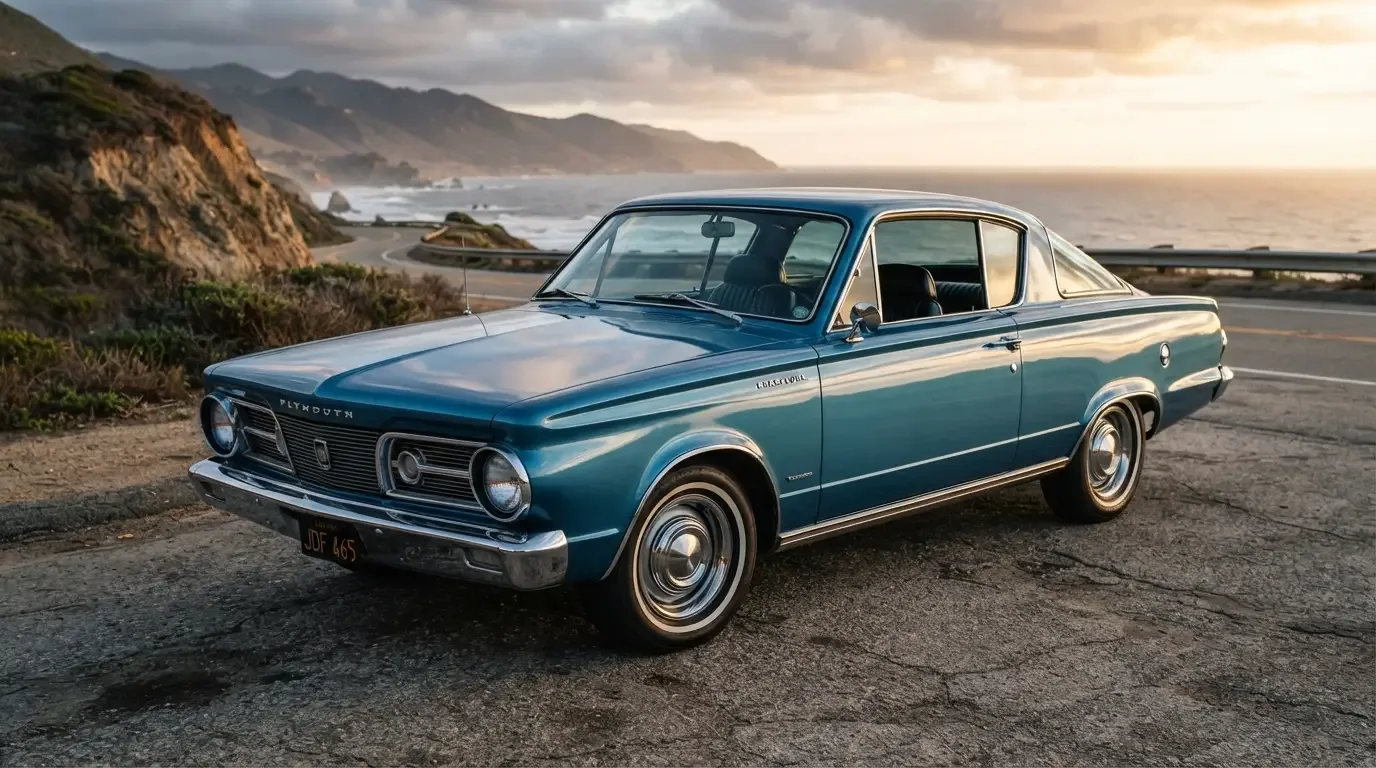
The facts on the calendar are not in dispute. Plymouth put the Barracuda on sale on April 1, 1964. Ford introduced the Mustang on April 17, 1964, at the New York World's Fair, with a rollout so loud it practically drowned out the memory that anything else had launched first. Two weeks separated the cars on paper, but in cultural memory the gap feels much larger, because Ford's marketing machine buried the Barracuda's head start under an avalanche of television spots, magazine covers, and a promotional blitz that Plymouth simply could not match with its smaller budget.
Being first on the sales floor is not the same as being first in the segment's founding idea, and that distinction is where the argument really lives. The Barracuda beat the Mustang to showrooms, full stop. Whether that makes it the "first pony car" in any meaningful sense depends on how you define the category it supposedly started.
What actually makes a pony car a pony car
The pony car formula, as it came to be understood almost immediately after the Mustang's launch, meant a compact, sporty coupe built on affordable mechanical bones, offered with a long options list that let a secretary and a hot rodder buy the same basic car and drive away with two very different machines. The Mustang nailed that formula from the day it launched: distinctive standalone styling, an enormous menu of engines and trim packages, and a marketing story built entirely around personal expression.
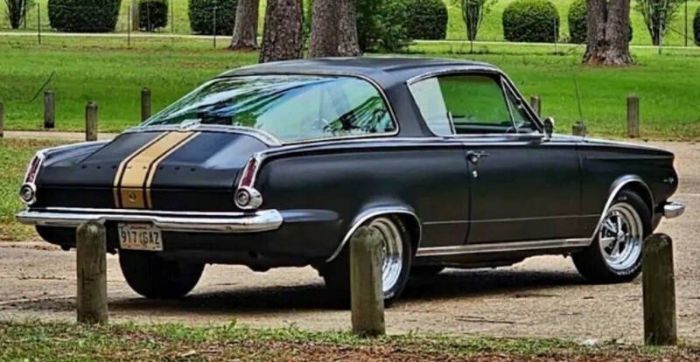
The Barracuda, by contrast, launched as a well-disguised Valiant. It shared its doors, floor pan, and much of its running gear with Plymouth's economy compact, dressed up with that dramatic fastback glass and a sportier interior. It was a genuinely good-looking car and a clever piece of engineering on a tight budget, but it did not present itself, at first, as its own distinct model the way the Mustang did. Enthusiasts who argue the Mustang deserves the "first pony car" title usually point to this difference: the Mustang arrived as a category-defining idea, while the Barracuda arrived as a very sharp variation on an existing idea.
"Being first to the parking lot and being first to define a category are two different kinds of history, and the Barracuda only won one of them."
- Patrick Walsh
Why the argument still matters to collectors
This is not just a trivia question for people who like being right at car shows. The "who was first" debate shapes how the two cars get talked about, priced, and displayed. Mustangs get the retrospectives, the anniversary editions, the museum floor space. Barracudas get a footnote and, often, a much better price for a comparable amount of period-correct engineering and rarity. Anyone who has spent time with both cars in person tends to walk away impressed by how much genuine engineering effort went into that early Barracuda glass and body, effort that rarely gets acknowledged because the car lost the marketing war before it ever really started.
Reading the 1964 plymouth barracuda story fills in the rest of that early history, including how quickly Plymouth had to react once it became clear Ford's launch was going to dominate the news cycle. It is worth understanding just how compressed Plymouth's development timeline really was, because that context explains a lot about why the car launched as a Valiant derivative rather than a standalone design.
The verdict enthusiasts keep circling back to
Most serious Mopar people land in the same place after enough late-night garage arguments: the Barracuda was first to market, no asterisk needed on that specific claim, but the Mustang defined the segment so completely and so quickly that it became the template every later pony car, Barracuda included, eventually had to follow. Plymouth's own second-generation redesign a few years later borrowed heavily from lessons the Mustang had already taught the industry about standalone styling and options-list marketing.
That is not a knock on the original Barracuda. If anything it makes the car more interesting, a genuine underdog story about a company that beat its biggest rival to the punch and still lost the argument over who invented the fight. You can read the full story of how the whole Barracuda line evolved across three very different generations, from that first Valiant-based fastback all the way to the Hemi-powered muscle car it eventually became.
How the two companies reacted to each other afterward
Plymouth did not sit still once it became clear the Mustang had won the marketing war. The Barracuda's later development, particularly the full redesign that arrived a few years after launch, borrowed directly from lessons the Mustang had already proven out, including a wider spread of body styles and a much longer options list. That willingness to learn from a competitor rather than simply defend the original concept says something about how seriously Chrysler took the loss, even while insisting publicly that the Barracuda's earlier launch date settled the "first" argument on its own terms.
Ford, for its part, never had much reason to acknowledge the Barracuda's two-week head start, since the Mustang's runaway sales made the point moot from a business standpoint almost immediately. It is only decades later, with both cars long since retired from production and viewed through a more even-handed historical lens, that the actual sequence of events gets discussed with any nuance.
What enthusiasts get wrong most often
A common mistake in casual conversation is treating this as a simple footrace with an obvious winner. The reality is closer to two companies solving the same market problem with different constraints and different appetites for risk. Ford bet big on a standalone design and a massive launch campaign. Plymouth made a calculated, budget-conscious bet on speed to market using existing components. Both bets paid off to different degrees, and neither approach was wrong on its own terms. The Mustang's approach built a cultural phenomenon. The Barracuda's approach built a genuinely clever car that never got the credit its engineering deserved.
That framing matters because it reframes the entire "first pony car" argument away from a simple win-or-lose question and toward a more interesting discussion about what actually defines a category versus what simply arrives in it first. Both answers are defensible, and the fact that the debate persists sixty years later is itself evidence that neither side has a fully satisfying knockout argument.
Where the cars stand today
Decades later, the practical result of this history shows up clearly in the market. Mustang prices carry a premium tied directly to that cultural head start, while early Barracudas remain a genuine value for buyers who care more about engineering and rarity than about which car got the magazine covers. That gap has narrowed somewhat as more collectors learn this history, but it remains sizable enough to matter for anyone shopping with a defined budget.
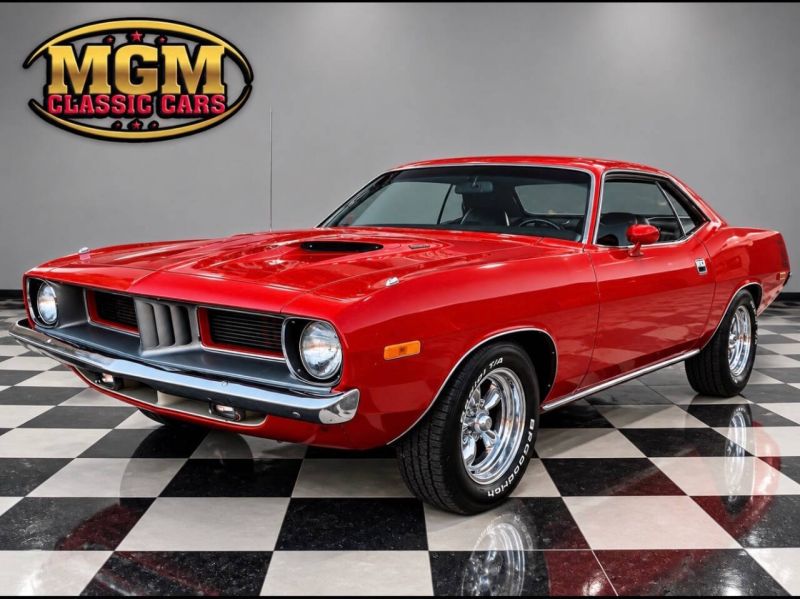
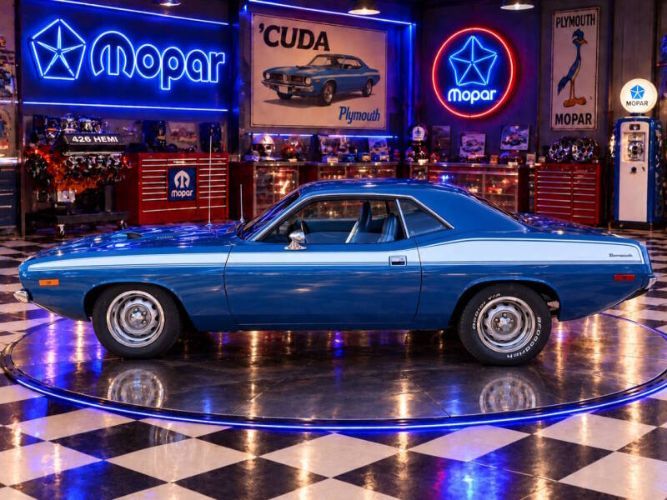
If that appeals to you, it is worth browsing classic Barracudas on the market to see how much genuine 1960s history is still available at a fraction of what a comparable Mustang commands, first-to-market bragging rights included at no extra charge.
Sources and notes
Related Reading

About the author
Patrick Walsh
Automotive journalist covering classic car shows, events, and the enthusiast community across North America.
Related Listings - Plymouth Barracuda

Comments
Be the first to comment on this article.