
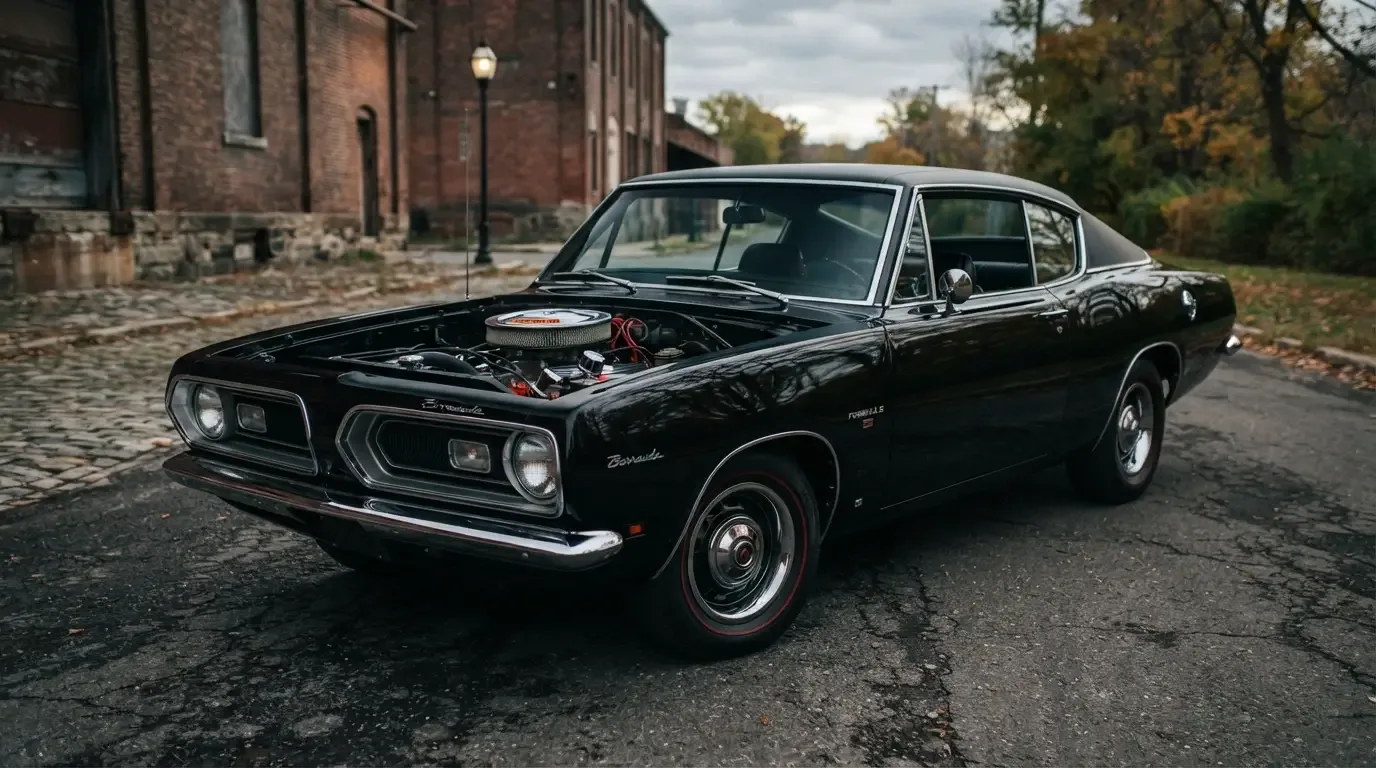
The Barracuda Formula S 383 answers a question nobody at Plymouth had really answered before 1967: how much big block can you stuff into a car this small before something has to give. The answer was a 383 cubic inch V8 wedged into an engine bay that had been designed around a slant six a few years earlier. It worked. Mostly.
Car Features
7 min read
The Formula S 383: Big-Block in a Small Car
Plymouth wedged a 383 cubic inch V8 into the Barracuda Formula S to answer the Mustang. Here is why it worked, what it cost the car, and what the market pays for it now.
The number that mattered
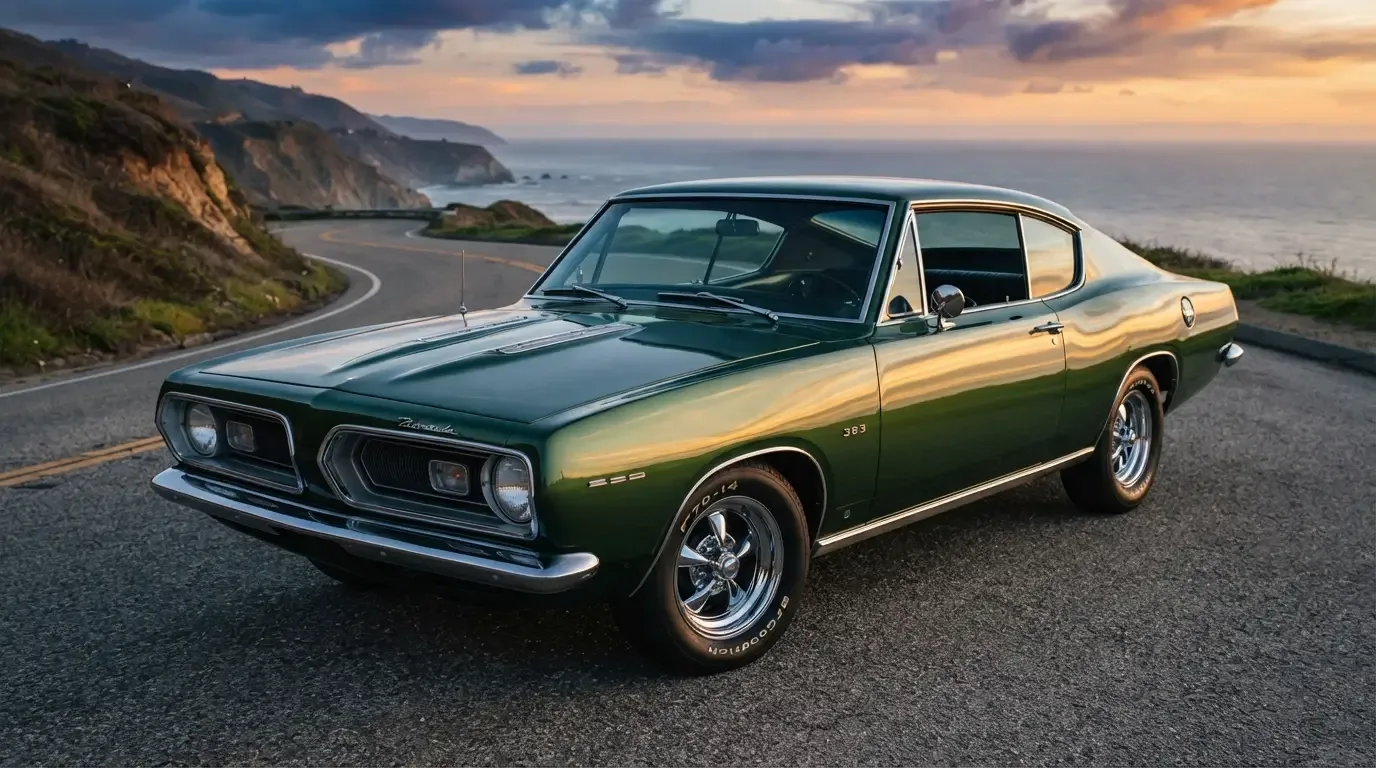
Two numbers define this car. 383 cubic inches, and a factory rating that climbed each year the option was offered: 280 horsepower for 1967, 300 horsepower once the engine got a revised design for 1968, and 330 horsepower by 1969. That output sounds modest next to what the same displacement produced in a full size B-body Plymouth, and it was, at least in the earlier years. The Barracuda's engine bay could not accommodate the big block's normal exhaust manifold routing, so Plymouth used a low restriction manifold setup that cost real power compared to the same engine in a Belvedere or Satellite.
Buyers who cared about a spec sheet number over an actual dyno pull did not always notice the difference. Buyers who raced the car noticed immediately. The 383 Formula S was quick in a straight line and heavier on the nose than the six or small block cars, a tradeoff that shows up the moment you turn the wheel hard.
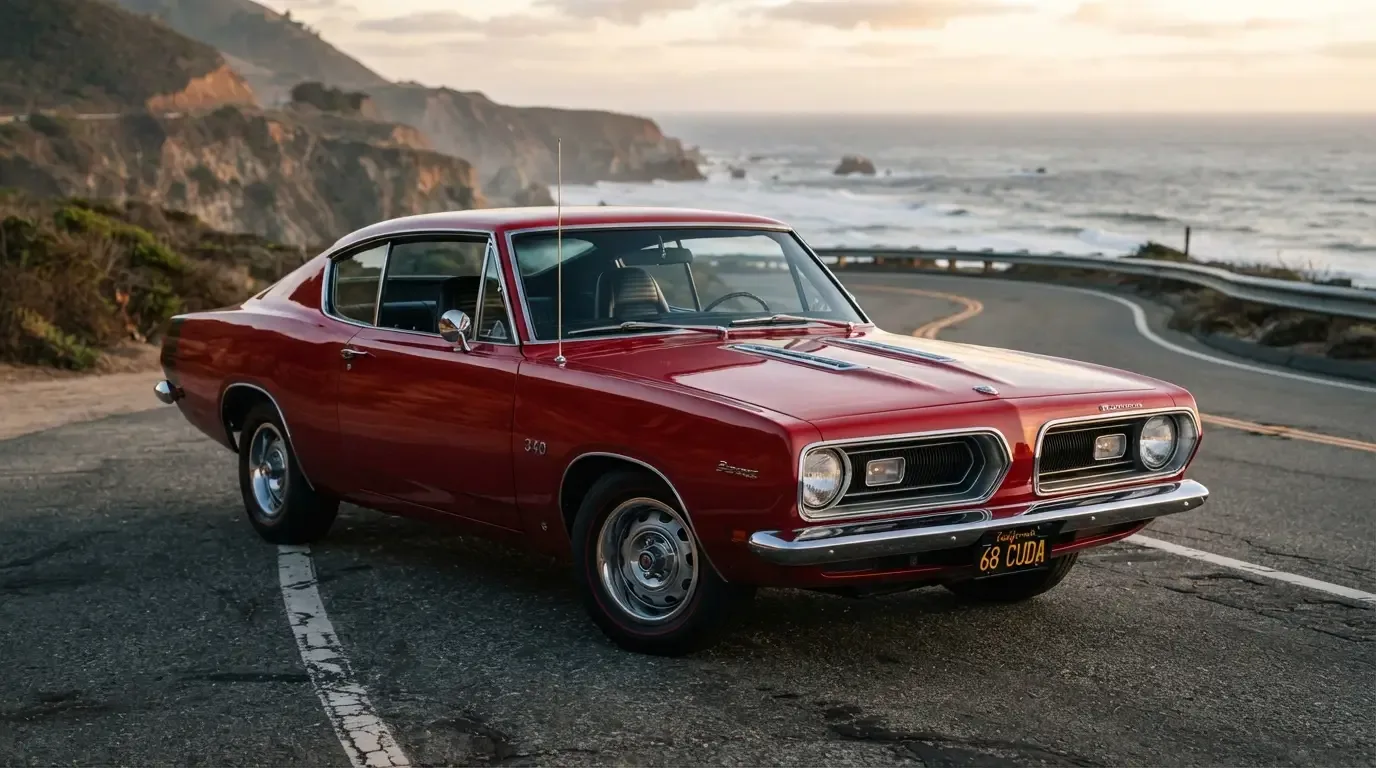
The trade off is worth stating plainly. A 340 powered Formula S weighs less over the front axle and turns in sharper. The 383 car pulls harder off the line and rewards a straight road more than a canyon full of switchbacks. Neither engine makes the other one wrong. They make two different cars wearing the same badge, and the buyer's job is figuring out which one actually matches how the car will get driven.
Why it existed at all
Plymouth built this car because the competition forced the issue. Ford had big block Mustangs on the way, and a pony car without a big block option in 1967 looked incomplete on paper even if the small block cars handled better in the real world. The Formula S package with the 383 gave Plymouth a checkbox to tick against the Mustang GT and the early big block Camaro conversations happening at dealerships.
The compromise was baked in from day one. The A-body platform under the Barracuda was never designed around a big block, and getting the 383 to fit required unique exhaust manifolds and, depending on year, changes to the front suspension to handle the added weight over the front wheels.
Plymouth's engineers were not building a race car here, they were building an answer to a sales problem. Chrysler had the displacement in house already, the 383 existed in the corporate parts bin for the full size cars, and adapting it to the A-body chassis was cheaper and faster than developing something purpose built. That is the practical reality behind most engine option decisions from this era. The big number on the brochure usually traces back to whatever engine the parent company already had tooling for, not a clean sheet design built around the smaller car's needs.
Dealers pushed the big block option hard in showroom conversations because it gave salesmen an easy answer to the inevitable question about whether Plymouth had anything to compete with a big block Mustang. Whether the car actually handled the extra weight gracefully mattered less on the sales floor than whether the number on the window sticker sounded competitive.
What the market actually pays for
Here is the blunt version. A documented, numbers matching Formula S 383 in solid original condition sells well above a comparable small block Barracuda from the same year. Rarity plus displacement equals a premium, and that premium has held even as broader muscle car values swung around over the last decade. Undocumented cars claiming a 383 swap do not command anywhere near the same number, because the market has learned to ask for paperwork first and admire the car second.
Condition matters as much as the engine code. A tired 383 car with rust in the trunk floor and a replaced interior is not worth chasing at a premium price just because the fender tag says big block. The engine gets you in the conversation. The rest of the car decides where the number actually lands.
| Spec | Figure |
|---|---|
| Engine | 383 cubic inch V8 |
| Factory rated output | 280 hp (1967), 300 hp (1968), 330 hp (1969) |
| Platform | A-body, not originally engineered for big block |
| Collector position | Premium over small block Formula S cars |
Bottom line
The 383 Formula S is not the fastest or the best handling Barracuda Plymouth ever built. It is the car that proved the platform could take a big block at all, and that alone earns it a permanent spot in any conversation about this generation. If you want the fuller picture of how the Formula S came to exist, read the background on the second generation cars. The 340 powered version of this same body is worth a look too, since it handles better and costs less to buy right. When you are ready to actually go find one, you can shop classic Barracuda listings and compare what is actually on the market.
"Everyone wants to talk about the horsepower number. Nobody wants to talk about the fender tag. Get the paperwork first."
- Dan Reeves
The Formula S 383 is a snapshot of a company solving a problem fast rather than perfectly. That is exactly why it still matters to people shopping this generation of Barracuda today. The car was never meant to be elegant about the swap. It was meant to answer the Mustang, and on that count, it did its job.
Living with the nose heavy feel
Owners who have put real miles on a 383 car describe the same thing consistently. The car pulls hard and stops later than a small block equivalent, because the extra iron over the front wheels changes both acceleration feel and braking distance in ways the factory drum brakes were not really built to handle. Front disc conversions became a common upgrade for exactly this reason, and a car that already has one installed is worth more to a driver even if a purist docks it slightly for originality.
None of that changes the basic appeal. Get one of these cars up to speed on a straight stretch of road and the reason people bought them in period becomes obvious immediately. It just is not the same experience as the lighter cars in the lineup, and buyers should walk in knowing that going in rather than discovering it on the test drive.
Sources and notes
Related Reading

About the author
Dan Reeves
Performance engine builder from North Carolina's motorsports corridor, focused on swaps, forced induction and making real, repeatable power.
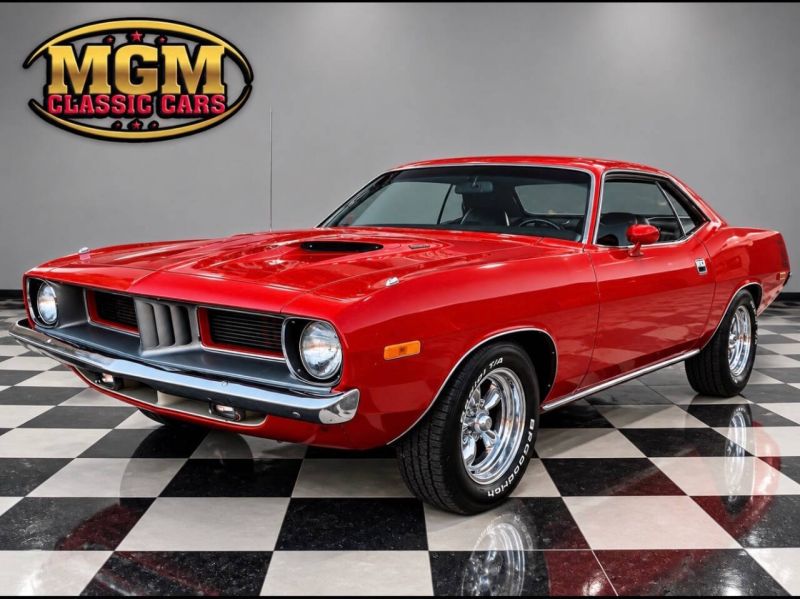
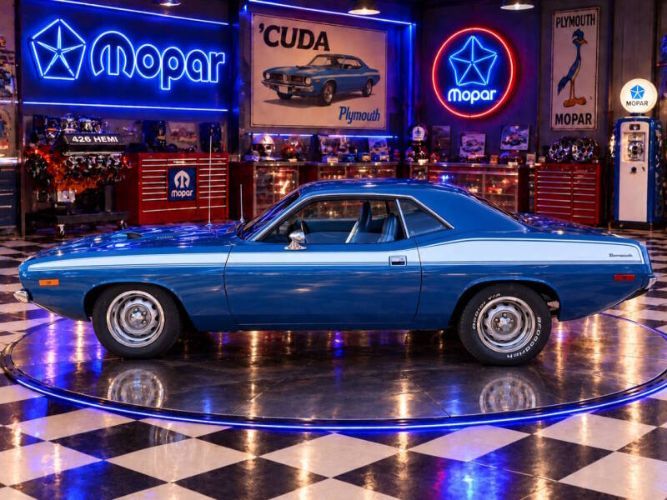
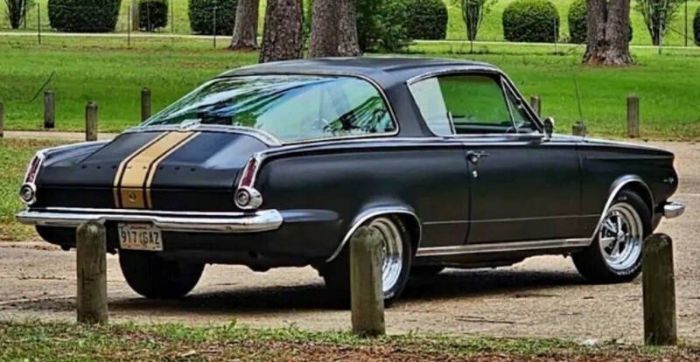
Related Listings - Plymouth Barracuda

Comments
Be the first to comment on this article.