
There is a guy at my local Mopar club, been showing the same fastback for going on fifteen years now, who still argues with anyone who will listen that the second generation Barracuda styling was the best thing Plymouth ever penned. He is not entirely wrong. Every time somebody parks a first generation Barracuda next to a 1967 model at a show, you can watch people's heads turn toward the newer car first, and that reaction has not changed in half a century of shows.
Car Features
7 min read
Second-Generation Barracuda Styling
Club nights are where second generation Barracuda styling gets argued over year after year. Here is why the debates never end and why the shape still stops people at shows.
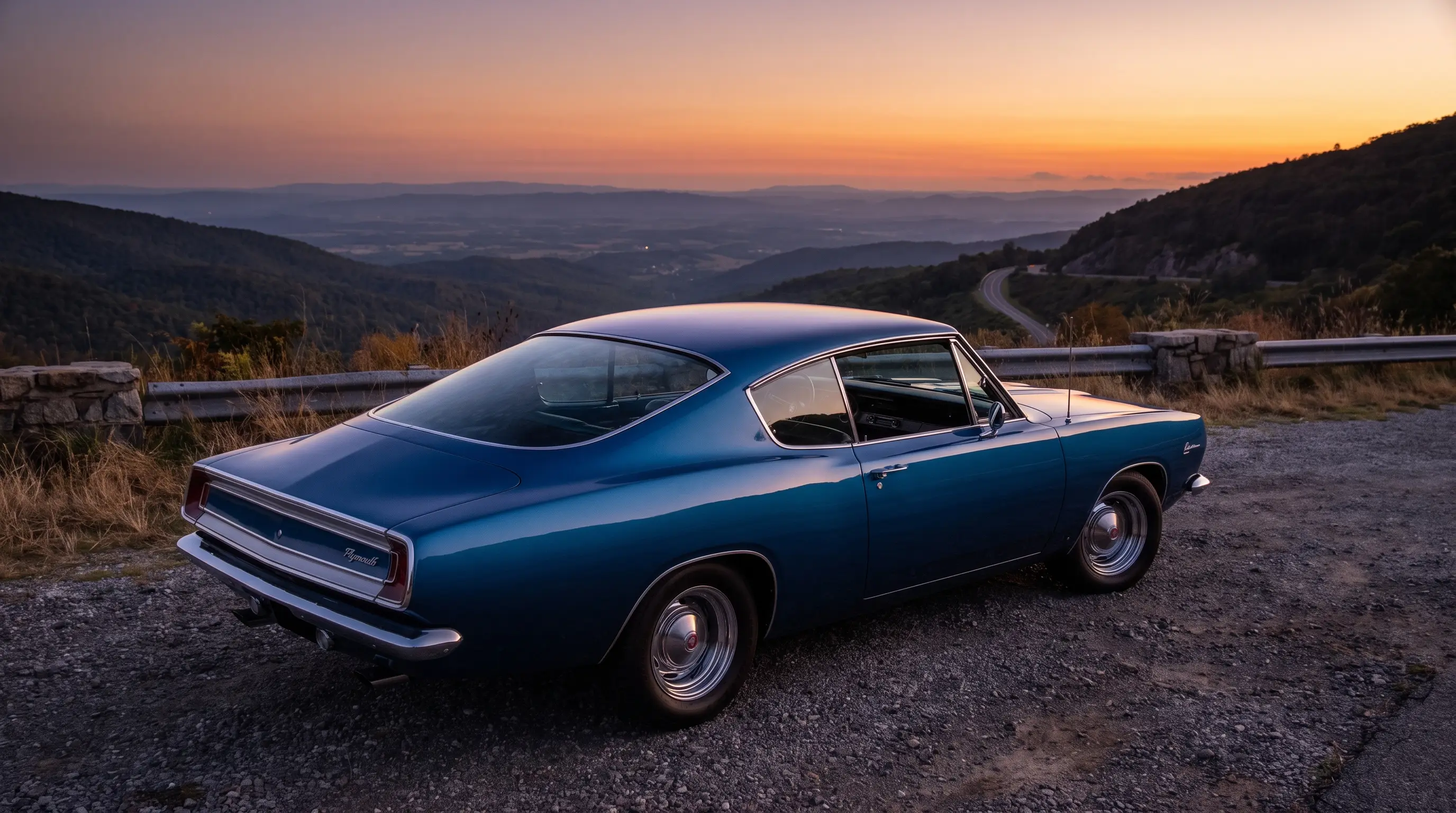
What actually changed between generations
The first Barracuda was, honestly, a Valiant with a big glass hatch grafted onto the back. It did its job well enough, but it never looked like it was designed from scratch to be a pony car. The second generation Barracuda styling threw that whole approach out and started over. Plymouth gave the car its own sheet metal, its own proportions, and a stance that finally looked purpose built rather than adapted from an economy sedan.
Club members who have owned both generations will tell you the difference is not subtle in person. The wider track, the longer hood, the lower beltline, all of it adds up to a car that reads as aggressive from any angle, where the first generation car always read as practical first and sporty second, if it read as sporty at all.
The details that get argued over at every meet
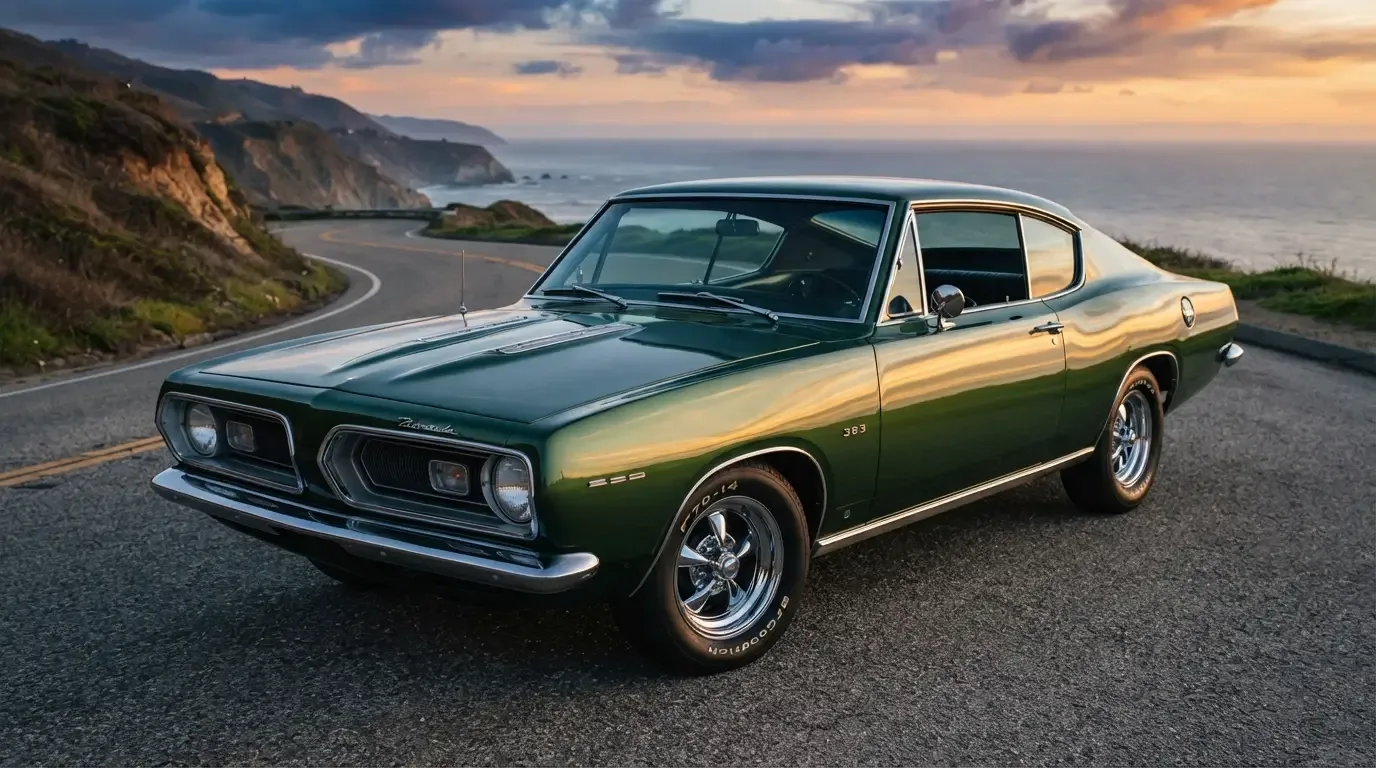
Sit around long enough at any regional Mopar gathering and you will hear the same debates repeat themselves. The fastback's roofline versus the notchback's more formal profile. The exact shade of a particular period color and whether a given restoration got it right. The grille treatment across the three model years and which one actually looks the most cohesive with the rest of the body.
None of these arguments ever get fully settled, and that is honestly part of the fun. Everybody in the club has a favorite year and a reason for it, and half the enjoyment of these gatherings is hearing somebody defend a styling choice with the same passion they would defend a family recipe.
The convertible always gets its own separate argument going, usually started by whoever happens to own one that day. Convertible owners will tell anyone in earshot that the open top shows off the body's proportions better than either closed roof option, and they are not entirely wrong either, there is something about seeing that beltline and those fender contours without a roofline competing for attention. The coupe owners push back just as hard, insisting the fastback's silhouette is the whole reason anyone remembers this generation in the first place. Neither side ever wins, and neither side ever stops trying.
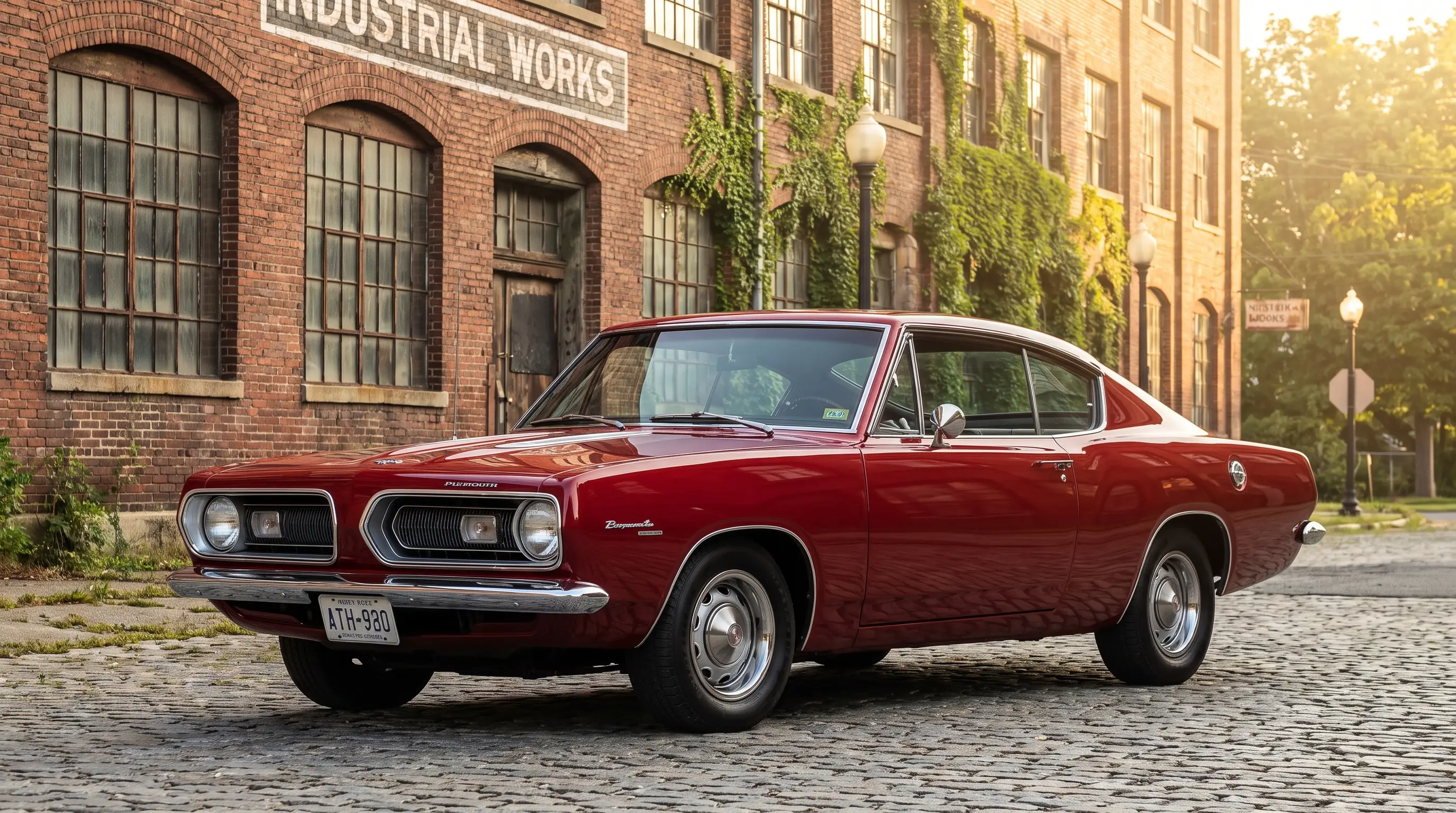
Color combinations spark their own separate round of debate every single meet. Certain factory colors paired with certain interior trims have become almost mythical among longtime club members, spoken about with the same reverence some people reserve for a favorite ballgame from decades ago. Whether that reverence is fully earned by the actual rarity of the combination, or just by nostalgia built up over years of retelling, is exactly the kind of question nobody at the club particularly wants answered too definitively. The story is half the fun.
Documentation as the punchline
Here is where the club stories always end up, no matter how the conversation starts. Somebody swears up and down that their car is a rare factory color combination, the whole group nods along admiring the paint, and then somebody pulls out a fender tag decoder or an old parts book and the actual story turns out to be more interesting than the myth. Sometimes the car really is as rare as claimed. Sometimes it is a common color that just looks unusual next to whatever else happened to be parked nearby that day.
That is the real value of a good car club. It is not just admiring the styling, it is having a room full of people who actually know how to verify what you are looking at, and who will tell you the truth even when the truth is less exciting than the story you wanted to hear.
I have watched grown adults get genuinely quiet when a fender tag decoder settles an argument they have been having for years. There is a particular kind of humility that comes from being wrong about your own car in front of people who know better, and the good clubs handle that moment with grace rather than mockery. Everybody in the room has been on both sides of that conversation eventually, the confident owner and the quiet one holding the decoder, and that shared experience is part of what actually holds a car club together over the long haul.
| Styling element | Club talking point |
|---|---|
| Body proportions | Wider track and longer hood versus first generation |
| Roofline options | Fastback drama versus notchback formality |
| Grille and taillights | Year specific changes used to identify model year at a glance |
| Color combinations | Frequently misidentified as rarer than documentation confirms |
Why it still matters at shows today
Walk any national Mopar show and count how many second generation Barracudas draw a crowd compared to the first generation cars parked nearby. The styling still does the work Plymouth intended it to do decades ago. It stops people walking by, and it starts conversations, which at the end of the day is the entire point of a pony car in the first place.
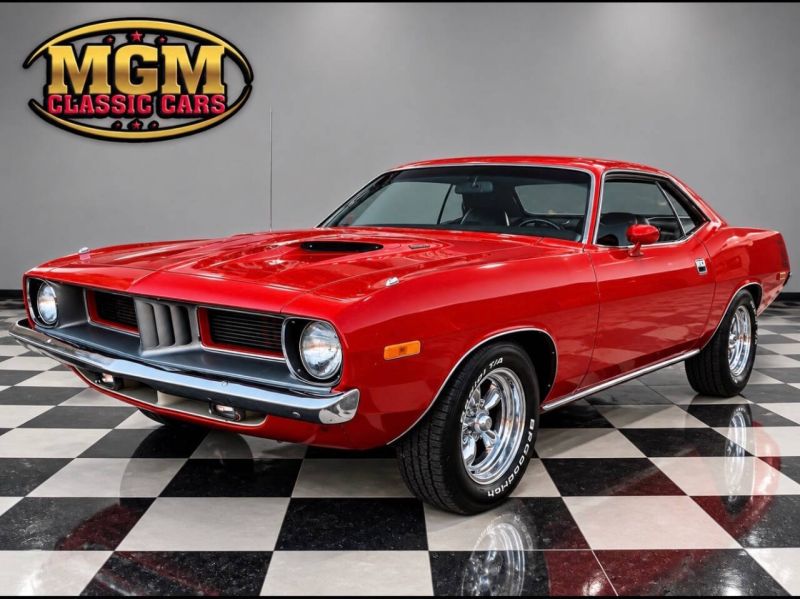
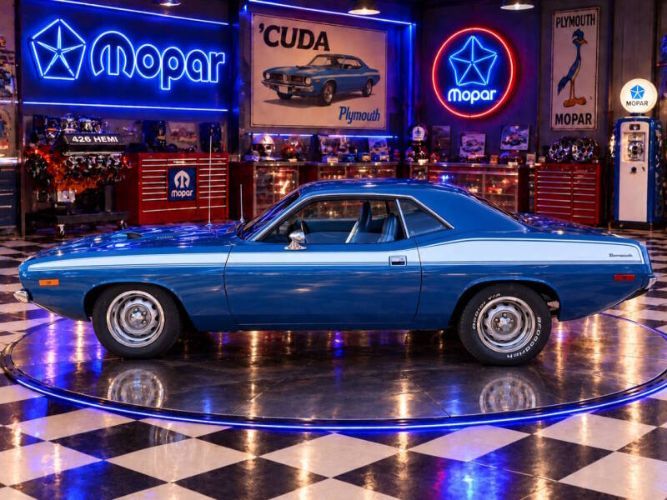
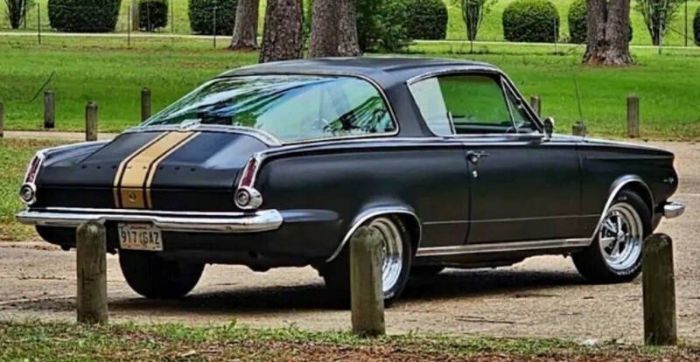
If you want the deeper background behind how this generation's whole platform came together, read the background on the years that produced this styling in the first place. And if all this talk has you wanting to see one in person rather than just hearing club stories about it, you can go find a classic Barracuda and judge the styling for yourself.
"Every club has that one guy who thinks his year is the only year that matters. Best part of the hobby is letting him be wrong out loud for a few more decades."
- Wayne Coburn
The second generation Barracuda styling did not just win over buyers in period. It won over generations of club members who still show up to argue the same friendly points decades later, and that kind of staying power is not something you can fake with a fresh coat of paint. It has to actually be there in the shape of the car, and on this generation, it is.
Sources and notes
Related Reading
#muscle car culture
#Plymouth Barracuda
#car club stories
#second generation Barracuda
#pony car styling

About the author
Wayne Coburn
Longtime Corvette owner, judge and club figure who knows the cars, the records and the people behind them.
Related Listings - Plymouth Barracuda
Comments
Be the first to comment on this article.