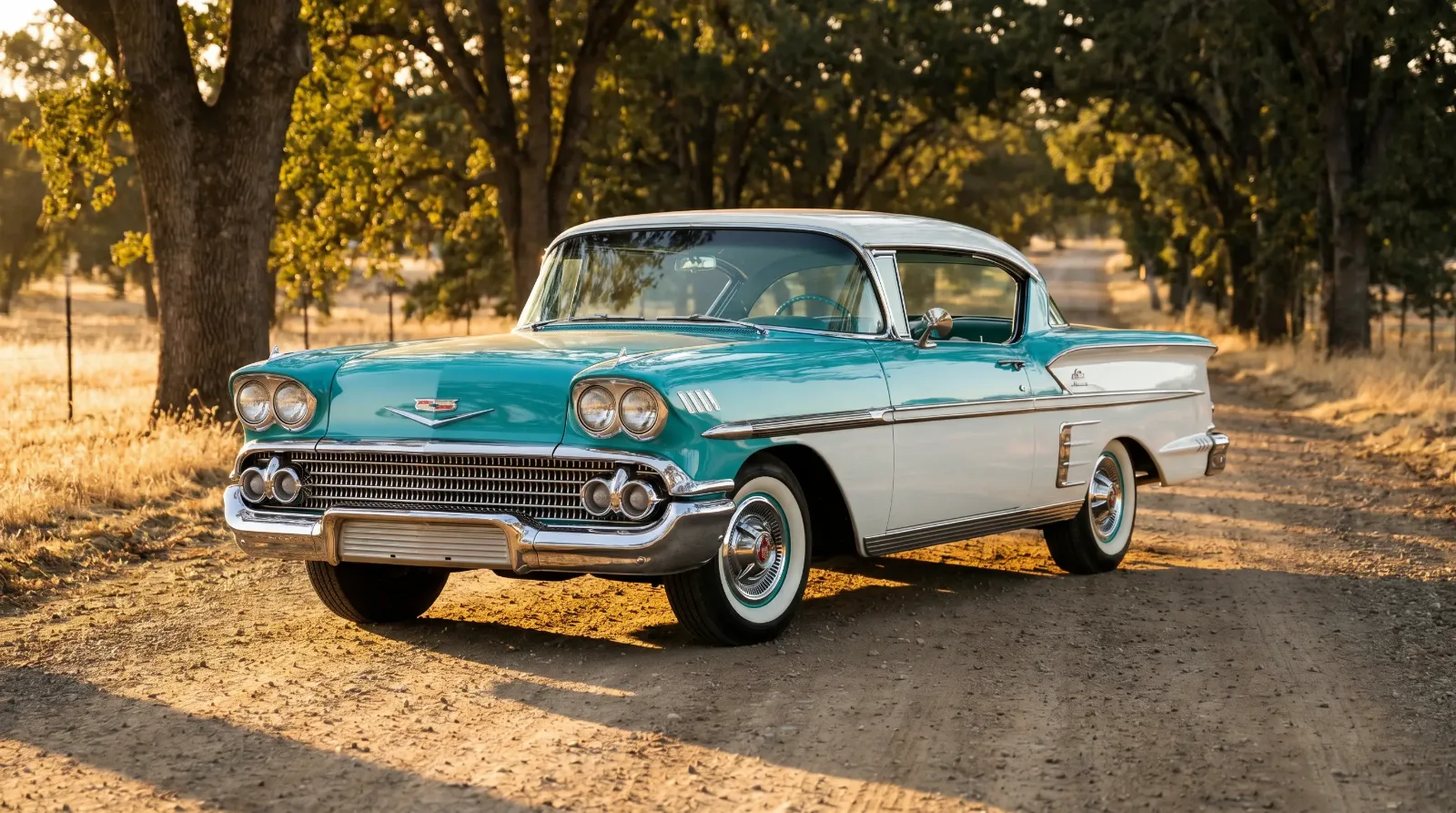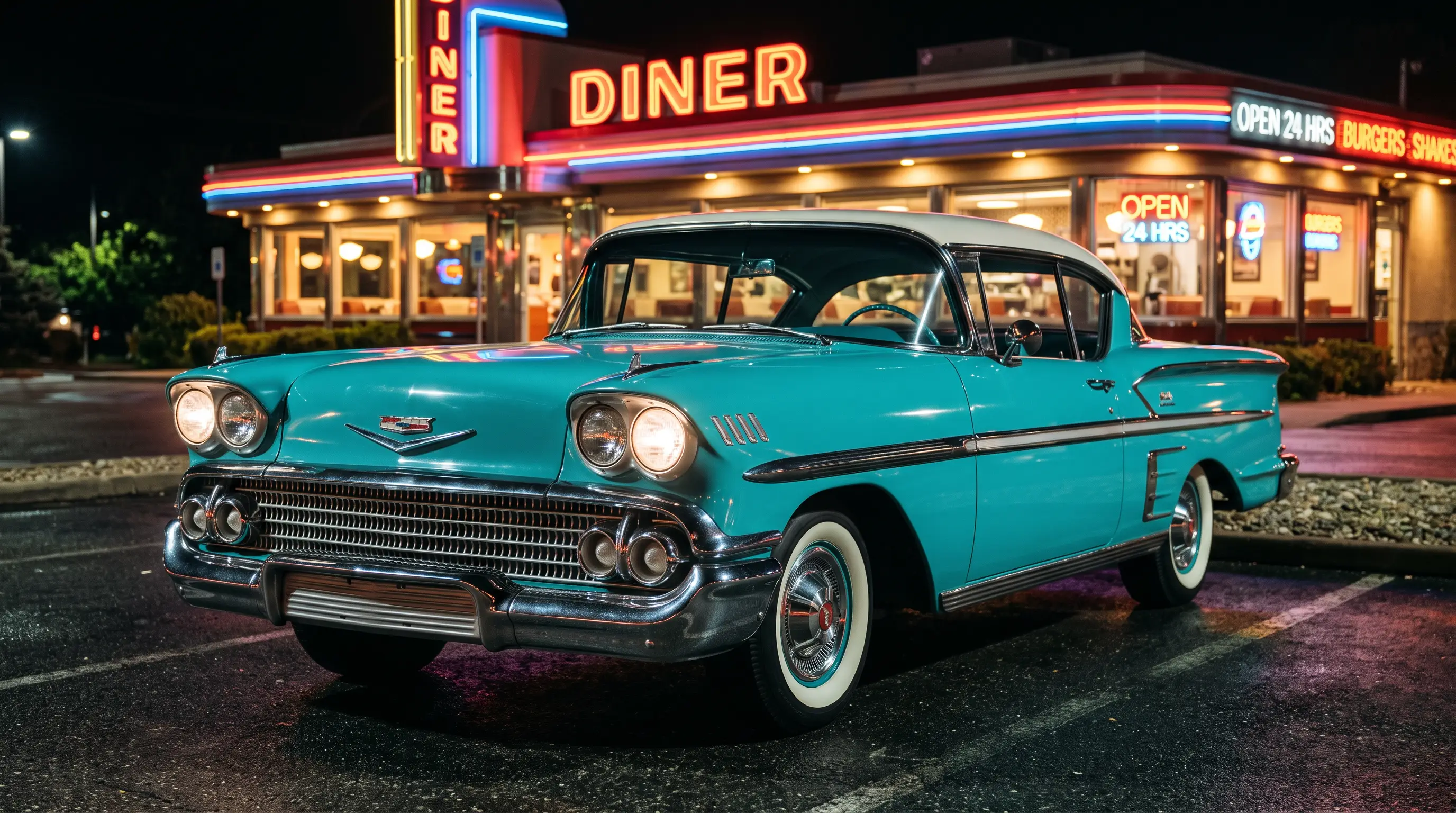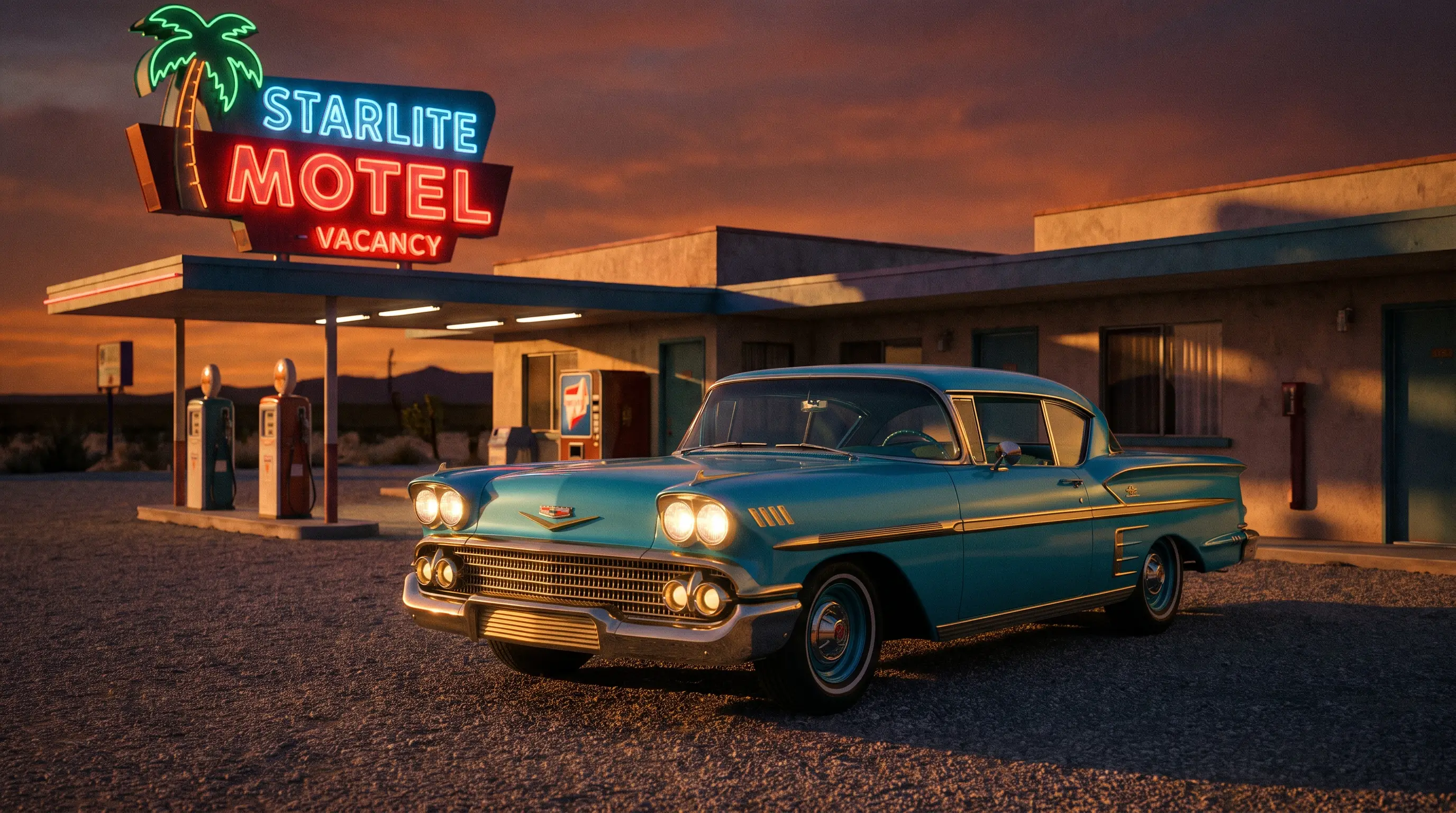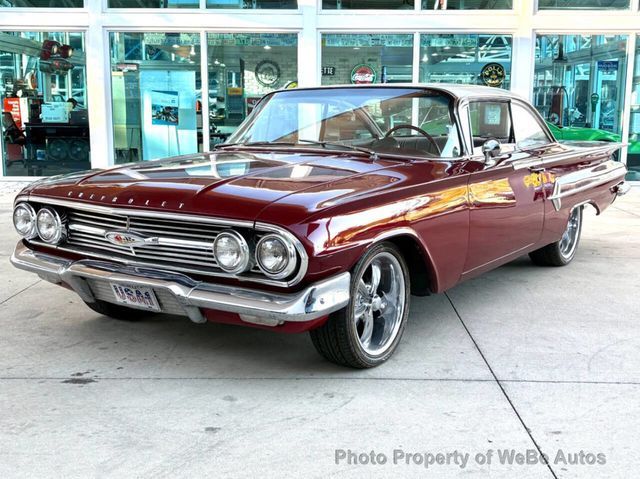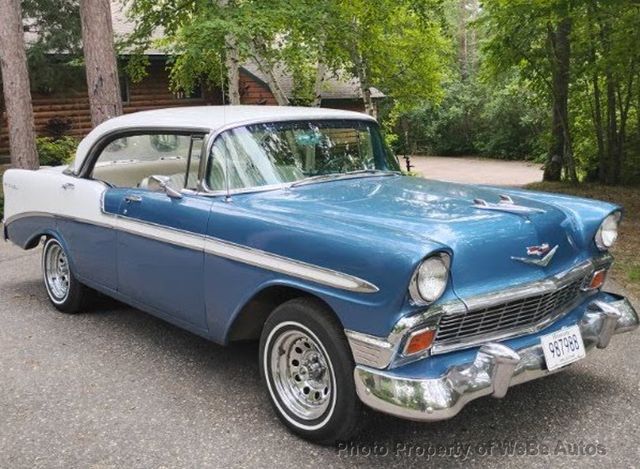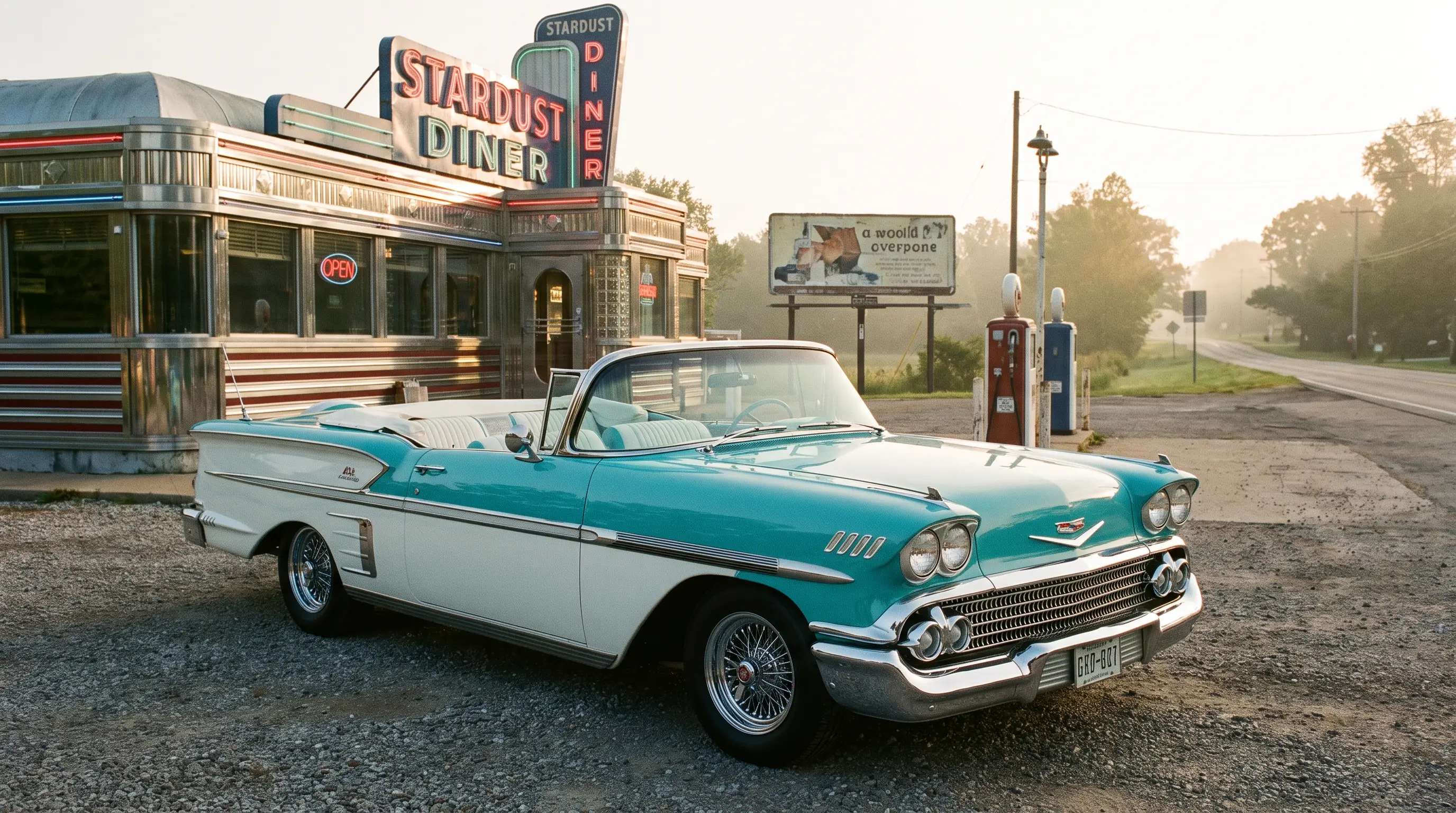
Chevrolet's 1958 bel air production numbers tell you which cars were common in period and which ones were genuinely scarce even the year they were built. Production data is the closest thing collectors have to ground truth on rarity, and for the 1958 model year, that data reveals a division running at enormous volume on a brand new platform while still leaving real gaps between the popular body styles and the ones that barely sold.
A new platform launched at full volume
Chevrolet did not treat 1958 as a cautious transition year despite launching an entirely new full-size chassis. The division committed to full production volume from the start, building well over a million Chevrolets across the full-size lineup that year when Bel Air, Biscayne, Delray, and the new Impala trim are counted together. Bel Air itself remained the volume nameplate through most of 1958, even as the Impala trim, offered only on the Sport Coupe and convertible, began pulling buyer interest toward the top of the lineup in a preview of the following year's changes.
Sedans dominated Bel Air production numbers, as they typically did across the industry in this era. The four-door sedan built in far greater quantity than the convertible or Sport Coupe, reflecting the reality that most buyers in 1958 wanted a practical family car rather than a style-forward hardtop or open car. That production skew is worth remembering any time a seller describes a car as "rare" without specifying which body style they actually mean, since rarity varies enormously across the 1958 lineup depending on configuration.
Where the real scarcity lives
The Bel Air convertible is the body style with the tightest production numbers within the standard Bel Air trim, well below the sedan totals and meaningfully below the Sport Coupe as well, a pattern consistent across the entire full-size Chevrolet lineup that year since even the halo Impala convertible, at roughly 56,000 units, was itself the lowest-volume Impala body style. Combine that lower original production with six decades of attrition, and genuine surviving examples in solid, unmolested condition are a real minority of an already small original number. Buyers chasing a documented 1958 Bel Air convertible should expect a serious search and a serious price, because the math of original scarcity plus decades of loss does not favor supply.
Engine and options data adds another layer to the production story. The 348 Tri-Power option, while a genuine performance draw, represented a small fraction of total 1958 production compared to the base six-cylinder and standard V8 offerings that most buyers actually chose. A well-documented Tri-Power car, especially paired with a less common body style like the convertible, sits at the intersection of two separate scarcity factors, which is exactly why cars matching that description command outsized attention at auction relative to their raw production numbers.
| Body Style | Relative Production Volume |
|---|---|
| Four-door sedan | Highest |
| Two-door sedan | Moderate to high |
| Sport Coupe / Sport Sedan | Moderate |
| Convertible | Lowest |
Why production data gets misquoted
Production figures for 1958 Chevrolets circulate widely online, but not all of the numbers repeated in forum posts and casual articles trace back to verifiable factory or industry sources. Some totals get conflated across trim levels, lumping Bel Air, Biscayne, and Delray production together and then presenting the combined number as if it applied to Bel Air alone, which inflates the apparent volume of the nameplate and understates how scarce specific configurations actually were. Anyone doing serious research should trace any cited figure back to its original source rather than accepting a number simply because it appears frequently online.
This is part of why documentation on an individual car, not just aggregate production statistics, matters so much to collectors. A trim tag, a build sheet, or a dealer invoice tells you the truth about one specific automobile regardless of what the broader production totals say about the model year as a whole. For deeper context on how the entire 1958 model year came together as a redesign, our 1958 chevy bel air retrospective covers the styling and platform decisions behind these production numbers.
"People quote production numbers like they are gospel, but half the figures floating around online cannot be traced back to an actual factory source. Verify before you repeat."
- Tom Ramirez
What this means for buyers today
Understanding production volume by body style and option combination gives buyers a real framework for evaluating asking prices. A four-door sedan, even in excellent condition, sits in a fundamentally different market position than a documented convertible or a Tri-Power equipped Sport Coupe, and pricing should reflect that gap honestly rather than treating every 1958 Bel Air as interchangeable simply because they share a model year and nameplate. Sellers who understand their car's specific place within the production picture tend to price more accurately, while buyers who understand it are far less likely to overpay for a common configuration or underpay for a genuinely scarce one.
For readers researching related aspects of this model year, particularly how the one-year-only body architecture shaped everything from parts interchangeability to collector demand, a related story dives further into that specific angle. And for anyone ready to see how these production realities play out in current asking prices, it is worth taking time to look at Airs for sale now and compare how body style and documentation level actually move the number a seller is asking.
Reading a build sheet against the record
Serious buyers learn to treat a claimed production figure as a starting point rather than a conclusion. The correct process starts with the individual car, cross-referencing its trim tag body number and engine casting codes against known production windows for that specific plant, since Chevrolet assembled 1958 full-size cars at multiple locations across the country and not every plant ran the same option mix or the same pace. A car assembled early in the model year at one plant can carry subtly different hardware than a late-year car from another plant, even though both wear identical Bel Air badging and both fall under the same broad production statistics.
This plant-level variation is part of why blanket production totals only get a researcher partway to a real answer. Two cars can share a nameplate, model year, and even body style while differing in details that matter enormously to a documentation-focused buyer, from wiring harness date codes to interior trim material batches. Anyone assembling a genuinely reliable picture of a specific 1958 Bel Air needs to go beyond aggregate numbers and into the paperwork that traces back to that individual vehicle, because aggregate production data answers a different question than "is this specific car what the seller claims it is."
None of this diminishes the value of understanding overall production trends. Knowing that convertibles trailed sedans by a wide margin, or that Tri-Power cars were a minority even among performance-oriented buyers, gives collectors a useful baseline for spotting claims that do not add up. A seller advertising an unusually high number of "rare" surviving examples of the same specific configuration should raise questions, since genuine scarcity by definition means genuinely few surviving cars, not a suspiciously large cluster all appearing on the market within the same season.