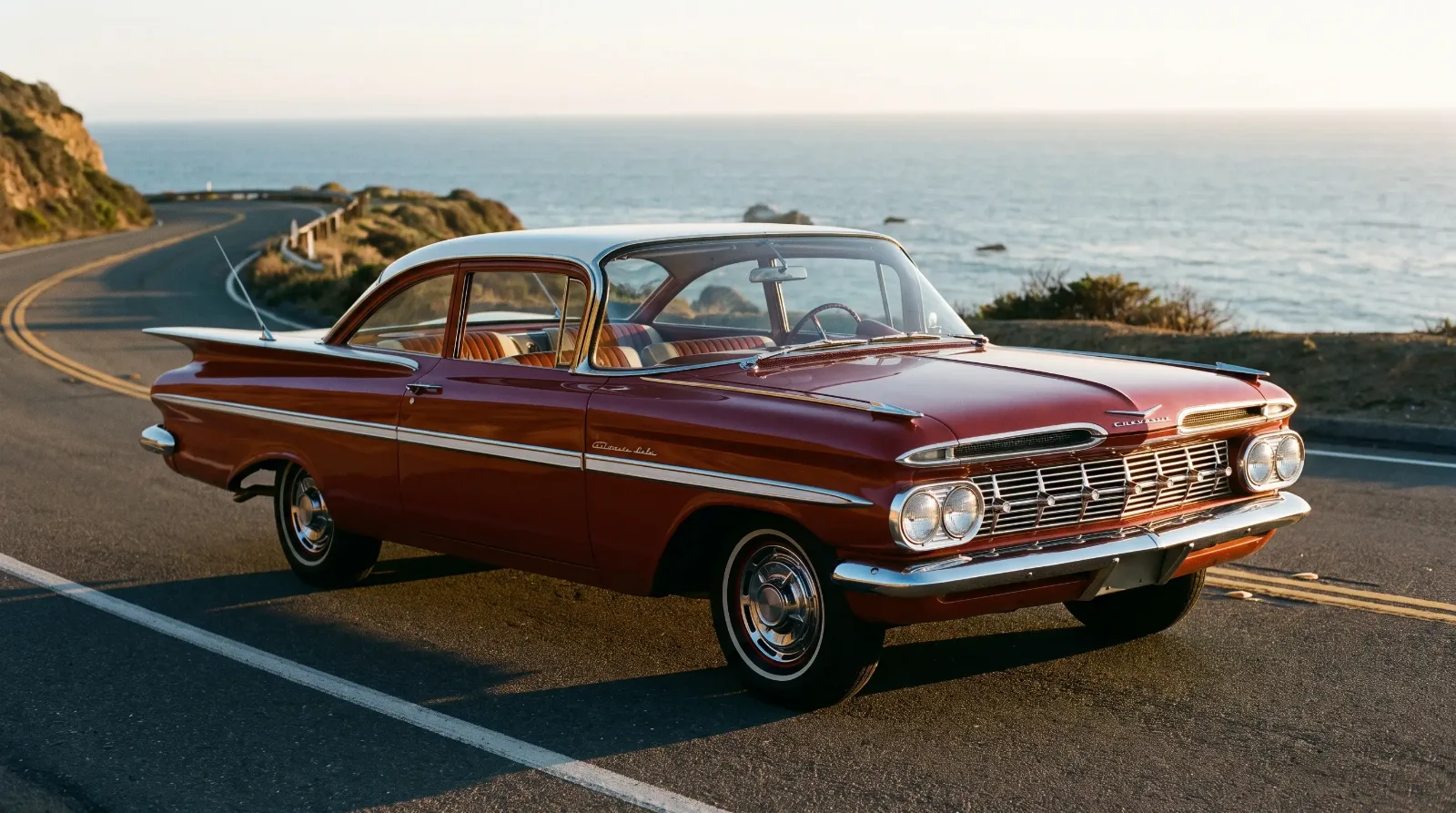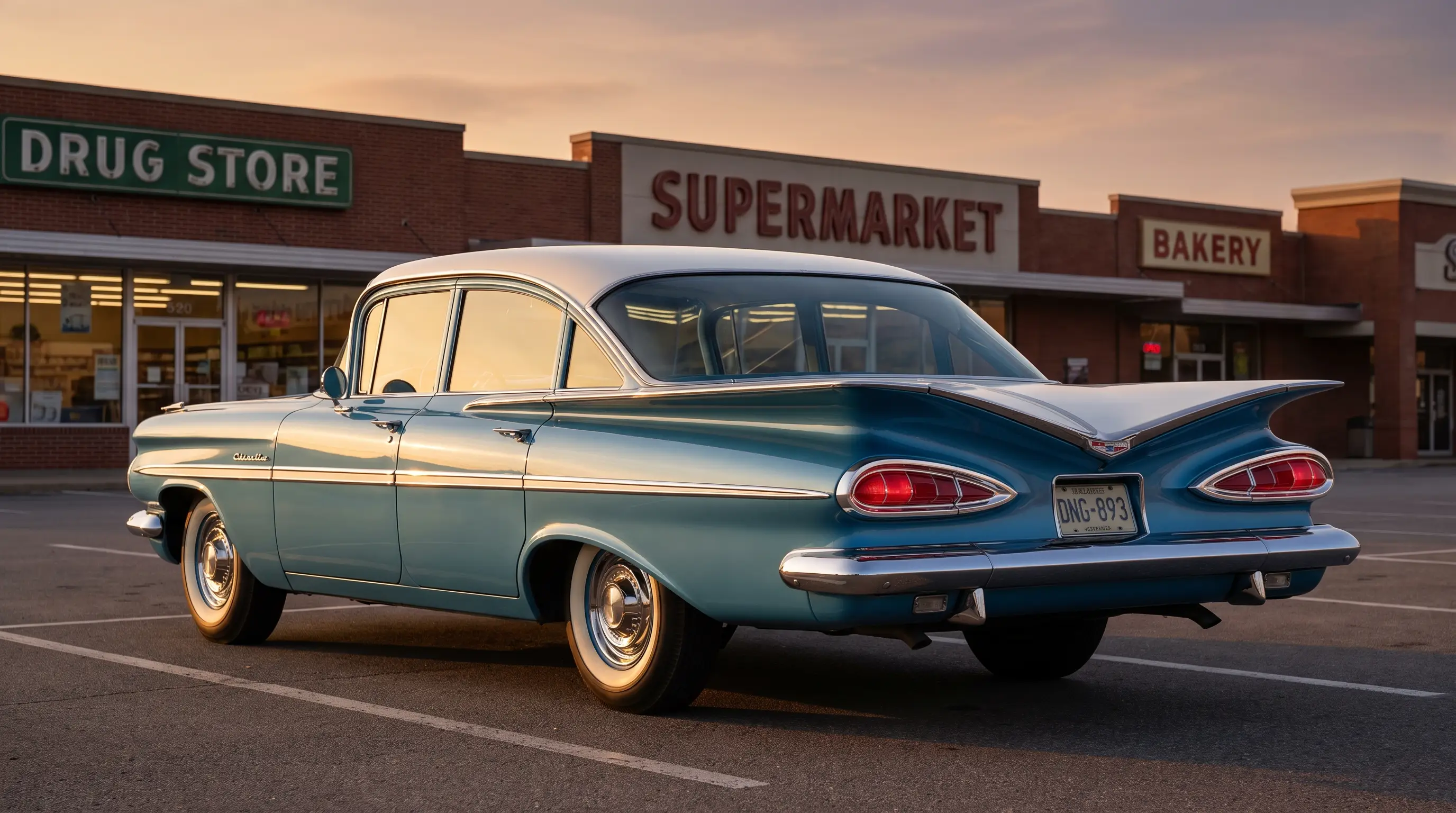
Nothing about the 1959 chevy bel air looks like a cautious follow-up to the year before it. Chevrolet threw out the 1958 platform after a single year and replaced it with a car defined by enormous horizontal fins, a wraparound windshield, and a rear end so distinctive that collectors still call it the batwing without needing to explain the nickname. Underneath that dramatic styling sits a quieter story too, one about the Bel Air's status inside Chevrolet's own lineup starting to shift.
A body designed to be seen from behind
Where the 1958 model emphasized width and a wide, low grille up front, the 1959 redesign put its dramatic statement at the rear. The horizontal fins swept out from the car's flanks and flattened into wide, cat-eye taillight housings, a shape stylists reportedly developed in response to competitive pressure from other manufacturers experimenting with increasingly aggressive fin designs through the late 1950s. Chevrolet's version leaned wider and flatter than the vertical fins Cadillac and others had popularized earlier in the decade, giving the 1959 full-size lineup a silhouette unlike anything the division had built before or would build again.
The wraparound windshield, deeply curved at each end, was another significant departure, one that required completely new dashboard and cowl tooling to accommodate the altered glass angle. Combined with the flattened rear fins, the overall effect made the 1959 Chevrolet read as longer and lower than its actual dimensions, a classic piece of period styling sleight of hand that Chevrolet's design team executed about as confidently as any manufacturer managed that year.
Where Bel Air sat in a changing lineup
The more consequential story for long-term collectors is what happened to Bel Air's position within Chevrolet's trim hierarchy. Impala, introduced in 1958 as a top trim level available only on the Sport Coupe and convertible, graduated to a full standalone nameplate for 1959, sitting above Bel Air in the lineup for the first time. That change meant Bel Air, which had spent years as Chevrolet's flagship trim, found itself repositioned as a solidly mid-range offering, still well-equipped compared to the base Biscayne but no longer the top of the range.
This repositioning is easy to overlook when admiring the fins and glass, but it set the pattern Chevrolet would follow for the rest of Bel Air's production life. From 1959 onward, Bel Air occupied the middle tier of Chevrolet's full-size lineup, a role it held through the following decade even as Impala became the nameplate most associated with Chevrolet's full-size performance and style ambitions. Readers curious about how that shift played out over subsequent years can find a related story covering Bel Air's transition into a mid-range Chevrolet in more depth.
| Trim Position | 1958 | 1959 |
|---|---|---|
| Top trim | Bel Air Impala (Sport Coupe, convertible only) | Impala (full lineup) |
| Mid trim | Bel Air | Bel Air |
| Base trim | Biscayne / Delray | Biscayne |
Engineering carried over even as styling exploded
Underneath the dramatically different sheet metal, the 1959 Bel Air retained mechanical continuity with the 1958 model in several important respects, including the availability of the 348 W-series big block alongside the small block V8 and base six-cylinder options. That engineering carryover meant buyers cross-shopping the two model years were not choosing between fundamentally different driving experiences, just fundamentally different appearances, which made the 1959 redesign feel like a genuine styling event rather than a full platform overhaul in the way 1958 itself had been.
Body styles carried over in familiar form as well, with sedan, Sport Coupe hardtop, Sport Sedan four-door hardtop, and convertible all returning for 1959, now wearing the new batwing sheet metal. That consistency in body style offerings across the styling change makes it easier for collectors to compare equivalent configurations between the two model years directly, isolating the effect of styling on value and desirability from the effect of body style choice.
"The batwing fin gets all the attention, and it should, but the real story of 1959 is Impala taking over the top spot. That is the change that shaped Bel Air for the next decade, not the sheet metal."
- Tom Ramirez
How the model year is remembered today
The 1959 Chevrolet's styling remains one of the most recognizable single-year designs of the entire fin era, instantly identifiable even to people with only passing familiarity with classic cars. That recognition has kept demand steady for well-preserved examples, particularly Sport Coupe and convertible body styles that display the fin design to full effect. For readers who want the broader arc connecting 1959 back to the platform decisions and market pressures that shaped it, 1959 chevy bel air history covers that fuller context.
Anyone drawn to this specific model year for its styling should understand they are also buying into Bel Air's transitional moment within Chevrolet's own internal hierarchy, a car positioned as solidly mid-range rather than flagship for the first time since the nameplate's introduction. That context does not diminish the car's appeal. If anything, it adds a layer of historical interest for buyers who appreciate understanding exactly where a specific model year sits within a manufacturer's larger story. Those ready to compare available examples can browse Airs for sale now and see how batwing-era cars are currently priced against the rest of the Bel Air lineup.
Comparing 1959 to its neighboring model years
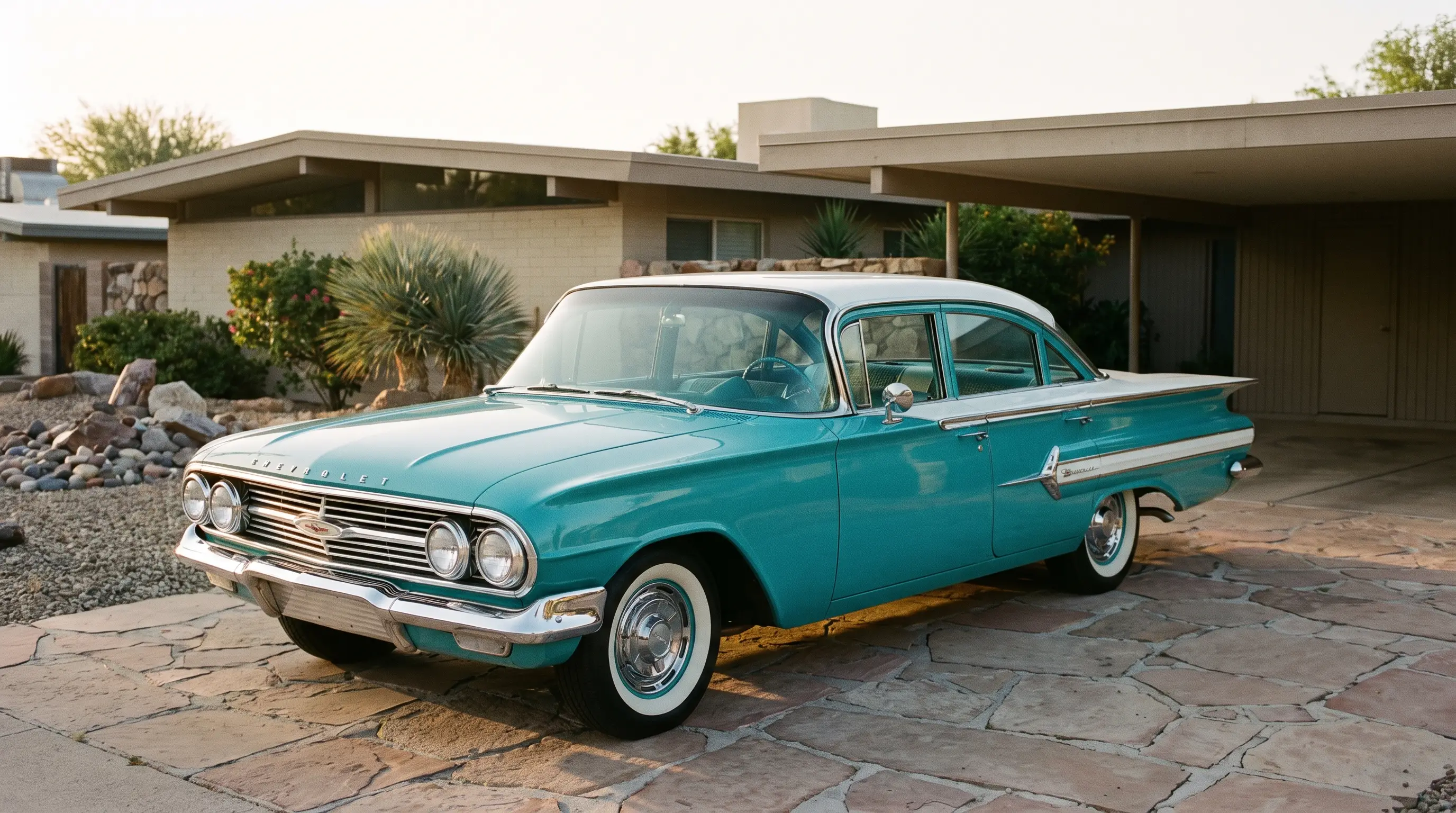
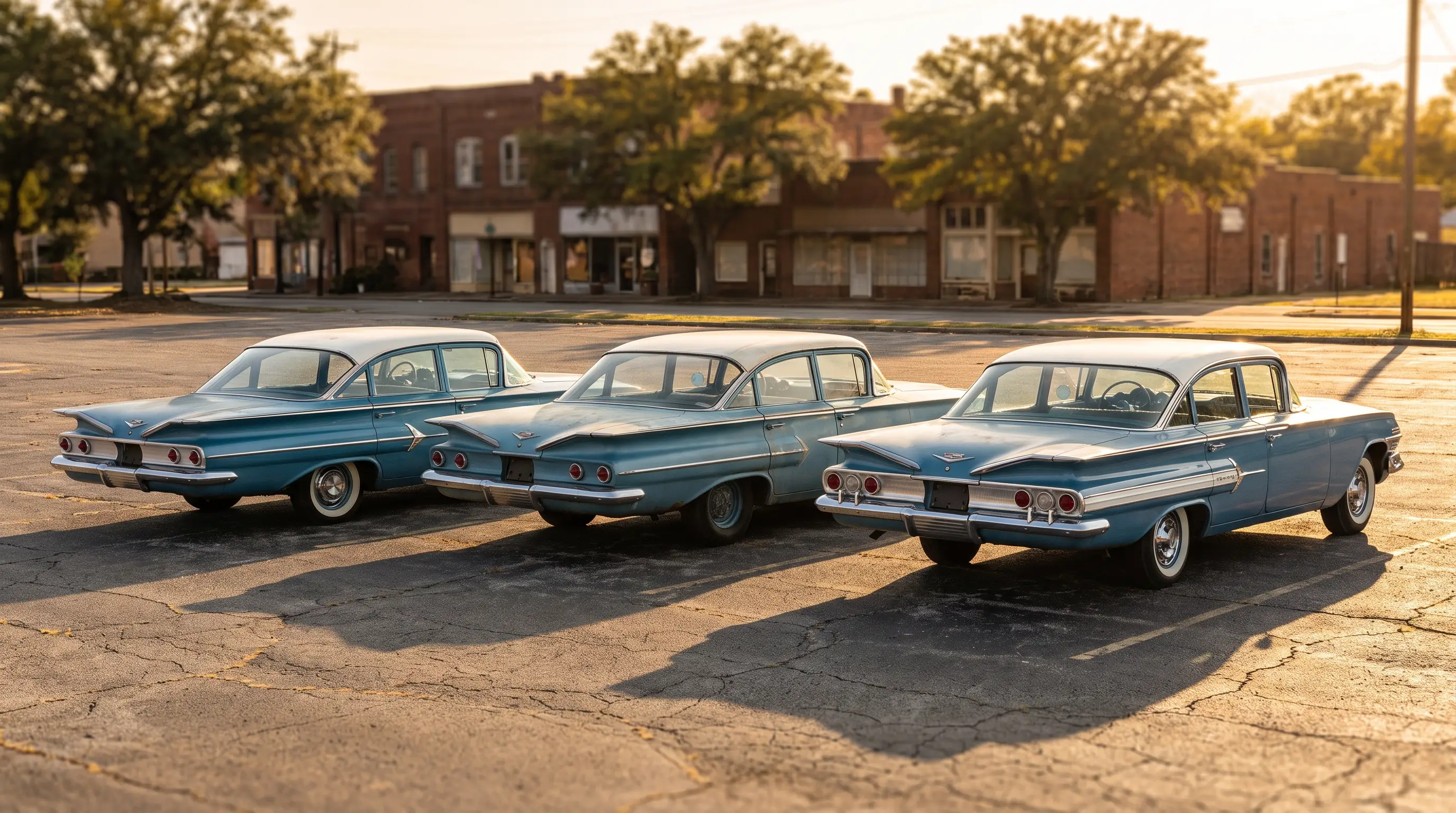
Placed between the isolated one-year 1958 platform and the 1960 model that softened some of the fin era's excess, 1959 stands out as the fullest expression of Chevrolet's late-decade styling ambitions. The 1960 model retained much of the 1959 platform's engineering but toned down the fin treatment considerably, suggesting Chevrolet's own designers recognized 1959 as close to the outer edge of what the market would embrace. That makes the 1959 Bel Air something of a peak moment stylistically, a car built at the exact point where a design language reached its most dramatic expression before the industry as a whole began pulling back toward cleaner, simpler lines heading into the 1960s.
Collectors who focus specifically on fin-era Chevrolets often treat 1959 as the essential year to own for exactly this reason. It represents a design philosophy taken about as far as Chevrolet was willing to take it, executed with genuine confidence rather than restraint, and that full commitment to a singular styling vision is part of what keeps well-preserved 1959 Bel Airs commanding serious attention at shows and auctions more than six decades later.
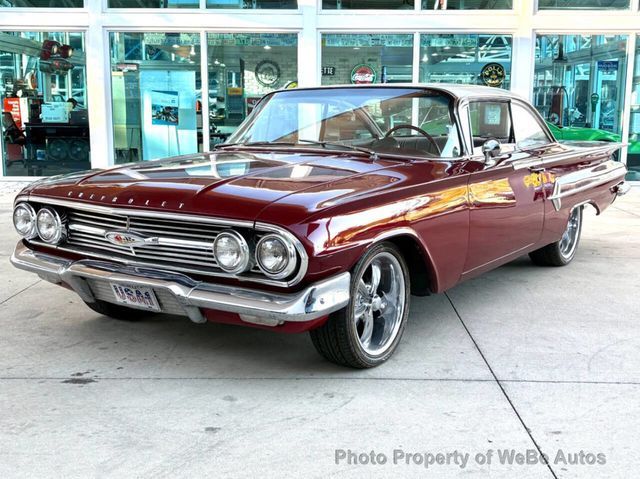
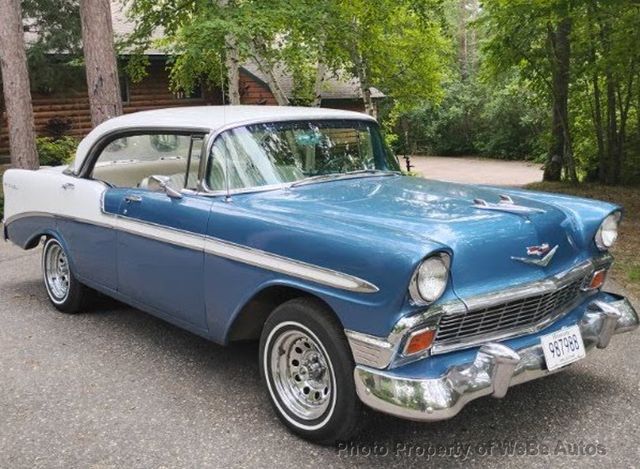
Anyone comparing period photographs across these three model years can see the visual logic laid out clearly. The 1958 face is wide and horizontal but restrained at the rear, the 1959 car commits fully to drama at both ends, and the 1960 model quietly walks some of that drama back while keeping the underlying architecture. Understanding that progression helps explain why so many collectors specifically chase the 1959 batwing rather than treating any fin-era Chevrolet as interchangeable with any other.