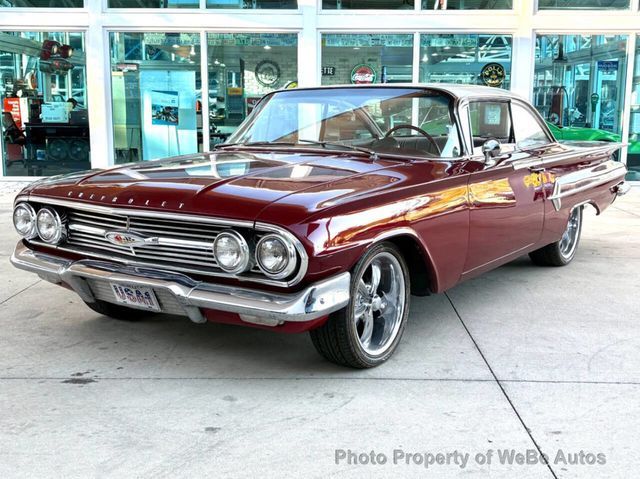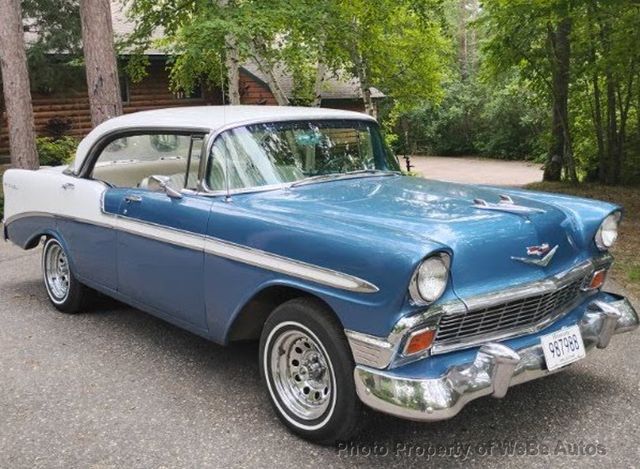
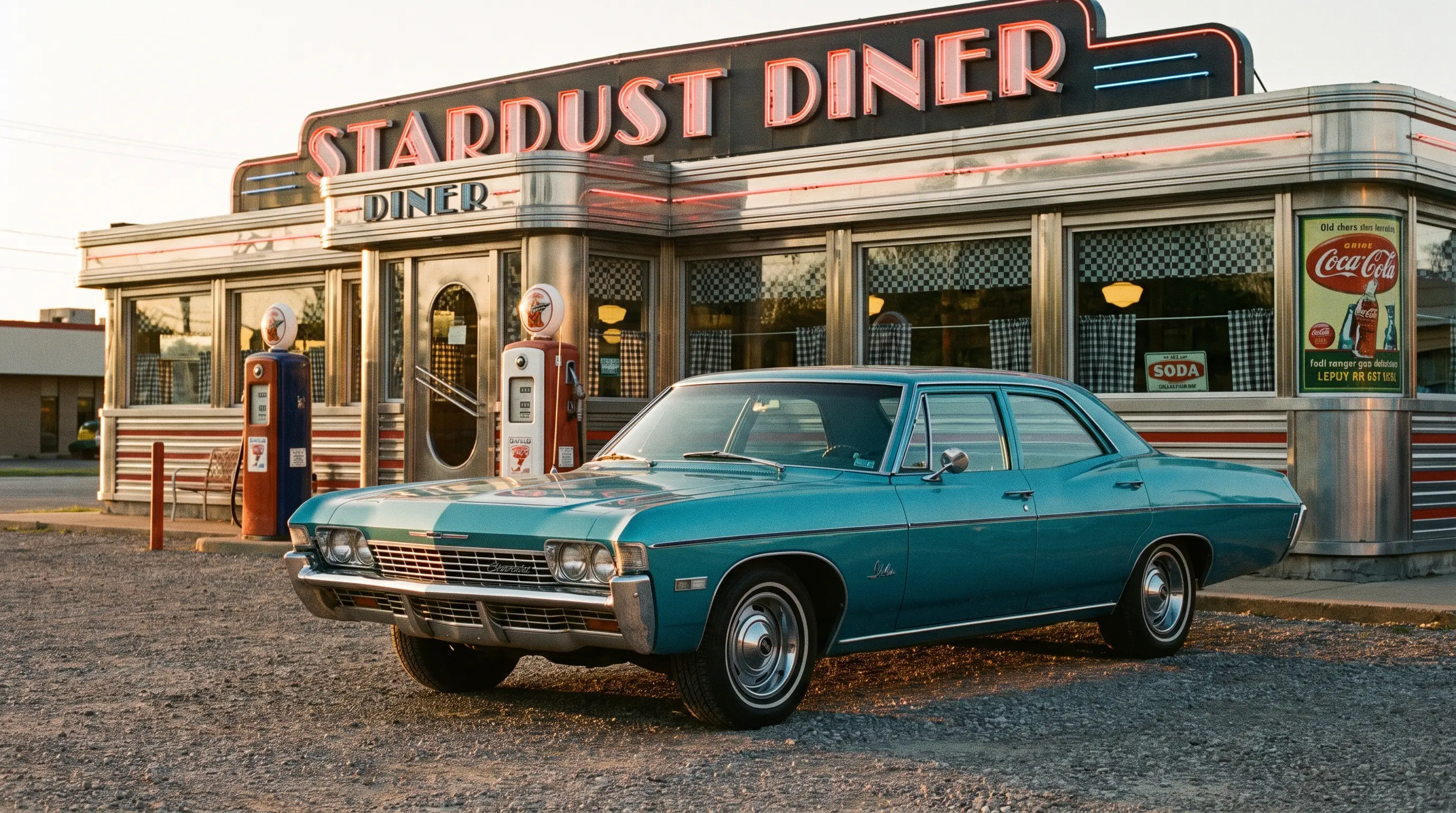
By the time the 1968 chevy bel air reached showrooms, the nameplate had spent a full decade sliding quietly down Chevrolet's internal pecking order, and the trend was not about to reverse. Chevrolet redesigned its full-size cars again for 1965, then refreshed that basic architecture through the rest of the decade, and the Bel Air rode along on each update as the increasingly overlooked middle child of a lineup now dominated almost entirely by the Impala and its sub trims.
The last major full-size redesign the Bel Air would see
The 1967 model year brought a fresh body to Chevrolet's full-size cars, with a more rounded, coke bottle profile that traded some of the crisp 1965 lines for softer, more sculpted panels. The Bel Air carried this body through the 1970 model year with detail changes each season, grille textures, taillight shapes, and minor trim revisions that kept the car looking current without any fundamental redesign. This would prove to be the last stretch of years where the Bel Air received a genuinely new full-size body before its slow fade toward the exit.
Inside the lineup, Chevrolet had by now fully committed to the Impala and Caprice as its primary full-size focus, and the Bel Air's role narrowed accordingly. Fleet buyers, taxi companies, and value conscious private customers kept the model alive commercially, but the marketing spotlight had moved on entirely. Chevrolet's national advertising from these years barely mentions the Bel Air by name, treating it as a background option rather than a car worth its own campaign.
Engines and options in the twilight years
Mechanically, the 1967 through 1970 Bel Air continued offering a wide spread of engines, from the base six cylinder through increasingly potent big block V8 options as Chevrolet's engineers kept pace with the era's escalating horsepower race. A buyer willing to check the right boxes could still order a genuinely quick full-size Bel Air during these years, continuing the sleeper tradition established earlier in the decade. That earlier chapter, when a stripped down Bel Air could out accelerate a loaded Impala carrying the exact same big block, is covered in detail in our 1959 chevy bel air retrospective, and the same basic logic held through the end of this generation, even as fewer buyers took advantage of it.
Emissions regulations began tightening toward the end of this window, and the free wheeling high compression engines of the mid 1960s started giving way to detuned versions built to meet new federal standards. This shift affected every American manufacturer, not just Chevrolet, but it marked a real turning point for the kind of unrestrained big block performance that had defined the full-size Chevrolet story for most of the decade.
Watching a nameplate lose its identity
What makes this generation distinct within the broader Bel Air story is how clearly it shows a nameplate in decline, not in sales necessarily, but in cultural relevance. The Bel Air had launched in the early 1950s as Chevrolet's top trim, a genuinely aspirational car. By 1968 it was Chevrolet's second from the bottom full-size trim, outranked by the Impala and Caprice, and outsold in enthusiast attention by nearly everything else in the lineup including some of Chevrolet's midsize muscle cars. The badge still meant something to loyal buyers who had driven Bel Airs for decades, but to the broader market it had become almost invisible.
This slow fade sets up the final chapter of the nameplate's American story, when Chevrolet quietly discontinued the Bel Air from the domestic market entirely. a related story covers exactly how and when that happened, and the years covered here represent the last stretch where the Bel Air still felt like a meaningful part of Chevrolet's full-size range rather than a footnote heading toward cancellation.
"You can watch a car company lose interest in a name just by reading the brochures in order. By 1968 the Bel Air gets a paragraph. The Impala gets the whole book."
- Tom Ramirez
How trim levels split during these years
Chevrolet's full-size lineup by 1968 had grown into a genuinely confusing hierarchy for buyers unfamiliar with the brand. The Biscayne remained at the bottom, stripped and fleet oriented. The Bel Air sat just above it, offering a modest step up in trim without approaching Impala territory. The Impala itself came in standard and SS forms, and the Caprice topped the range as the genuine luxury full-size offering. A shopper walking into a Chevrolet dealer in 1968 needed a scorecard to understand where each trim landed, and salespeople often steered undecided buyers toward the Impala simply because it carried better margins and more available options.
This crowded structure meant the Bel Air increasingly survived on repeat buyers and fleet contracts rather than fresh interest from first time Chevrolet shoppers. The people who bought a 1968 Bel Air largely already knew what they wanted: reliable full-size transportation without paying for chrome and carpet upgrades they considered unnecessary.
Wagons and sedans versus the two door body
Station wagon versions of the Bel Air from this generation deserve particular mention, since they represented some of the most purely functional full-size vehicles Chevrolet built during these years. Stripped of unnecessary trim and available with the same range of engines as the sedan and hardtop, a well equipped Bel Air wagon could haul a family and a boat trailer with the same big block confidence as a two door hardtop, just without any of the styling drama. These wagons have become genuinely scarce today, since most were driven into the ground doing exactly the utilitarian work Chevrolet built them for.
Buying this generation today
Prices for 1967 through 1970 Bel Airs remain reasonable relative to comparable Impalas and Caprices from the same years, largely because the badge still lacks the recognition those siblings enjoy among casual buyers. Two door hardtops draw the most attention from collectors, though sedans and wagons from this generation offer genuinely usable classic ownership at a lower entry price. Buyers chasing a big block equipped example should pay close attention to documentation, since engine swaps between full-size Chevrolet models of this era remain common enough to make casual claims about originality unreliable without a paper trail. Rust remains the other major concern, particularly around rear frame rails and trunk floors, areas that see less attention during a quick inspection than the more visible quarter panels and rocker sills.
For anyone comparing options across this stretch of production, there are Airs for sale now spanning multiple years and body styles, giving buyers a practical way to weigh condition, originality, and price before committing to a purchase from this often overlooked final generation of full-size Bel Air styling.