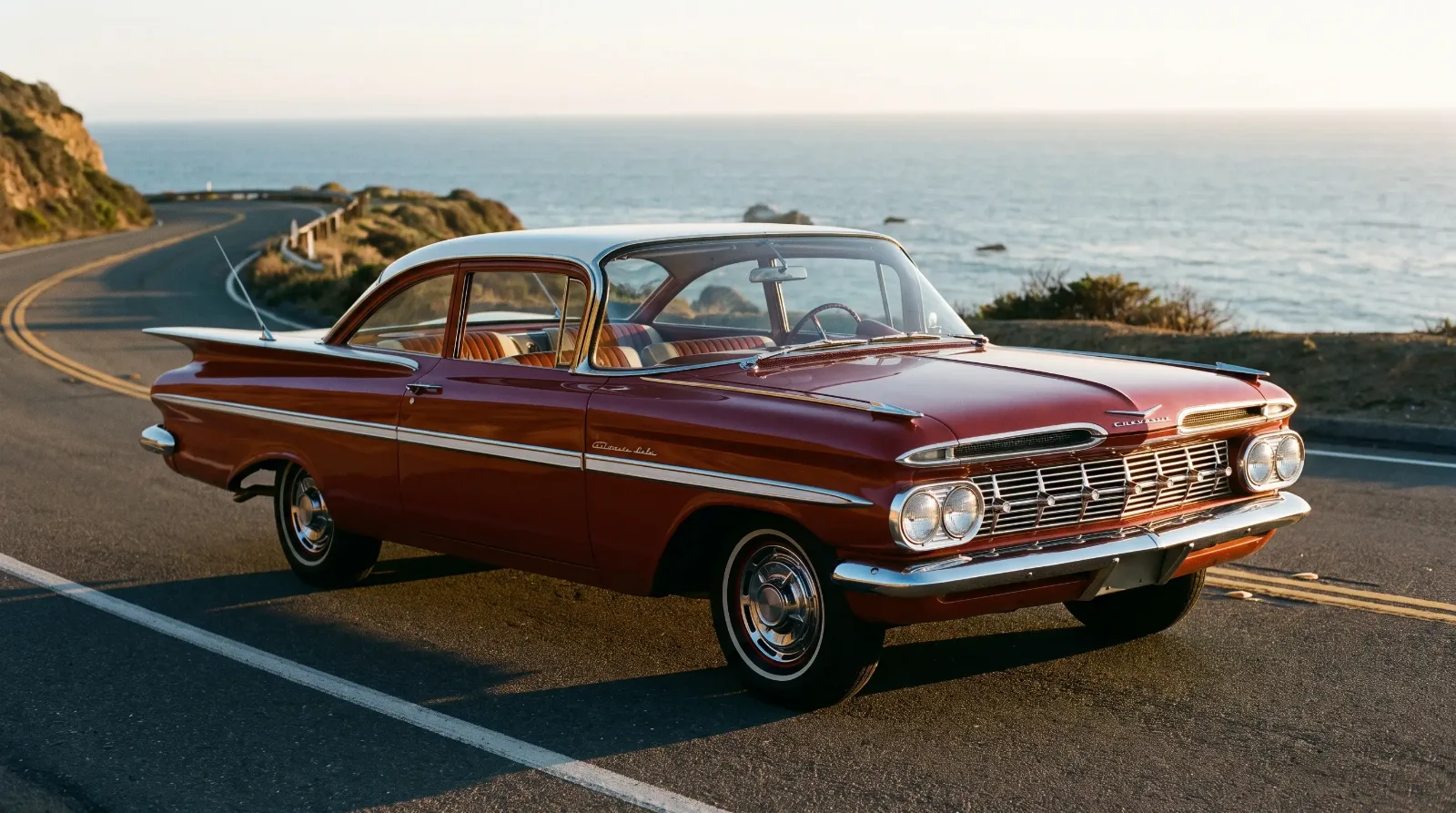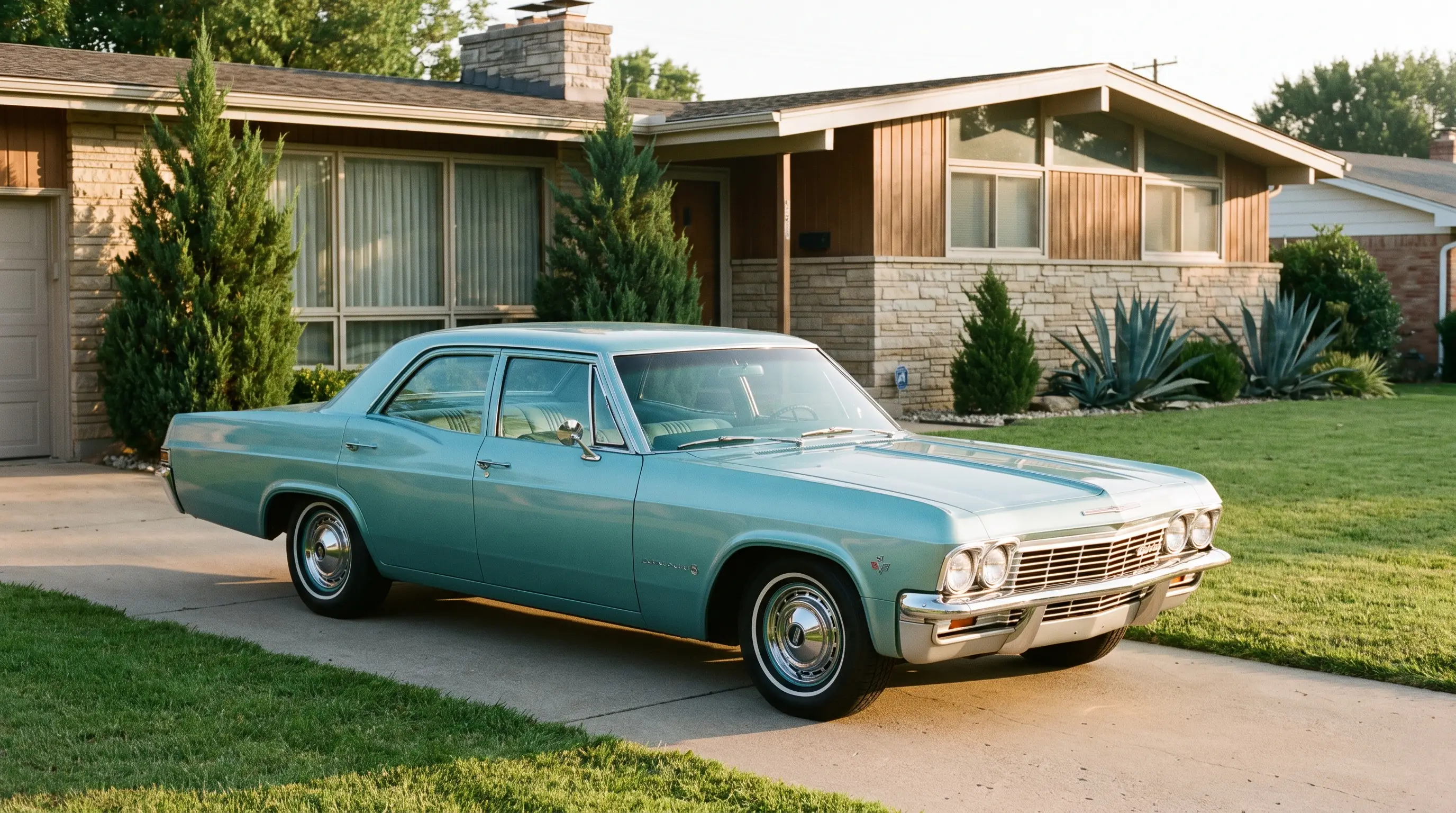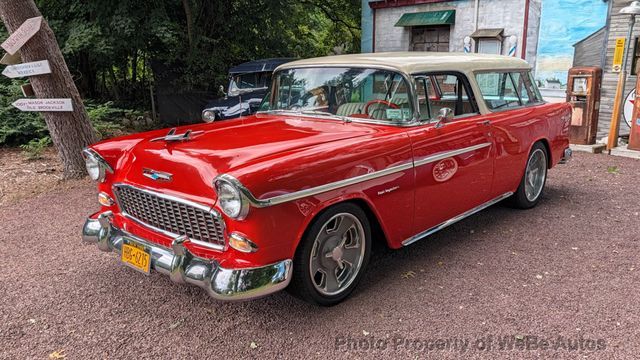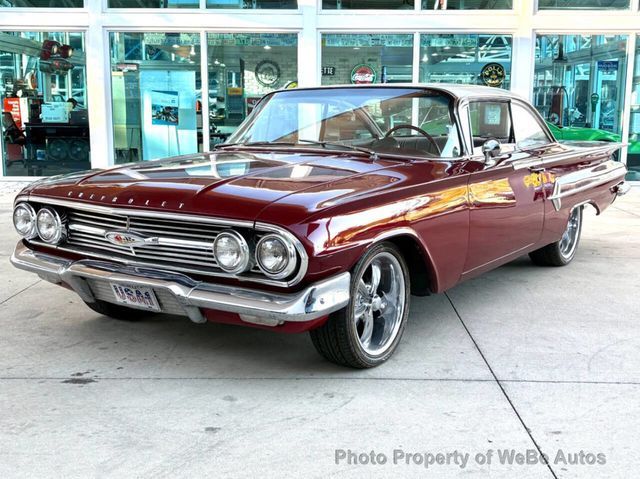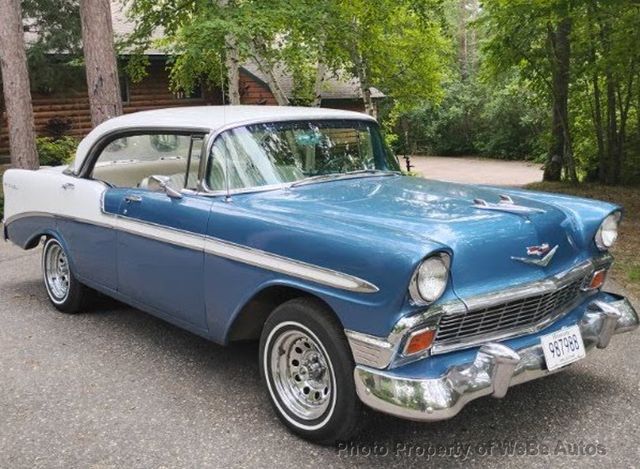
The numbers on a bel air 409 order sheet do not look dramatic by modern standards, but in 1962 they represented a serious mechanical statement bolted into a car that otherwise looked like it belonged in a church parking lot. Chevrolet built the 409 cubic inch big block to compete in an escalating horsepower race among full-size American cars, and rather than reserve it for a flashy image car, the company let it slot quietly into the Bel Air's option list, where a buyer who knew what to ask for could order genuine performance under the most conservative body Chevrolet sold.
Where the 409 actually came from
The 409 was derived from Chevrolet's existing W series big block architecture, itself an evolution of the 348 cubic inch engine introduced a few years earlier for trucks and heavier passenger cars. Engineers bored and stroked that base to reach 409 cubic inches, and depending on configuration and model year, output ranged from around 340 hp on the mildest hydraulic-cam four barrel version up to 425 hp on the top mechanical-cam dual four barrel version offered in 1963 and 1964. That is a wide spread for good reason. Chevrolet offered multiple states of tune across the engine's production run, and casual claims about a single definitive horsepower number rarely hold up against the actual factory literature, which varied by year and carburetor setup.
What is not in dispute is the basic engineering logic. A big block designed originally for trucks and heavier full-size cars had the displacement and structural strength to absorb serious performance modifications without the fragility that plagued some smaller, higher revving engines of the same period. Chevrolet essentially took a workhorse and taught it to sprint, and the Bel Air was one of the cars available to carry it.
Why Chevrolet put it in the plainest car in the lineup
This is the part that rewards a closer look. Chevrolet could have reserved its hottest full-size engine exclusively for the Impala, its clear sales and marketing priority by the early 1960s. Instead, the 409 remained available across the full-size range including the Bel Air, and drag racers noticed immediately. A Bel Air ordered with the 409 and stripped of unnecessary options weighed less than a comparably equipped Impala loaded with brightwork and sound deadening, and in straight line competition that weight difference translated directly into quicker elapsed times. the full story of how the full-size Bel Air positioned itself against its flashier siblings explains a lot of this dynamic, since the pattern of serious mechanical content under modest trim did not start with the 409, it simply reached its most extreme expression there.
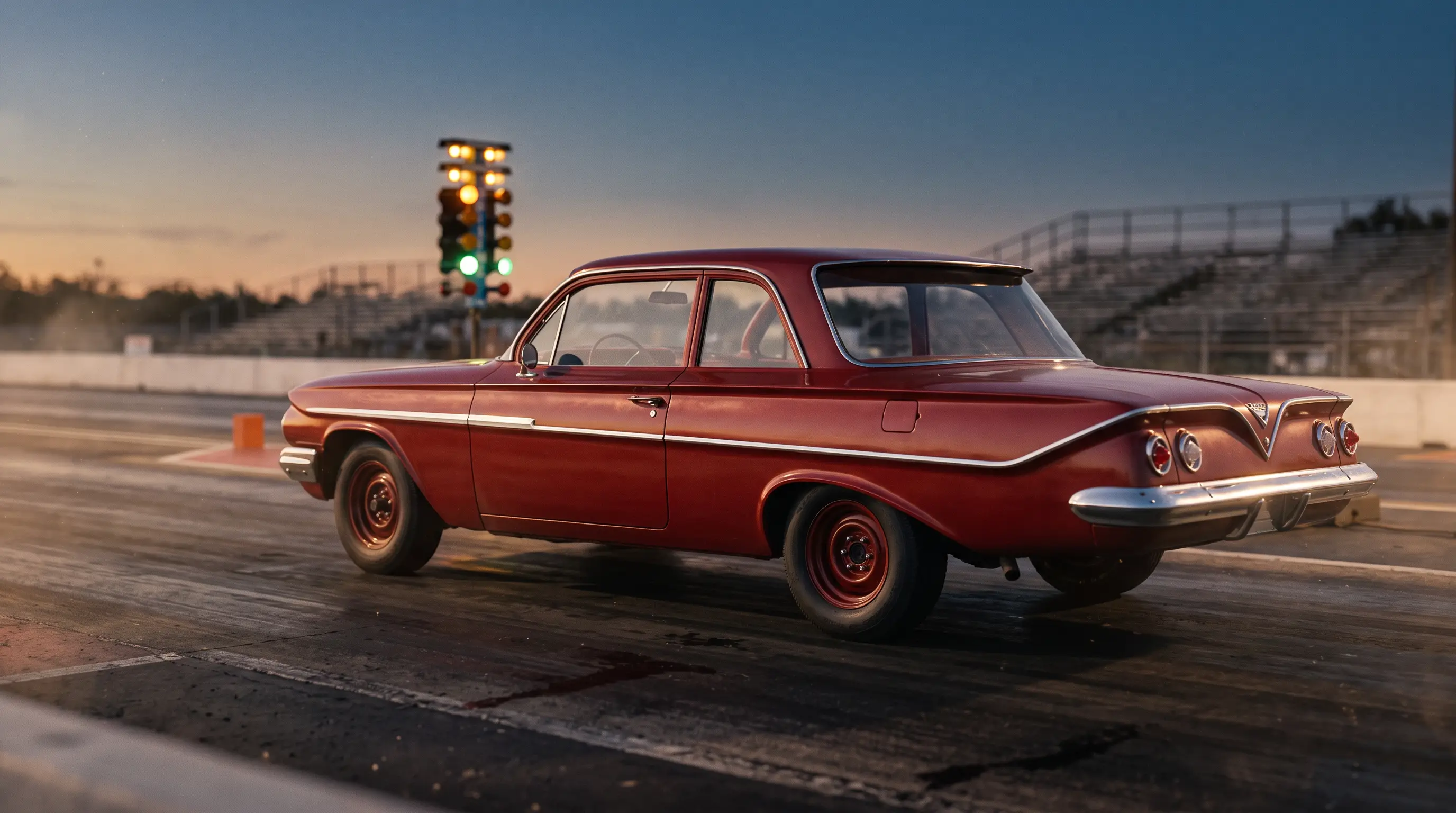
Racers who understood this built what became known informally as sleeper Bel Airs, cars that looked like basic transportation from the outside but ran with genuinely quick full-size muscle underneath. This was not an accident of Chevrolet's engineering, it was a direct byproduct of how the company structured its option sheets, letting any full-size buyer check the biggest engine box regardless of trim level.
Reading a real 409 correctly
Identifying a genuine factory 409 Bel Air today requires more than trusting a valve cover or an air cleaner decal, both of which have been swapped onto lesser engines for decades to inflate a car's story. The engine block casting number, combined with the cowl tag's engine code and the car's original build sheet where available, is the only reliable way to confirm originality. Buyers relying purely on visual cues or a seller's word are taking on real risk, since the aftermarket has produced convincing reproduction parts for this engine family for longer than most buyers have been alive.
Numbers matching examples, verified through this documentation trail, carry a substantial premium over cars with a correct period engine that did not originally leave the factory in that specific chassis. The distinction matters enormously to serious collectors even when the difference is invisible to a casual observer, because it changes both the car's story and its long term value trajectory.
"People get excited about a 409 badge and forget to check the block. The badge tells you what somebody wants you to believe. The casting number tells you what actually happened at the factory."
- Emily Chen
How the 409 compares to what else was on the order sheet
| Engine option | Approximate displacement | Typical buyer intent |
|---|---|---|
| Inline six | 235 cubic inches | Economy, fleet duty, low cost ownership |
| Small block V8 (283/327 family) | 283-327 cubic inches | Balanced daily performance |
| 409 big block | 409 cubic inches | Straight line performance, drag competition |
Laid out this way, the gap between the base engine and the 409 looks almost absurd for a single trim level to span. Most Bel Air buyers never came close to checking the 409 box, and that is exactly the point. The option existed for a narrow slice of buyers who understood what it meant, while the vast majority of Bel Airs left the factory with the six cylinder or a modest small block, built for people who wanted a full-size car and nothing more dramatic than that.
This spread also explains why so few genuine 409 Bel Airs survive relative to total production. A car built for drag competition or spirited street driving faced a harder life than one built for grocery runs, and the attrition rate reflects that reality across every year the engine remained on the order sheet.
What this means for buyers now
Genuine 409 Bel Airs occupy a strange market position. They are not as instantly recognizable to casual buyers as an Impala SS 409, despite sharing the same engine, simply because the Bel Air name carries less cultural weight in popular memory. That gap between mechanical substance and public recognition has historically kept prices for documented 409 Bel Airs somewhat below their Impala counterparts, though the gap has narrowed as serious collectors increasingly value documented originality over badge prestige. A verified numbers matching 409 Bel Air remains one of the more rational performance purchases in the full-size Chevrolet market, offering genuine period muscle car credibility without paying the full premium attached to the more famous name.
Insurance and appraisal considerations differ meaningfully for these cars as well. A documented 409 Bel Air typically qualifies for agreed value coverage through specialty classic car insurers, but only when the paperwork trail supports the claim. Buyers who skip that documentation step often find themselves stuck with standard market value coverage regardless of the engine under the hood, which undercuts much of the financial upside that originally justified paying a premium for a numbers matching example in the first place.
Buyers evaluating this segment should weight documentation above cosmetics every time. A rough but verified 409 car is a better long term purchase than a beautifully restored example with an engine that cannot be traced back to the original build sheet. For those ready to compare options directly, it is worth taking time to browse classic Air listings and cross reference any performance claims against available factory documentation before committing to a purchase.