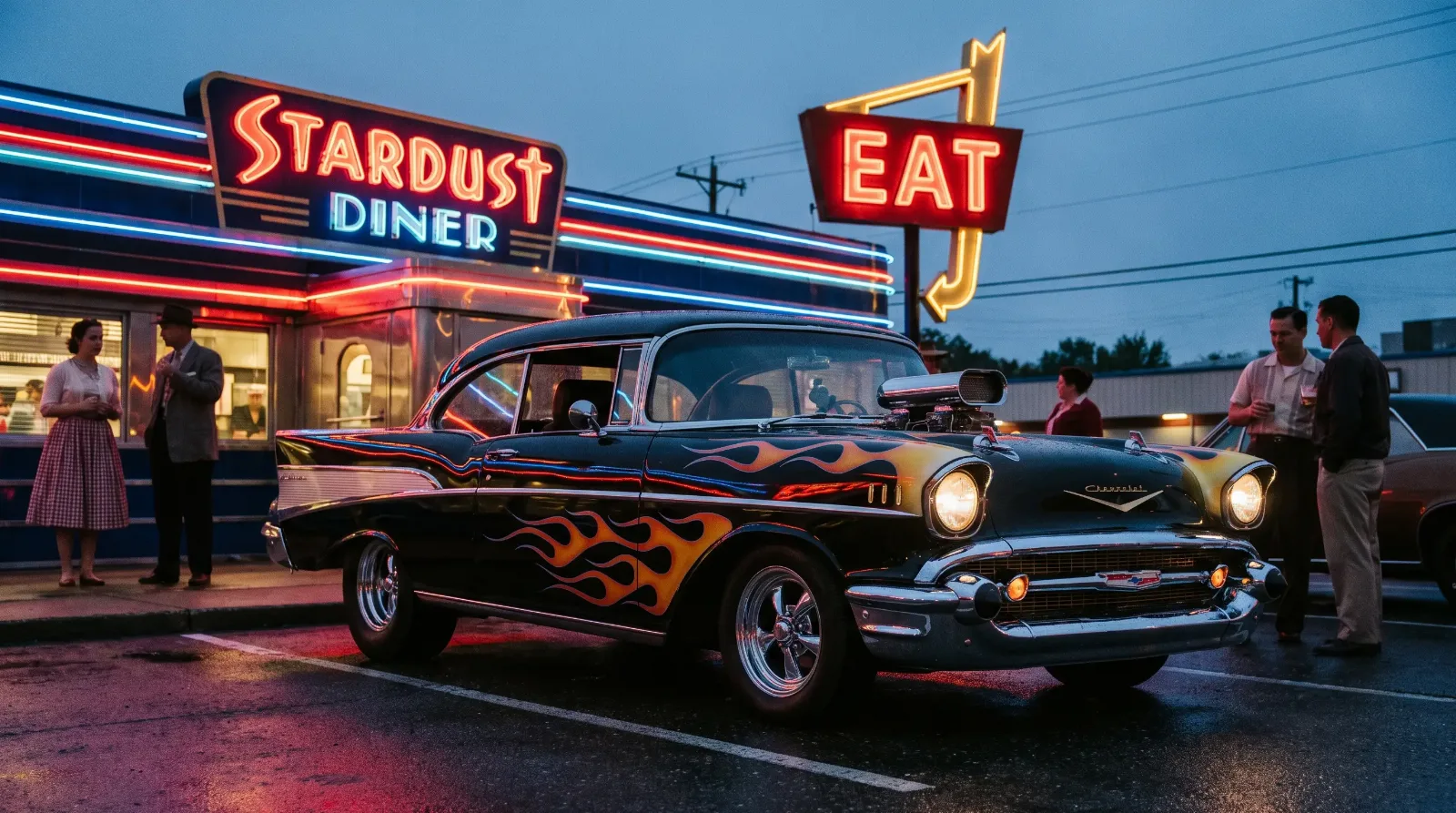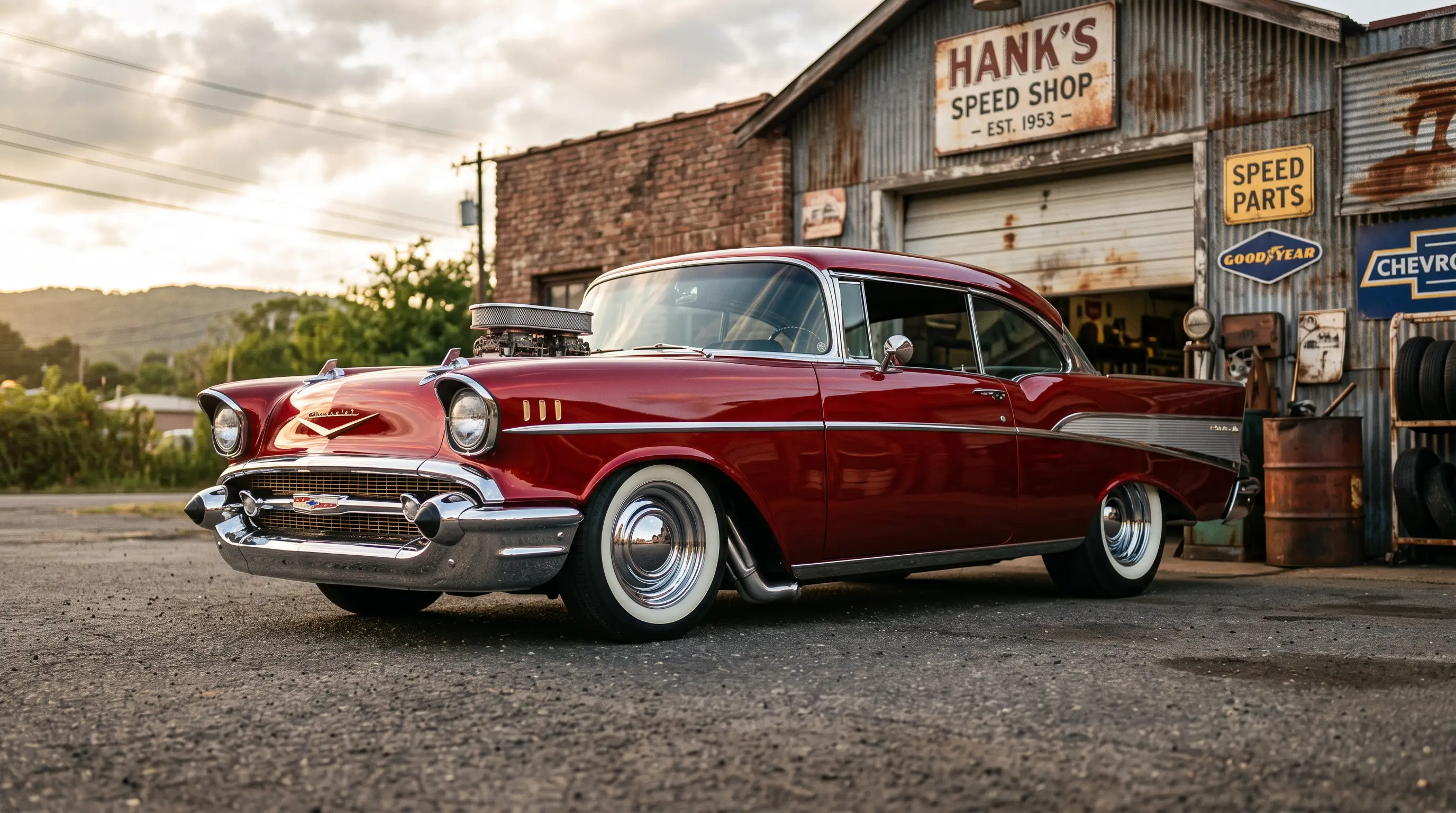
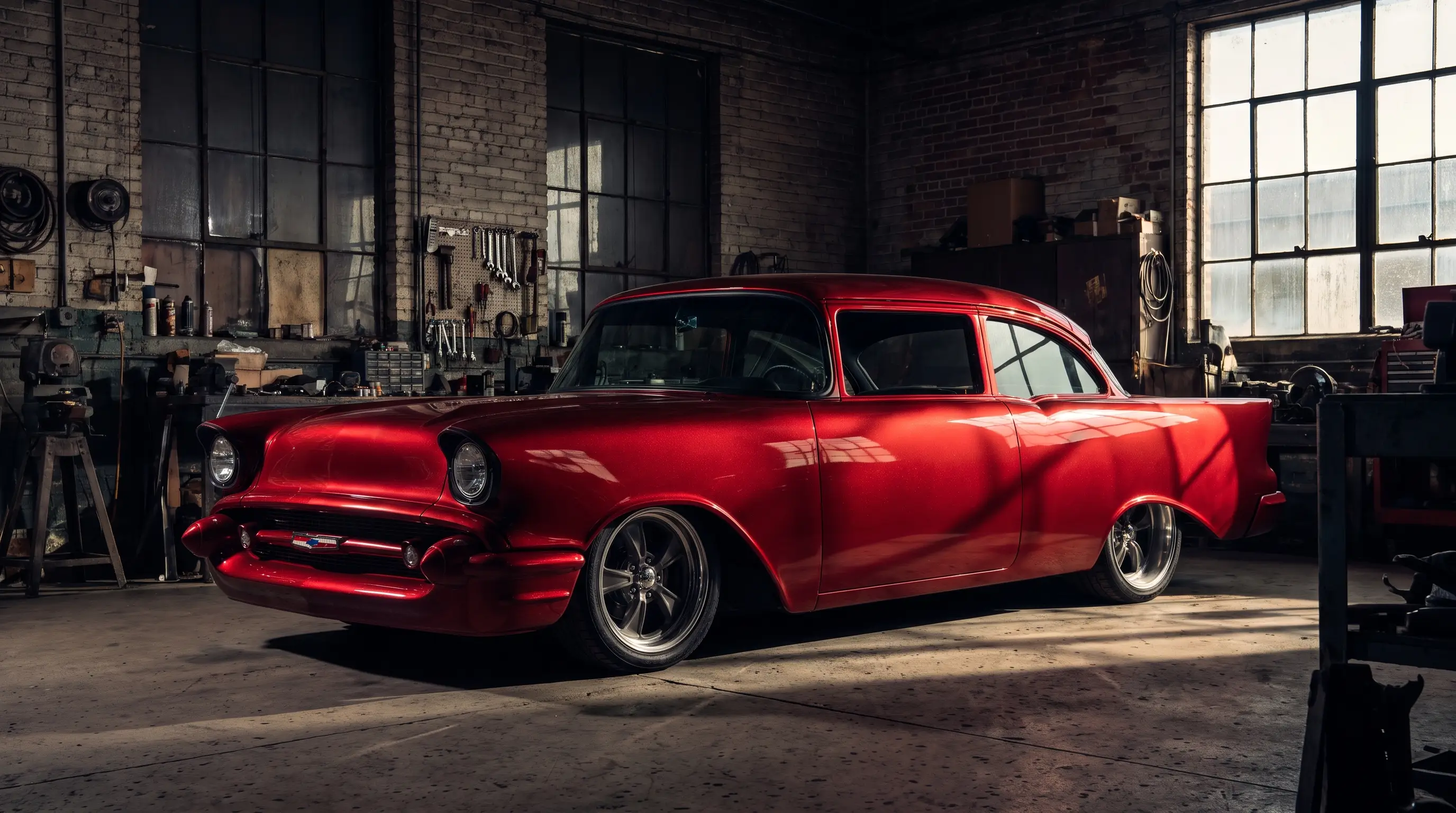
There is a version of the Chevrolet Bel Air that Chevrolet never built, and it exists in garages and at custom car shows all over the country. Chopped roofline, shaved door handles, a lowered stance that makes the factory ride height look almost timid by comparison, and paint that took a full winter to lay down right. This is the kustom bel air tradition, spelled with a K on purpose by the builders who started it, a deliberate signal that this is a different discipline entirely from a restoration. Where a restorer chases what Chevrolet intended, a kustom builder chases what Chevrolet should have built if the rulebook never existed.
Where the K comes from
The kustom spelling traces back to Southern California car culture of the 1940s and 1950s, where builders working outside the factory system developed their own vocabulary to describe what they were doing. Calling a car a custom sounded like a factory option package. Calling it a kustom announced something different, a car reshaped by hand according to a builder's own vision rather than an engineer's production tolerances. By the time Tri-Five Bel Airs started showing up in significant numbers in junkyards and used car lots in the 1960s, that kustom tradition already had its own established techniques, its own respected practitioners, and its own strict, mostly unwritten rules about what counted as done right.
The Bel Air proved to be an ideal subject for this treatment for many of the same reasons it worked so well as a hot rod platform. Clean lines, a strong structural body, and enough surviving examples that a builder could afford to take real chances with one without feeling like they were destroying something irreplaceable.
The techniques that define the look
Chopping a roofline, removing several inches of vertical height from the greenhouse while keeping the glass and structure sound, remains one of the most respected and most difficult things a kustom builder can attempt on a Tri-Five body. Done well, it changes the entire visual rhythm of the car, making a Bel Air that already had a confident stance look almost predatory. Shaving door handles, trim, and badges cleaned up the body's surfaces in a way that period factory styling, with its abundance of chrome, never allowed. Lowering the stance, sometimes dramatically, sometimes just enough to change the car's attitude without looking extreme, tied the whole package together.
None of these choices happened in isolation. A serious kustom builder thinks about the whole car as a single composition, the way a sculptor thinks about negative space. A chop that isn't matched by the right stance looks awkward. A lowered stance without the right wheel and tire proportions looks unfinished. The builders who earned real reputations in this world, going back to the earliest Southern California shops, understood that every individual modification had to serve the same overall idea or the car would end up looking like a list of parts rather than a finished statement.
A different relationship with originality
Kustom culture and concours-style originality exist in genuine tension, and that tension has never really been resolved, nor should it be. A heavily modified Bel Air will never win a factory-stock judging class, and it was never meant to. What it competes for instead is a different kind of respect entirely, built around craftsmanship, vision, and the skill required to reshape steel that was never designed to be reshaped. Some of the most celebrated kustom Bel Airs in the hobby's history have changed hands for sums that rival or exceed what a pristine factory-original example might bring, because serious collectors in this specific corner of the hobby are paying for a builder's reputation and a car's individual story, not for how closely it matches a 1957 build sheet.
For readers who want to understand how this custom tradition fits into the wider arc of the model's cultural life, the full story traces the broader history of how the Tri-Five generation became important to so many different corners of American car culture at once, from concours judges to kustom builders who never much cared what the judges thought.
The community that keeps the tradition alive
Kustom building has always been as much a social tradition as a technical one. Shops that built reputations in the 1950s and 1960s trained the next generation of builders directly, and that mentorship chain has continued, informally, for decades since. Modern kustom builders working on Tri-Five Bel Airs today often trace their technique and their aesthetic instincts directly back to specific named shops from the genre's earliest years, treating that lineage with the same seriousness a musician might treat a mentor who studied under a legendary predecessor. Car shows dedicated specifically to this style still draw serious crowds, and the builders showing there are often more interested in a fellow builder's opinion of their chop line than in any trophy handed out that day.
Why the Bel Air keeps getting chosen
New kustom builds using Tri-Five Bel Airs as a starting point still appear at major shows every year, which says something meaningful about how durable this particular pairing of car and craft has proven to be. Plenty of other models from the era have been customized over the decades. Few have sustained an entire dedicated subculture built specifically around reshaping them, generation after generation, the way the Bel Air has. That kind of staying power does not happen by accident. It happens because the underlying shape gives builders enough to work with that the possibilities never really run out.
Talk to a builder who has worked on a dozen different platforms over a career and most of them will tell you the Bel Air still surprises them. A body that has been chopped, sectioned, and reshaped a thousand times across seventy years of kustom history somehow keeps offering new proportions to explore, new angles nobody quite tried before, or tried and abandoned decades ago for reasons worth revisiting with modern tools. That is a rare quality in any design, let alone one drawn up by a factory styling department that was thinking about production tolerances and dealer floor appeal, not about what a builder in a home garage sixty years later might want to do with the same sheet metal.
"A restorer asks what the factory did. A kustom builder asks what the factory should have done, and then spends a winter proving it in steel."
- Patrick Walsh
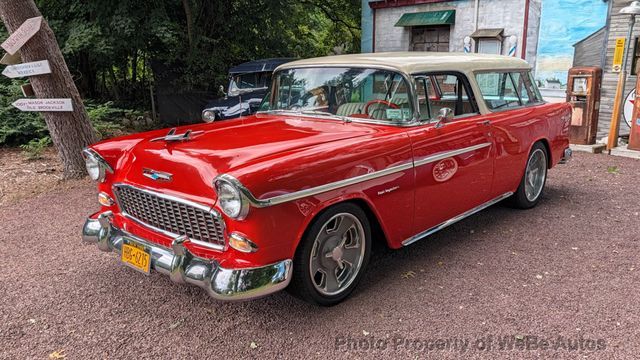
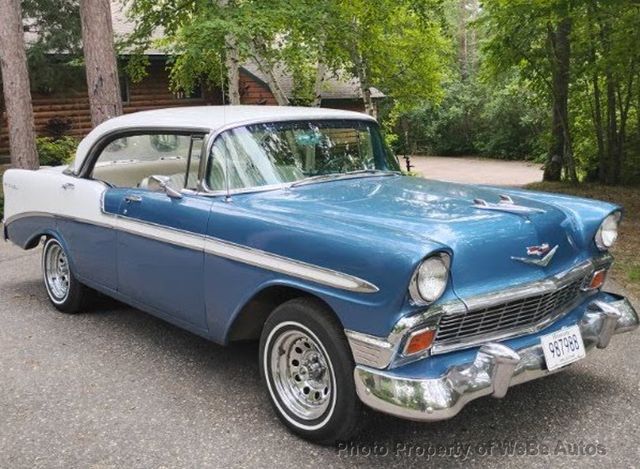
If this tradition has you curious about starting a project of your own, or just wanting to see how much raw material is out there for a builder with the right vision, you can browse classic Air listings and see what kind of canvas is available right now.