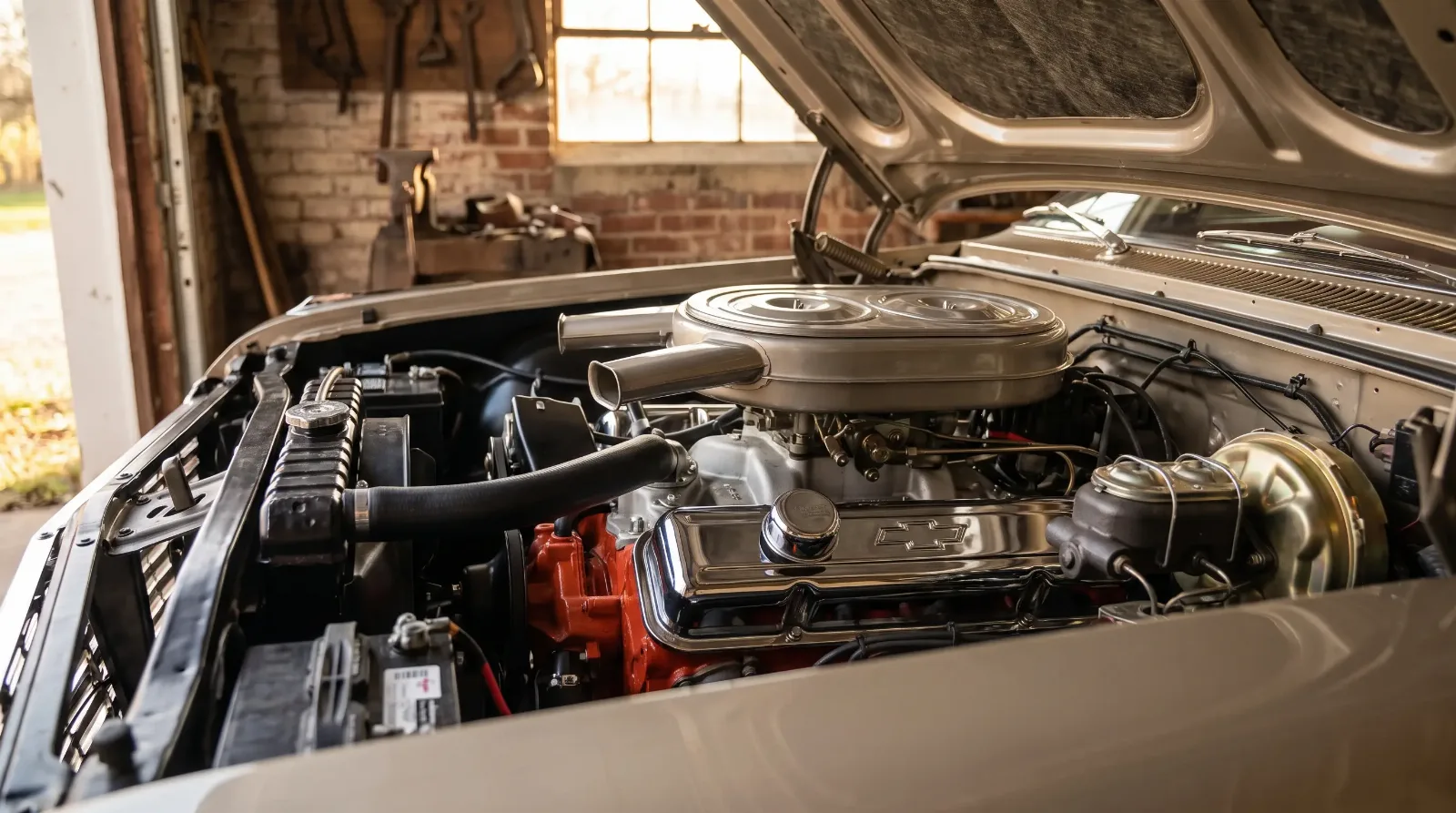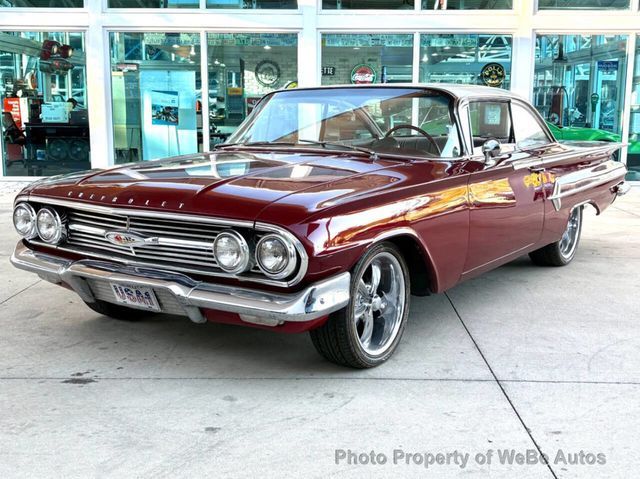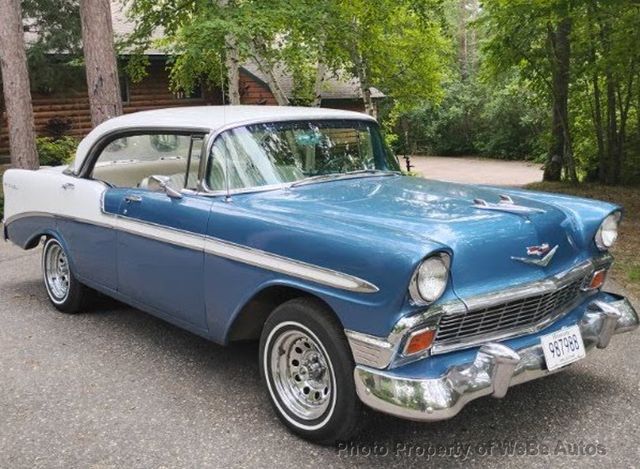
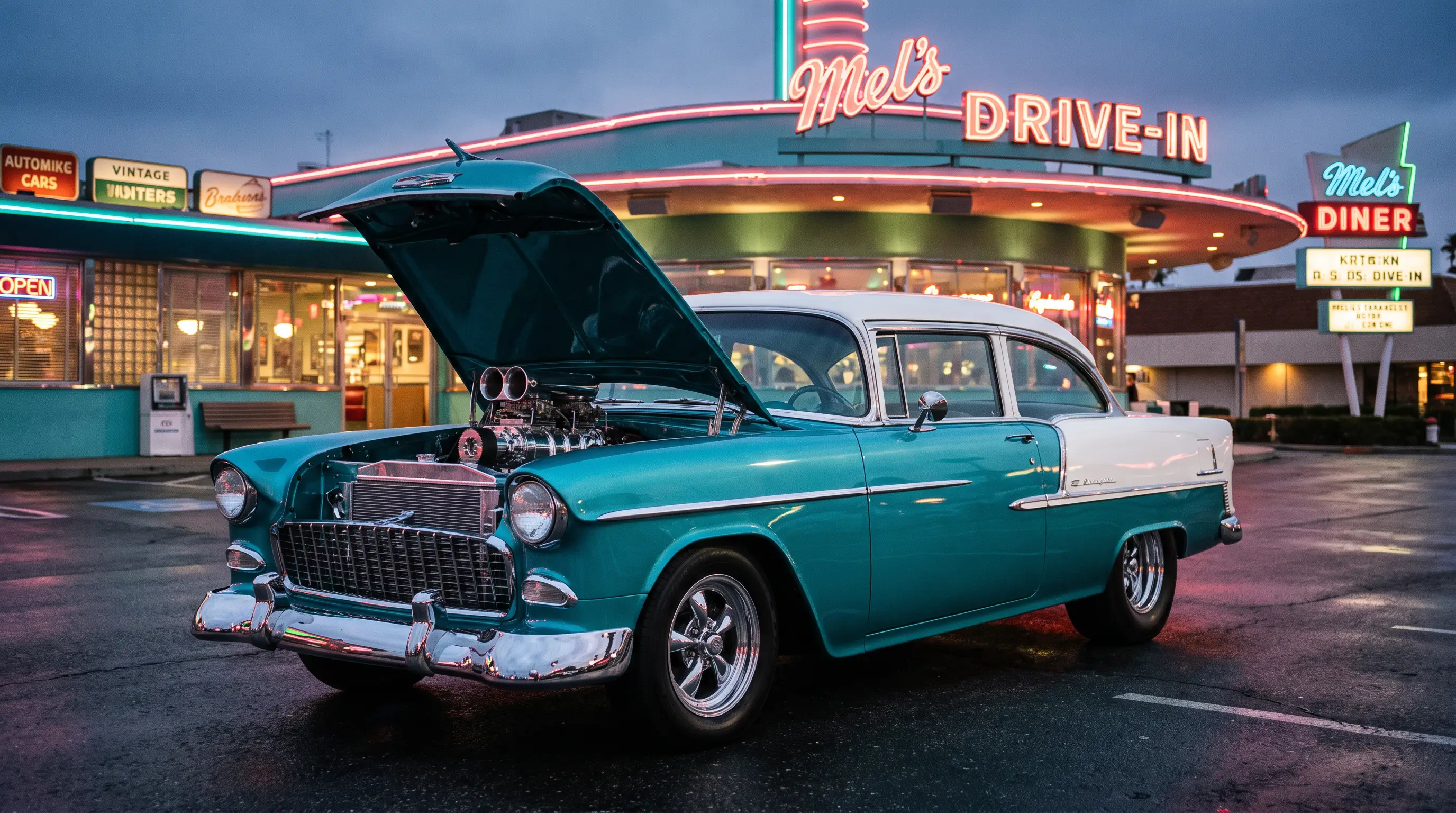
I still remember the Saturday a guy named Dutch set a cracked, oil-stained 265 block on a folding table at the Iola swap meet and refused every offer under four hundred dollars. Somebody laughed. Dutch didn't. "That's not a paperweight," he said, "that's the reason your hot rod runs." He was talking about the small block that first showed up under the hood of a Chevrolet Bel Air in 1955, and forty years later he was still right. The chevy small block hot rod story does not start in a drag strip pit or a magazine spread. It starts in driveways, at swap meets, and in the memory of guys like Dutch who watched it happen the first time.
A swap meet where it started
Our club has an unofficial rule: every small block on a table gets picked up and turned over before anyone asks the price. You look at the casting marks, you look at the water pump bosses, you look for the tell that says this one came out of a real car and not a boat or a farm truck. That habit exists because of what happened in 1955, when Chevrolet dropped a lightweight overhead valve V8 into the Bel Air lineup and every backyard mechanic in America suddenly had access to something that used to belong only to the expensive marques. The engine weighed less than the six it replaced. It made real power without asking for exotic machine work. And it was cheap enough that a kid with a paper route and a patient father could put one under the hood of something older and slower.
Dutch always said the small block did for engines what the assembly line did for cars. It made speed ordinary. Before 1955, building a fast car meant chasing parts that didn't exist on any dealer shelf. After 1955, you could walk into a Chevrolet dealership and drive out with the ingredients.
1955 and the engine that changed everything
The 265 cubic inch V8 that debuted in the Bel Air that year was not the biggest engine on the market, and it was not the most powerful. What it had going for it was proportion. It was compact enough to fit engine bays that were never designed for a V8, light enough that it did not ruin a car's handling, and simple enough that a shade-tree mechanic could pull the heads on a Sunday afternoon. Ed Cole and his engineering team at Chevrolet had built something that, almost by accident, became the most swapped, most cloned, most argued-about engine family in American hot rodding.
By 1957 the family had grown to 283 cubic inches, and the option sheet included a Rochester Ramjet mechanical fuel injection setup rated at 283 horsepower with the solid-lifter Duntov cam, the first American production engine to reach one horsepower per cubic inch. It was a real dyno number, not just a slogan, though the option's steep price kept it rare on the street. That fact did something more important than settle an argument. It planted the idea that a small, ordinary-looking American V8 could compete with anything on the road. That idea outlived the specific horsepower figure by decades.
The small block goes racing
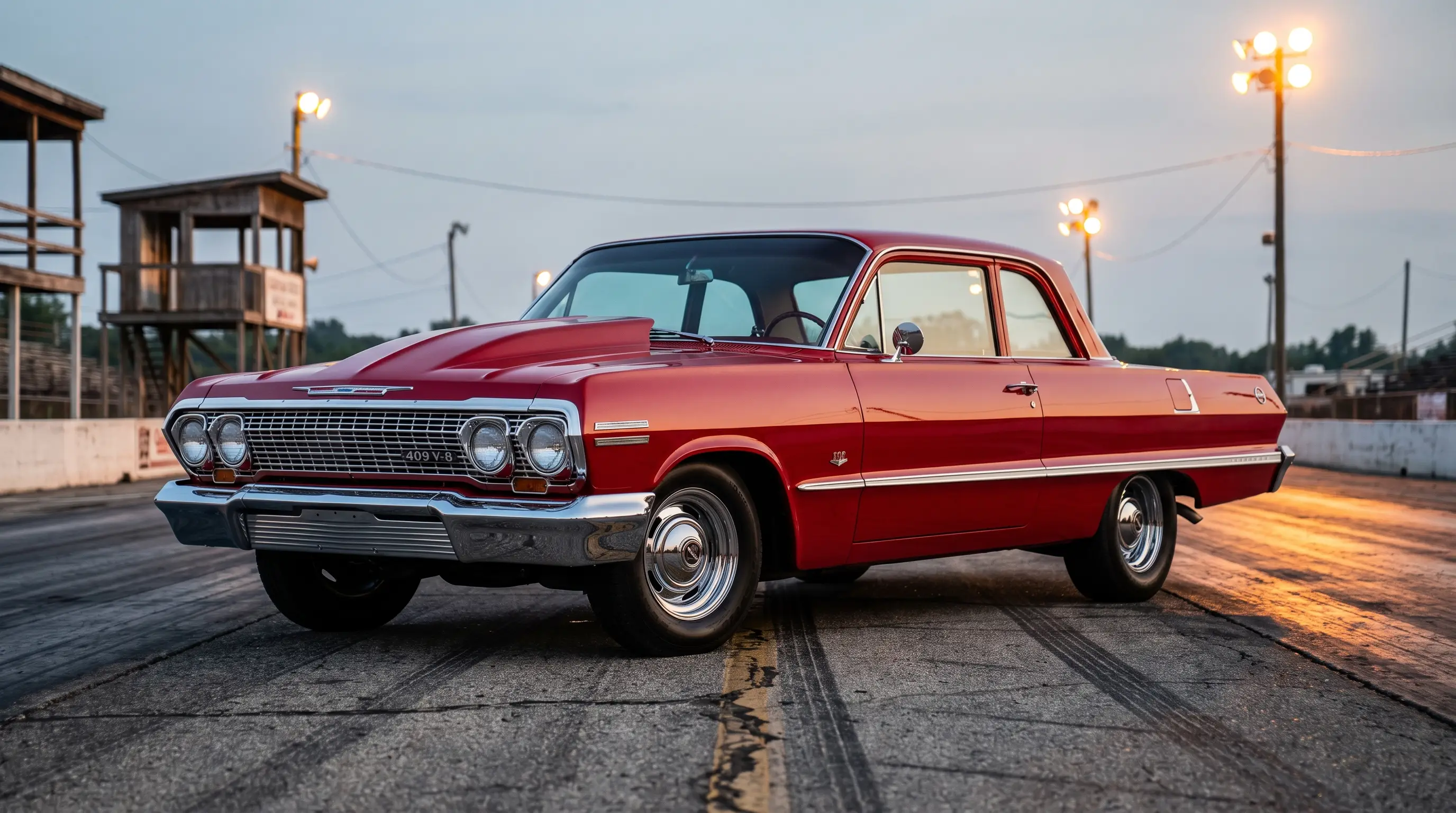
Drag strips in the late 1950s filled up fast with Tri-Five Chevrolets running small blocks that had never seen a dealership catalog page. Guys pulled the engines, opened the carburetion, milled the heads, and kept notes in spiral notebooks that got passed hand to hand at the track. NASCAR teams noticed too. The small block's strength-to-weight ratio made it a natural for oval racing, and every win on a Sunday afternoon sent another wave of buyers into Chevrolet showrooms on Monday morning.
What made the racing story matter to regular owners was accessibility. You did not need a factory connection to go fast. You needed a small block, a set of tools, and the willingness to learn by doing. That democratic streak is baked into the whole chevy small block hot rod culture, and it is the reason club meetings still fill up with stories about a first engine build that went wrong twice before it went right.
From speed shops to Sunday cruises
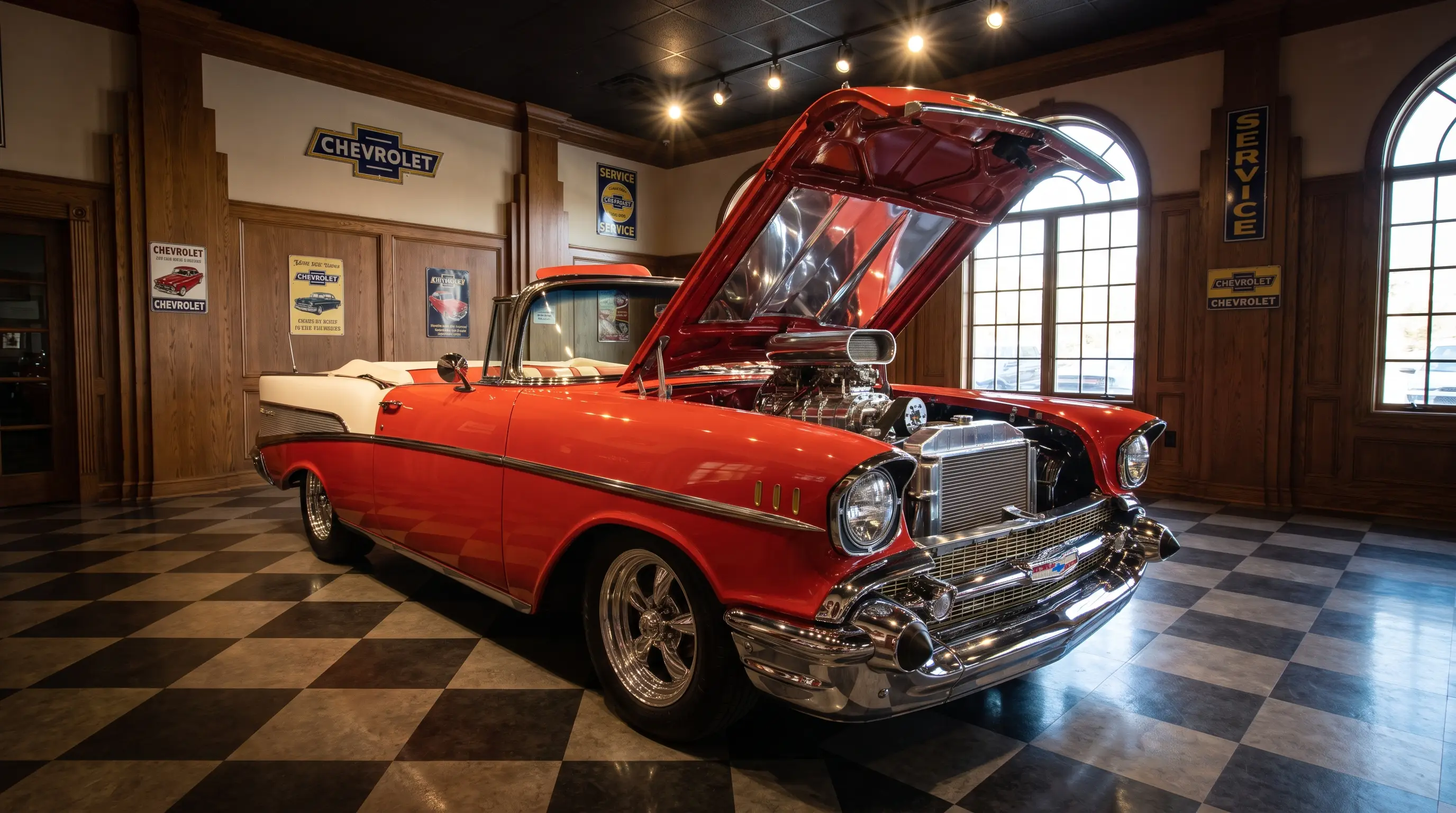
The small block's second act came in the custom and street rod scene of the 1960s and 1970s, when builders started dropping later, more powerful small blocks into earlier Chevrolet bodies. A 350 under a 1955 hood became such a common combination that some purists griped about it diluting the original engineering story, while others argued it was simply the small block family doing what it had always done: adapting.
If you want to read the background on how the whole engine lineup evolved across the Tri-Five years, the broader picture fills in a lot of what gets simplified into swap-meet folklore. The short version club members repeat most often is that the small block never really stopped being current. Other engine families came and went with the decades. This one kept getting bored, stroked, injected, and reinvented, and it never lost its identity in the process.
Why the legacy still runs
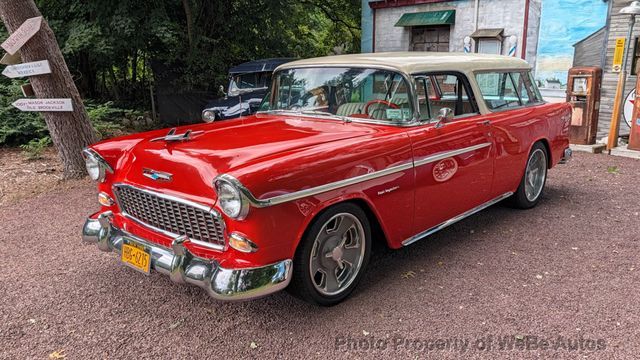
Walk any car show today and you will find small blocks under hoods that have nothing to do with the original 1955 Bel Air lineage. Trucks, boats, even industrial equipment have run variations of this family. But ask a club member where the legend actually lives, and most of them point back to the same car. The Bel Air is where the small block found its first audience, and the relationship between that model and that engine family shaped how three generations of hot rodders think about what a good V8 should be: light, strong, simple, and honest about what it costs to keep running.
Dutch sold that cracked 265 block for three hundred and eighty dollars, less than he wanted but more than the buyer expected to pay. He told me later it was never really about the money. He wanted it to go to someone who understood what they were buying. That is still how most small block history gets passed along in this hobby, one folding table and one stubborn seller at a time.
"Every small block I've ever pulled apart tells you the same thing before you even get the pan off. Somebody loved this engine enough to keep it running past when it should have quit."
- Wayne Coburn
If the itch to own a piece of this story gets strong enough, the market still has plenty of options. You can find a classic Air carrying an original or period-correct small block, and there is no better way to understand what Dutch meant that Saturday than to hear one of these engines come to life under your own hood.