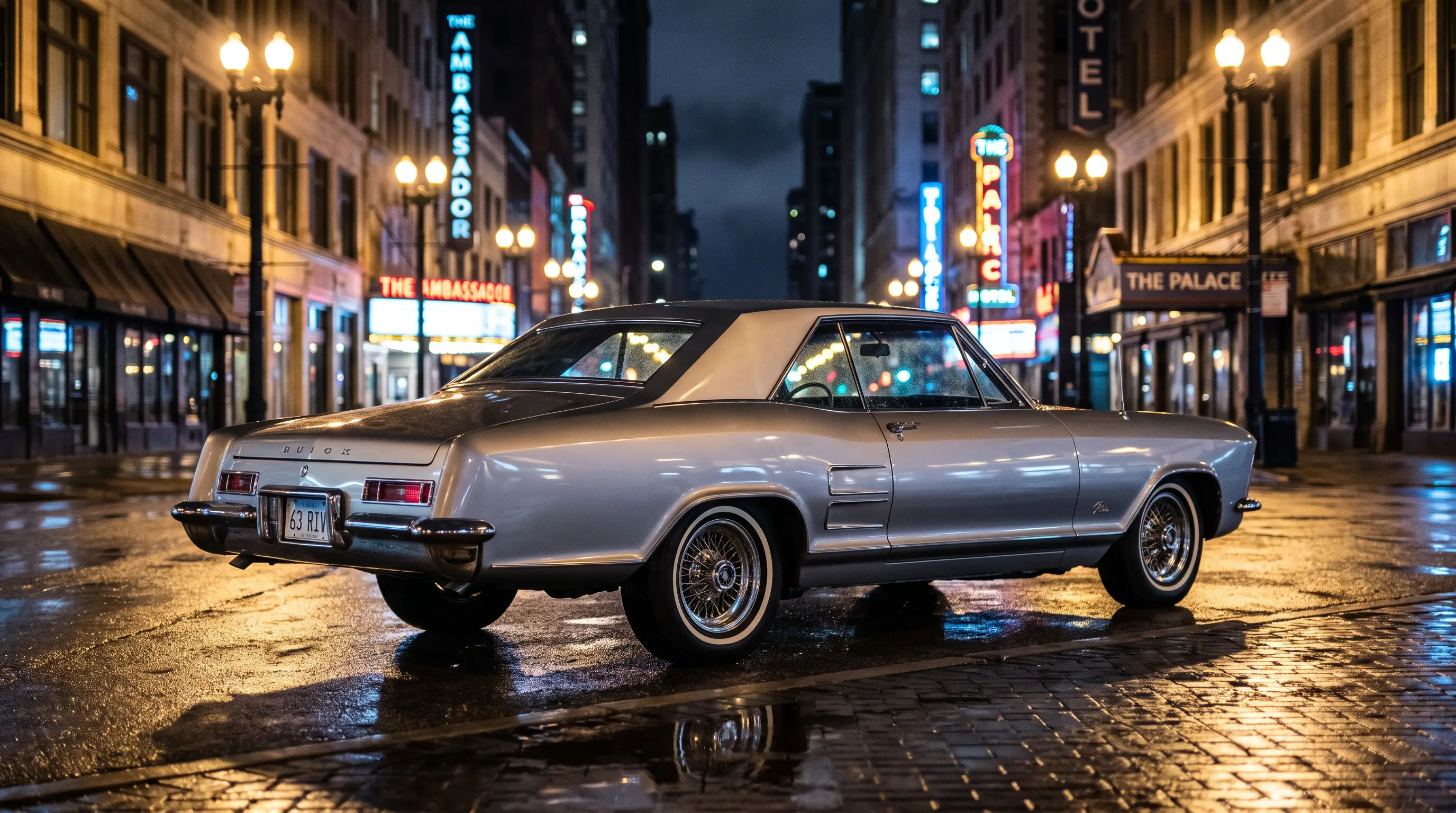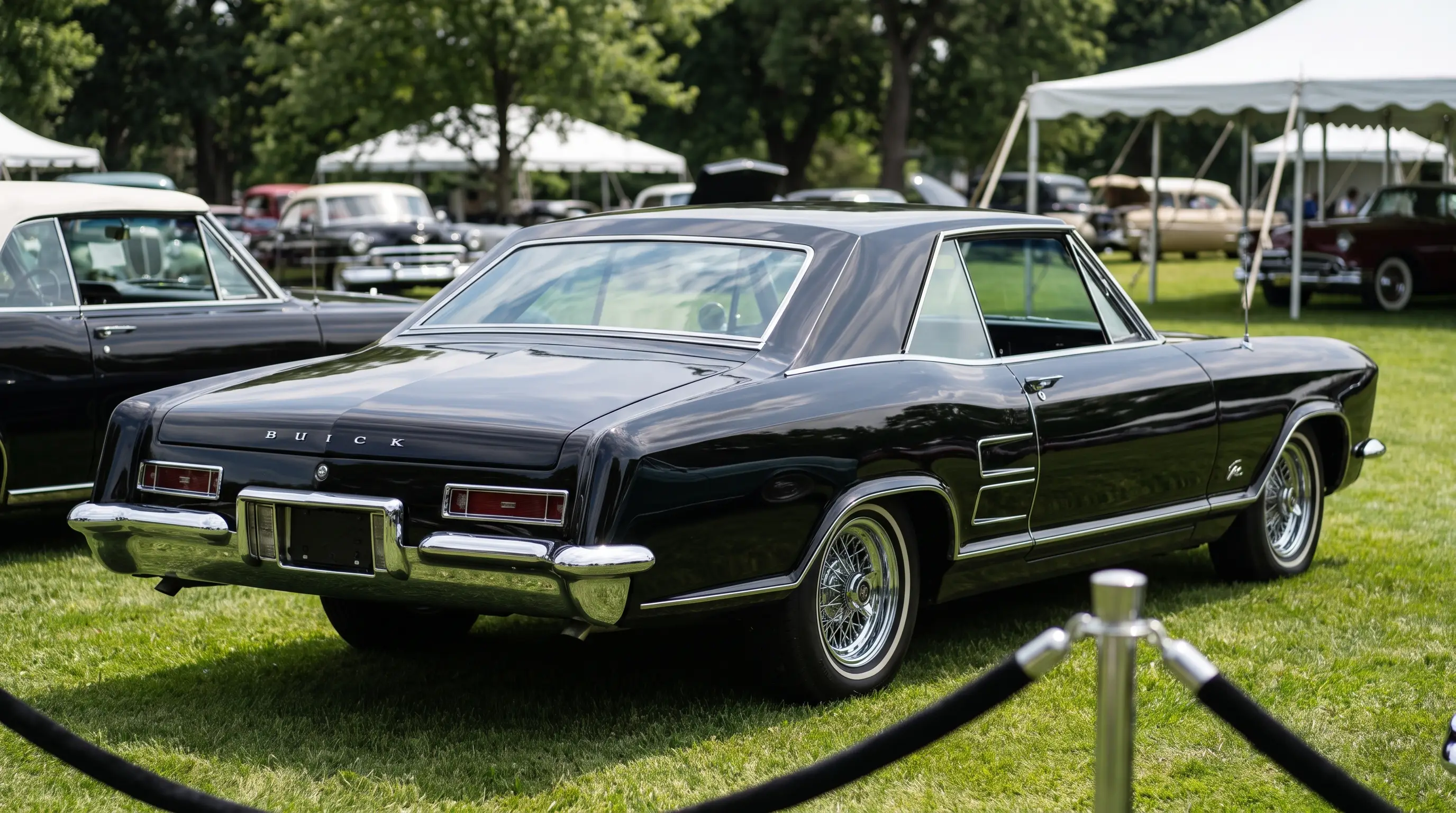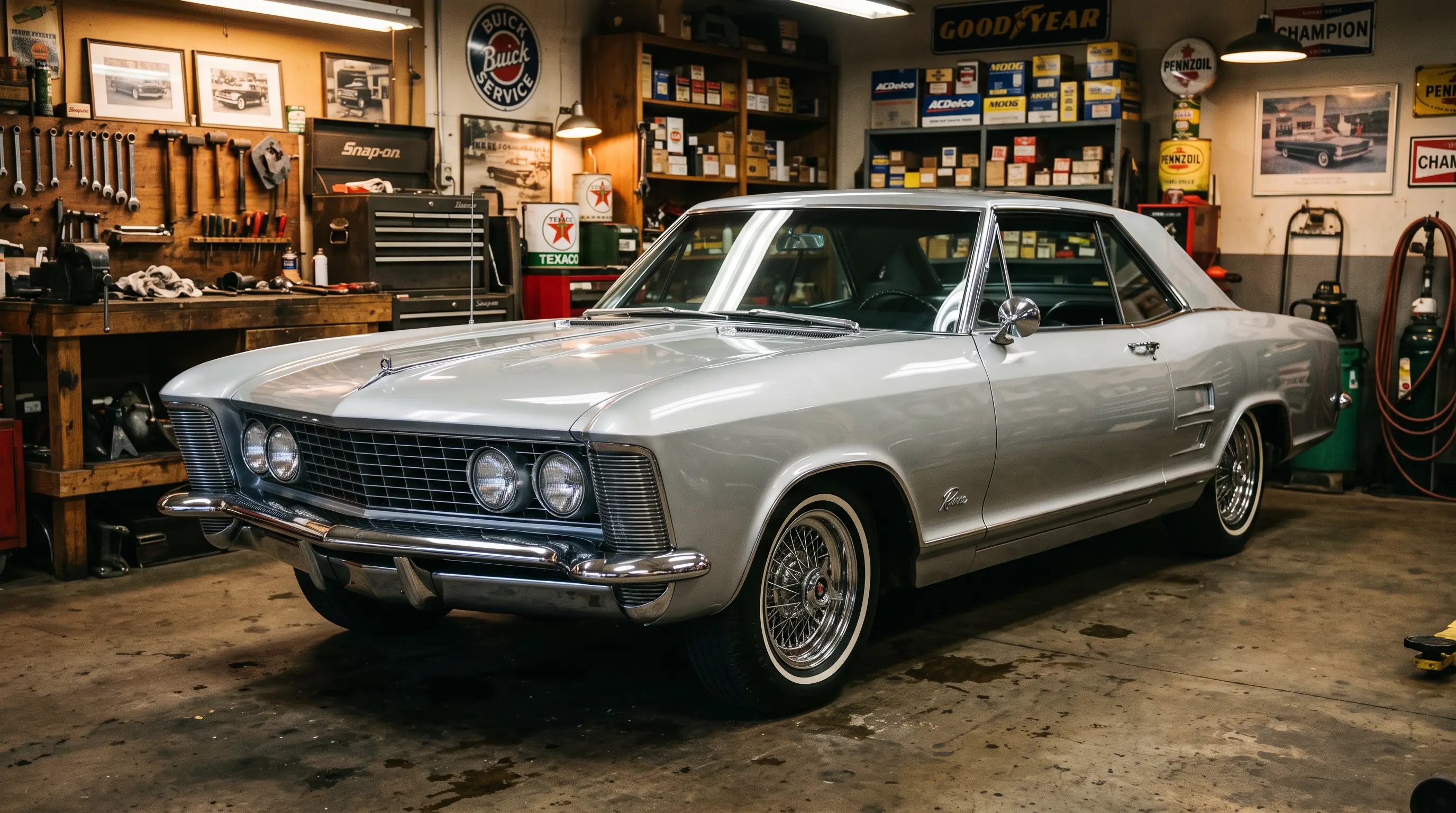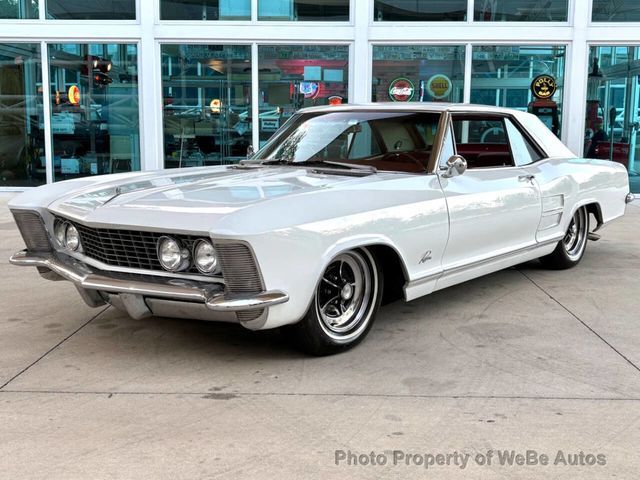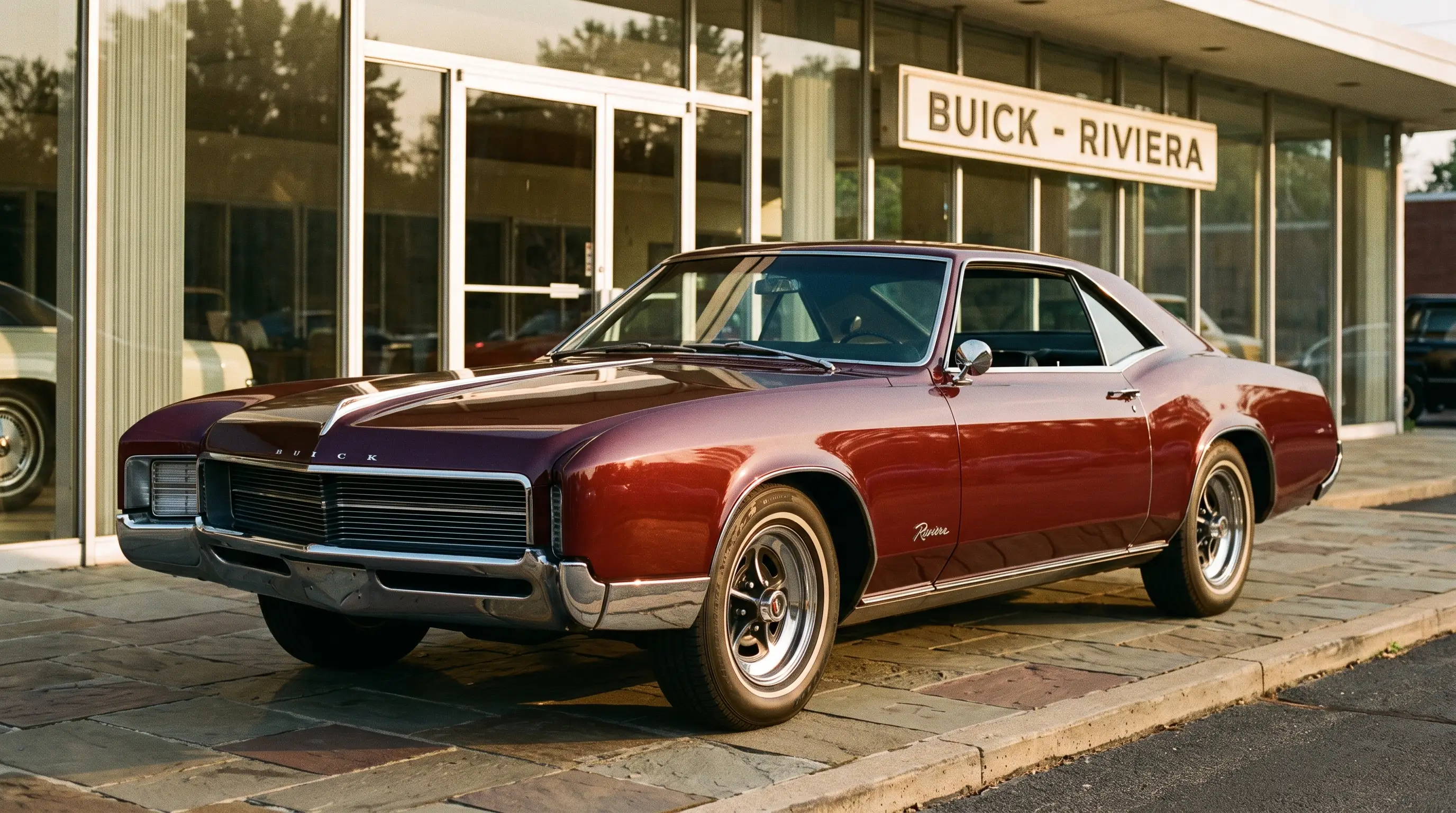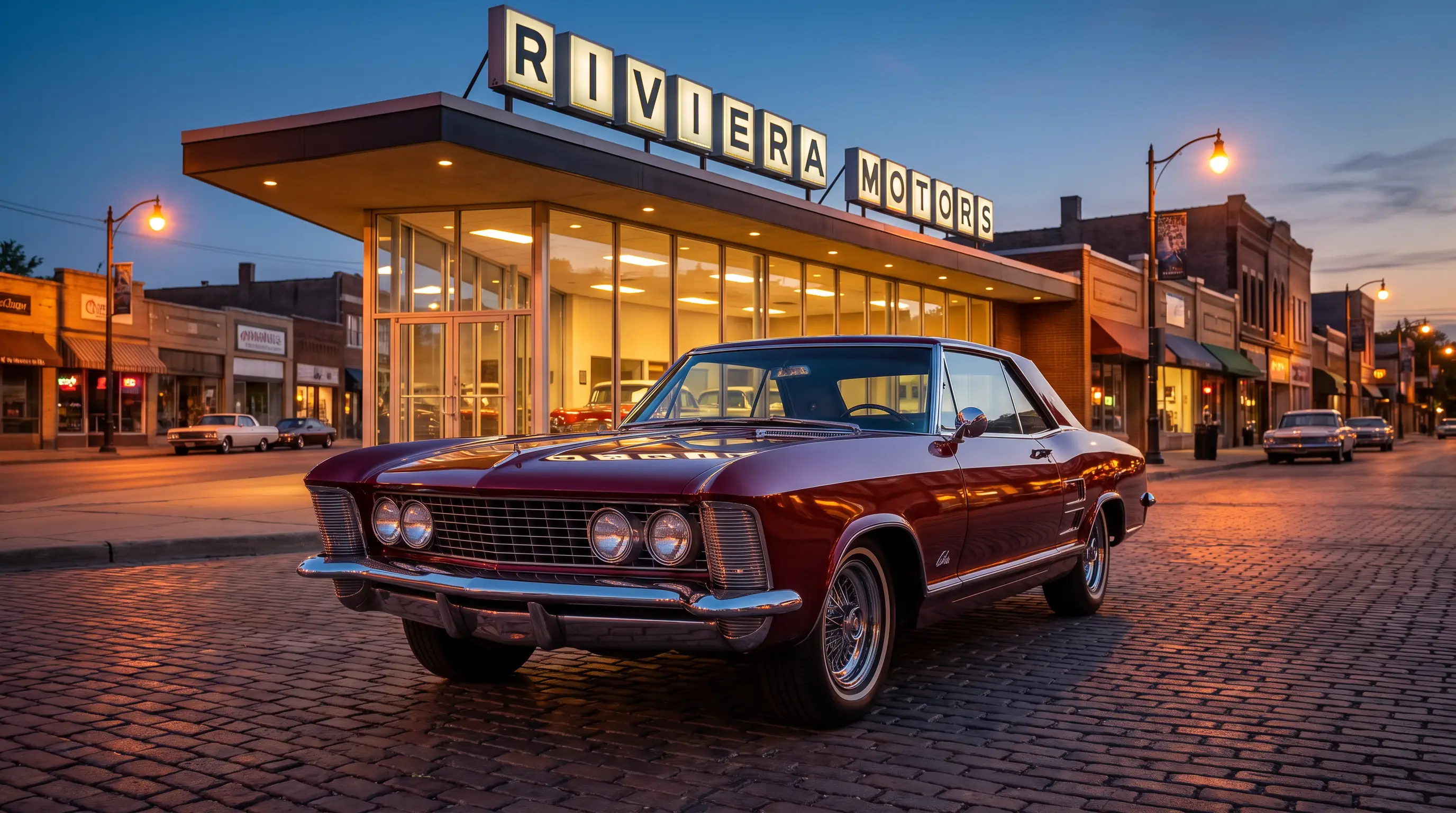
The buick riviera 1963 cultural debut moment did not happen in a vacuum. It arrived at a specific point in Detroit's history, after a decade of chrome-heavy excess and just before the muscle car era took over the conversation entirely, and understanding that window explains why the car landed the way it did. Buick was not trying to build a fast car in 1963. It was trying to build a confident one, and confidence, in that particular year, was a genuinely new thing for the division to project.
Detroit in 1962, before the muscle car era
By the time the Riviera was signed off for production, the American auto industry had spent the late 1950s piling on tail fins and ornamentation, then spent the early 1960s quietly walking a lot of that excess back. Buyers were showing interest in cleaner, more restrained shapes, and GM's design leadership under Bill Mitchell had been pushing the corporation's studios in that direction across multiple divisions. The muscle car wars that would define the mid-to-late 1960s, the GTOs and Road Runners and Chargers, had not started yet. The performance conversation in Detroit in 1962 and early 1963 was still mostly about who could build the most confident-looking personal luxury coupe, not who could run the quickest quarter mile.
That context matters because the Riviera was built for exactly that moment and no other. It is a car defined by restraint and proportion rather than aggression, and it would have looked strange arriving five years later into a market obsessed with big-block engines and hood scoops. Its debut timing was, whether by design or good fortune, close to perfect.
A design that borrowed confidence from Europe
Buick's design team studied European coachbuilt coupes closely while developing the Riviera, and the confidence on display in the finished car reflects that study directly. American manufacturers in this period frequently referenced European styling in advertising copy without the cars themselves actually earning the comparison. The Riviera was different. Its clean flanks, frameless door glass, and restrained ornamentation genuinely resembled the coachbuilt European coupes it was compared to, rather than borrowing a few surface details and calling it a day.
This gave the car's debut a specific cultural weight beyond the usual new-model excitement. It signaled that an American manufacturer, and specifically a division as conservative as Buick, was capable of producing something that held up next to European design on its own terms, not through imitation but through genuine discipline in the studio.
What the debut signaled inside General Motors
Internally, the Riviera's reception changed how General Motors thought about Buick's design capability. Before 1963, Buick was viewed within the corporation as a reliable, profitable, but stylistically conservative division, competent rather than aspirational. A car this well received, both critically and commercially, gave Buick's studio real credibility the next time a major styling decision came up for approval, and that credibility shows up directly in the ambition of the second-generation Riviera that followed for 1966.
Production records from the period confirm Buick allocated real engineering resources to the Riviera program relative to its modest sales volume, roughly 40,000 units in that debut year, a sign the division saw the car as more than a single profitable model. It was a statement about what Buick's design and engineering teams were now capable of producing when given the freedom to build something without a direct predecessor to constrain it.
Setting the record straight on a few misconceptions
One misconception worth correcting: the Riviera is sometimes described as Buick's rushed answer to the Ford Thunderbird, thrown together reactively once Thunderbird sales proved the personal luxury segment had real demand. The actual development timeline does not support that story. The Riviera's design work began well before Buick had settled on which division would build it, tracing back to the shelved LaSalle revival proposal, which means the car's origins predate any panicked response to Thunderbird sales figures specifically.
Another common error treats the 1963 debut as an overnight sales phenomenon. It was well received critically and by the buyers who sought it out, but its production numbers were always modest by design, positioned as an exclusive offering rather than a volume seller competing directly with Thunderbird's much larger output.
"Buick did not stumble into this car. Every piece of the record, the design lineage, the engineering resources committed, the way GM leadership talked about it afterward, points to a division that knew exactly what it was building and why."
- Tom Ramirez
How the moment reads against the rest of the decade
It helps to place 1963 against the years immediately surrounding it. In 1961 and 1962, Buick's lineup was still leaning on established shapes and incremental trim changes, competent cars that did not ask much of buyers beyond loyalty to the badge. By 1965 and 1966, the industry's attention had shifted decisively toward horsepower figures and quarter-mile times, and the personal luxury segment the Riviera helped define was already being pulled in a different direction by competitors chasing bigger engines rather than cleaner shapes. The 1963 debut sits precisely between those two eras, a brief window where restraint and proportion were still the currency that mattered most to a segment of American buyers, and Buick built a car that spent that currency about as well as any American manufacturer managed to that decade.
That timing is easy to overlook now, decades removed from the context, but it is central to why the car reads the way it does today. A Riviera built with the same shape and the same restraint two years later would have arrived into a very different conversation, one far more focused on displacement and stripes than on proportion and glass. The 1963 debut caught Detroit at a moment that would not last, and the car reflects that moment more precisely than most people realize when they first encounter it.
The moment's lasting place in Buick's story
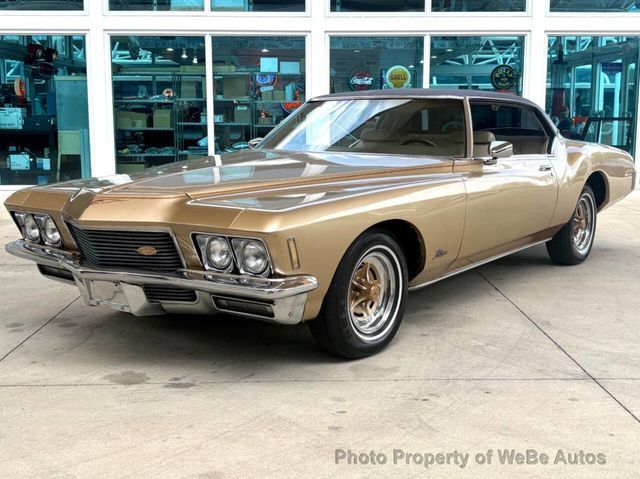
Six decades on, the 1963 debut still functions as the reference point for everything Buick has built in the personal luxury space since. Later Rivieras experimented with bigger engines, a dramatically longer boat-tail rear, and different proportions entirely, but none of them replaced the original as the moment collectors and historians point to when explaining how Buick earned a design reputation it had not previously held. The confidence on display that year was not a fluke. It was the product of a specific studio, a specific set of engineers, and a specific moment in Detroit's history that would not repeat itself the same way again.
Anyone who wants the fuller account of how that moment came together should start with where this started, and buyers interested in owning a piece of that debut can shop classic Riviera listings currently available on the market.
Sources and notes
- Buick Riviera - Wikipedia
- Razor-Sharp Style: The 1963-1965 Buick Riviera - Ate Up With Motor
- 1963-1965 Buick Riviera: Substance and Style - Hagerty Media
- Styling Masterpiece: The 1963 Buick Riviera - Tunnel Ram
- Video: Introducing the 1963 Buick Riviera - Mac's Motor City Garage
- 1963 Buick Riviera Fact Sheet - Over-Drive Magazine