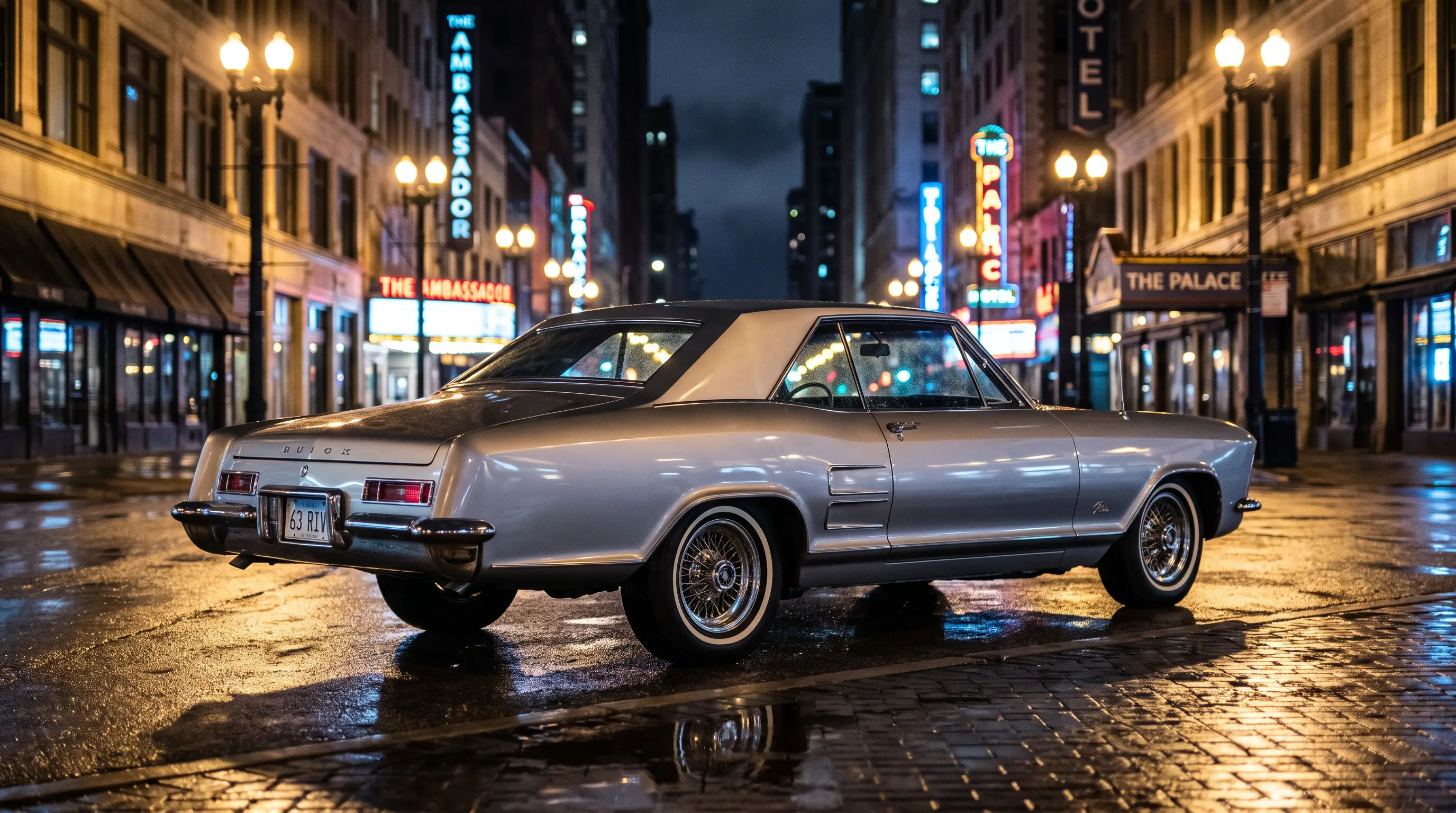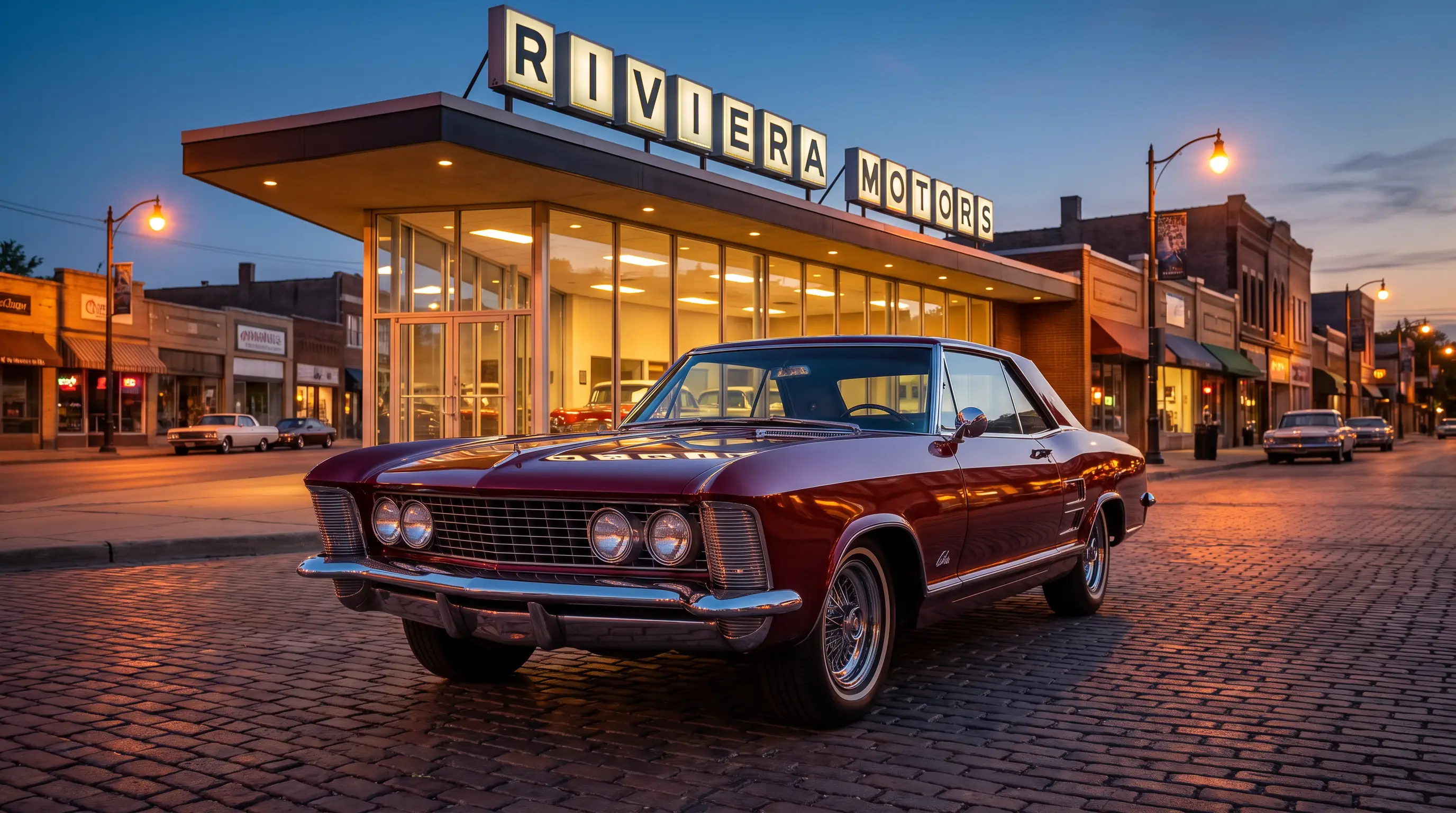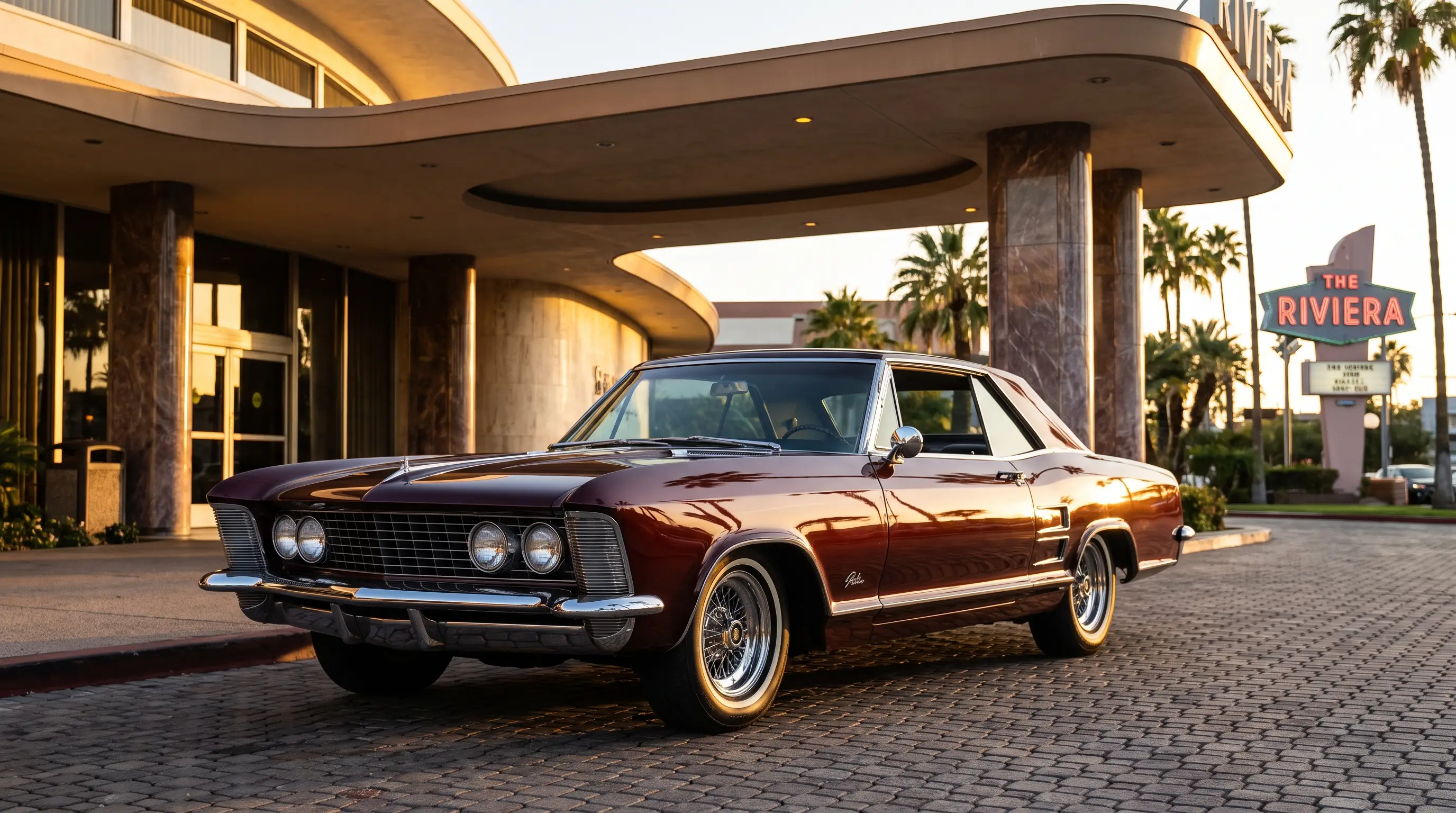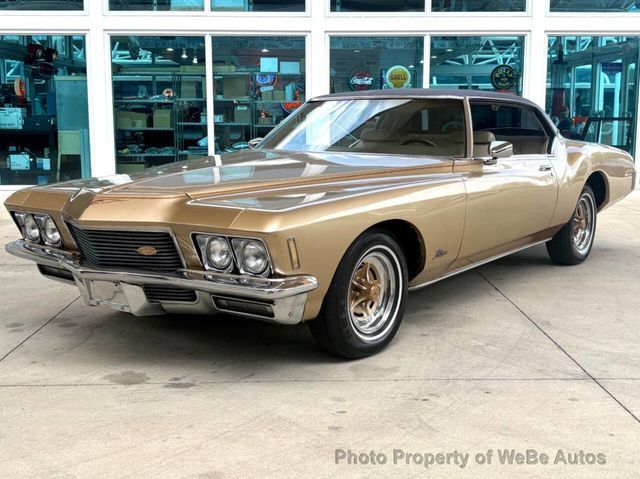
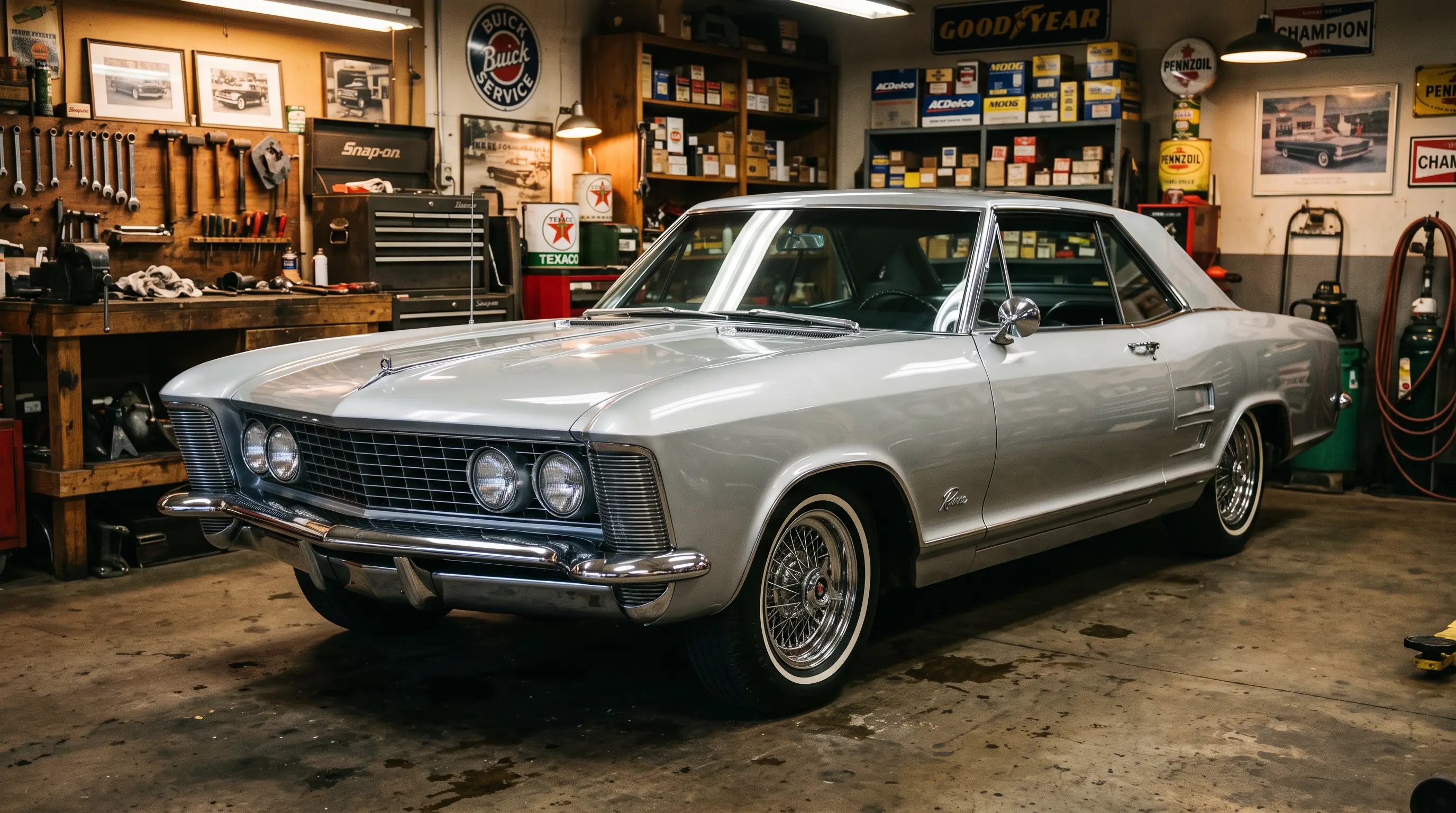
Ask anyone who has spent real time behind the wheel about buick riviera 1963 owning the original and the conversation rarely stays mechanical for long. Owners describe the experience in terms closer to stewardship than transportation, a sense that the car in the garage is a specific artifact from a specific moment in Buick's history rather than simply an old coupe that happens to still run. That framing is not sentimental exaggeration. It comes directly from how the car was built and how it has been treated by the people who keep it.
What daily ownership actually feels like
A well-sorted 1963 Riviera drives with a heaviness that period road testers noted approvingly and that owners today still describe the same way. The steering is not quick by modern standards, the brakes require anticipation rather than reflex, and the two-speed Turbine Drive automatic shifts with a deliberateness that rewards a relaxed driving style rather than an aggressive one. None of this reads as a shortcoming to the people who actually own these cars. It reads as character, the specific personality of a machine built for confident cruising rather than for chasing a stoplight.
Owners frequently note that the car rewards a particular kind of attention. It is not a car you drive absentmindedly. The frameless door glass, the long hood, the wide bench of a dashboard, all of it asks the driver to notice the car they are sitting in, which is exactly the effect Bill Mitchell's studio was chasing when they drew it.
The sound and character of the Nailhead V8
The 401 and 425 Nailhead engines that power these cars have a distinctive exhaust note that owners bring up unprompted in almost every conversation about the ownership experience. The Nailhead's small valve, small port design produces a low, torque-heavy character at low engine speeds rather than the higher-revving sound associated with many contemporary big-block engines from other manufacturers. Owners describe it as a confident idle and a relaxed cruising note, consistent with the car's overall personality as a boulevard coupe rather than a performance machine chasing lap times.
That character is part of what original-condition buyers specifically seek out. A Riviera with a period-correct, numbers-matching Nailhead sounds and behaves differently than one fitted with a later replacement engine, even one of the same displacement, and owners who have driven both describe the difference as noticeable from the first turn of the key.
Living with the frameless glass and low beltline
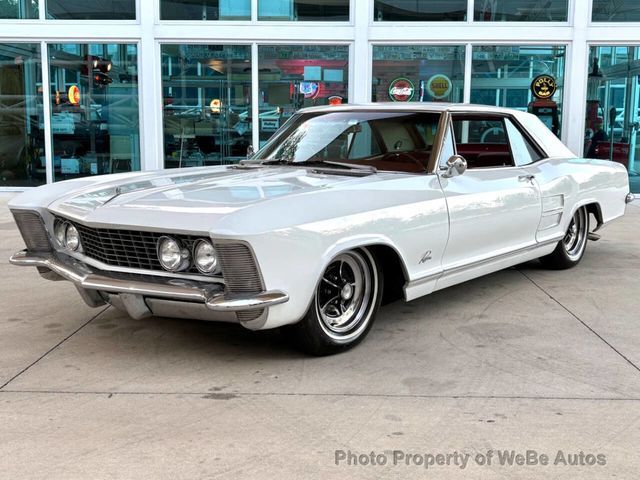
Owners consistently mention the interior experience the frameless door glass creates, particularly with both windows lowered on a warm afternoon. The absence of a B-pillar and window frame gives the cabin an open, uninterrupted feeling that few other cars from the same era replicate, and it is one of the details that first-time passengers notice immediately without needing it pointed out to them. This is the same engineering feature that makes the car's exterior profile distinctive, and living with it day to day confirms it was never just a styling trick. It genuinely changes how the cabin feels in motion.
The low beltline that accompanies the frameless glass also gives the driver excellent outward visibility by period standards, another detail owners cite as making the car feel more modern to drive than its 1963 build date would suggest.
"You do not so much drive an original 1963 Riviera as spend time with it. The car has opinions about how it wants to be driven, and once you learn to listen to them, the experience becomes something closer to a relationship than a commute."
- Sarah Whitfield
Parts, community, and the documentation habit
Long-term ownership of a first-generation Riviera is supported by an active club community, the Buick Riviera Owners Association among them, that has spent decades accumulating knowledge about parts sourcing, correct trim details, and factory documentation for these cars. Owners who take the artifact framing seriously tend to become meticulous record keepers themselves, retaining build sheets, factory invoices, and repair histories in a way that treats the car's paper trail as inseparable from the car itself.
This documentation habit is not universal among vintage car owners generally, but it is notably common among first-generation Riviera owners specifically, and it reflects the same instinct that drives the artifact framing throughout this community. A car this precisely engineered, from a debut this carefully considered, earns a level of record-keeping attention that a more ordinary vintage vehicle might not.
The small rituals that come with the car
Longtime owners describe small habits that develop naturally around a car this deliberately built. Some park it facing a specific direction to catch the light across the flanks in the evening. Some keep a dedicated set of keys just for shows, separate from the daily driving set, out of a mild superstition about wear. None of these habits are required by the car mechanically. They emerge because owning something this considered invites a kind of care that a more ordinary vintage vehicle does not.
Passengers notice this too. Riding in an original 1963 Riviera for the first time, most people comment on the quiet of the cabin at speed and the unusually low, wide feeling of the seating position relative to the beltline, both direct results of decisions the design studio made deliberately rather than by accident. It is a small thing, but it is consistently the detail first-time riders bring up unprompted, which says something about how well those original decisions have held up across six decades of use.
Why owners describe this car as an artifact, not just a car
The word artifact comes up often enough in conversations with long-term Riviera owners that it is worth taking seriously as a description rather than dismissing it as collector-speak. These cars represent a specific, deliberate moment in Buick's design history, built by a team given real freedom to produce something without a direct predecessor, and owners who have spent years with one tend to internalize that history as part of what they are actually caring for.
That artifact framing also shapes how owners talk about eventual sale or transfer, a topic that comes up more often than one might expect in club circles. Many long-term owners speak about finding the right next steward for a car rather than simply selling to the highest bidder, a mindset that treats the transaction as a continuation of the car's documented history rather than a clean break from it. It is a small cultural quirk of this specific ownership community, but it is a consistent one, and it reflects the same seriousness that first inspired someone to seek out a documented, original example over a more generic, undocumented alternative in the first place.
Readers who want more on the 1963 buick riviera and the design decisions behind the ownership experience described here can also explore our complete history of the model across its full run. For anyone ready to experience the artifact firsthand, dealers occasionally list classic Rivieras on the market in the kind of documented, original condition that this style of ownership rewards most.