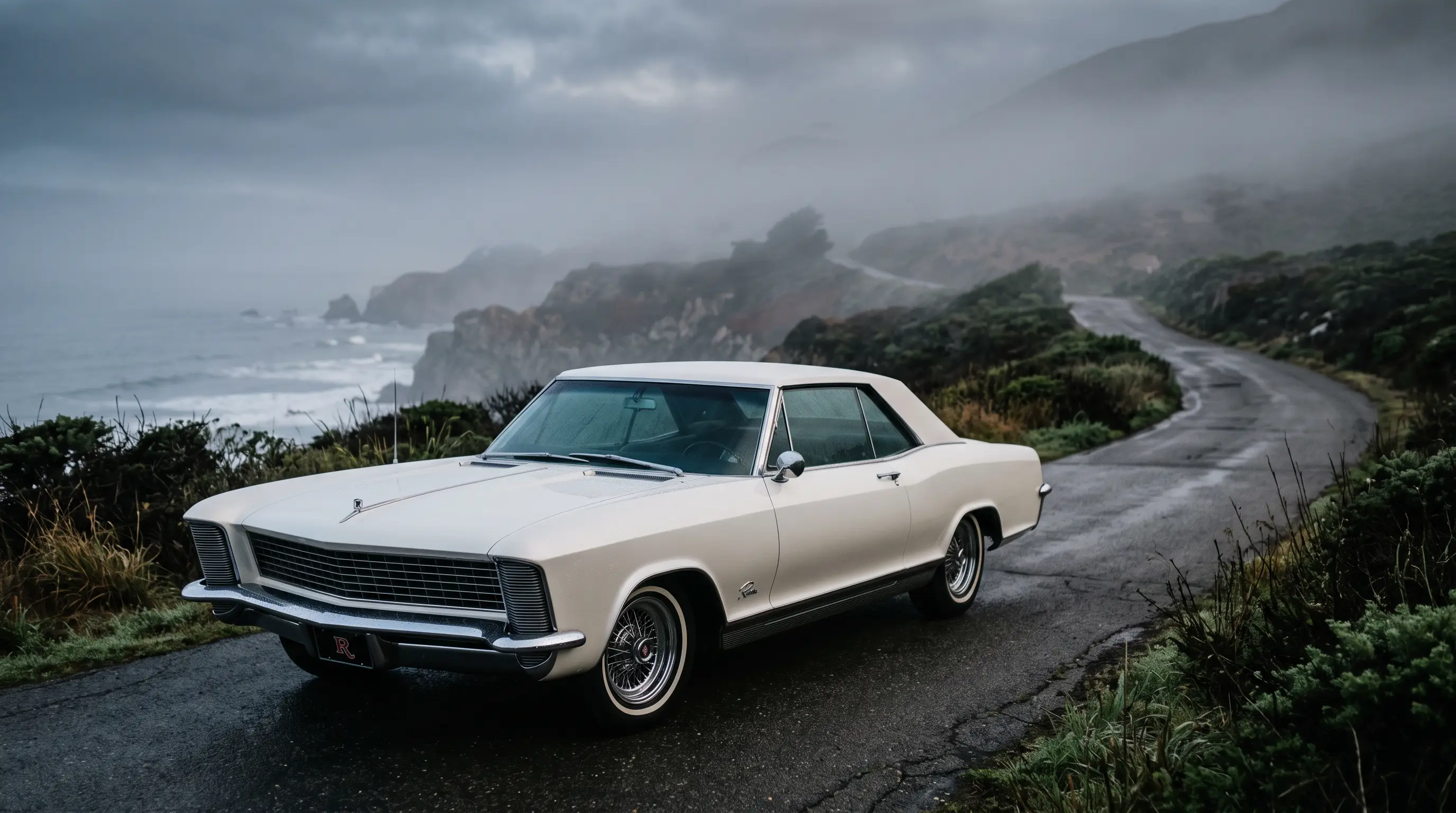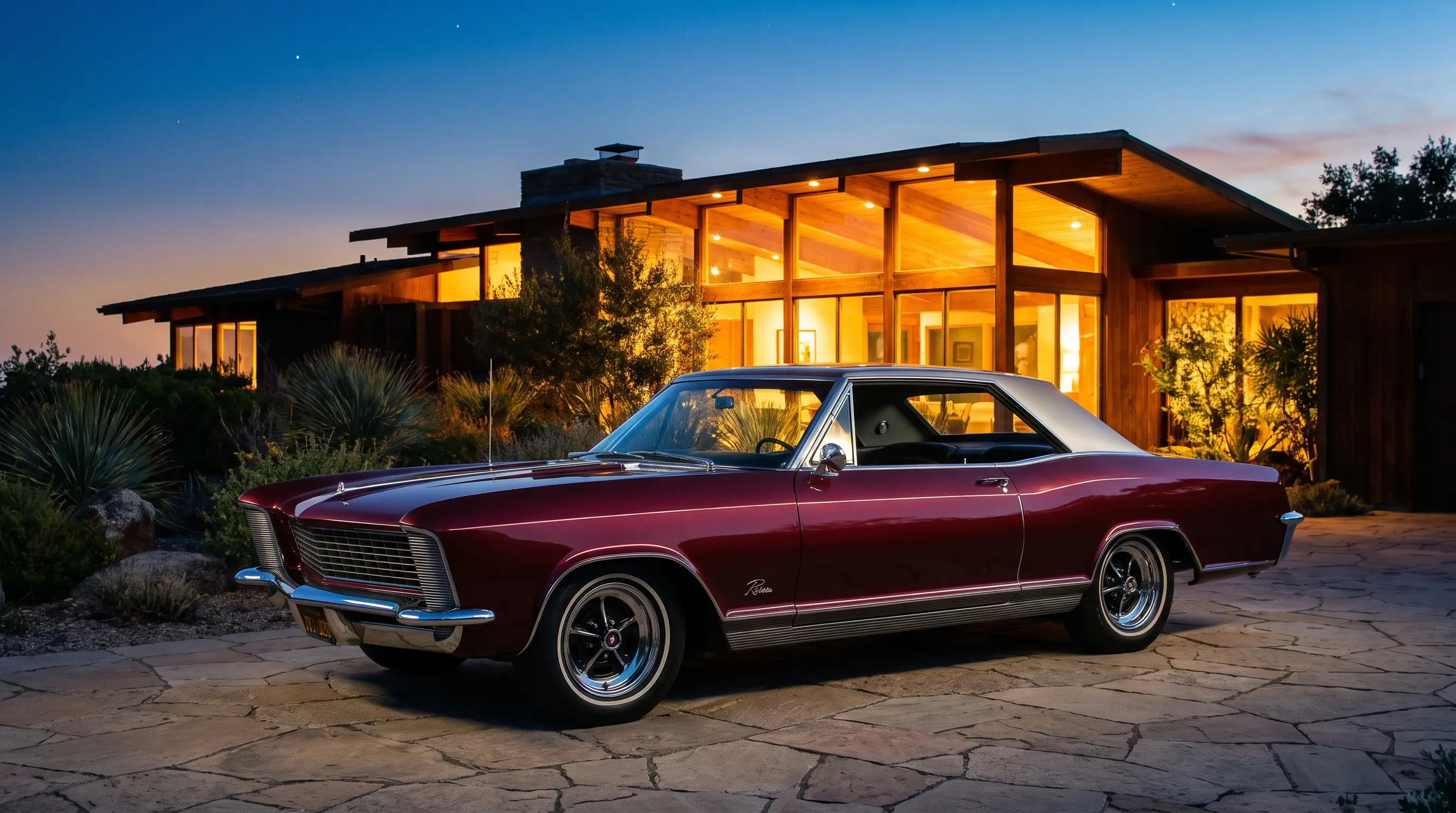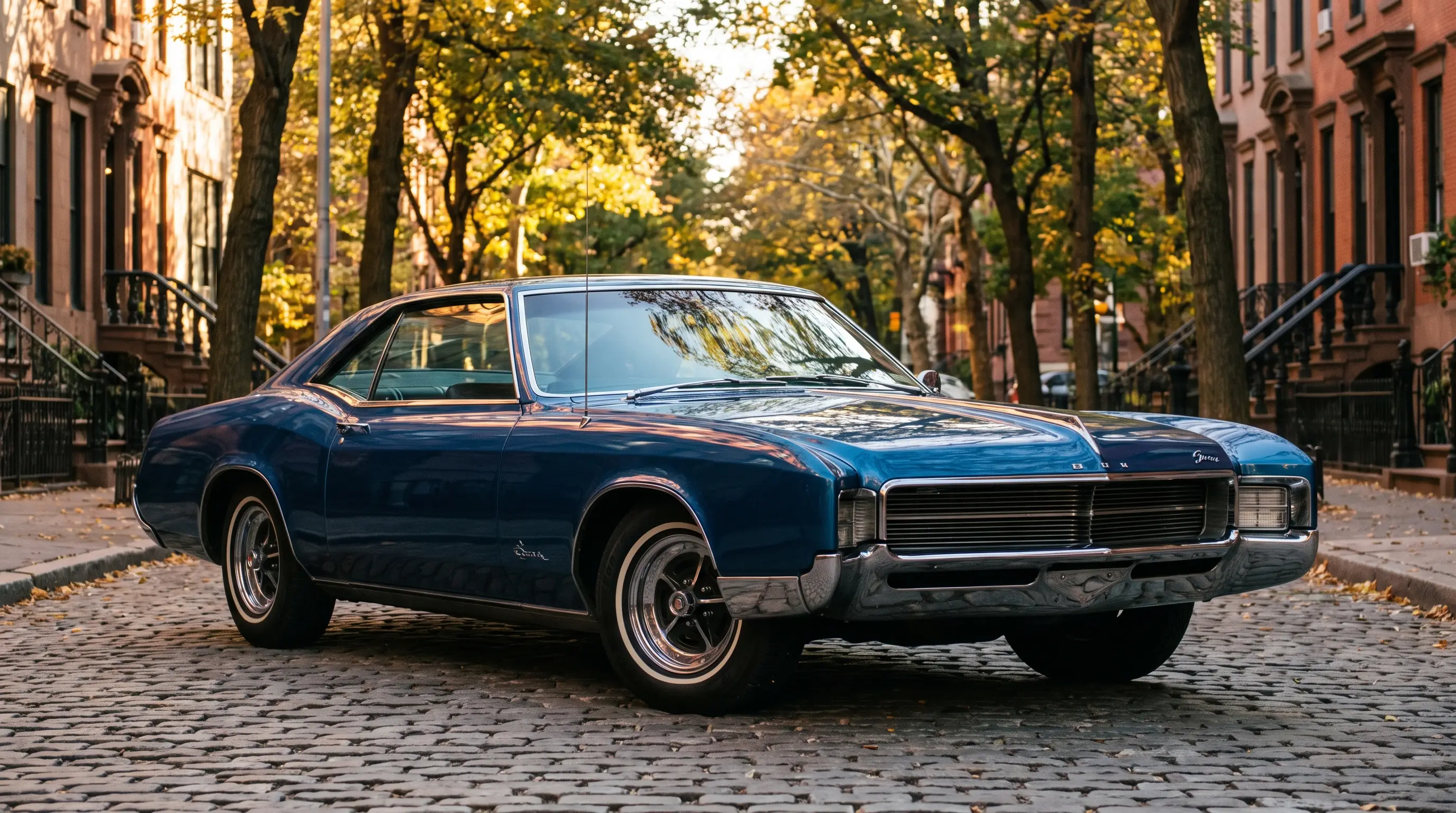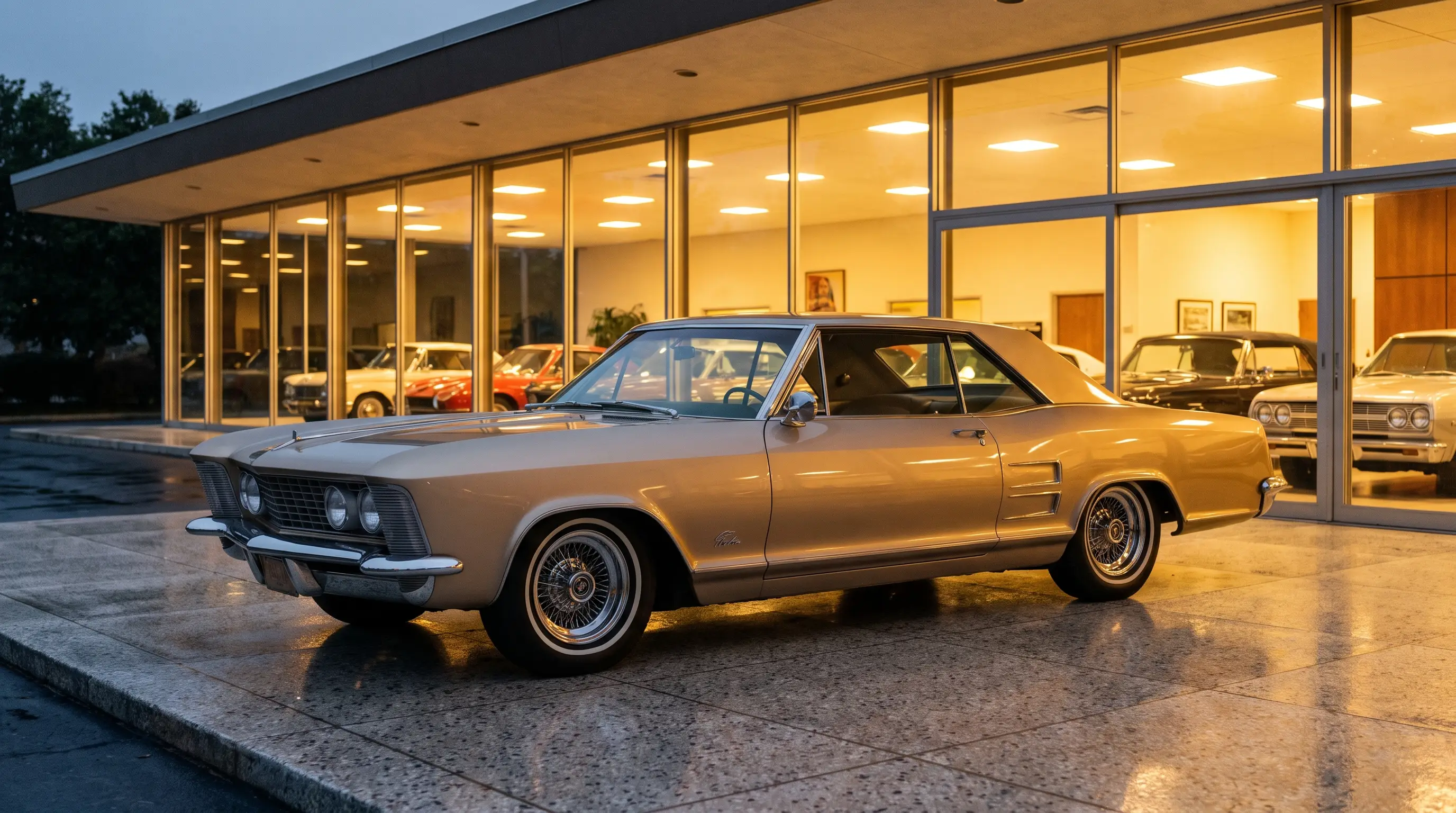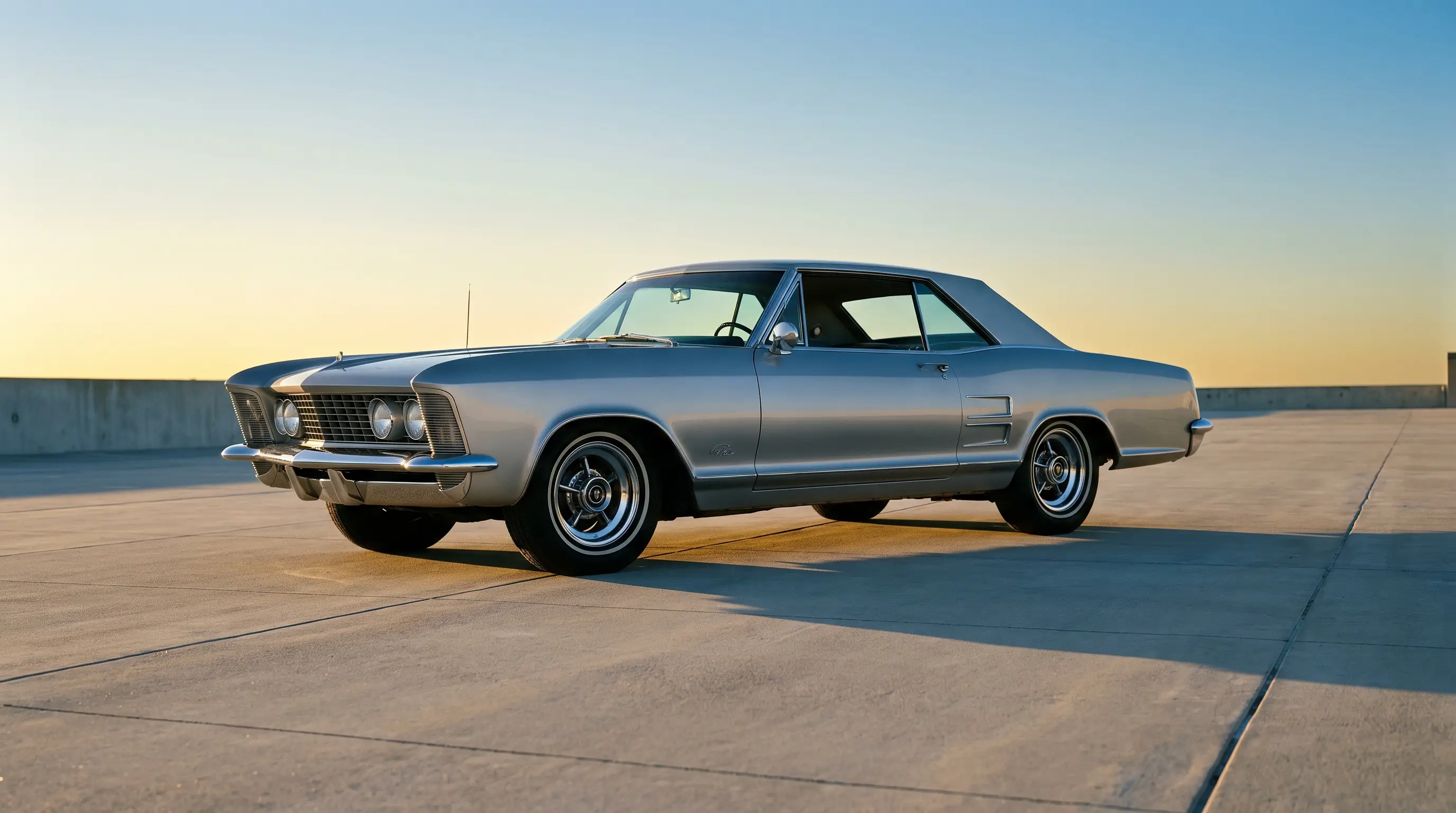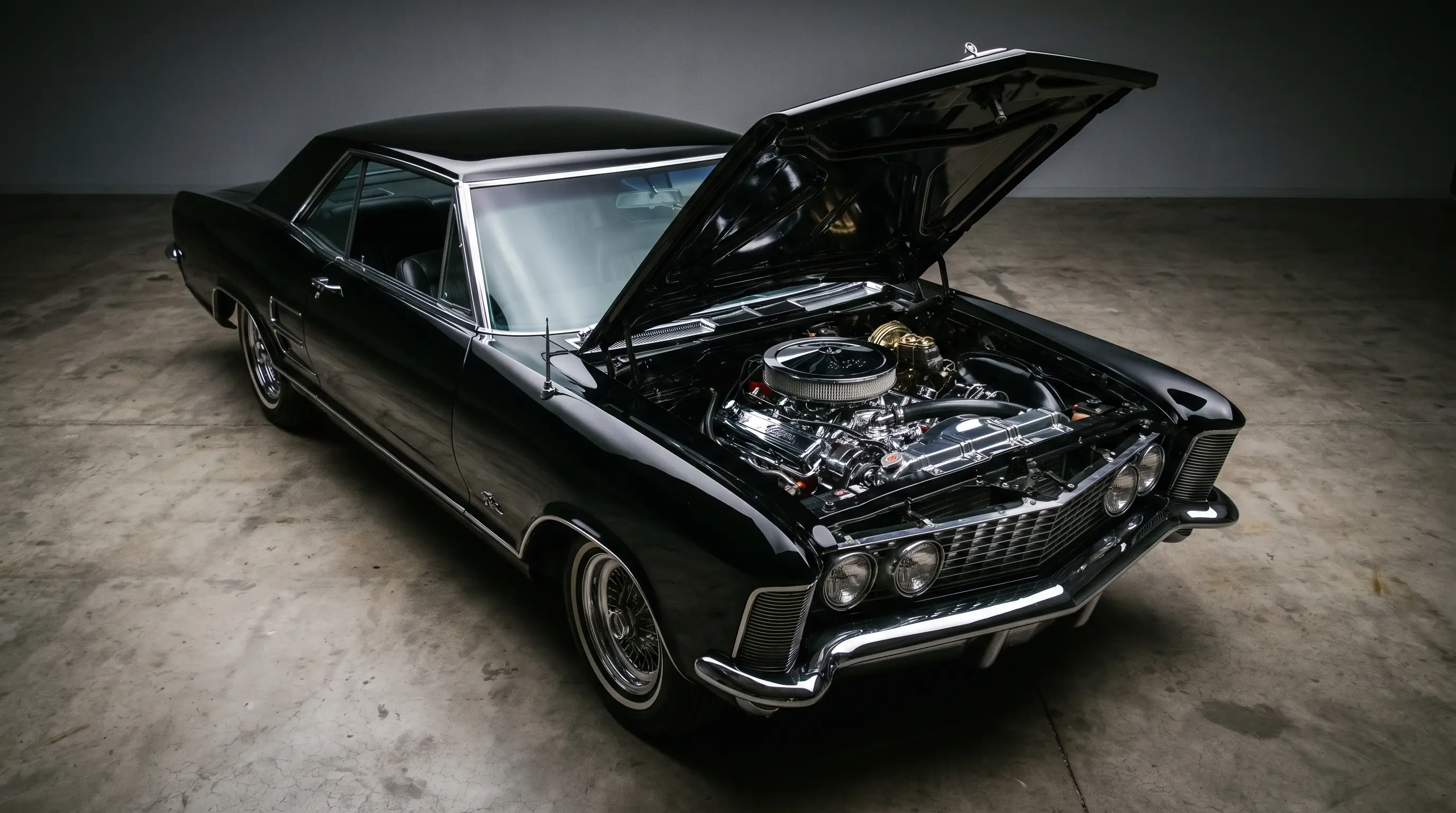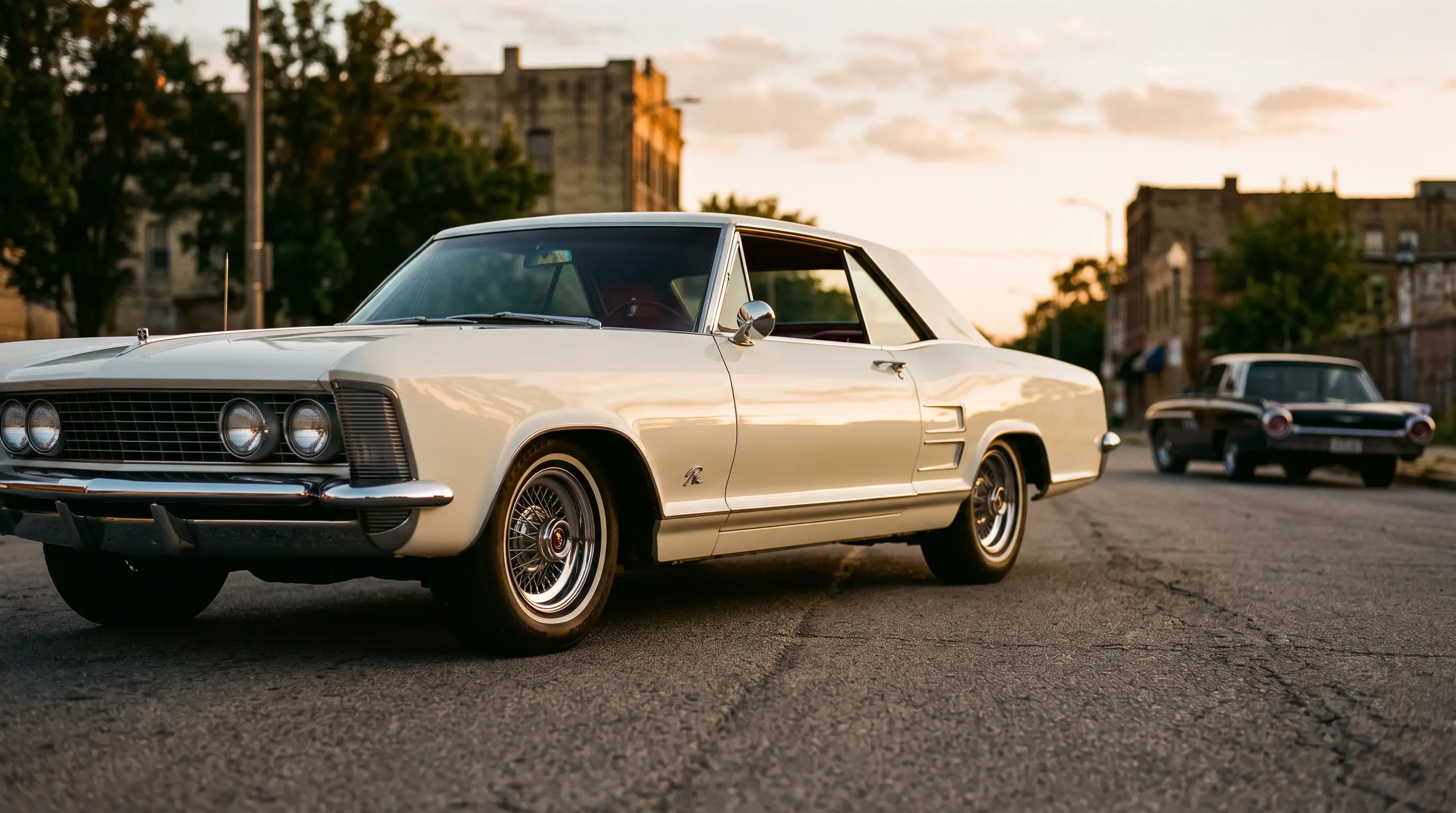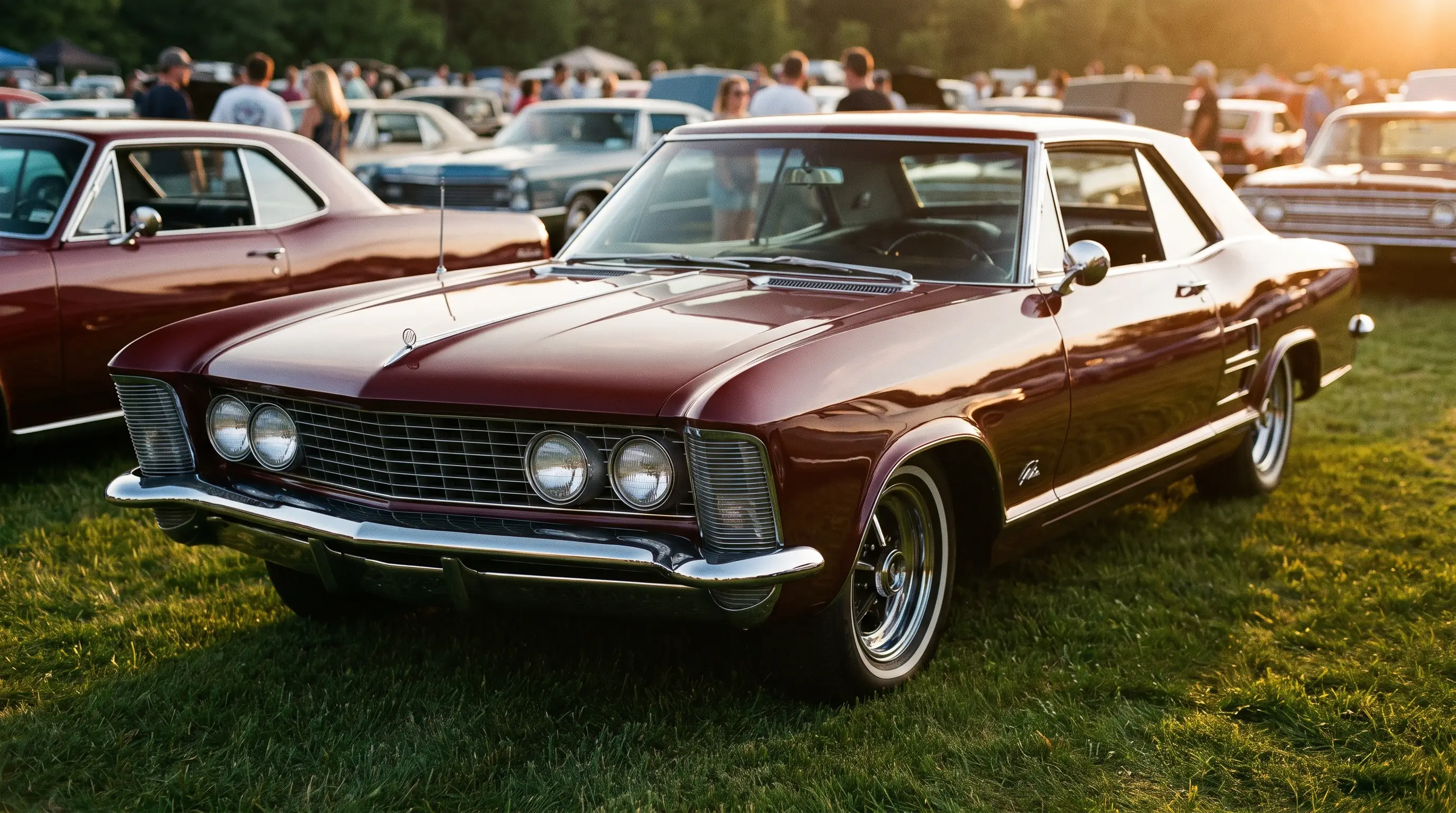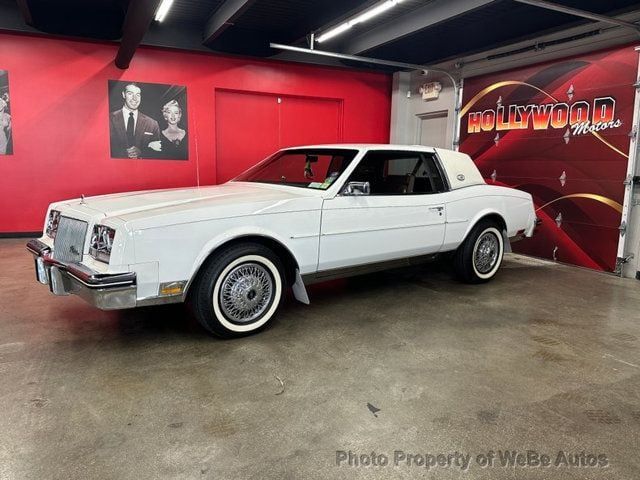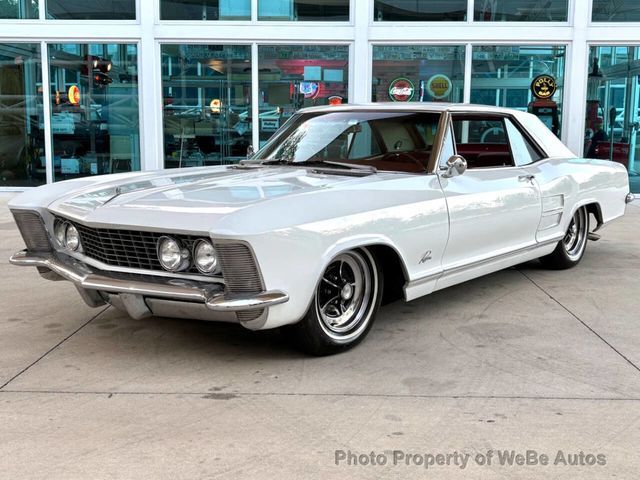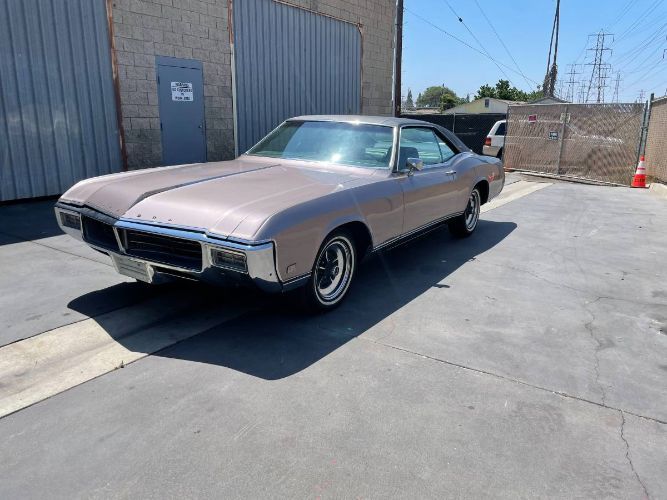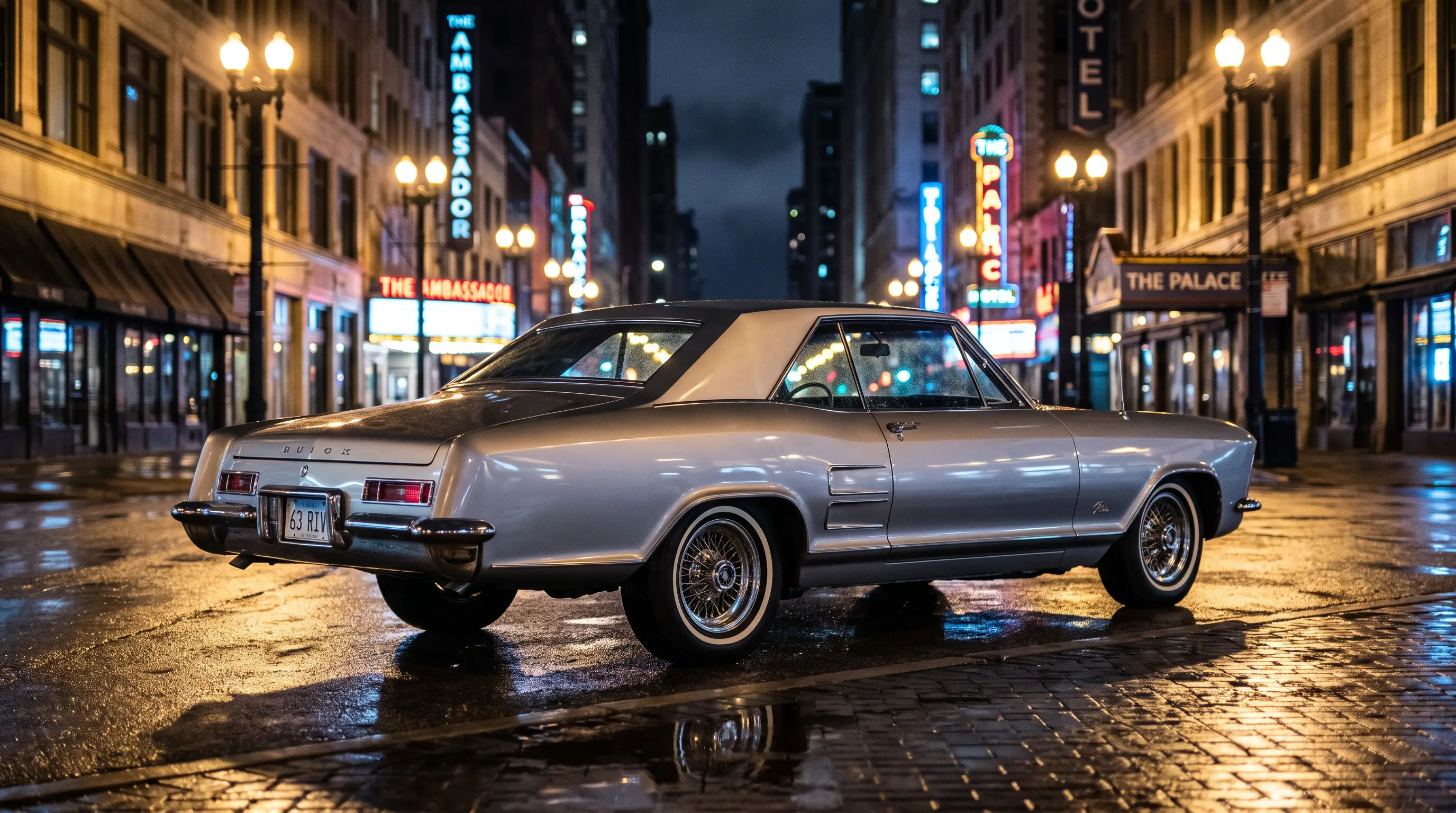
The 1963 Buick Riviera did not arrive as a facelift or a trim package. It arrived as an argument, and the argument was that Buick could build a car as stylish and as desirable as anything in the world, priced below the European coupes it borrowed its attitude from. When the first cars reached dealers in the fall of 1962, Buick had a genuine flagship for the first time in years, and the division's reputation shifted almost overnight. The records from that first model year are worth reading closely, because a lot of what people repeat about the car is half right at best.
My interest is in the documentation, the production figures, the internal project codes, and the primary sources, rather than the barroom version of the story. The 1963 Buick Riviera has accumulated a lot of legend in sixty years. Some of it holds up. Some of it needs a gentle correction.
The project before it was a Buick
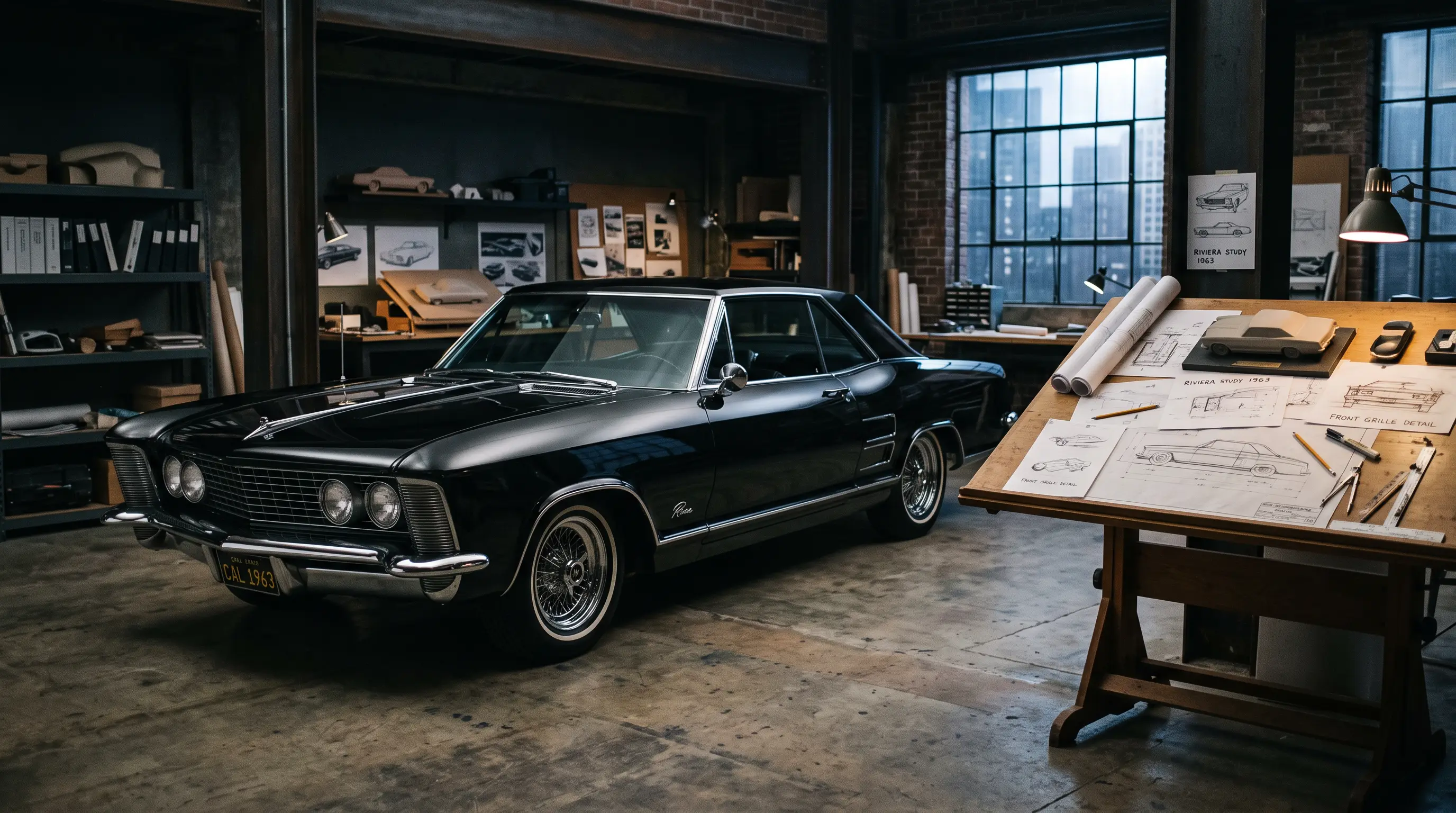
The Riviera began inside General Motors styling as a project that did not yet belong to any single division. It was developed under an internal designation, and the clay model that became the Riviera was shopped, informally, as a shape that could have carried a different badge. The often-repeated claim is that it was designed for Cadillac, rejected, and handed to Buick as a consolation prize. That version is too tidy. The more accurate account is that the design was created as a proposal open to whichever division made the strongest case, and Buick, which needed a halo car more than anyone, won it.
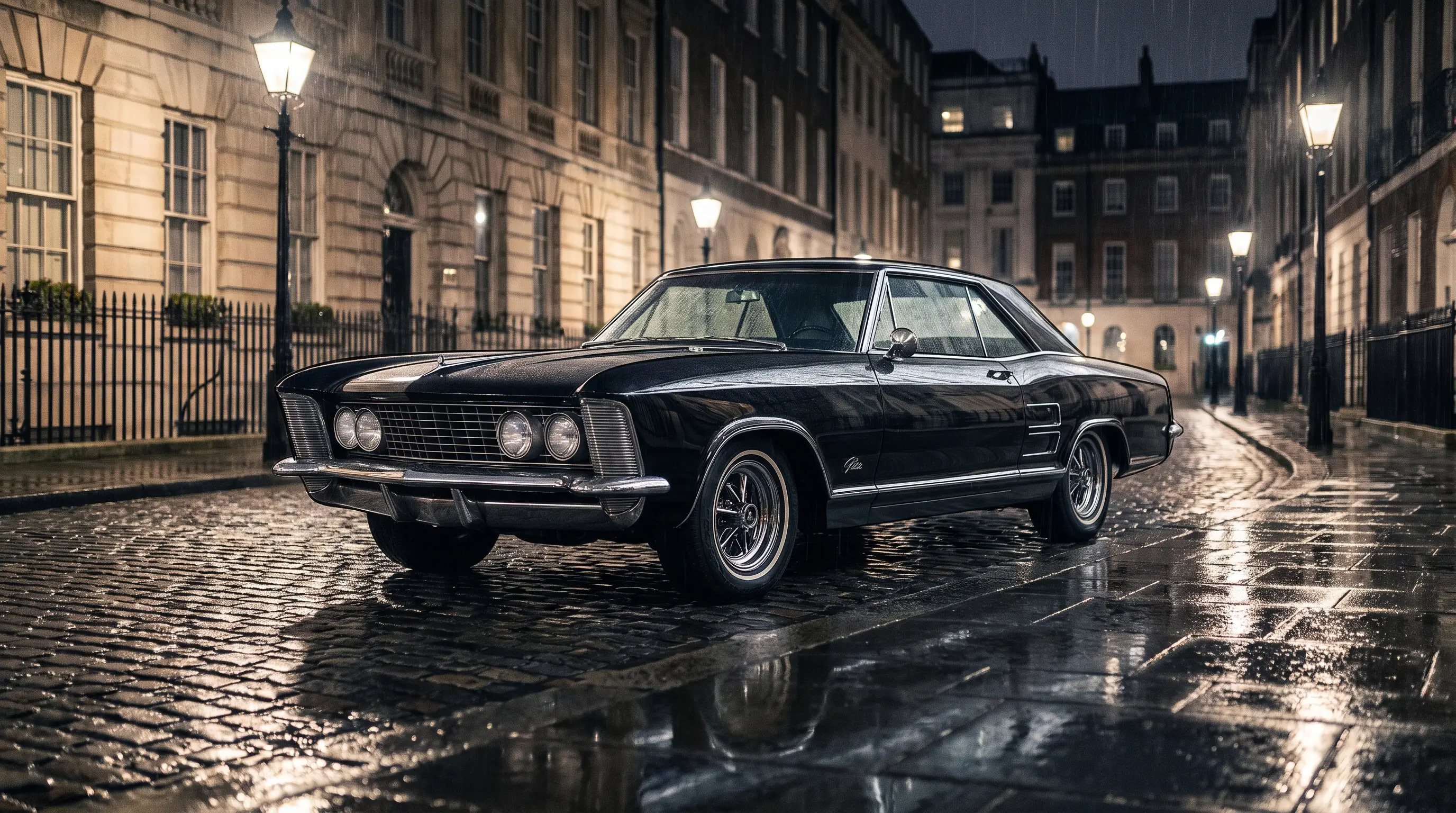
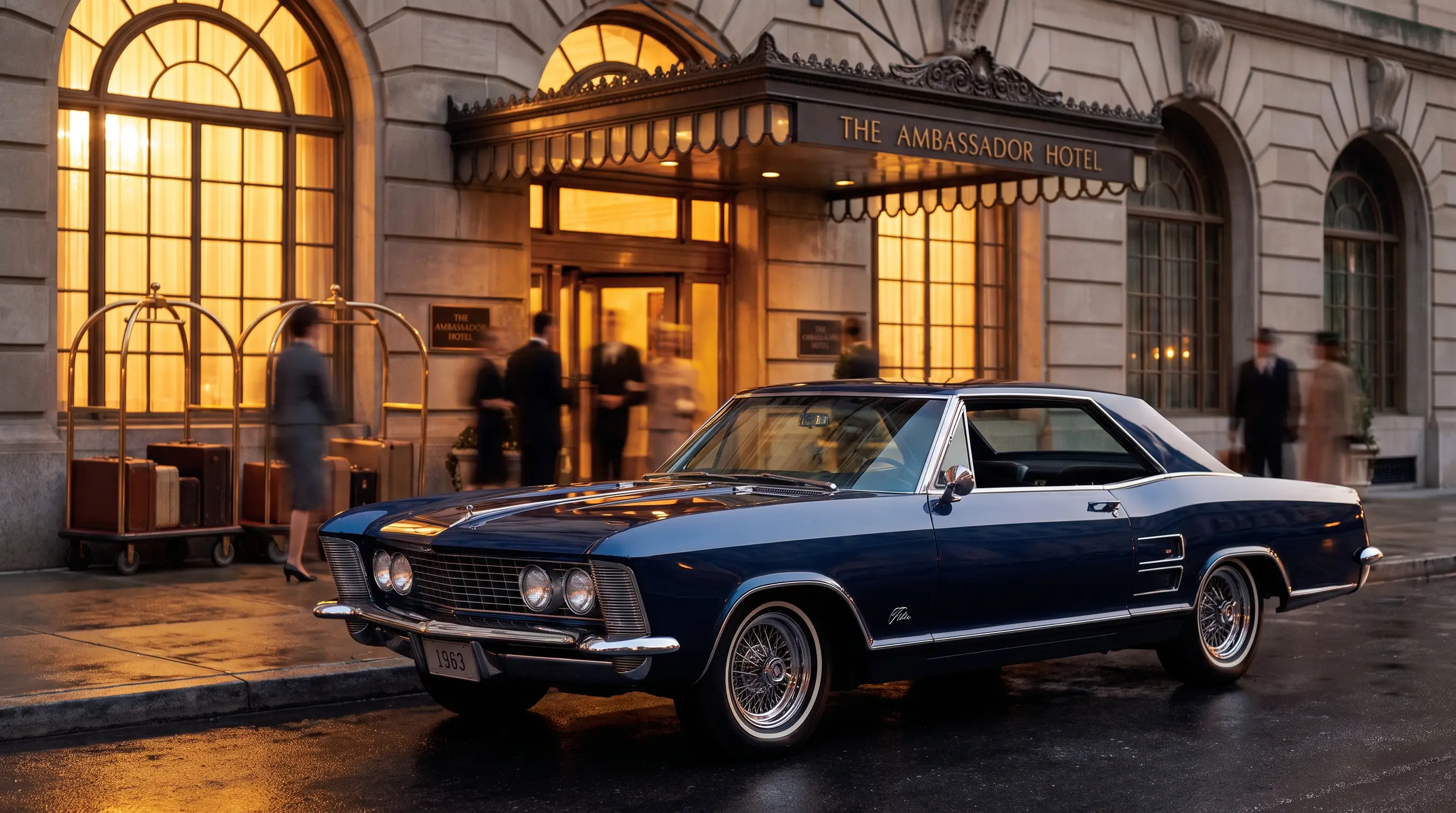
The styling is usually credited to the studio under Bill Mitchell, with Ned Nickles closely associated with the production shape. Mitchell told a story for years about being inspired by a custom-bodied car he saw through the fog outside a London restaurant, its sharp razor-edge lines catching the light. Whether the anecdote is literal or polished for retelling, the razor-edge influence is real and it is visible in the knife-crease fenders. For the longer arc of the model, our feature with more on the buick riviera follows the shape across its generations, but the story starts here in 1963.
The internal project that produced the car carried a development designation before it had a name or a division, which is worth keeping in mind when you read enthusiast accounts. Those accounts tend to compress years of studio work and internal politics into a single dramatic decision, and the real process was slower and less theatrical. A proposal shape was built, refined, and championed, and the question of whose showroom it would land in was settled over time by which division needed it and wanted it most. Buick, whose image had drifted toward the conservative by the early 1960s, had the clearest case. It needed a car that would make people look again, and this was that car.
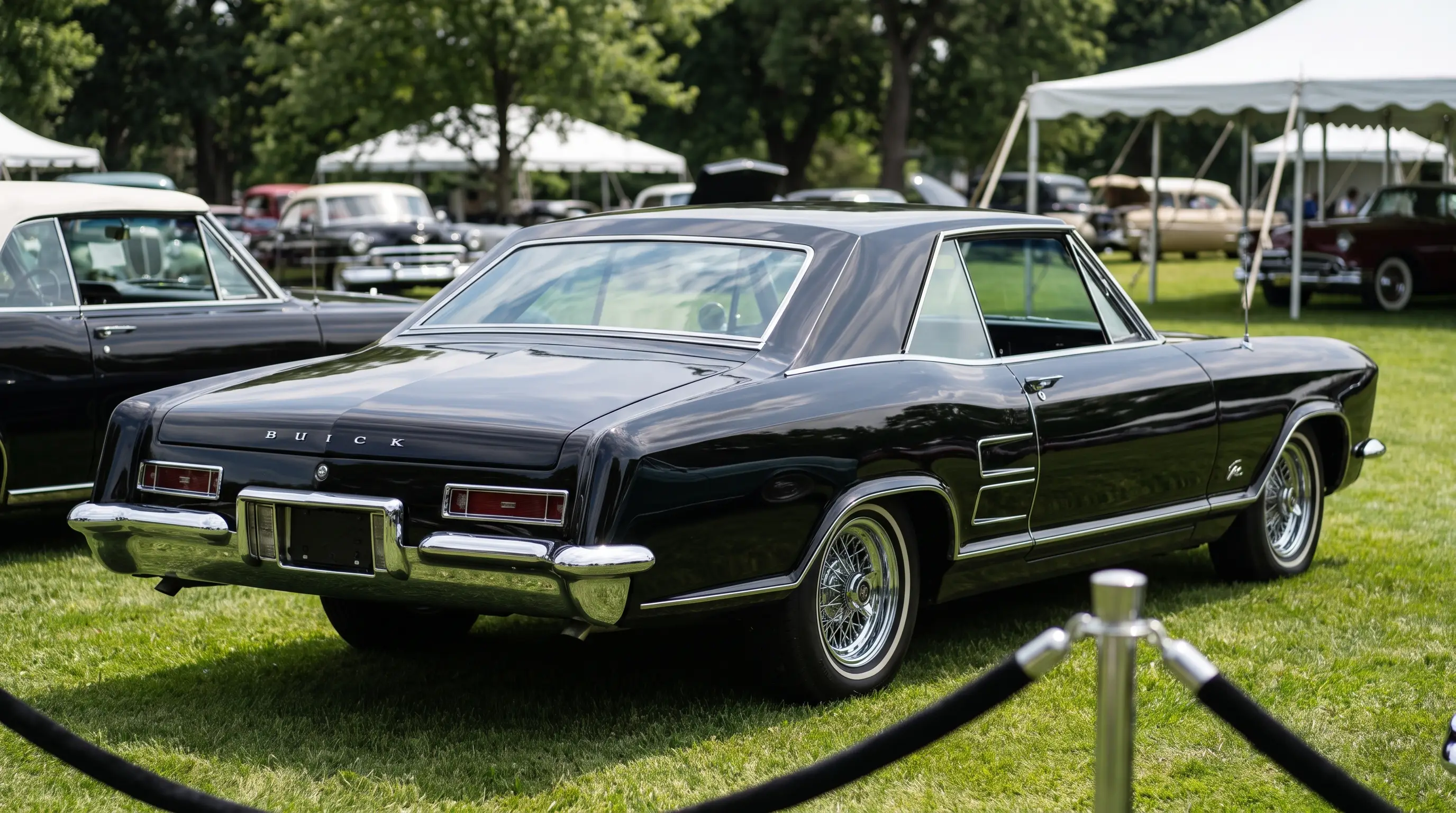
What is not in dispute is the quality of the result. The proportions, the long hood over the short deck, the crisp roofline, and the way the body sides carried a single clean crease, all of it arrived nearly finished and needed very little change to reach production. That is unusual. Most cars compromise their show-stand drama on the way to the assembly line. The Riviera lost almost none of it, and the 1963 car on the street looked strikingly like the vision the studio had signed off on.
The name was not new
Here is a correction I make often. People treat Riviera as a name Buick invented for 1963. It was not. Buick had used Riviera since 1949 as a designation for its pillarless hardtop body style, and the 1949 Roadmaster Riviera is generally recognized as one of the first mass-produced hardtops in the industry. So when the 1963 car launched, the word already carried fifteen years of Buick heritage. What changed in 1963 is that Riviera stopped being a body-style label and became a distinct model with its own identity. That distinction matters when you read early literature, because the word means two different things depending on the year.
| Specification | 1963 Buick Riviera |
|---|---|
| Body style | Two-door personal-luxury hardtop coupe |
| Standard engine | 401 cubic inch Nailhead V8, 325 hp |
| Optional engine | 425 cubic inch Nailhead V8, 340 hp, announced in December 1962 and delivered late in the model year; only about 2,601 cars got it |
| Transmission | Twin Turbine / Turbine Drive automatic |
| Base price | 4,333 dollars |
| Model-year production | 40,000 units |
| Headlamps | Exposed, in the leading edge of the front fenders |
What Buick actually built
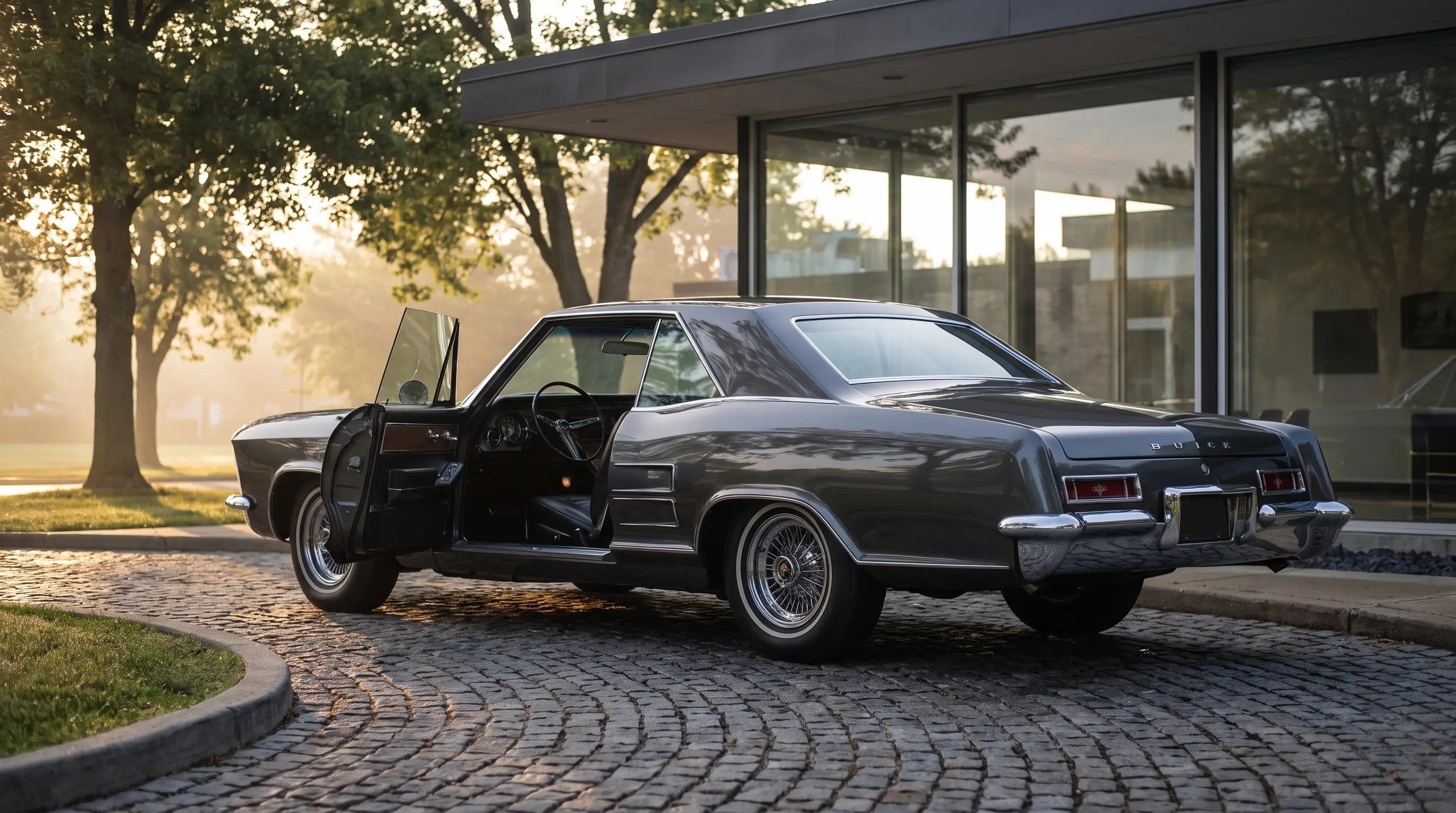
The 1963 Riviera rode on a cruciform frame and used frameless door glass, so that with the windows down the side of the car opened up cleanly. The standard engine was the 401 cubic inch Nailhead V8, rated at 325 horsepower. Buick announced the larger 425 cubic inch Nailhead as an option in December 1962, but it reached production late in the model year, and only about 2,601 1963 Rivieras were built with it. The Nailhead was Buick's overhead-valve V8, known for its unusual small vertical valves and its heavy low-speed torque. It was not a screamer. It was a torque engine, and it suited the car's character.
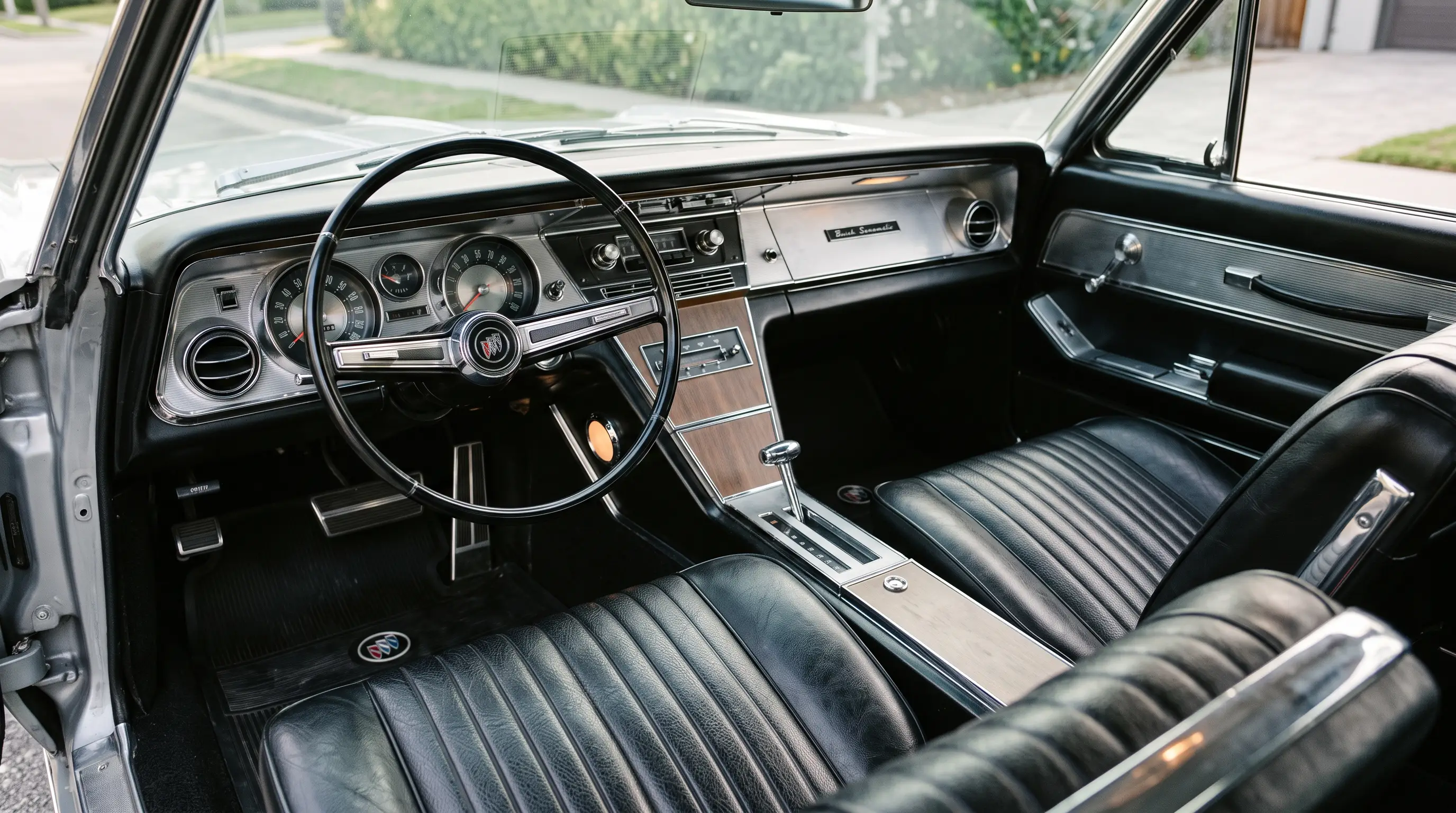
Inside, the 1963 car offered bucket seats and a console as part of its personal-luxury pitch, along with a driver-focused instrument panel. Buick priced it at 4,333 dollars, which positioned it above the ordinary Buick range but well below the imported grand-touring coupes it was implicitly compared to. That price-to-image ratio was the entire strategy. Buyers got the look and the presence of something far more expensive.
The engineering choices reinforced the flagship pitch. The cruciform frame allowed a low, wide stance without a high transmission tunnel intruding on the cabin, and the frameless door glass gave the car that clean, open-sided profile with the windows down that photographers loved. None of this was cheap to build, and Buick did not pretend otherwise. The Riviera was engineered as a premium object first and a volume product second, which is the reverse of how most of Detroit approached its lineup. That priority is visible in the details of an original car and audible in the way owners of the period described it.
The Nailhead deserves a closer word because it defined how the car felt. The engine's tall, narrow valve layout gave it a compact combustion chamber and a reputation for stump-pulling torque at low engine speeds. It did not reward high revs and was never designed to. In a heavy personal-luxury coupe that trait was a virtue, delivering effortless acceleration from a standstill and quiet, unhurried cruising once up to speed. Buyers who came from lesser cars remarked on how the Riviera simply gathered speed without fuss, and that character is a large part of the first-year car's charm today.
The exposed headlamps and how to date a car
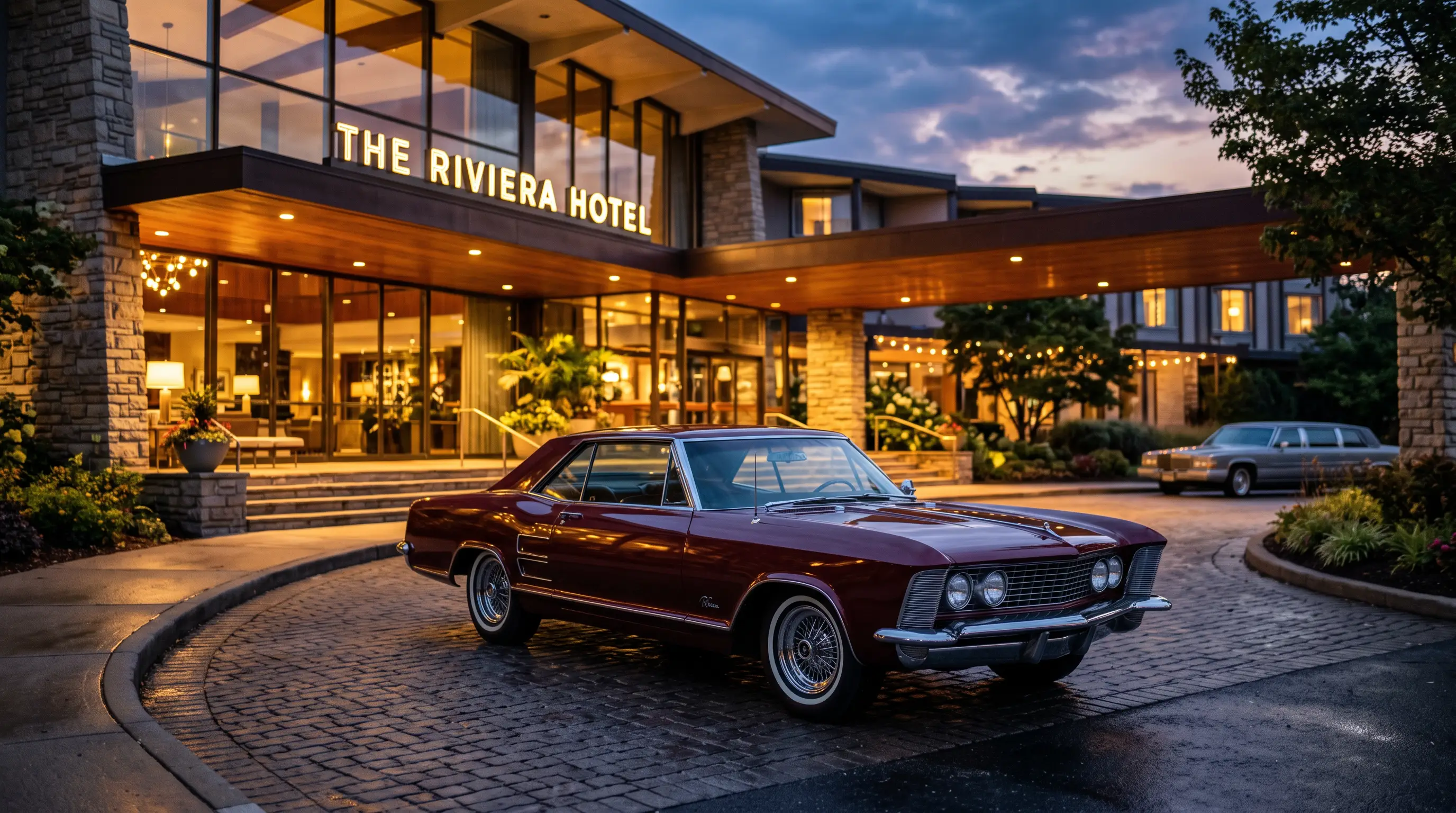
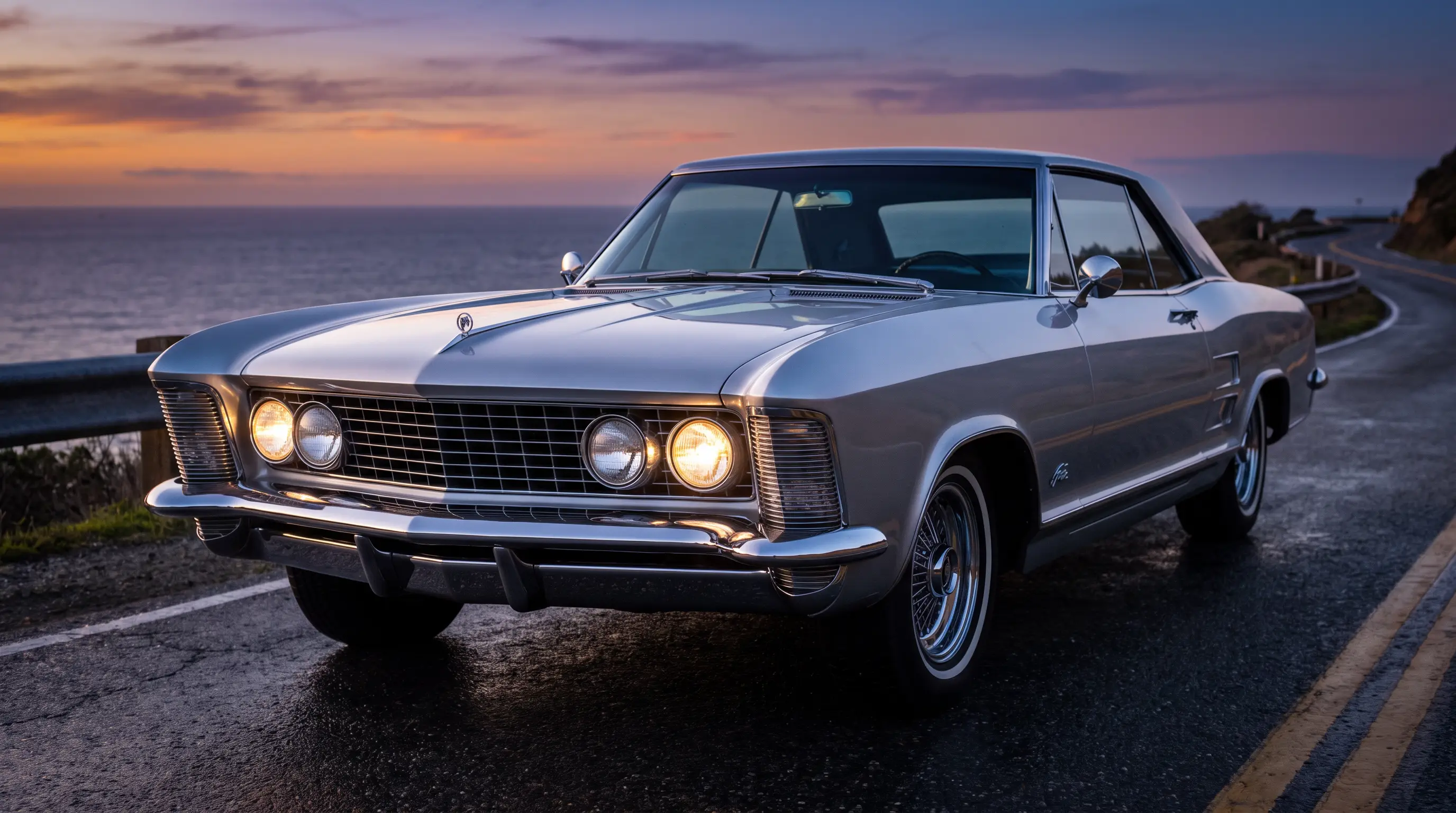
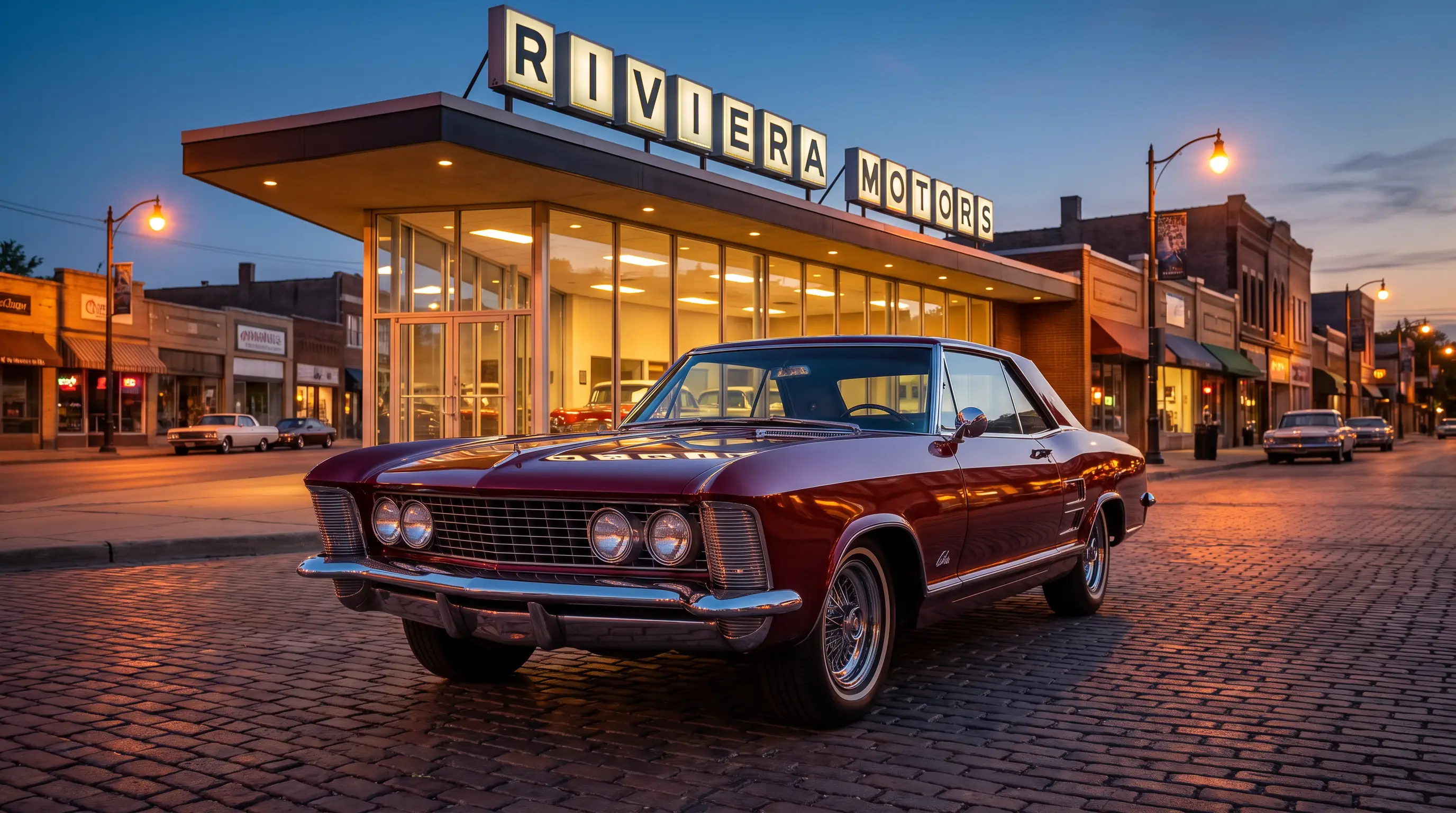
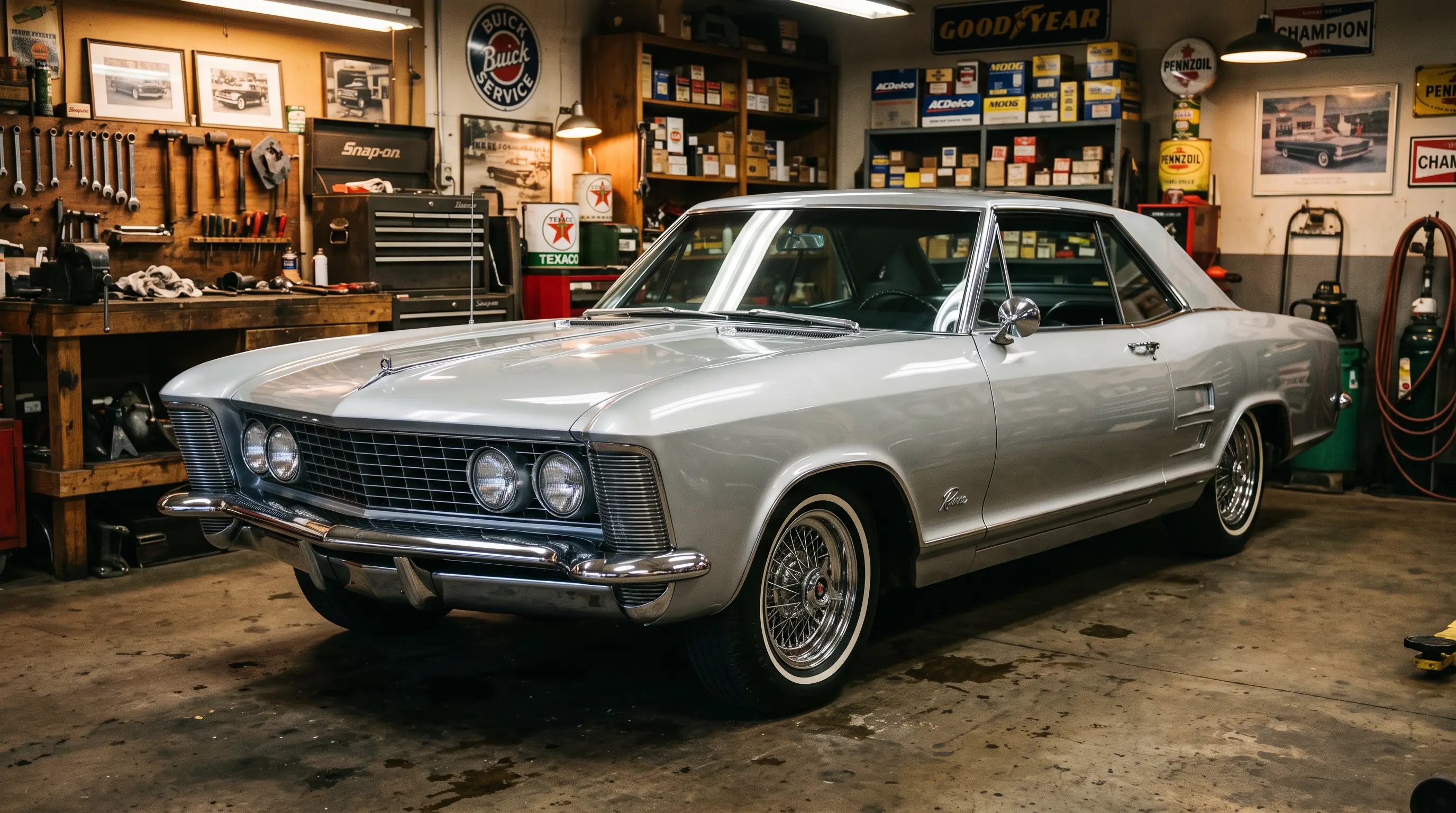
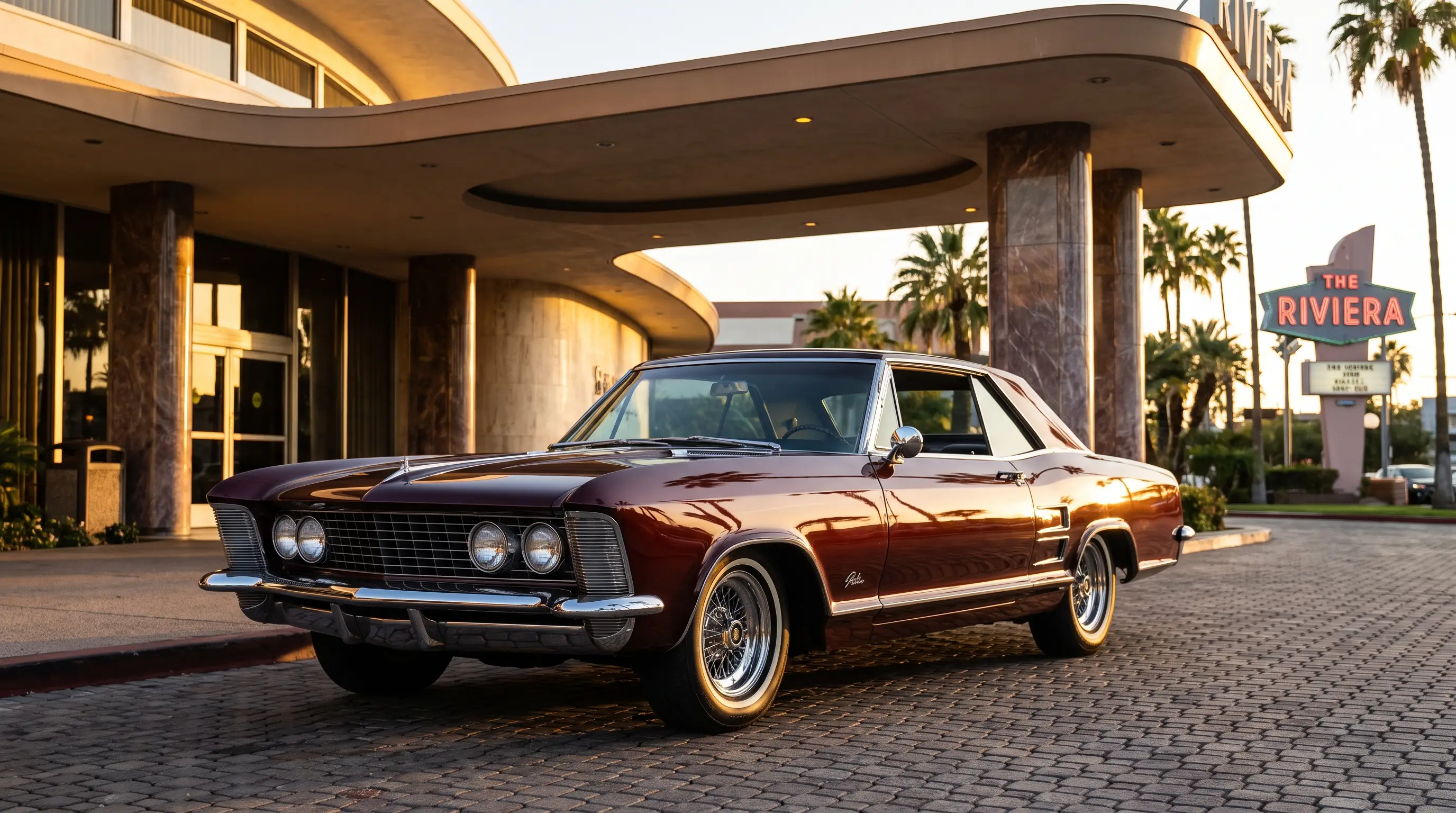
One reliable way to identify a 1963 at a glance is the front. The 1963 Riviera wore its headlamps exposed, set into the leading edge of each front fender. The hidden headlamps that people associate most strongly with the first generation did not arrive until 1965. So a first-generation Riviera with visible headlamps is a 1963 or 1964 car, and one with headlamps hidden behind body-color doors is a 1965. This sounds like trivia until you are standing in front of a car whose paperwork and appearance need to agree.
The 1964 car is mechanically and visually close to the 1963, with the main running changes happening under the surface. The clean break comes in 1965 with the hidden lamps and the taillamps relocated into the rear bumper. If you want to follow the model as it grew and changed after the first generation closed, there is more from this era covering where Buick took the Riviera next.
Reading the production records
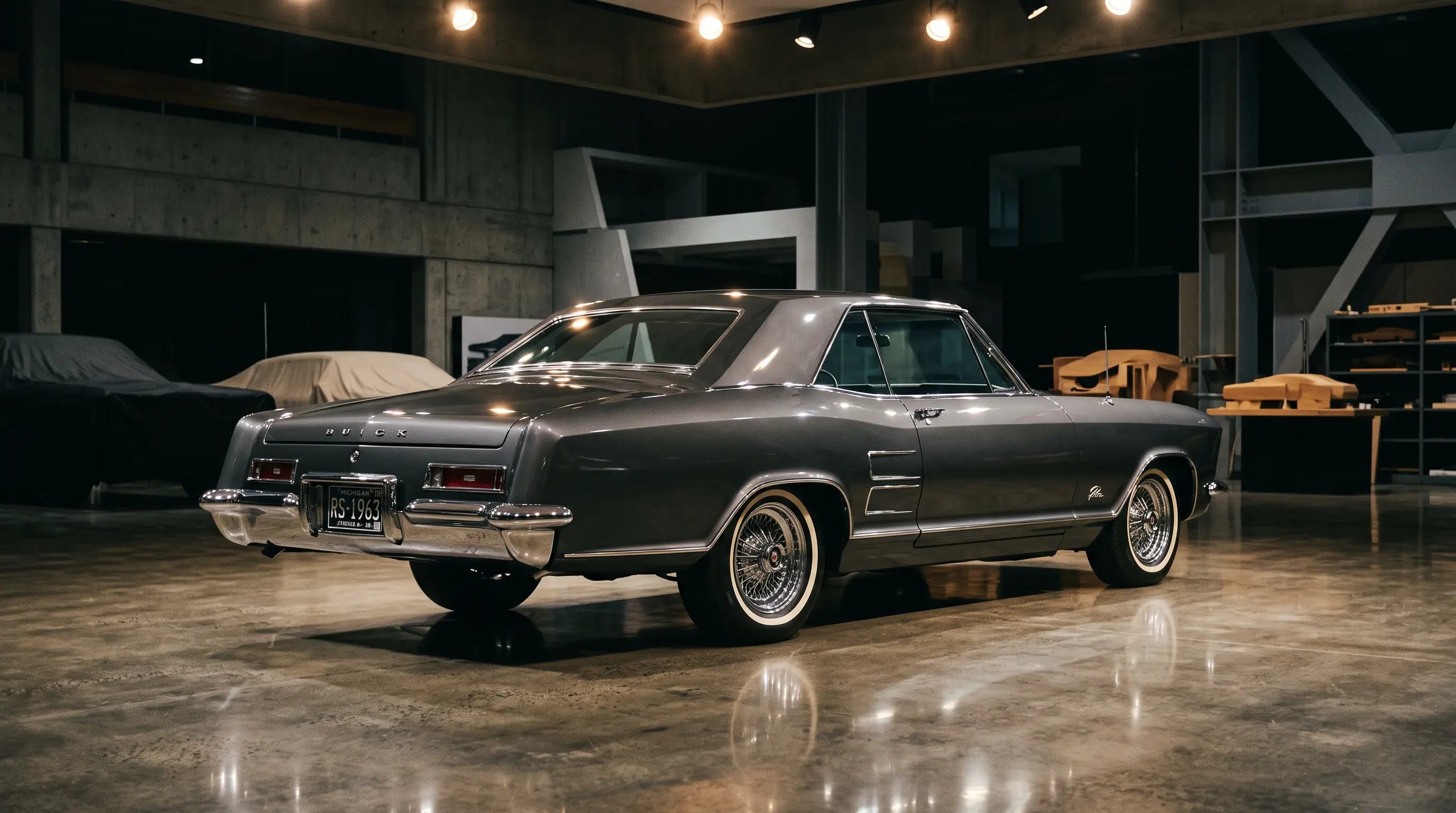
The 1963 figure of roughly 40,000 cars is often quoted as evidence of the car's success, and it was a success, but the number needs context. Buick chose that ceiling. The division could have built more. Holding the line kept the car special and kept dealers from discounting, and it meant that the 1963 Riviera never flooded the market. That decision is part of why clean first-year cars carry the standing they do today. They were never common, and the survivors from a limited run are rarer still.
For a factory historian the interesting detail is how consistent Buick was about the flagship's positioning across the first generation. Production stayed measured through 1965, the equipment stayed genuinely premium, and Buick resisted the temptation to spin off cheaper variants that would have diluted the name. That discipline is unusual, and it is a large part of why the first-generation Riviera has aged into a respected collectible rather than a footnote.
"The story that the Riviera was a rejected Cadillac is too neat to be true. The design was developed as a proposal open to the division that wanted it most, and Buick made that case. And the name was already fifteen years old in 1963. Read the early literature and the record corrects a lot of the legend on its own."
- Tom Ramirez
Why the 1963 still matters to collectors
The 1963 Buick Riviera is the car that proved the concept, and first-year cars carry a weight that later refinements cannot take away. Yes, the 1965 is more resolved with its hidden lamps. Yes, later Gran Sport cars are quicker. But the 1963 is where the idea was born, where the razor-edge shape debuted intact, and where Buick reintroduced itself as a division that could build desire. For collectors who value origin, that counts for a great deal.
Because the visual differences within the first generation are subtle, verifying exactly what you are looking at is the first job. The exposed headlamps, the correct engine, and honest paperwork are what separate a documented 1963 from a car that has been quietly updated. Get those right and the first-year Riviera is one of the more historically significant coupes of the decade.
The debut that changed Buick
The 1963 Buick Riviera reset what people expected from the division, and it did it with a limited run, a premium interior, and a shape that still stops a room today. The legend around it has grown taller than the facts in places, but the facts are impressive enough on their own. A halo car built with discipline, sold with restraint, and remembered as the moment Buick learned to make people want something. If the first year is the one you are after, watch the market carefully and take your time to find a classic Riviera whose documentation matches the story a seller tells about it.
Sources and notes
- Buick Riviera - Wikipedia
- 1963 Buick Riviera Fact Sheet - Over-Drive Magazine
- 1963-1965 Buick Riviera: Substance and Style - Hagerty Media
- Razor-Sharp Style: The 1963-1965 Buick Riviera - Ate Up With Motor
- Car of the Week: 1963 Buick Riviera - Old Cars Weekly
- 1963 Buick Riviera Base - Hagerty Valuation Tools