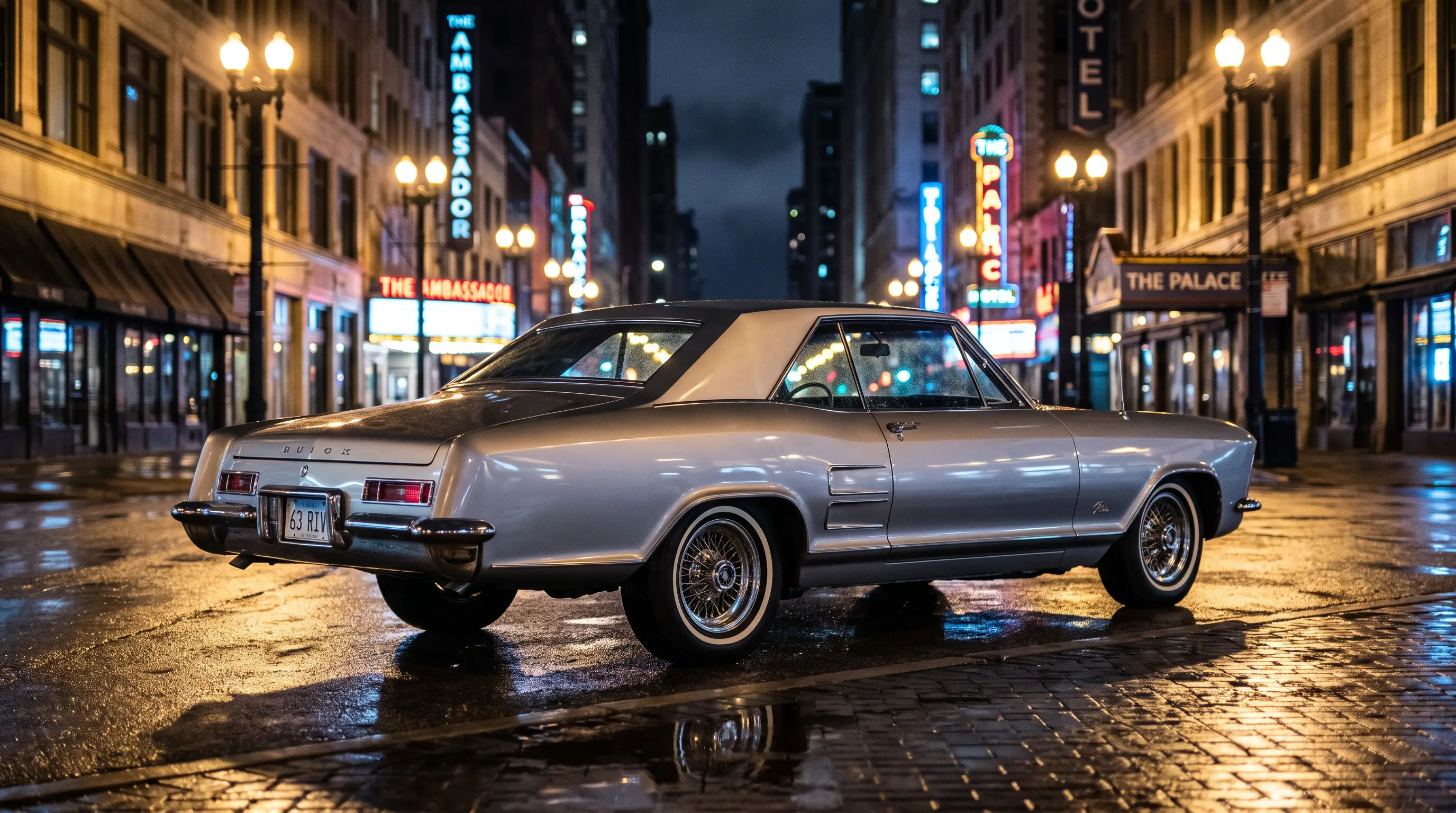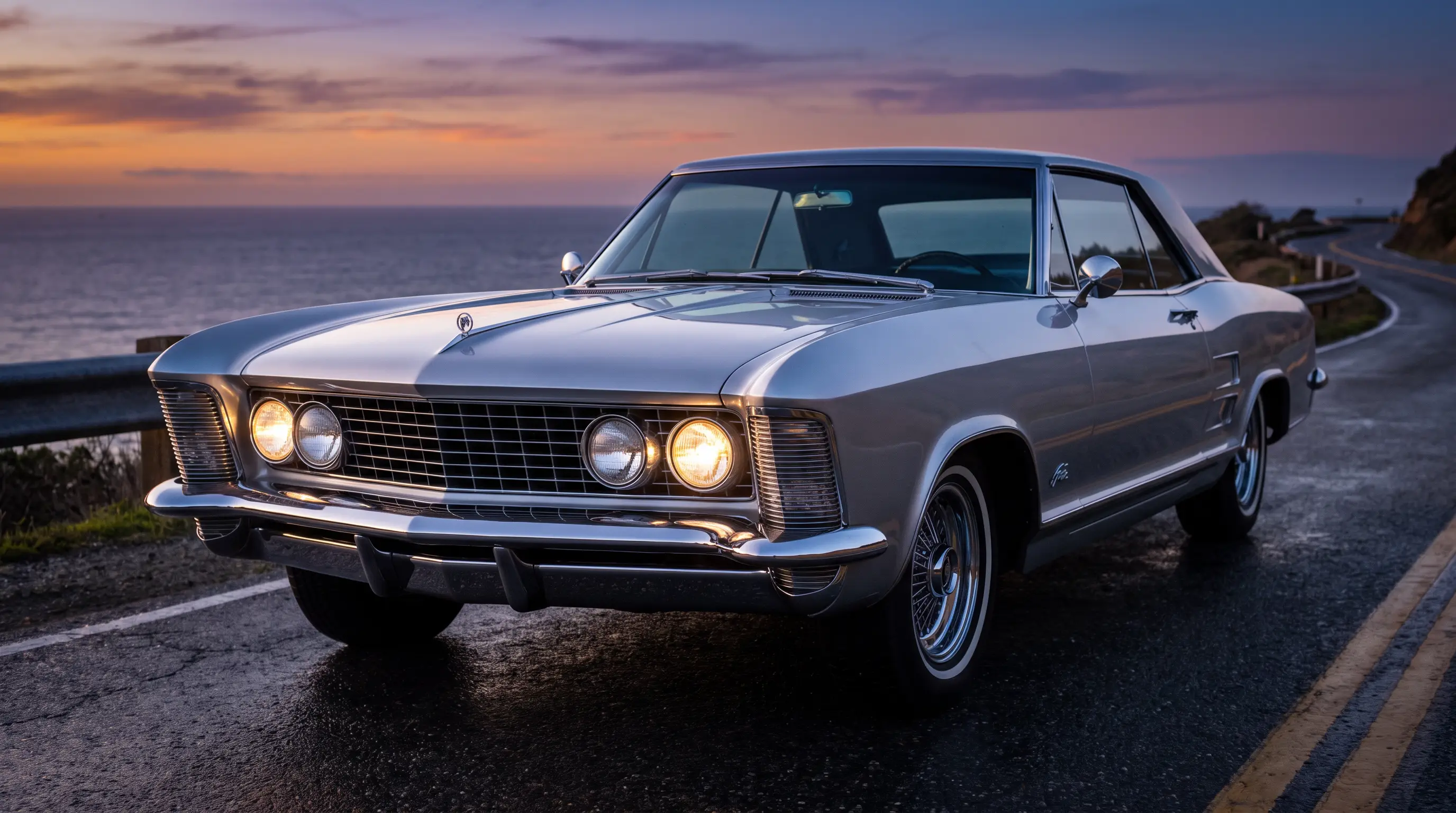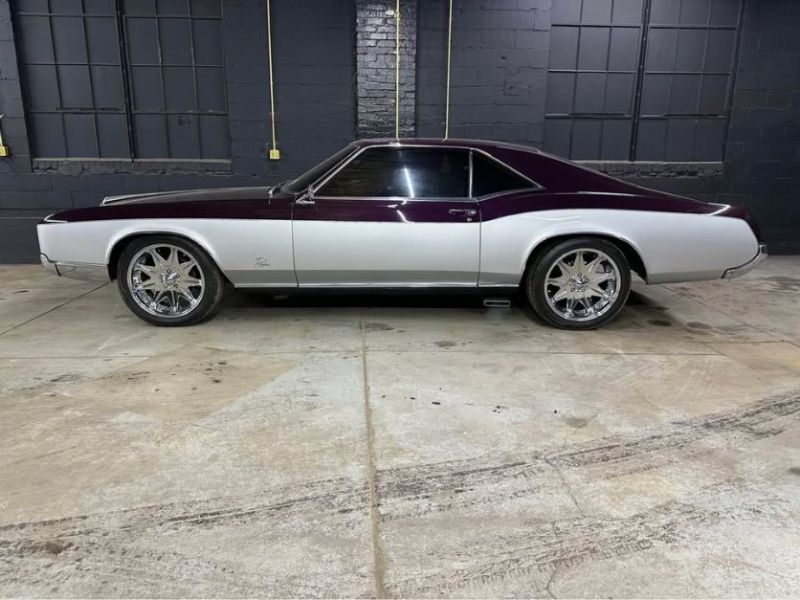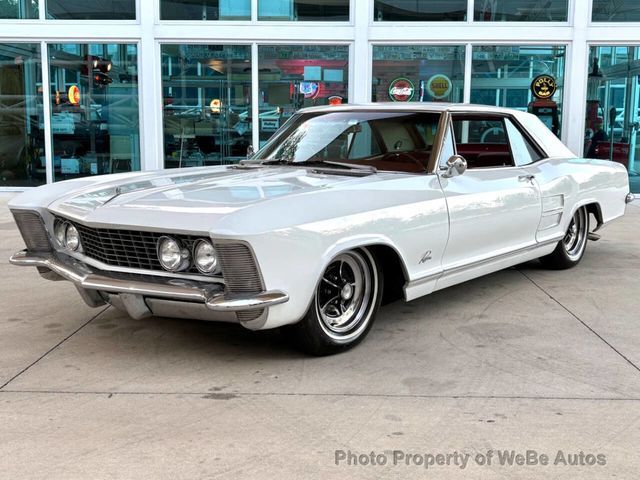
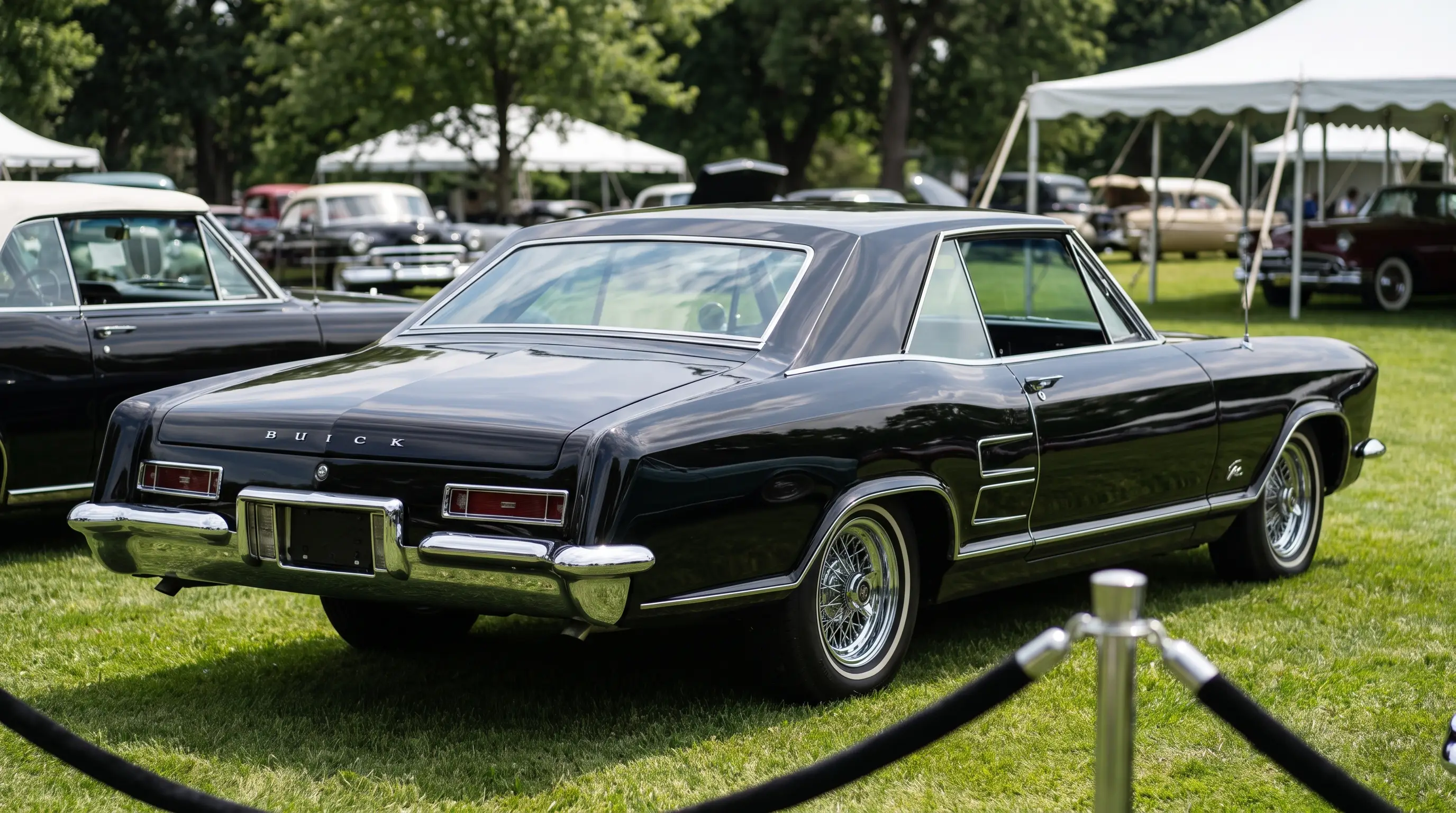
The buick riviera 1963 collector first year appeal question comes up in almost every conversation about buying a first-generation Riviera, and the honest answer is more nuanced than the auction hype suggests. Yes, 1963 is the debut year. Yes, that carries weight with a certain type of buyer. No, it does not automatically mean a 1963 car is worth more than a 1964 or a well-optioned 1965. The market is more specific than that, and the numbers back it up.
First-year premium: real or myth
Collectors love a first-year car, and that instinct is not irrational. First-year Corvettes, first-year Mustangs, and first-year Riveras all carry a documented interest premium tied to being the car that started something. For the Riviera, that premium exists but it is smaller and more condition-dependent than people assume walking in. A rough 1963 car does not outsell a clean 1965 car just because of the model year stamped on the title. What the first-year badge does is add a modest bump on top of two cars that are otherwise equally presented, condition for condition, options for options.
Where the premium gets real is at the top of the market. Concours-quality first-year cars, especially those with strong documentation and low mileage, do command a noticeable gap over comparable 1964 examples. That gap narrows fast once you move down from show-quality condition into good driver-quality territory, where the difference between 1963 and 1964 pricing often comes down to noise rather than a consistent pattern.
What auction results actually show
Pull auction data across recent seasons and the pattern holds up: 1963 Rivieras in the top condition tiers post the strongest results within the first-generation range, but mid-condition cars sell in a fairly tight band regardless of whether the title says 1963, 1964, or 1965. Buyers shopping in the middle of the market are paying for straight bodies, running numbers-matching drivetrains, and honest paint, not for the specific year of debut. Specific hammer prices swing widely by sale and by season, so treat any single auction result as a data point rather than a market average, and check current listings and recent results directly before pricing a specific car.
This is a useful reality check for sellers who assume "first year" alone justifies a premium price on an average car. It does not. Buyers researching this segment are informed enough now to know the difference between genuine first-year rarity value and a seller leaning on the model year to excuse a mediocre example.
Production numbers behind the scarcity claim
The scarcity argument for 1963 has real math behind it, which separates it from a lot of collector-car marketing that treats every year as somehow rare. A production run around 40,000 units, spread across six decades of ownership, road use, and attrition, leaves a meaningfully smaller pool of surviving, unmodified cars than the original build number suggests. Attrition through rust, accident damage, and simple neglect has thinned the herd more than casual buyers realize.
What matters for a collector evaluating scarcity is not the original production figure but the surviving population in a given condition tier, and that number is considerably smaller and harder to pin down. Club registries and marque specialists track this more carefully than general auction databases do, and anyone serious about buying should cross-reference both before assuming a specific car is rarer than it actually is.
| Condition tier | Market behavior |
|---|---|
| Concours / show quality | Clearest first-year premium, strongest documentation demand |
| Good driver quality | Narrow gap between 1963 and 1964, condition dominates |
| Project / rough | Model year has minimal effect on price, cost of correction dominates |
Condition and documentation change everything
Documentation is the multiplier that decides whether a first-year claim actually moves a price. A build sheet, original window sticker, or Buick Club of America verification confirming a car's factory-original status turns a generic 1963 Riviera into a documented first-year example, and that distinction is worth real money to the right buyer. Without paperwork, a buyer is trusting the seller's word about originality, and experienced buyers discount for that uncertainty automatically.
Numbers-matching status matters just as much. A 1963 Riviera with its original 401 or 425 engine still in place, confirmed against factory records, sells into a different tier than one with a replacement engine of the correct type but unverified provenance. This holds true regardless of model year, but it interacts with the first-year premium specifically because buyers chasing that debut-year cachet are usually the same buyers who care most about verified originality.
"Everyone wants to talk about first-year appeal like it is a fixed number you can bank on. It is not. It is a real but modest bump that only shows up clearly at the top of the condition scale, and it disappears fast once you are talking about a car that needs work."
- David Mercer
Where the money actually goes wrong
The most common mistake I see buyers make in this segment is paying a first-year premium on a car that has no paperwork to support the claim being made about it. A seller says "matching numbers," and the buyer takes that at face value because the car is a 1963. That is backwards. Verify the numbers first, independently, then decide what premium the first-year status is worth. I have watched buyers pay full documented-example money for cars that turned out to have replacement blocks of the correct casting but no factory paper trail at all, which is a materially different asset than what they thought they bought.
The second mistake is ignoring regional condition variance. A 1963 Riviera that spent its life in Arizona or a dry inland climate is a fundamentally different proposition from one that spent decades in a rust belt state, even if both present similarly in photographs. Underbody and floor pan condition on a car this age should be inspected in person or by a trusted third party before money changes hands, first-year or not. Buyers who skip this step because they are excited about the debut-year story tend to be the ones who overpay for hidden repair work down the line.
The buy call
My actual recommendation: buy the best condition and documentation you can afford within the first-generation range, and treat the 1963 debut year as a tiebreaker rather than the deciding factor. If two comparable cars are on the table at similar money, one a documented 1963 and one an equally clean 1964, take the 1963. If the 1963 on offer needs paint, has an unverified drivetrain, and costs the same as a documented, numbers-matching 1964, skip the first-year story and buy the better car.
Anyone doing this homework should read the whole picture on how the 1963 Riviera came to exist before deciding what a documented example is actually worth to them, and shoppers ready to act can find a classic Riviera currently listed to compare real asking prices against everything covered here.
Sources and notes
- Buick Riviera - Wikipedia
- 1963 Buick Riviera Base - Hagerty Valuation Tools
- 1963-1965 Buick Riviera: Substance and Style - Hagerty Media
- Riviera Owners Association - Production Numbers
- Buick Riviera 1st Gen Production Numbers - Automobile Catalog
- Pick of the Day: 1963 Buick Riviera - ClassicCars.com Journal