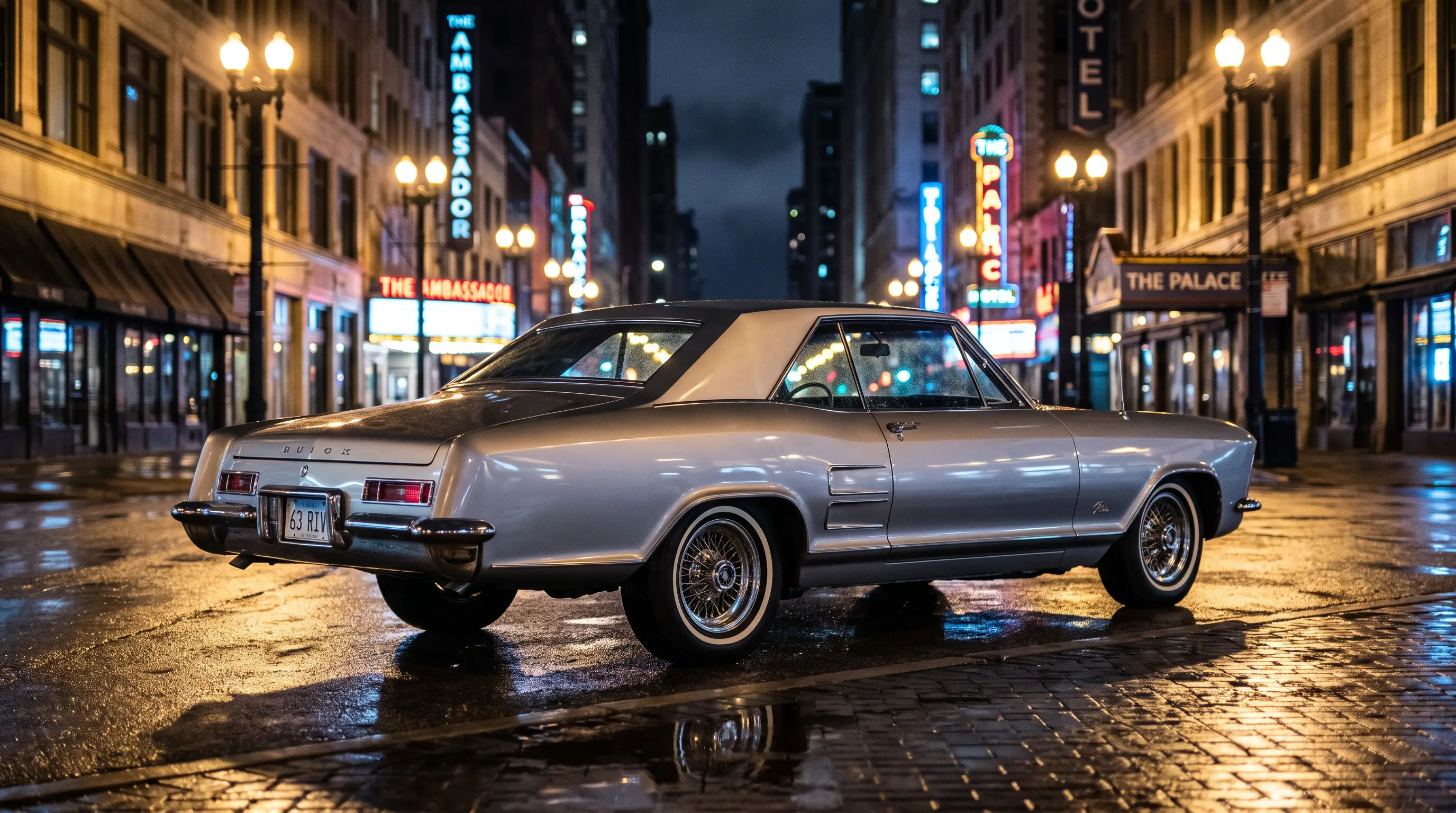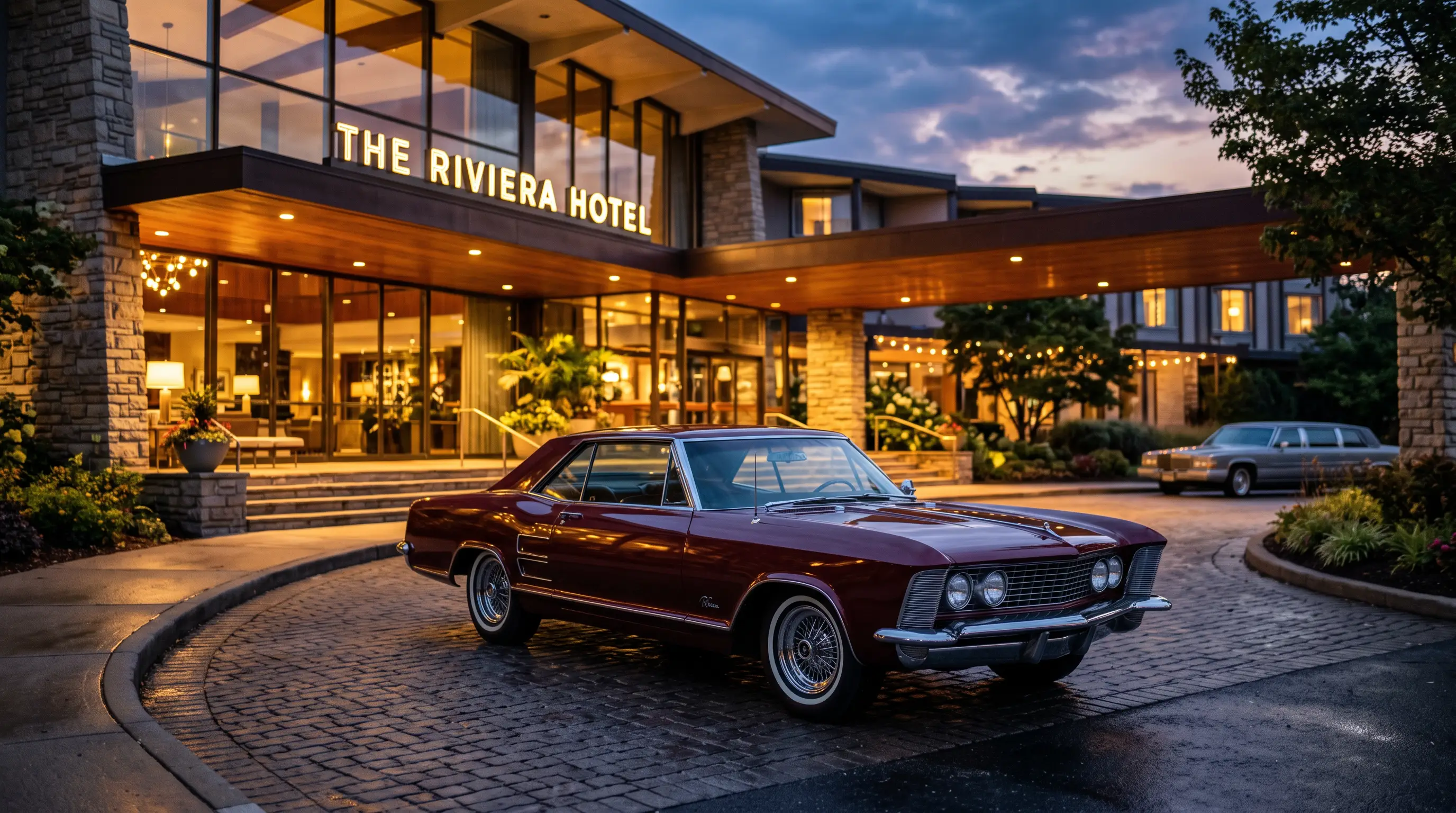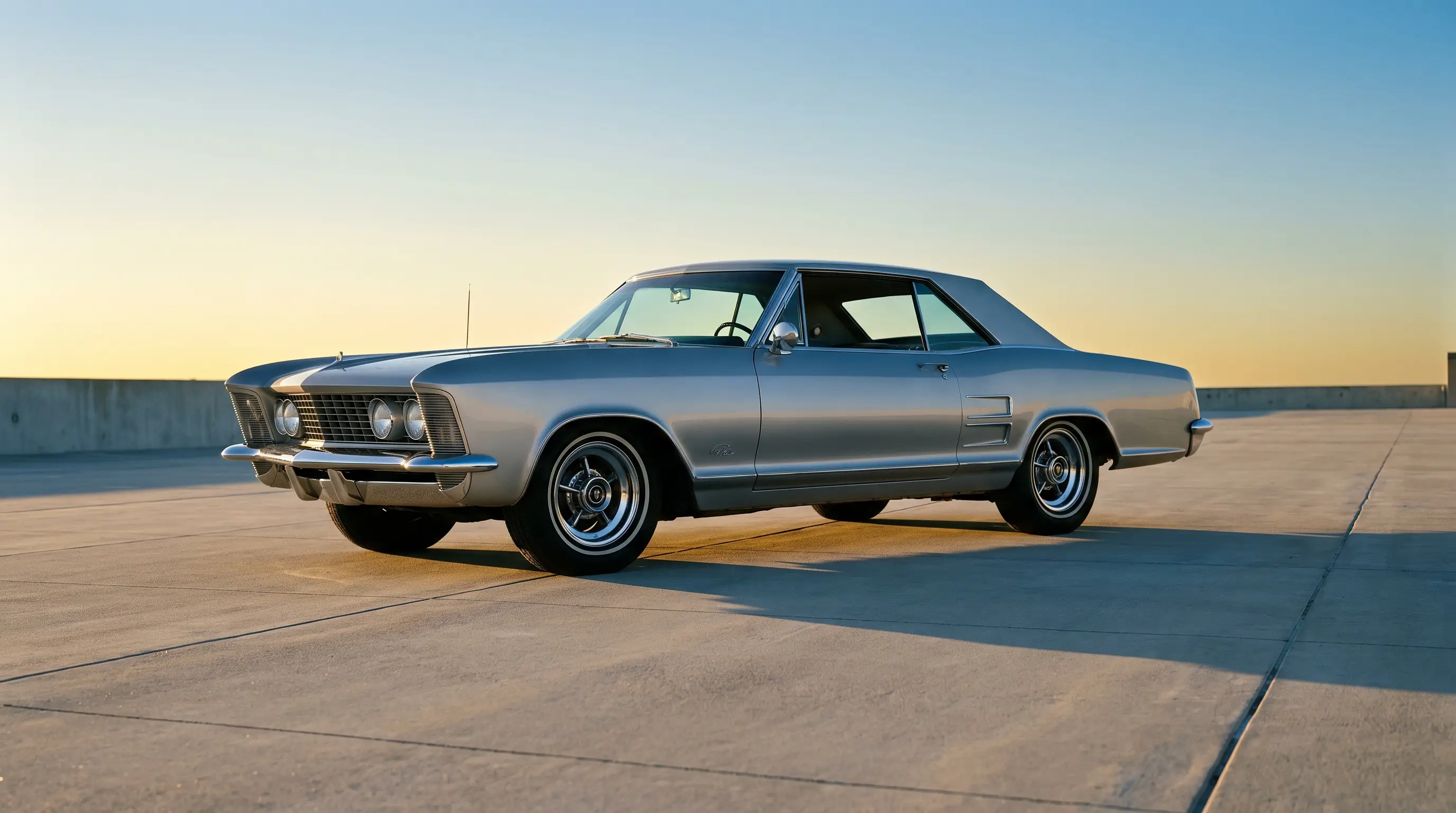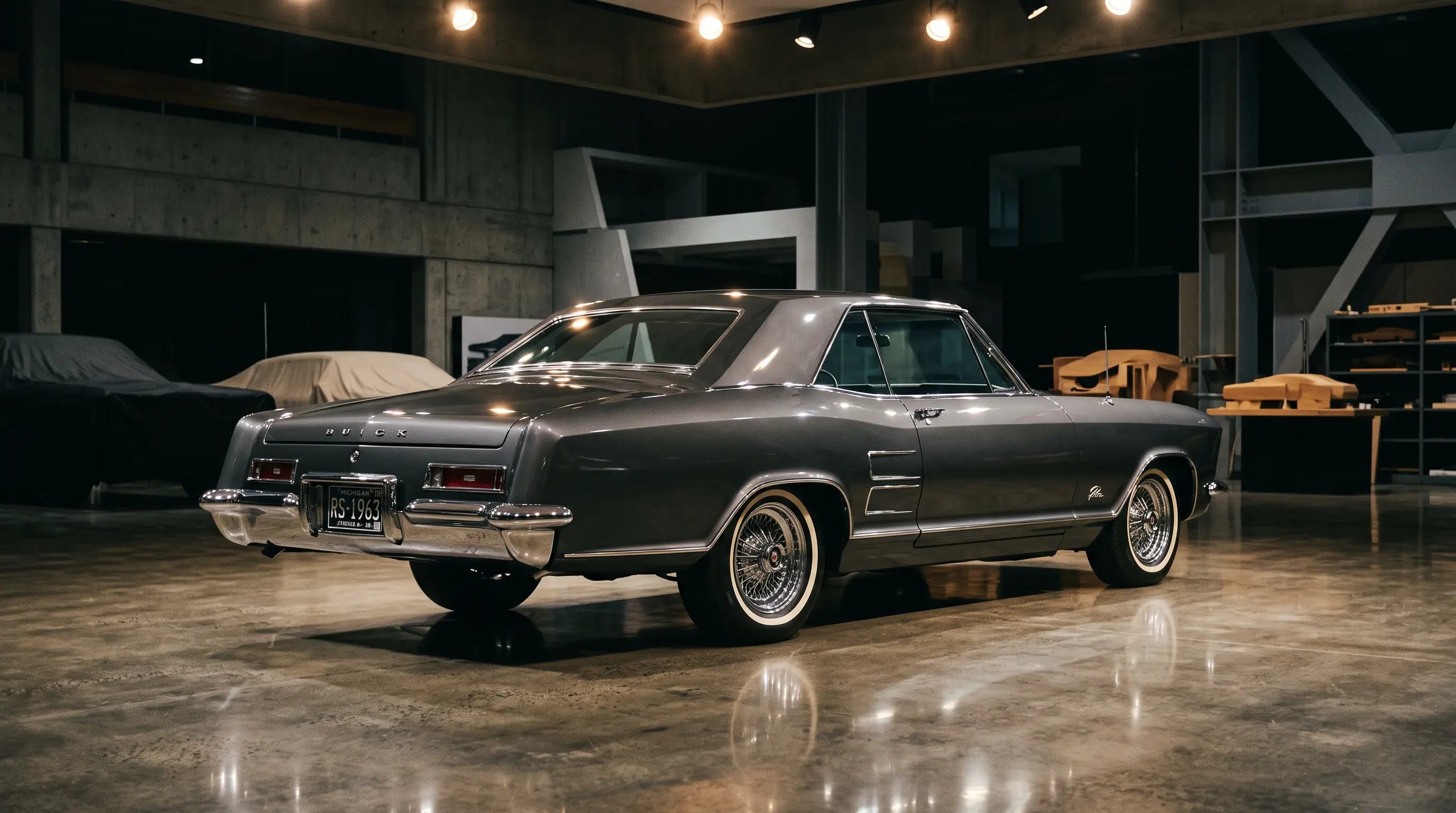
Long before the 1963 Riviera reached a Buick showroom, it was the subject of a quieter fight inside General Motors that rarely makes it into the car's popular history. The buick riviera 1963 gm internal battle was not primarily about styling. It was about which division would get to sell it, and the record suggests more than one GM brand wanted the answer to be them.
A design without an assigned owner
Project XP-715 began in Bill Mitchell's styling studio as a corporate exercise rather than a Buick-specific assignment. In the GM structure of the era, a distinctive new design produced by the central styling staff did not automatically belong to any one division. It had to be assigned, and that assignment process involved competing arguments from divisional management about which brand's customer base and dealer network the car fit best. For a shape this striking, more than one general manager saw an opportunity to secure a genuine style leader for a lineup that, in several divisions, had grown visually conservative through the late 1950s.
The record on this point is reasonably clear. Bill Mitchell's studio first pitched the design, then called the "LaSalle II," to Cadillac around 1960, but Cadillac's general manager declined it. GM then opened the project to competition among Buick, Oldsmobile, and Pontiac, three divisions all pushing to modernize their own images in the early 1960s. Buick general manager Ed Rollert, with sales manager Roland Withers and the McCann-Erickson advertising agency behind him, made the case that won the assignment for Buick. What is clear is that Buick did not receive the design by simple default. Division management had to make the case that the car belonged with Buick specifically.
Buick's case for keeping the car
Buick's argument rested on need as much as merit. The division's lineup by the early 1960s leaned heavily on comparatively staid, senior-buyer sedans, and Buick's management understood that without a genuine halo model, the brand risked losing younger, style-conscious buyers to Ford's Thunderbird and to imported grand touring coupes entirely. A division with an aging customer base has a much stronger practical claim on a striking new design than one already selling well to a younger audience, and Buick's general management used exactly that argument internally.
There was also a manufacturing and dealer-network argument in Buick's favor. The division had existing plant capacity and an established dealer network capable of absorbing a new low-volume flagship without major disruption, an important practical consideration for a design intended to launch as a distinct, standalone model rather than a simple trim variant. Whatever the exact list of divisions that formally competed for the car, Buick's combination of dealer readiness and genuine product need appears to have carried the internal argument, where this started covers how quickly Buick moved once it secured the design, pushing the car to market for the 1963 model year on a compressed development schedule.
"GM's divisions competed with each other as hard as they competed with Ford. The Riviera assignment is one of the clearer documented cases of that competition actually deciding a production car's badge."
- Tom Ramirez
What the fight cost and what it saved
An internal contest over a design is not free. Time spent debating which division would build a car is time not spent refining the car itself, and some retrospective accounts suggest the 1963 Riviera's compressed development window was a direct consequence of the assignment fight eating into the calendar before Buick's engineers could begin serious work translating the styling proposal into a production-ready platform. That compression may explain why the first-generation Riviera shared as much underlying hardware with existing GM full-size platforms as it did. There was simply not enough runway left to justify an entirely bespoke chassis once the badge question was settled.
At the same time, the competitive process likely improved the finished product. Divisions making the case for why they deserved the design had every incentive to describe exactly how they would position, price, and market it, and Buick's winning pitch reportedly included specific commitments around standard equipment levels and price positioning that shaped the car's eventual specification. A design handed to a division without any internal competition might not have received the same level of considered commercial planning before launch.
Why the internal politics still matter to the car's story
Understanding that the 1963 Riviera was fought over inside GM, rather than simply assigned, changes how the car's early development reads. It was not a routine addition to Buick's lineup approved without friction. It was a genuine prize that more than one division wanted, and Buick's willingness to make specific commitments about how it would sell the car helped secure the assignment. That context also explains why Buick's marketing for the 1963 model leaned so heavily on positioning the Riviera as a flagship rather than folding it quietly into the existing range alongside the LeSabre and Electra.
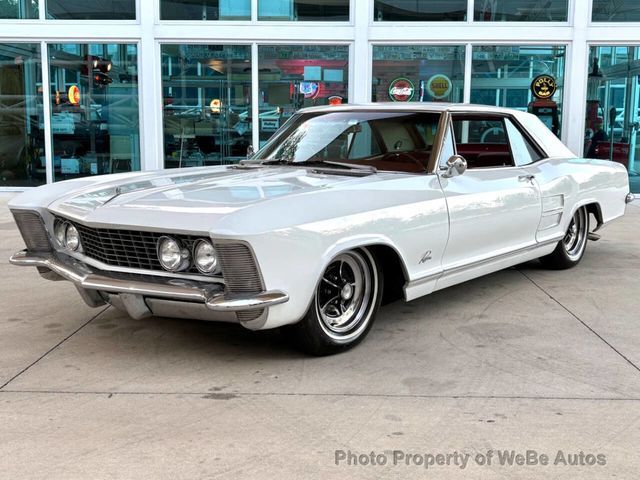
For collectors today, this internal history is a useful reminder that the 1963 Riviera arrived with unusually high internal stakes attached to its success. Buick had staked real credibility on winning this design and then proving the bet was correct, which is part of why the division supported the car with strong standard equipment, dedicated marketing, and continued investment in the Riviera name through several subsequent generations. Anyone assessing an original 1963 example today is looking at a car built by a division that badly needed it to succeed, and that need shows up in the level of finish and standard specification Buick built into the first cars off the line. Those researching the model further can go directly to classic Riviera for sale listings to see how that flagship-level specification holds up in surviving examples.
How the outcome shaped later Riviera generations
The consequences of Buick winning that internal fight extended well past the 1963 model year. Having secured the design once, Buick's management had every incentive to keep the Riviera name performing well enough that no future internal challenge from another division could dislodge it. That defensive posture is visible in how carefully Buick managed the Riviera's identity through the rest of the 1960s, protecting its position as the division's style leader rather than diluting the name across cheaper trim packages the way some other GM personal luxury nameplates were eventually stretched.
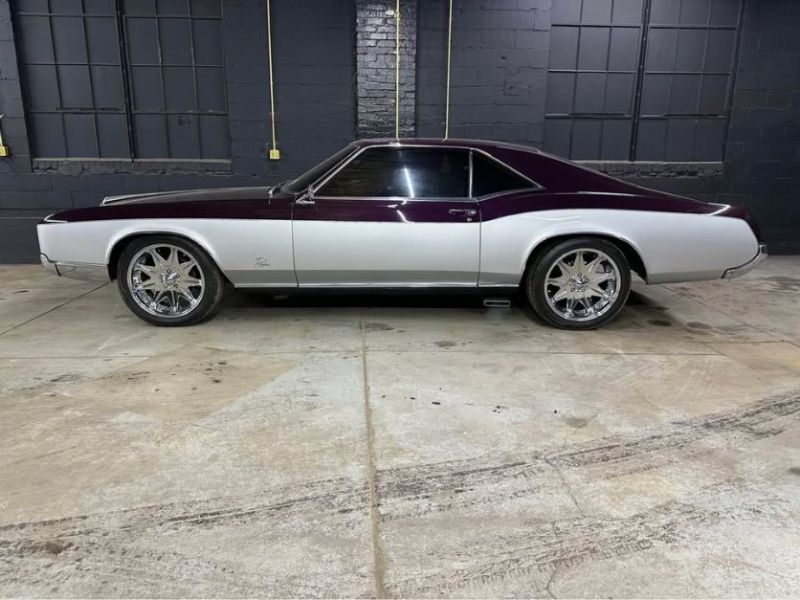
It also shaped how Buick treated the second-generation redesign for 1966. Rather than treating the follow-up car as a routine refresh, Buick's product planners approached it with the same level of internal seriousness that had characterized the original assignment fight, aware that a weaker second act could reopen the question of whether Buick was the right home for the design. That continuity of institutional attention, more than any single engineering decision, is a large part of why the Riviera nameplate survived as a coherent, well-supported model line for more than two decades after this first contested launch.
None of that institutional care would have existed without the initial competition for the design. A car simply handed to a division without a fight rarely receives the same sustained internal investment, and the Riviera's long run as a genuine flagship, rather than a one-year novelty, traces directly back to how hard Buick had to work to claim it in the first place.