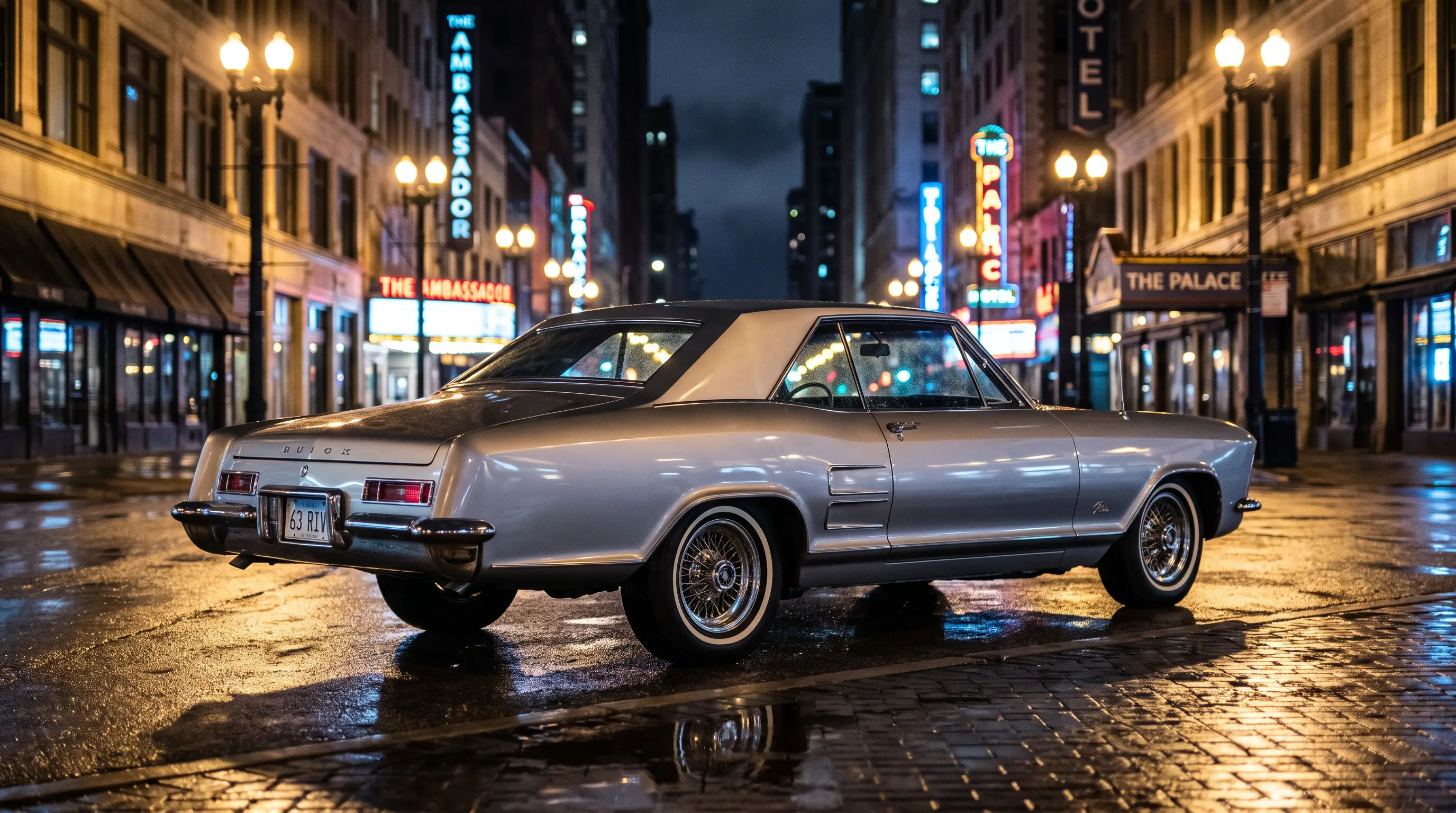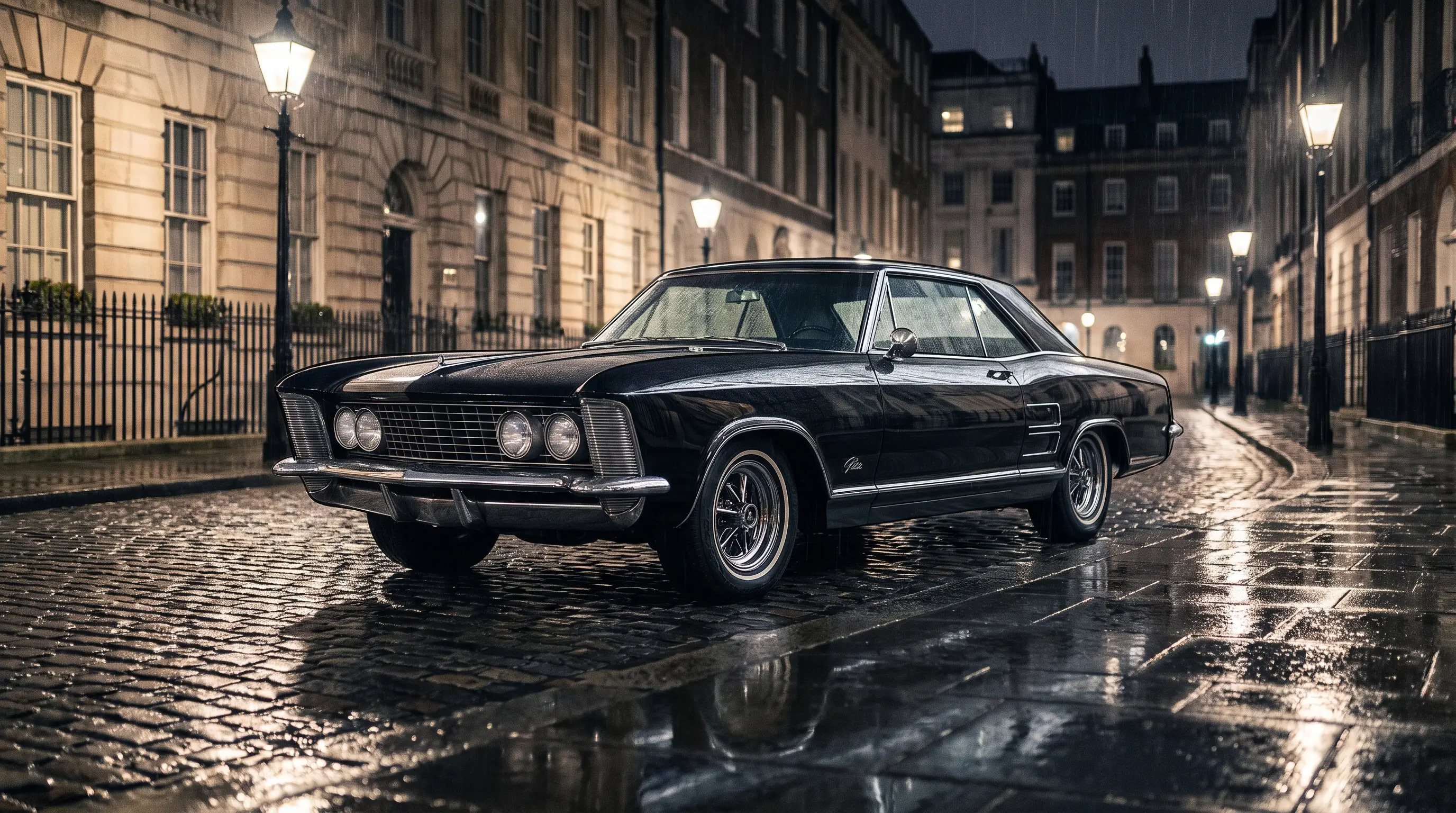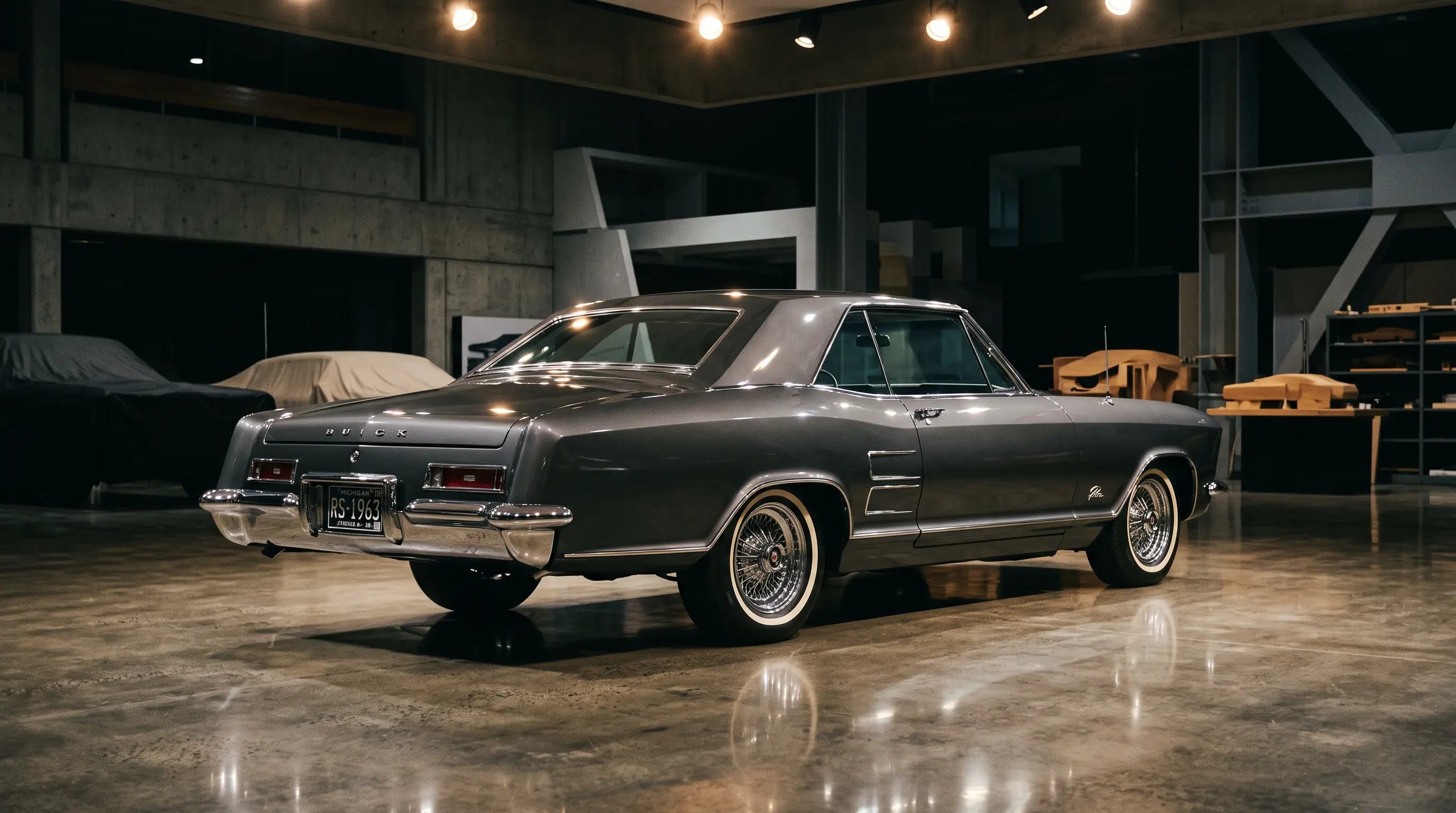
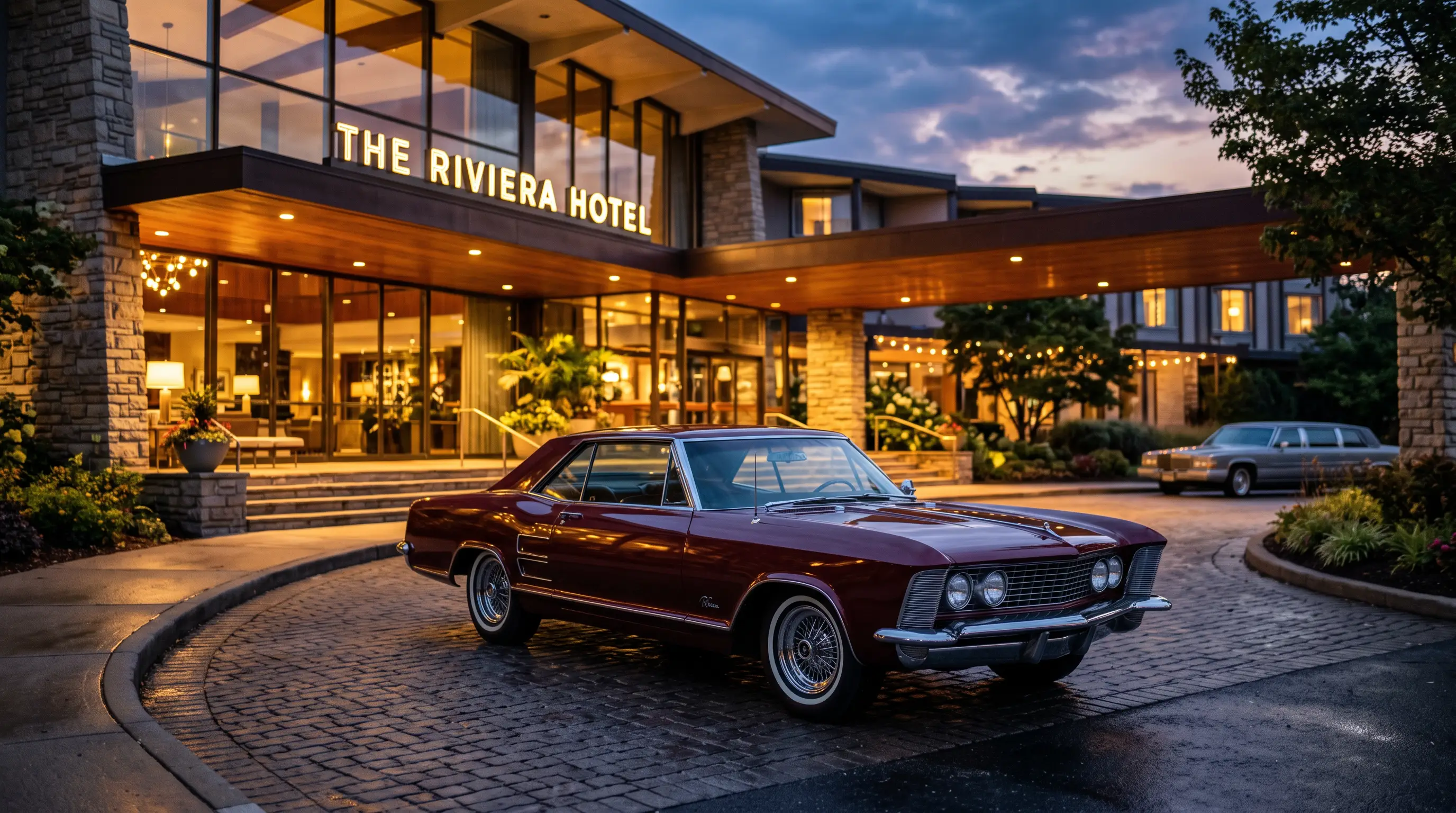
Before it wore a Buick badge, the car that became the 1963 Riviera spent time on paper as something else entirely. Studying the internal record on the buick riviera 1963 lasalle that never was is a useful corrective to the tidier version of the story most enthusiasts hear, because the design very nearly went to market under a name Cadillac had already retired two decades earlier: LaSalle.
A brand GM had already buried
LaSalle existed as a Cadillac companion marque from 1927 until 1940, when General Motors folded it as the corporation streamlined its divisions during a difficult sales period. The name sat unused for nearly twenty years. When Bill Mitchell's styling studio began developing project XP-715 in the late 1950s, some within GM's product planning apparatus floated reviving LaSalle as a distinct near-luxury marque to carry the new coupe's design, positioned between Buick and Cadillac rather than folded into an existing division's lineup. It was not an idle suggestion. GM had internal precedent for reviving badges when a product warranted a distinct market position, and the XP-715 design was distinctive enough that some planners argued it deserved its own identity rather than absorption into Buick's existing range.
The idea did not survive contact with divisional politics. Buick's general management, aware that the division badly needed a genuine style leader after a decade of comparatively conservative products, pushed hard to keep the car in-house. Bill Mitchell had first offered the design to Cadillac, but Cadillac's general manager passed on it around 1960, and GM opened the project to competition among Buick, Oldsmobile, and Pontiac. Buick general manager Ed Rollert, working with sales manager Roland Withers and the McCann-Erickson advertising agency, made the winning pitch to GM's brass. The counterargument, that reviving a dormant brand carried real financial risk with an uncertain payoff, ultimately won out over the appeal of a clean-sheet marque, and the car was assigned to Buick as a distinct new model rather than a continuation of any existing Buick nameplate.
Why the Riviera name won instead
Riviera itself was not a new word to Buick. The division had used it as a trim designation on hardtop models through the 1950s, so adopting it as a standalone model name in 1963 carried some brand continuity without the cost and risk of resurrecting a discontinued marque. It let Buick claim the design as a genuine flagship while still trading on decades of existing dealer and customer familiarity with the Buick name itself. That decision, arguably a conservative one compared to launching an entirely new marque, turned out to matter enormously for the car's commercial success. Buick's existing dealer network could sell a striking new Buick far more easily than it could have built demand for an unfamiliar reborn brand competing for the same near-luxury buyer.
The decision also kept the car's pricing and positioning simpler. A revived LaSalle would have needed its own dealer support structure, its own marketing budget, and its own place in GM's internal hierarchy between Buick and Cadillac, adding cost and organizational friction at a moment when GM was already managing five full divisions. Assigning the design to Buick as the Riviera let the company capture the design's impact without absorbing that overhead, more on the 1963 buick riviera covers how that decision shaped the finished production car's specification and positioning against rivals like the Ford Thunderbird.
"The paperwork trail for LaSalle II is thinner than collectors want it to be, but the fact that GM seriously weighed reviving a dead marque for this one design tells you how unusual the styling studio considered the shape to be."
- Sarah Whitfield
What the near-miss reveals about the design's status
The LaSalle consideration is worth taking seriously as evidence, not just anecdote. GM did not casually discuss reviving discontinued brands for ordinary facelifts or minor model additions. That the corporation entertained the idea at all confirms that Mitchell's styling team and GM's own product planners recognized the XP-715 design as something meaningfully above the division's typical output, a car good enough to justify a genuinely new market position rather than a routine addition to an existing lineup. Buick's insistence on keeping the design for itself was, in that light, as much a vote of confidence in the shape as a defensive maneuver to protect the division's own product pipeline.
It also explains some of the ambition baked into the 1963 Riviera's specification and marketing. Buick treated the car as a genuine flagship from day one, giving it standard equipment and trim levels well above the rest of the range, because internally the division understood exactly how close the design had come to leaving for another badge entirely. For a fuller account of how the finished car's specification reflected that flagship treatment, where this started traces the decisions that followed once Buick secured the design.
Collector relevance of a road not taken
For today's buyers and historians, the LaSalle II episode is a reminder that the Riviera's badge was never inevitable. Cars with contested or nearly-different histories tend to attract close scrutiny from serious collectors precisely because that history adds context to why a given model was built the way it was. Knowing that the 1963 Riviera survived an internal brand debate helps explain the unusual care Buick put into differentiating the car from its own existing lineup, distinct trim, a unique frame, standard equipment well above other Buick models, treatment more consistent with a flagship launch than a routine addition to the range.
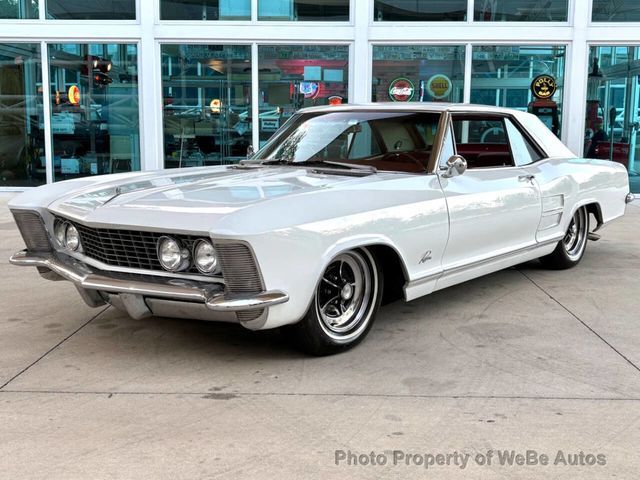
That context is worth carrying into any real-world search for a first-generation example. Buyers who understand why the 1963 car received flagship-level attention from Buick tend to have a sharper sense of which original equipment and trim details actually matter when evaluating condition and originality, and those ready to compare real examples against that history can look at classic Rivieras on the market with a clearer framework for what set this car apart from the rest of Buick's 1963 lineup.
How the LaSalle question surfaces in the record, and what it still tells buyers
Direct written evidence of the LaSalle II discussion is scarce, which is one reason the episode gets treated as legend rather than settled history in some quarters. What survives is largely secondhand, recollections from designers and product planners given years or decades after the fact, rather than contemporaneous memos laid out in a corporate archive. That gap matters to anyone doing serious research on the car. A responsible account of the 1963 Riviera's origin has to hold the LaSalle story at the correct level of confidence: plausible, consistent with how GM handled brand decisions in this era, and repeated by more than one source close to the project, but not backed by a single definitive document that closes the case.
That evidentiary caution does not make the story less useful. It simply means collectors and historians should treat it the way they would treat any other piece of oral corporate history, valuable for context, worth citing with appropriate hedges, and a genuinely useful lens for understanding why Buick treated the finished 1963 Riviera with more care than a routine model launch. The absence of a smoking-gun memo is common for internal GM brand discussions from this period generally, and it should not be read as evidence the discussion never happened, only as a reason to describe it carefully.
Whether or not every detail of the LaSalle II story holds up to strict archival standards, the broader pattern it points to is well documented elsewhere: Buick fought unusually hard to keep this particular design in house, and that fight shaped how the finished car was built, trimmed, and marketed. For collectors today, that is the practical takeaway. The 1963 Riviera was not treated as an incremental Buick. It was treated as a statement car, and the closer a surviving example is to its original specification, the more of that original statement a buyer is actually getting.