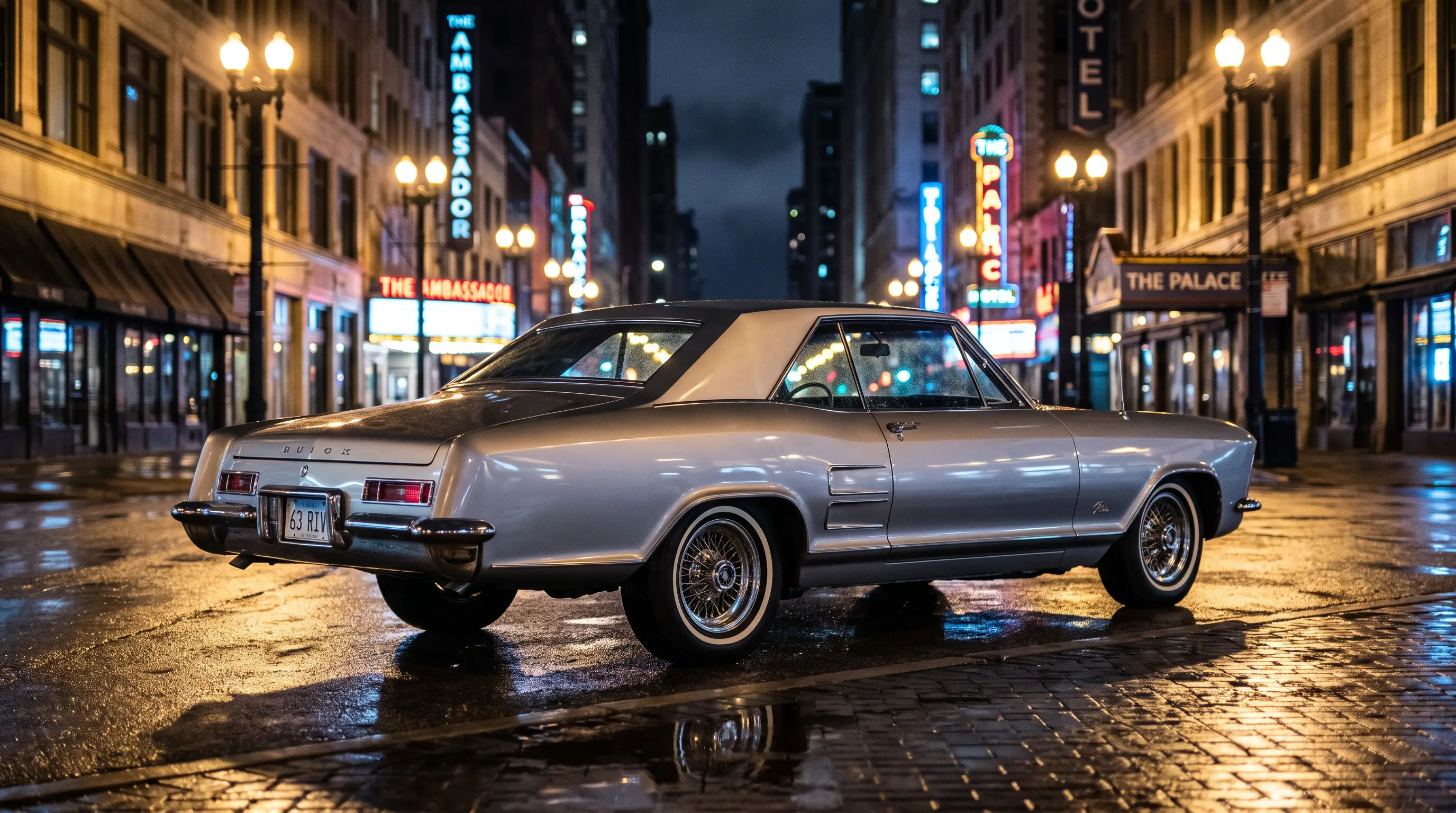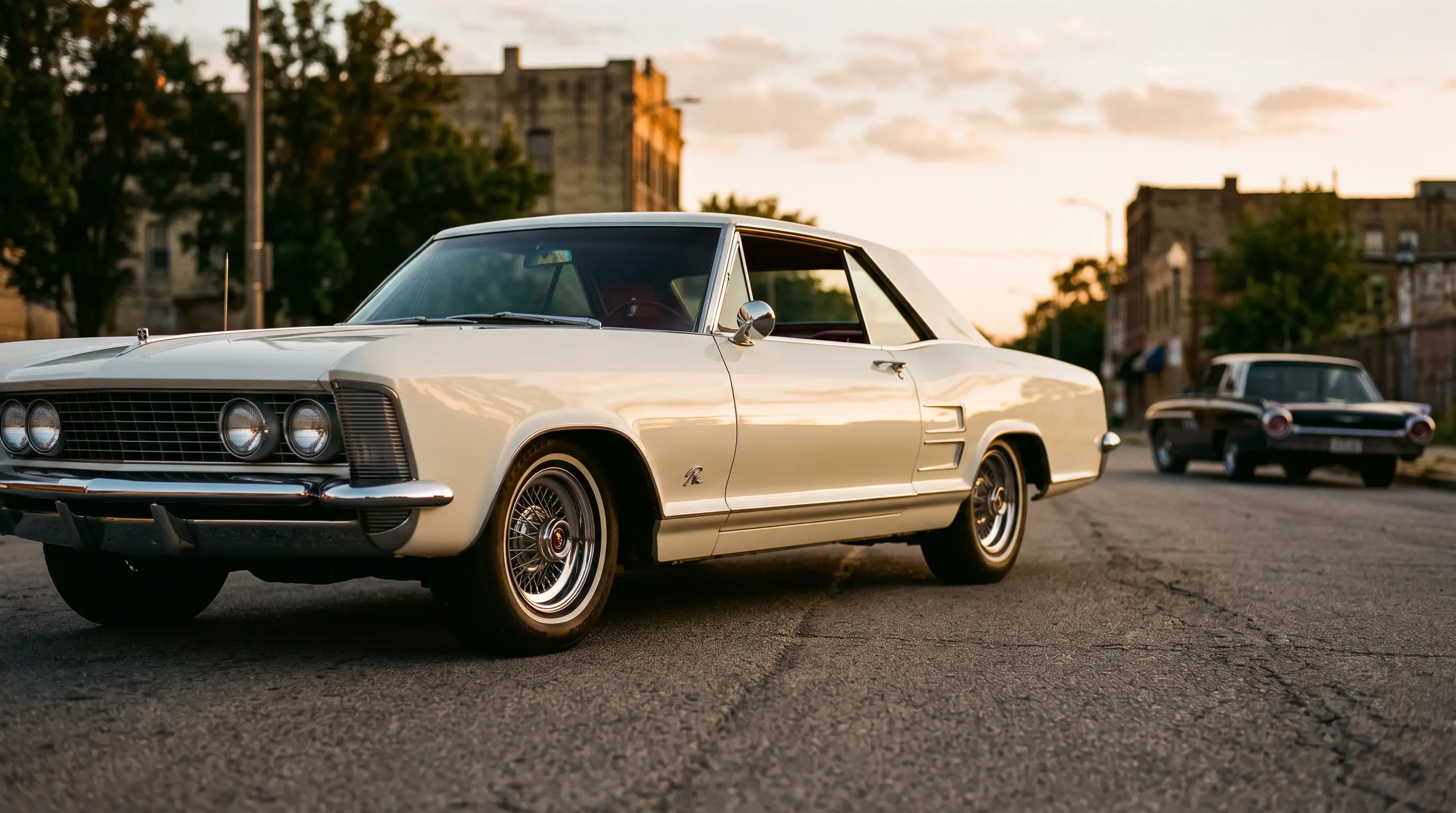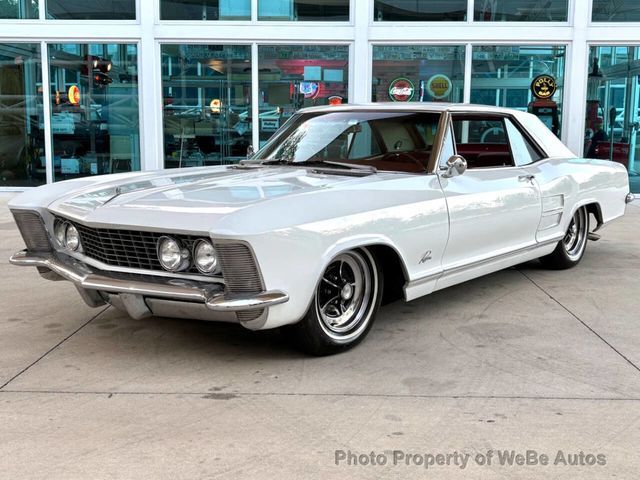
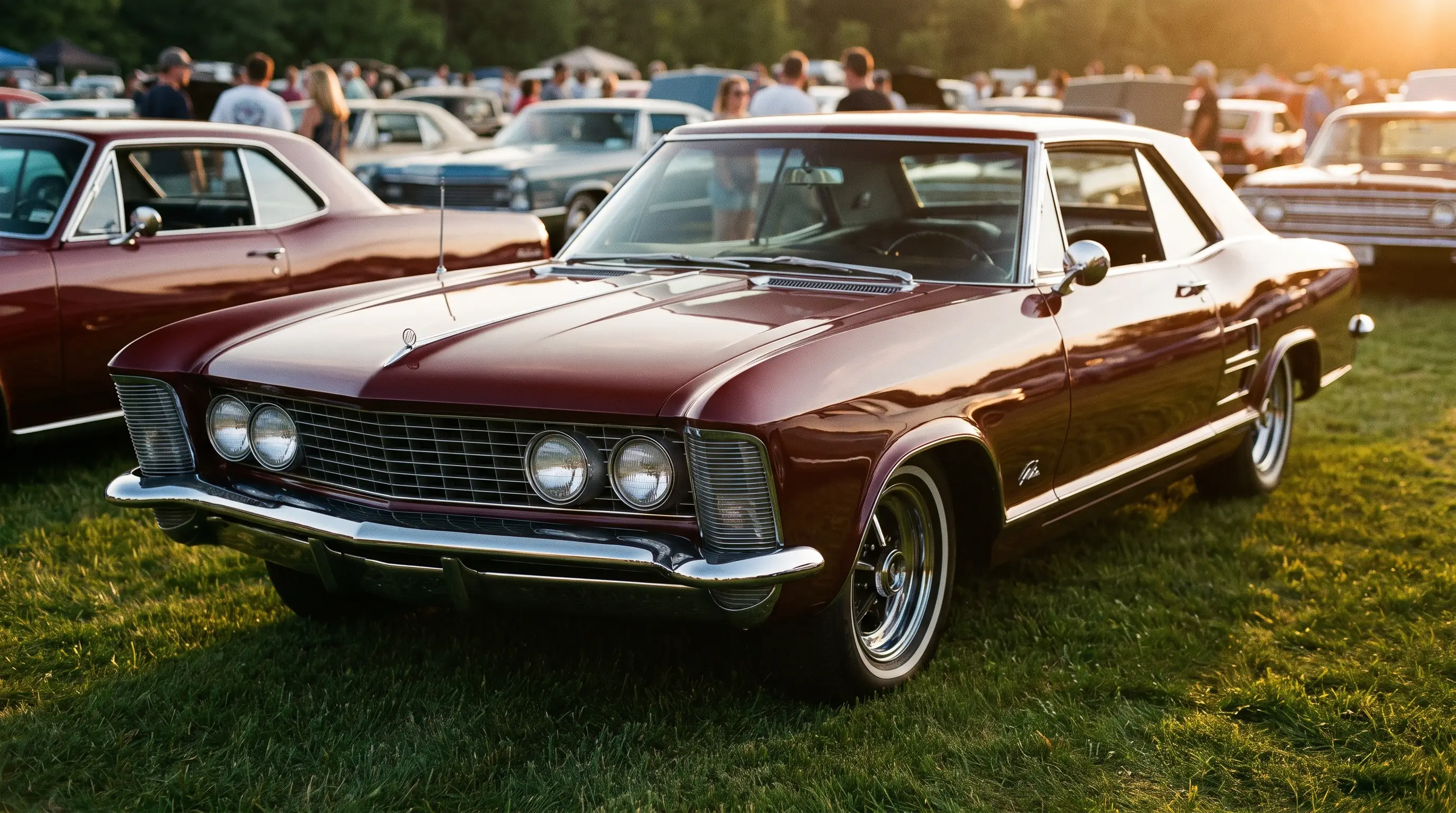
I have watched enough people walk up to a well-kept first-generation Riviera at a car show to notice the pattern by now. They stop, they go quiet for a second, and then they say some version of the same thing: it looks expensive without looking loud. That reaction, repeated across decades and across generations of buyers who were not even alive in 1963, is the whole buick riviera 1963 personal luxury blueprint in one sentence.
What "personal luxury" actually meant before this car
Before the Riviera, the personal luxury coupe segment in America was mostly Ford's to define, built around the idea of a large, comfortable two-door that traded some practicality for style and image without going all the way into true luxury flagship territory. It was a category defined more by feel than by any single spec sheet, and that made it genuinely hard for a competitor to enter without either copying the leader outright or missing the point entirely.
Buick's engineers and stylists did something smarter. They took the underlying idea, a coupe built around comfort and image rather than outright performance or maximum interior space, and built their own specific version of it around Buick's own strengths: a smooth, torque-heavy V8, a quieter ride than a sportier car would offer, and styling restrained enough that it read as tasteful rather than showy. That combination became the actual blueprint other personal luxury cars, at Buick and elsewhere, would follow for years afterward.
The formula, broken down at the club meeting level
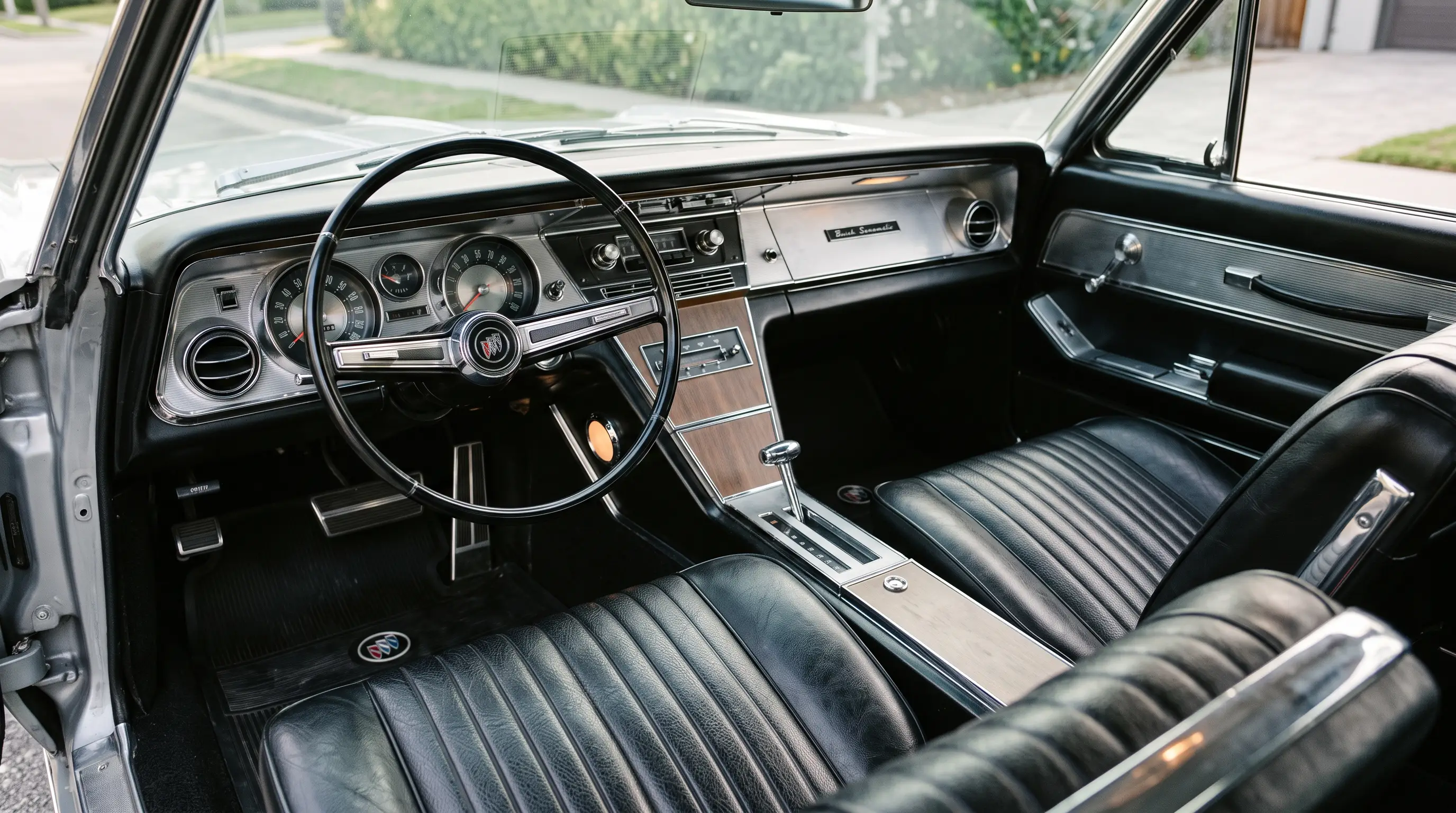
Talk to enough long-time Riviera owners at a regional club gathering and the same list of ingredients comes up every time, usually in this order: a long hood and short deck proportion that reads as confident rather than aggressive, a quiet, torque-rich V8 that never demands attention from the driver, an interior that prioritizes comfort and hush over sportiness, and styling restrained enough to still look correct decades later instead of dated within a few model years. That is not a coincidence. It is a formula, and once Buick got it right in 1963, the company and its rivals kept reaching for the same combination for the rest of the decade.
| Blueprint element | How the 1963 Riviera delivered it |
|---|---|
| Proportion | Long hood, short deck, low greenhouse |
| Powertrain character | Smooth, torque-rich 401 Nailhead V8 |
| Interior priority | Comfort and quiet over sportiness |
| Styling restraint | Minimal ornamentation, sharp clean lines |
"Every club meeting I have ever been to, somebody eventually points at a 1963 Riviera and says this is the one that got the formula right. Nobody argues with them. That kind of agreement across a room full of owners with wildly different taste in everything else says something."
- Wayne Coburn
Documentation as the real punchline
Here is where the anecdote gives way to the paperwork, because that is how these stories always end for anyone who takes ownership seriously. The reason this particular formula gets credited to the 1963 Riviera specifically, rather than treated as a vague industry trend, is that Buick's own internal product planning and marketing from the period documents the deliberate choice to build around exactly these traits: comfort, restraint, and effortless power rather than raw output or maximum practicality. That documented intent is what separates a real blueprint from a coincidence of several cars happening to look similar. the whole picture lays out that documented history in more detail, tracing how deliberately Buick pursued this formula from the earliest design briefs onward.
Owners who have researched their own cars' build sheets and factory documentation tend to be the ones who understand this best, because they have seen firsthand how specifically Buick's original engineering and marketing choices aligned with what became the standard personal luxury coupe formula for the rest of the decade. It is one thing to hear the theory at a club meeting. It is another to hold the paperwork that shows Buick meant to do exactly this from the start.
How the blueprint spread beyond Buick's own lineup
Once the formula proved itself commercially, it did not stay contained to the Riviera nameplate. Other GM divisions and Ford itself continued refining their own personal luxury entries through the rest of the 1960s, and while nobody at any of these companies would say outright that they were copying Buick's approach, the family resemblance in later personal luxury coupes across the industry is hard to miss once you know what to look for: restrained styling, comfort-focused interiors, and a torque-oriented rather than horsepower-obsessed engine character. That is the blueprint doing its work quietly across an entire product category rather than staying confined to one badge.
Club conversations about this tend to get a little competitive, understandably, since every marque's enthusiasts want credit for their own favorite car having started something. What is harder to argue with is the timing. The Riviera arrived in 1963 with this exact formula already fully formed, well ahead of several other cars that get credited with defining the segment in casual conversation. Being early with a fully realized version of an idea counts for something, and it is a big part of why Riviera owners tend to be the ones bringing up this blueprint conversation first at any multi-marque gathering.
Why the blueprint still draws a crowd
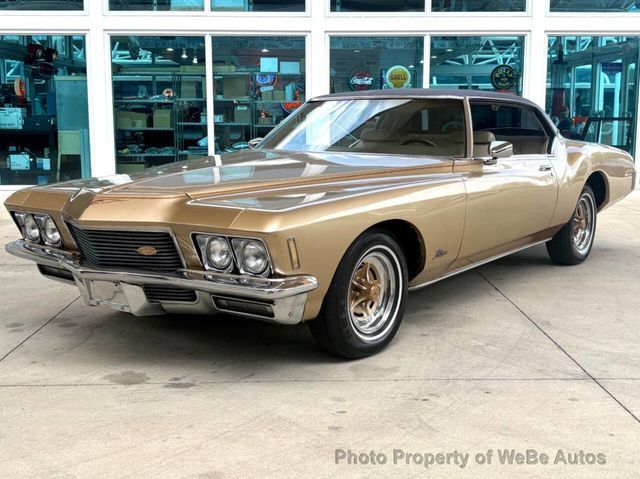
Six decades on, that same formula is still why a clean 1963 Riviera stops people at a show today. The proportions still read as confident rather than dated, the restraint still reads as tasteful rather than plain, and the whole package still communicates exactly what Buick intended it to communicate the day it left the factory. That kind of staying power is rare, and it is worth remembering the next time somebody dismisses this car as just another old coupe. It was, and still is, the blueprint. Anyone who wants to see that formula in person rather than just read about it can shop classic Riviera listings and judge for themselves whether the original formula still holds up.
I will end where I started, at the show field, because that is where this blueprint actually proves itself every single time. Nobody at a car show needs a spec sheet explained to them to feel the difference between a car that is trying too hard and a car that already knows exactly what it is. The 1963 Riviera knew exactly what it was the day it left the factory, and every owner who has kept one close to original knows they are holding onto something that got the formula right the first time. That is worth more to most of us than any single horsepower figure ever could be, and it is why this car keeps earning that quiet, appreciative pause from strangers who were not even born when it rolled off the line.