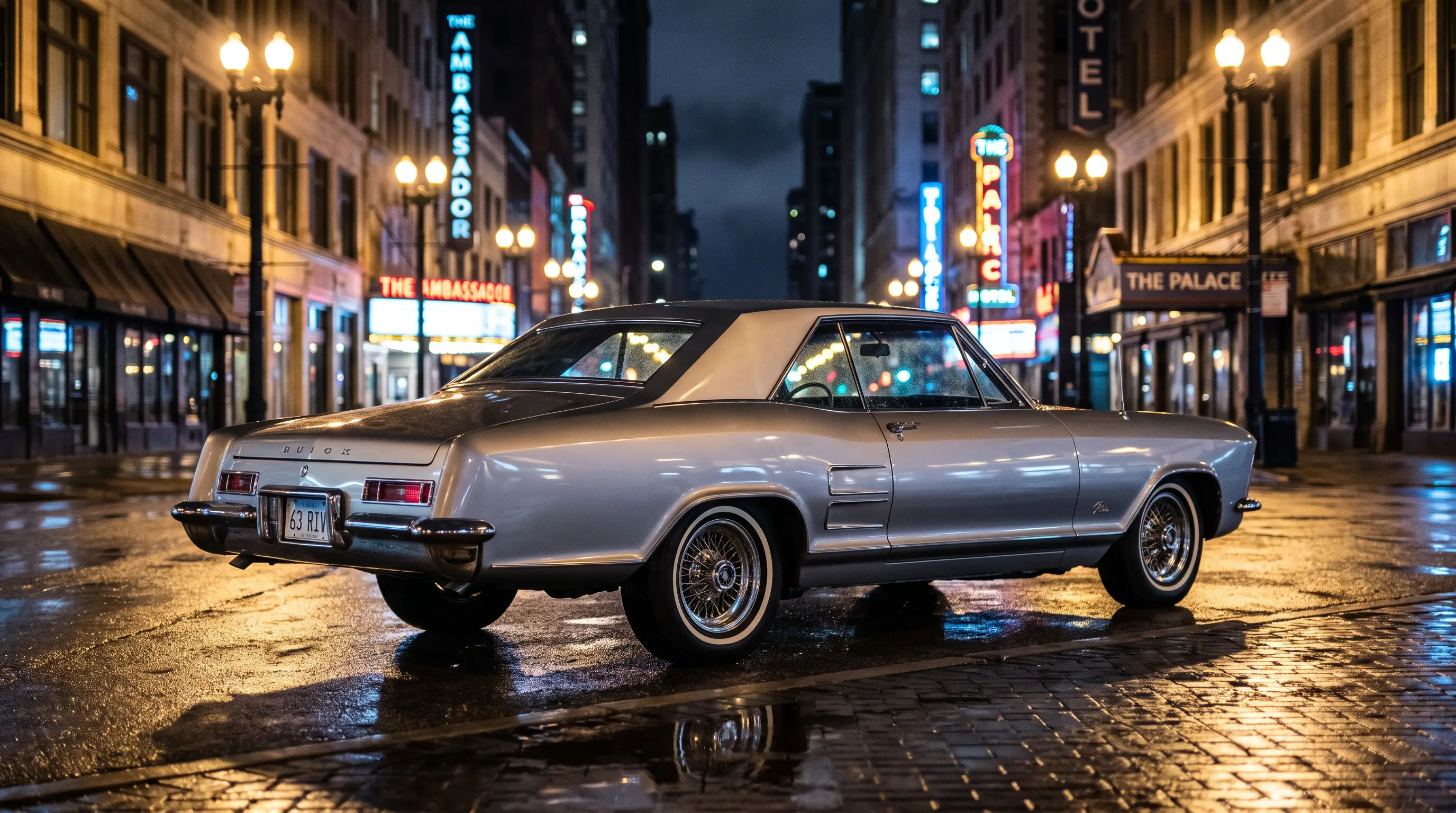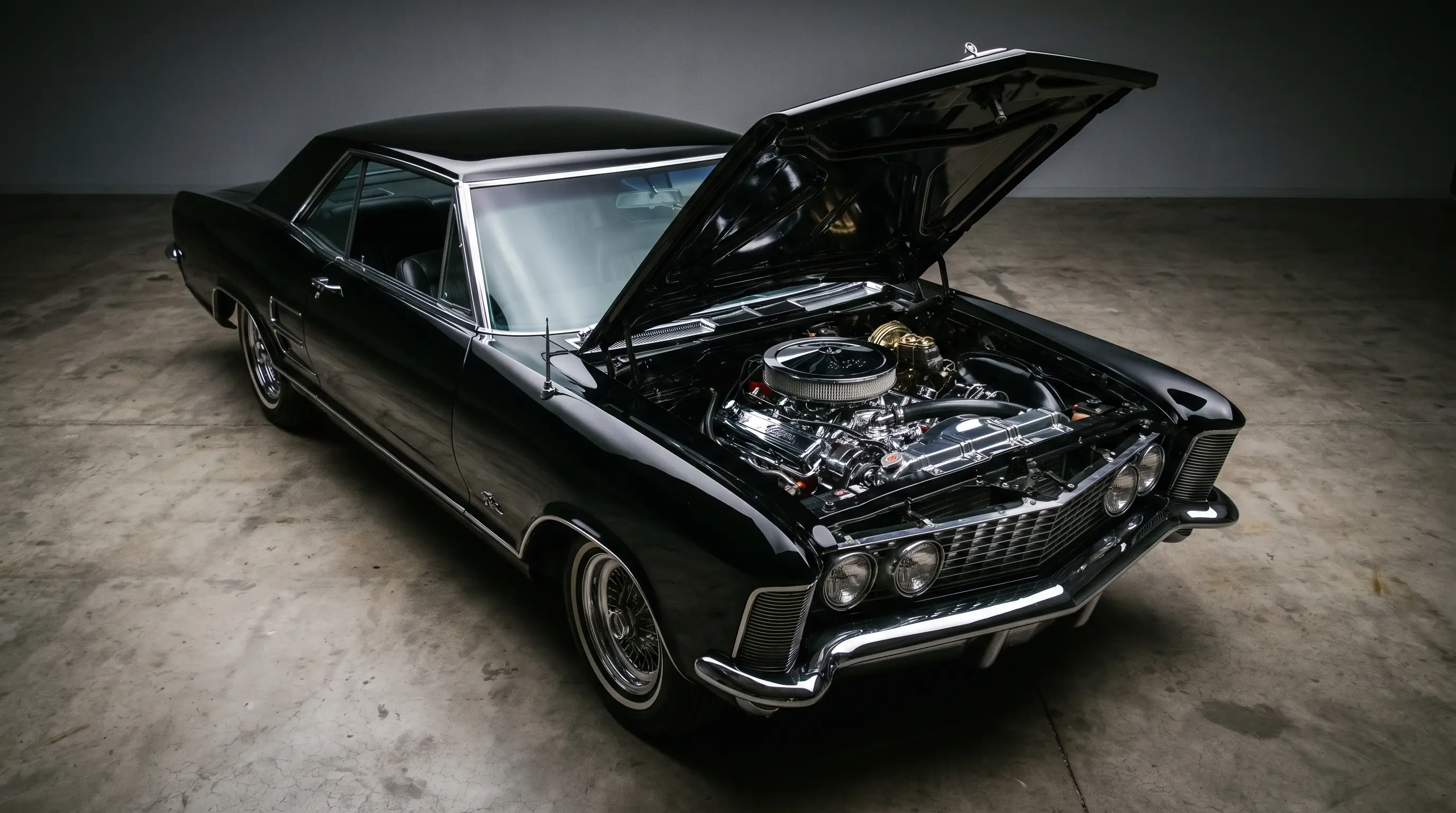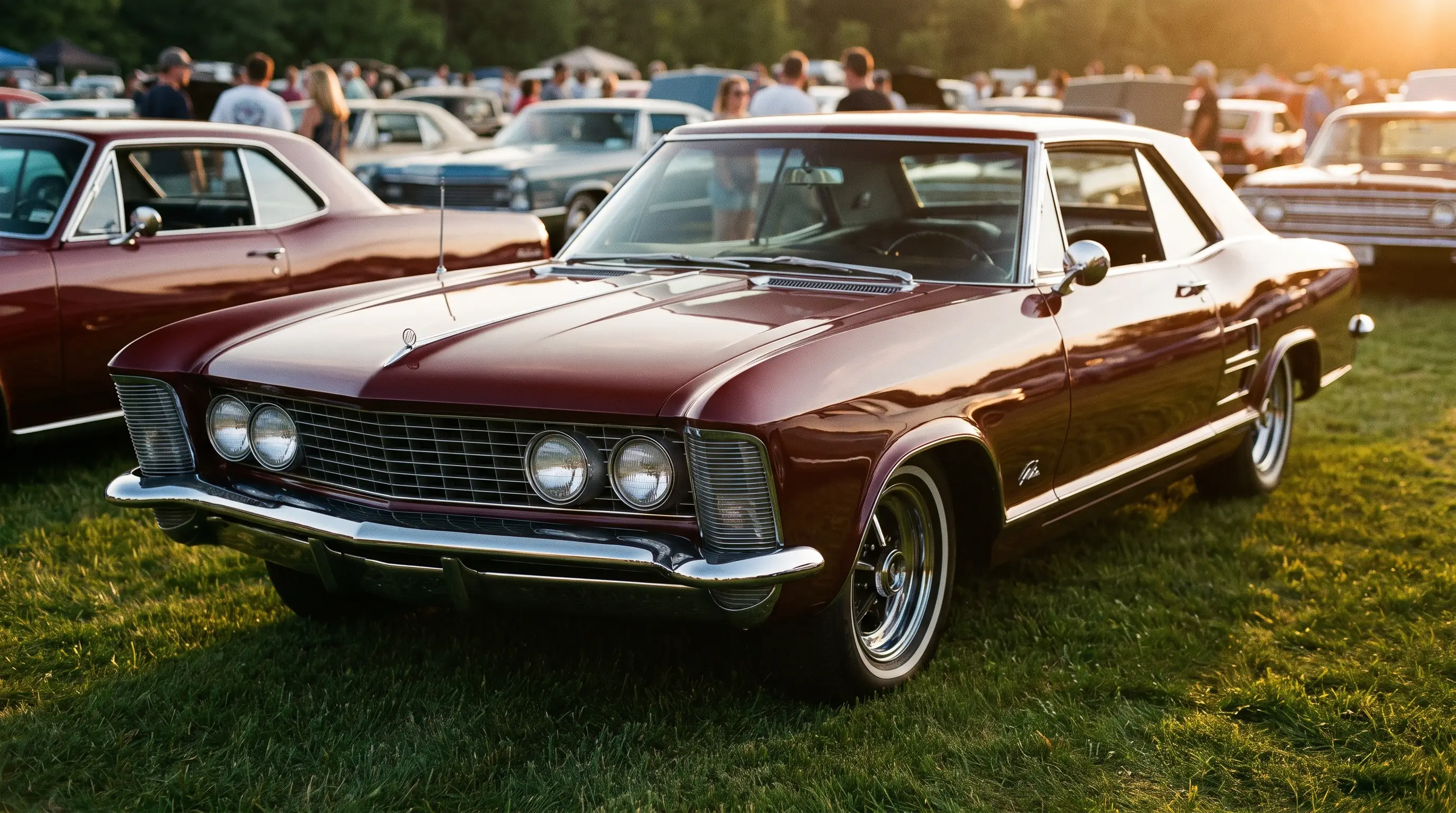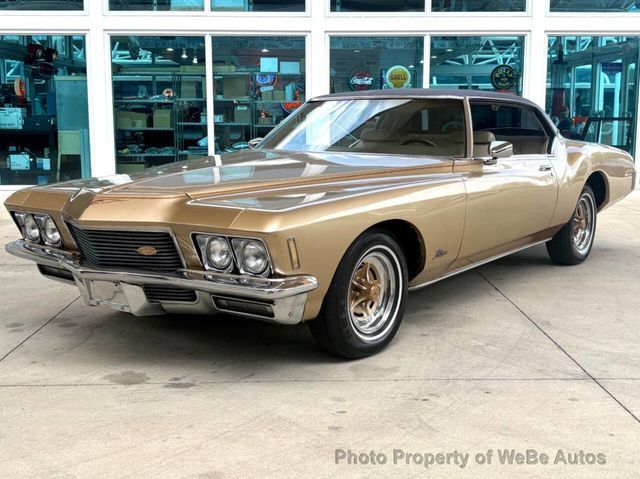
Any serious account of the buick riviera 1963 vs thunderbird answer question has to start with market position rather than styling, because that is where Buick's own product planners started. Ford's Thunderbird had, by the early 1960s, defined and largely owned the personal luxury coupe segment, a car that was not a sports car and not a full family sedan, built instead around style, comfort, and a specific kind of buyer who wanted to be seen in something distinctive without sacrificing daily comfort. Buick did not have an answer to that car until the Riviera arrived for 1963, and the gap in the meantime had real commercial cost.
The segment Ford built and Buick needed to enter
Thunderbird had gone through its own evolution by 1963, moving from the two-seat sports car of the mid-1950s to the larger, four-seat personal luxury coupe that defined the segment through the early 1960s. That later Thunderbird format proved there was real demand for a car positioned above ordinary family sedans but below true luxury flagships, a coupe buyers wanted for its image as much as its practicality. Buick's dealer network had nothing directly comparable to offer, and Buick's own management, facing a division sales slump through the late 1950s and early 1960s, treated that gap as a genuine competitive weakness worth solving with a dedicated new model rather than a minor product line hole.
Positioning the Riviera correctly against the Thunderbird required more than matching body style. Buick needed a car that felt distinct enough from Ford's offering to justify its own existence rather than reading as a simple copy, while still competing directly for the same buyer's attention and, ultimately, the same dollars.
Where the Riviera diverged from Ford's formula
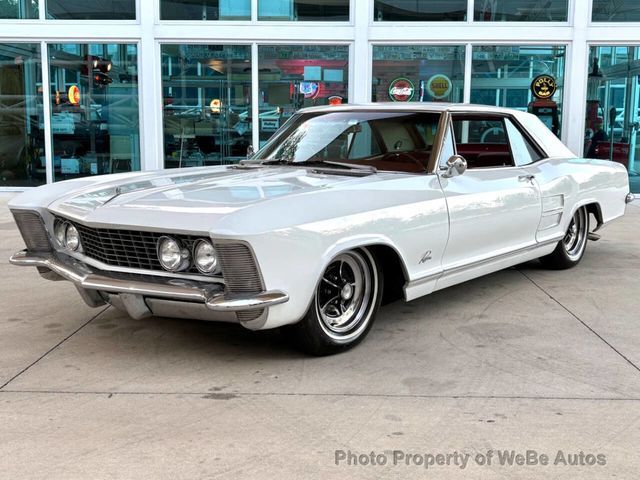
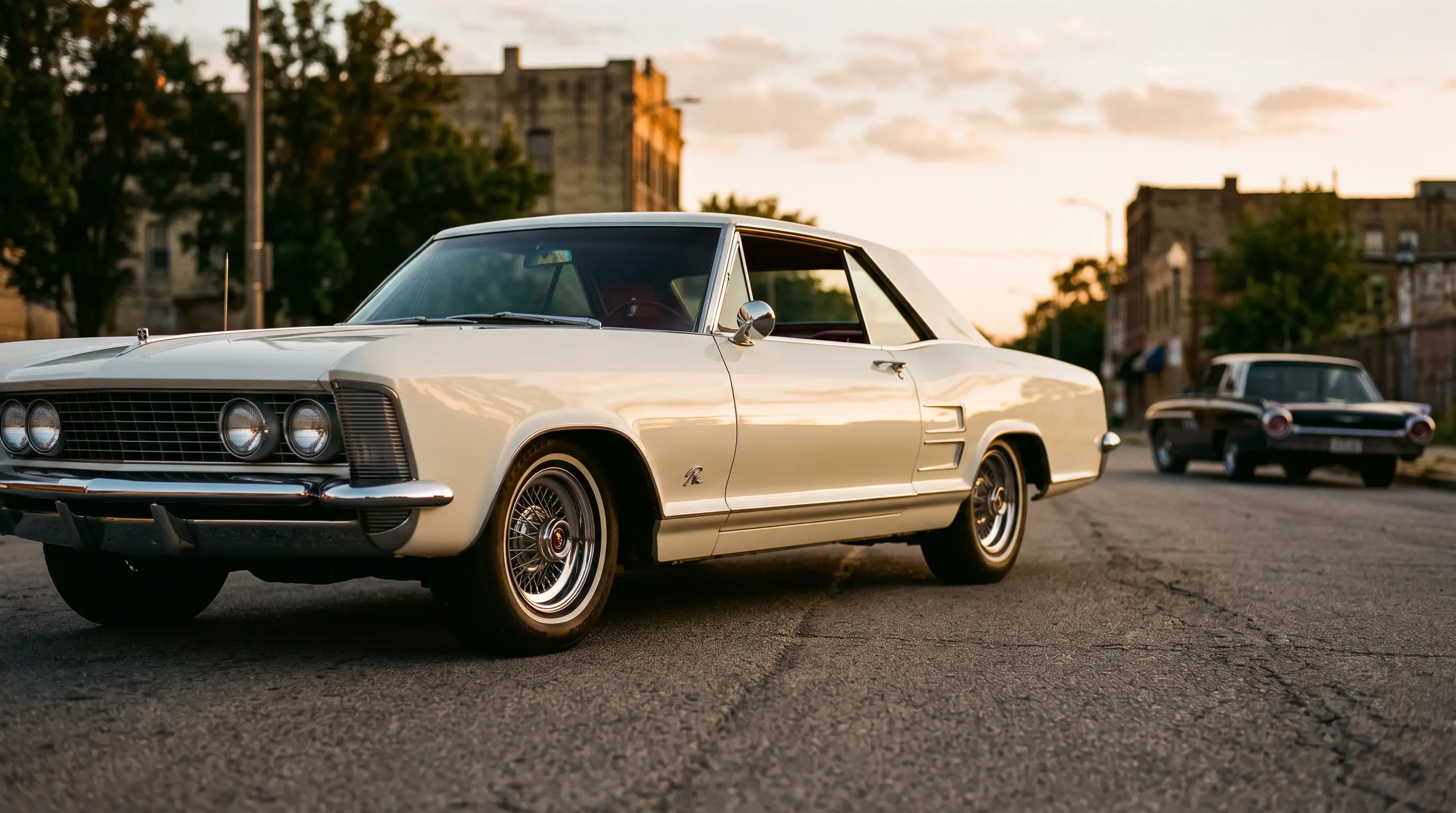
The most significant divergence was mechanical layout. Thunderbird by this period had moved to a unibody construction shared with other Ford products of the era, while the Riviera retained a separate perimeter frame, a more traditional approach that Buick's engineers argued gave better isolation and a more substantial ride feel, consistent with the quieter, more formal character Buick wanted the car to project. Styling divergence was equally deliberate. Where Thunderbird's design language through this period leaned toward a more sculpted, jet-age aesthetic with pronounced trim details, the Riviera pursued the sharper, more restrained knife-edge look developed under Bill Mitchell's direction, a visually distinct answer rather than a direct stylistic copy.
Engine philosophy also differed. Buick's standard 401 cubic inch Nailhead V8, rated at 325 hp and 445 lb-ft of torque, emphasized low-rpm torque delivery, while Thunderbird's standard 1963 engine was a 390 cubic inch V8 rated at 300 hp, with a 340 hp version offered in limited early production. Buyers cross-shopping both cars in period showrooms were choosing between two distinct interpretations of the same basic concept rather than nearly identical cars wearing different badges.
| Attribute | 1963 Buick Riviera | 1963 Ford Thunderbird |
|---|---|---|
| Chassis construction | Perimeter frame | Unibody |
| Standard V8 | 401 cubic inch Nailhead, 325 hp | 390 cubic inch V8, 300 hp |
| Styling direction | Sharp, restrained knife-edge lines | Sculpted, jet-age detailing |
| Market entry year for this generation | 1963 | Ongoing since 1958 redesign |
Reception and how the answer landed
Period reviews generally treated the Riviera as a credible, distinct entry rather than a derivative one, crediting Buick specifically for avoiding a direct stylistic copy of Ford's formula. That reception mattered for Buick's broader brand image beyond this single model. A well-received answer to the segment's dominant player validated the division's design leadership at a moment when Buick's broader lineup still leaned conservative, and it gave Buick a genuine talking point in dealer showrooms that had not existed the year before. read the background covers how quickly that reception translated into Buick's broader marketing strategy for the car.
Sales performance in the car's first year supported the favorable critical reception, though the two cars were not on equal footing commercially. Buick built roughly 40,000 Rivieras for 1963, a figure general manager Ed Rollert deliberately capped to preserve exclusivity, against Ford's approximately 63,000 Thunderbirds for the same model year. Buick's total was smaller in absolute terms, but for a brand-new nameplate going up against an established, multi-body-style rival in its sixth model year, it was read at the time as a credible commercial debut rather than a disappointment.
"Calling the Riviera Buick's answer to the Thunderbird undersells what Buick actually did. It was less an answer than a genuinely different argument for the same idea, built on a different chassis philosophy with a different engine character entirely."
- Sarah Whitfield
Why the comparison still matters for collectors
Understanding the Riviera as a considered, distinct response to an established competitor, rather than a simple copy, changes how the car should be evaluated as a historical artifact today. It was built to compete on its own terms, with its own engineering philosophy, not to imitate Ford's approach panel for panel. That distinction is part of what gives surviving first-generation Rivieras their own collector identity separate from period Thunderbirds, despite both cars occupying the same market segment at the same moment in American automotive history. Anyone comparing the two models as a collecting decision should weigh that difference in engineering philosophy as carefully as the styling difference, and those ready to look at real examples can find a classic Riviera to see how that distinct approach holds up in person.
How the rivalry evolved beyond 1963, and how to source it responsibly
The Riviera and Thunderbird did not simply meet once in 1963 and go their separate ways. Both nameplates continued through the 1960s with their own distinct redesign cycles, and each company continued to watch the other's product closely enough that later changes to both cars show clear signs of competitive response. Buick's second-generation Riviera redesign for 1966 moved toward a more heavily sculpted body language, narrowing some of the stylistic distance from Thunderbird's more ornamented aesthetic, while still retaining the perimeter frame construction that distinguished Buick's engineering approach from Ford's unibody philosophy throughout the decade.
That ongoing rivalry is useful context for anyone trying to place a specific model year of either car within the broader arc of the personal luxury segment's development. Neither nameplate existed in isolation. Each redesign cycle for the Riviera and each corresponding update to the Thunderbird line reflected real awareness of what the competing product was doing, and reading either car's specification sheet without that competitive context misses a meaningful part of why specific engineering and styling choices were made when they were.
Direct period sales and specification comparisons between the 1963 Riviera and the contemporary Thunderbird deserve careful sourcing rather than casual repetition of commonly cited figures, since the two companies reported model-year data differently and some frequently repeated comparative numbers in enthusiast literature do not trace cleanly back to primary sources. Collectors and researchers building a serious comparative history of these two cars should treat any specific figure not directly attributable to a period sales report or factory document as provisional rather than settled.