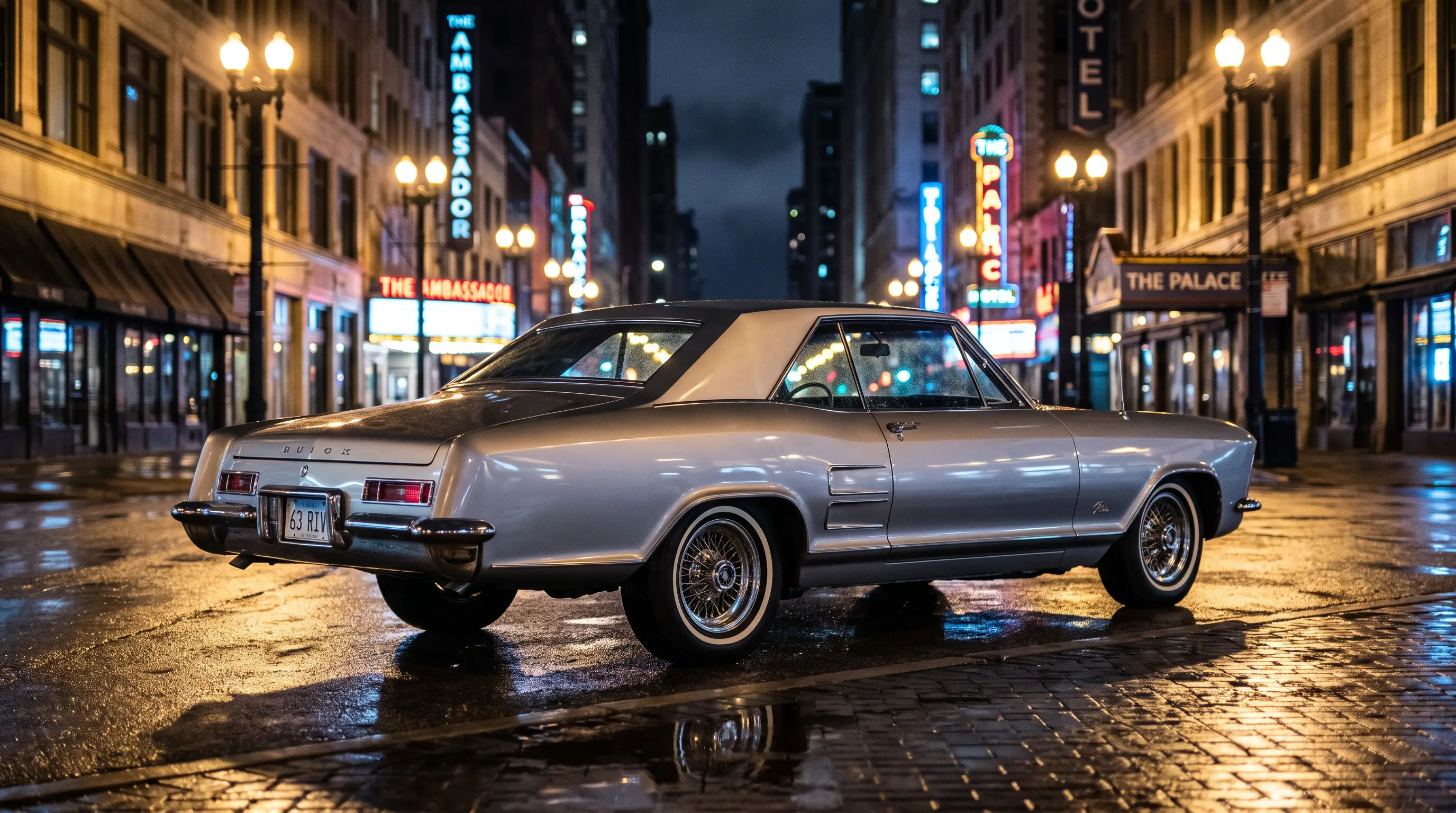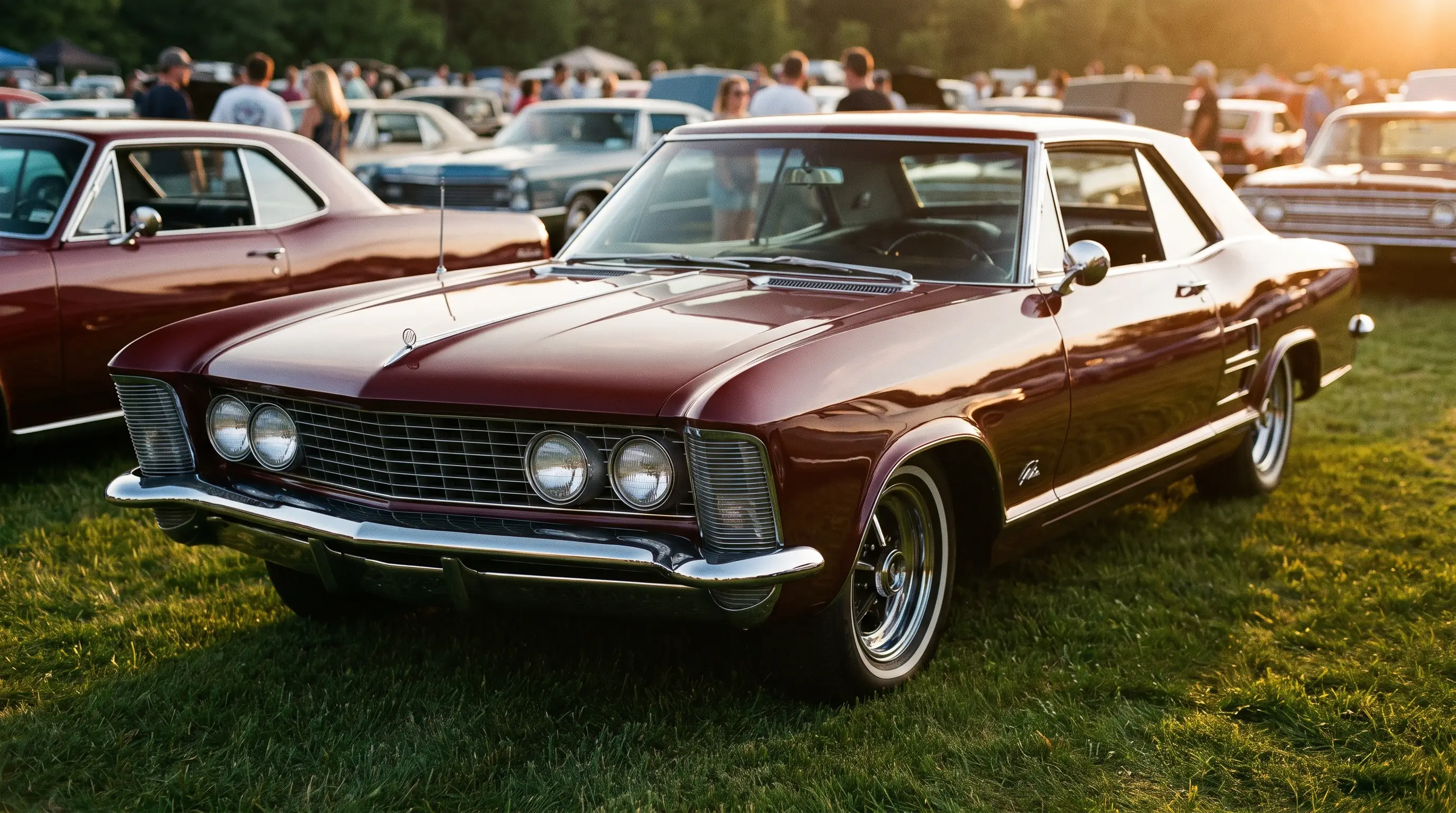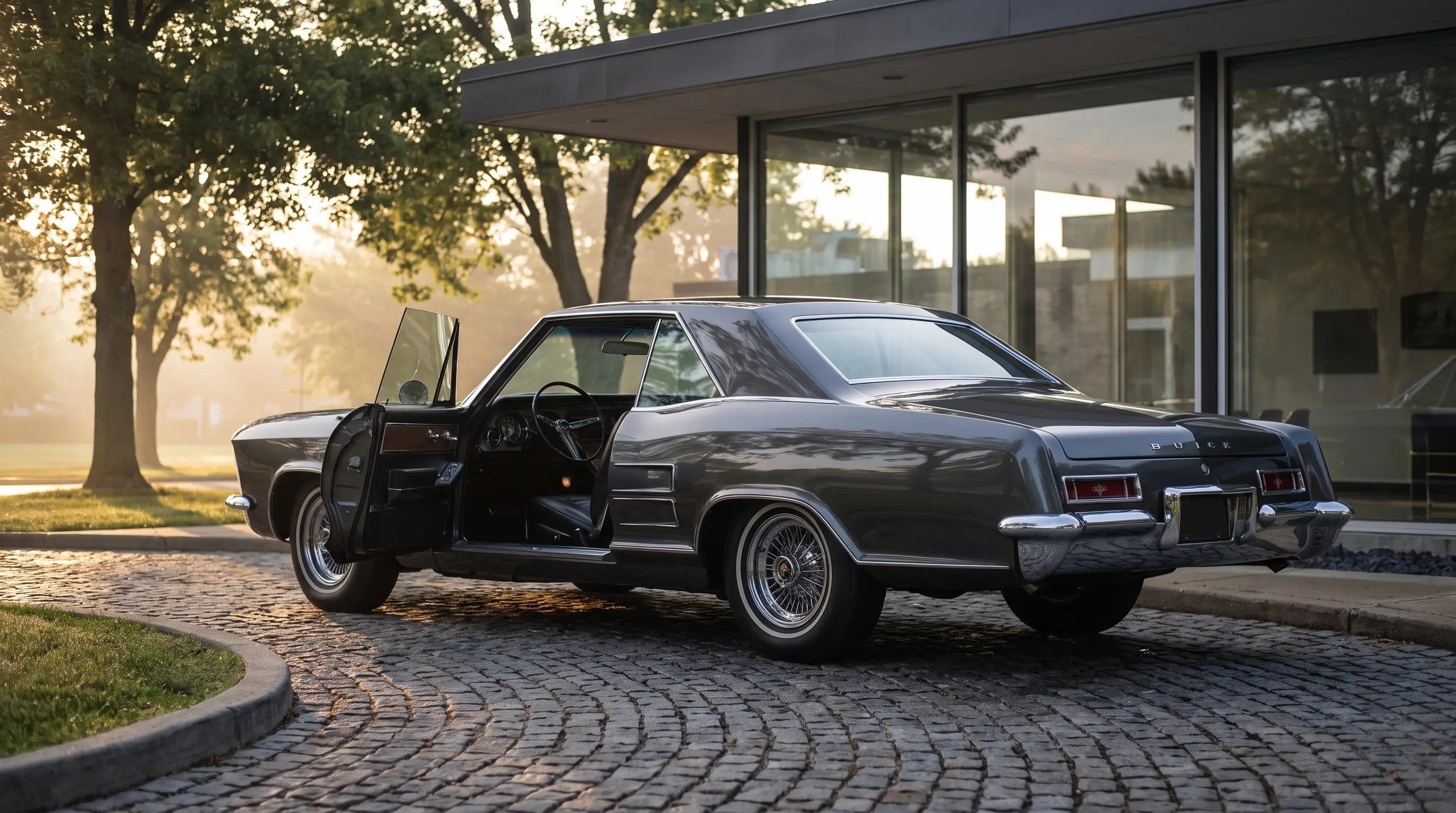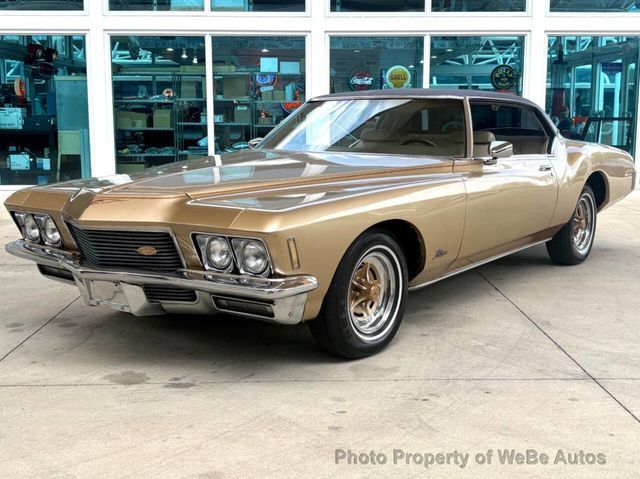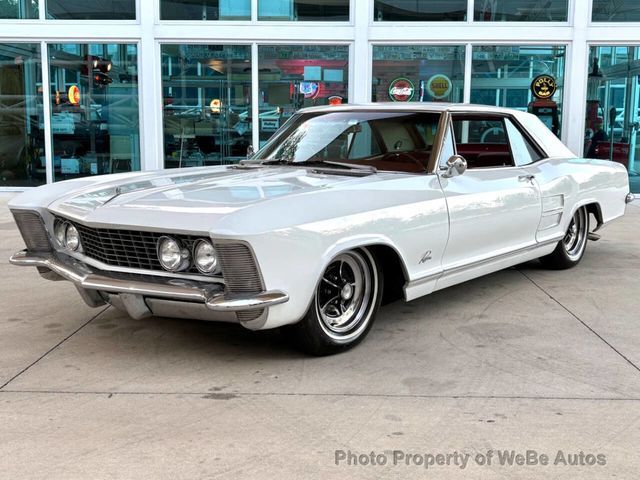
She slid into the driver's seat the way people do when they are not sure they are allowed to touch anything yet, hands resting lightly on the wheel before she let herself settle back into the bench. It was a car show in a parking lot that smelled like cut grass and hot asphalt, and the woman had just asked the owner if she could sit inside his 1963 Riviera for a moment. That quiet hesitation before people finally relax into the seat is the whole story of buick riviera 1963 interior elegance in miniature: a cabin so unhurried in its confidence that visitors instinctively slow down to match it.
A dashboard that does not shout
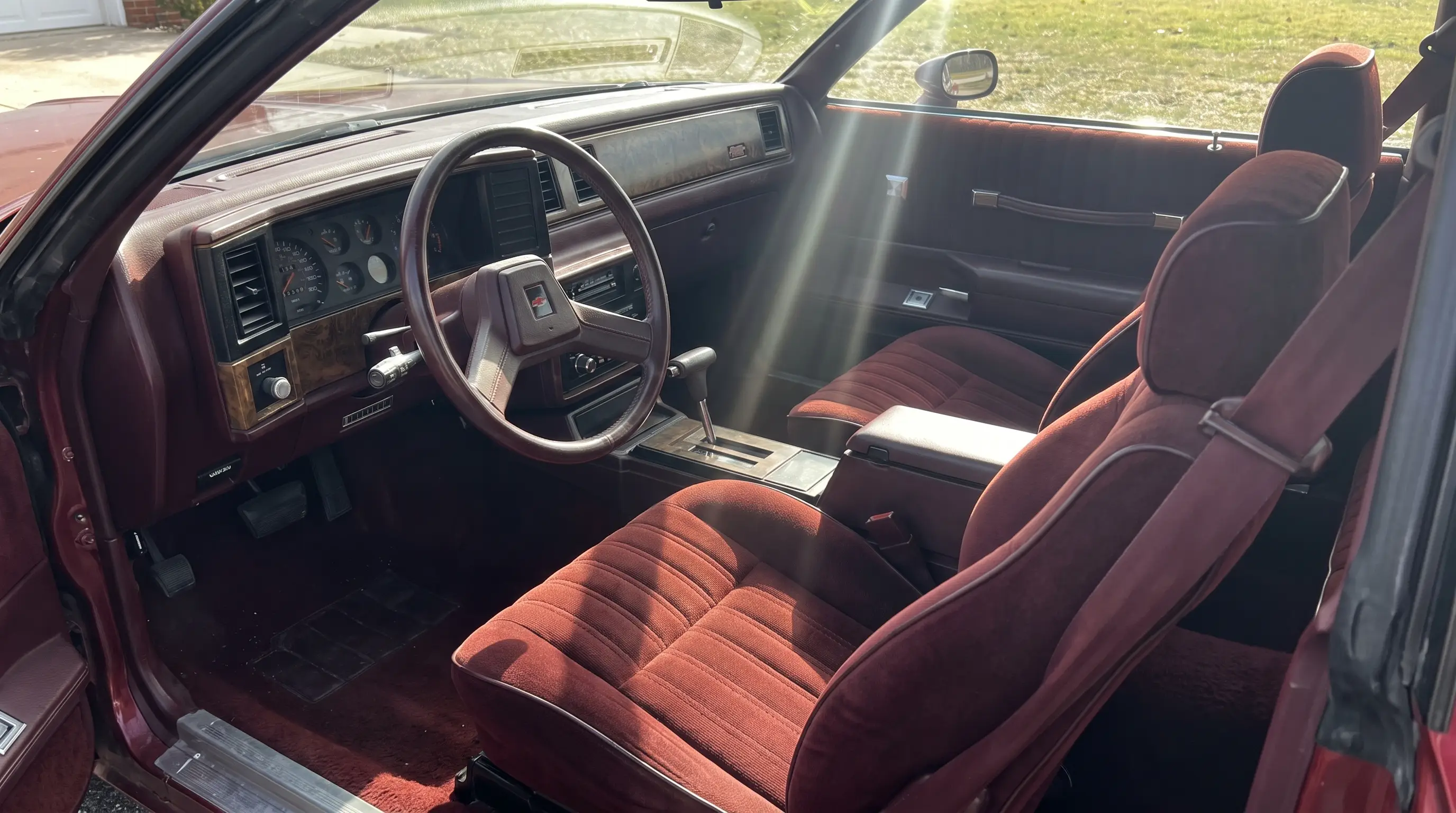
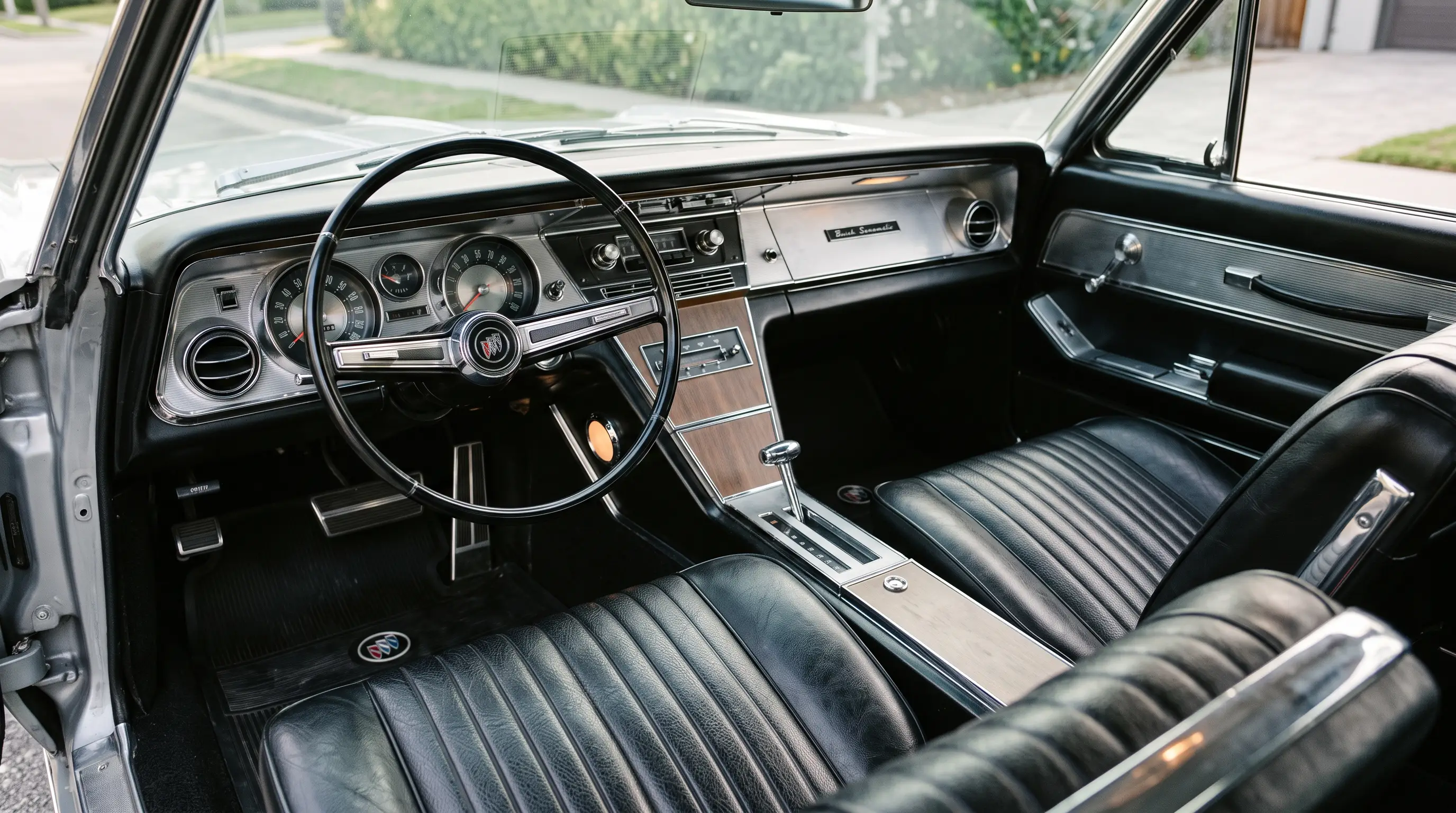
Step back from any single feature and the Riviera's cabin reads first as an absence rather than a presence, an absence of clutter, an absence of competing chrome accents fighting for attention across the dash. Buick's interior designers gave the driver a clean, mostly horizontal instrument layout, gauges housed simply rather than framed in heavy ornamentation, and enough negative space around each element that the eye is never asked to search for anything. That restraint was a deliberate choice, consistent with the same design philosophy that shaped the car's exterior knife-edge lines: let quality speak quietly instead of loudly.
Contemporary competitors from the same era, including some of Buick's own stablemates, tended to load their dashboards with additional brightwork and pattern, assuming buyers equated more ornamentation with more luxury. The Riviera's cabin argued the opposite, and buyers who spent time in both kinds of interiors in period showrooms often remarked on how much calmer the Riviera felt simply by comparison, even before considering seat comfort or sound isolation.
The seats, and the specific kind of quiet they deliver
Bench and bucket seating configurations were both available across the early production years, and either way the emphasis was on cushioning depth and a low, relaxed seating position rather than the more upright posture common in family sedans of the period. Sound isolation was treated as a genuine engineering priority rather than an afterthought, with attention paid to reducing road and wind noise reaching the cabin at highway speed, a detail that mattered enormously to a buyer whose actual daily use of the car was long, unhurried highway cruising rather than spirited back-road driving.
That combination, deep seats and a genuinely quiet cabin, is what actually produces the moment I opened with: a stranger sitting down at a car show and instinctively lowering her voice, settling in rather than perching. It is a physical response to a specific design intent that has held up for sixty years without needing a single word of explanation from the owner standing next to her.
"People do not announce that a car's interior is well designed. They just go quiet inside it. I have watched that happen at more car shows than I can count, and it never fails to happen inside a well-kept 1963 Riviera."
- Nora Beckett
What survives, and what usually does not
Interior materials from this era were not built with sixty years of use in mind, and surviving original cabins vary enormously in condition. Original upholstery, when it has survived intact, tends to show its age gracefully, a soft patina rather than outright deterioration, while poor prior reupholstery jobs are often visible in stitching patterns or seat contouring that does not quite match factory photographs from the period. Buyers evaluating an original interior should look closely at how the seat foam has held its shape and whether the dashboard's original finish, rather than an aftermarket refinish, is still intact, since that finish is a large part of what produces the calm, unhurried feel the cabin was designed around in the first place.
For a fuller account of how this interior fit into the car's overall design intent, the 1963 buick riviera story covers the broader picture, and the full story traces how that same restrained philosophy carried through later Riviera generations as well.
Small details that carried the whole idea
It is easy to talk about restraint in the abstract and miss how much specific decision-making went into achieving it. The steering wheel rim, thinner and less heavily chromed than contemporary norms, the door panel trim, kept flat and understated rather than sculpted into a busy pattern, the simple, legible typeface on the gauges themselves, none of these individually feel like much of a statement. Together, they add up to a cabin where nothing is competing for the driver's attention, which is precisely the point. A design team chasing a flashier result would have added texture and ornamentation exactly where the Riviera's designers chose to leave things plain.
That kind of restraint takes real discipline from a design team, arguably more discipline than piling on additional chrome and pattern would have required. It is far easier to make a cabin feel expensive by adding visible material and detail than it is to make one feel expensive through proportion, quiet, and the absence of visual noise. Buick's interior team chose the harder path, and sixty years of consistently positive reactions from people who sit inside one of these cars for the first time suggests they chose correctly.
Why this quiet still matters to buyers today
Six decades later, that same instinctive hush is still the best argument for seeking out a well-preserved original interior rather than settling for a reupholstered approximation. A cabin this deliberately calm is not something that can be fully recreated with generic aftermarket materials, and buyers who have sat in both an original and a poorly restored example tend to notice the difference immediately, even if they cannot always articulate exactly why one feels right and the other does not. That difference is worth paying for, and it is worth looking for carefully before signing anything. Those ready to start that search in person can look through classic Rivieras on the market with an eye specifically toward original interior condition rather than just exterior presentation.
I think back to that woman at the car show more often than I probably should. She did not know the model year off the top of her head, did not ask about horsepower, did not photograph the badge before she photographed anything else. She just sat down, went quiet, and smiled a little to herself before she got back out. That is the whole review, really. No spec sheet does that, and no amount of chrome ever could have either. Restraint, it turns out, was the actual luxury all along, and this car proved it before most of its rivals ever figured that out, and it is still proving it every time a stranger sits down and simply goes quiet.