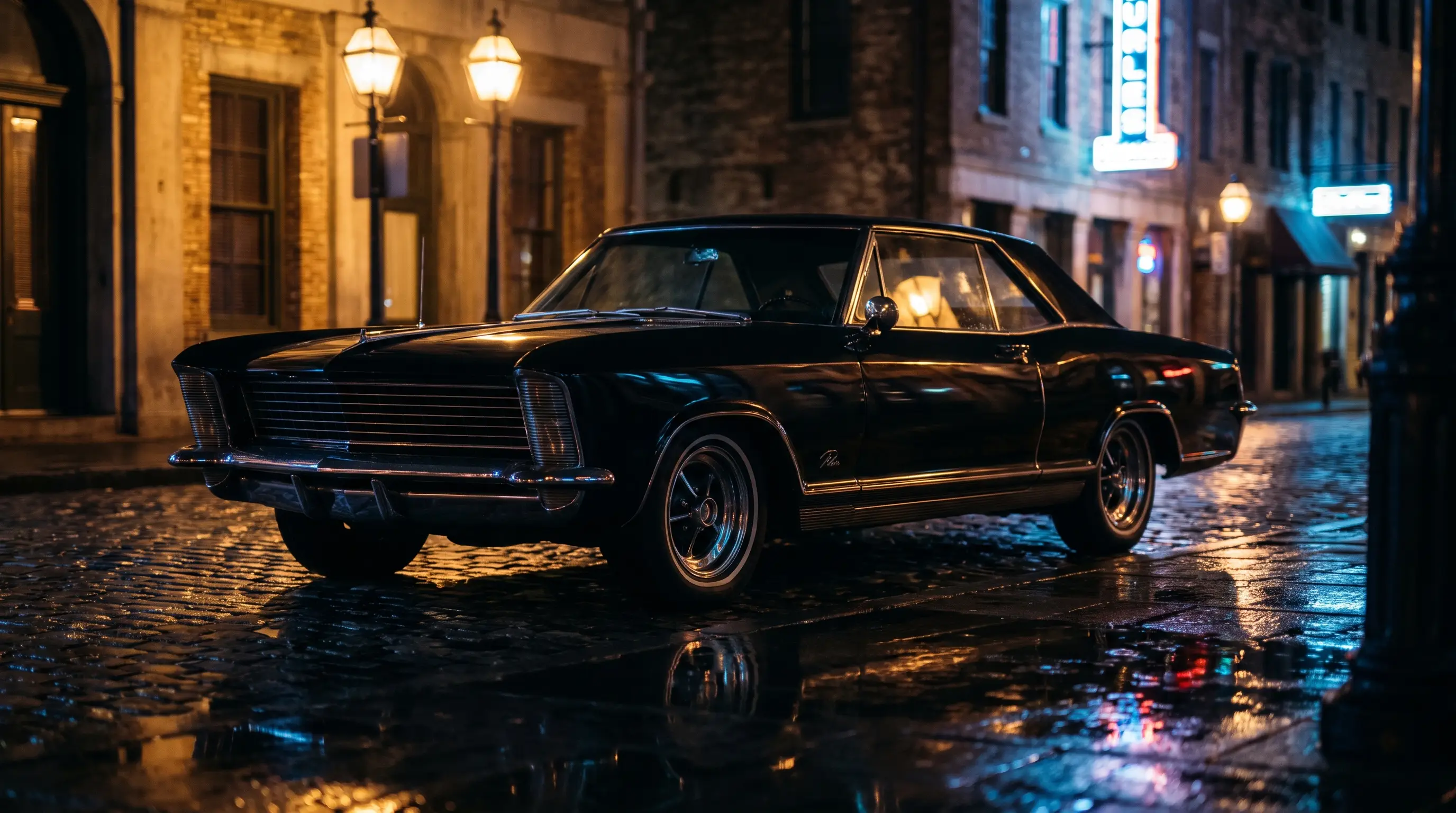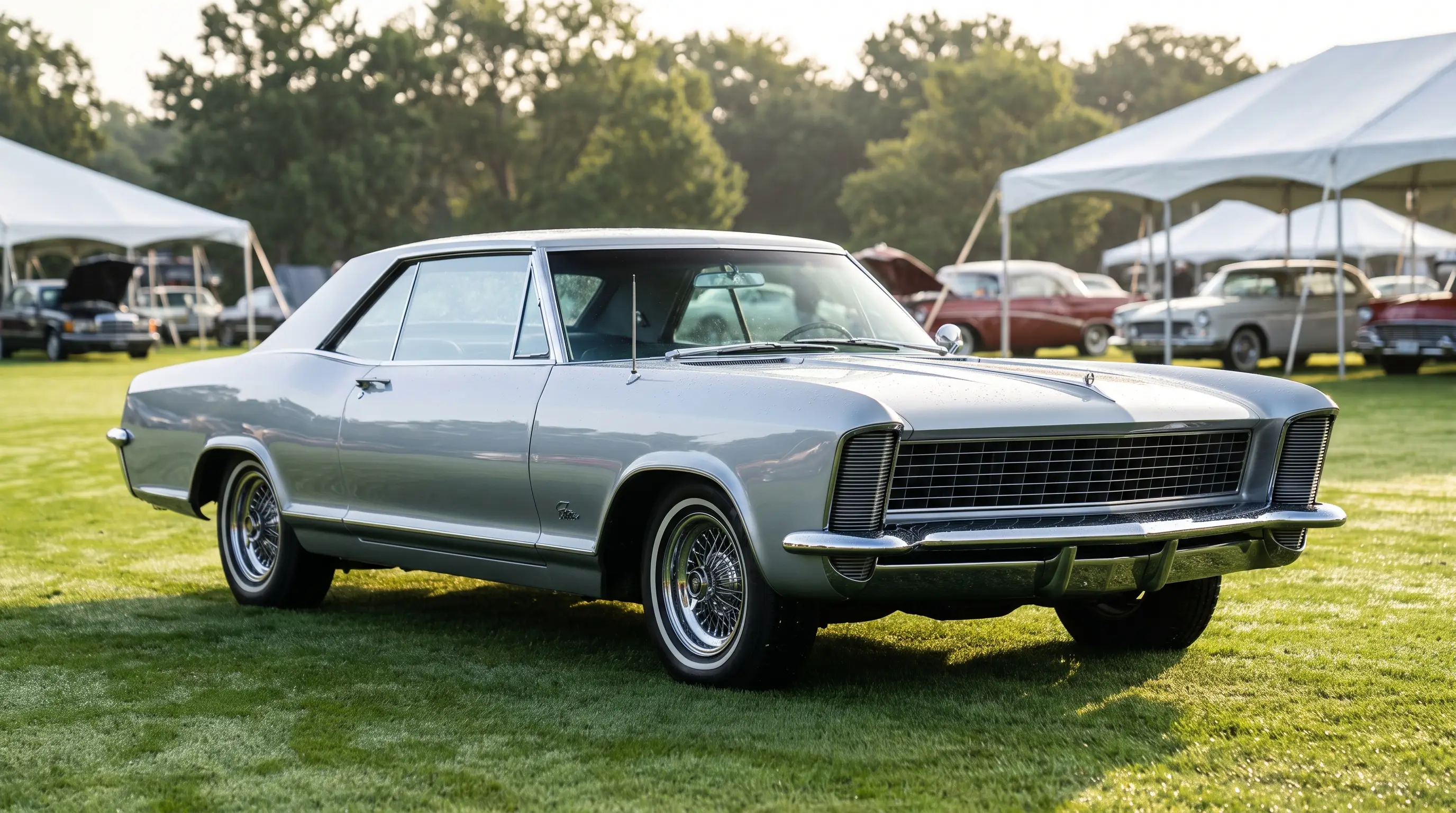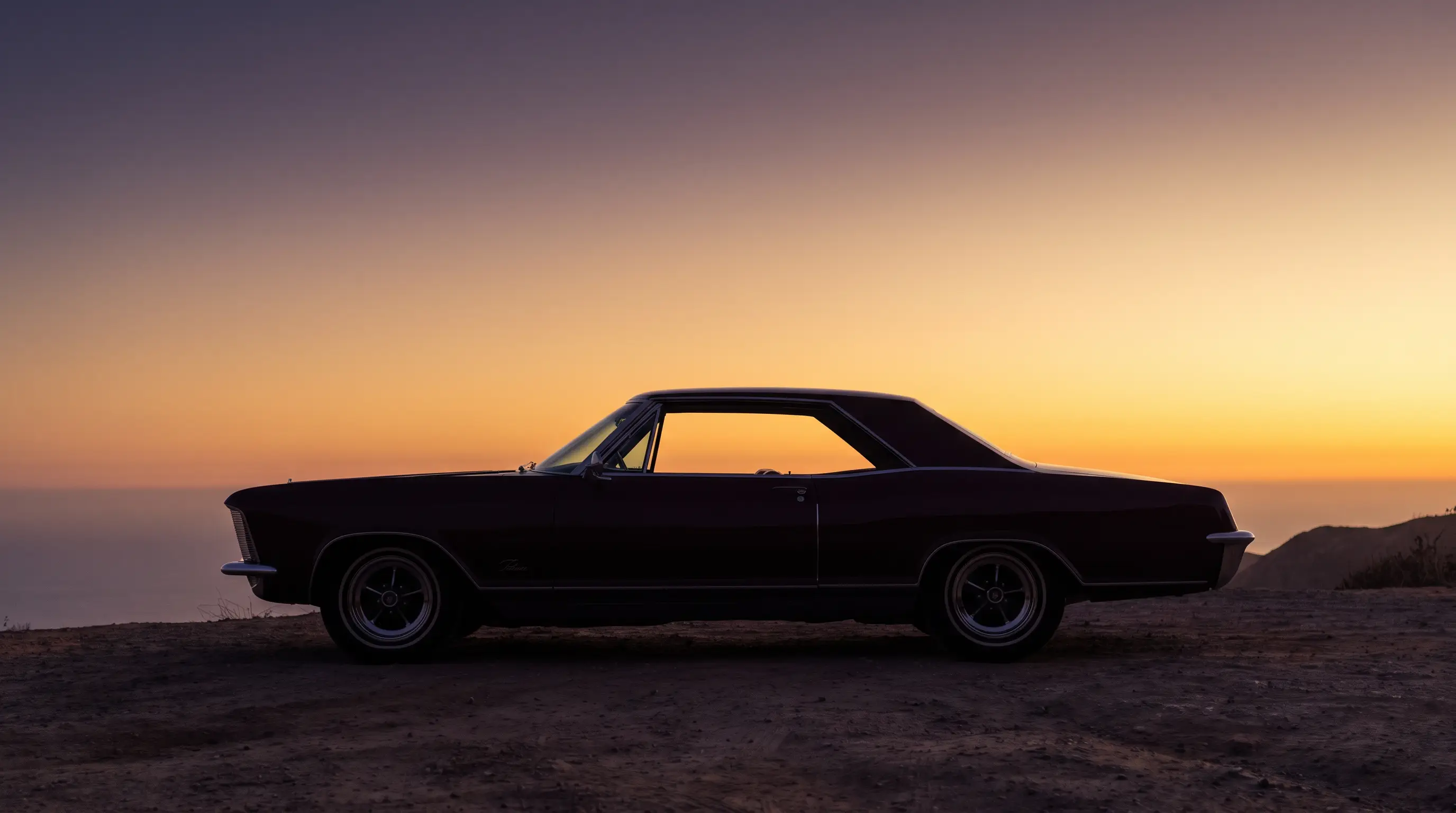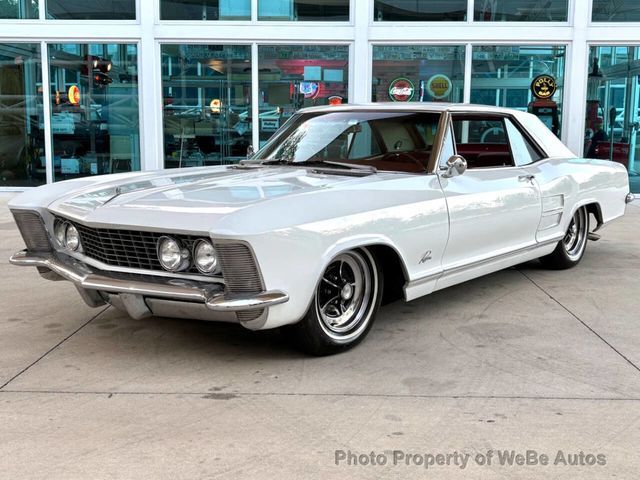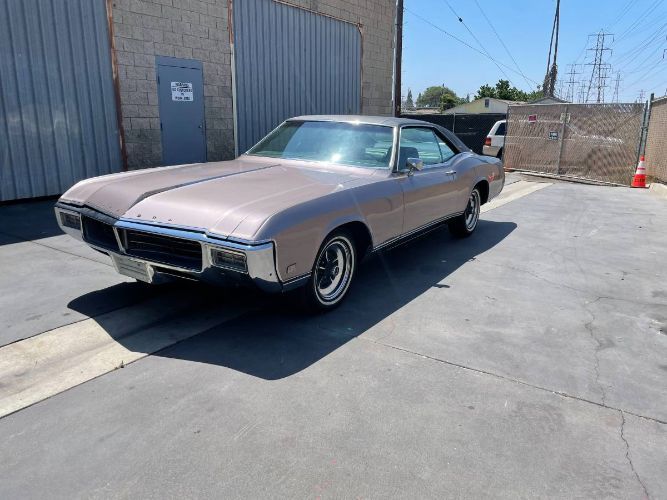
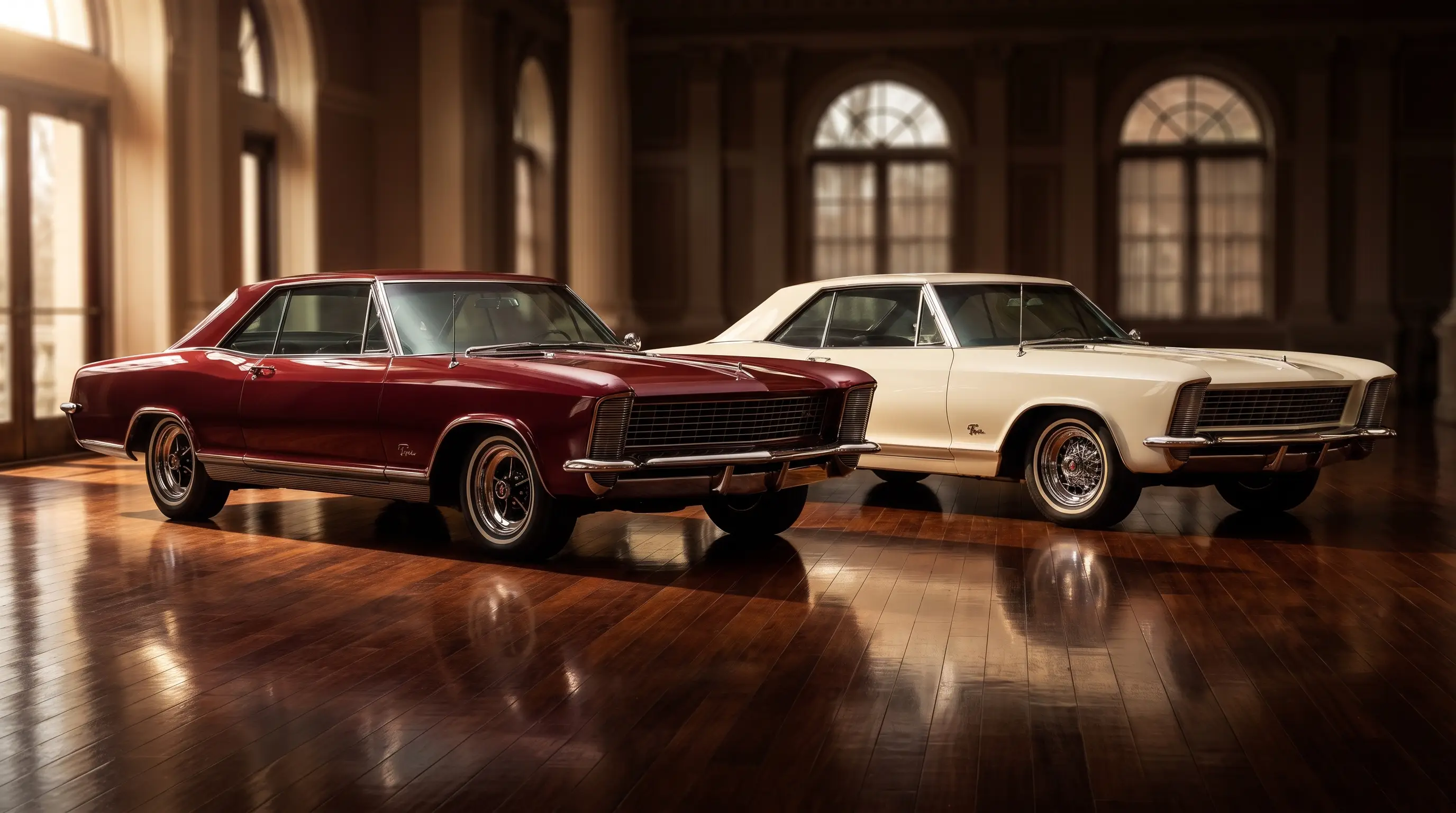
Every Buick Riviera 1965 Gran Sport vs standard comparison eventually comes down to a single question buyers ask me at shows: was the Gran Sport package actually worth it, or was it mostly a badge and a stripe kit sold to buyers who wanted to feel sporty without changing much underneath. The factory paperwork gives a clear answer, and it is more interesting than the simple badge job some casual histories suggest.
What the standard 1965 Riviera actually offered
A standard 1965 Riviera was already a well equipped personal luxury coupe by the standards of its era. Buick's 401 cubic inch Nailhead V8 came as the base engine, rated at 325 horsepower, paired with a Super Turbine automatic transmission that most buyers ordered rather than the available manual. That combination gave a standard Riviera confident, unhurried acceleration and a smooth, quiet character that suited its role as a driver's luxury car rather than a stoplight competitor. For the majority of buyers who wanted a handsome, comfortable coupe with real road manners, the standard car delivered everything they were looking for without asking them to pay extra for something they would rarely use.
Standard suspension tuning favored ride comfort over outright handling sharpness, a reasonable choice for a car most often used for daily driving and long distance touring rather than back road blasting. It was not a soft, wallowing setup by any means, since the Riviera's whole design brief called for a car that handled with more composure than a typical full size Buick, but it stopped short of a genuinely sporting calibration.
What the Gran Sport package actually changed
The Gran Sport option, introduced specifically to give the Riviera a documented performance answer to competitors chasing the same buyer, added a second four barrel carburetor to the 401, a change that bumped output to 360 horsepower in the Super Wildcat form, well beyond the standard engine's 325 hp rating. This was not a trim level. It was a mechanical package that changed how the car actually drove, not just how it looked in a parking lot.
Beyond the engine, Gran Sport equipped cars typically received firmer suspension calibration, a change that sharpened turn in response and reduced body roll compared to a standard car riding on the softer factory settings. Buick also fitted a limited slip differential as part of or alongside the package on many cars, which mattered enormously for actually putting that extra carburetor's worth of power down without spinning a tire uselessly off the line. Put together, these changes turned a comfortable cruiser into something that could genuinely embarrass a driver who assumed a Riviera was all show and no substance.
| Feature | Standard 1965 Riviera | Gran Sport 1965 Riviera |
|---|---|---|
| Engine | 401 ci Nailhead, single four barrel | 401 ci Nailhead, dual four barrel |
| Suspension | Comfort tuned | Firmer, more responsive calibration |
| Differential | Standard | Limited slip, commonly equipped |
| Market position | Comfortable personal luxury coupe | Documented performance option within the same body |
Why the badge job accusation misses the point
The idea that the Gran Sport was just a stripe kit comes from confusing it with option packages other manufacturers genuinely did sell as cosmetic upgrades during this era. Buick's own paperwork on the Gran Sport package tells a different story, describing real mechanical content rather than a trim and emblem exercise. A skeptic can verify this directly by comparing a documented Gran Sport's factory build sheet against a standard car's, since the differences show up in the engine code and suspension part numbers, not just an options list full of stripe and badge line items.
That said, not every car wearing Gran Sport badging today actually has the mechanical content to back the claim. Decades of parts swapping, incomplete restorations, and outright cosmetic cloning mean a buyer cannot take the badge at face value. This is exactly why documentation carries so much weight in this specific corner of the market, more than it does for plenty of other classic coupes where visual differences alone tell the whole story.
Since the badge alone proves nothing, a serious buyer needs a short checklist before trusting a seller's Gran Sport claim. Start with the trim tag, which should carry a code consistent with the Gran Sport package rather than a standard build. Cross reference that against a build sheet if the seller has one, since a legitimate Gran Sport should show consistent documentation across both sources rather than one claim resting entirely on the other. From there, physically inspect the intake and carburetor setup, since a genuine dual four barrel Gran Sport engine looks distinctly different under the air cleaner than a standard single carburetor 401, and that difference is not something a casual cosmetic clone bothers to replicate correctly.Finally, check the rear end for a limited slip unit, since that detail is harder to fake convincingly than a badge or a stripe, and its presence or absence tells you a great deal about whether the car in front of you received the full package or just the parts a previous owner thought would impress a buyer who did not look closely.
Which one should a buyer actually want
My honest recommendation depends entirely on what the buyer plans to do with the car. Someone who wants a comfortable weekend cruiser and does not care about outright performance loses nothing by buying a well documented standard 1965 Riviera, and often pays meaningfully less for a car that delivers nearly the same ownership experience day to day. Someone who wants the version of this car that actually earns its sporting pretensions, and who is willing to pay the documentation premium and hunt harder for a genuine example, should hold out for a verified Gran Sport rather than settling for a clone wearing the badges without the mechanical substance behind them.
Either way, the two cars share the same body, the same interior architecture, and the same design story, which means the choice between them is really a choice about how much a buyer values that extra mechanical layer, not a choice between two fundamentally different cars.
"People love to call the Gran Sport a marketing exercise. The build sheets say otherwise, and build sheets do not lie the way nostalgia sometimes does."
- Tom Ramirez
Putting the comparison in context
For readers who want the broader picture of how the Gran Sport fit into Buick's overall strategy for this generation, 1965 buick riviera history lays out the full context behind why this package existed in the first place. And for anyone curious how the Riviera's design details, including the frameless glass and hidden headlights shared by both standard and Gran Sport cars, came together as a single cohesive statement, a related story covers that ground directly. Buyers ready to compare real examples of both variants side by side can look through current Rivieras for sale now and judge the difference in person rather than by spec sheet alone.