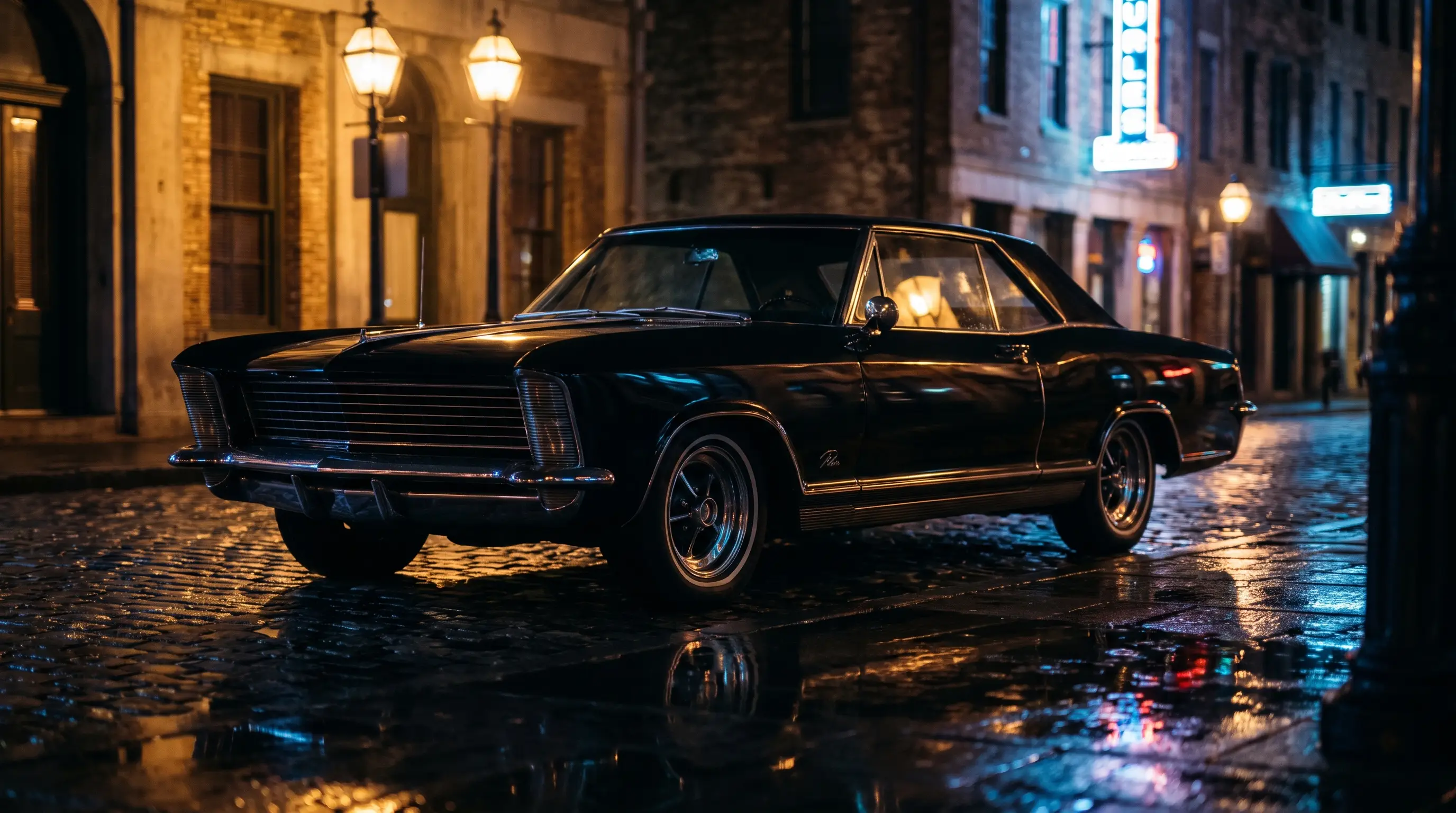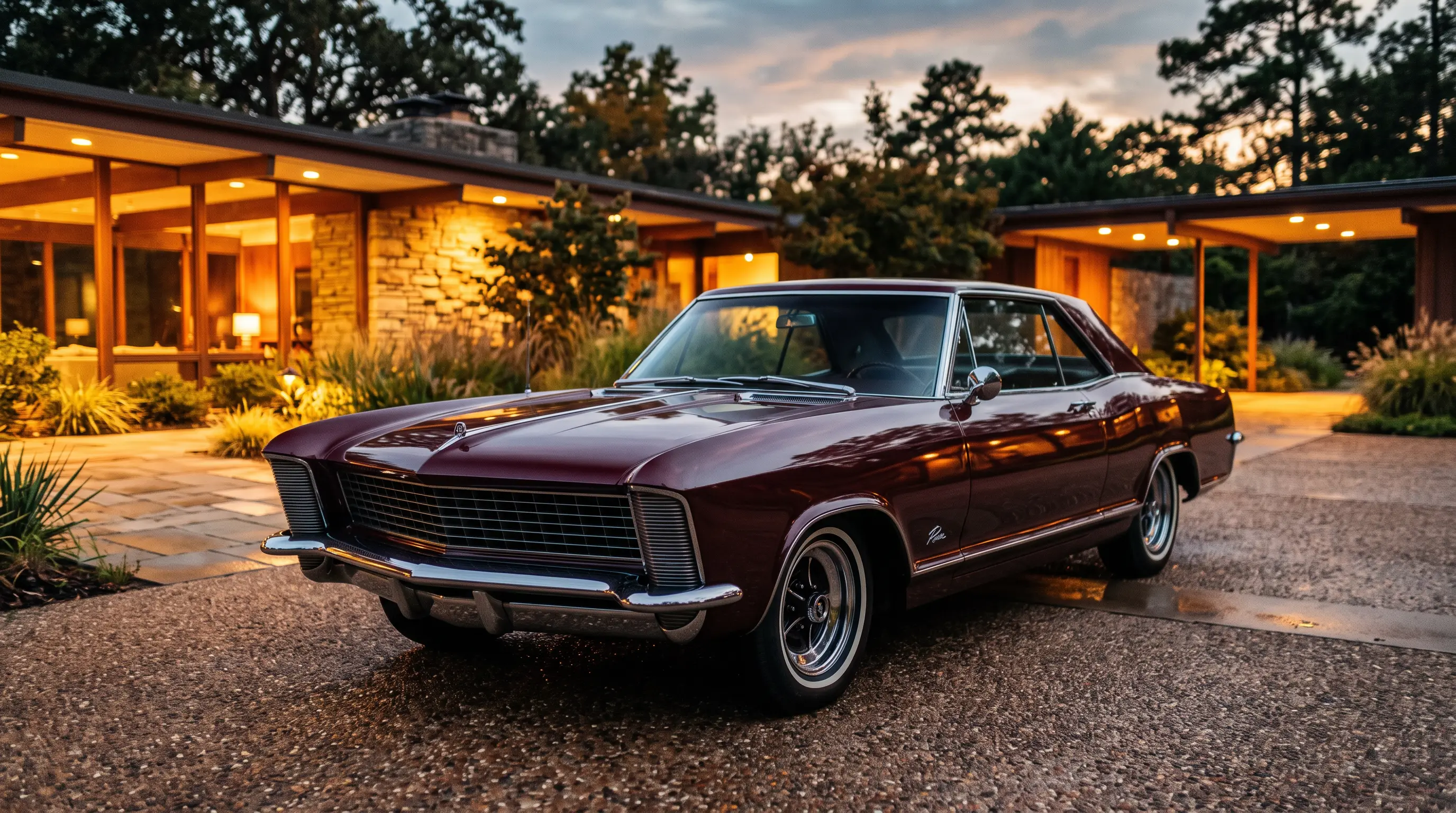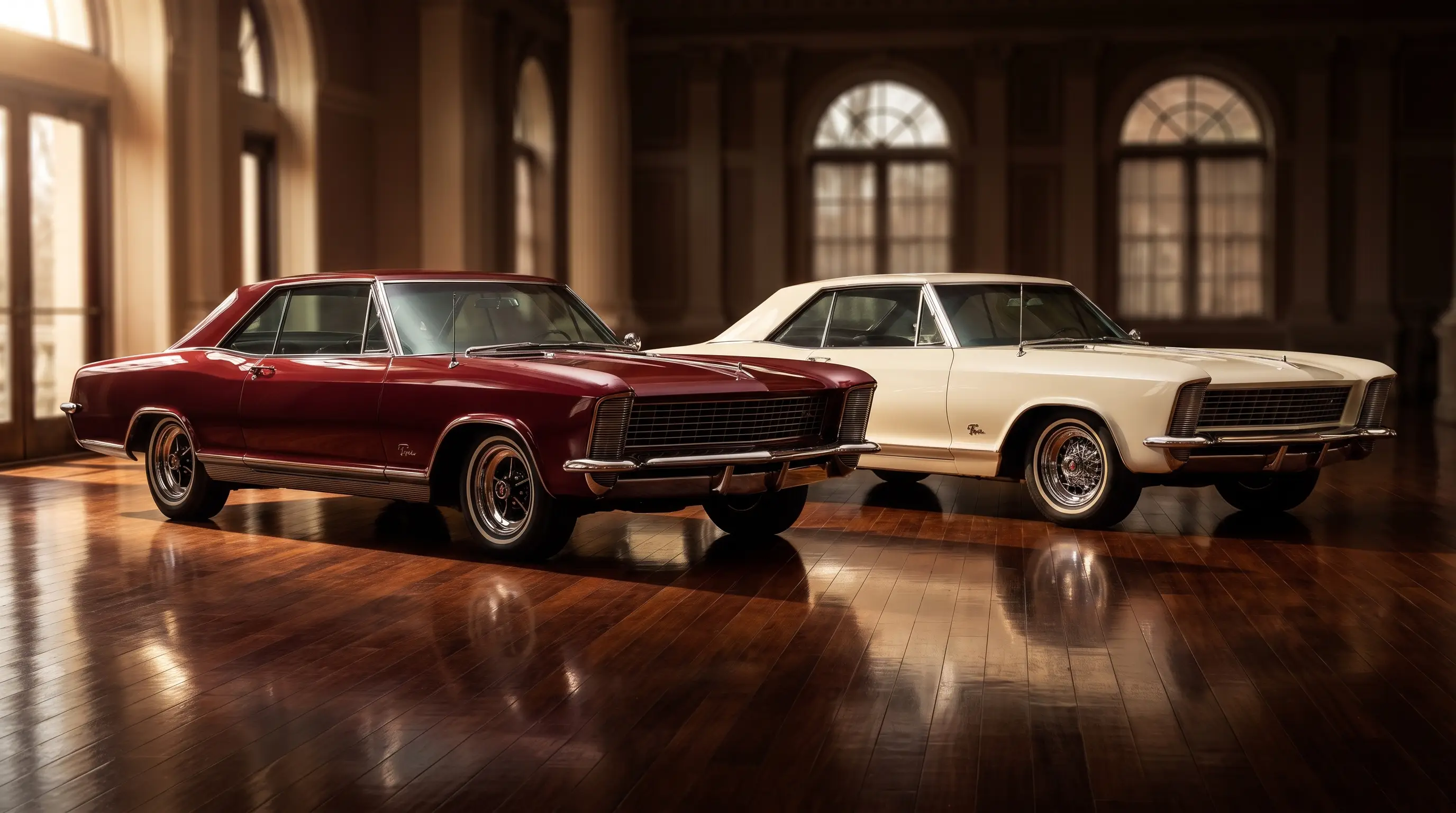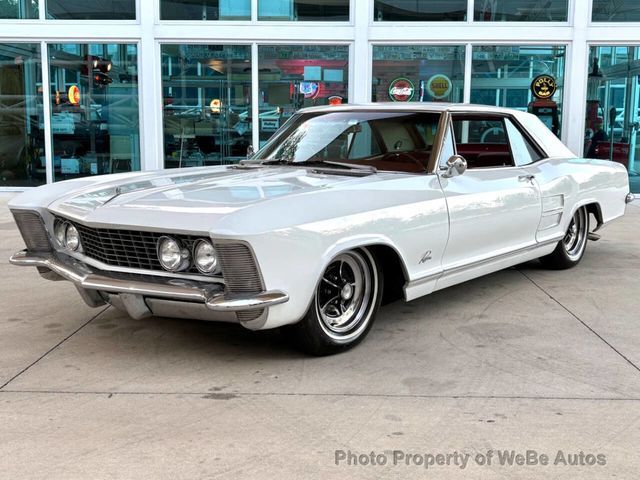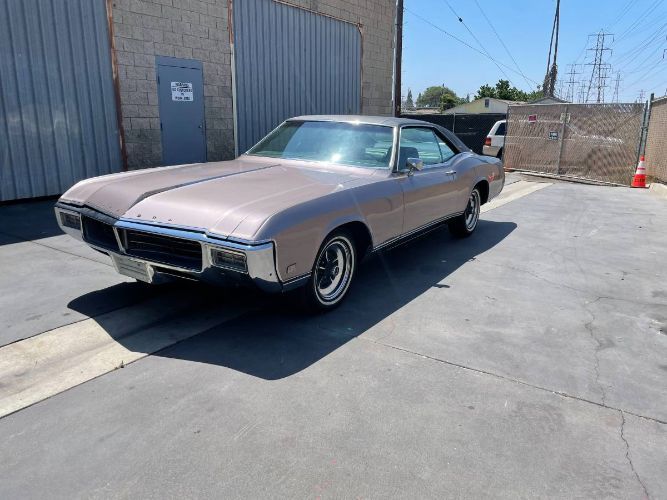
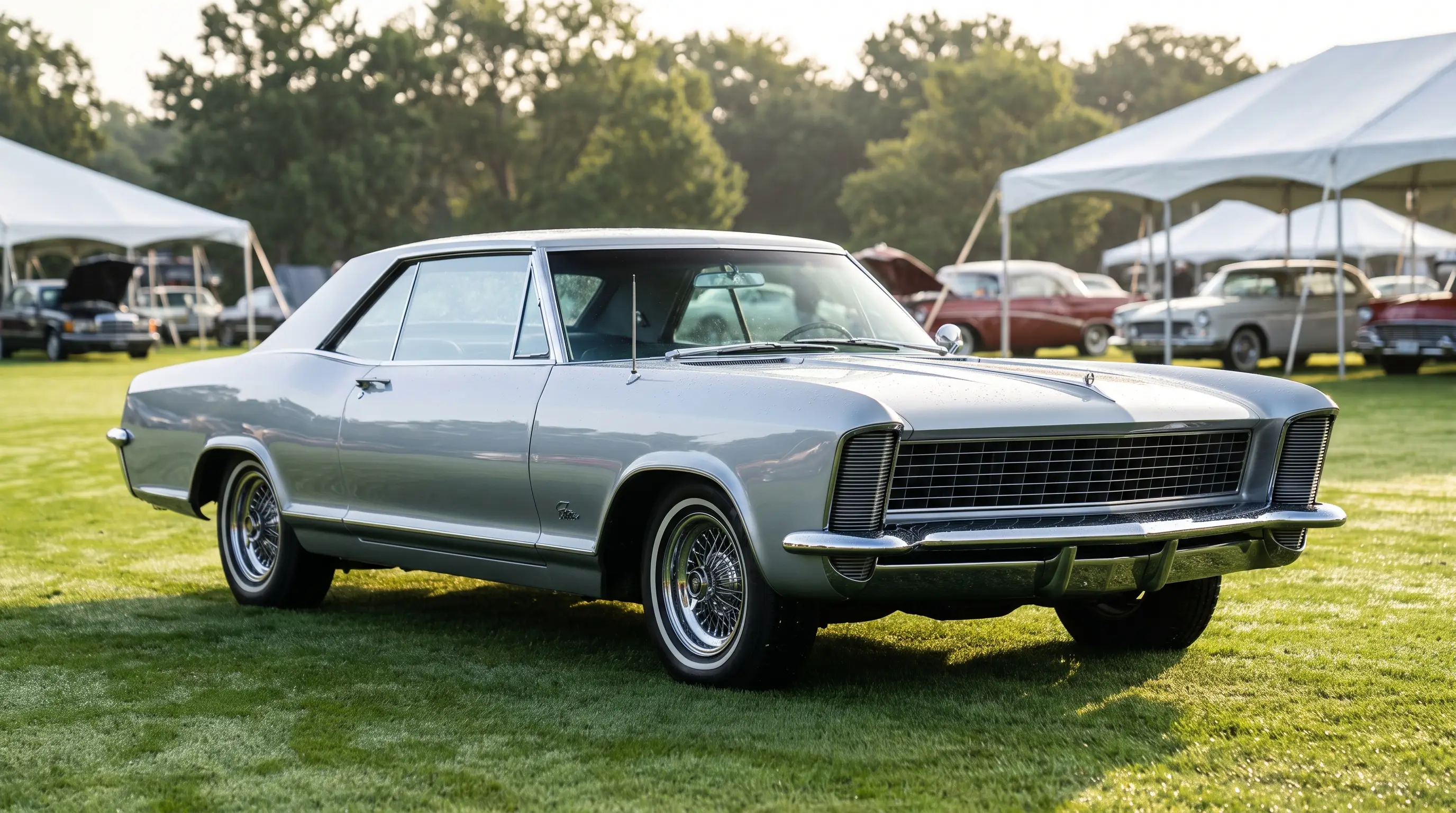
The 1965 Riviera collector appeal question keeps coming up in my inbox because the numbers on this car have moved in a direction a lot of casual observers did not expect a decade ago. This was never the flashiest muscle era Buick, but the data on completed sales says collectors have quietly decided it deserves more respect than it got when it was simply a used car sitting on a lot.
What the auction data actually shows
Completed sales for well documented 1965 Rivieras have trended upward over the past several years, with Gran Sport equipped cars commanding a real premium over standard trim examples, recent completed sales ranging from roughly $30,000 for project condition cars up to $275,000 for a top tier example. That premium is not accidental. Buyers researching this generation quickly learn that the Gran Sport package added genuine mechanical substance, not just badges, and that recognition has translated directly into what people are willing to pay at auction and in private sales alike.
What is more interesting to me than the top end numbers is what has happened to the middle of the market. Solid, driver quality 1965 Rivieras that would have struggled to find a buyer at a reasonable price fifteen years ago now move steadily, and the gap between a rough project car and a nicely sorted driver has widened. That is a classic sign of a market maturing past its speculative phase into something closer to genuine, informed demand.
| Condition tier | Market behavior |
|---|---|
| Concours / show quality | Strong, steady demand from dedicated Buick collectors |
| Solid driver | Widening price gap versus project cars, faster sale times |
| Project / parts car | Soft demand unless a genuine Gran Sport or rare option |
Why this generation specifically appeals now
Part of the answer is generational. Buyers who grew up around these cars in the 1960s and 1970s are aging out of active collecting, but a younger cohort of buyers has discovered the 1965 Riviera through a different lens, drawn to its design rather than nostalgia for a specific childhood memory. That shift matters because design driven demand tends to be more durable than nostalgia driven demand, since it does not fade as a specific generation of buyers ages out of the hobby.
The other part of the answer is comparative value. Against equivalent era Thunderbirds and even some contemporary Cadillac and Lincoln coupes, a 1965 Riviera in similar condition often still costs meaningfully less to acquire, while offering arguably tighter design execution and a documented performance option in the Gran Sport that some competitors simply did not have an answer for. Value conscious collectors have noticed that gap, and it has been closing steadily rather than staying static.
How this compares to the broader muscle era market
It is worth putting the 1965 Riviera in context against the muscle car boom that gets most of the collector spotlight from this same period. Cars like the GTO and the Mustang dominate headlines and auction coverage, and their price swings have been far more volatile over the past two decades, with sharp run ups followed by real corrections. The Riviera has not experienced that kind of speculative cycle. Its price growth has been slower and steadier, which from a pure investment standpoint is less exciting to talk about but considerably less risky to actually hold through a market downturn.
That steadiness also reflects who is buying these cars. Riviera buyers tend to be collectors who already know the Buick lineup well, rather than speculators chasing whatever segment is trending on social media that year. A market driven by informed buyers rather than momentum chasers tends to hold its value more predictably when broader collector car sentiment cools off, and that has largely held true for this generation through the last two notable market corrections.
The risk factors buyers should not ignore
I cannot overstate how much a verified build sheet changes outcomes at auction for this specific car. Two visually identical Gran Sport clones, one with a confirmed trim tag and factory paperwork and one without, will not sell for the same number, and the gap between them has widened as buyers have gotten more sophisticated about verifying claims before bidding. Sellers who have paperwork should lead with it prominently in any listing. Sellers who do not should price accordingly rather than hoping nobody asks.
None of this means every 1965 Riviera is a safe purchase. Documentation matters enormously here. A car claiming to be a Gran Sport without a build sheet or verifiable trim tag to back that claim is a real risk, since the visual differences between Gran Sport and standard trim are subtle enough that a cosmetic clone is not hard to fake. I have seen buyers pay Gran Sport premiums for cars that could not actually prove the claim once pressed, and that is money that does not come back at resale when the next buyer does their homework.
Rust is the other consistent risk across this generation, particularly in floor pans, trunk floors, and the lower rear quarters. A car that looks clean in photos but has never had these areas inspected in person is not a car I would recommend bidding on sight unseen, regardless of how attractive the asking price looks on paper.
Parts availability is a smaller but real consideration too. Common trim and mechanical items are reasonably available through the established Buick collector network, but some Gran Sport specific pieces and correct trim tags are genuinely scarce, and a restoration that requires sourcing those parts can take considerably longer and cost more than a buyer expects going in. Anyone budgeting for a project car should price in that uncertainty rather than assuming every part will turn up on the first search.
"The market has gotten smarter about this car. It used to reward anything with a Riviera badge. Now it rewards documentation, and that is a healthier place for any collector car to be."
- David Mercer
My actual take for buyers right now
My honest read is that a documented, rust free 1965 Riviera, especially a Gran Sport with paperwork to prove it, remains a reasonable buy at current prices relative to where comparable era coupes sit. The upside is not explosive, but the downside looks limited given how much the middle of this market has already firmed up. For readers who want our complete history of this generation before making a decision, that context explains a lot of why documentation carries so much weight in today's pricing. And for anyone ready to start looking at real cars rather than auction spreadsheets, it is worth taking the time to browse classic Riviera listings and compare asking prices against what the data above actually supports paying.