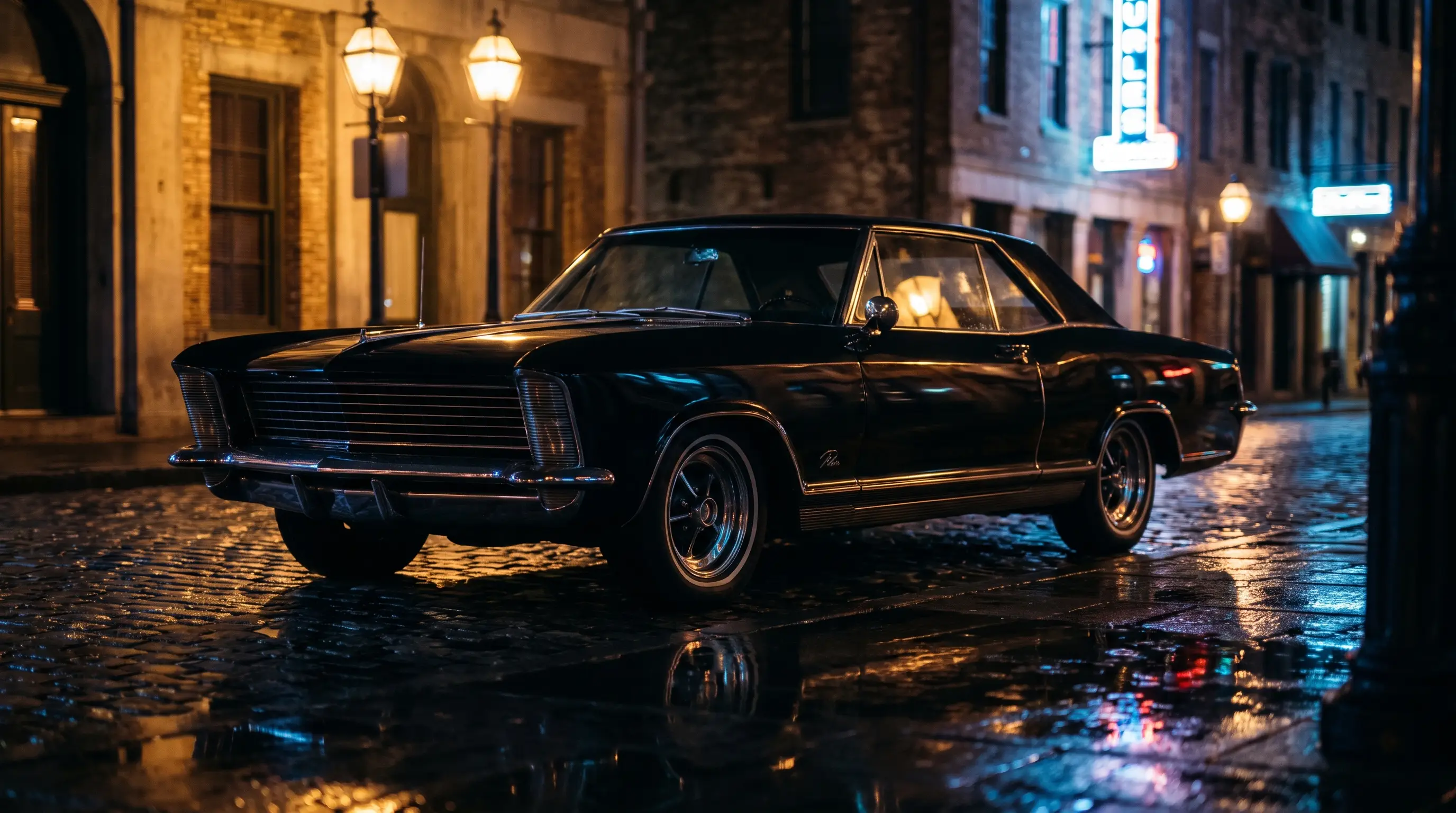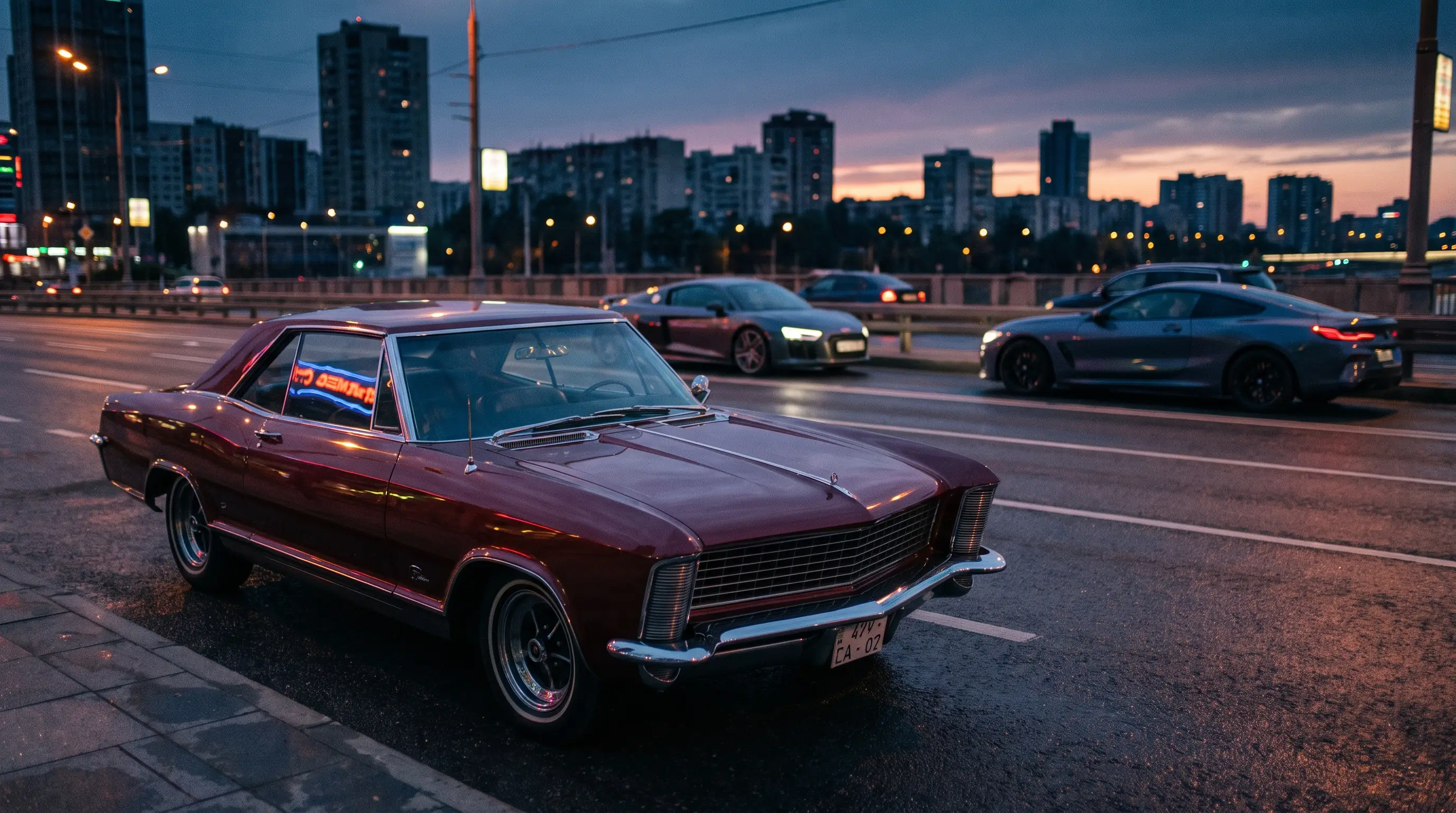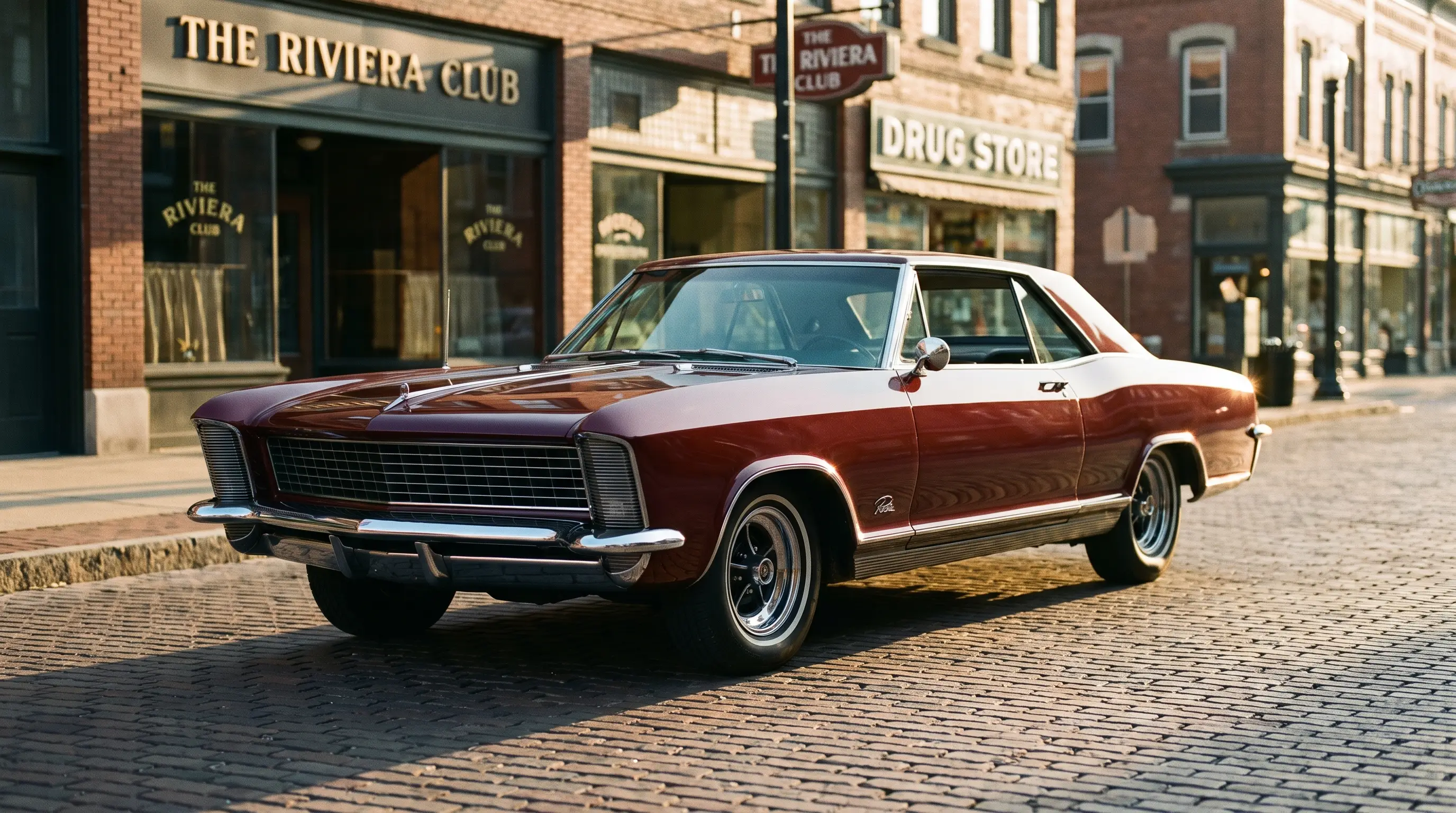
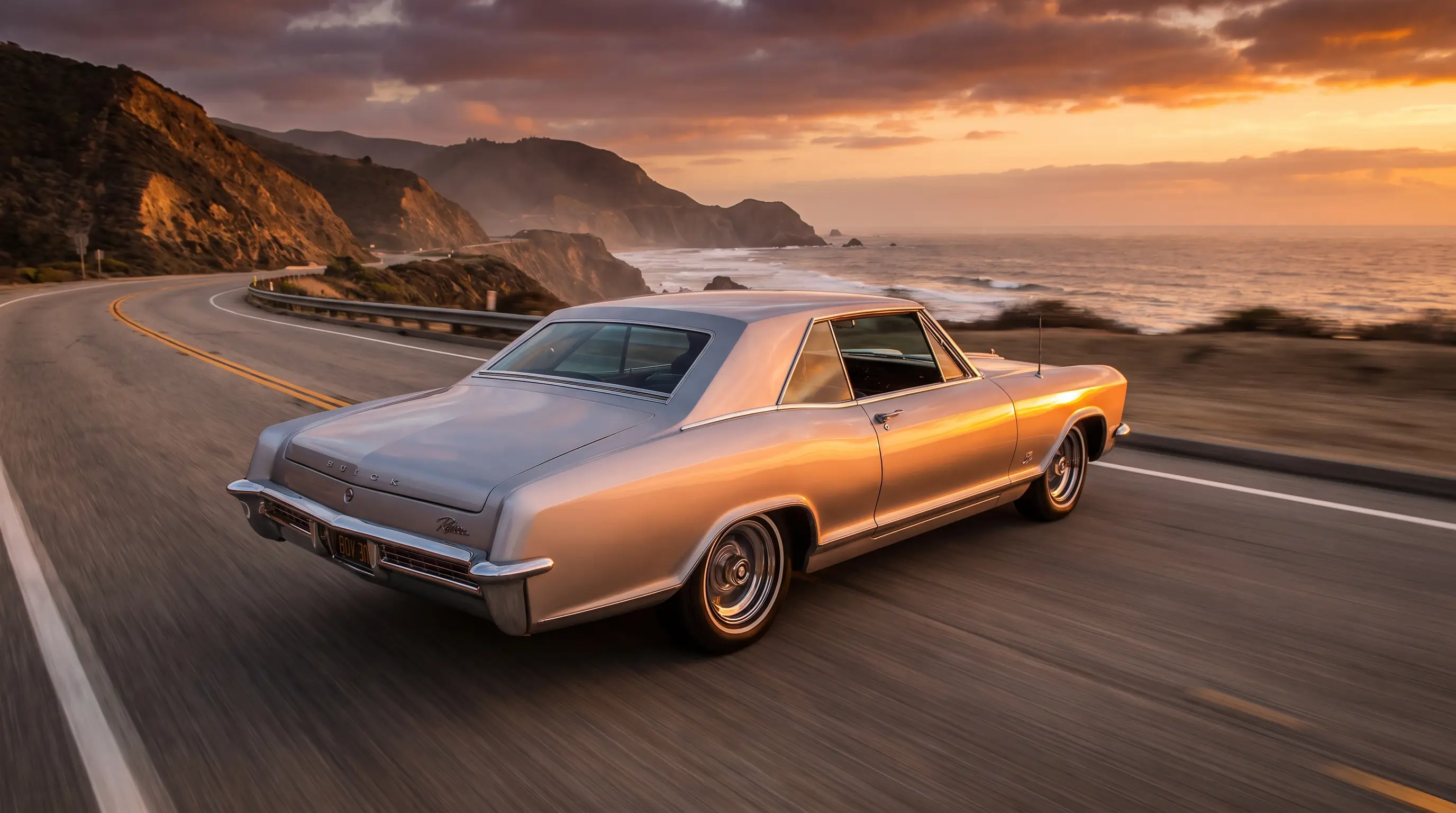
The garage door in a quiet corner of a Midwestern car show goes up at seven in the morning, and a man in his sixties backs a silver 1965 Buick Riviera into the light like he's easing a sleeping child out of a car seat. He has done this every third Saturday for eleven years. Somebody always stops. Somebody always asks the same question in a different order of words: what is it like, actually, to live with a car this old, this handsome, this quietly famous. Owning the icon that is a 1965 Riviera is less about the driving and more about the relationship, and the relationship has rules nobody hands you at the sale.
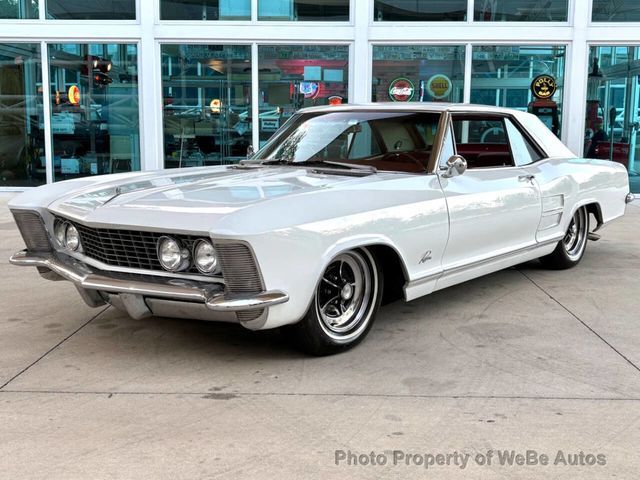
The clamshell headlights are the first thing people notice. On the 1965 model, the lamps hide behind fender-mounted doors that swing open when the switch is pulled, a piece of theater that first-generation Rivieras from 1963 and 1964 did not have. It is the detail owners talk about before they talk about the engine, the interior, or the price they paid, because it is the detail strangers at gas stations talk about too. A retired schoolteacher I spoke with in Ohio called it "the handshake the car gives you before it says anything else." She has owned hers since 2009 and still parks it nose-out so the doors face the lot.
What daily ownership actually looks like
Most 1965 Riviera owners do not drive the car daily, and the ones who claim to usually mean three or four times a week in good weather. The 401 cubic inch nailhead V8 is the volume seller under the hood, a torque-heavy engine built more for effortless rolling starts than for redline drama, and it tends to reward patience over aggression. Owners who came from modern cars describe a learning curve around the drum brakes and the recirculating-ball steering, both of which ask for more lead time and less correction than anything built after 1975. The people who adapt fastest are the ones who stop treating the car like transportation and start treating it like a conversation with a slower, more deliberate partner.
Parts availability sits in a strange middle ground. Trim pieces, glass, and interior soft goods can take real hunting, while mechanical parts for the nailhead and the standard three-speed automatic are reasonably found through the Buick club network and specialty vendors who have served this platform for decades. New owners are consistently surprised by how much of the ownership experience is social rather than mechanical, built on phone calls to people who fixed the same rattle in 1994 and remember exactly how.
The community keeps the car alive
Ask any longtime Riviera owner how they solved a problem and the answer rarely starts with a parts catalog. It starts with a name. The owner scene around this car is smaller and more intimate than the muscle car world, and that intimacy shows up in swap meets where sellers ask a fair price because they would rather see a Riviera go to someone who will keep it right than squeeze an extra hundred dollars from a stranger. Buick clubs maintain registries that track individual cars across decades of ownership, and it is common for a buyer to receive a folder of old photographs from a previous owner who tracked the car down just to say goodbye properly. For a deeper look at how the 1965 model came to exist and what set it apart inside Buick's lineup, our complete history covers the design decisions that made this the defining year of the first generation.
What the community wishes new owners knew
The most common regret among first-time buyers is rushing the inspection because the car looked finished in photographs. A Riviera in this era can hide rust in the trunk floor, the lower quarters, and the frame rails behind trim that looks solid from three feet away. Veteran owners recommend bringing someone who has restored one before, not because the car is unusually fragile but because the places it fails are not the places a general classic car inspector expects to check first. Interior trim, especially the woodgrain dash appliques and the specific upholstery patterns, is another area where reproduction quality varies enough that owners trade vendor recommendations like family recipes.
"You do not buy a 1965 Riviera to save money on parts or time on maintenance. You buy it because on the right evening, with the windows down, nothing else on the road looks like it does, and that feeling does not depreciate."
- Nora Beckett
Living with the value the car has earned
Prices for clean 1965 Rivieras have climbed steadily as the car's design reputation has caught up with its original sales success, and owners who bought a decade ago describe a slow, satisfying realization that they are now custodians of something the market takes seriously. That appreciation changes the emotional weight of ownership. A car once treated as a weekend driver becomes something insured more carefully, garaged more consistently, and shown more deliberately. None of that diminishes the pleasure of the thing, and most owners will tell you the reverse is true, that knowing the car matters makes every drive feel a little more like an event worth having.
There is a particular pride specific to this generation of Riviera owner, one that shows up in the way people describe the car to strangers. They rarely lead with horsepower or 0-to-60 numbers, because that was never really the point of the car in period and it is not the point now. They lead with the shape, the way the roofline eases toward the rear glass, the way the hidden headlamps disappear when the switch is off and the front end reads as one clean, uninterrupted plane of steel. Owning the icon that a 1965 Riviera has become means accepting that most of your maintenance budget goes toward preserving a silhouette other people stop to photograph, and most owners will tell you that trade feels less like a cost and more like a privilege.
The schoolteacher in Ohio put it plainly on the last afternoon we spoke. Her car had just come back from a repaint that took nine months longer than promised, and she was still smiling about it. She said the wait taught her something about the hobby generally, that a 1965 Riviera does not reward impatience in any form, whether that impatience shows up behind the wheel or in a body shop's schedule. The owners who last in this world are the ones who have made peace with the car's pace, and in exchange the car gives them something modern machines rarely do, a genuine sense that they are keeping a piece of design history on the road one careful mile at a time.
The people who stay in this hobby longest are rarely the ones chasing the highest-optioned example or the rarest color combination. They are the ones who found a Riviera that fit their life, learned its particular habits, and kept showing up for it. If the story of the 1965 model and its place inside the boat-tail era that followed has you curious about where the design went next, it is worth taking the time to keep exploring what made this generation so distinct from the dramatic cars that came after it. And for anyone ready to stop reading about the car and start living with one, a classic Riviera for sale is often closer than the search suggests, sitting in a garage owned by someone who has been waiting for the right person to ask.