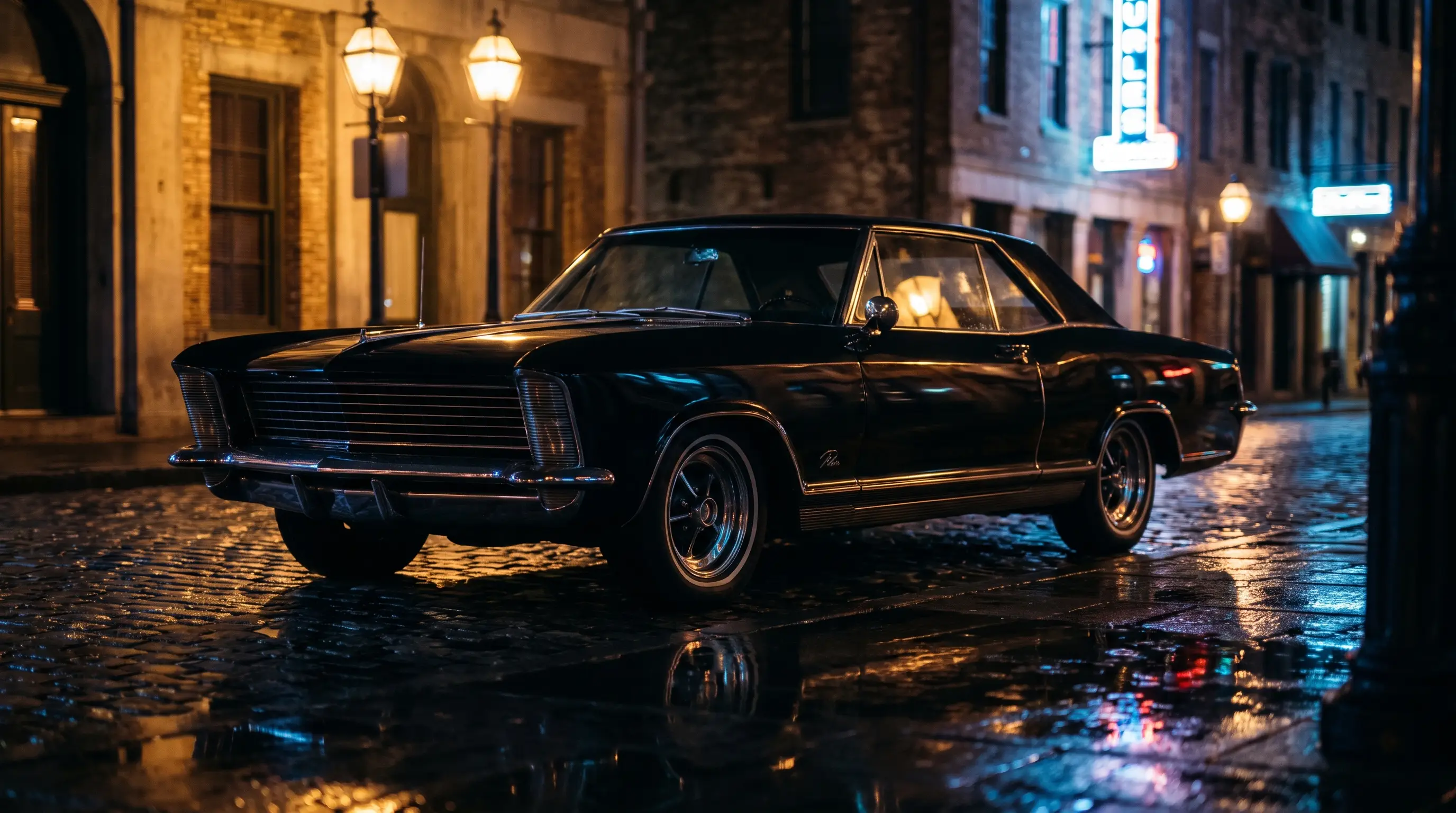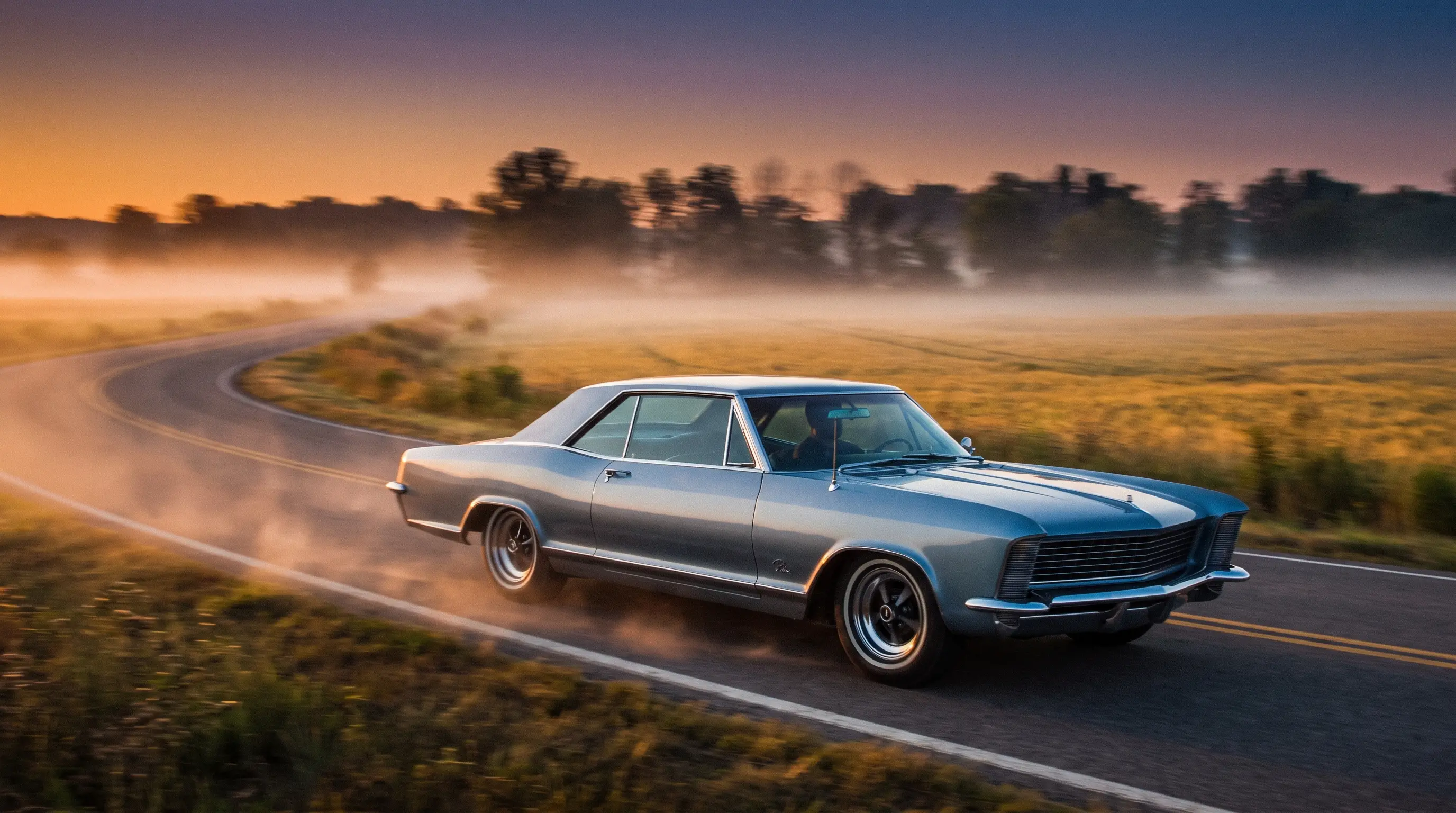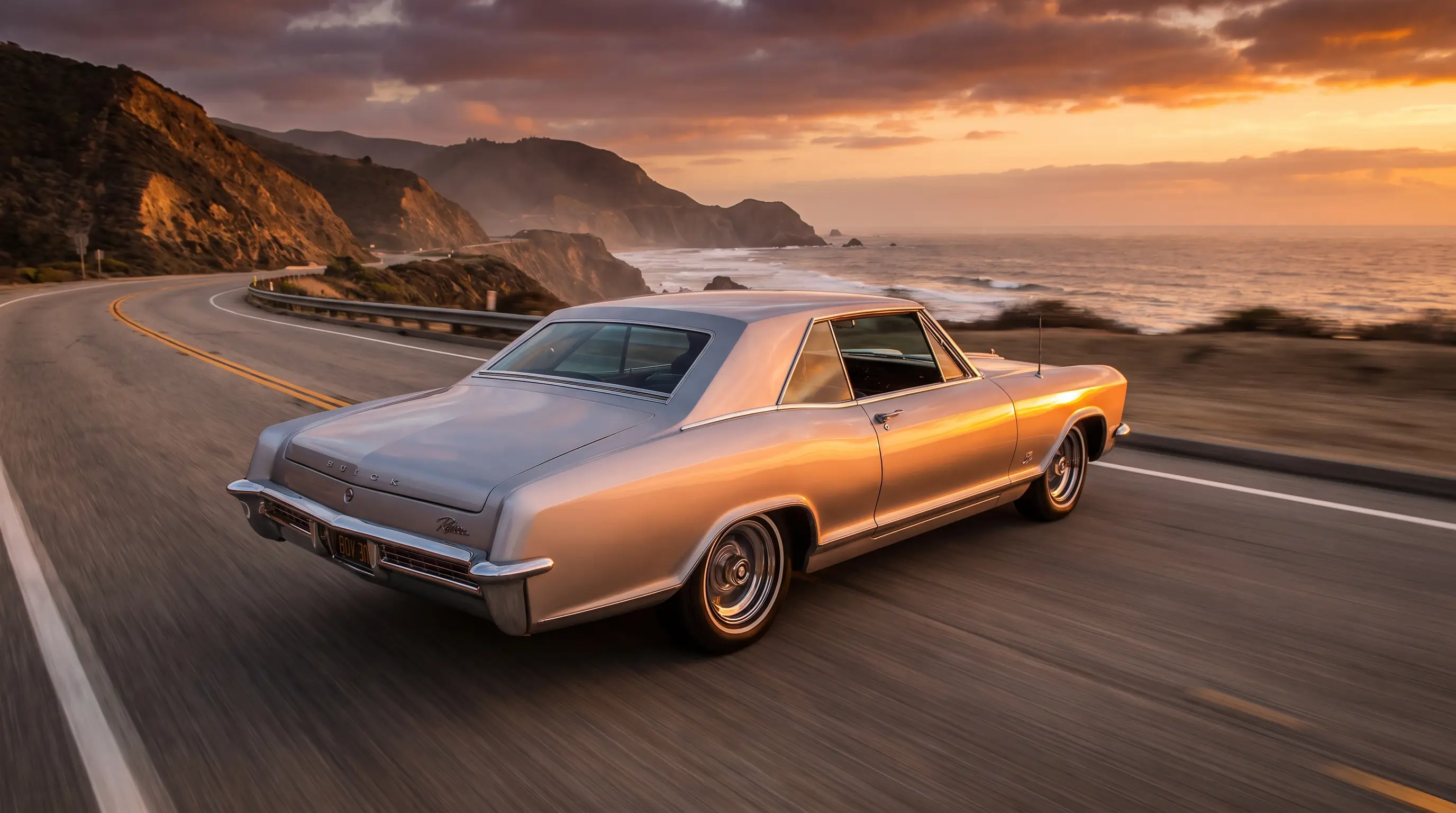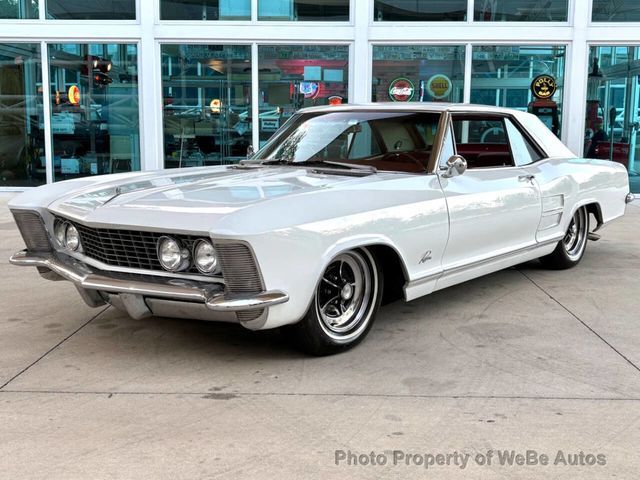
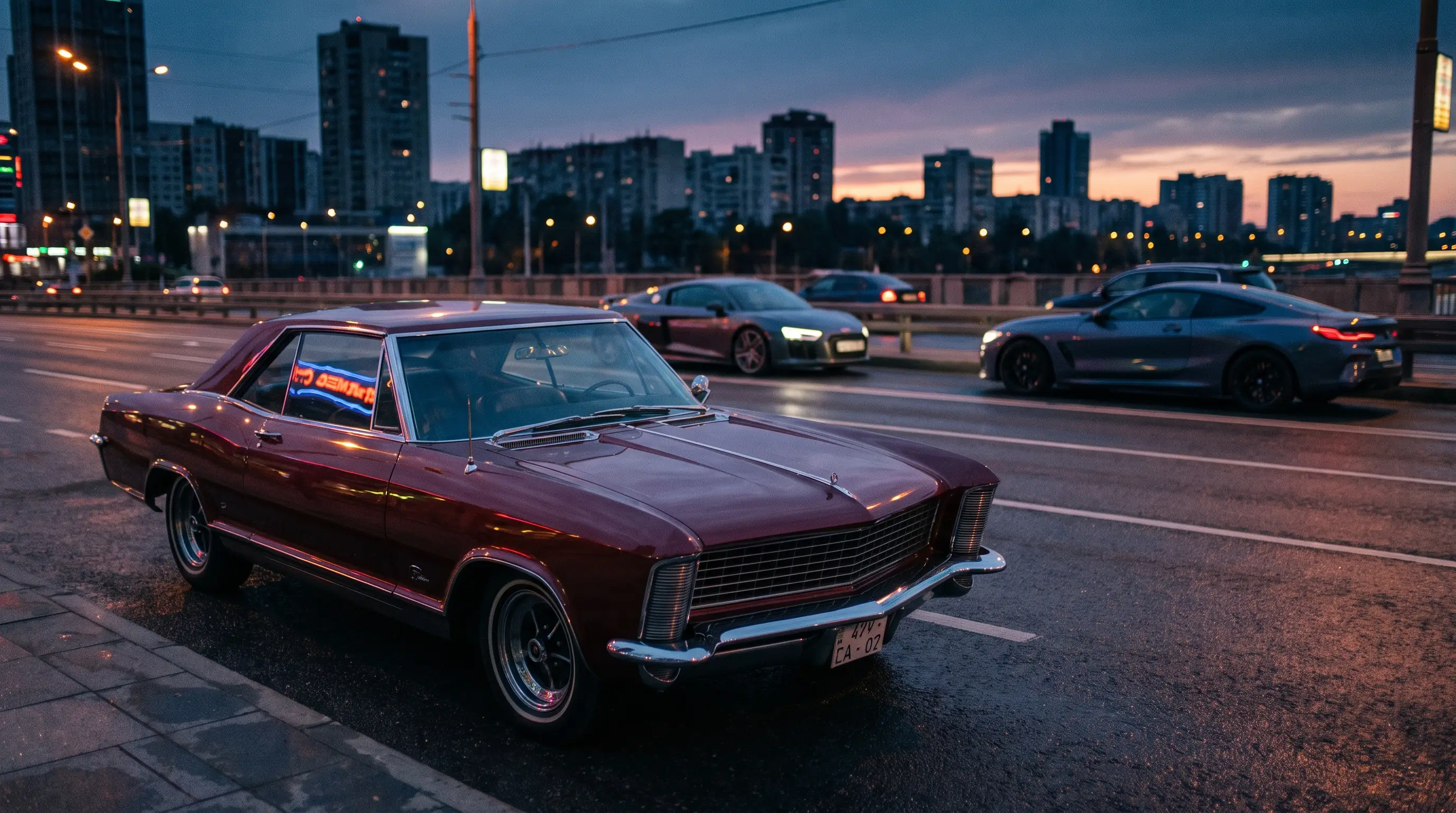
Trace the 1965 Riviera styling influence legacy far enough and you find its fingerprints on coupes that carried Buick's name long after this exact body style left production. Design ideas rarely announce themselves as influential at the moment they appear. This one built its influence slowly, through the choices later designers made once they had lived with this shape for a while.
The specific ideas this design put on the table
Three choices from the 1965 redesign carried weight well beyond this single model year: the hidden headlight treatment that cleaned up the front end, the frameless door glass and pillarless roofline that opened up the greenhouse, and a restraint in ornamentation that let clean surfaces do the work chrome trim usually did on competing coupes. None of these ideas were entirely new to the industry in isolation, but their combination on a single, commercially significant American coupe gave other designers inside and outside Buick a working example to study rather than a theoretical concept.
That distinction matters more than it sounds. A design idea sketched in a studio proposal is easy to dismiss. A design idea sitting on dealer lots across the country, selling in real numbers, is much harder to ignore, and it gives later designers permission to pursue the same instincts with more confidence.
Where the influence shows up later
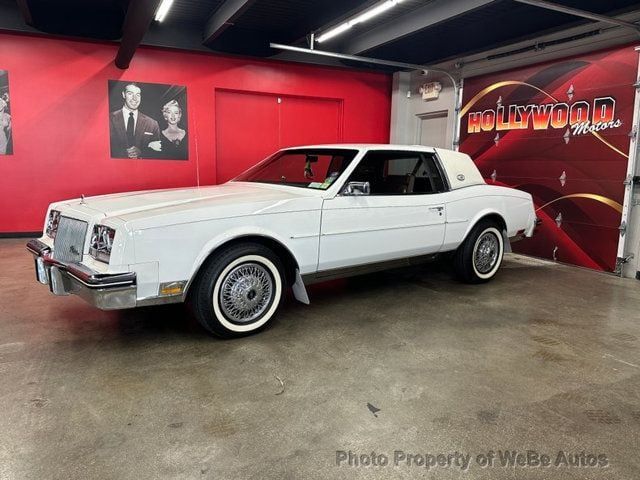
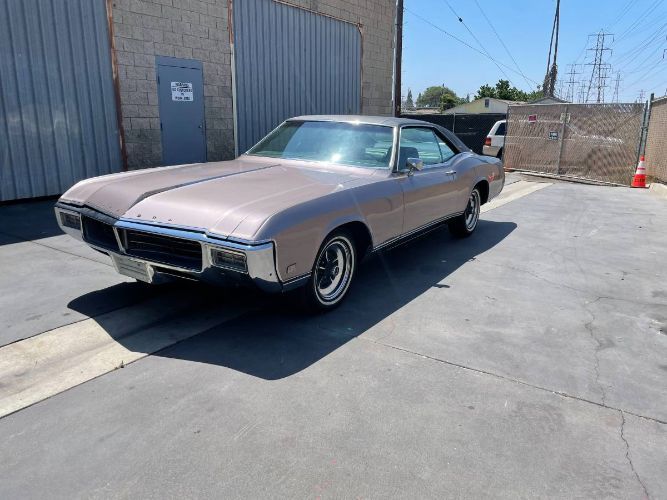
Later Buick coupes through the personal luxury era continued to lean on restrained surfacing and clean frontal treatments that owed a visible debt to what this generation established, even as specific details like the hidden headlights came and went across model years, the 1966 second generation Riviera carried the same sleeker, more exaggerated version of this look before the boat tail 1971 redesign pushed the shape in a new direction entirely. The broader industry noticed too. Personal luxury coupes from multiple manufacturers through the late 1960s and into the 1970s increasingly favored the same clean, uncluttered surfacing this generation had proven could sell, a shift away from the heavier chrome dominated styling that had defined much of the earlier part of the decade.
It would overstate the case to claim the 1965 Riviera single handedly caused that industry wide shift. Design trends rarely trace back to one source that cleanly. But this generation was an early, commercially proven example of where that shift was heading, and design studios paying attention to what actually sold well had good reason to take note of what Buick had accomplished here.
How rival studios responded
Competing manufacturers did not ignore what Buick had put on the road. Personal luxury coupes launched or redesigned in the years immediately following 1965 increasingly experimented with cleaner front ends and less reliance on heavy chrome bars across the grille, a shift that tracked closely with the reception this generation received. Some of that shift would likely have happened regardless, since buyer taste across the whole industry was already drifting toward simpler surfacing by the mid 1960s. But the timing and the specific direction of those competing redesigns lines up closely enough with what the Riviera had already demonstrated on dealer lots that dismissing the connection entirely would be its own kind of distortion.
Hidden headlight treatments in particular saw a wave of adoption across multiple manufacturers in the years that followed, and while Buick was not the only company experimenting with the idea in this period, the Riviera's clean integration of the concept gave the industry a working proof of concept that a concealed headlight system could look elegant rather than gimmicky, provided it was engineered with enough care.
What separates real influence from coincidence
Skeptics reasonably ask whether later similarities to this design reflect genuine influence or simply parallel thinking, since design trends often emerge across an industry simultaneously without direct lineage. The honest answer for this specific car sits somewhere between those two extremes. Some later designs clearly studied this exact shape closely, particularly within Buick's own subsequent coupe lineups, where design continuity across generations was an explicit, stated goal rather than an accident. Other similarities across the broader industry likely reflect a shared response to changing buyer taste rather than direct copying, since design studios across competing manufacturers were absorbing the same market signals about what buyers responded to.
Either way, the 1965 Riviera earned its place in that conversation by getting to the idea early and executing it well enough that it became a reference point worth discussing, rather than a footnote easily dismissed.
Design historians who study this period closely tend to look for a specific kind of evidence before crediting real influence rather than parallel invention: internal studio notes, designer interviews conducted later in their careers, and direct visual quotations that go beyond a general family resemblance. Where that evidence exists for this generation, mostly within Buick's own later coupe lineups, the case for direct influence is strong. Where it does not exist, across the wider industry, the more honest reading is that this car was an early and visible marker of a shift that many studios were independently approaching from their own directions, rather than the sole cause of that shift.
"Influence in car design rarely looks like a direct copy. It looks like a later designer quietly deciding that restraint was allowed, because they had seen it work once already."
- Nora Beckett
Why this legacy still matters to how the car is seen
Understanding this styling legacy changes how a person looks at an original 1965 Riviera today. It stops being simply an attractive old coupe and becomes a documented turning point in a design conversation that ran for years afterward, inside Buick and beyond it. That context adds a layer of significance that pure aesthetics alone does not provide, and it is part of why serious design historians treat this generation as more than just a pretty face from a strong model year.
It also changes how a restoration or preservation decision gets weighed. A car understood as a genuine turning point deserves a different level of care during any bodywork than one seen purely as an old Buick worth fixing up cheaply. Owners who understand the design significance tend to make different choices about originality, about which parts get sourced correctly rather than substituted, and about how much patience a project actually deserves before cutting corners feels acceptable.
Readers who want more on the 1965 buick riviera and the specific decisions behind this design will find the full context for why these choices carried the weight they did, and anyone interested in how this generation grew out of the Riviera nameplate's earlier years can trace our complete history from the beginning. For those whose appreciation of this design story has turned toward actually owning a piece of it, there are classic Rivieras on the market worth a close look, each one a physical example of the ideas covered here.