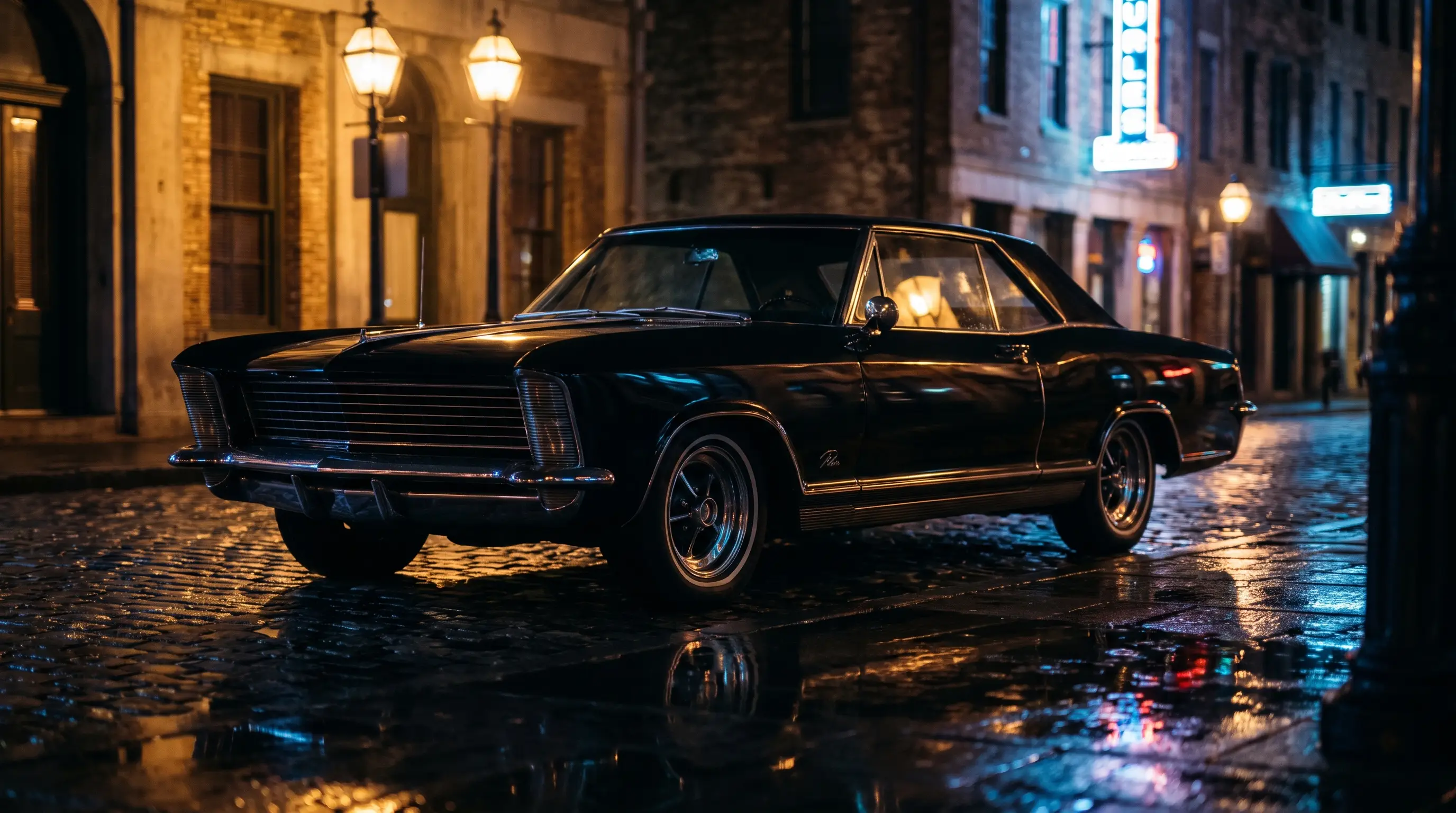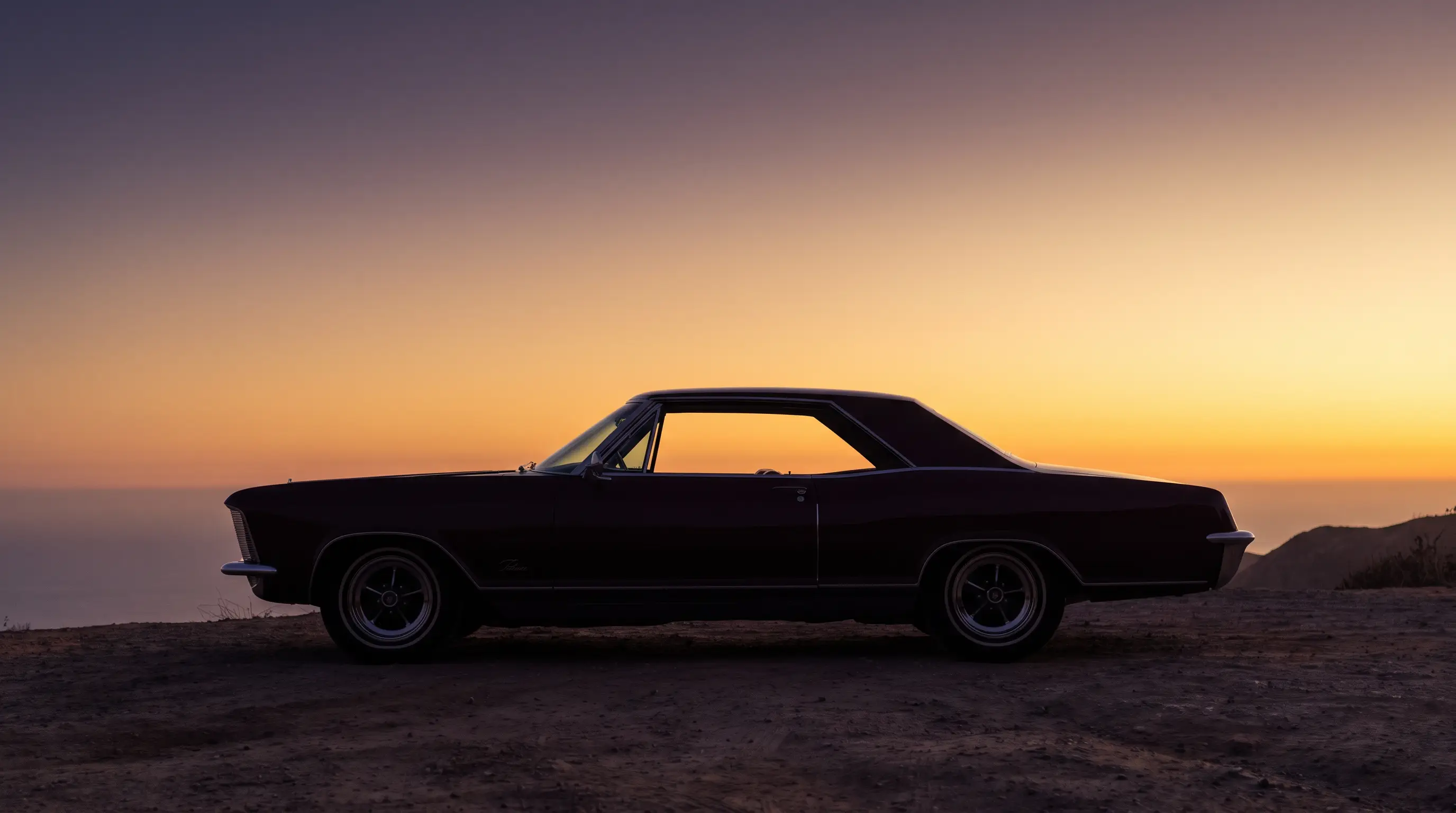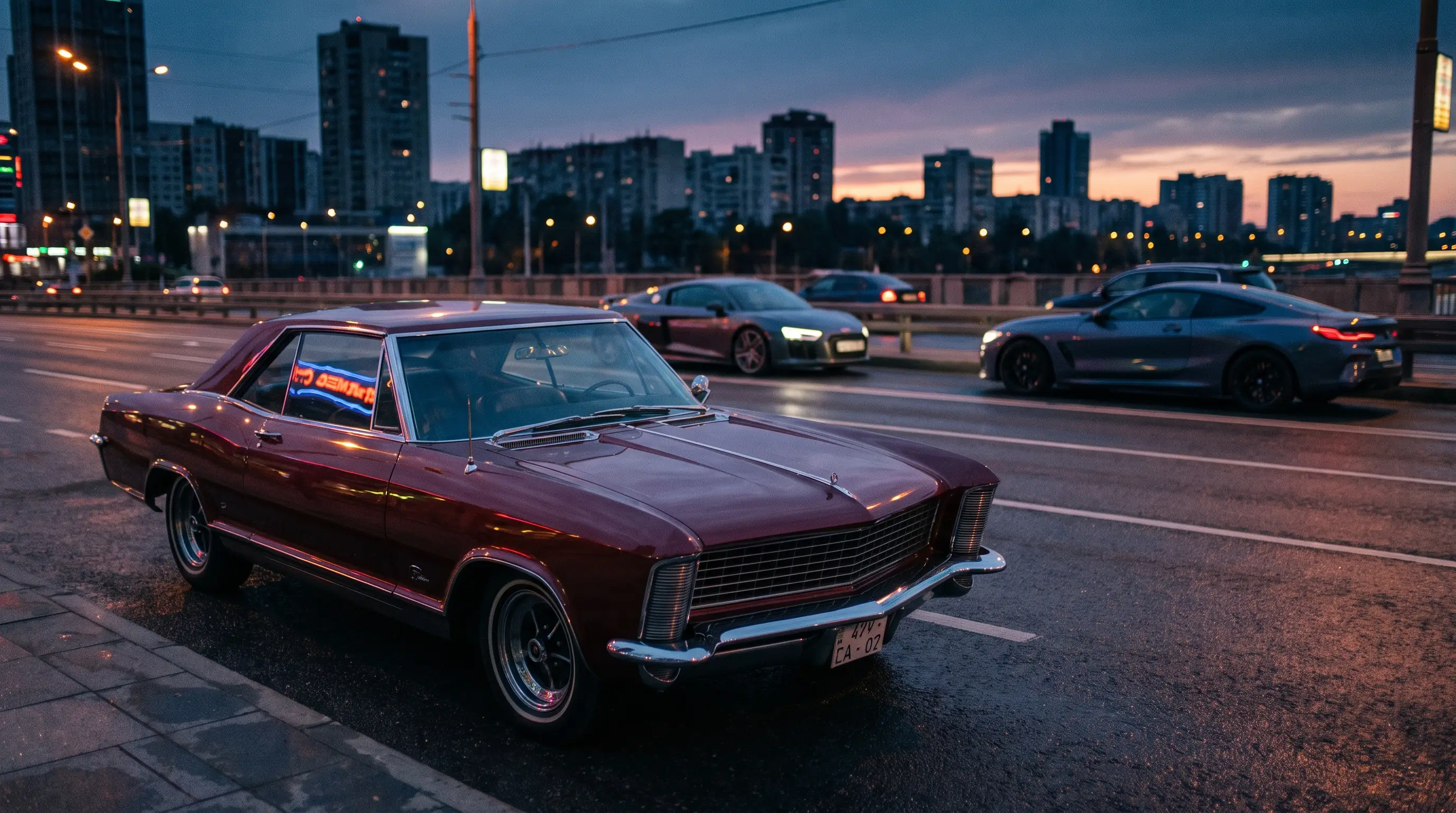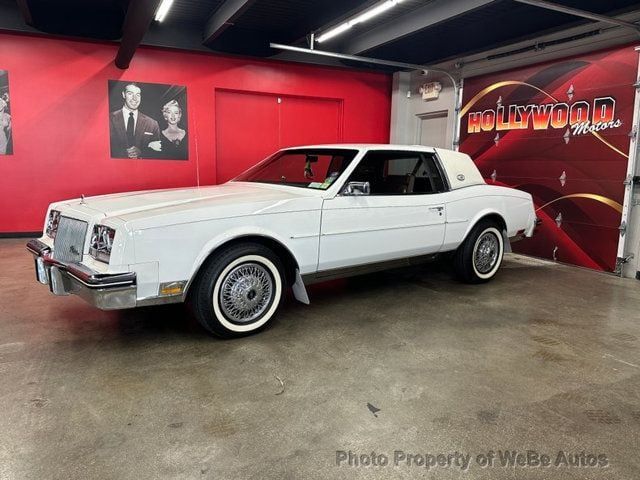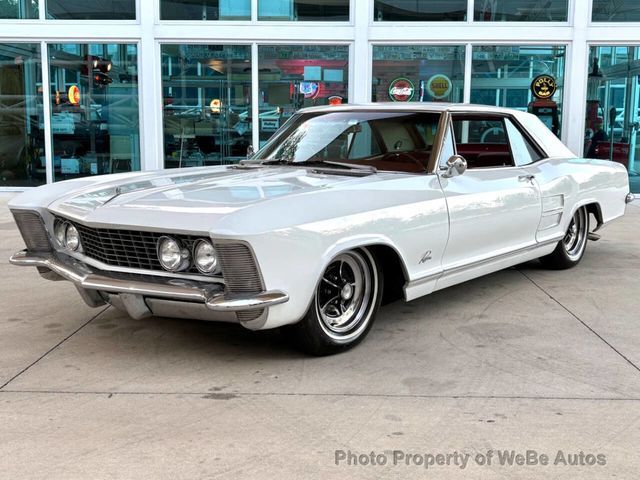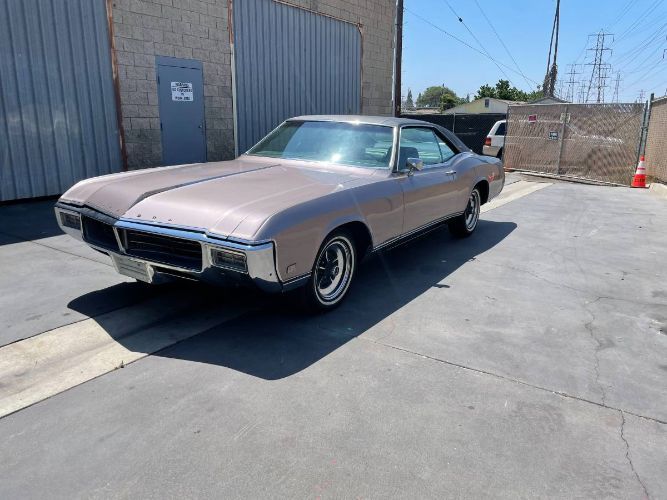
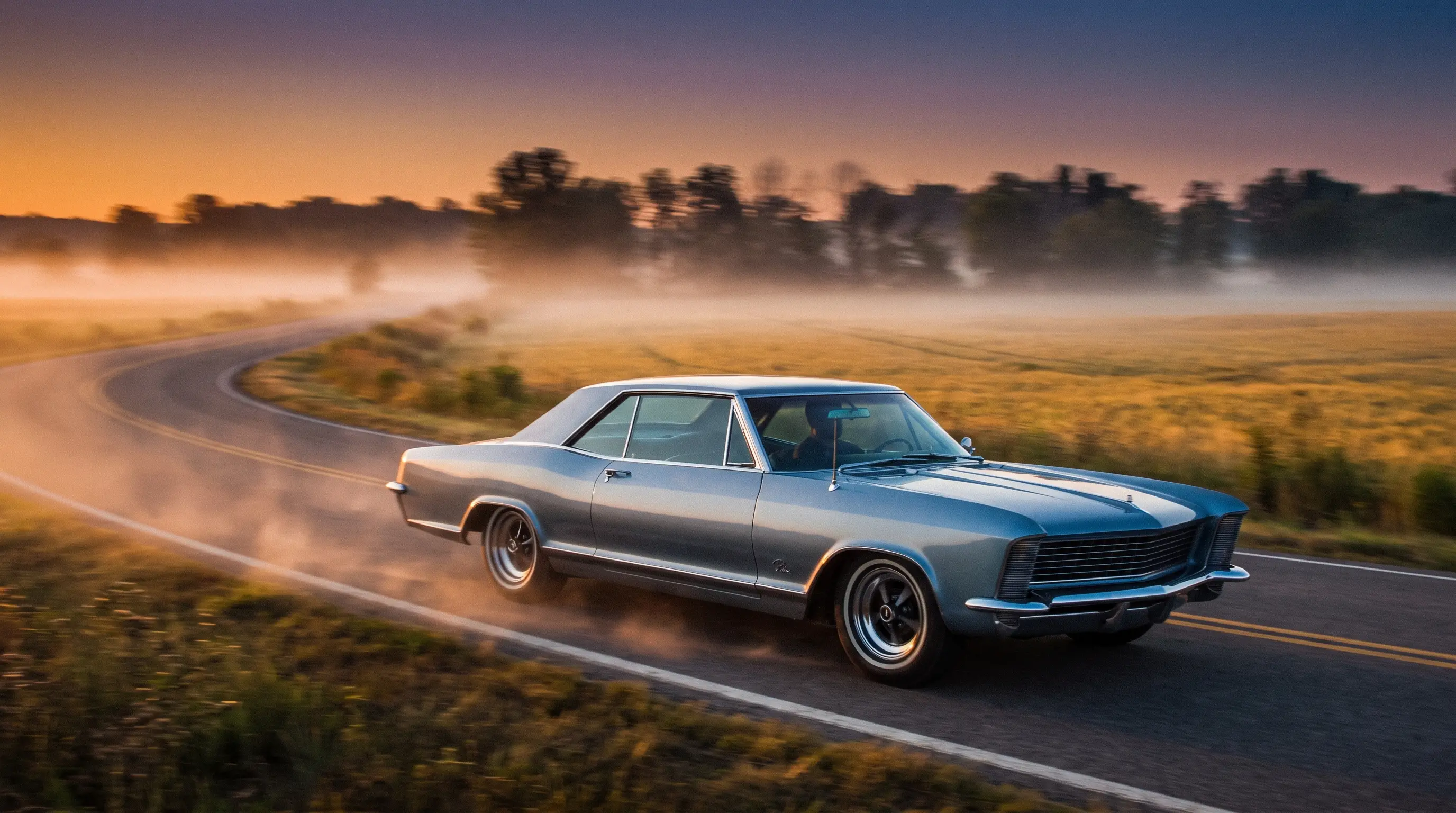
Period magazine coverage of the 1965 Riviera road test legacy tells a more useful story than most modern retrospectives, because the writers who drove these cars new had no idea how the Riviera's reputation would age. They were comparing it against what actually sat on dealer lots that year, not against a nostalgia filtered version of automotive history, and that immediacy makes their verdicts worth revisiting.
What the road testers actually praised
Contemporary magazine coverage of the redesigned 1965 model consistently singled out two things: the cleaner front end created by the new hidden headlight treatment, and the driving position, which testers found notably more direct and confidence inspiring than the softer, more isolated feel typical of full size domestic coupes that year. Writers used to reviewing land yacht style personal luxury cars seemed almost surprised that a Buick could communicate road feel this clearly through the wheel, a compliment that reads as understated in the original text but was genuinely notable coming from that era's automotive press, with one Car Life review going so far as to call the Riviera the best handling full size American car and rating it above comparable European coupes on that measure alone.
The Gran Sport variant drew particular attention from testers who got a chance to drive one against the standard car back to back. The added power and the firmer suspension calibration gave reviewers something to write about beyond the usual comfort and styling notes, and more than one period test framed the Gran Sport as proof that Buick was serious about giving this car genuine driving credentials rather than resting entirely on its design.
Where the criticism landed
No road test from this era was pure praise, and the 1965 Riviera drew its share of honest criticism too. Some testers noted that the automatic transmission's shift character, while smooth, could feel a step behind the sharper responses buyers were starting to expect as the muscle car era gathered momentum elsewhere in the industry. Braking performance, standard drum brakes on most cars that year, also drew occasional comment, since a car with this much presence and this much weight benefited from careful, anticipatory driving rather than last second stops, a limitation shared by nearly every domestic car of this size and era rather than a Riviera specific weakness.
A few testers also flagged rear seat space as tight for a car this large, a criticism that tracks with what the interior design already tells us: this was a driver's car first, and the back seat was never the priority in the packaging decisions Buick made.
Fuel economy, unsurprisingly for a large V8 coupe in this era, was not a strong point in any period test, though few buyers shopping this segment in 1965 were choosing based on that figure in the first place. It is a criticism that reads more like a footnote than a genuine complaint in the original coverage, included for completeness rather than as a serious mark against the car.
How testers framed the Riviera against its direct rivals
Comparison tests were common in this era, and the Riviera regularly appeared alongside the Thunderbird and occasionally against European grand touring coupes priced well above its bracket. Against the Thunderbird, testers consistently noted the Riviera's more direct steering feel and its willingness to communicate what the front tires were doing, a contrast that came up often enough to read as a genuine, repeated observation rather than a one off impression from a single writer having a good day behind the wheel.
The comparisons against pricier European coupes were more flattering than Buick's marketing department probably expected. Several testers noted that the Riviera delivered a driving experience within reach of cars costing considerably more, a claim that gave Buick's sales team real ammunition even if the company never fully leaned into that comparison in its advertising the way it perhaps could have. That restraint in Buick's own marketing is part of why the Riviera's reputation grew slowly through word of mouth among people who had actually driven one, rather than through a loud advertising campaign trumpeting test results.
How those early verdicts compare to modern reassessment
What is striking, looking back at this coverage decades later, is how closely period praise for the 1965 Riviera lines up with what today's collectors and enthusiasts say about the car. The driving feel that impressed testers in period is the same quality that draws praise from people who drive these cars today. The complaints about brakes and rear seat space have simply become accepted characteristics of the era rather than active criticisms, since modern owners understand the car in the context of its time rather than measuring it against contemporary standards.
This continuity matters because it means the Riviera's reputation was not manufactured after the fact by nostalgic collectors looking to inflate a car's historical standing. The qualities people admire about this car today were already visible, in writing, to reviewers who had no stake in how the car would be remembered decades later. That is a stronger foundation for a car's legacy than retrospective enthusiasm alone.
It is worth contrasting this with cars whose reputations really were built retroactively, where a modest or mixed period reception got quietly reframed decades later once a car became scarce and collectible. The 1965 Riviera never needed that kind of historical rewrite. Its road test record from the year it was new already reads like a case for why it deserved attention, which makes the modern collector enthusiasm feel less like manufactured nostalgia and more like a delayed but accurate verdict finally catching up to what period writers said all along.
"Read enough period road tests and you realize the good ones were never guessing. They were describing exactly what collectors would end up caring about forty years later, they just did not know it yet."
- Tom Ramirez
Why this documentation still matters
For anyone researching this generation seriously, period road test coverage is worth tracking down directly rather than relying on secondhand summaries, since the original language often carries context and nuance that gets flattened in later retellings. Libraries and enthusiast archives that preserve period issues are a better source than paraphrased quotes circulating online, where a single line can drift from its original context after enough repetition across forum threads and social media posts. Readers who want the fuller narrative behind what made the 1965 redesign such a significant moment for this nameplate can find where this started laid out in full detail, connecting the road test reception directly to the design and engineering decisions that earned it. And for anyone whose interest in these period reviews has turned into genuine shopping intent, current shop classic Riviera listings make it possible to experience firsthand exactly what those period testers were writing about.