Factory records rarely get more useful than a three-year run of the same basic body, because they let you isolate exactly what changed and when. The buick riviera 1965 vs 1963 1964 evolution is a documented progression, not a redesign, and tracing it year by year through Buick's own production and engineering paperwork shows a division correcting specific, identifiable issues rather than chasing fashion. The complete account of how that progression began is told in where this started.
1963: the original, unproven
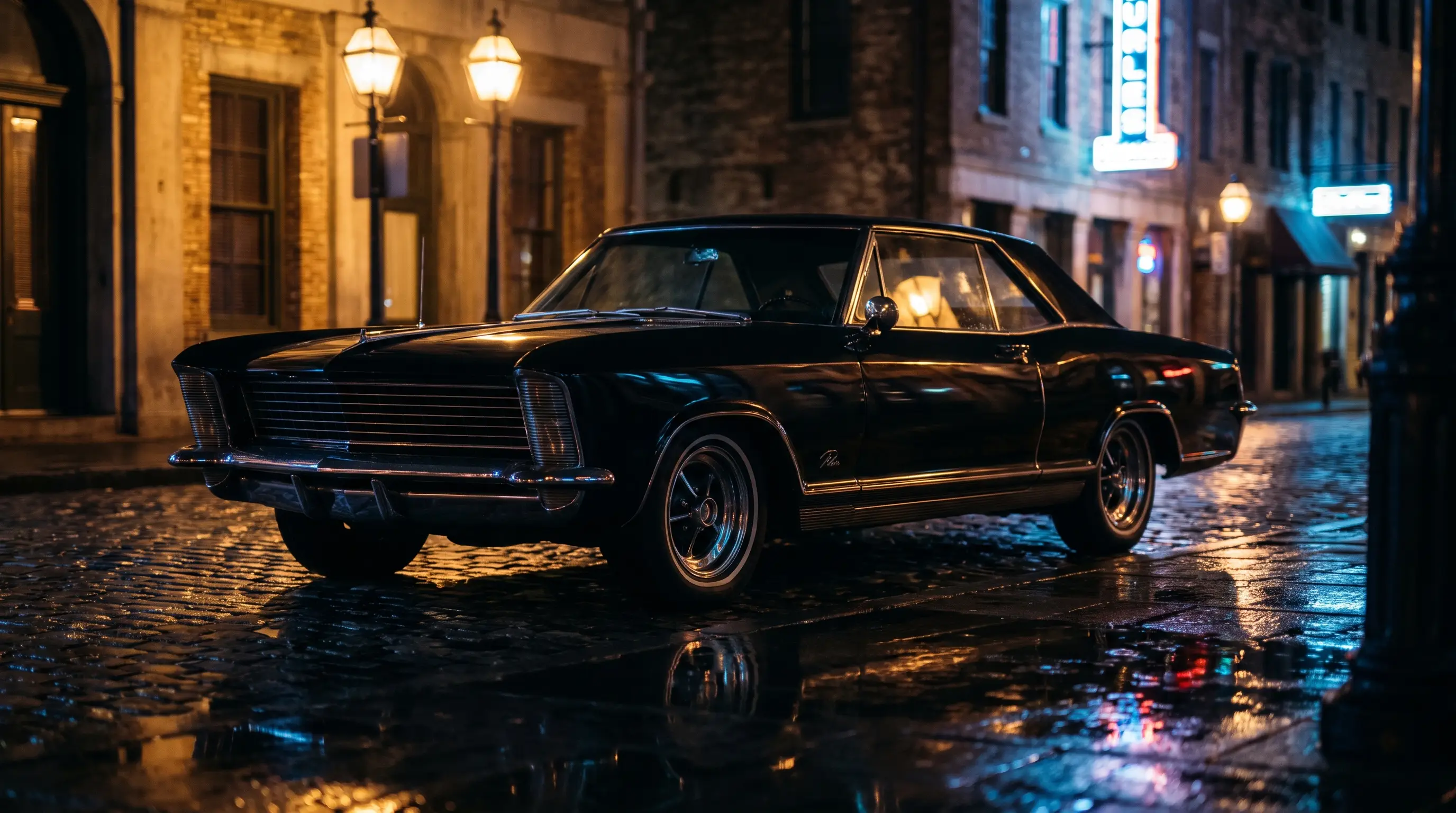
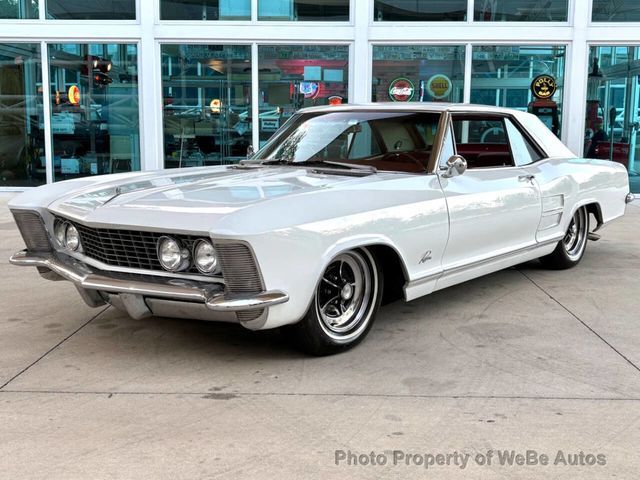
The 1963 Riviera launched with a 401 cubic inch Nailhead V8 as its sole engine, rated at 325 horsepower, paired to a body designed largely under Ned Nickles with input from GM styling chief Bill Mitchell. Buick's first-year production totaled just over 40,000 units, a respectable number for a new nameplate but one that reflected a cautious initial commitment rather than a full-scale bet. The car's exposed round headlamps sat in a nose that stylists already knew, even before launch, was not the final word on the design. Factory sketches from the original design studies show concealed lamp treatments under consideration well before 1963, but the mechanism was not ready for a mass-production launch date, so Buick shipped what it had.
Interior trim and options in 1963 were more limited than what buyers could order two years later, and the assembly process itself was new to Buick's plant floor. Fit and finish on early production cars reflects that newness. None of this makes the 1963 car a lesser machine, but it does mean it represents Buick's first attempt at a genuinely new kind of vehicle for the division, built before the supply chain and the assembly line had fully learned the car.
1964: a season of quiet refinement
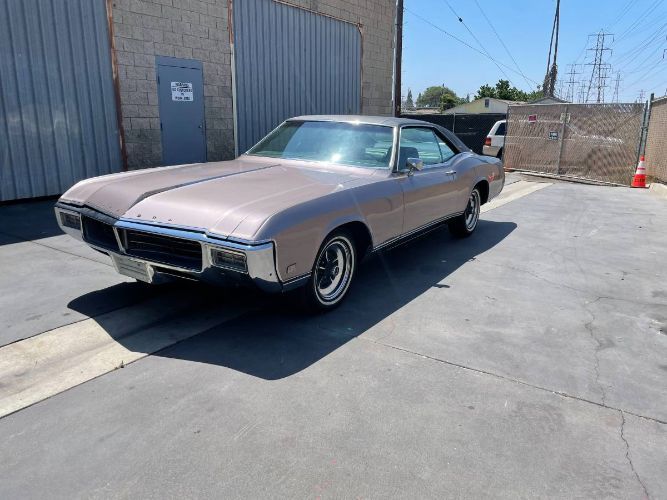
The 1964 model year brought no headline styling change, which is precisely the point. Buick used the year to refine what it had rather than chase a new signature feature, adjusting trim details and continuing to build out the option list while holding the exterior largely steady. Engineering records from this period show Buick's attention turned toward the concealed headlamp project that would debut the following year, along with continued development of a larger-displacement engine option. The 401 Nailhead remained the standard powerplant, and the car's fundamental proportions carried over unchanged from 1963.
What 1964 demonstrates, when you read the factory paperwork in sequence, is a company treating its new nameplate as a multi-year project rather than a one-shot product. Buick was not rushing changes into the car simply to have something new to advertise each fall. It was letting engineering work mature before committing it to production, which is exactly what happened with the headlight system the following year.
1965: where the paperwork shows a finished car
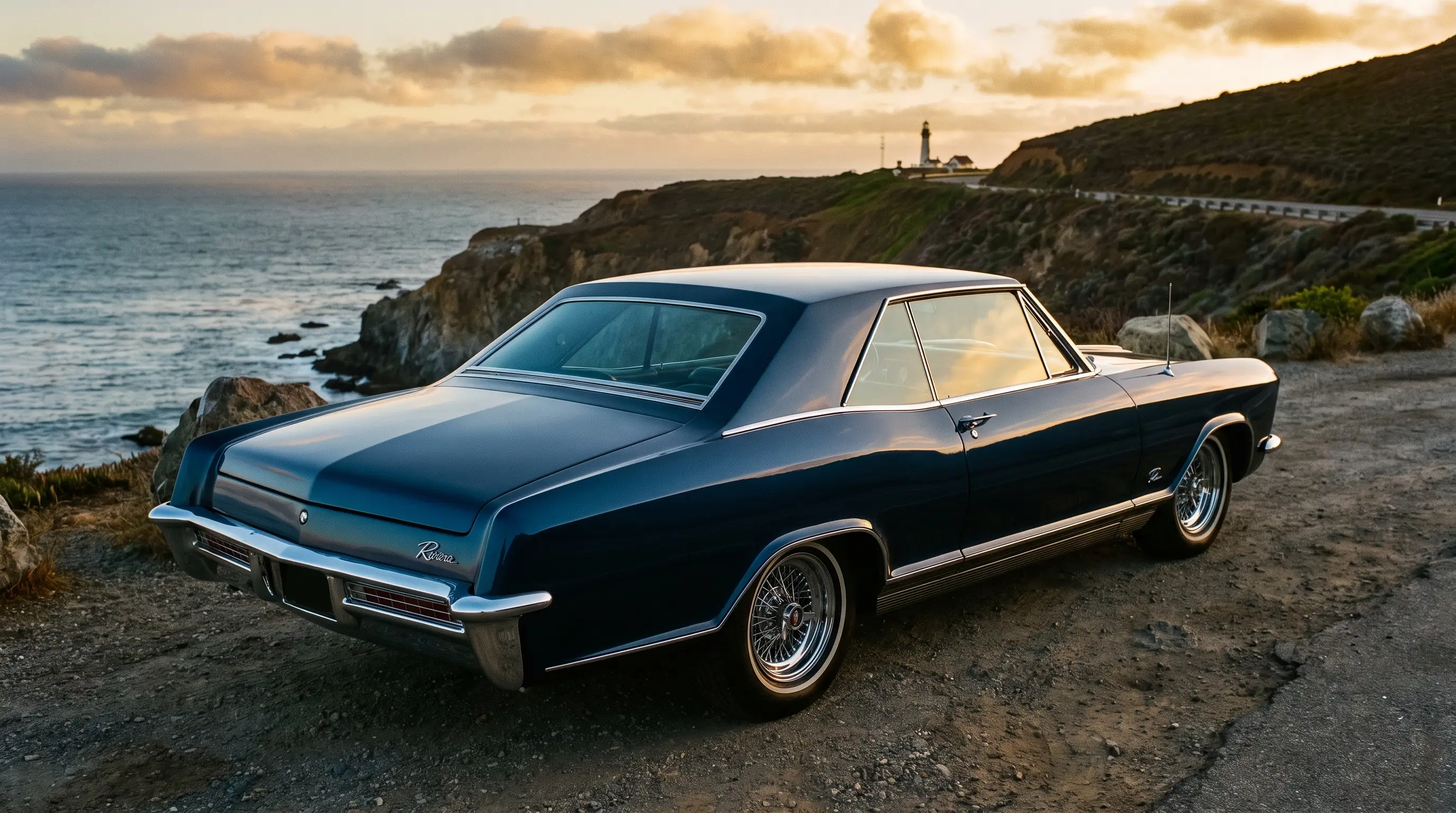
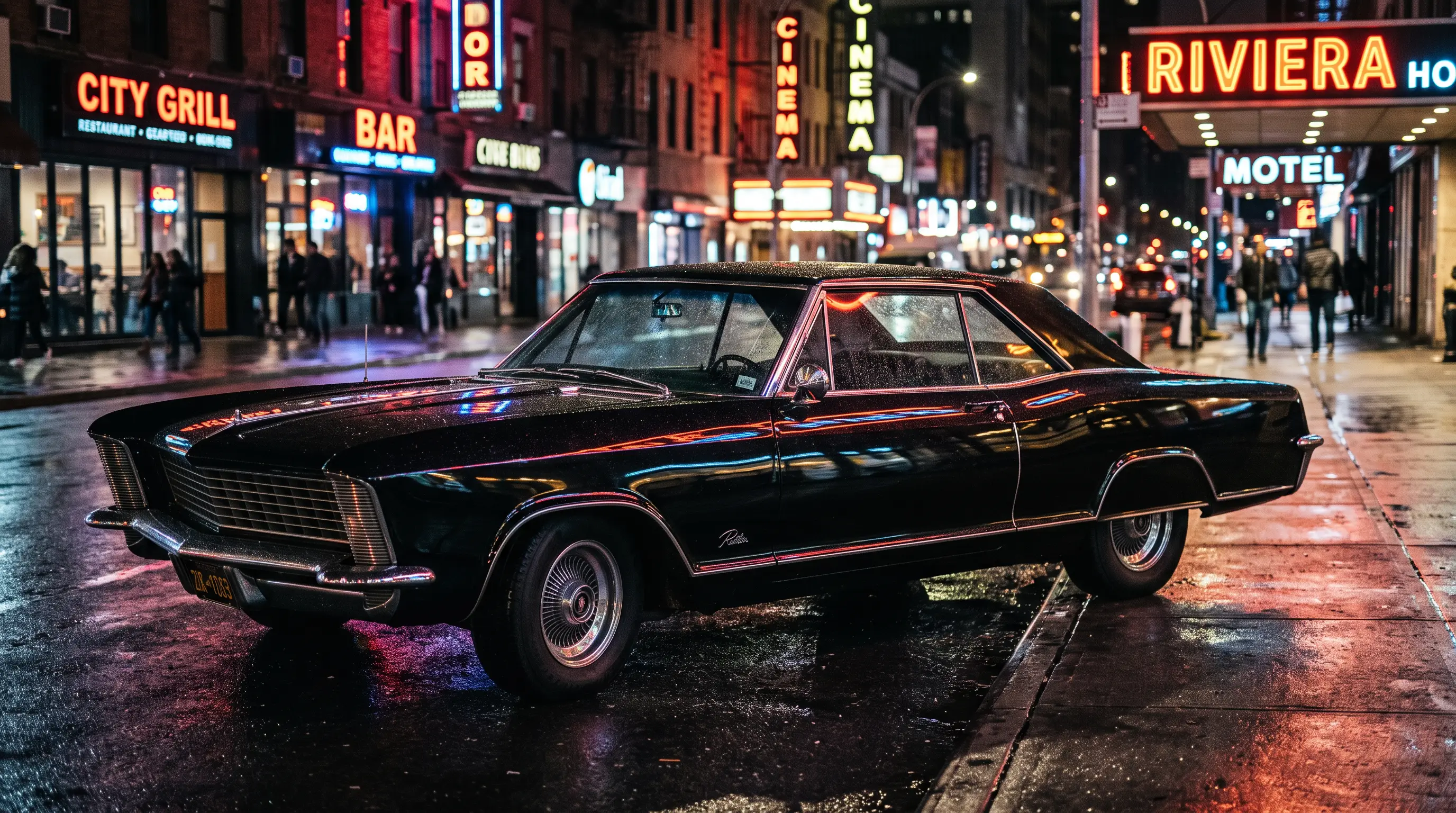
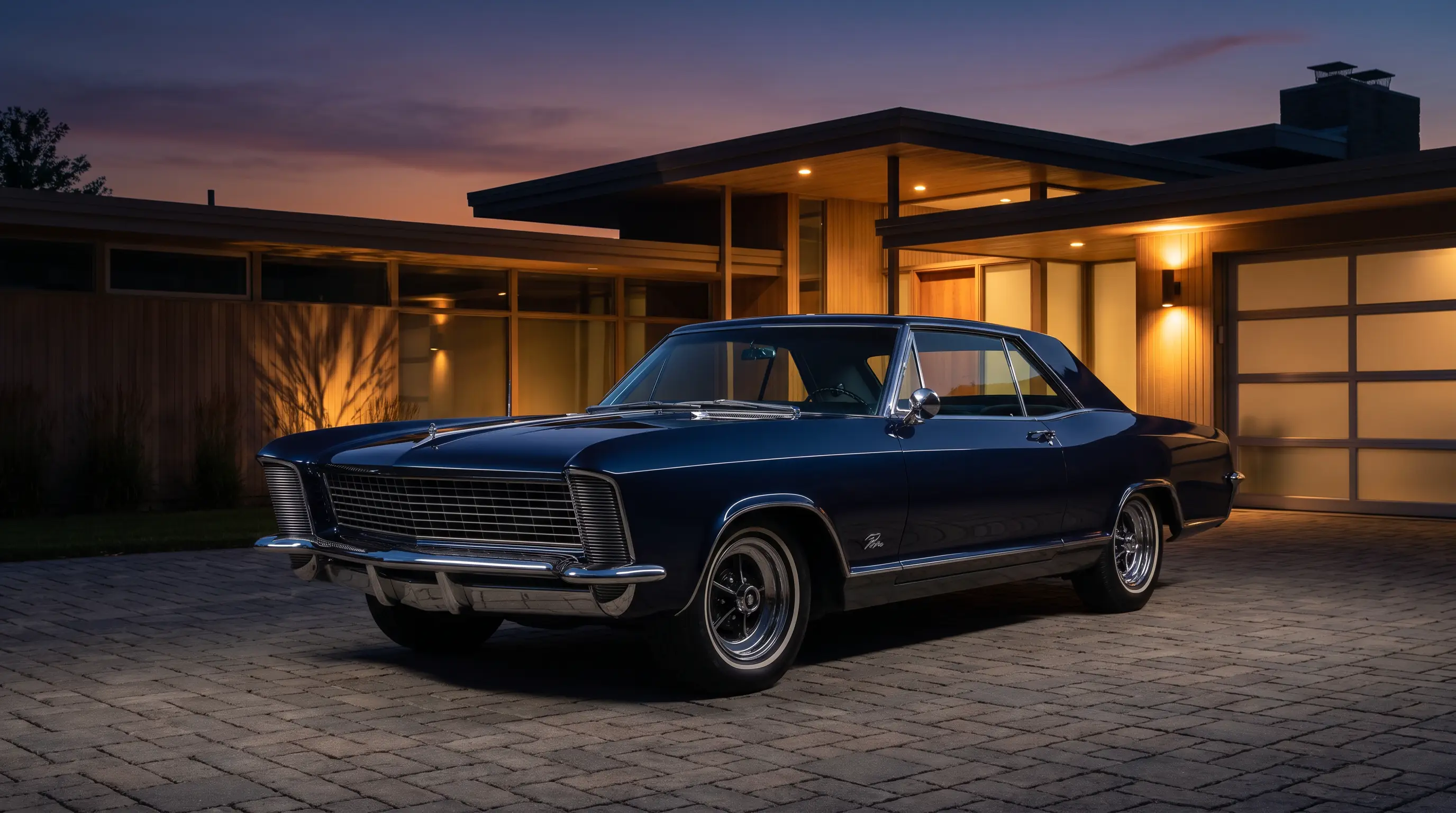
The 1965 model year is where Buick's production and engineering documentation shows every deferred project landing at once. The vacuum-actuated clamshell headlight doors finally reached production. The 425 cubic inch Nailhead arrived as an optional engine alongside the carryover 401. And the Gran Sport package, a dual-quad performance option built on the 425, gave Buick a genuine factory answer to buyers who wanted the styling with real performance credibility behind it. None of these were rushed additions; each traces back through two prior model years of documented development.
Three-year comparison at a glance
| Model year | Headlights | Top engine option | Notable addition |
|---|---|---|---|
| 1963 | Exposed | 401 cu in, 325 hp | First-year launch, cautious production |
| 1964 | Exposed | 401 cu in, 325 hp | Trim refinement, no styling headline |
| 1965 | Concealed clamshell | 425 cu in, 340 hp | Gran Sport performance package |
Reading the arc correctly
The temptation with any three-year comparison is to treat the middle year as a throwaway and the final year as the only one that matters. Factory documentation resists that reading. The 1964 model year's quiet refinement is exactly what allowed the 1965 changes to work as well as they did on the first attempt, since Buick had spent that year continuing to develop the headlight mechanism and the larger engine rather than rushing either into production before it was ready. A researcher who skips straight from 1963 to 1965 misses the reason the third year worked, which was two years of documented preparation, not a sudden inspiration.
"People love to talk about 1965 like it appeared out of nowhere. The paperwork says otherwise. Every feature that made that year significant had been in development since before the car launched in 1963."
- Tom Ramirez
What the progression means for collectors today
Understanding the three-year arc changes how a buyer should think about which first-generation year to pursue. A 1963 car offers the purest, earliest reading of the design at the cost of some fit-and-finish rough edges typical of a first production year. A 1964 car offers refined build quality without the headline features that came a year later. A 1965 car offers the complete package, hidden headlights, the strongest engine option, and the Gran Sport variant, but commands correspondingly more attention from buyers who know the documentation. None of the three years is objectively wrong to choose; they represent three distinct, well-documented stages of the same car's development, and comparing what is currently on the market across all three is the best way to judge which stage suits you, starting with classic Riviera for sale listings spanning the full first generation.
Reading option codes across the three years
A researcher trying to date and specify a first-generation Riviera correctly has to treat each model year's documentation on its own terms, since Buick's option codes and build sheets changed in small ways year to year as new features entered the lineup. A 1963 build sheet has no provision for a headlight door option because the feature did not exist yet. A 1964 sheet likewise shows no 425 engine code, since that option arrived the following year. Only a 1965 build sheet will show both the concealed headlight equipment and the larger optional engine coded correctly, which makes the build sheet itself a reliable, independent way to confirm a car's actual model year even when other identifying details have been altered or lost over sixty years of ownership.
This matters more than it might seem for anyone trying to verify a car's authenticity, because sheet metal and trim pieces were sometimes swapped between cars during earlier decades when parts were simply parts rather than documented history. A body shell with a 1965-style front clip does not automatically mean the car left the factory that way. Cross-referencing the option codes on a build sheet against what a car is currently equipped with remains the most reliable method for confirming exactly which year, and which specification, a given first-generation Riviera actually represents.
Sources and notes
- Buick Riviera - Wikipedia
- 1965 Buick Riviera 401 V-8 Specs - Automobile Catalog
- 1965 Buick Riviera 425 V-8 Specs - Automobile Catalog
- 1965 Buick Riviera Gran Sport - Hagerty Valuation Tools
- A Detailed Look Back At The 1965 Buick Riviera - HotCars
- Dual Quads: 1965 Buick Riviera Super Wildcat - Barn Finds