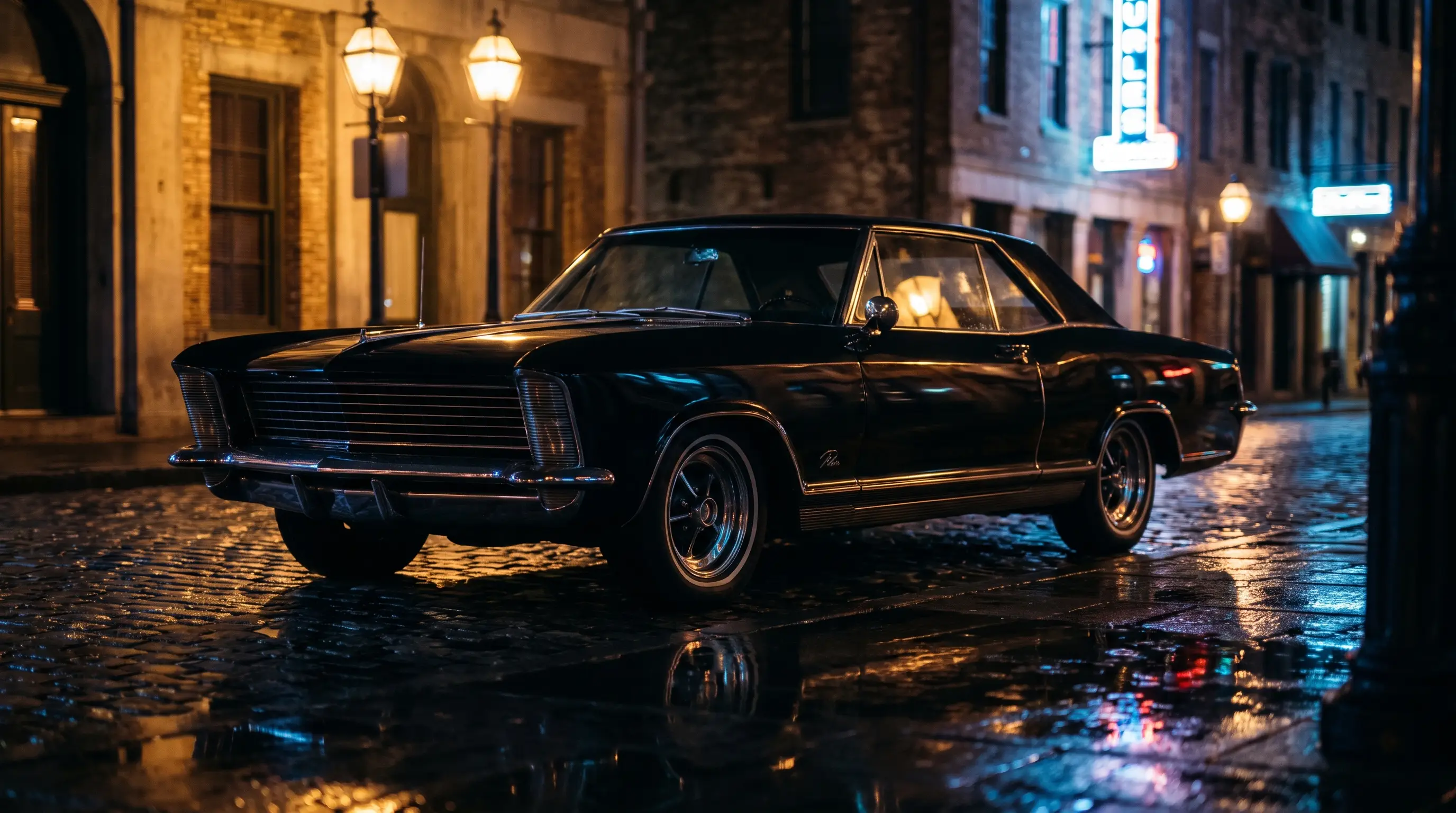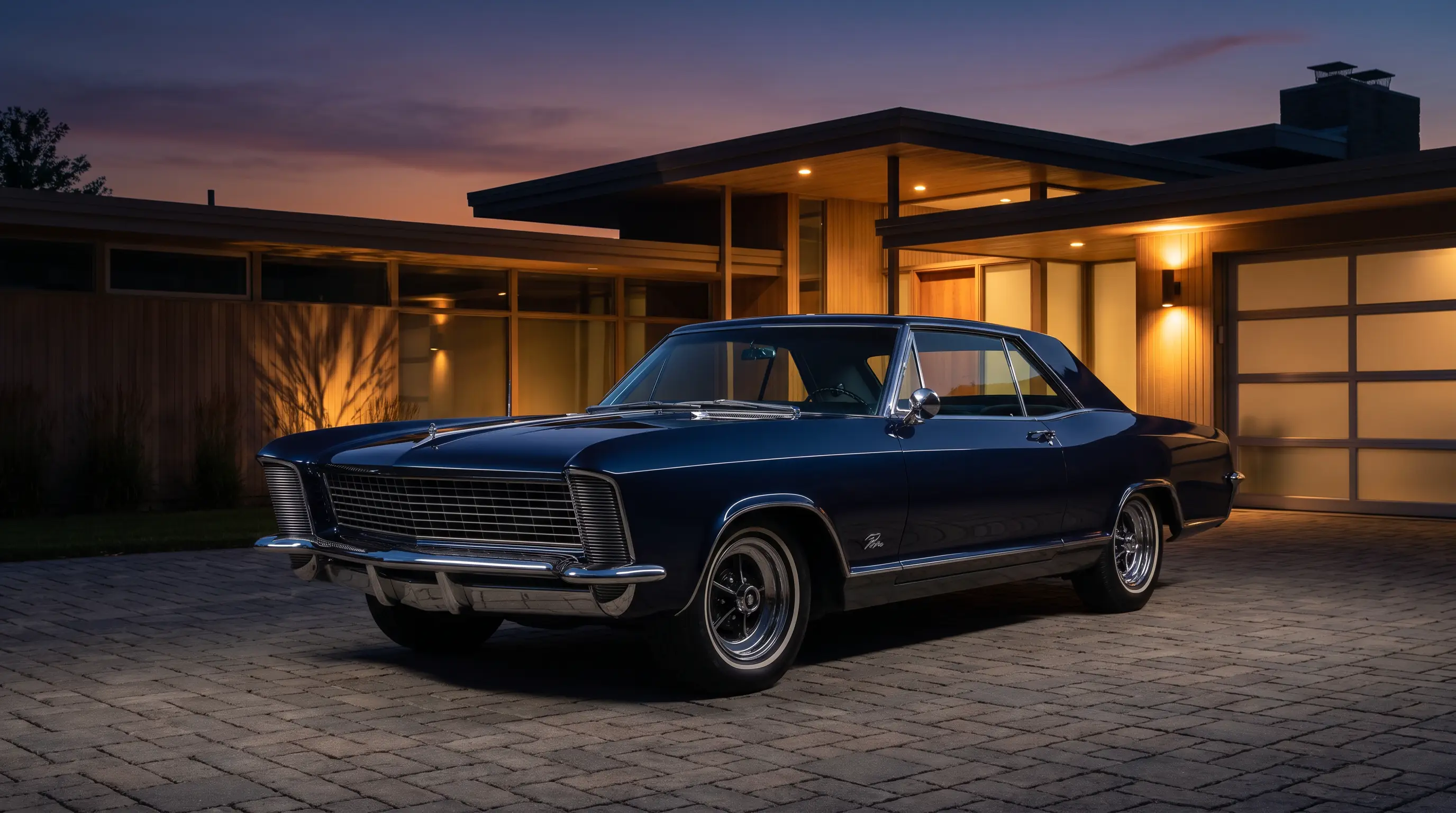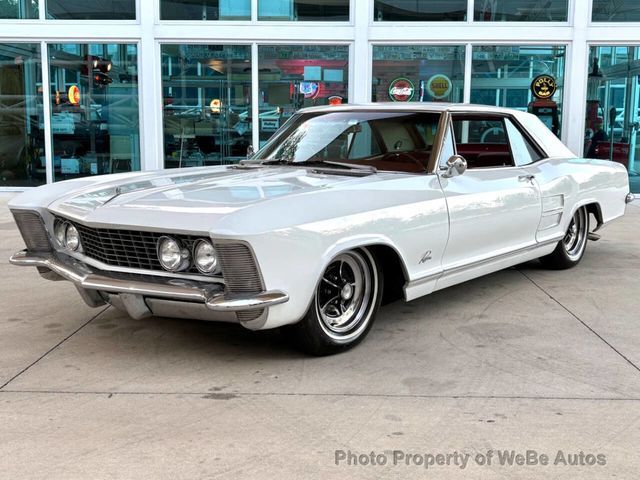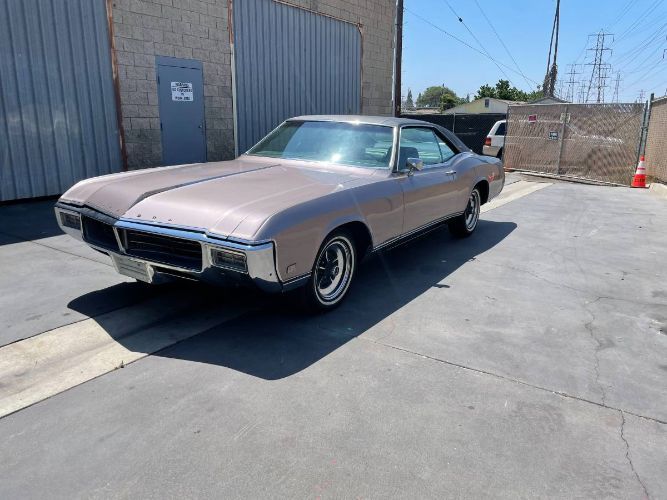
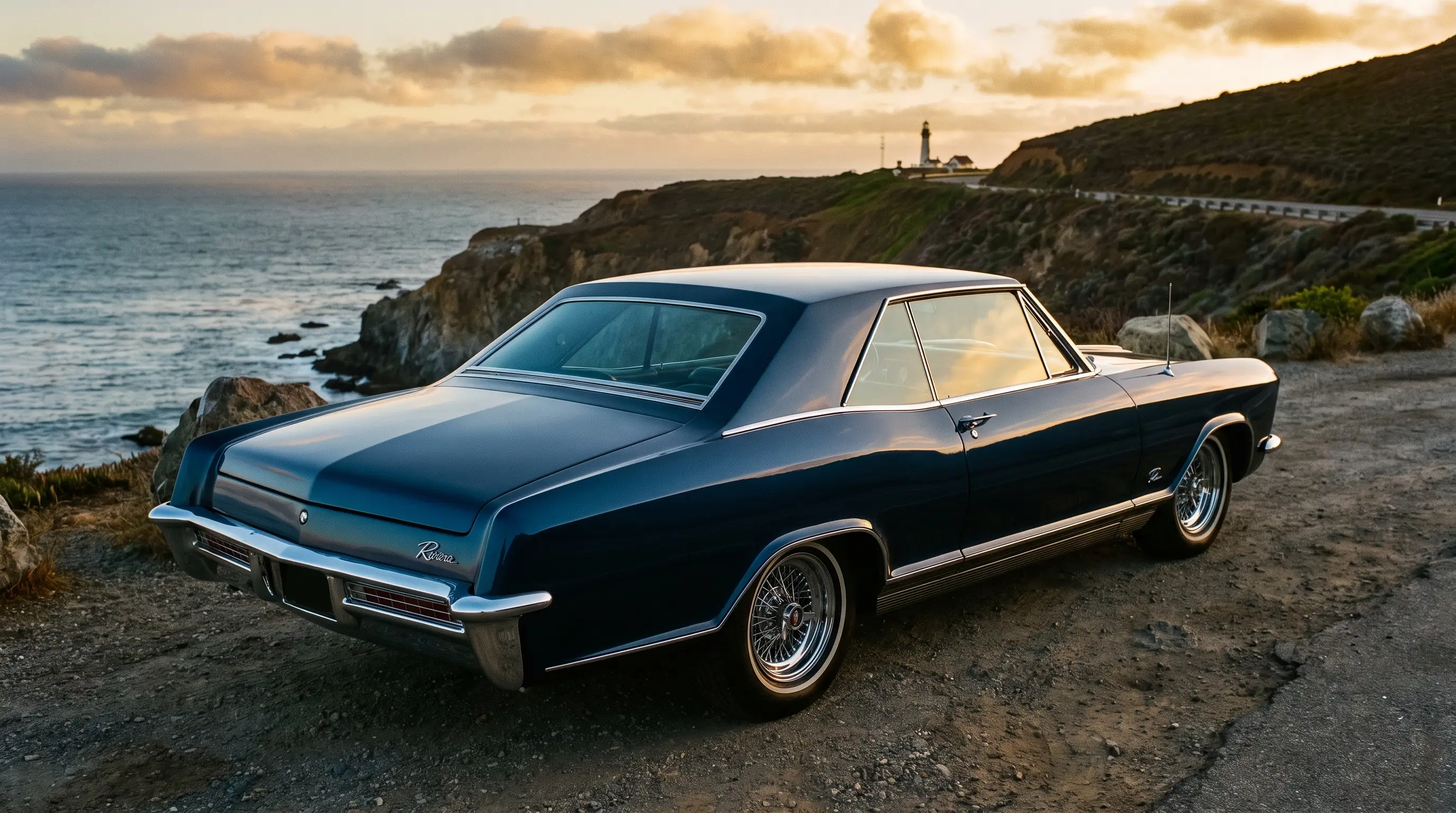
Production records rarely announce a turning point in advance, but the paperwork behind the 1965 Buick Riviera Gran Sport comes close. The buick riviera 1965 gran sport introduction marks the first time Buick built a factory performance variant of its personal luxury coupe, and the documentation trail, from engine codes to dealer order guides, shows a division that had grown confident enough in the Riviera platform to stretch it in a new direction. The full story of how the base car reached this point is covered in more on the 1965 buick riviera, and the platform's origin is traced back further in where this started.
What the Gran Sport package actually added
The Gran Sport option, coded internally and ordered through a specific dealer option package, paired the Riviera's optional 425 cubic inch Nailhead V8 with a dual four-barrel carburetor setup, a stiffer suspension calibration, and a numerically higher rear axle ratio than the standard car received. Buick's engineering records describe the intent plainly: give buyers who wanted the Riviera's styling a car that could also back it up in a straight line and through a corner, without asking them to give up the coupe's comfort-oriented character. The factory rated the dual-quad 425 at 360 horsepower, a genuine step above the base engine's output and enough to change how the car behaved from a stoplight.
Records from Buick's own engineering documentation show the Gran Sport was never intended as a volume seller. It was built to prove a point about the platform's ceiling, and the relatively low take rate reflects that. Most 1965 Riviera buyers wanted the styling and the comfortable ride; the Gran Sport was for the smaller group that wanted both the looks and something closer to genuine performance credibility.
Reading the production numbers correctly
One misconception worth correcting here is the idea that the Gran Sport was a separate model entirely. It was not. Buick built it as an option package on the standard Riviera body, which means Gran Sport cars do not appear as a distinct line in broad production tallies the way a true separate model would. Anyone trying to establish exactly how many were built has to work from option code data rather than model-year totals, and that distinction matters enormously to anyone researching rarity. A car that shows up correctly coded in factory records as carrying the Gran Sport option is a documented example of a genuinely limited build within a already limited model year, not a separate production run with its own count.
How the suspension changes altered the car
Buick's engineering notes for the Gran Sport package describe firmer front and rear spring rates along with revised shock valving, changes aimed specifically at controlling the extra weight and torque the 425 dual-quad engine put over the front wheels. The standard Riviera already had a reputation for composed handling by full-size 1965 American car standards, and the Gran Sport suspension changes were calibrated to preserve that composure under harder use rather than transform the car into something it was never meant to be. Buick's engineers were explicit in period literature that the goal was a Riviera that could be driven harder, not a fundamentally different chassis.
1965 Gran Sport package at a glance
| Spec | Gran Sport package |
|---|---|
| Engine | 425 cu in Nailhead V8, dual four-barrel |
| Rated horsepower | 360 hp |
| Suspension | Firmer springs and revised shock valving |
| Rear axle | Numerically higher ratio than standard |
| Availability | Factory option on standard Riviera body, 1965 only for this specific combination |
Why the package mattered beyond its own sales figures
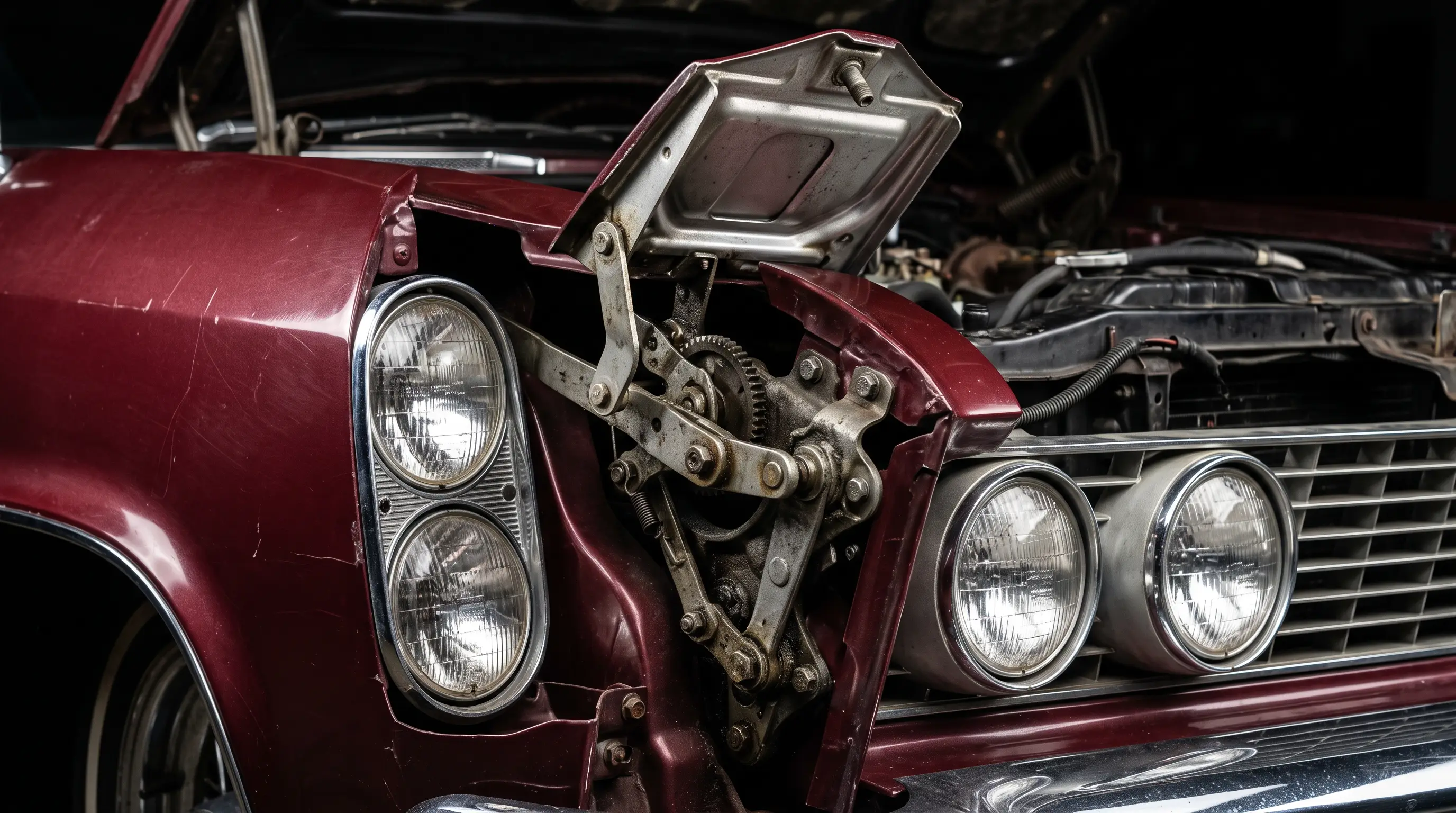
The Gran Sport's real significance is not its take rate, which was modest, but what it signaled about Buick's confidence in the Riviera as a platform. A division does not build a genuine performance option on top of a personal luxury coupe unless it believes the underlying car can handle the extra demands without embarrassing itself. Buick's decision to offer the package in 1965, the same year it introduced hidden headlights and the 425 engine option, tells a coherent story about a company that had stopped treating the Riviera as an experiment and started treating it as a proven platform worth expanding.
"The production paperwork on the 1965 Gran Sport tells you more than any brochure could. Buick did not build that package to sell in volume. It built it to prove the platform could take the extra load, and the documentation backs that up."
- Sarah Whitfield
What this means for anyone researching a car today
For anyone trying to verify a Gran Sport today, correct documentation is everything. The option code needs to match factory records, the engine needs to be correctly numbered for the application, and the suspension components need to reflect the specific parts called out in period service literature, not generic heavy-duty pieces substituted later. Because the package was ordered rather than built as a standalone model, a car claiming Gran Sport status without paperwork to back it up deserves careful scrutiny before anyone treats it as an original example. Given how limited genuine, correctly documented examples are, buyers serious about finding one should expect to look at several cars before finding a Riviera with verifiable Gran Sport history, and comparing what is currently available is a reasonable starting point if you want to see classic Rivieras on the market and judge for yourself how documentation is presented on cars claiming this option today.
How the Gran Sport compares to its own base car
It is worth being precise about what the Gran Sport package changed and what it left alone, because the two get conflated in casual conversation. The body, the interior trim, the dashboard, and the overall proportions of the car carried over untouched from the standard Riviera. Buick was not building a different car underneath the badge. What changed sat entirely in the drivetrain and the chassis tuning: the dual-quad 425, the firmer suspension calibration, and the numerically higher rear axle ratio. A Gran Sport and a standard Riviera parked next to each other look nearly identical apart from badging, which is exactly why documentation matters so much when a car's history is uncertain.
That similarity in appearance is part of what makes the package's rarity easy to overlook. A buyer who does not know to check the option code can walk past a documented Gran Sport thinking it is a standard car, or worse, take a standard car's word for it that it carries options it was never built with. Records held by marque-specific research organizations remain the most reliable way to confirm what a given Riviera left the factory with, and any serious research into a specific car's history should start there rather than relying on a seller's description alone.
Sources and notes
- Buick Riviera - Wikipedia
- 1965 Buick Riviera 401 V-8 Specs - Automobile Catalog
- 1965 Buick Riviera 425 V-8 Specs - Automobile Catalog
- 1965 Buick Riviera Gran Sport - Hagerty Valuation Tools
- A Detailed Look Back At The 1965 Buick Riviera - HotCars
- Dual Quads: 1965 Buick Riviera Super Wildcat - Barn Finds