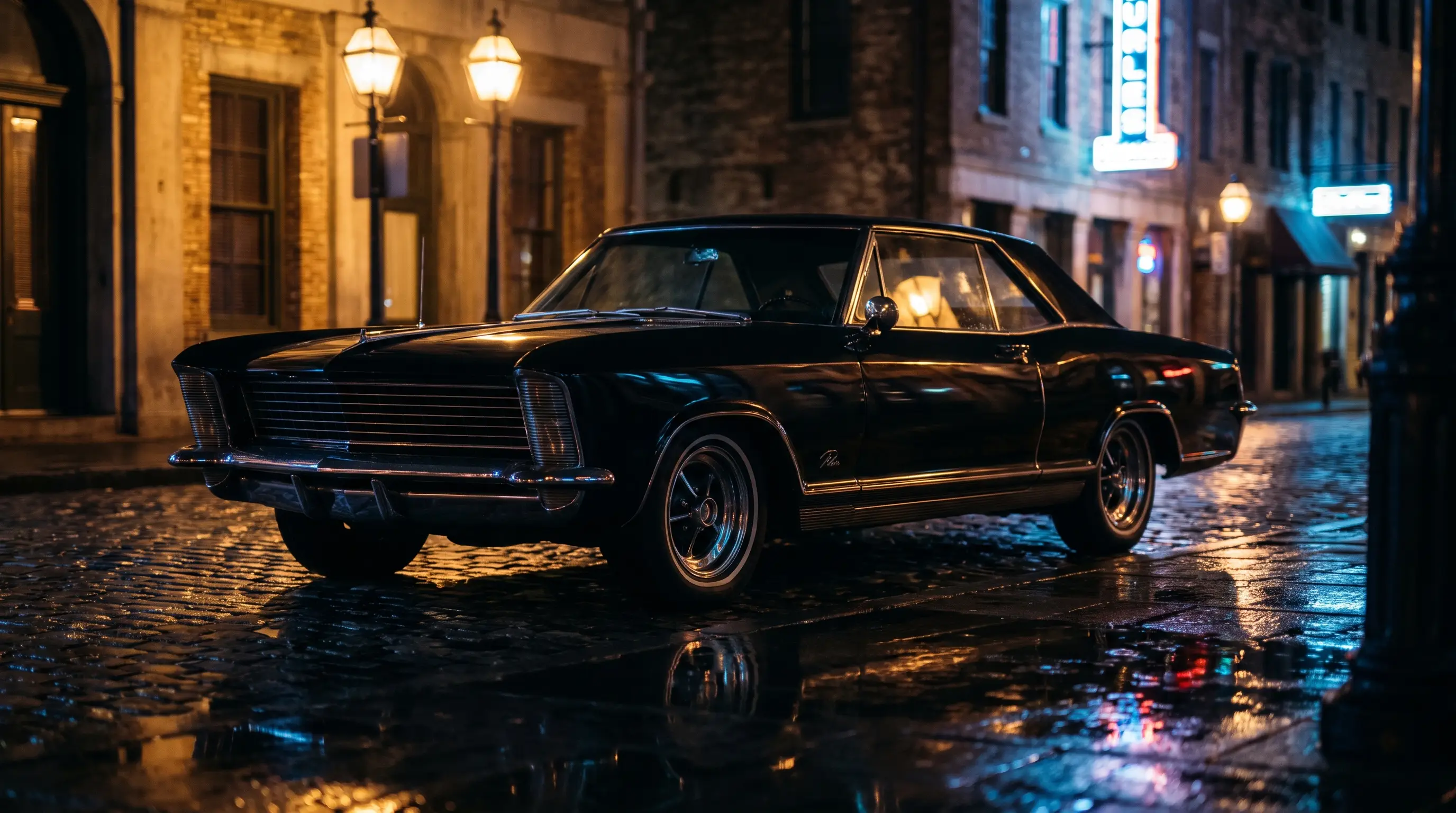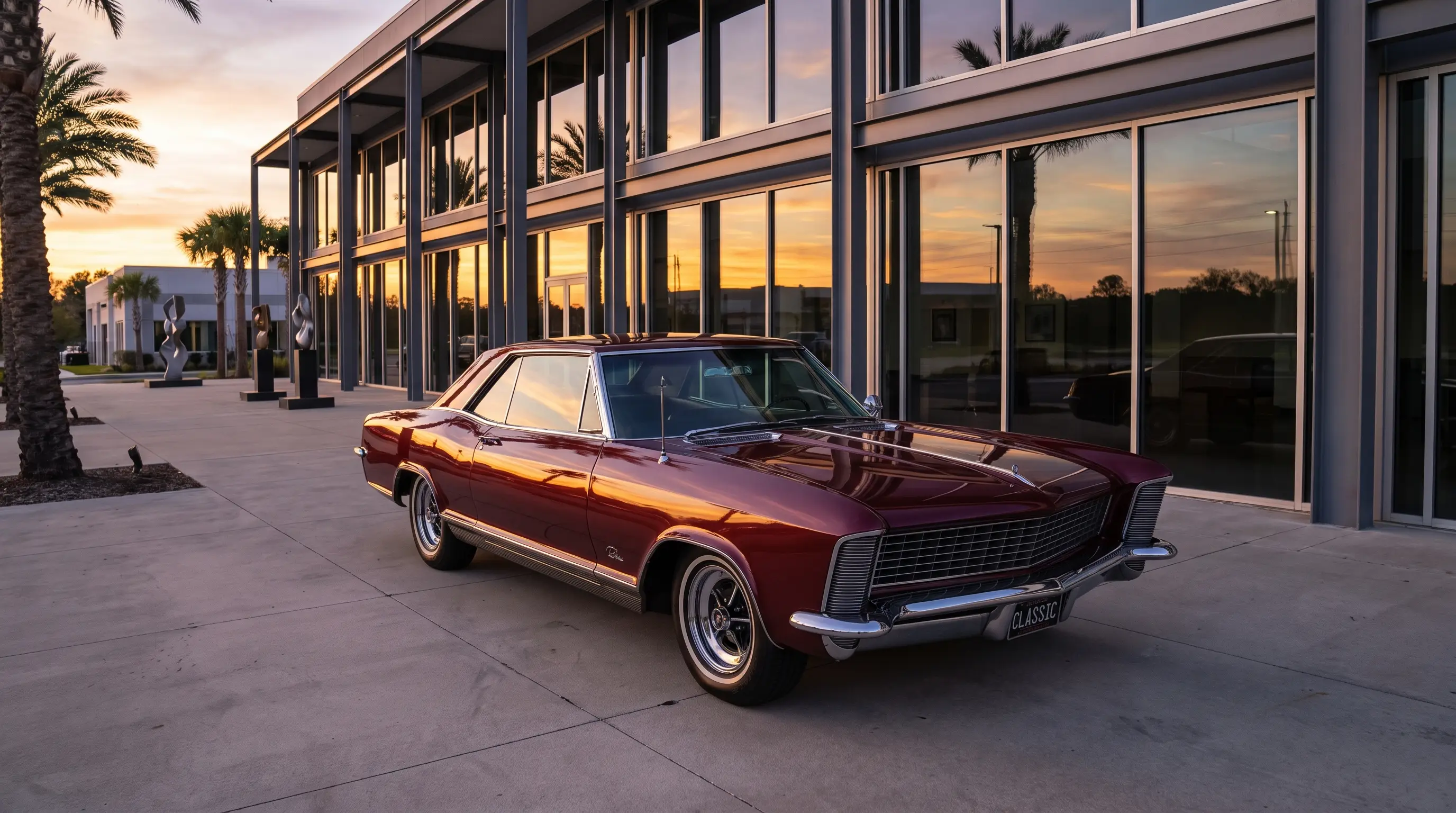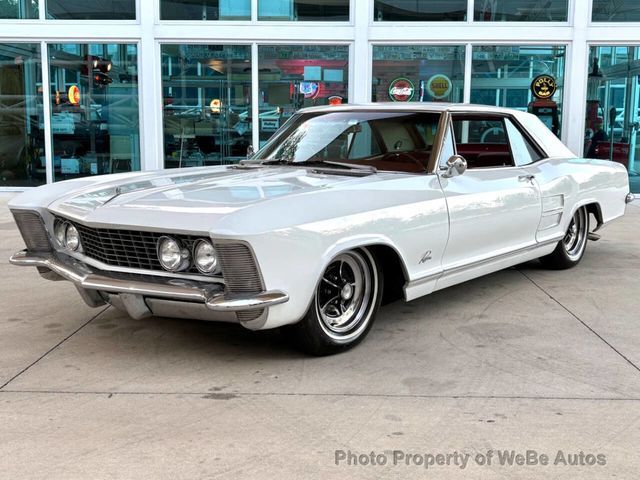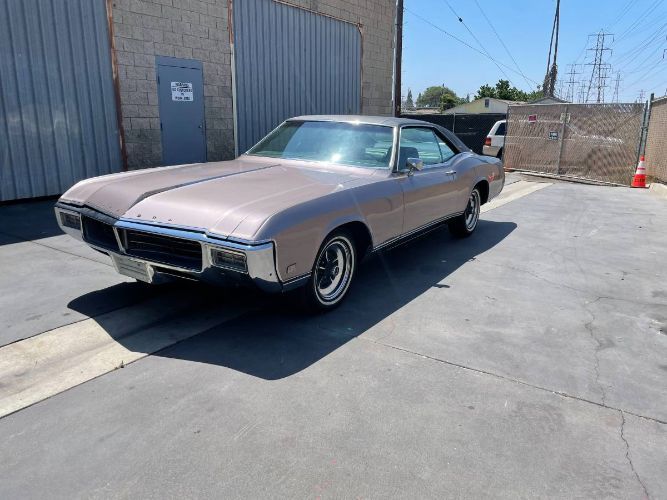
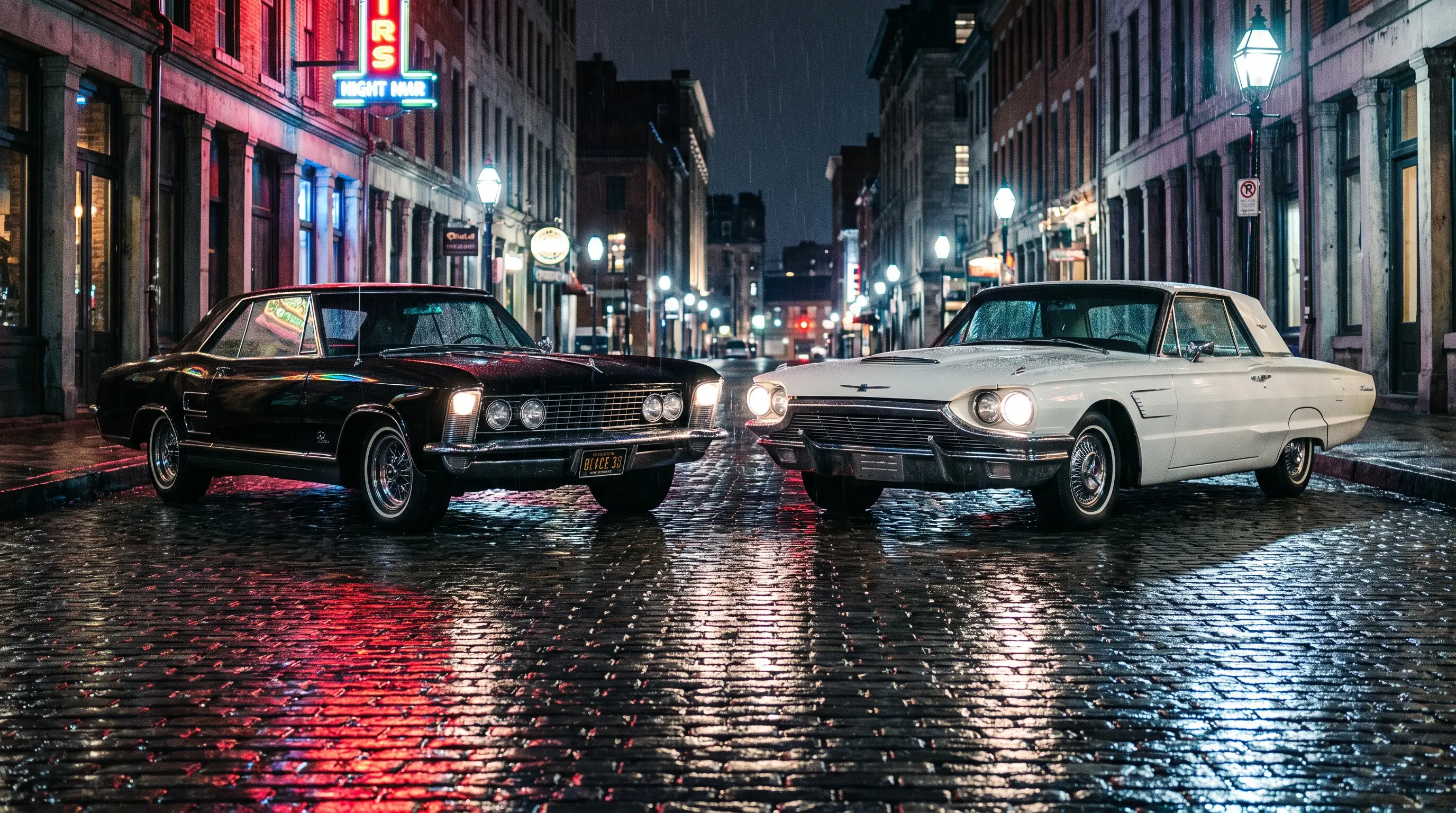
The 1965 Buick Riviera vs Ford Thunderbird question came up at nearly every dealer showroom that year, and it still comes up at car shows five decades later. Both cars chased the same buyer: someone with money, a two door habit, and no patience for a plain sedan. But the answer to which one is "better" depends entirely on what that buyer wanted from a personal luxury coupe, and the paper trail from both factories tells a clearer story than nostalgia usually allows.
Two different answers to the same brief
General Motors and Ford were solving the same problem from different directions. Buick's designers, working under Bill Mitchell's GM styling studio, built the Riviera as a driver's car first. The 1965 model sharpened that intent with new clamshell hidden headlights tucked into the front fenders, replacing the exposed lamps of the 1963 and 1964 cars, and a lower, cleaner roofline than before. Ford, by contrast, kept building the Thunderbird as a gadget showcase. The 1965 Thunderbird offered sequential rear turn signals, available front disc brakes as a mid year addition, and a cabin dense with switches and buttons. One company was selling road manners. The other was selling novelty.
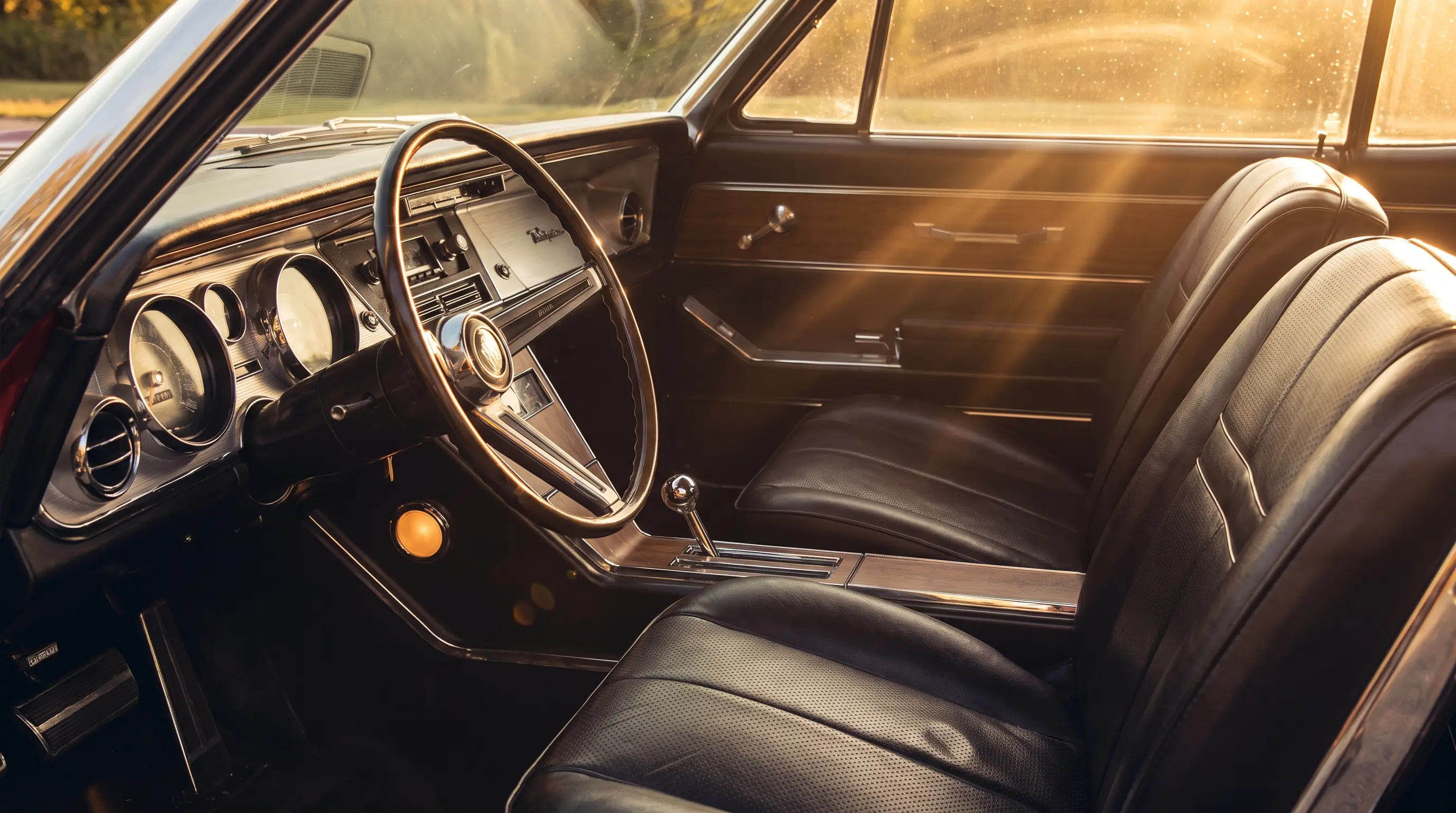
Buyers who cross-shopped the two in period noticed the difference immediately in the driver's seat. The Riviera's dashboard grouped its gauges ahead of the driver in a simple, purposeful cluster. The Thunderbird's dash, meanwhile, leaned into swoopy, jet age design that looked dramatic in a showroom photo but asked more of the driver's attention on the road.
Chassis and drivetrain, not just curb appeal
Under the skin, the difference sharpens further. The Riviera used a conventional front engine, rear drive layout with a perimeter frame, riding on the corporate B body architecture shared distantly with full size Buicks but heavily reworked for this application. The 1965 Riviera's standard engine was Buick's 401 cubic inch Nailhead V8, rated at 325 horsepower, with the Gran Sport package adding a second four barrel carburetor and a documented horsepower bump for buyers who wanted the Riviera's sporting side taken seriously.
The Thunderbird for 1965 ran Ford's 390 cubic inch V8 as standard equipment, with a 428 optional later in the run, but it carried more weight and more accessories than the Riviera, which blunted some of that displacement advantage on the road. Buick's approach was closer to a big coupe with genuine reflexes. Ford's approach was closer to a rolling living room.
| Spec | 1965 Buick Riviera | 1965 Ford Thunderbird |
|---|---|---|
| Standard engine | 401 ci Nailhead V8 | 390 ci FE V8 |
| Body style | Pillarless hardtop coupe | Hardtop coupe / convertible / Landau |
| Headlight design | Hidden, clamshell fender doors | Exposed, quad round |
| Signature feature | Frameless door glass, driver focused cabin | Sequential turn signals |
Sales numbers tell an honest story
Ford outsold Buick in this class for most of the decade, and 1965 was no exception. Thunderbird production ran well ahead of Riviera output that year, with roughly 74,972 Thunderbirds built across hardtop, Landau, and convertible body styles versus 34,586 Rivieras for 1965. That gap has led to a persistent misconception, repeated in enough forum posts to take on a life of its own, that the Riviera was somehow a lesser effort or a rushed answer to Ford's head start. The factory paperwork does not support that reading. Buick invested real engineering into a purpose built platform rather than a warmed over sedan, and the Riviera's lower sales volume reflects Ford's stronger dealer network and years of brand momentum in this segment, not a deficiency in the product.
It also helps to remember that the Thunderbird had a five year head start in this exact niche, having launched its four seat personal luxury format back in 1958, while the Riviera only arrived in 1963. Buick was chasing an established habit, not inventing one, and closing that gap in three model years without matching Ford's dealer count is a more impressive result than the raw sales figures suggest on their own. Dealers selling both brands in the same town would often tell customers the Riviera was the "driver's choice" specifically because word had gotten around among enthusiasts, even if the showroom traffic still leaned Ford.
Where each car actually wins
If the priority is presence and comfort features that impressed passengers, the Thunderbird had the edge in 1965, especially in Landau trim with its padded vinyl roof and simulated S bars. If the priority is a coupe that rewards the person behind the wheel, with tighter body control and a design that has aged into something closer to sculpture than trend, the Riviera wins that argument decisively today. Collector market behavior over the last twenty years backs this up. Clean 1965 Rivieras, and especially Gran Sport cars, have closed much of the price gap that once separated them from equivalent Thunderbirds, a shift that reflects a slow but real reassessment of which car actually did the harder engineering.
Auction results over the past decade show this trend clearly. A well documented Gran Sport coupe now regularly matches or exceeds a comparable Thunderbird Landau at the same sale, something that would have surprised buyers in both camps back in 1965. Restoration shops that work on both platforms report similar labor hours for interior and trim work, but consistently note that the Riviera's frameless door glass and pillarless roofline demand more careful fitting during reassembly, a detail that rarely shows up in casual comparisons but matters enormously to anyone who has actually done the work.
"Ford built a Thunderbird to be looked at. Buick built a Riviera to be driven, and then discovered people wanted to look at it too. That second part was not really the plan, it was a byproduct of getting the first part right."
- Tom Ramirez
For anyone building out the whole picture of what Buick was chasing with this car, the 1965 redesign makes far more sense once you see it as a direct answer to a specific competitor rather than an isolated styling exercise. It was not built in a vacuum. It was built to beat something specific, even if it never outsold that something at the dealership.
What this means for buyers today
The practical takeaway for anyone shopping this era is that the Riviera versus Thunderbird debate is not really about which car is more valuable or more famous. It is about which driving experience a buyer actually wants to own. Parts availability favors both cars reasonably well given their shared era, and neither is a project for someone unwilling to hunt down trim pieces. For those ready to make the call, it is worth going and sitting in both before deciding, because the difference is felt more than it is measured on a spec sheet. Those ready to act can shop classic Riviera listings and compare a real example against everything written here.
Sources and notes
- Buick Riviera - Wikipedia
- Ford Thunderbird fourth generation - Wikipedia
- 1965 Buick Riviera 401 V-8 Specs Review - Automobile Catalog
- 1965 Ford Thunderbird 390 Special V-8 Specs Review - Automobile Catalog
- 1965 Ford Thunderbird Production Numbers - Automotive Mileposts
- 1965 Buick Riviera Specifications and Dimensions - Conceptcarz