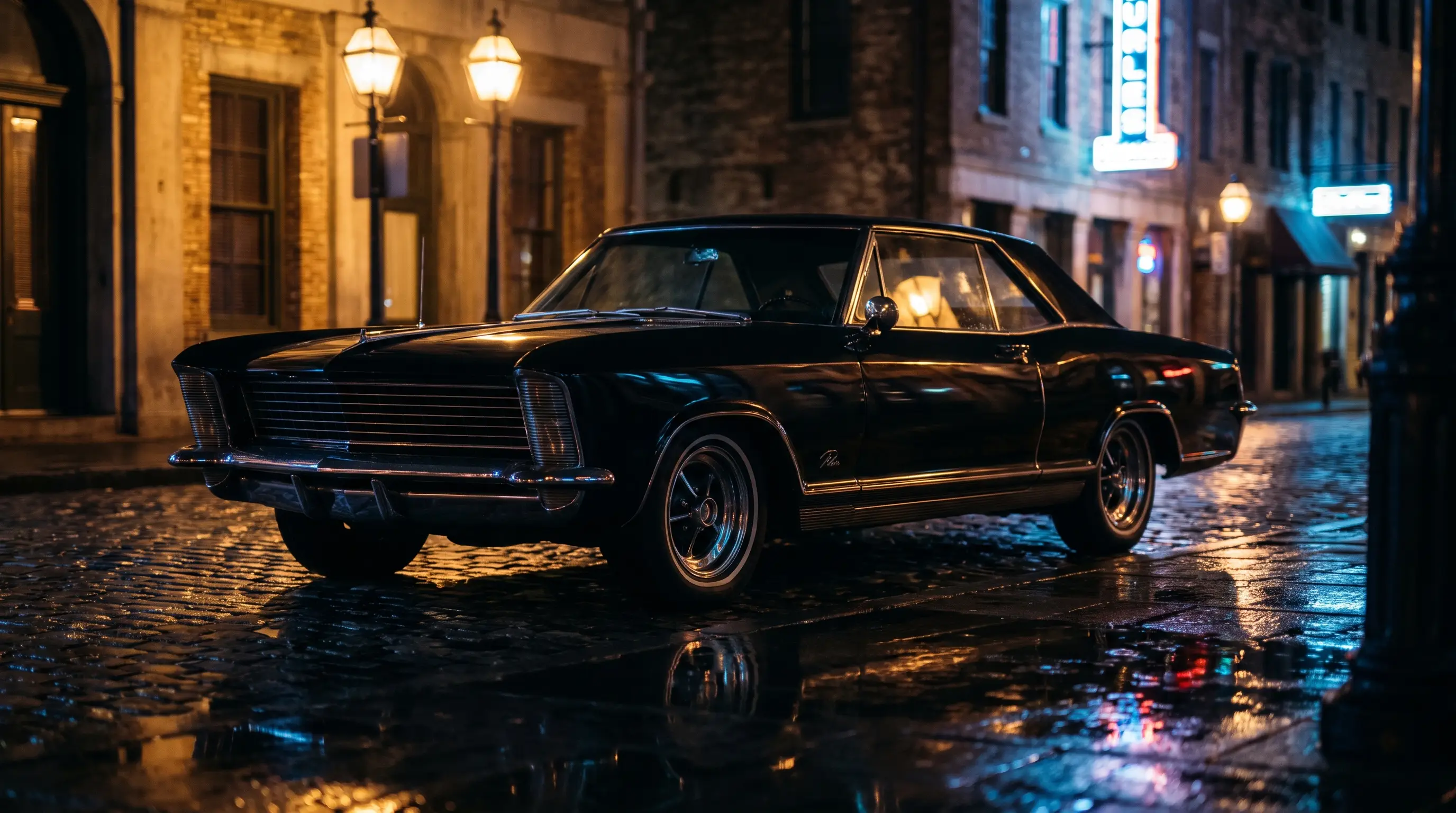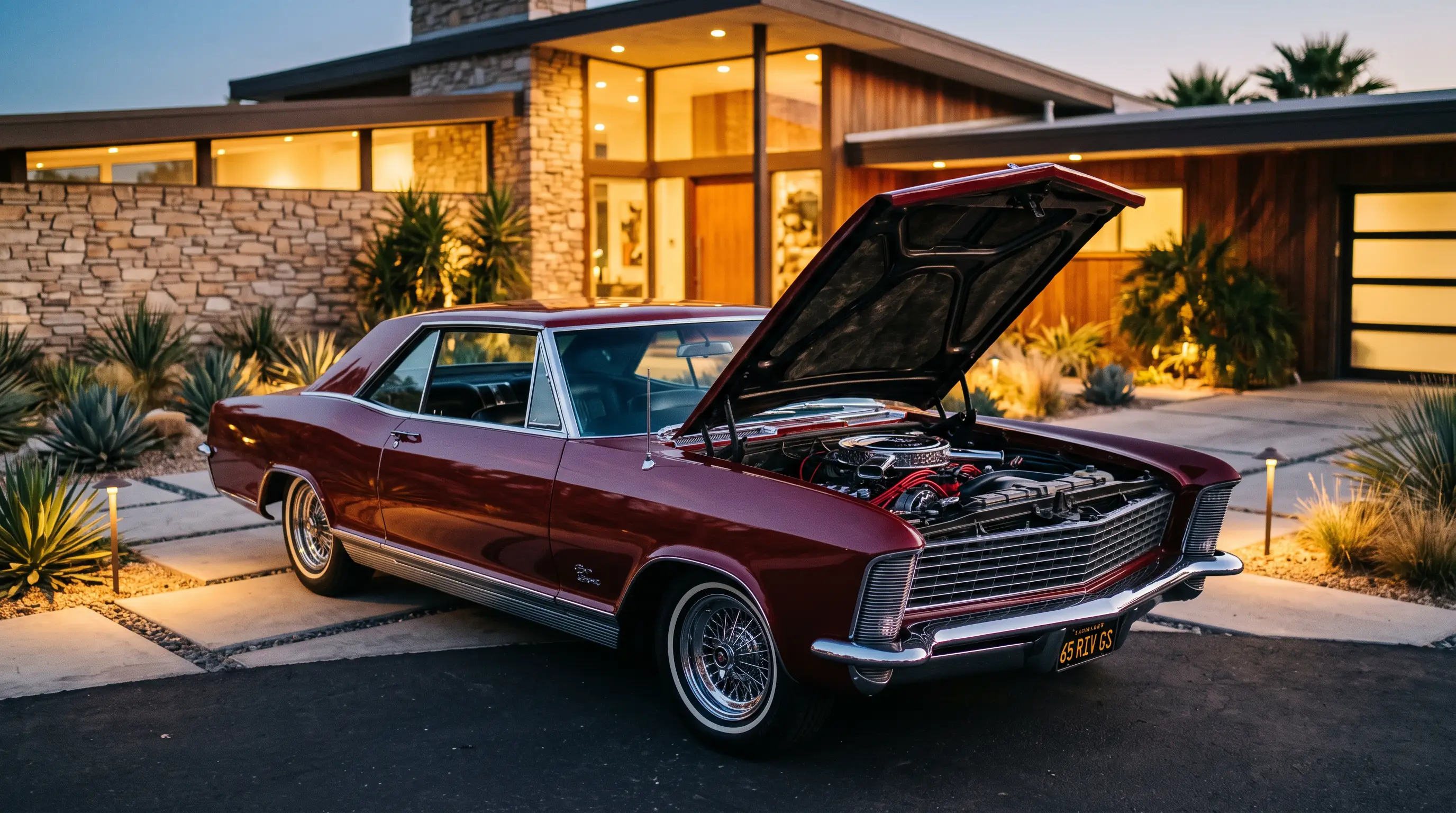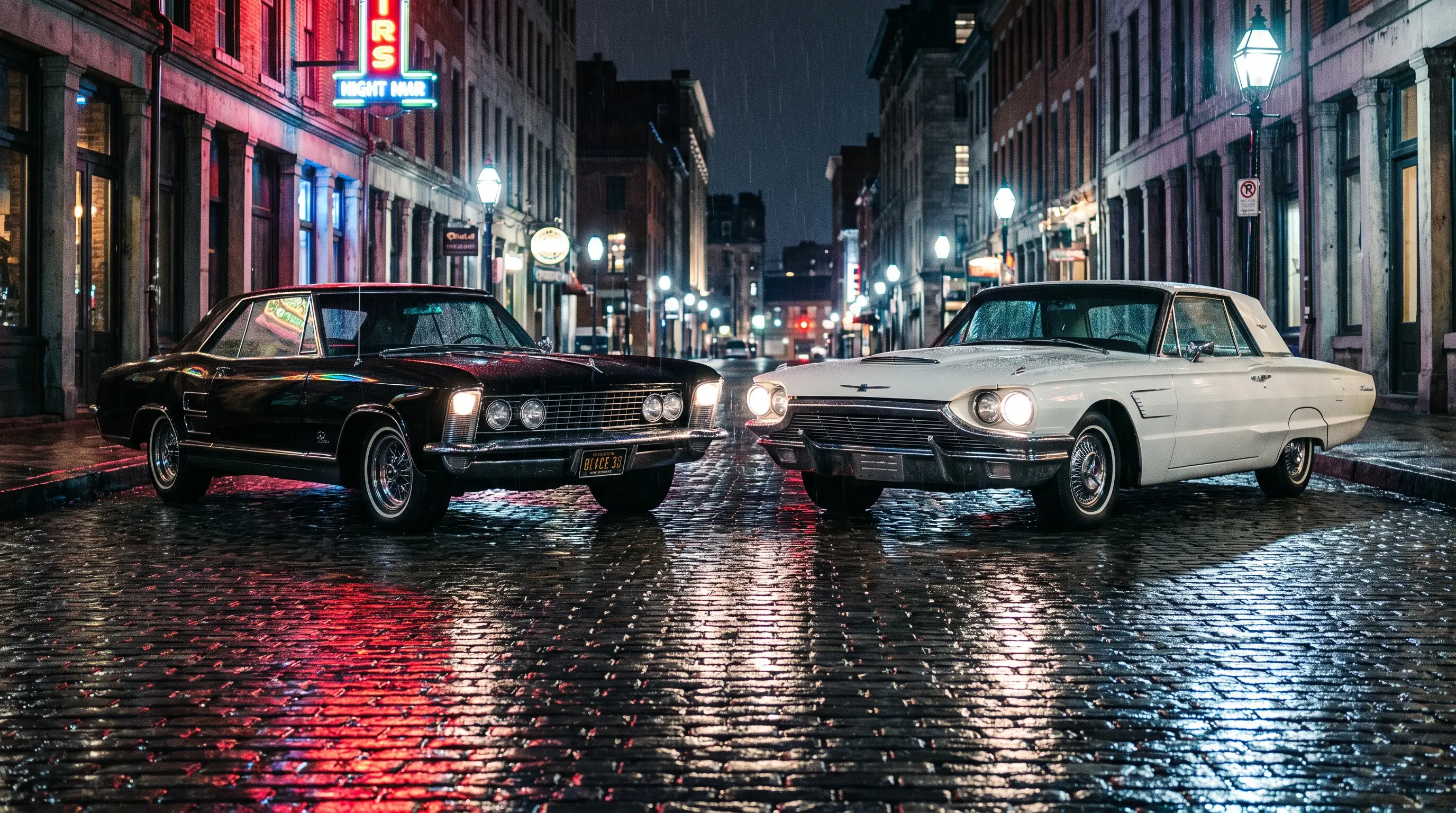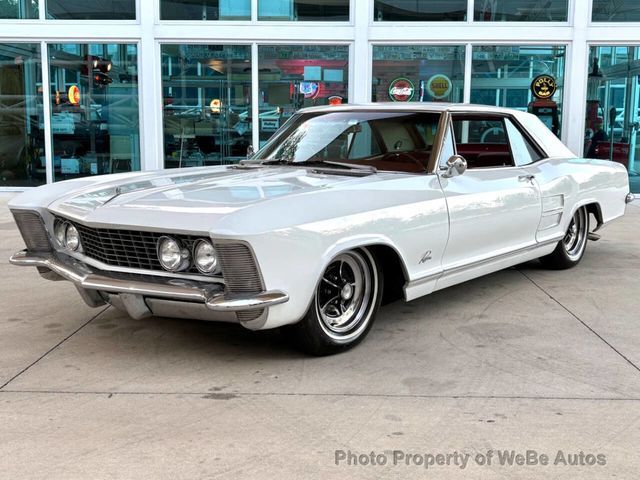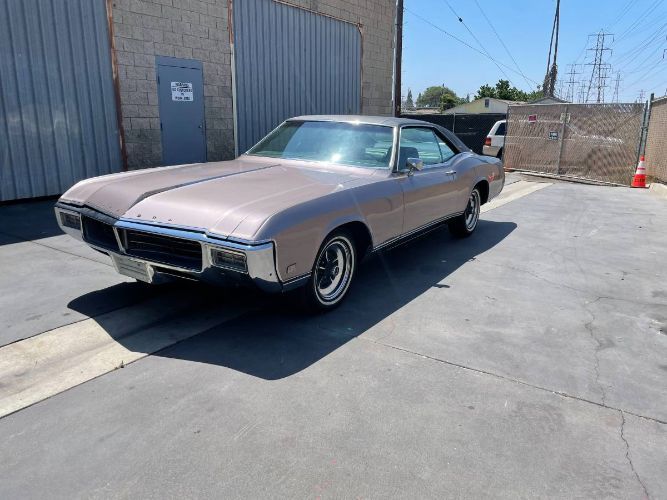
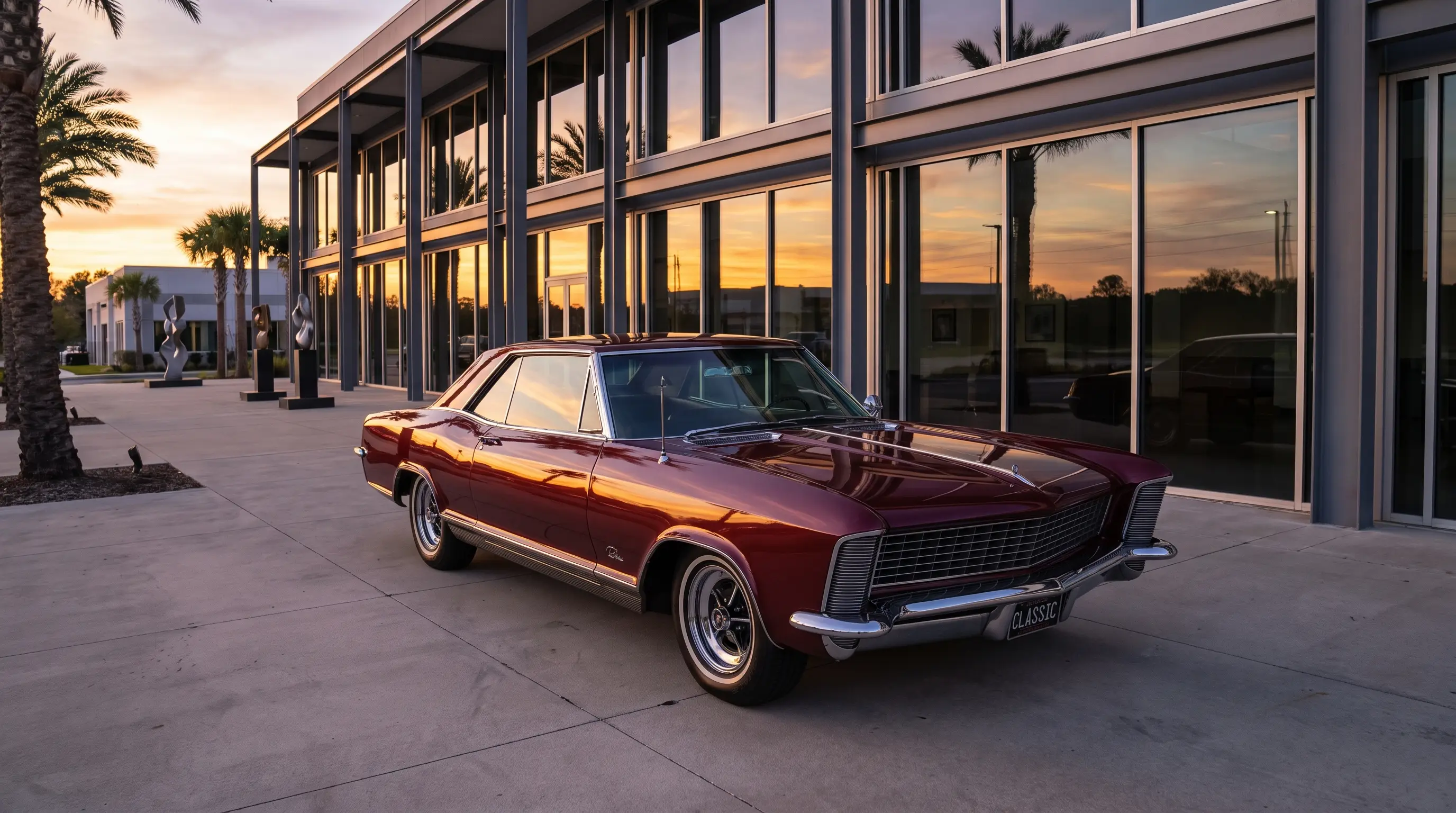
The personal luxury segment in the mid-1960s was a genuine market experiment, and the numbers tell you which entries won. The buick riviera 1965 personal luxury statement is best understood not as a styling exercise but as a bet Buick placed on a specific customer: someone who wanted a genuinely well-appointed two-door coupe, not a family sedan and not a stripped-down sports car, and who was willing to pay a premium for that middle position. By 1965, the data on that bet was in, and it favored Buick clearly. The background on how the car reached this point runs through read the background.
Sizing up the segment in 1965
The Ford Thunderbird had defined the personal luxury category through the late 1950s and into the 1960s, and by the time the Riviera launched in 1963 it was chasing an established, proven customer base rather than inventing a new one. What the sales data through 1965 shows is that Buick did not merely enter that market, it carved out a defensible position within it by offering something the Thunderbird did not: a more overtly European-influenced design sensibility, a chassis tuned for genuinely composed handling rather than pure isolation, and by 1965 a hidden-headlight styling signature the Thunderbird could not immediately match. Pricing for the 1965 Riviera positioned it close to comparable Thunderbird trims, which meant the competition came down almost entirely to product, not cost, a comparison Buick was increasingly comfortable making.
Buick's production numbers for the model year, at 34,586 units, reflect a car aimed deliberately at a narrower, higher-margin buyer rather than mass-market volume. That is the personal luxury business model working as intended: fewer units, higher content per car, and a customer willing to pay for exclusivity rather than one shopping strictly on price.
What buyers were actually paying for
Look past the sheet metal and the personal luxury statement gets concrete fast: a well-trimmed interior with available bucket seats and a center console, a standard V8 with a genuine torque option available for 1965 specifically, and styling details, the concealed headlights chief among them, that a buyer could point to and say no one else's car does that. None of those individually justified a premium price on its own. Together, they built a case for a customer who wanted their coupe to read as considered rather than mass-produced, and Buick's marketing for the year leaned into exactly that positioning rather than competing on raw specification numbers against cheaper coupes.
1965 personal luxury coupe snapshot
| Factor | 1965 Riviera positioning |
|---|---|
| Primary competitor | Ford Thunderbird |
| Pricing strategy | Comparable to Thunderbird trims, competing on product |
| Production approach | Lower volume, higher content per unit |
| Signature differentiator | Concealed clamshell headlights |
| Engine differentiator | Optional 425 cu in Nailhead V8 |
Why 1965 is the year the statement got sharpest
A personal luxury car has to justify its price with something a buyer can point to, and 1965 gave Buick two very concrete things to point to that neither 1963 nor 1964 could offer: the hidden headlights and the 425 engine option. Both features functioned as tangible proof that the premium price bought something real, not just a badge and a longer options list. That distinction mattered in a segment where buyers were, by definition, choosing to spend more than they strictly needed to for basic transportation, and where the entire sale rested on convincing them the extra money bought something genuinely different from a standard coupe.
The data backs up that the strategy worked as intended for Buick within its own targeted scale. The Riviera was never meant to outsell Buick's mainstream models, and it did not. It was meant to anchor the top of the lineup with a car that made a statement about what the division could build when it was not worried about volume, and by the third model year, the statement had real substance behind the styling.
"Personal luxury is a strange segment to analyze because the buyer is not looking for the best value. They are looking for the best statement. By 1965, Buick had a number of things to put on that statement that its competitors simply did not have yet."
- David Mercer
What the 1965 statement means for buyers today
Understanding the Riviera's original market position helps explain why the car holds the collector interest it does decades later. It was never built to be common, and it was never priced to be common, which means surviving examples inherited that same relatively limited production from day one. Buyers evaluating a 1965 car today are effectively looking at the same premium-positioned product Buick's original customers paid for, styling and engineering the division specifically built to justify asking more than a basic coupe cost. That original positioning is worth keeping in mind when comparing prices across model years, and anyone curious what that positioning translates to on today's market can find a classic Riviera and judge the value proposition for themselves against the numbers laid out here.
How the statement held up against later competitors
The personal luxury segment did not stand still after 1965. Ford answered with its own updated Thunderbird trims, and by the late 1960s a wider field of manufacturers had noticed the category's margins and started building their own entries. Judged against that later, more crowded field, the 1965 Riviera holds up as an unusually clean articulation of the idea, built before the segment got diluted by manufacturers chasing the same customer with less distinctive products. Later entries in the broader personal luxury category leaned increasingly on size and chrome to signal status, a strategy that worked commercially for a time but did little to sharpen any individual car's identity the way the Riviera's specific combination of styling and engineering had in 1965.
That distinction is part of why the 1965 Riviera still gets cited as a benchmark year when people discuss the personal luxury segment's high points rather than simply its commercial peak. Commercial peak years for the category came later, once the market had grown larger, but the product argument, the case that the premium price bought something genuinely different, was never made more clearly than it was in this specific model year.
Looking at the broader run of American personal luxury coupes across the following decade makes the point sharper still. As the 1960s gave way to the 1970s, the category increasingly competed on sheer size and interior gadgetry rather than the kind of restrained styling and torque-forward engineering that defined the Riviera's original pitch. That later drift toward bulk is exactly why analysts and collectors looking back at the segment tend to treat the early-to-mid 1960s entries, and the 1965 Riviera specifically, as the years when the personal luxury idea was expressed with the least compromise. The car did not need extra length or extra chrome to make its case. It made the case with a hidden headlight system nobody else offered and an engine option that backed up the promise the styling was already making.
Sources and notes
- Buick Riviera - Wikipedia
- 1965 Buick Riviera 401 V-8 Specs - Automobile Catalog
- 1965 Buick Riviera 425 V-8 Specs - Automobile Catalog
- 1965 Buick Riviera Gran Sport - Hagerty Valuation Tools
- A Detailed Look Back At The 1965 Buick Riviera - HotCars
- Dual Quads: 1965 Buick Riviera Super Wildcat - Barn Finds