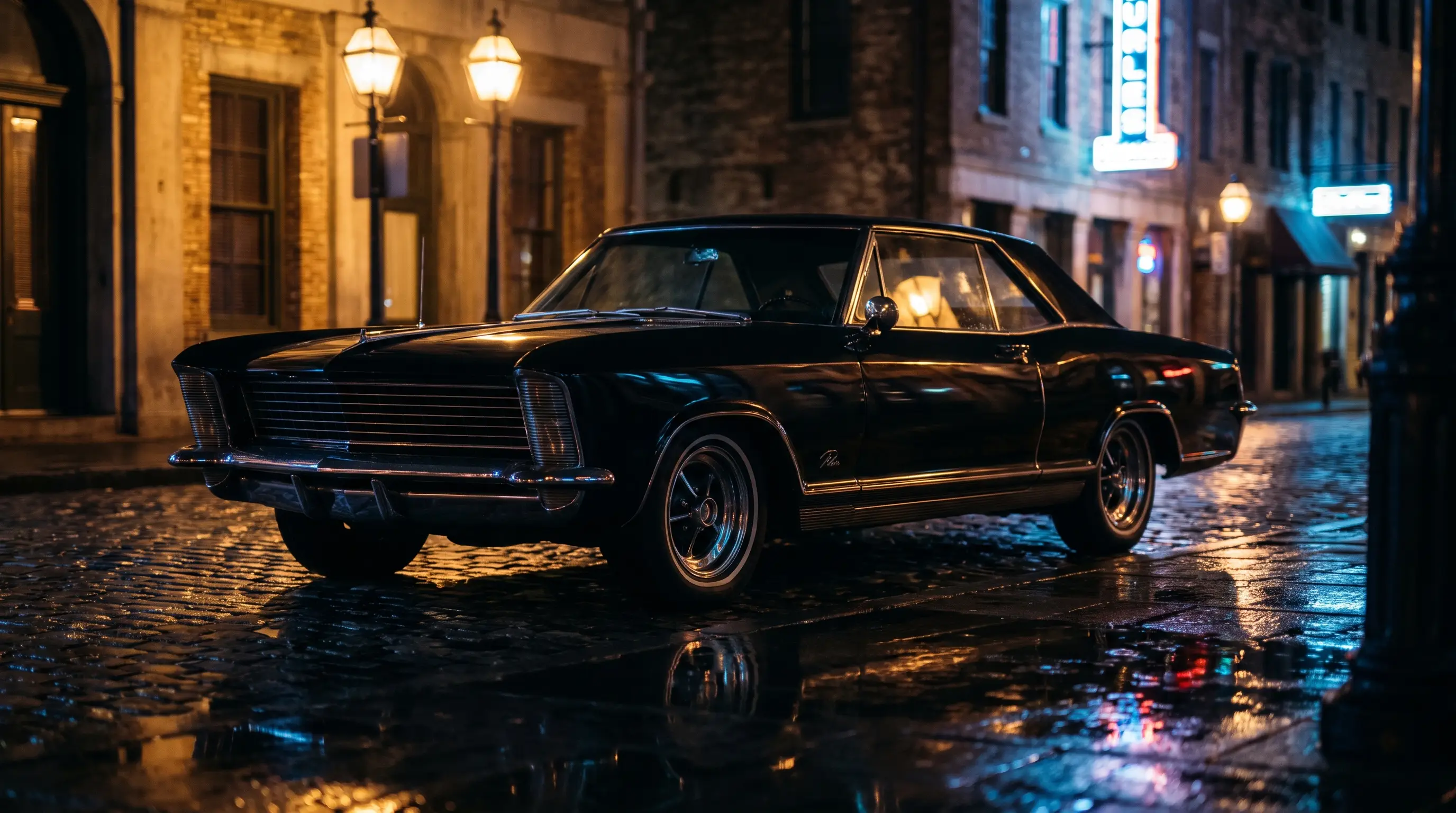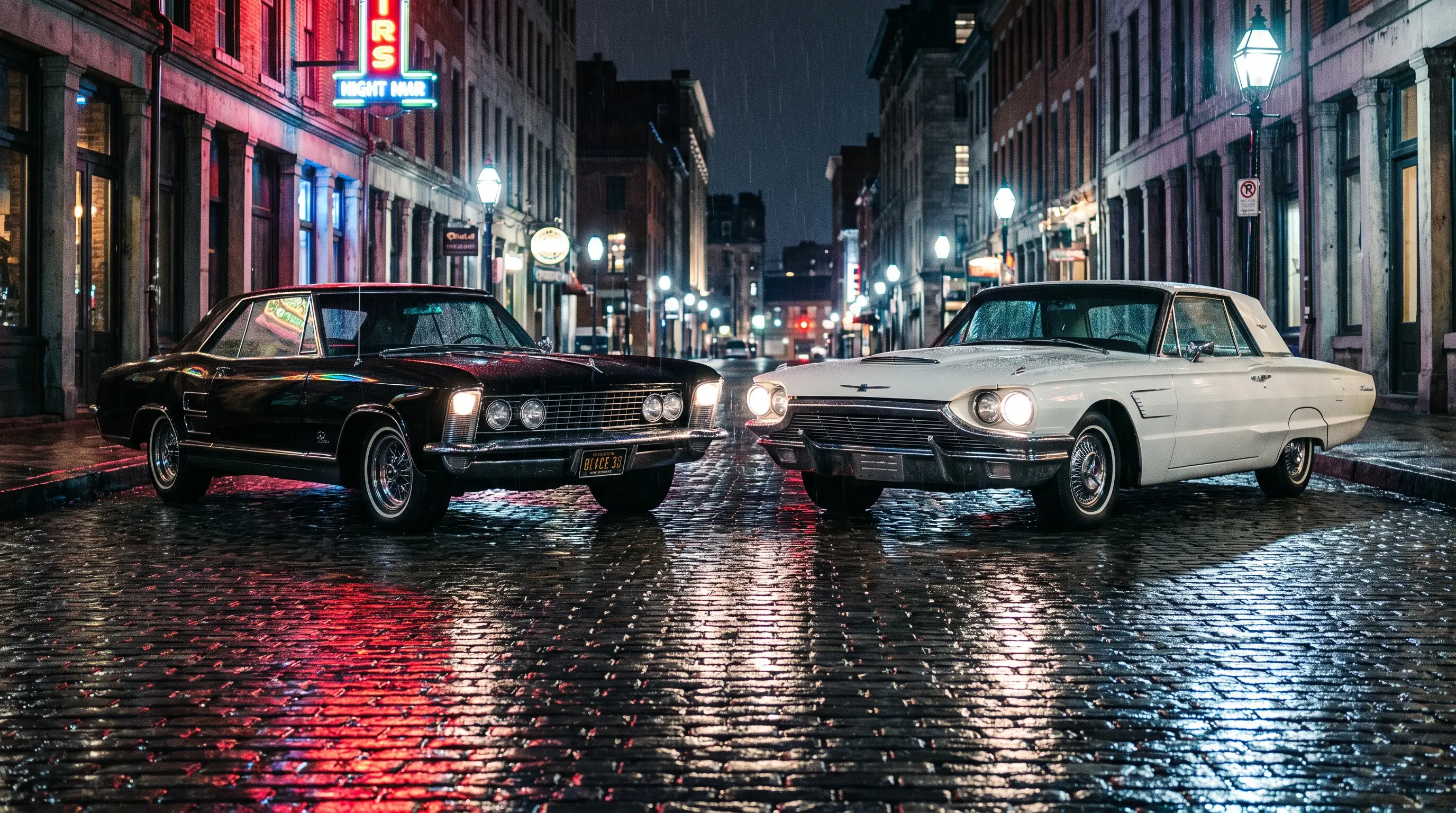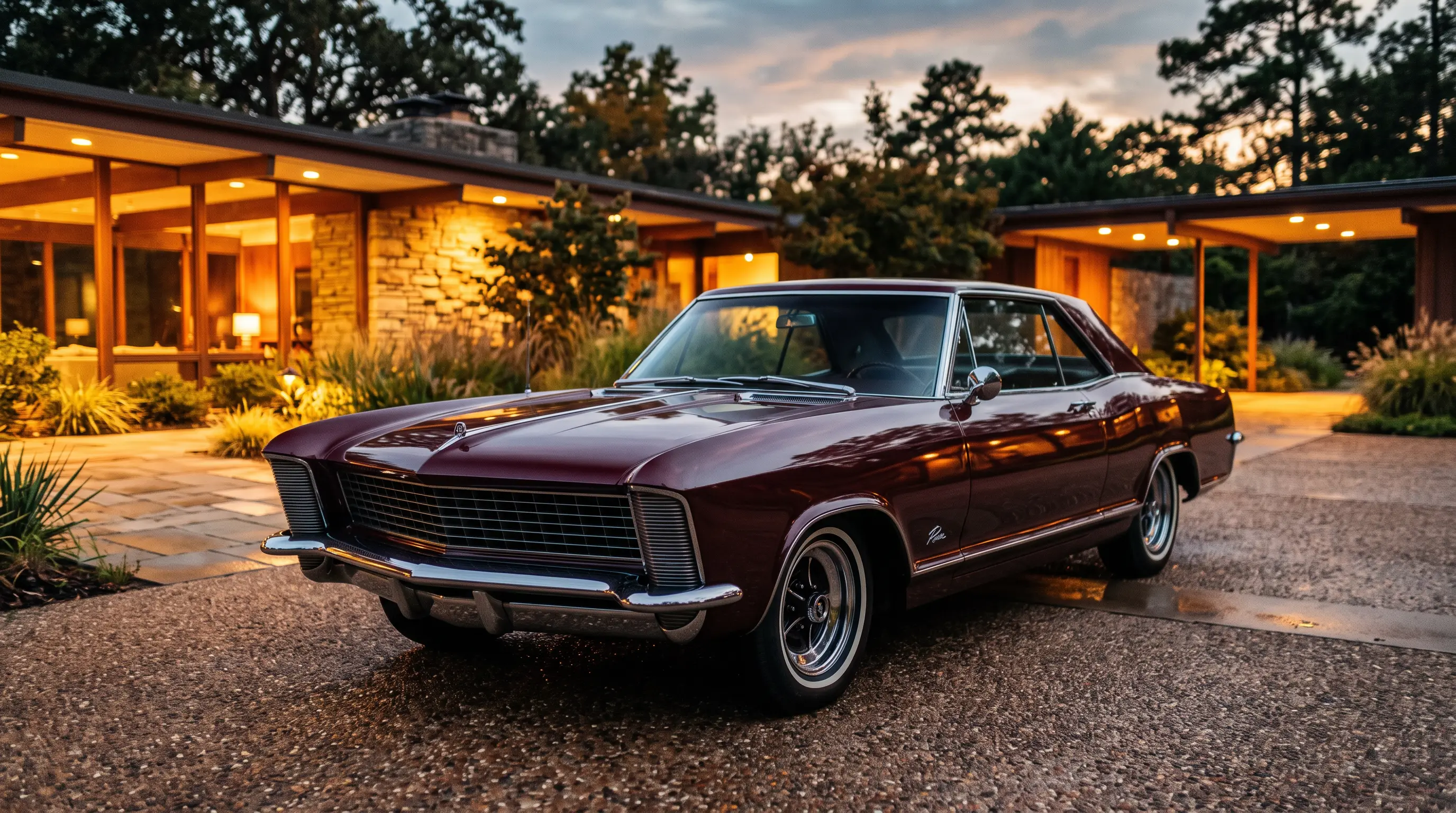
Sit inside a 1965 Buick Riviera with the door closed and the first thing you notice is how quiet the cabin feels before the engine even turns over. The 1965 Riviera interior cockpit was not designed as an afterthought bolted behind a good looking hood. It was built around the person who would actually spend hours a week in that seat, and that intention shows in a hundred small decisions that a passing glance never catches.
A dashboard built for the driver, not the showroom
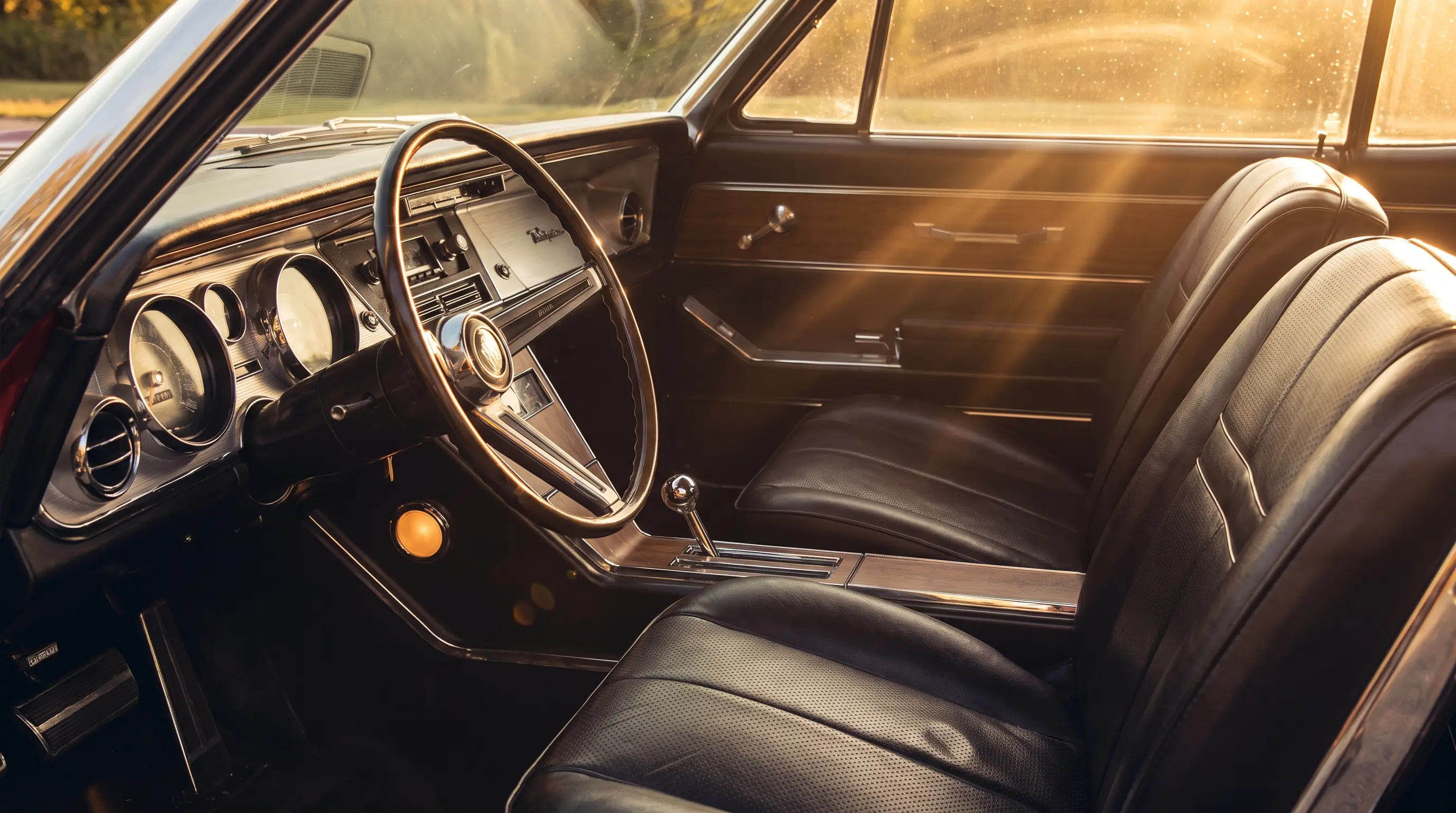
Open the door and the wheel sits close, the gauges sit ahead in a simple cluster instead of scattered across a wide plane of chrome, and the whole layout reads like someone actually asked a driver what they wanted before drawing it. That was unusual for 1965. Plenty of coupes in this price range treated the dashboard as a canvas for design flourish, all sweeping trim and delicate switchgear meant to be admired more than used. The Riviera's designers made a different choice. Speedometer, fuel, temperature, and the available tachometer sat where a driver's eyes could catch them without a long glance away from the road, an arrangement that owners from the period often mentioned specifically when asked what they liked about the car.
The steering wheel itself carried a thinner rim than the spongy, oversized wheels common on domestic cars of the era, another small signal that Buick wanted this cabin to feel like a place to drive rather than a place to be chauffeured.
Bucket seats and a console that meant business
Buyers who ordered the optional bucket seats and center console got something closer to a European sports coupe layout than anything else in Buick's lineup that year. The console ran the full length between the seats, housing the shifter for cars equipped with the console mounted automatic, and it physically separated driver and passenger in a way that bench seat Buicks never did. That separation mattered. It told the person behind the wheel that this space belonged to them specifically, not to whoever happened to be riding along.
The seats themselves used a firmer bolster than the pillow soft buckets some competitors offered, holding a driver in place through a turn instead of letting them slide across vinyl at the first hint of lateral load. Buick's engineers were not chasing a sport sedan reputation with this car, but the seating said otherwise, and it is one of the details that makes a good original interior worth preserving rather than swapping for something plusher.
Materials that were built to be touched, not just seen
Run a hand across the door panel of a well preserved 1965 Riviera and the vinyl has a grain to it that feels deliberate, not accidental. Chrome accents frame the instrument panel without overwhelming it, and the wood toned trim, while not real wood, was applied with enough restraint that it reads as an accent rather than a costume. This is a cabin that rewards close attention. It was not built to photograph well from ten feet away in a brochure. It was built to feel right from six inches away, under a hand resting on the console or a knee brushing the door panel on a long drive.
The rear seat, by comparison, received noticeably less attention than the front. This was, after all, a coupe designed around its driver, and Buick did not pretend otherwise. Rear legroom was tight and the back seat cushion sat lower and flatter than the front buckets, a layout choice that made clear who this car was actually for.
"You can tell a lot about a car by which seat the designers cared about most. In this one, it was never a question."
- Nora Beckett
Sound, light, and the small comforts that add up
Close the door on a well sealed 1965 Riviera and the cabin drops into a hush that surprised period reviewers used to the rattle and wind noise common in domestic coupes. Some of that quiet came from the frameless door glass sealing tighter than expected once properly adjusted, and some came from sound deadening Buick applied more generously than its price point strictly required. The heater and optional air conditioning controls sat within easy reach of the driver's right hand rather than forcing a stretch across the console, another small choice that favored function over showroom flash.
At night, the instrument lighting used a soft, even glow rather than the harsh individual bulbs some competitors relied on, so the cluster stayed legible without washing out a driver's night vision on a dark highway. It is the kind of detail nobody notices until it is missing, and it is exactly the kind of detail that separated a car built by people who drove their own products from a car built purely to a marketing brief.
Anyone who has pulled a 1965 Riviera interior apart for restoration will tell you the same thing: the fit and finish underneath the visible surfaces holds up better than expected for a mass produced American coupe. Door panel clips, dash mounting points, and the console's internal bracing were engineered with enough tolerance that decades later, panels still align the way they did off the line, provided rust has not compromised the structure underneath. That is not true of every personal luxury car from this era, some of which used flimsier fasteners hidden behind the same impressive looking trim.
This matters practically for anyone shopping a candidate today. A cabin that looks tired on the surface, with cracked vinyl or faded carpet, is often salvageable because the underlying structure was built to last. A cabin that has been poorly modified, with incorrect aftermarket seats or a hacked up console, loses something that is much harder to recreate authentically, even with unlimited budget.
Why the cockpit still holds up
Six decades on, what stands out about this interior is how little of it feels like costume jewelry. The switches operate with a mechanical certainty that later, softer era interiors sometimes lost. The proportions between wheel, seat, and pedals still feel considered rather than accidental. For a full sense of how this cabin fits into the wider 1965 redesign, including the exterior changes that arrived alongside it, the 1965 buick riviera story lays out the complete picture, and anyone curious about how this generation grew out of the original 1963 concept can trace the full story from the very beginning.
Owners who have sat in both an original and a poorly redone example know the difference immediately. A cared for cabin still communicates the intent behind it. A neglected one just feels like old vinyl. That gap is exactly why interior condition carries so much weight when collectors evaluate a car for purchase, sometimes more than the paint does. For anyone tracking down a candidate worth that kind of attention, there are classic Rivieras on the market right now with interiors ranging from tired to superb, and the difference between them is worth seeing in person before any decision gets made.