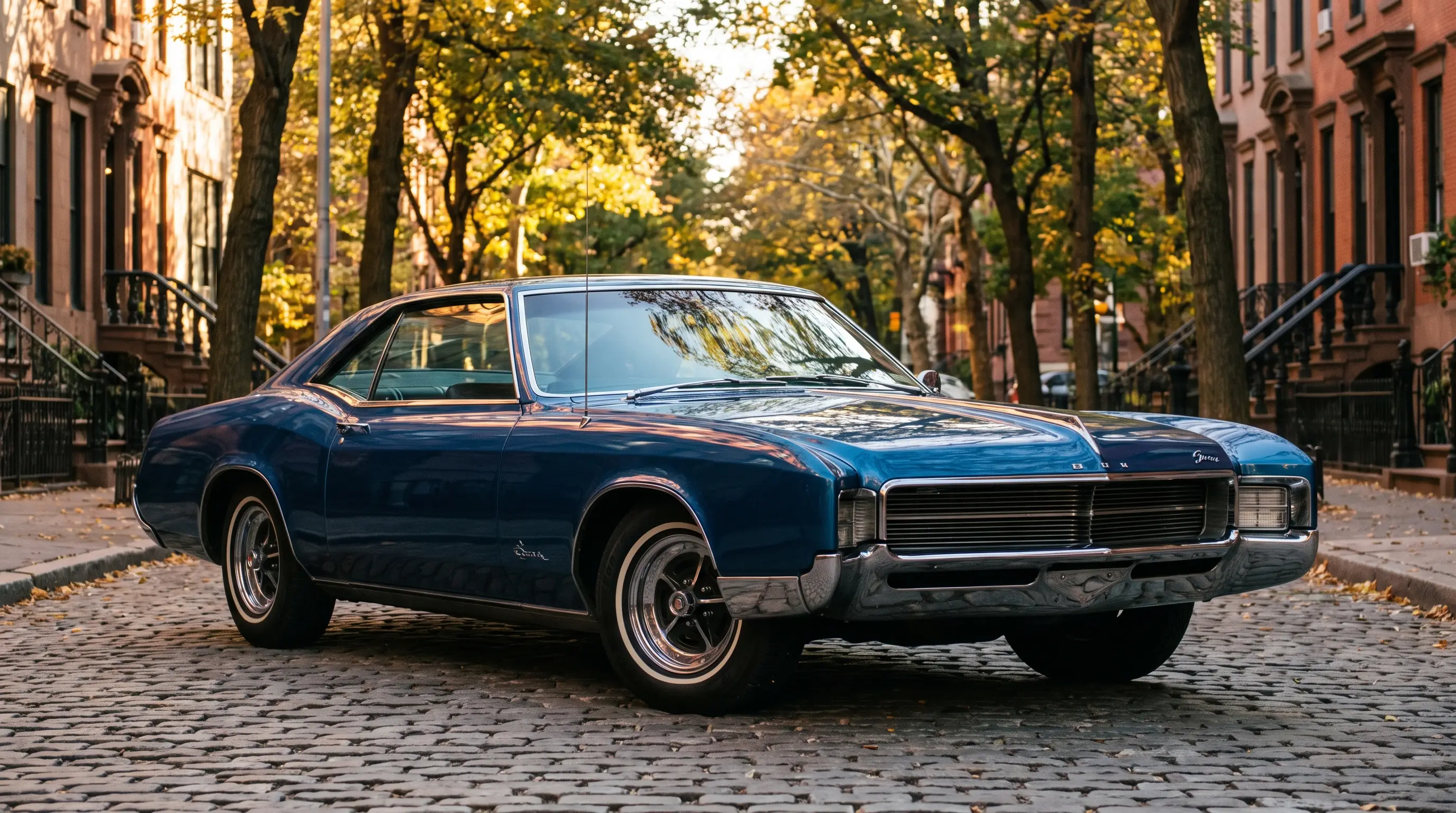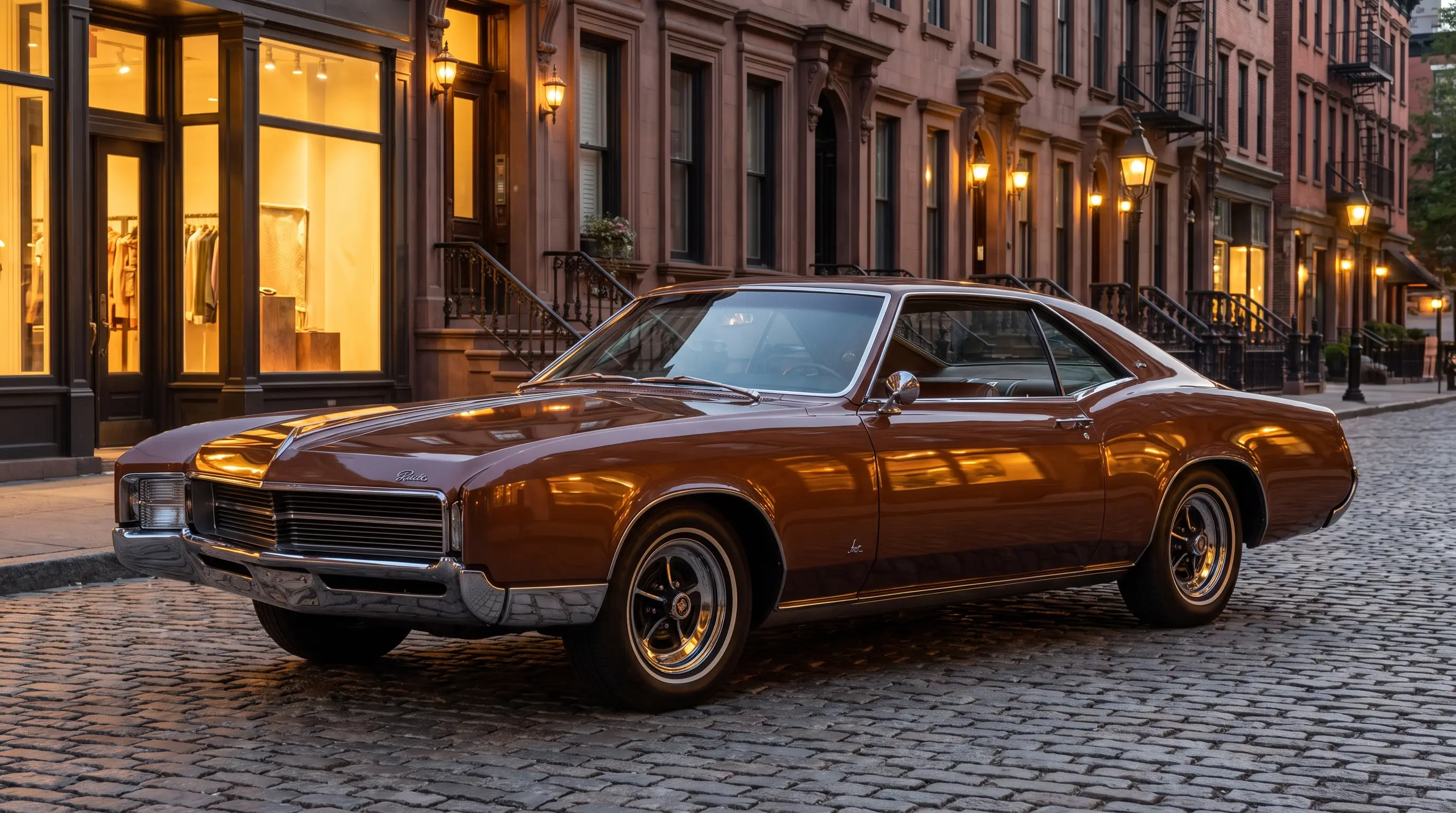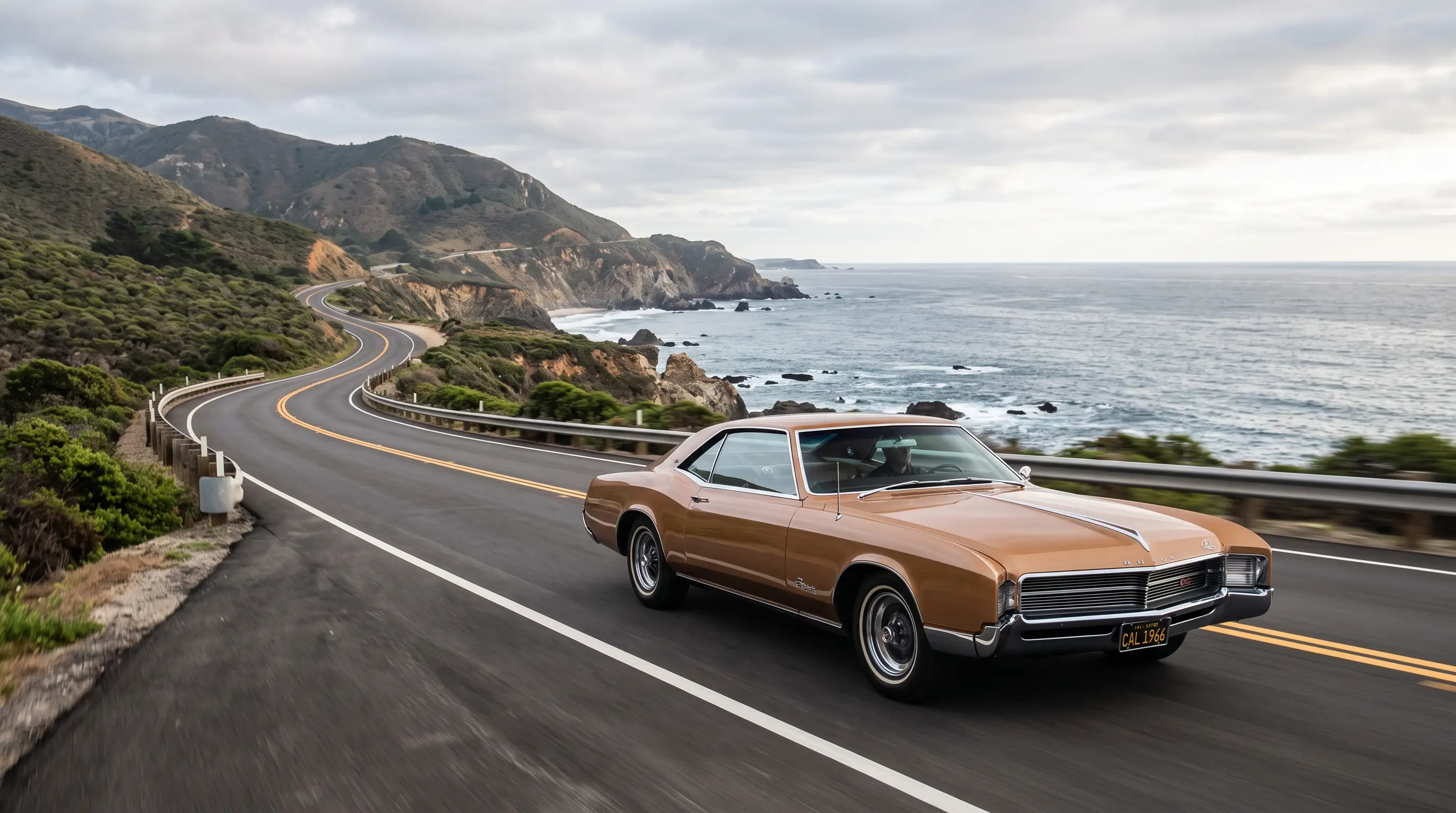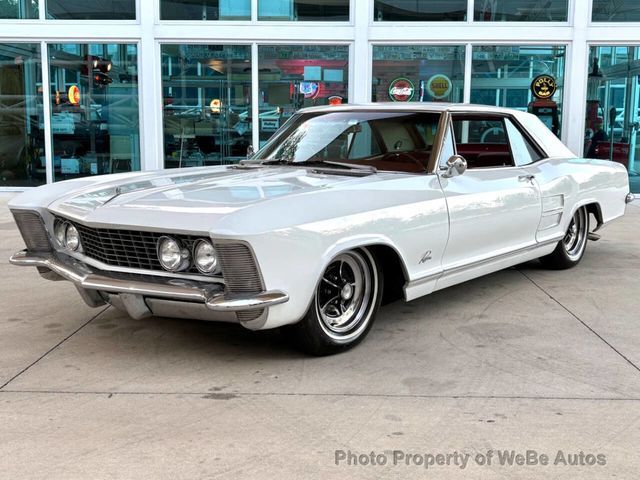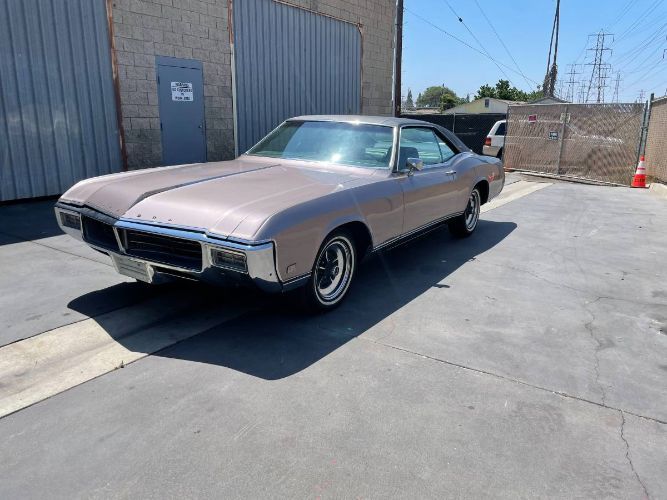
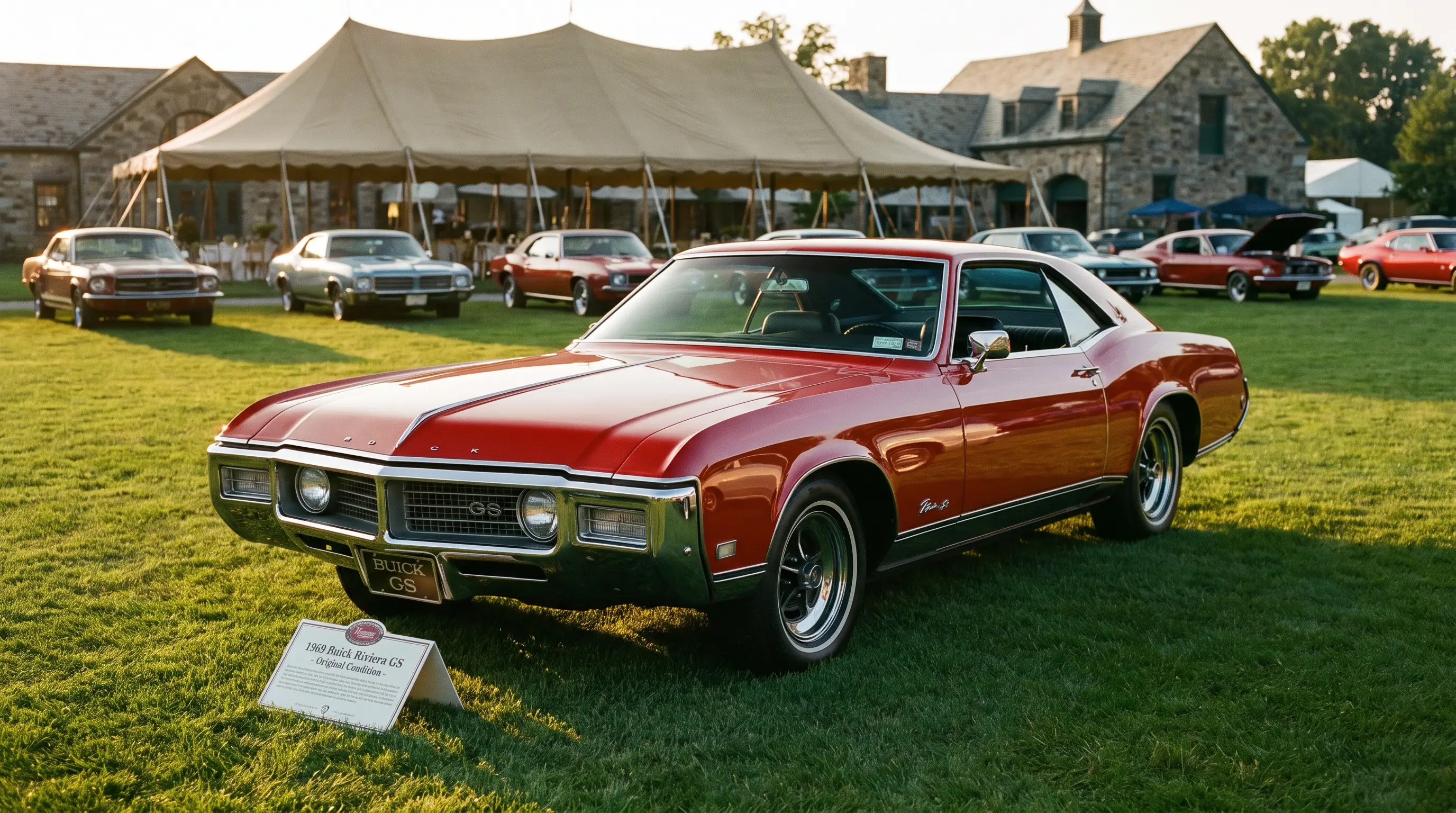
For a long stretch of collector car history, the second-generation Buick Riviera was the car people mentioned right after they finished talking about the boat-tail. It got treated as the warm-up act, a solid but unglamorous bridge between the original 1963 design and the flamboyant 1971-73 cars that stole every magazine cover. That narrative has been quietly wrong for a while, and the market has finally started catching up to it.
The undervalued years, plainly stated
1966 through 1970 covers five model years of Riviera that get lumped together as "the fastback generation" even though the changes across that span were real. The 1966 and 1967 cars carry the cleanest version of the fastback profile before later trim updates added weight to the design. Engine-wise, this generation bridges the last nailhead V8s and the arrival of Buick's 430, then the 455 by 1970, meaning a single generation spans three distinct engine families. That kind of mechanical range inside one body style is rare, and it gives buyers real choice depending on what they want the car to do.
None of that complexity showed up in pricing until recently. Buyers chasing headline numbers gravitated toward the boat-tail's dramatic lines or the first-generation's founding-model cachet, leaving the middle generation priced like a placeholder rather than what it actually is, a fully resolved design with genuine mechanical variety.
Why documentation moves the needle harder here
Appraisers looking at a 1966-70 Riviera weigh paperwork more heavily than they do on flashier muscle cars from the same window, because the story these cars tell is about refinement and originality rather than raw power. A GS model with the dual-quad engine and a clean build sheet closes a gap that a repainted, undocumented example simply cannot, regardless of how good the paint looks in photos.
This is a different dynamic than what drives value on a lot of period muscle cars, where a strong dyno number or a documented quarter-mile time can carry a sale on its own. Riviera buyers are shopping a more subtle set of credentials, factory paint codes, correct interior trim combinations, verified options like power windows or a factory tachometer, that only matter to someone who already understands what they are looking at. That narrower, more knowledgeable buyer pool is part of why documentation moves prices here more sharply than it does in flashier corners of the collector market.
That documentation premium has widened as more buyers educate themselves on what actually separates one 1966-70 Riviera from another. Cars with a verified build sheet, original window sticker, or factory invoice are pulling ahead of unverified twins at a rate that would have surprised sellers five years ago.
"Undervalued doesn't mean cheap forever, it means the market hasn't finished pricing it yet. The second-gen Riviera has been in that window longer than it should have been, and that window is closing."
- Marcus Feld
What is actually driving the reappraisal
Three forces are pushing prices upward at once. First, boat-tail values have climbed enough that buyers priced out of that generation are shopping adjacent years, and the second-generation Riviera is the obvious landing spot. Second, a wave of collectors who grew up around these cars in period are now buying back into the hobby with real purchasing power, and they remember the 1966-70 cars as the ones their neighbors actually drove, not just the ones in magazines. Third, parts and service support for this generation has improved as specialty suppliers catch up to demand, lowering the ownership friction that used to push buyers toward more common muscle car platforms instead.
Together those factors have moved clean GS examples meaningfully in recent years, while base coupes have lagged behind, which is exactly the pattern you would expect from a generation correcting a pricing gap rather than experiencing a speculative bubble.
Auction results over the last several sales seasons back this up in a way that raw asking prices alone do not. Cars that would have quietly changed hands a decade ago now draw multiple serious bidders when they carry real documentation, and that competitive bidding is the clearest signal a market has actually shifted rather than a seller simply asking for more. A generation does not correct itself on the strength of one high sale, it corrects when the floor under average, well-kept examples rises consistently across many transactions, and that is the pattern showing up now.
Reading the range: 1966 versus 1970
Buyers new to this generation often assume all five years trade similarly, and they do not. The earliest cars, particularly 1966, carry the cleanest styling and the last nailhead engines, which appeals to purists. The latest cars in the run, 1969 and 1970, get the larger 430 and then 455 engines, trading some styling purity for more usable power. Neither end of that range is objectively better, they simply serve different collector priorities, and pricing has started to reflect that distinction rather than treating the generation as one flat category.
The middle years, 1967 through 1969, tend to get overlooked in this conversation entirely, which creates its own opportunity. These cars carry the 430 V8 and refined chassis tuning without either the nailhead's purist appeal or the 455's extra muscle, and that in-between status has kept them priced below both bookend years despite offering a genuinely balanced combination of period-correct engineering and everyday usability. Buyers willing to skip the bragging rights of owning the first or last year of the run often find the best value sitting quietly in the middle of it.
For a closer look at how the earliest and most requested year in this range holds up on its own, 1966 buick riviera history breaks down what changed that specific model year. Buyers weighing the road manners of these cars against their design credentials may also want a related story on how the 1966 Riviera actually behaves on the street.
What this means for anyone buying now
The window for finding a well-documented second-generation Riviera at a genuine discount to its boat-tail sibling has not closed, but it is narrowing every season. Buyers who move now on a car with clean paperwork are buying into a generation that the market has only recently started to respect properly. That is a better position than chasing an already-recognized icon at its peak price. Current inventory is worth a look for anyone serious about acting on this shift, and Rivieras for sale now is the place to start comparing what is actually available. Patience still has its place here too, since not every listing at a premium price is backed by the documentation that actually justifies it, and buyers who take the time to verify a build sheet before writing a check will end up better positioned than anyone chasing the trend blindly.